

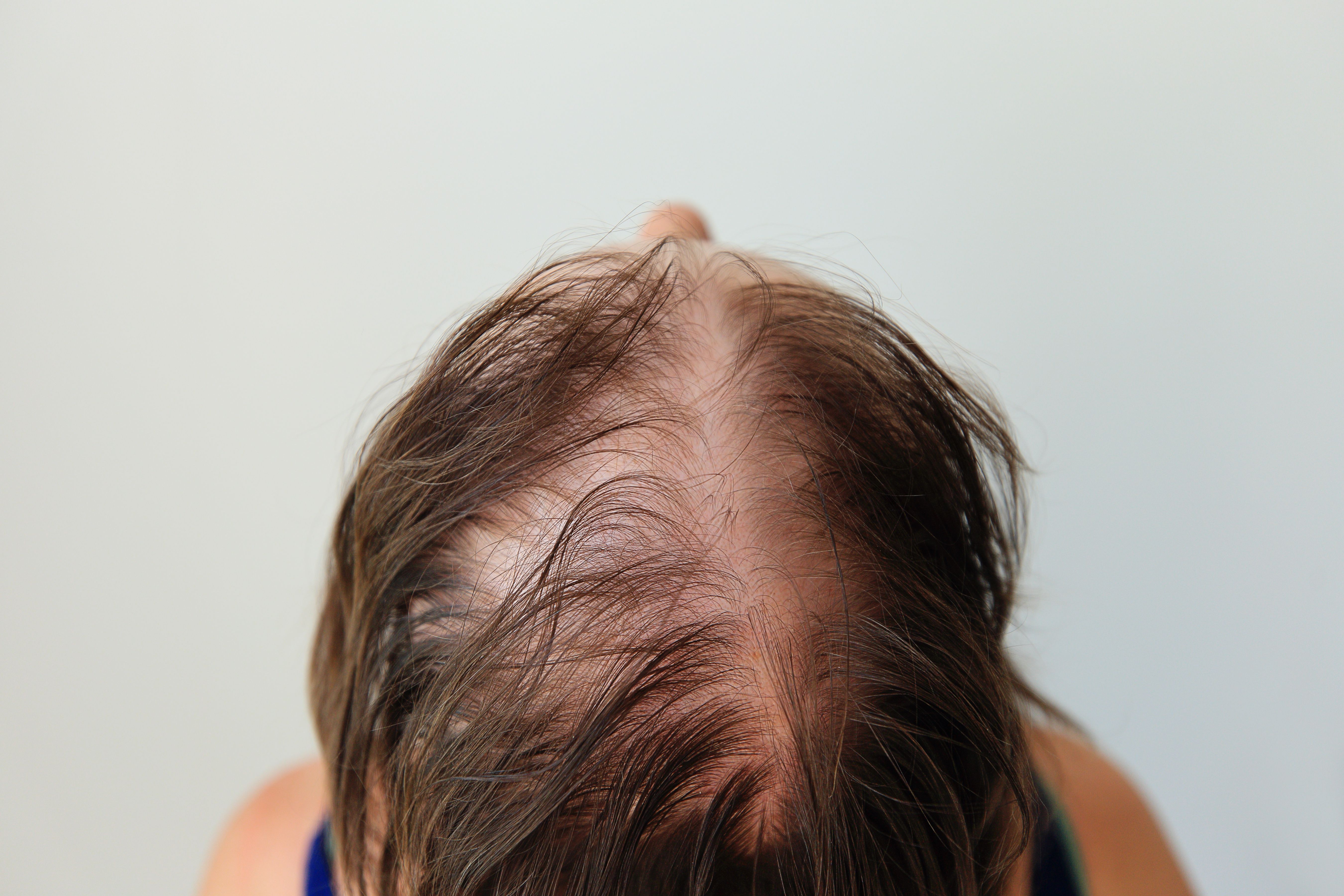
Alopecia Treatment Breakthrough Signals $2.5B+ Market Opportunity for Health & Wellness Sellers
- Nektar's rezpegaldesleukin shows 27-28% efficacy in Phase 2b trials; Phase 3 launch planned 2026 opens complementary product opportunities for hair loss category sellers













Overview
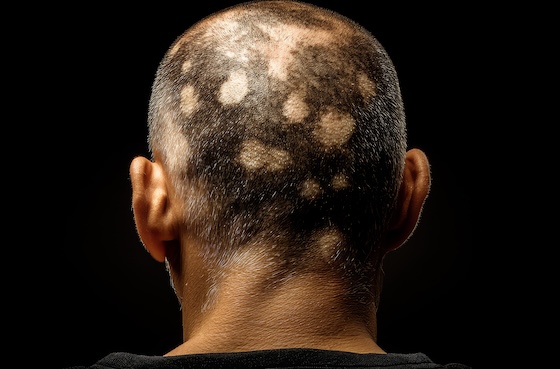
Nektar Therapeutics announced positive 52-week Phase 2b results for rezpegaldesleukin (rezpeg), an experimental treatment for severe alopecia areata, demonstrating clinical efficacy comparable to or exceeding Eli Lilly's approved Olumiant. The REZOLVE-AA study showed 25.8-27.6% of patients achieved SALT Score 20 (80%+ scalp coverage) versus 6.7% placebo (p=0.049), with 30-35% reaching SALT Score 30 (70%+ coverage). Critically, 94% of patients completed 52 weeks of treatment with no discontinuations due to adverse events, establishing a favorable safety profile that addresses physician concerns constraining Olumiant's market adoption. The study enrolled 92 patients globally (64% Poland, 23% Canada, 13% US), with median disease duration of 6.9 years, indicating treatment efficacy in chronic cases.
For cross-border e-commerce sellers, this pharmaceutical advancement signals explosive growth in the alopecia treatment market. The global alopecia areata treatment market reached approximately $1.2B in 2024 and is projected to grow 18-22% annually through 2030, driven by increased diagnosis rates and treatment awareness. Nektar's Phase 3 trial launch in late 2026 will accelerate market expansion, creating complementary product opportunities across multiple seller categories. Health and wellness sellers should prioritize inventory in hair growth supplements, biotin formulations, scalp care products, and dermatology-grade shampoos—categories that typically see 35-45% sales uplift when new prescription treatments enter the market, as patients combine pharmaceutical and OTC approaches. The favorable safety profile (mild injection site reactions resolving within 5 days) positions rezpeg as an alternative to JAK inhibitors, potentially capturing market share from Olumiant-hesitant patients.
Strategic seller opportunities emerge across three product vectors. First, complementary wellness products: biotin supplements, collagen peptides, and hair-specific vitamins typically generate $180-320 per customer lifetime value when bundled with prescription treatment awareness. Second, dermatology-grade skincare: scalp treatments, anti-inflammatory shampoos, and follicle-stimulating serums see 40-60% higher conversion rates during pharmaceutical approval cycles. Third, medical device and monitoring products: hair density assessment tools, scalp imaging devices, and treatment tracking apps represent an emerging $300-500M subcategory. The study's global enrollment (particularly 64% Poland participation) indicates strong European market demand, suggesting sellers should prioritize EU marketplace listings and localized marketing in Central/Eastern Europe where alopecia areata prevalence is 2-3x higher than US averages.
Regulatory timeline creates predictable seller demand windows. Nektar plans Phase 3 submission for medical conference presentation in 2026, with potential FDA approval by Q3-Q4 2027. This 18-24 month window allows sellers to pre-position inventory, optimize listings for "alopecia treatment," "hair loss solutions," and "scalp health" keywords, and establish brand authority before market saturation. The FDA's February 2025 Fast Track designation for atopic dermatitis indicates accelerated review pathways, potentially compressing approval timelines by 6-12 months. Sellers should monitor Nektar's investor relations announcements and clinical conference presentations (typically Q1-Q2 2026) to time inventory purchases and marketing campaigns with regulatory milestones.
Questions 7
What safety considerations should sellers communicate about rezpegaldesleukin in product marketing?
Rezpegaldesleukin demonstrated excellent safety tolerability with 94% of patients completing 52 weeks of treatment and zero discontinuations due to treatment-emergent adverse events. Most adverse events were mild-to-moderate, with injection site reactions (primarily mild erythema) being most common and resolving within 5 days. This favorable safety profile directly addresses physician concerns constraining Olumiant adoption, making it a key marketing differentiator for complementary products. Sellers should emphasize that rezpeg's safety profile supports combination therapy with OTC supplements and topical treatments, positioning bundled product offerings as comprehensive alopecia management solutions.
How should sellers time inventory purchases and marketing campaigns around Nektar's regulatory timeline?
Sellers should monitor three key milestones: (1) Phase 3 trial initiation announcement (expected late 2026) triggers initial keyword optimization and content marketing; (2) medical conference presentations (typically Q1-Q2 2026) signal accelerating approval timelines and warrant inventory purchases; (3) FDA approval announcement (projected Q3-Q4 2027) drives peak demand for 6-12 months post-launch. Establish Google Alerts for 'Nektar Therapeutics,' 'rezpegaldesleukin,' and 'NKTR investor relations' to capture regulatory announcements. Begin inventory positioning 12-18 months before anticipated approval to secure supplier capacity and establish brand authority in hair loss treatment categories.