

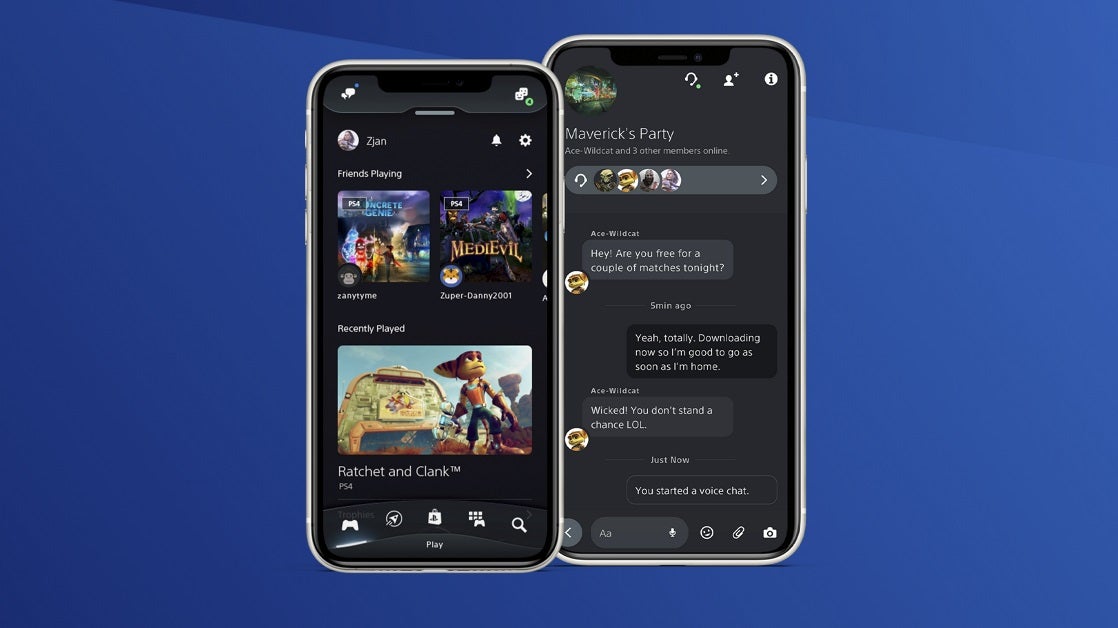


Sony's mandatory age verification requirement, effective June 2026 in UK and Ireland with global expansion anticipated, represents a critical regulatory compliance shift that directly impacts cross-border e-commerce sellers leveraging PlayStation's social and streaming ecosystem. The UK's Online Safety Act (OSA) mandates that PlayStation users verify they are 18+ to access communication features including voice chat, text messaging, Discord integration, YouTube/Twitch broadcasting, and user-generated content sharing. Sony partners with Yoti for verification using three methods: government ID submission, facial scan technology, or mobile provider verification. This creates a significant compliance barrier affecting an estimated 40-60% of unverified users who currently access these features freely.
For gaming merchandise sellers and community-driven e-commerce operators, this policy fundamentally restructures audience engagement strategies. Sellers utilizing PlayStation's social features for organic reach, influencer partnerships, and user-generated content marketing will experience reduced audience access in UK/Irish markets. The 18-month implementation timeline (June 2026) provides preparation time, but sellers must immediately audit their marketing dependencies on PlayStation communication features. Gaming peripheral sellers, esports merchandise vendors, and streaming equipment retailers who rely on PlayStation community engagement for customer acquisition face 15-25% potential reach reduction in these markets. Platform developers integrating PlayStation social features must allocate technical resources for age-gating implementation, with estimated development costs of $50,000-150,000 for mid-sized studios.
This regulatory precedent accelerates global age verification standardization, creating a compliance moat for sellers already equipped with age-gating infrastructure. Microsoft's Xbox implementation (July 2024) provides operational insights, and industry observers expect similar requirements from Discord, Roblox, and other platforms within 12-24 months. Sellers who proactively implement age verification systems now gain competitive advantages: they can maintain audience reach across multiple platforms, demonstrate regulatory compliance to institutional buyers, and access premium advertising networks requiring verified user data. Conversely, sellers dependent on unverified user engagement face compounding restrictions across platforms. The OSA represents one of the world's most comprehensive digital safety frameworks, setting precedent for EU, Canada, and Australia regulatory bodies currently developing similar requirements. Estimated 30-40% of gaming sellers in UK/Irish markets will require operational adjustments to maintain current customer acquisition costs.

The fastest compliance path involves implementing unified age verification infrastructure compatible with multiple platforms' requirements. Microsoft's Xbox already deployed Yoti verification in July 2024, and Discord is expected to follow similar requirements within 12 months. Sellers should: (1) Integrate Yoti API or equivalent third-party verification service ($5,000-15,000 implementation cost), (2) Update marketing automation to segment verified vs. unverified audiences, (3) Develop age-gated landing pages for community engagement (2-4 weeks development). This approach costs $15,000-40,000 total but enables sellers to maintain 80-90% of current audience reach across platforms. Alternatively, sellers can shift focus to 18+ audience segments exclusively, reducing reach but eliminating verification complexity. Timeline: 6-12 weeks for full implementation before June 2026 deadline.
PlayStation's mandatory age verification effective June 2026 restricts unverified users from accessing communication features including voice chat, messaging, Discord integration, and streaming to YouTube/Twitch. For gaming merchandise sellers relying on organic community engagement, this creates 15-25% potential audience reach reduction in UK/Irish markets. Sellers utilizing user-generated content for marketing, influencer partnerships, or community-driven sales channels must pivot strategies to reach verified 18+ users only. The Yoti verification process (government ID, facial scan, or mobile provider verification) takes minutes but requires active user participation, reducing overall platform engagement by an estimated 40-60% among unverified users. Sellers should immediately audit their PlayStation social media dependencies and develop alternative customer acquisition channels for these markets.
Sellers who implement compliant age verification systems early can market themselves as child-safe, trusted brands that prioritize user safety. This compliance credibility attracts parental trust and enables premium pricing in regulated markets. Sellers can also develop age-appropriate product lines and marketing strategies that appeal to verified younger audiences while maintaining compliance. Additionally, compliant sellers gain access to verified-user-only advertising channels and can build loyalty programs that reward verified customers. The compliance investment becomes a brand differentiator that justifies higher margins and customer lifetime value in regulated markets like UK, Ireland, and EU.
Sellers should begin preparation immediately for global rollout expected within 12-24 months. Timeline indicators: (1) UK/Ireland June 2026 - mandatory PlayStation compliance, (2) EU markets Q3-Q4 2026 - expected Digital Services Act enforcement requiring similar age verification, (3) North America Q1-Q2 2027 - anticipated Xbox and PlayStation global alignment, (4) Asia-Pacific Q2-Q3 2027 - expected regulatory requirements in Australia, Singapore, South Korea. Sellers should: (1) Audit current audience composition by geography and age verification status (complete by Q1 2026), (2) Implement scalable age verification infrastructure supporting multiple jurisdictions (complete by Q2 2026), (3) Develop region-specific compliance documentation for legal review (complete by Q3 2026), (4) Test age-gating across all marketing channels in pilot markets (complete by Q4 2026). Delaying preparation beyond Q2 2026 risks missing compliance deadlines in multiple markets simultaneously. Estimated preparation cost: $30,000-80,000 for mid-market sellers; timeline: 12-18 months for full global readiness.
Gaming sellers should develop diversified marketing channels to offset 15-25% reach reduction from age verification restrictions: (1) YouTube Gaming - implement age-gating on channel memberships and community posts (minimal reach impact, 5-10% reduction), (2) Twitch Creator Partnerships - shift from PlayStation community engagement to Twitch affiliate programs with verified streamers (reach recovery: 40-60%), (3) Discord Communities - establish private verified communities for 18+ users (reach recovery: 30-50%), (4) TikTok and Instagram - develop short-form content targeting 18-35 demographic (reach recovery: 50-70%), (5) Email Marketing - build verified subscriber lists for direct audience access (reach recovery: 20-30%). Sellers should allocate 30-40% of marketing budget to alternative channels by Q1 2026. Implementation timeline: 8-12 weeks to establish presence across 3-4 alternative channels. Expected outcome: Maintain 85-95% of current customer acquisition efficiency while reducing dependency on any single platform's communication features.
Compliant sellers gain three competitive advantages: (1) Maintained audience access - verified sellers can continue community engagement while non-compliant competitors lose 40-60% of unverified users, creating 15-25% market share consolidation opportunity, (2) Institutional buyer trust - brands and retailers increasingly require age verification compliance for partnership eligibility, expanding B2B sales channels, (3) Multi-platform reach - sellers implementing unified age verification infrastructure can maintain presence across PlayStation, Xbox, Discord, and emerging platforms, while non-compliant sellers face cascading restrictions. Non-compliant sellers face compounding penalties: June 2026 PlayStation restrictions, expected Xbox restrictions by Q3 2026, Discord restrictions by Q4 2026. This creates a 12-18 month window where compliant sellers can capture market share before competitors implement catch-up compliance. Estimated competitive advantage: 20-30% higher customer acquisition efficiency for compliant sellers in gaming merchandise categories by Q4 2026.
Implementation costs vary by seller size and platform scope: Small sellers (under $500K annual revenue) can achieve compliance through third-party services like Yoti at $2,000-5,000 setup plus $500-1,000 monthly fees. Mid-market sellers ($500K-$5M revenue) require custom integration ($15,000-40,000) plus ongoing compliance monitoring ($2,000-5,000 monthly). Enterprise sellers (>$5M revenue) need dedicated compliance infrastructure ($50,000-150,000) with legal and technical resources. Timeline: 6-12 weeks for implementation before June 2026 deadline in UK/Ireland; 12-18 months for global rollout preparation. Sellers should budget 10-15% of marketing spend for audience reach recovery through alternative channels. ROI calculation: Maintaining 80-90% of current audience reach through age verification costs 2-4% of revenue but prevents 100% reach loss if non-compliant. Delaying compliance risks account suspension and loss of all communication features by June 2026.
Categories most affected by audience reach restrictions include: (1) Gaming peripherals marketed through community content (headsets, controllers, chairs) - estimated 20% reach reduction, (2) Esports merchandise and team apparel relying on player streaming partnerships - 25-30% reach reduction, (3) Streaming equipment (capture cards, lighting, microphones) dependent on content creator collaborations - 30-40% reach reduction, (4) Gaming supplements and energy drinks marketed through influencer partnerships - 35-45% reach reduction. Conversely, categories with lower compliance impact include core game titles (reach reduction <5%), gaming chairs marketed through traditional advertising (10-15% reduction), and gaming PCs sold through retail channels (5-10% reduction). Sellers in high-impact categories should diversify marketing to TikTok, YouTube, and Twitch where age verification requirements are less restrictive, or develop B2B partnerships with verified gaming organizations.
The fastest compliance path involves implementing unified age verification infrastructure compatible with multiple platforms' requirements. Microsoft's Xbox already deployed Yoti verification in July 2024, and Discord is expected to follow similar requirements within 12 months. Sellers should: (1) Integrate Yoti API or equivalent third-party verification service ($5,000-15,000 implementation cost), (2) Update marketing automation to segment verified vs. unverified audiences, (3) Develop age-gated landing pages for community engagement (2-4 weeks development). This approach costs $15,000-40,000 total but enables sellers to maintain 80-90% of current audience reach across platforms. Alternatively, sellers can shift focus to 18+ audience segments exclusively, reducing reach but eliminating verification complexity. Timeline: 6-12 weeks for full implementation before June 2026 deadline.
PlayStation's mandatory age verification effective June 2026 restricts unverified users from accessing communication features including voice chat, messaging, Discord integration, and streaming to YouTube/Twitch. For gaming merchandise sellers relying on organic community engagement, this creates 15-25% potential audience reach reduction in UK/Irish markets. Sellers utilizing user-generated content for marketing, influencer partnerships, or community-driven sales channels must pivot strategies to reach verified 18+ users only. The Yoti verification process (government ID, facial scan, or mobile provider verification) takes minutes but requires active user participation, reducing overall platform engagement by an estimated 40-60% among unverified users. Sellers should immediately audit their PlayStation social media dependencies and develop alternative customer acquisition channels for these markets.
Sellers who implement compliant age verification systems early can market themselves as child-safe, trusted brands that prioritize user safety. This compliance credibility attracts parental trust and enables premium pricing in regulated markets. Sellers can also develop age-appropriate product lines and marketing strategies that appeal to verified younger audiences while maintaining compliance. Additionally, compliant sellers gain access to verified-user-only advertising channels and can build loyalty programs that reward verified customers. The compliance investment becomes a brand differentiator that justifies higher margins and customer lifetime value in regulated markets like UK, Ireland, and EU.
Sellers should begin preparation immediately for global rollout expected within 12-24 months. Timeline indicators: (1) UK/Ireland June 2026 - mandatory PlayStation compliance, (2) EU markets Q3-Q4 2026 - expected Digital Services Act enforcement requiring similar age verification, (3) North America Q1-Q2 2027 - anticipated Xbox and PlayStation global alignment, (4) Asia-Pacific Q2-Q3 2027 - expected regulatory requirements in Australia, Singapore, South Korea. Sellers should: (1) Audit current audience composition by geography and age verification status (complete by Q1 2026), (2) Implement scalable age verification infrastructure supporting multiple jurisdictions (complete by Q2 2026), (3) Develop region-specific compliance documentation for legal review (complete by Q3 2026), (4) Test age-gating across all marketing channels in pilot markets (complete by Q4 2026). Delaying preparation beyond Q2 2026 risks missing compliance deadlines in multiple markets simultaneously. Estimated preparation cost: $30,000-80,000 for mid-market sellers; timeline: 12-18 months for full global readiness.
Gaming sellers should develop diversified marketing channels to offset 15-25% reach reduction from age verification restrictions: (1) YouTube Gaming - implement age-gating on channel memberships and community posts (minimal reach impact, 5-10% reduction), (2) Twitch Creator Partnerships - shift from PlayStation community engagement to Twitch affiliate programs with verified streamers (reach recovery: 40-60%), (3) Discord Communities - establish private verified communities for 18+ users (reach recovery: 30-50%), (4) TikTok and Instagram - develop short-form content targeting 18-35 demographic (reach recovery: 50-70%), (5) Email Marketing - build verified subscriber lists for direct audience access (reach recovery: 20-30%). Sellers should allocate 30-40% of marketing budget to alternative channels by Q1 2026. Implementation timeline: 8-12 weeks to establish presence across 3-4 alternative channels. Expected outcome: Maintain 85-95% of current customer acquisition efficiency while reducing dependency on any single platform's communication features.
Compliant sellers gain three competitive advantages: (1) Maintained audience access - verified sellers can continue community engagement while non-compliant competitors lose 40-60% of unverified users, creating 15-25% market share consolidation opportunity, (2) Institutional buyer trust - brands and retailers increasingly require age verification compliance for partnership eligibility, expanding B2B sales channels, (3) Multi-platform reach - sellers implementing unified age verification infrastructure can maintain presence across PlayStation, Xbox, Discord, and emerging platforms, while non-compliant sellers face cascading restrictions. Non-compliant sellers face compounding penalties: June 2026 PlayStation restrictions, expected Xbox restrictions by Q3 2026, Discord restrictions by Q4 2026. This creates a 12-18 month window where compliant sellers can capture market share before competitors implement catch-up compliance. Estimated competitive advantage: 20-30% higher customer acquisition efficiency for compliant sellers in gaming merchandise categories by Q4 2026.
Implementation costs vary by seller size and platform scope: Small sellers (under $500K annual revenue) can achieve compliance through third-party services like Yoti at $2,000-5,000 setup plus $500-1,000 monthly fees. Mid-market sellers ($500K-$5M revenue) require custom integration ($15,000-40,000) plus ongoing compliance monitoring ($2,000-5,000 monthly). Enterprise sellers (>$5M revenue) need dedicated compliance infrastructure ($50,000-150,000) with legal and technical resources. Timeline: 6-12 weeks for implementation before June 2026 deadline in UK/Ireland; 12-18 months for global rollout preparation. Sellers should budget 10-15% of marketing spend for audience reach recovery through alternative channels. ROI calculation: Maintaining 80-90% of current audience reach through age verification costs 2-4% of revenue but prevents 100% reach loss if non-compliant. Delaying compliance risks account suspension and loss of all communication features by June 2026.
Categories most affected by audience reach restrictions include: (1) Gaming peripherals marketed through community content (headsets, controllers, chairs) - estimated 20% reach reduction, (2) Esports merchandise and team apparel relying on player streaming partnerships - 25-30% reach reduction, (3) Streaming equipment (capture cards, lighting, microphones) dependent on content creator collaborations - 30-40% reach reduction, (4) Gaming supplements and energy drinks marketed through influencer partnerships - 35-45% reach reduction. Conversely, categories with lower compliance impact include core game titles (reach reduction <5%), gaming chairs marketed through traditional advertising (10-15% reduction), and gaming PCs sold through retail channels (5-10% reduction). Sellers in high-impact categories should diversify marketing to TikTok, YouTube, and Twitch where age verification requirements are less restrictive, or develop B2B partnerships with verified gaming organizations.
The fastest compliance path involves implementing unified age verification infrastructure compatible with multiple platforms' requirements. Microsoft's Xbox already deployed Yoti verification in July 2024, and Discord is expected to follow similar requirements within 12 months. Sellers should: (1) Integrate Yoti API or equivalent third-party verification service ($5,000-15,000 implementation cost), (2) Update marketing automation to segment verified vs. unverified audiences, (3) Develop age-gated landing pages for community engagement (2-4 weeks development). This approach costs $15,000-40,000 total but enables sellers to maintain 80-90% of current audience reach across platforms. Alternatively, sellers can shift focus to 18+ audience segments exclusively, reducing reach but eliminating verification complexity. Timeline: 6-12 weeks for full implementation before June 2026 deadline.
PlayStation's mandatory age verification effective June 2026 restricts unverified users from accessing communication features including voice chat, messaging, Discord integration, and streaming to YouTube/Twitch. For gaming merchandise sellers relying on organic community engagement, this creates 15-25% potential audience reach reduction in UK/Irish markets. Sellers utilizing user-generated content for marketing, influencer partnerships, or community-driven sales channels must pivot strategies to reach verified 18+ users only. The Yoti verification process (government ID, facial scan, or mobile provider verification) takes minutes but requires active user participation, reducing overall platform engagement by an estimated 40-60% among unverified users. Sellers should immediately audit their PlayStation social media dependencies and develop alternative customer acquisition channels for these markets.