


Strait of Hormuz Closure Drives 10-14 Day Shipping Delays | Seller Logistics Crisis
- Iran's blockade adds 10-14 days to Asia-Europe routes, increases freight costs 15-25%, forces supply chain diversification for 50K+ cross-border sellers






Overview
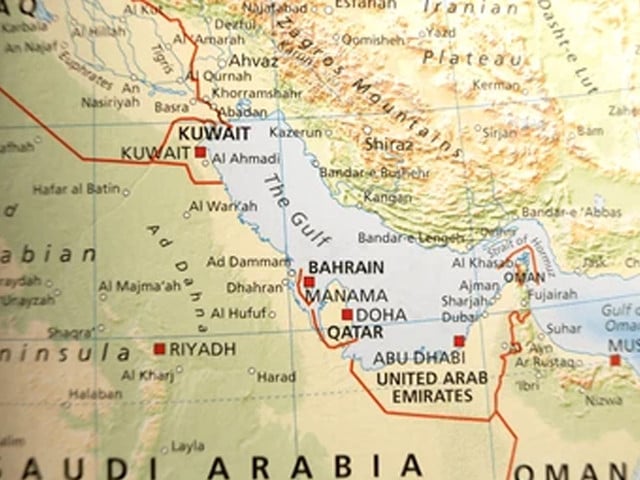
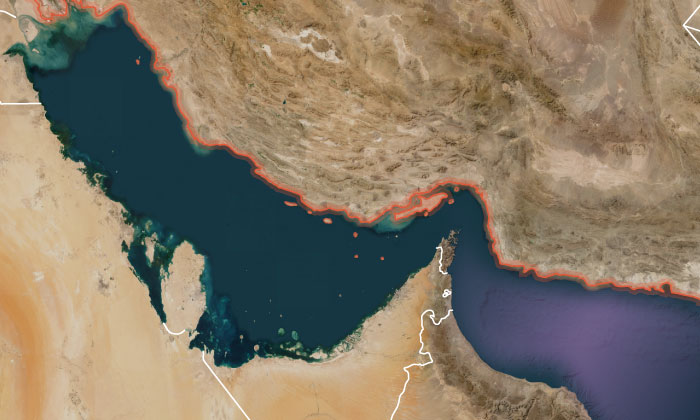
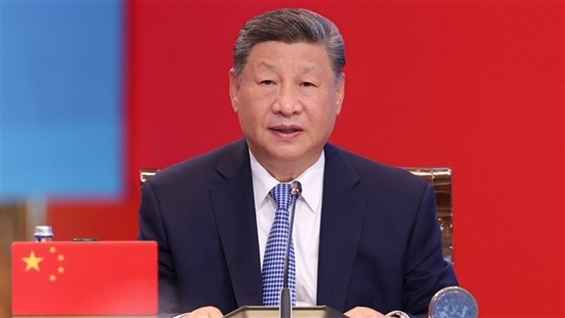
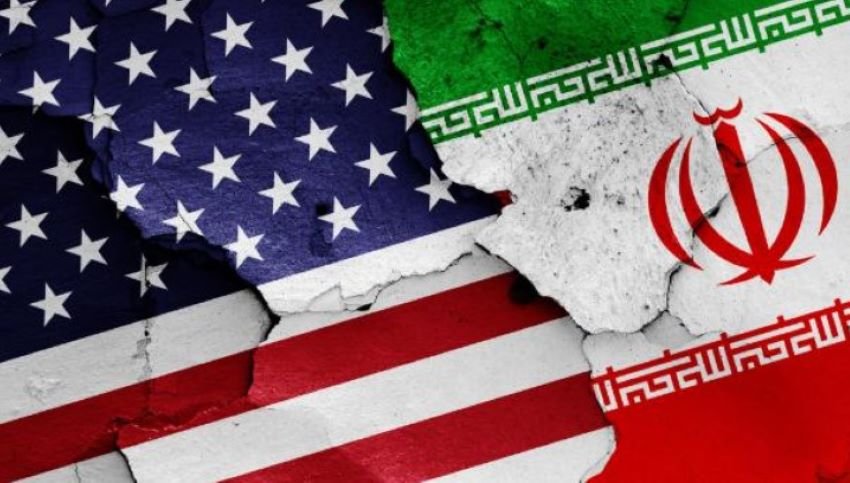
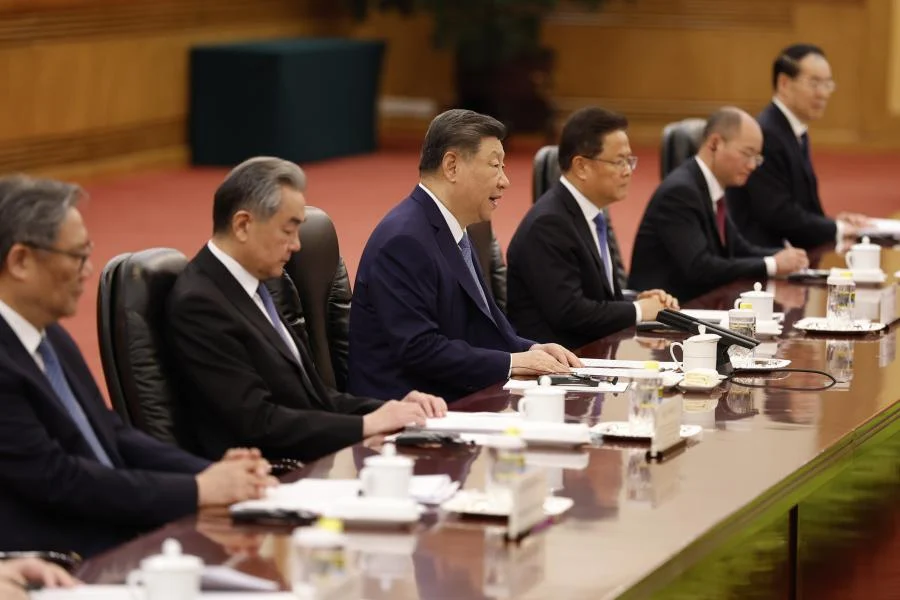
The effective closure of the Strait of Hormuz—through which 21% of global petroleum flows annually—represents a critical supply chain disruption for cross-border e-commerce sellers relying on Asia-to-Europe shipping corridors. China's diplomatic intervention, led by Xi Jinping's call to Saudi Arabia's Crown Prince Mohammed bin Salman, underscores Beijing's vulnerability as a major energy importer and signals the geopolitical fragility of this maritime chokepoint. For e-commerce sellers, the immediate impact is severe: vessels forced to reroute around Africa face 10-14 additional transit days, substantially elevated insurance premiums, and increased fuel surcharges that compress margins by 15-25% on time-sensitive shipments.
The operational cost structure has fundamentally shifted for sellers managing inventory across Asia-Pacific and European markets. Container shipping rates on affected routes have surged, with freight costs increasing $800-1,200 per 40-foot container compared to pre-closure levels. Sellers shipping electronics, apparel, and fast-moving consumer goods from China, Vietnam, and India to EU marketplaces face critical decisions: absorb the cost increase (reducing profitability), extend delivery windows (risking Amazon Prime eligibility and Buy Box competitiveness), or diversify sourcing to alternative production regions. Small-to-medium sellers (SMEs) with 500-5,000 monthly unit volumes are most vulnerable, as they lack the negotiating power of enterprise sellers to lock in favorable freight rates. Large sellers with established 3PL networks and pre-negotiated contracts face 8-12% margin compression on affected categories.
Strategic sourcing shifts are accelerating as sellers evaluate alternative supply corridors. The disruption incentivizes sourcing diversification toward Vietnam, India, and Indonesia for categories where quality parity exists with Chinese manufacturers. Sellers can exploit tariff arbitrage opportunities by shifting production to countries with preferential trade agreements (CPTPP, RCEP) that reduce duty exposure. The diplomatic window for Hormuz reopening remains uncertain—Xi's measured approach suggests negotiations could extend 2-6 months—making immediate contingency planning essential. Sellers should audit their supply chain dependencies on Middle Eastern routes, evaluate 3PL providers with alternative logistics networks, and consider inventory pre-positioning in European fulfillment centers to mitigate transit delays. The outcome of China-Iran-Saudi diplomatic efforts will significantly influence shipping costs and logistics reliability throughout 2026, making this a critical monitoring point for sellers dependent on time-sensitive cross-border operations.
Questions 8
How does the Strait of Hormuz closure affect Amazon FBA sellers shipping from Asia?
The closure forces vessels to reroute around Africa, adding 10-14 days to transit times and increasing freight costs by $800-1,200 per 40-foot container. For Amazon FBA sellers, this extends inventory replenishment cycles, risking stockouts during peak selling seasons and jeopardizing Buy Box eligibility if competitors maintain faster delivery windows. Sellers shipping electronics or apparel from China to European fulfillment centers face 15-25% margin compression on affected shipments. Immediate action: audit your 3PL provider's alternative routing options and pre-position inventory in EU fulfillment centers to maintain Prime eligibility.
What sourcing countries should sellers consider to avoid Hormuz route disruptions?
Vietnam, India, and Indonesia offer viable alternatives for apparel, electronics, and consumer goods categories. These countries benefit from preferential trade agreements (CPTPP, RCEP) that reduce tariff exposure compared to China. Vietnam's manufacturing costs are 5-12% higher than China but avoid geopolitical route risks. Sellers can exploit tariff arbitrage by shifting 20-30% of sourcing to Vietnam for EU-bound shipments, which face lower duty rates under trade agreements. India offers competitive pricing for textiles and leather goods. Evaluate quality parity with current suppliers before committing to volume shifts; conduct 2-3 sample orders to validate production standards.