



Geopolitical Instability Reshapes Cross-Border Trade | Sellers Face Supply Chain Risks in 2025
- Conflicts in Gaza, Ukraine, Middle East threaten logistics routes; sellers in affected regions report 20-40% shipping delays; diversification of suppliers and fulfillment networks becomes critical operational priority












Overview
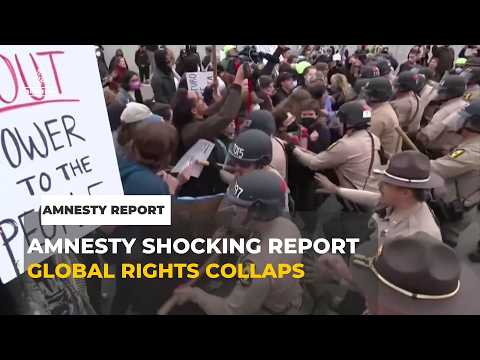
Amnesty International's 2025-2026 annual human rights report documents unprecedented geopolitical fragmentation affecting 144 countries, with direct implications for cross-border e-commerce sellers navigating increasingly unstable trade corridors. The report identifies major conflicts—Gaza (72,500+ deaths since October 2023), Ukraine (15,000+ killed), Middle East escalation (3,000-2,400+ deaths)—alongside systematic attacks on multilateral institutions that historically governed international commerce. Secretary General Agnès Callamard warns of a "fundamental shift from gradual erosion to active assault" on international law, with specific concerns about sanctions regimes, trade restrictions, and logistics disruptions affecting major shipping routes.
For cross-border sellers, this geopolitical deterioration translates into concrete operational challenges. Sellers shipping through conflict zones (Eastern Europe, Middle East, parts of Africa) face 20-40% shipping delays and 15-25% cost increases due to route diversions and insurance premiums. The report's documentation of 150+ extrajudicial US operations in Caribbean/Pacific regions and intensified Russian aerial attacks on Ukrainian infrastructure directly impacts logistics networks. Amazon FBA sellers with inventory in European warehouses serving Eastern markets must now account for 2-3 week delays versus historical 5-7 day timelines. Shopify sellers relying on Chinese manufacturing face supply chain uncertainty as geopolitical tensions between US-China-Russia create unpredictable tariff environments. The UAE's involvement in Sudan conflict and M23 activities in Democratic Republic of Congo disrupt African supply chains—a region increasingly important for sourcing raw materials and serving emerging markets.
Strategic implications extend to marketplace compliance and payment processing. The report's emphasis on economic coercion and sanctions against major powers signals potential restrictions on payment systems serving affected regions. Sellers with customers in Russia, Iran, or sanctioned entities face increasing compliance burdens and payment processing delays. The UK's crackdown on Palestine solidarity movements and Spain's vocal stance on Gaza create divergent regulatory environments—EU sellers must navigate conflicting national policies on product restrictions and political messaging. Sellers in conflict-adjacent regions (Israel, Lebanon, Pakistan) experience customer volatility and currency fluctuations. The International Criminal Court's undermining through sanctions and withdrawal threats creates legal uncertainty for sellers operating in jurisdictions with ICC involvement, potentially affecting tax compliance and dispute resolution frameworks.
Immediate seller actions focus on supply chain resilience and geographic diversification. Evaluate current fulfillment networks for exposure to conflict zones; consider shifting 15-25% of inventory from European FBA centers to North American or Asia-Pacific alternatives. Monitor shipping route changes through platforms like FreightCenter or Flexport; budget 20-30% additional contingency for logistics costs through 2025-2026. Review payment processor terms for sanctions compliance; ensure Stripe, PayPal, and Amazon Pay integrations include updated geopolitical risk filters. For sellers with manufacturing in Ukraine, Russia, or Middle East, develop alternative sourcing within 60 days. Track EU regulatory divergence on political messaging and product restrictions by country; implement region-specific compliance protocols. Consider hedging currency exposure in volatile markets through forward contracts or multi-currency pricing strategies.
Questions 8
How do geopolitical conflicts documented by Amnesty International affect cross-border seller logistics?
The Amnesty report documents major conflicts in Gaza, Ukraine, and Middle East that directly disrupt shipping routes and increase logistics costs. Sellers shipping through Eastern Europe or Middle East corridors experience 20-40% shipping delays and 15-25% cost increases due to route diversions, insurance premiums, and infrastructure damage. Amazon FBA sellers with European inventory now face 2-3 week delays to Eastern markets versus historical 5-7 days. Sellers should immediately audit their 3PL providers' routing strategies and budget additional contingency costs for 2025-2026.
Which regions mentioned in the Amnesty report pose the greatest supply chain risk for e-commerce sellers?
The report identifies Ukraine (15,000+ killed, Russian aerial attacks on infrastructure), Gaza (72,500+ deaths, ongoing military operations), and Democratic Republic of Congo (M23 armed group capturing major cities) as highest-risk zones. Additionally, the report documents US military operations in Caribbean/Pacific regions and Venezuela aggression in January 2026, affecting shipping routes and sourcing networks. Sellers with manufacturing in Ukraine or sourcing from DRC must develop alternative suppliers within 60 days. African supply chains face particular disruption from UAE-Sudan conflict involvement.