


)


India-South Korea $50B Trade Deal 2030 | Electronics Manufacturing & Supply Chain Shift for Cross-Border Sellers
- Bilateral trade target doubles from $27B to $50B by 2030; Samsung's India-made Galaxy Z Flip7 signals manufacturing shift away from China; 15 bilateral agreements unlock semiconductor, EV, and electronics sourcing opportunities for sellers

















)






Overview
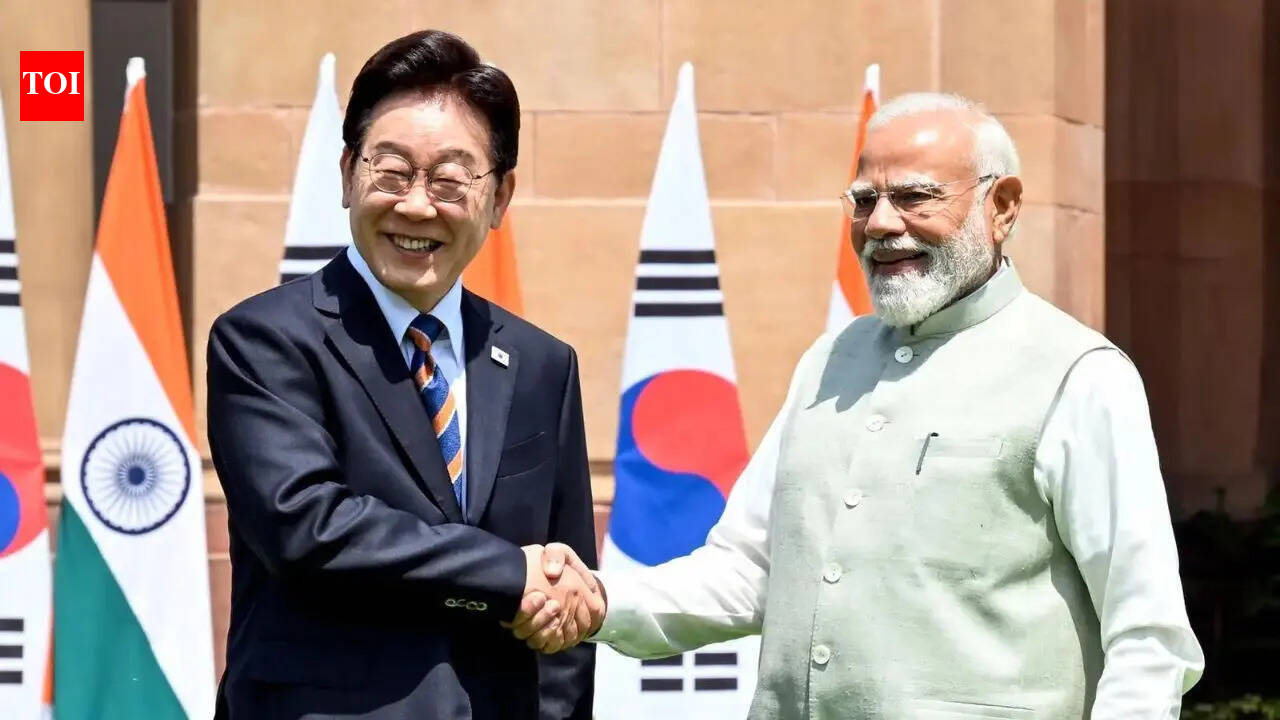
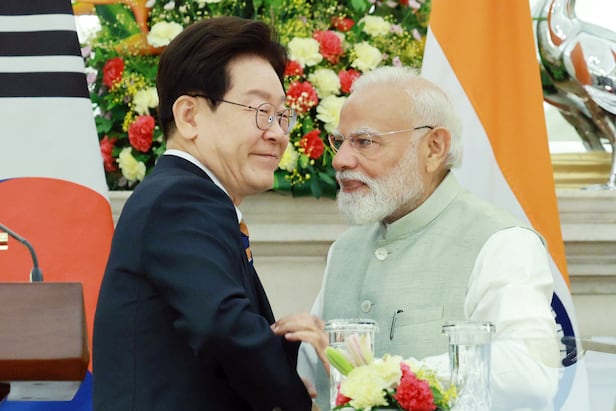
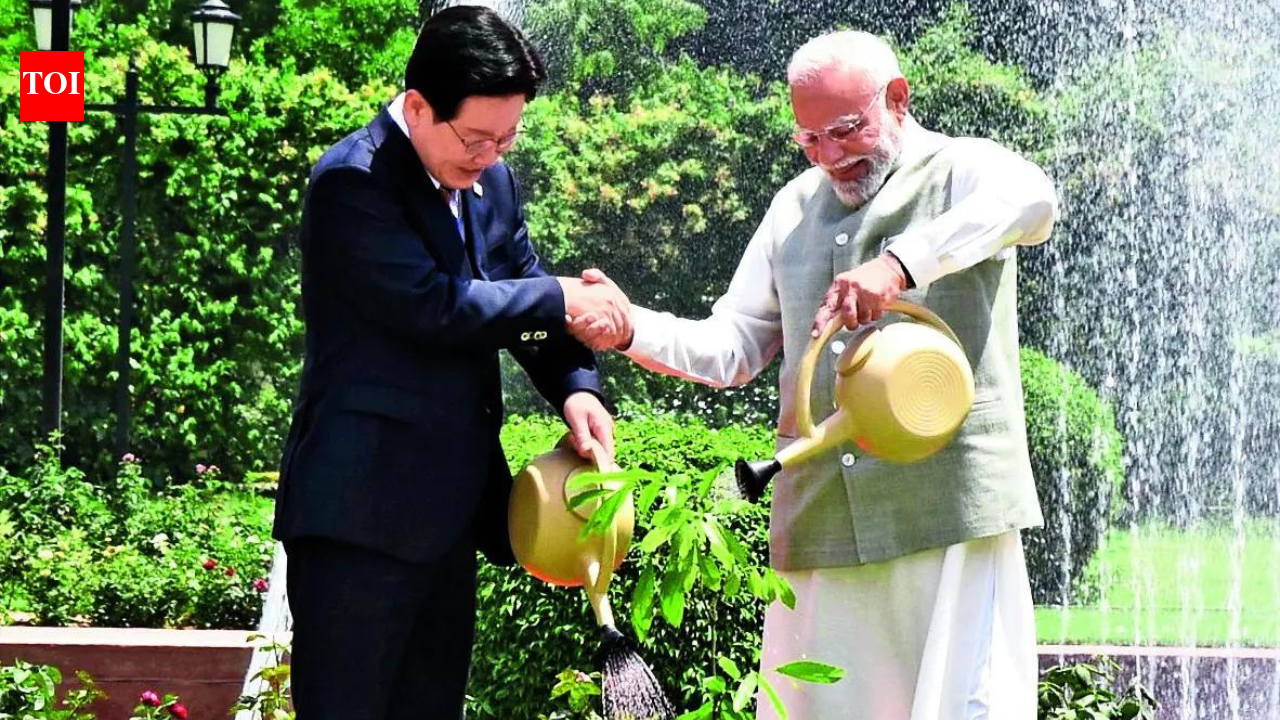
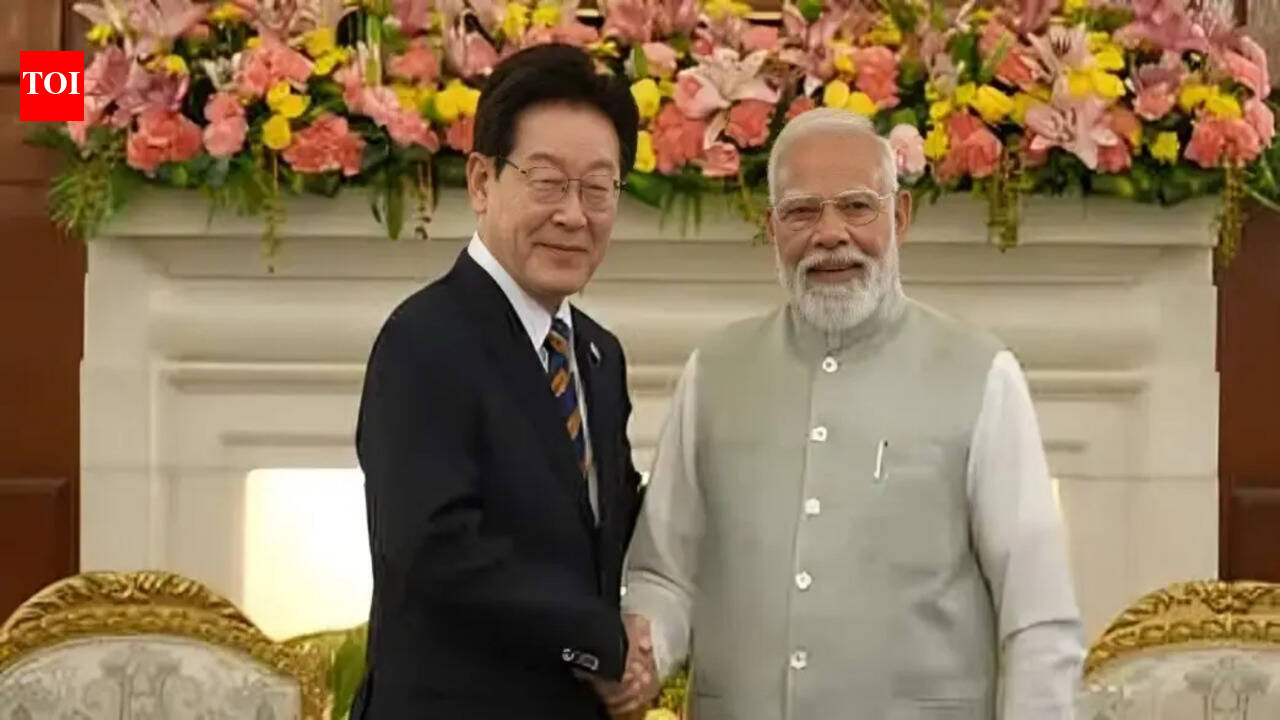
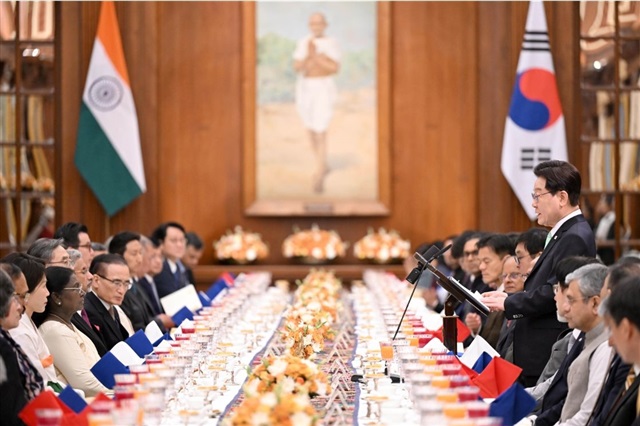
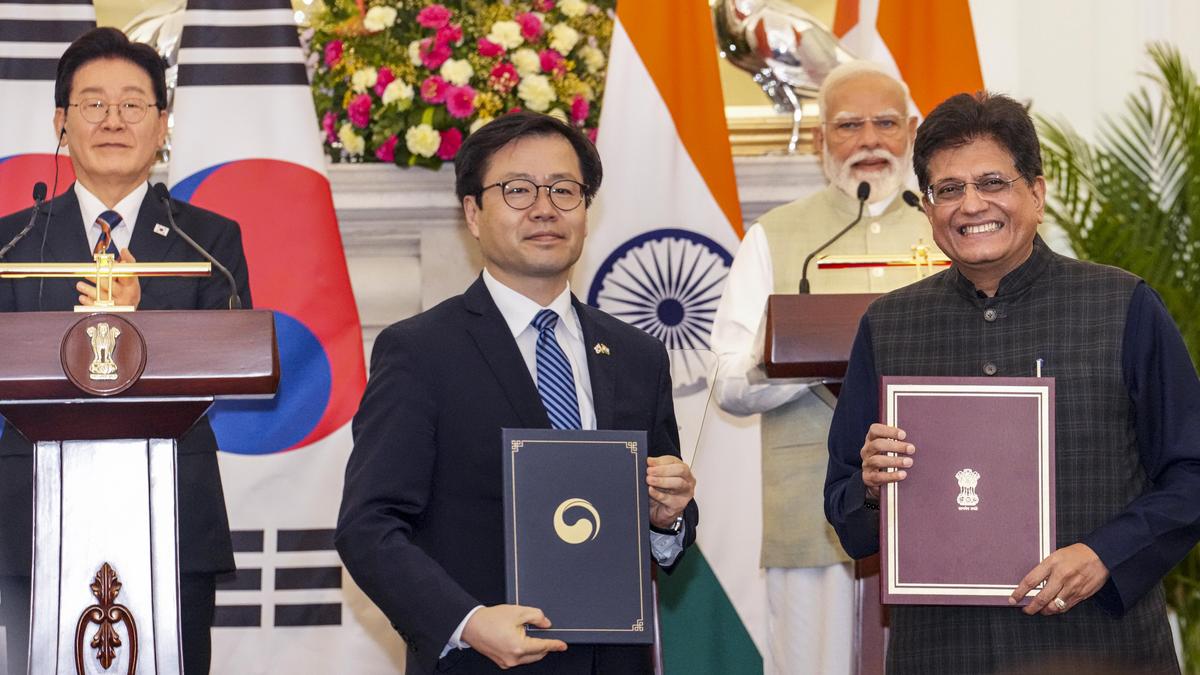
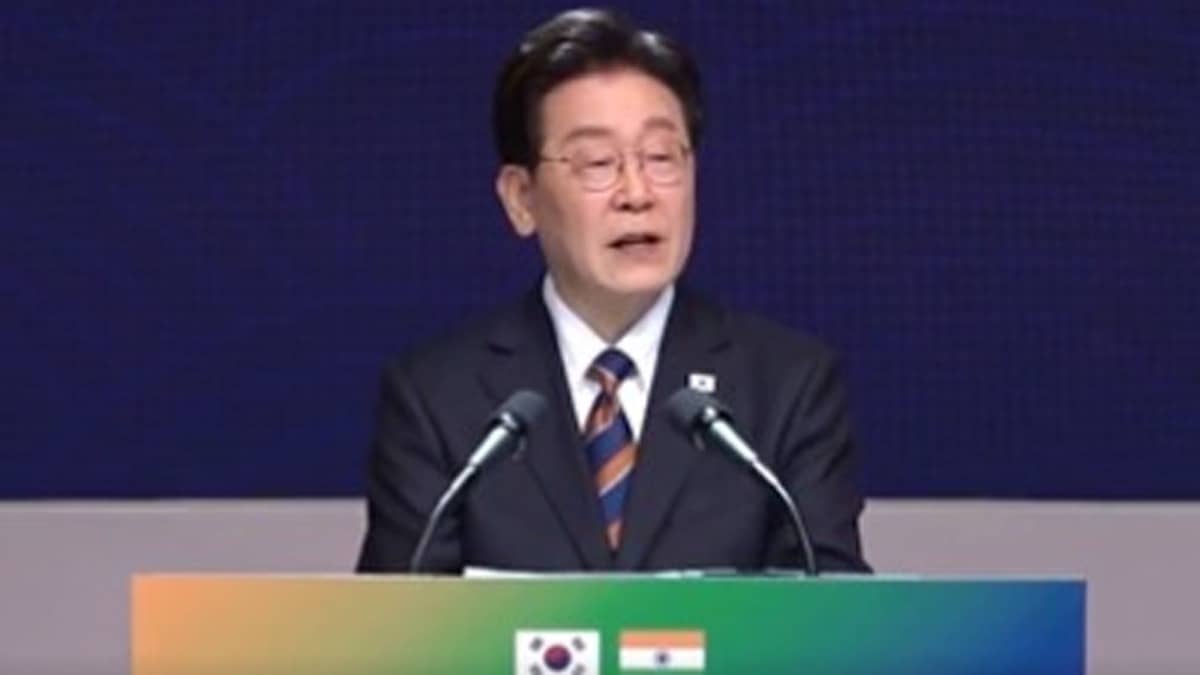
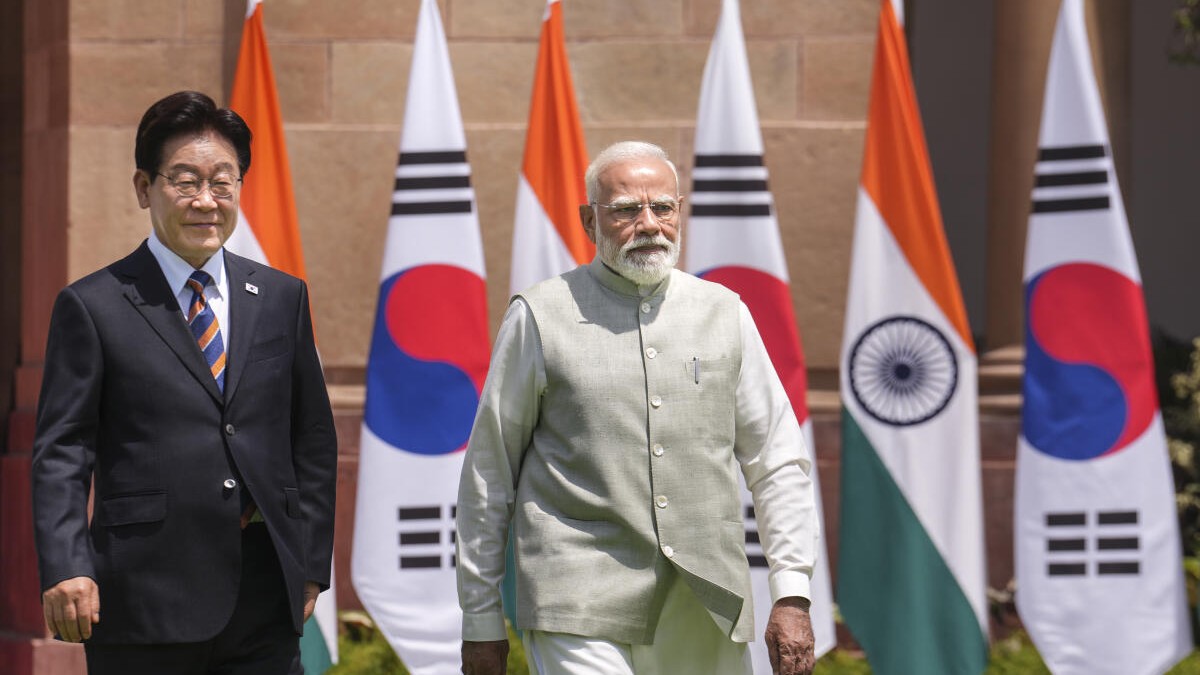
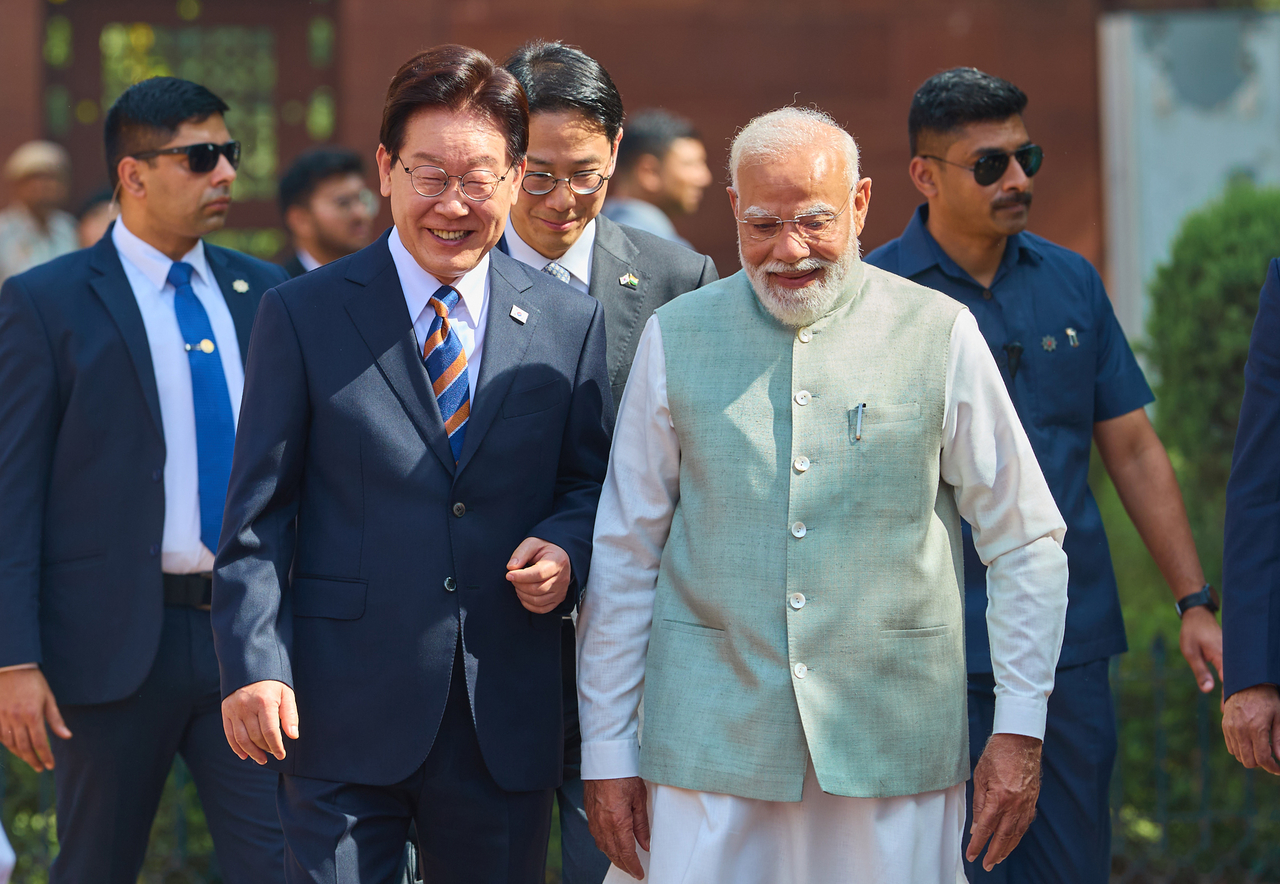
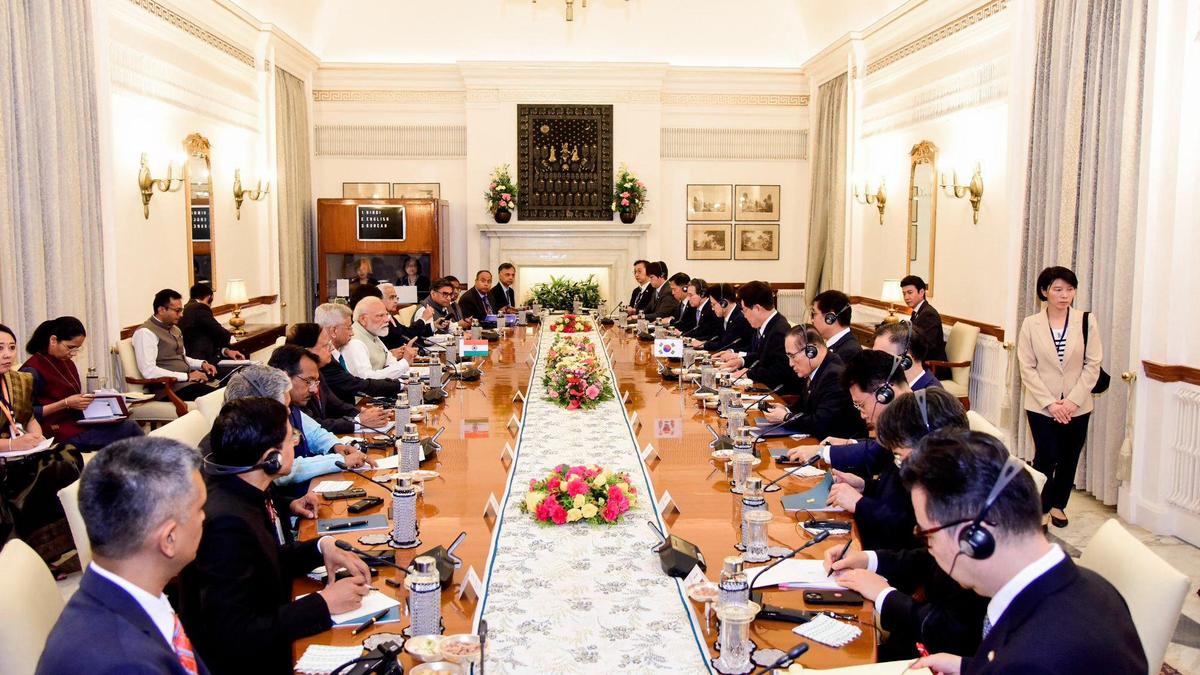
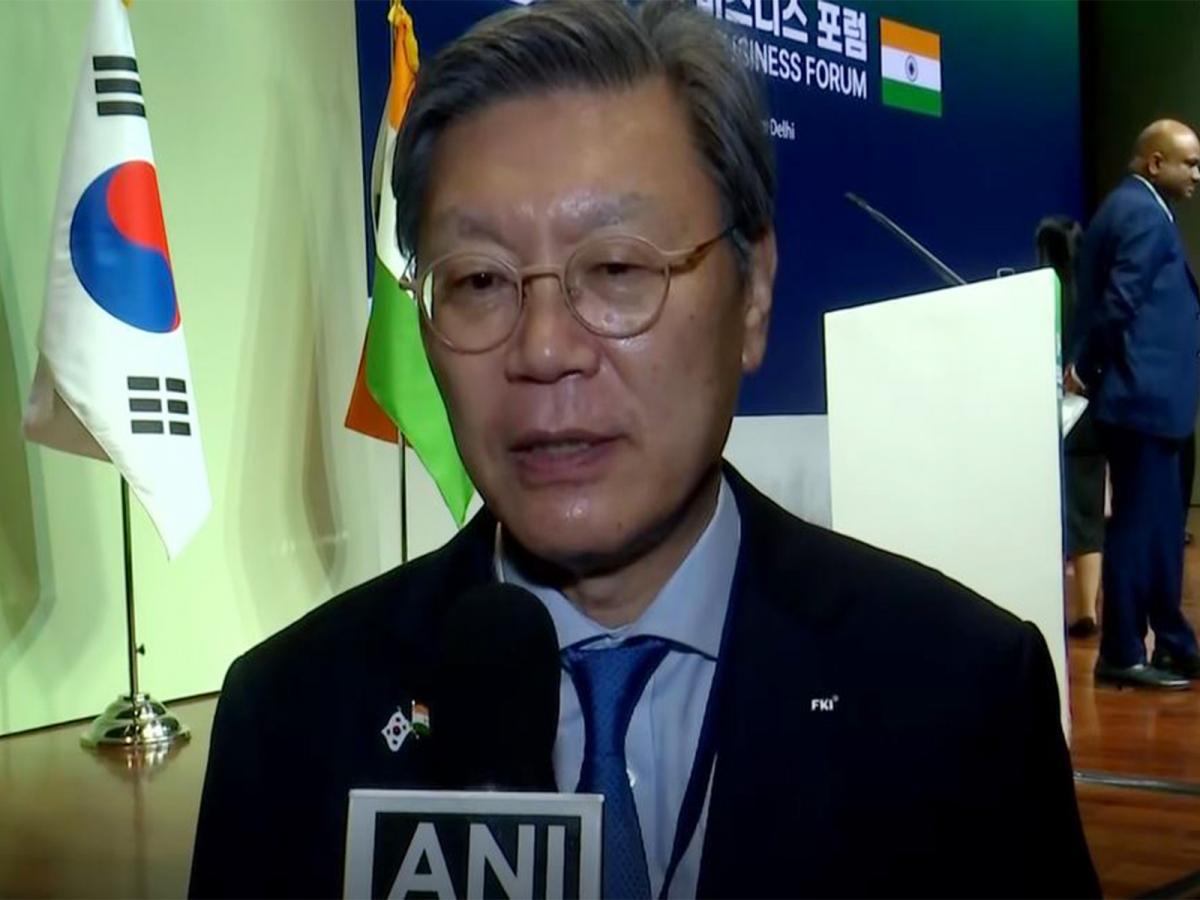
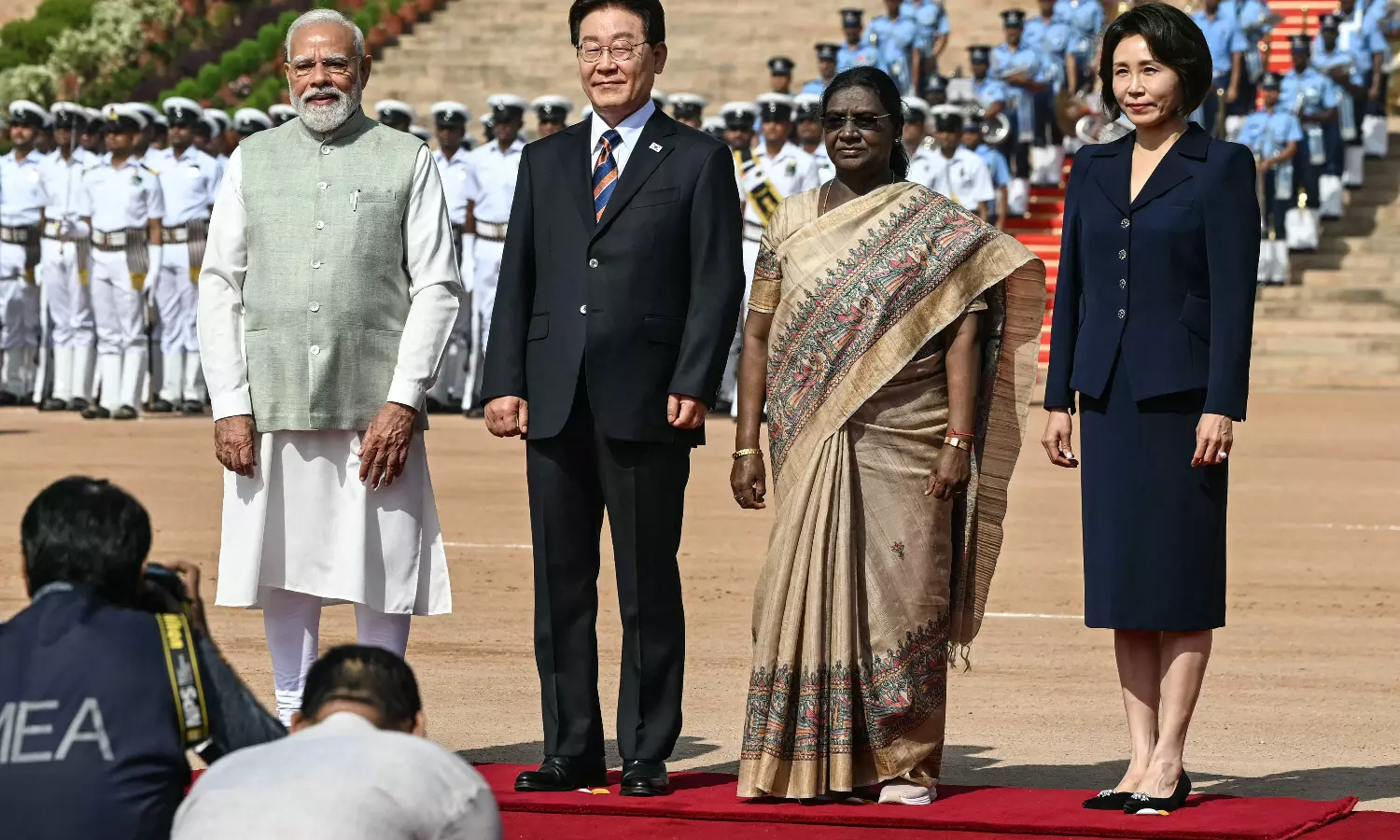
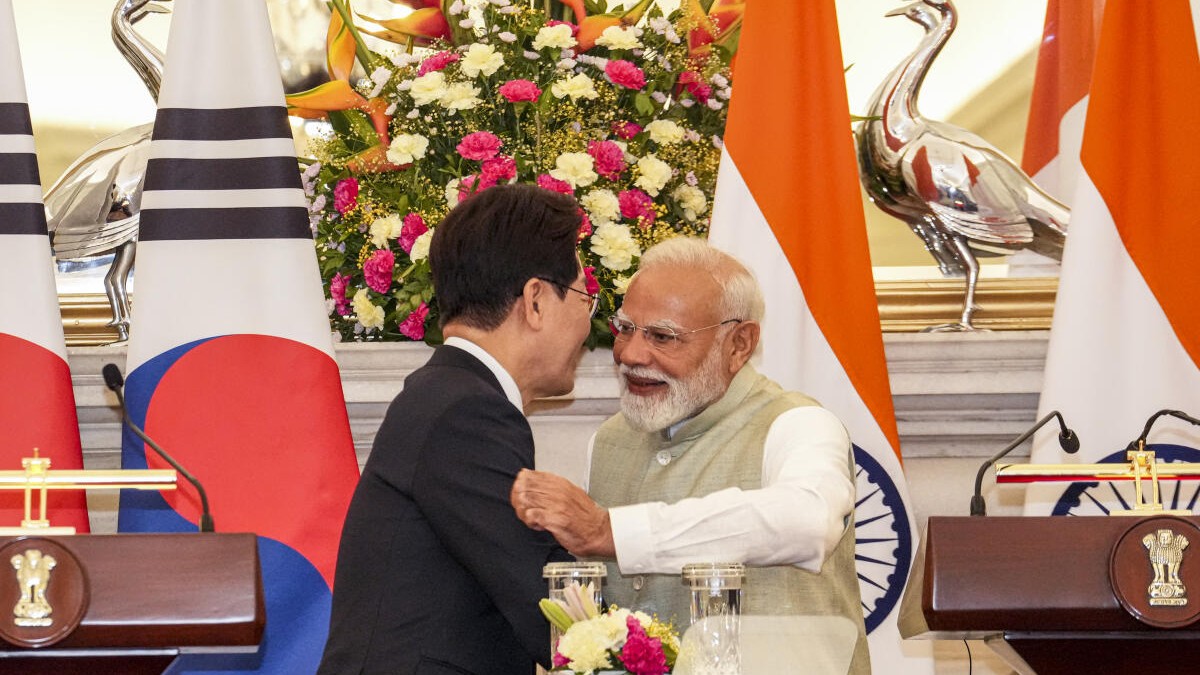
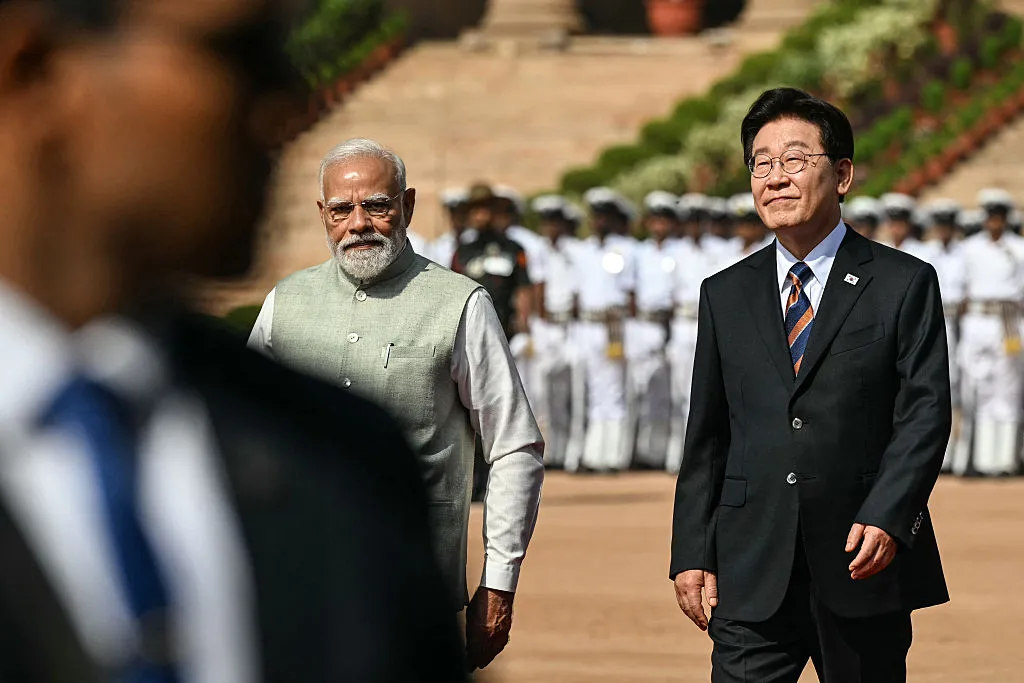
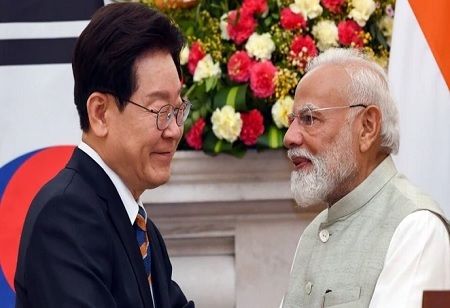
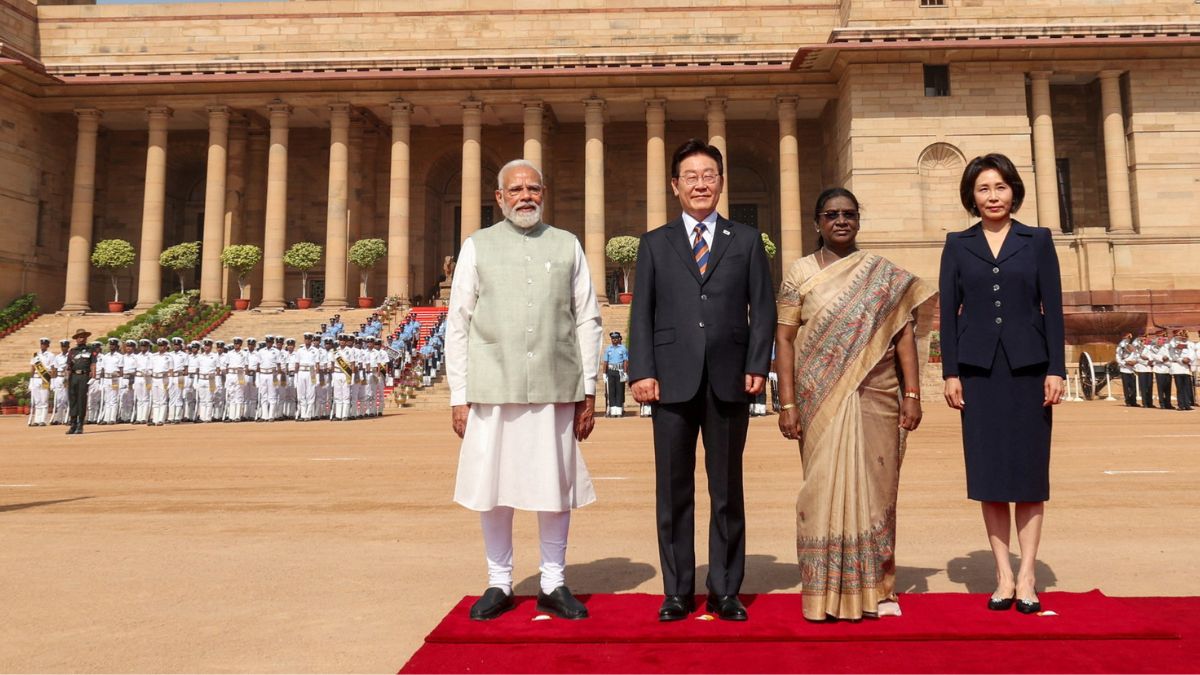
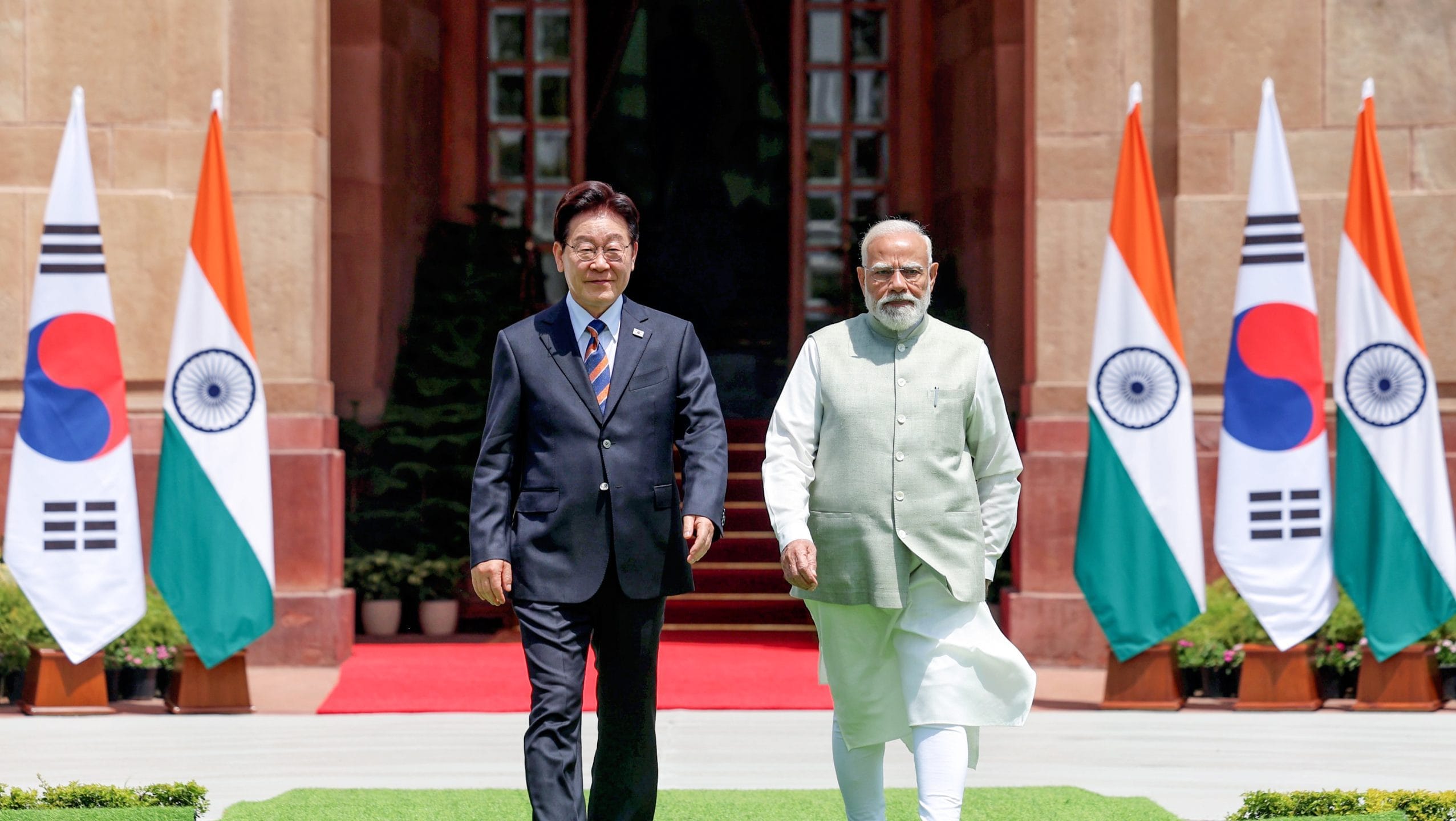
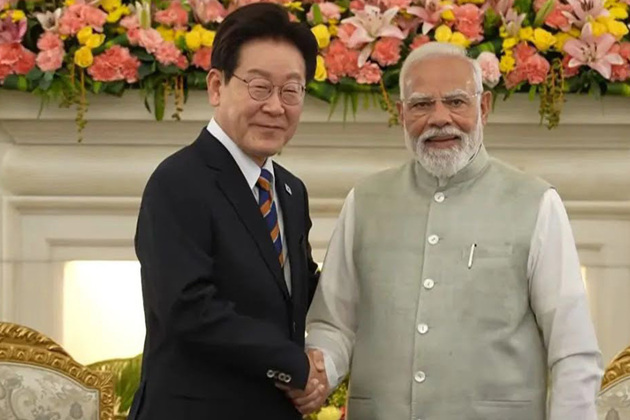
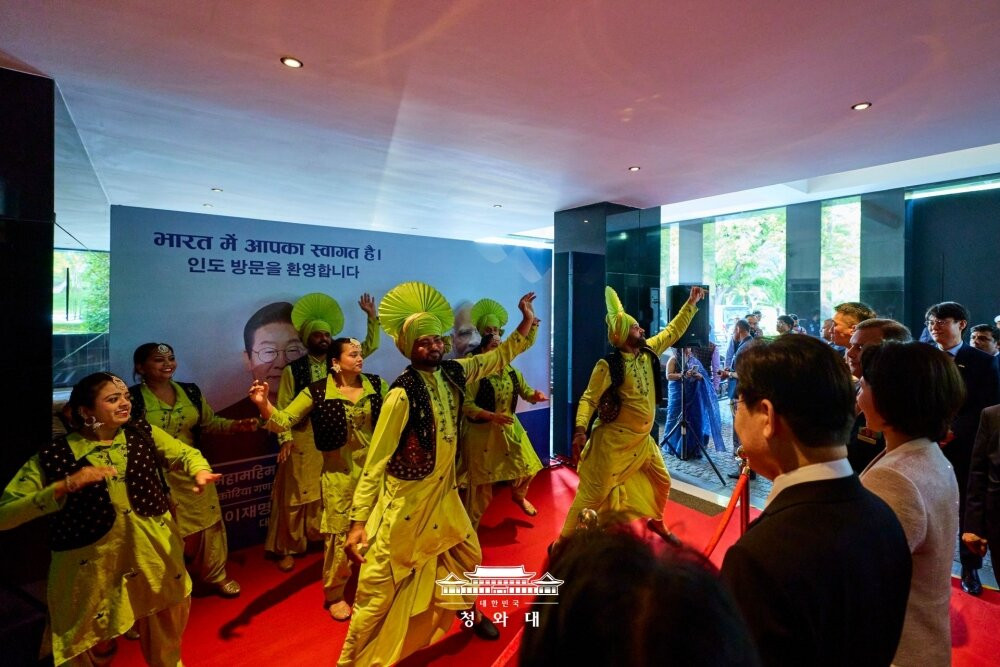
The India-South Korea strategic partnership announced during President Lee Jae Myung's April 2026 state visit represents a seismic shift in global electronics manufacturing and cross-border supply chains, directly impacting e-commerce sellers sourcing products from Asia. The two nations committed to doubling bilateral trade from $27 billion to $50 billion by 2030—a 85% growth target—while establishing a ministerial-level economic cooperation committee and signing 15 bilateral agreements covering semiconductors, shipbuilding, steel, EVs, and critical minerals.
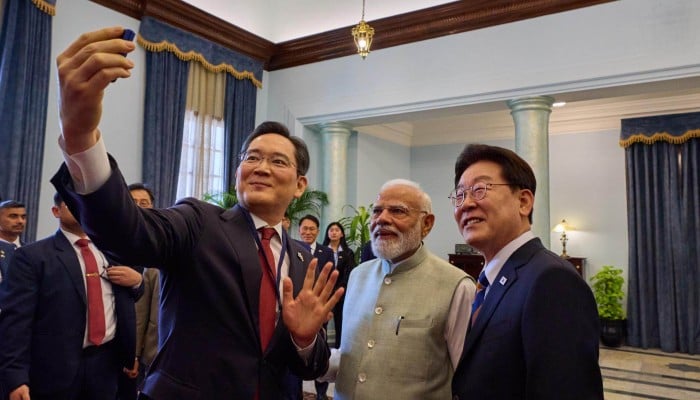
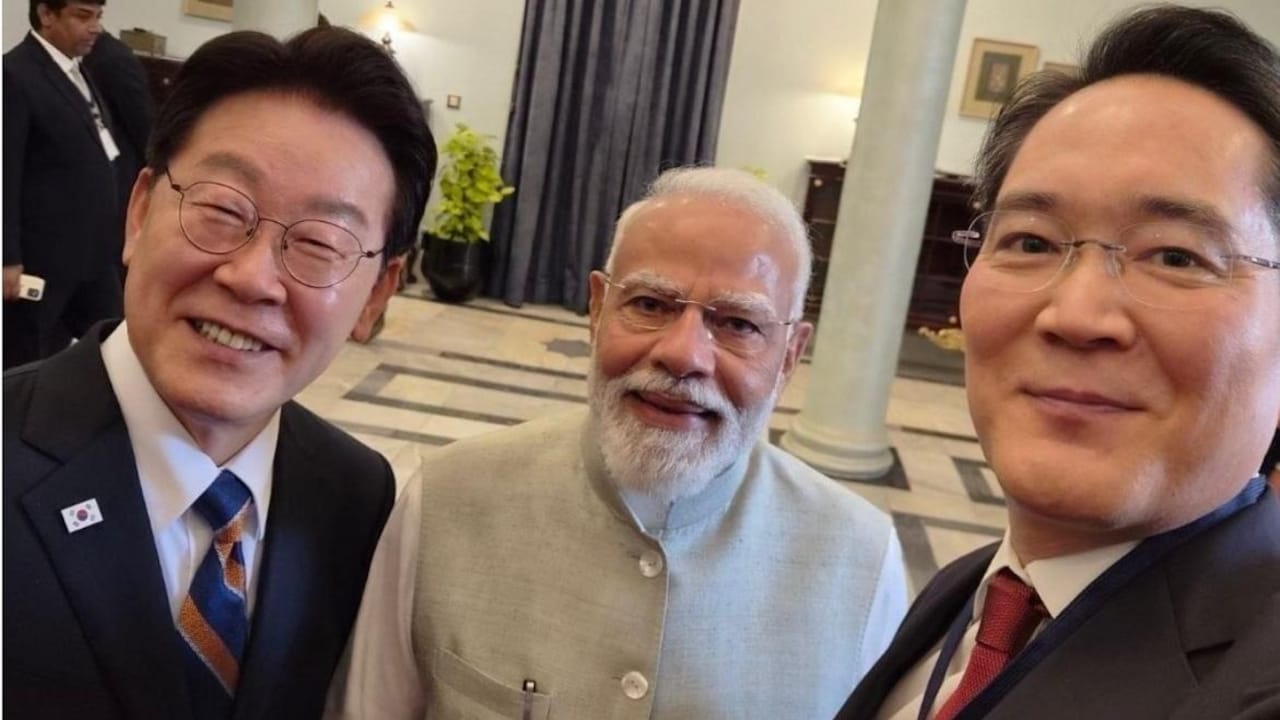
For cross-border sellers, this development unlocks three critical opportunities: First, India emerges as a viable alternative manufacturing hub to China. Samsung's Noida facility—India's second-largest mobile manufacturing unit and second-largest handset exporter after Apple—now produces premium devices like the Galaxy Z Flip7, signaling confidence in India's manufacturing capabilities. The public endorsement via PM Modi's diplomatic selfie with the India-made device reinforces India's positioning as a competitive destination for electronics, wearables, tablets, and laptops. Sellers sourcing consumer electronics, smartphone accessories, and tech peripherals can now diversify suppliers away from China-dependent supply chains, reducing geopolitical risk and tariff exposure.
Second, South Korea's advanced technology exports to India are accelerating. South Korea currently maintains a $12.8 billion trade surplus with India (exports of $19.2 billion vs. imports of $6.4 billion), but the new framework targets non-tariff barrier reduction and rules-of-origin expansion. This means Korean companies—Samsung Electronics, Hyundai Motor, LG Group—are expanding operations in India, creating downstream sourcing opportunities for sellers in consumer electronics, automotive accessories, and home appliances categories. The $1.09 billion POSCO-JSW Steel joint venture signals infrastructure investment that will improve logistics and reduce shipping costs for sellers exporting from India.
Third, policy unpredictability remains a significant headwind. Despite the ambitious $50B target, bilateral trade grew only 3% annually from 2018-2025, reaching $26.89 billion—just 54% of the 2030 goal. South Korea ranks only 13th among FDI investors in India ($6.69 billion cumulative since 2000 vs. Singapore's $174.89 billion), with companies like Hyundai India and LG Electronics repatriating investments through IPOs rather than expanding. Land acquisition challenges (exemplified by POSCO's 20-year delay), infrastructure delays, and regulatory unpredictability deter investment. Sellers must account for 18-24 month lead times for new manufacturing partnerships and maintain China-based backup suppliers through 2028-2030 while India's infrastructure matures.
Immediate seller implications: Electronics, wearables, and EV accessory sellers should begin supplier diversification audits by Q3 2026, identifying Korean-invested manufacturers in India for pilot sourcing. The semiconductor cooperation framework suggests component sourcing from India will improve by 2027-2028. Sellers targeting Indian consumers should prepare for increased domestic purchasing power as bilateral trade expands, creating opportunities in premium electronics and imported goods categories on Amazon India, Flipkart, and Meesho.
Questions 8
How should sellers position products for the India market given increased bilateral trade?
The India-South Korea partnership signals increased purchasing power and consumer spending in India as bilateral trade expands. Sellers should prepare premium electronics and imported goods categories on Amazon India, Flipkart, and Meesho by Q2 2027. The diplomatic emphasis on technology nationalism (evidenced by the Galaxy Z Flip7 selfie) suggests Indian consumers will increasingly prefer 'Make in India' and allied-nation products over Chinese alternatives. Sellers can capitalize by sourcing Korean-manufactured electronics and positioning them as premium, geopolitically-aligned alternatives to Chinese competitors. Expect 15-25% category growth in electronics on Indian e-commerce platforms by 2028 as bilateral trade expands.
When should sellers begin supplier diversification away from China to India?
Begin supplier audits and pilot sourcing by Q3-Q4 2026. The POSCO-JSW Steel joint venture targets operations by 2031, indicating infrastructure maturity by 2028-2030. Semiconductor cooperation frameworks suggest component sourcing improvements by 2027-2028. For immediate diversification, identify Korean-invested manufacturers in India (Samsung, Hyundai, LG subsidiaries) for pilot orders of 500-1000 units by Q1 2027. Expect 18-24 month lead times for new manufacturing partnerships. Sellers with 12-18 month inventory buffers can transition 20-30% of sourcing to India by 2028 while maintaining China-based suppliers as backup through 2030.