



Air Traffic Control Staffing Crisis Disrupts Logistics | Sellers Face Shipping Delays
- FAA ground delays and near-miss incidents signal systemic aviation infrastructure strain affecting air cargo delivery timelines for cross-border sellers

















Overview
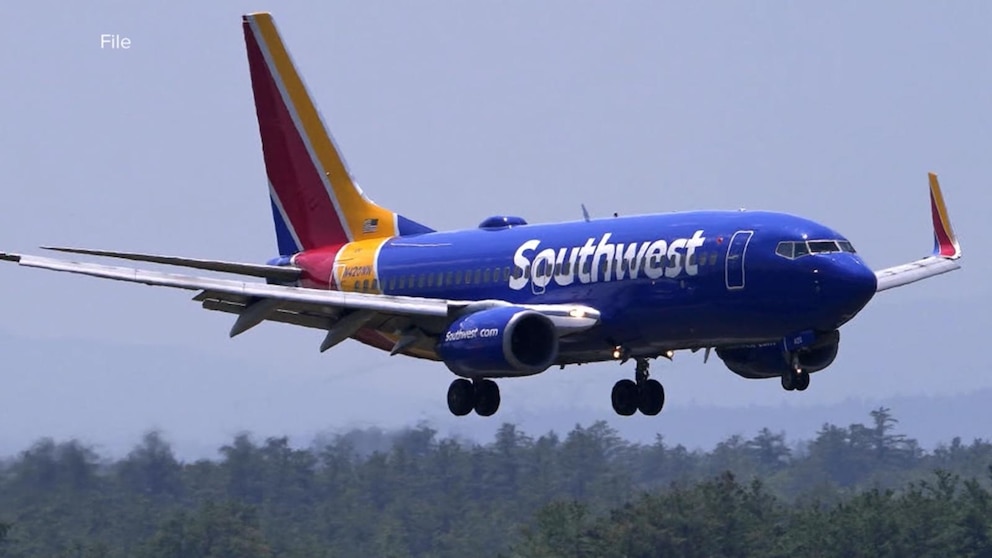
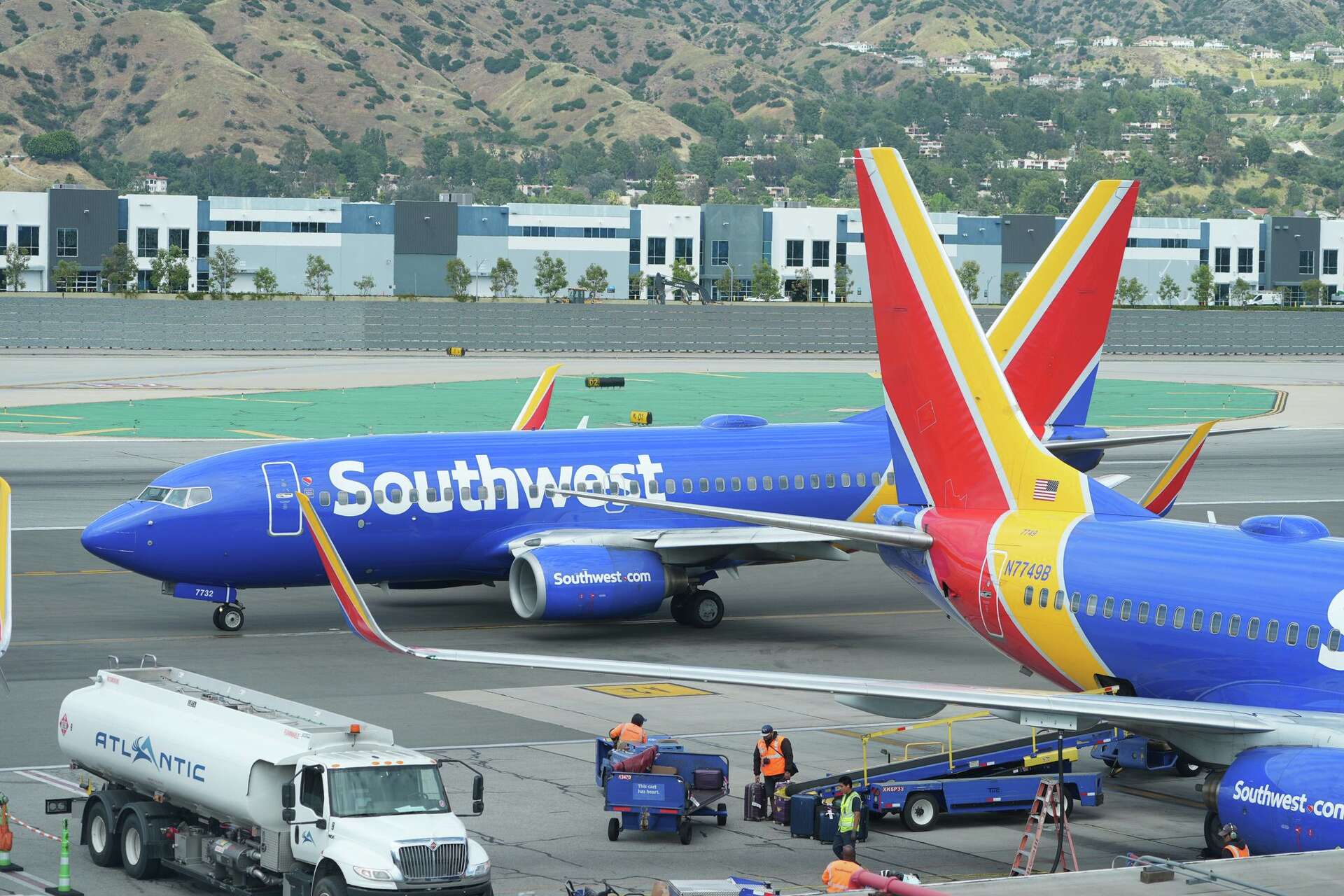
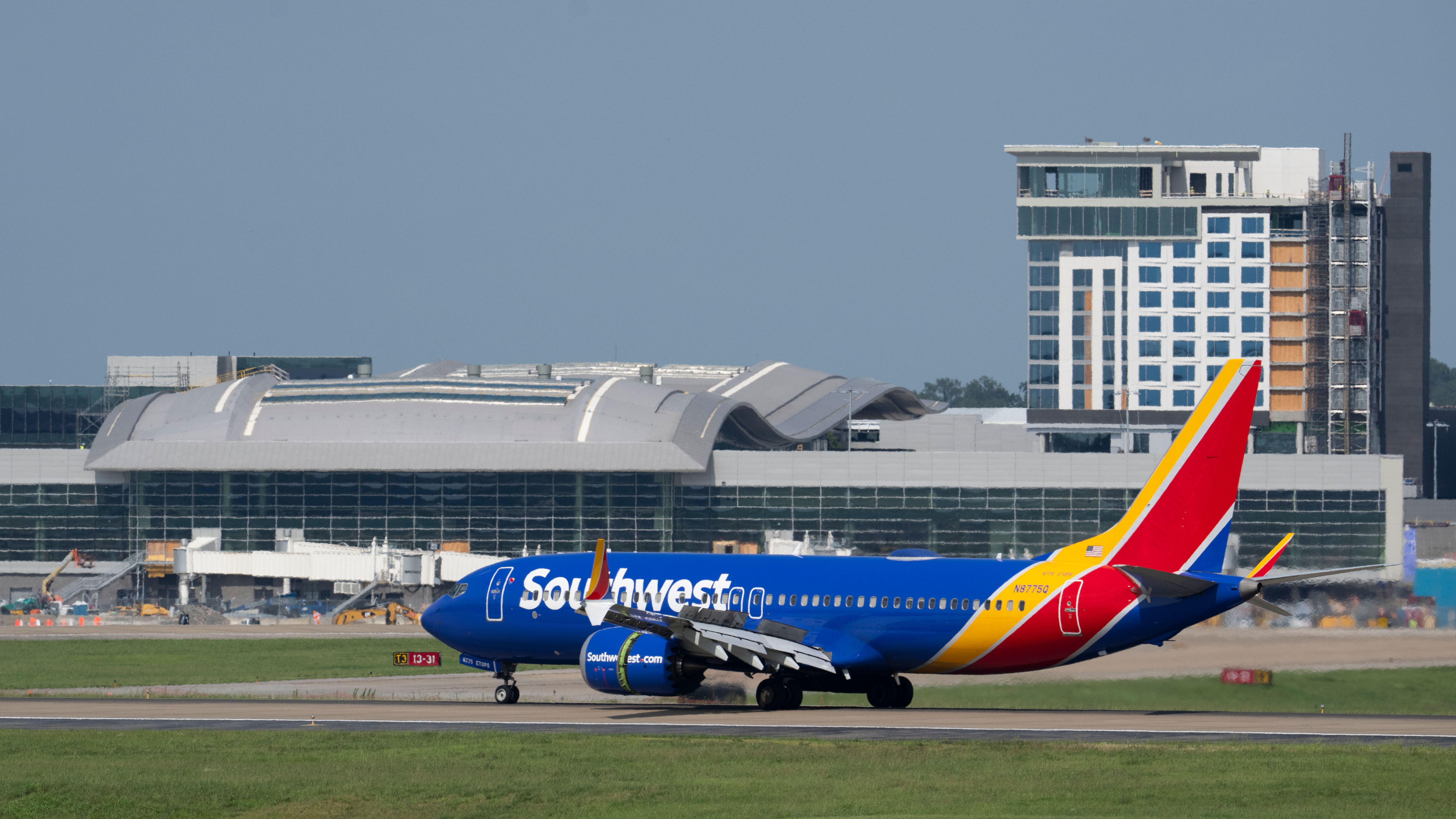
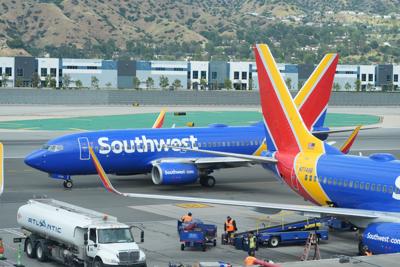
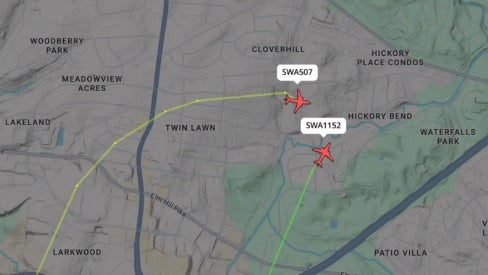
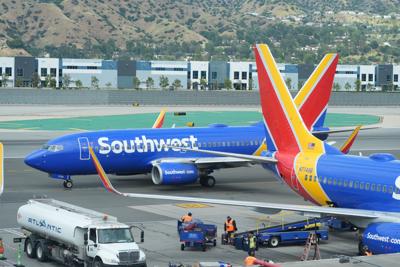
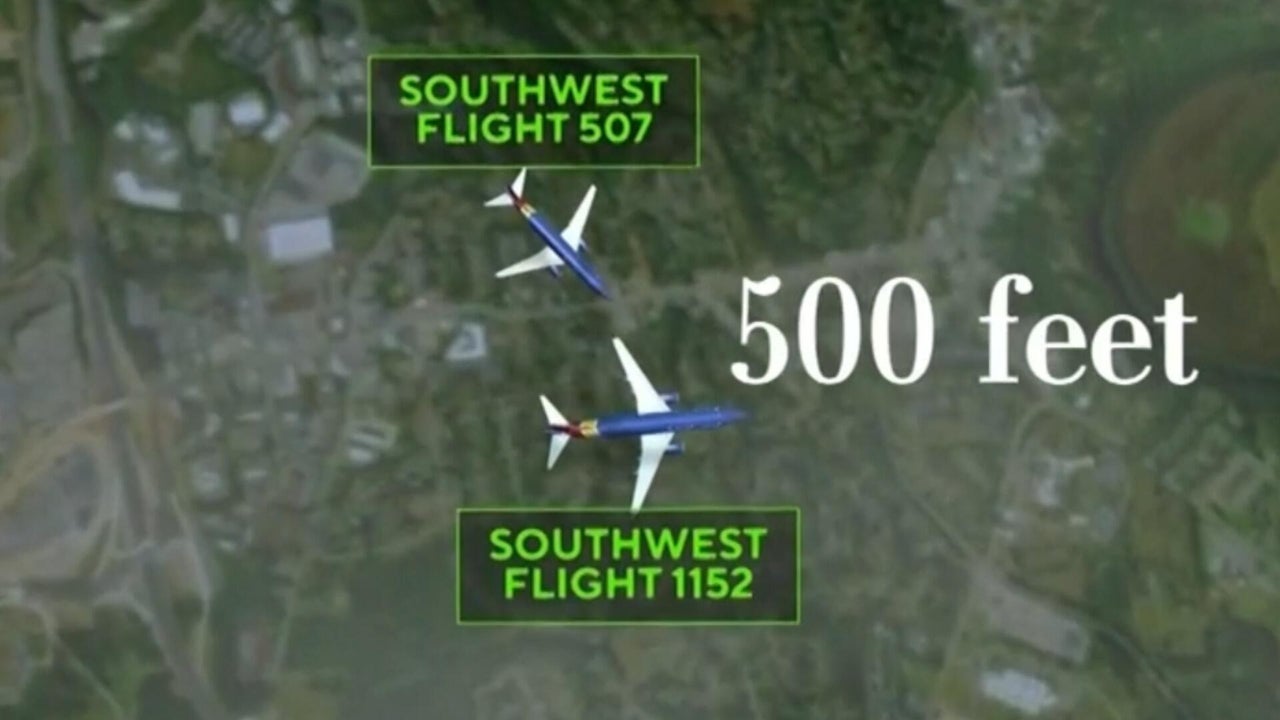
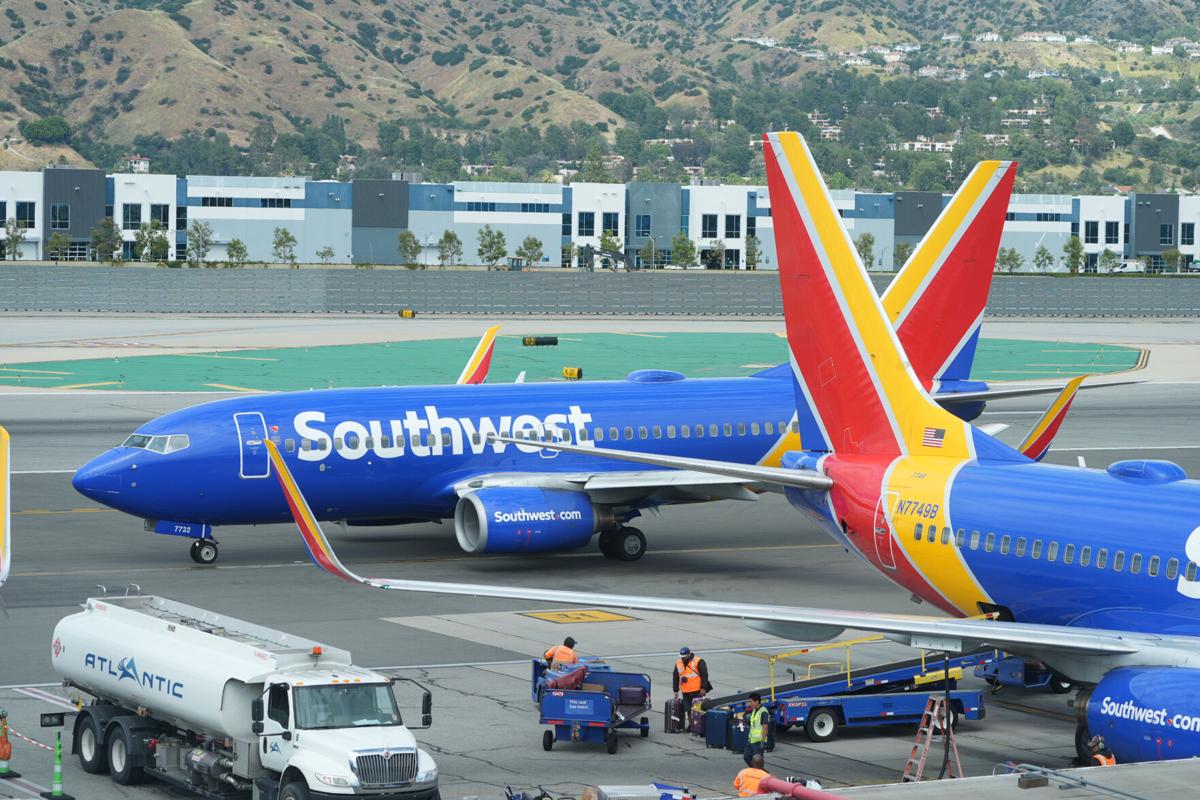
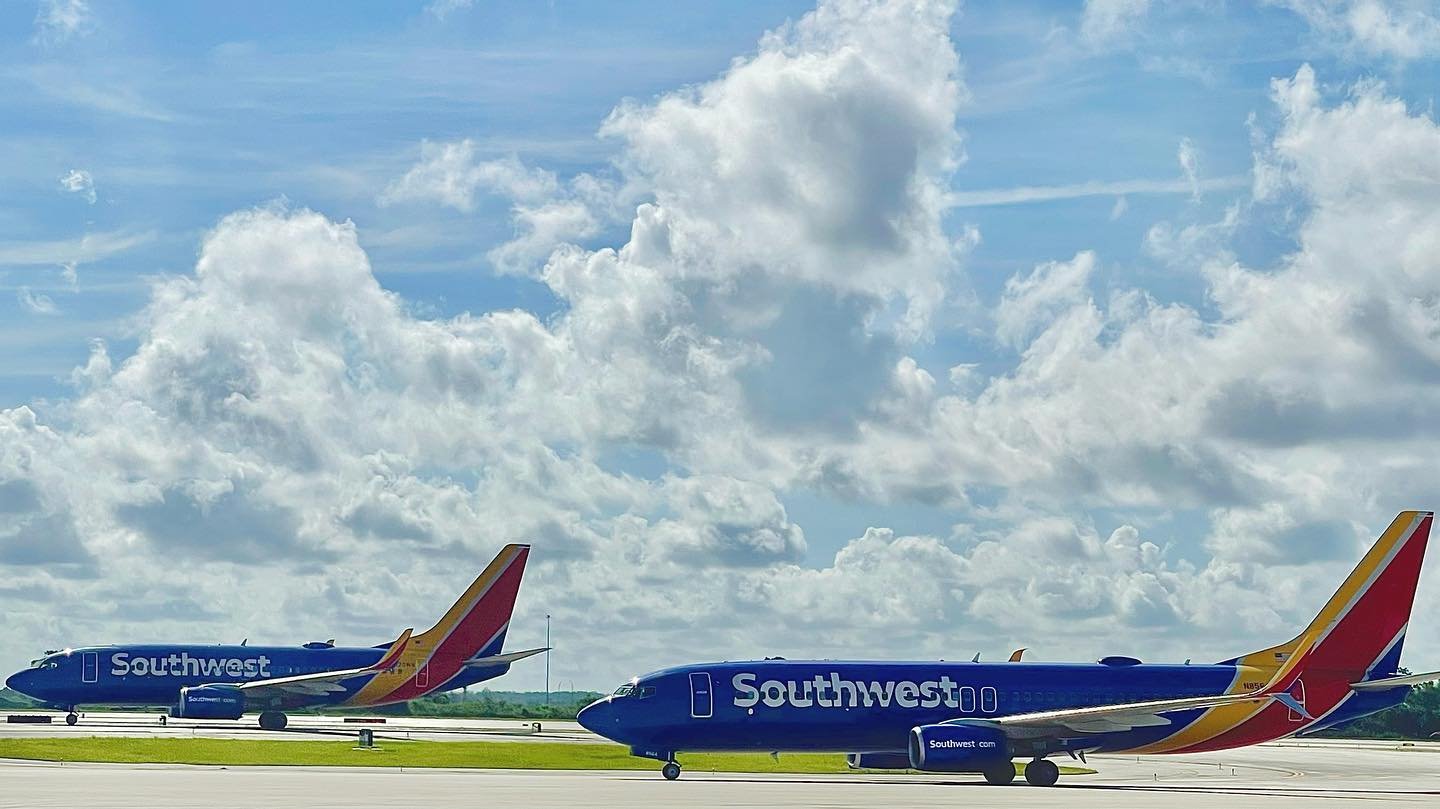
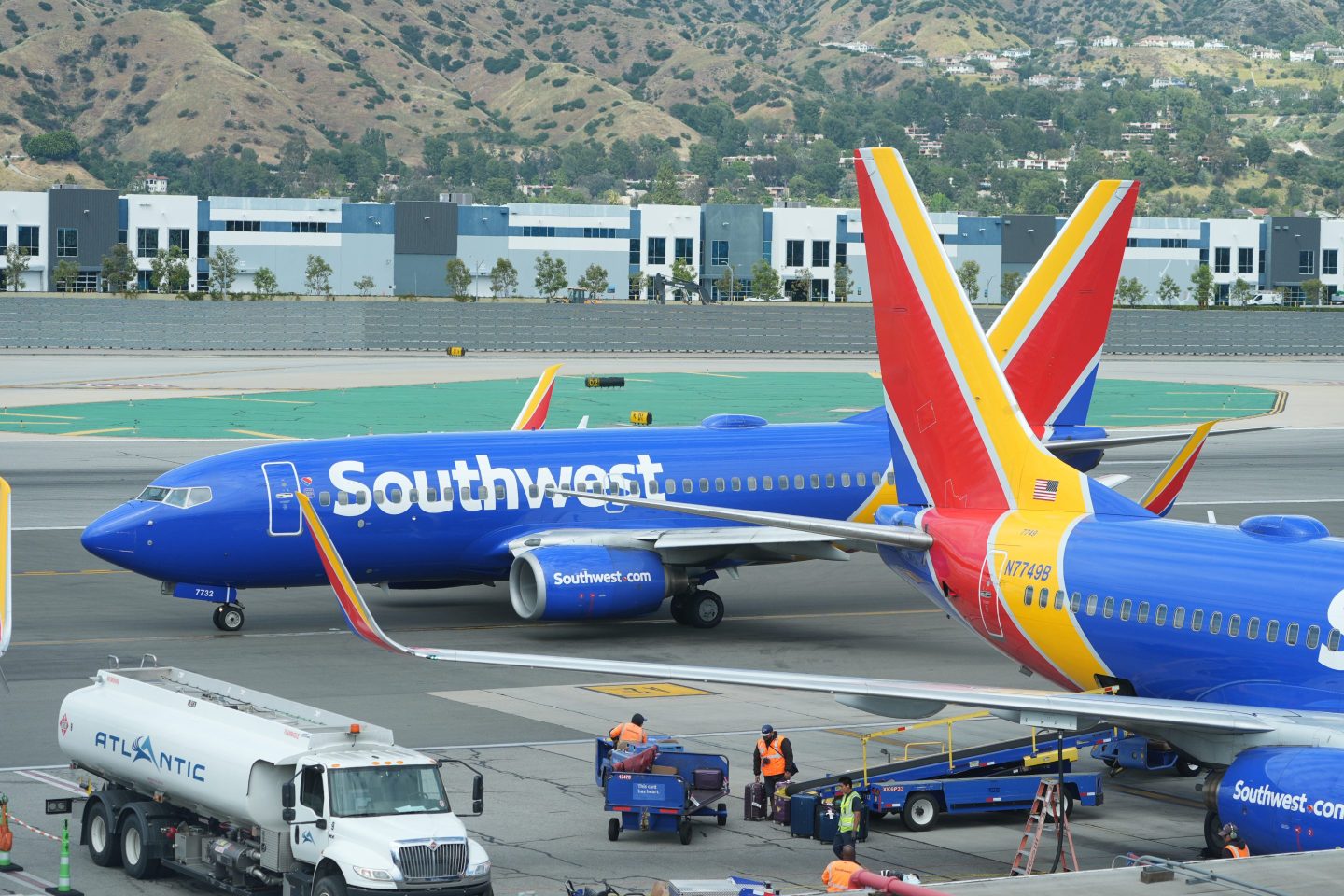
The April 18, 2026 near-collision incident between two Southwest Airlines Boeing 737 aircraft near Nashville International Airport reveals critical vulnerabilities in the FAA's air traffic control infrastructure, occurring just 49 hours after the agency implemented ground delays due to controller shortages. While the incident itself involved passenger flights, it exposes systemic operational challenges that directly impact air cargo logistics networks relied upon by cross-border e-commerce sellers for time-sensitive inventory management.
Supply Chain Vulnerability for E-Commerce Sellers: The FAA's documented staffing shortages and resulting ground delays create cascading effects on air freight operations. Sellers utilizing air cargo services for expedited international shipments—particularly those managing perishable goods, seasonal inventory, or high-value electronics—face potential 24-48 hour delays during peak periods. The Nashville incident demonstrates how weather-related complications combined with understaffed air traffic control can trigger emergency procedures that delay both passenger and cargo operations. For sellers shipping via FedEx, UPS, or DHL air networks, these delays translate to missed delivery windows, increased storage costs at distribution hubs, and potential Buy Box penalties on Amazon for late arrivals.
Operational Impact by Seller Segment: Small to mid-sized sellers (annual revenue $500K-$5M) relying on air freight for 15-25% of inventory face the highest risk, as they lack the negotiating power to secure priority routing during disruptions. Sellers shipping from Asia-Pacific regions to North American fulfillment centers experience compounded delays when Nashville and other major hub airports experience ground delays. The 36-minute delay documented in the Southwest incident represents a conservative estimate; actual cargo operations can experience 2-4 hour delays during FAA-mandated ground stops. This translates to $150-400 in additional storage fees per shipment for sellers using 3PL providers charging hourly warehouse fees.
Strategic Implications: The incident underscores the need for sellers to diversify logistics providers and consider ocean freight alternatives for non-urgent inventory, despite longer transit times (14-21 days vs. 3-5 days for air). Sellers should audit their current air freight dependency and establish backup routing through secondary airports (Memphis, Indianapolis) less prone to congestion. The FAA's staffing crisis signals a multi-year infrastructure challenge, making this a structural rather than temporary disruption requiring operational adjustments rather than wait-and-see approaches.
Questions 8
How do FAA air traffic control delays impact cross-border e-commerce sellers?
FAA ground delays directly affect air cargo operations, causing 24-48 hour delays in shipment arrivals at fulfillment centers. For sellers using **FedEx, UPS, or DHL air freight**, delays trigger additional warehouse storage fees ($150-400 per shipment) and risk Amazon Buy Box penalties for late inventory arrivals. The April 2026 Nashville incident demonstrates how staffing shortages compound weather-related disruptions, making air freight less reliable for time-sensitive inventory. Sellers should monitor FAA delay announcements and adjust air freight bookings accordingly.
Which 3PL providers offer the best resilience against ATC disruptions?
Select 3PL providers with multi-hub networks and carrier diversity. Top-tier providers like XPO Logistics, J.B. Hunt, and Geodis operate 50+ fulfillment centers across multiple regions, enabling automatic rerouting when specific hubs experience ATC delays. Mid-tier providers like Flexport and Agile focus on international logistics with redundant routing capabilities. When evaluating 3PL partners, prioritize those offering: (1) Real-time shipment visibility across multiple carriers; (2) Automatic rerouting protocols when delays exceed 4 hours; (3) Carrier diversity agreements (minimum 3 carriers per route); (4) Regional hub redundancy (minimum 2 fulfillment centers per major market). Negotiate service level agreements (SLAs) that include ATC delay clauses—providers should absorb costs for delays beyond their control. Request quarterly performance reports showing on-time delivery rates, average transit times, and carrier utilization percentages. For sellers shipping 500+ units monthly, negotiate volume discounts of 10-15% in exchange for multi-year contracts with automatic rerouting provisions.