


Apple CEO Transition 2026 | Hardware-First Strategy Reshapes Supply Chain & Product Innovation
- John Ternus replaces Tim Cook September 1, 2026; shift from design-centric to supply chain optimization strategy affects 2.5B device ecosystem and 500+ retail locations globally























Overview
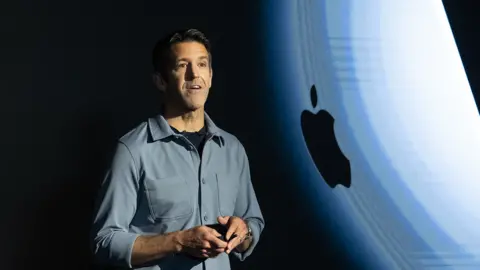
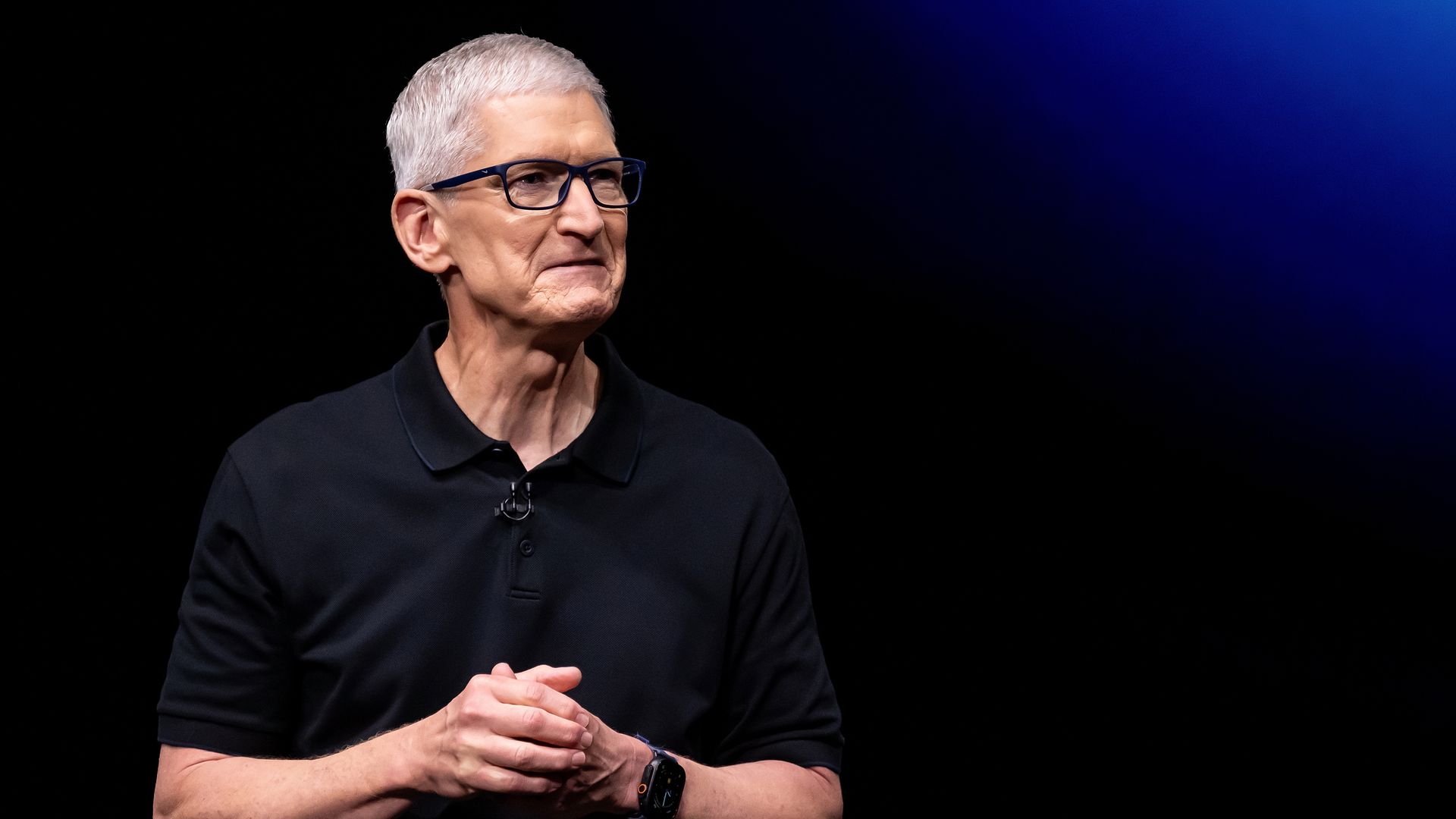
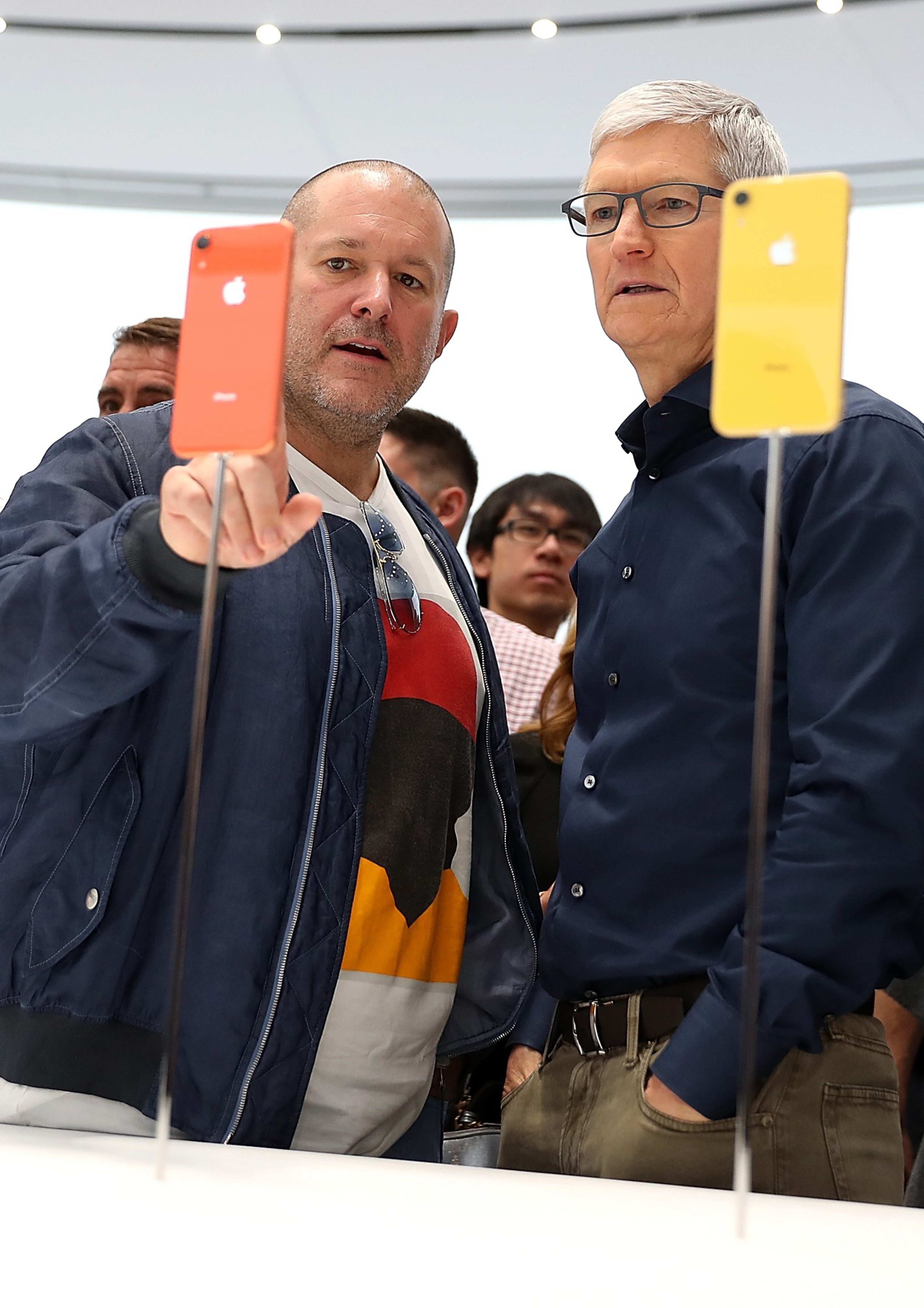
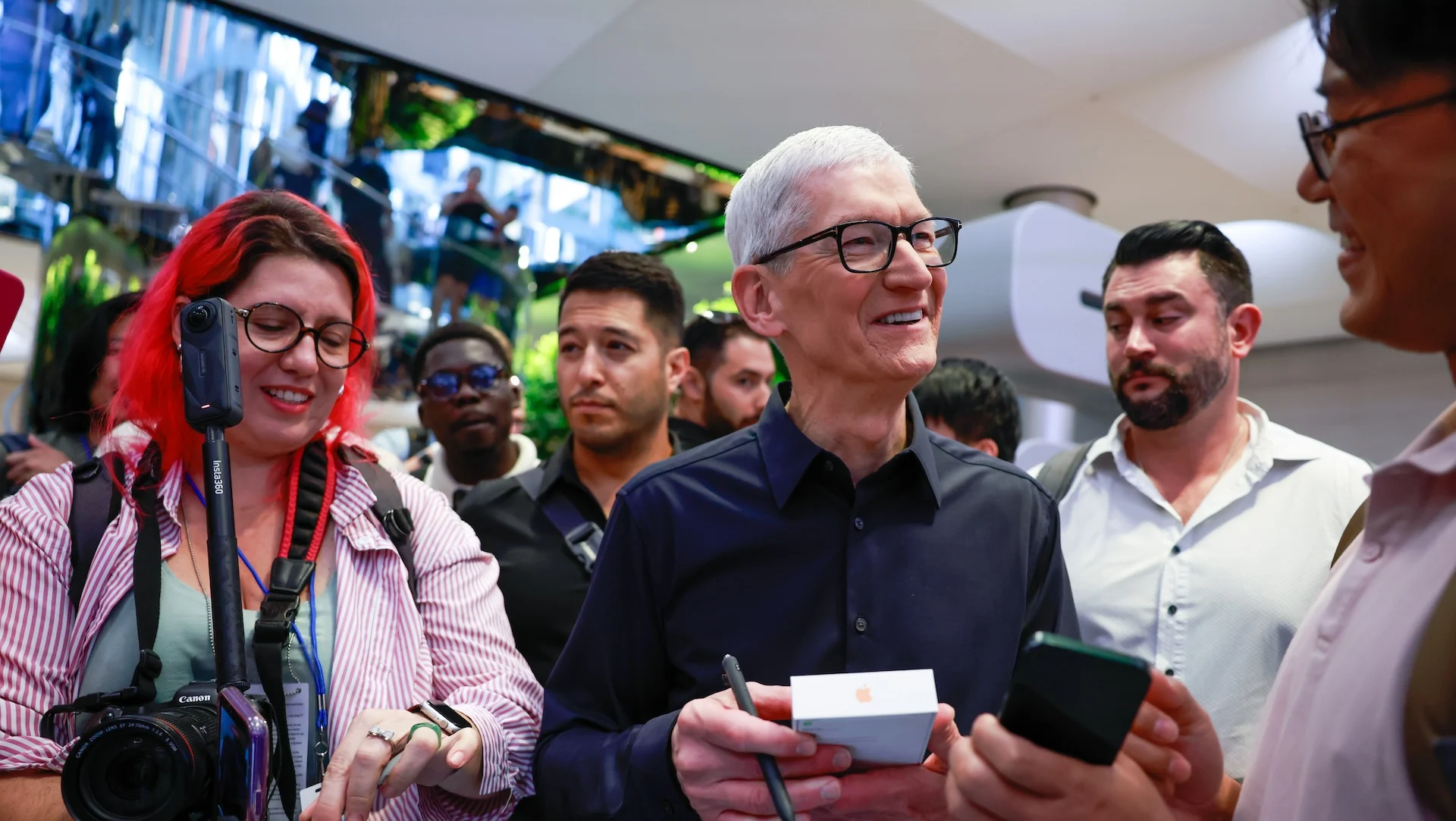
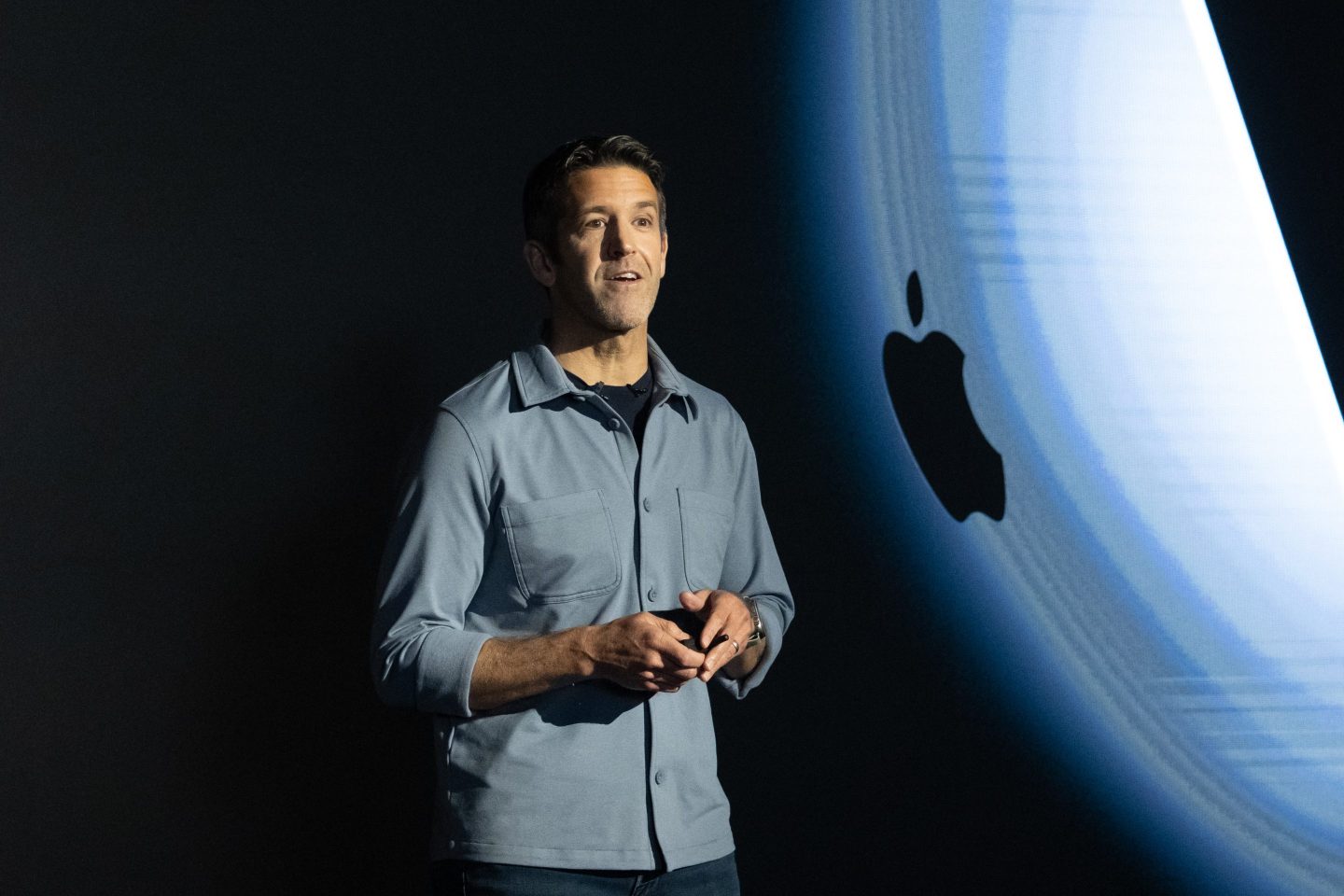
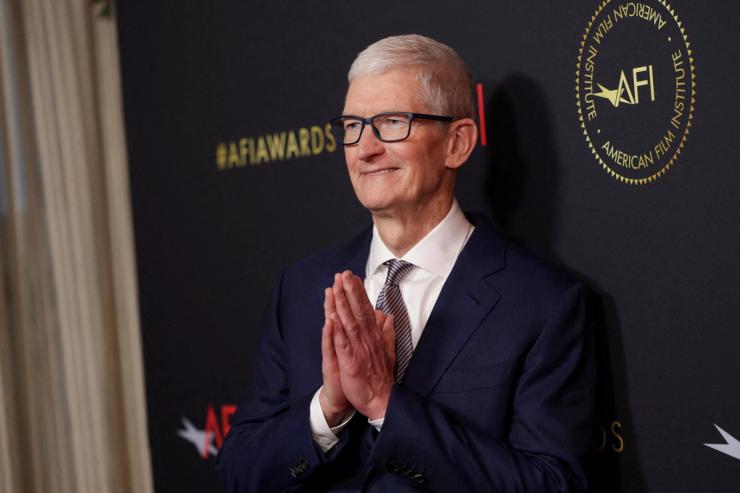
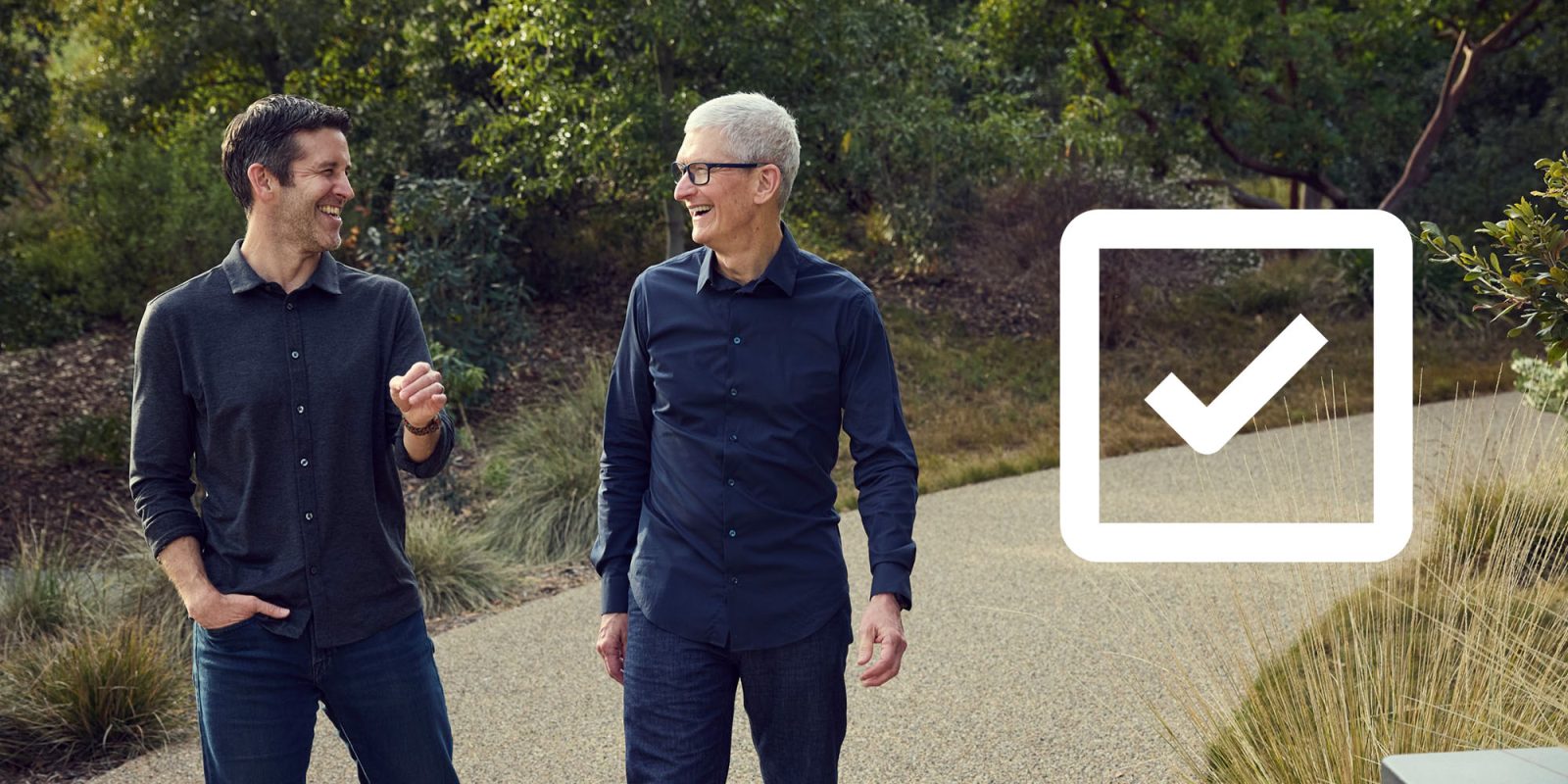
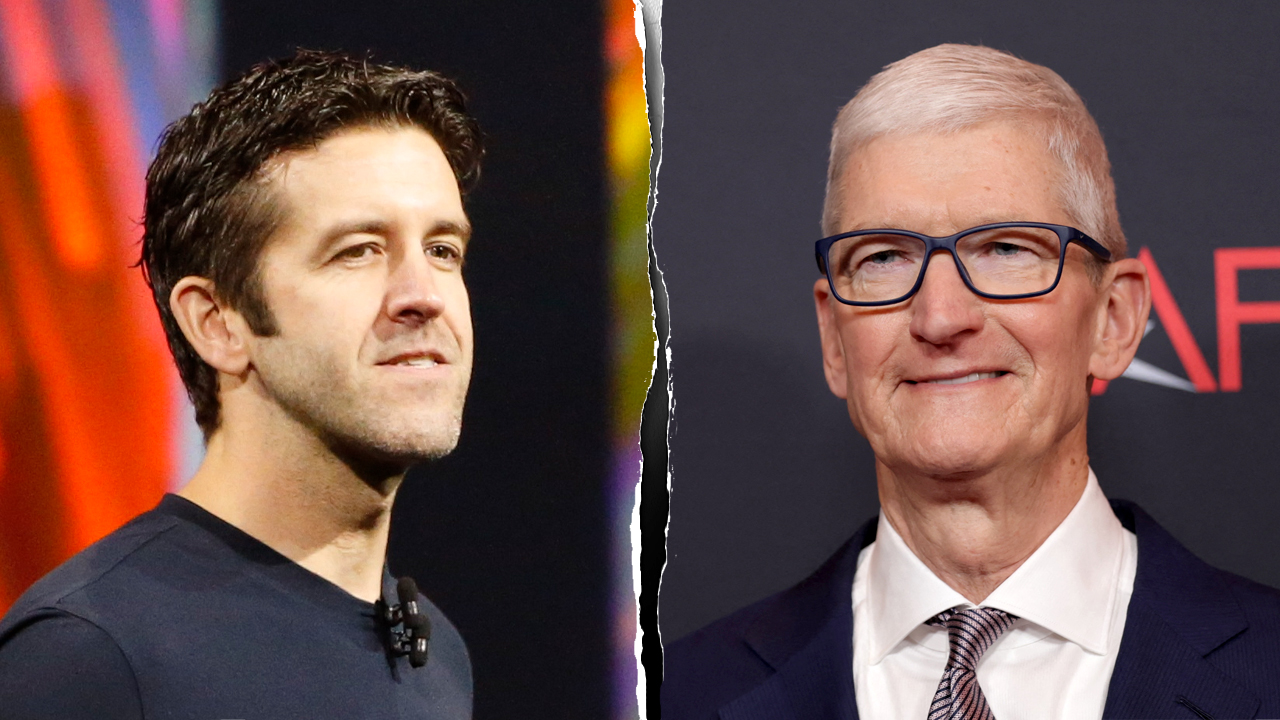
Apple's leadership transition effective September 1, 2026, marks a fundamental strategic pivot from Tim Cook's operations-focused tenure to John Ternus's hardware engineering and supply chain optimization model. Cook's 15-year leadership transformed Apple from a $350 billion to $4 trillion company (1,000% growth), expanding annual revenue from $108 billion to $416+ billion and establishing a 2.5 billion-device installed base across 200+ countries. Ternus, a 25-year Apple veteran and Senior Vice President of Hardware Engineering, brings deep expertise in vertical integration and manufacturing resilience—critical capabilities as global supply chains face geopolitical pressures and tariff uncertainty.
This leadership shift signals Apple's strategic recalibration away from design-centric innovation toward operational excellence and supply chain resilience. Unlike the Jobs-Ive era (1997-2011) that prioritized emotional product design, and Cook's efficiency-driven model, Ternus emphasizes silicon design, semiconductor sourcing, and manufacturing optimization. His track record includes delivering the iPhone 17 lineup (Pro, Pro Max, and iPhone Air), elevating Mac to its most powerful status in 40 years, and establishing AirPods as the world's leading in-ear headphones. This engineering-first approach reflects broader industry trends toward supply chain differentiation amid semiconductor scarcity, geopolitical fragmentation, and tariff volatility—particularly relevant given Trump administration tariff policies affecting Apple's China manufacturing footprint.
For cross-border e-commerce sellers, this transition carries three critical implications. First, Apple's continued emphasis on vertical integration and proprietary silicon (M-series chips) signals sustained investment in manufacturing resilience, potentially stabilizing component availability and pricing for sellers sourcing Apple-compatible accessories, chargers, and peripherals. Second, Ternus's measured approach to AI adoption—partnering with OpenAI and Google rather than developing proprietary solutions—suggests Apple will maintain its ecosystem openness, creating opportunities for third-party AI-enabled accessories and integrations on Amazon, eBay, and Shopify. Third, the leadership transition occurs amid significant tariff uncertainty; sellers should monitor Apple's supply chain adjustments (potential Vietnam/India manufacturing expansion) as these shifts may create sourcing opportunities or competitive pressures in electronics accessories, protective cases, and wearable device categories.
Cook's transition to Executive Chairman positions him to engage with global policymakers on tariff and trade issues—a role that may influence regulatory environments affecting cross-border sellers. The succession demonstrates Apple's commitment to continuity and long-term planning, ensuring sustained innovation and market leadership through 2026 and beyond. Sellers should anticipate potential product category shifts toward robotics and humanoid AI devices (Ternus's stated challenge), creating emerging opportunities in smart home accessories, AI device peripherals, and automation-related product categories within 18-24 months.
Questions 8
What does Apple's 2.5 billion installed device base mean for cross-border accessory sellers?
Apple's 2.5 billion active devices across 200+ countries and 500+ retail locations represent an enormous addressable market for third-party accessories. Under Ternus's hardware-focused leadership, Apple will likely maintain ecosystem openness for compatible products, creating sustained demand for protective cases, chargers, cables, screen protectors, and wearable accessories. The installed base grew significantly under Cook's tenure (from ~1.5B devices), indicating 40-50% expansion potential. For sellers, this means: (1) Apple accessory categories remain high-volume, low-margin opportunities suitable for FBA fulfillment; (2) geographic expansion into emerging markets (India, Southeast Asia, Africa) offers growth as Apple expands retail presence; (3) product quality and certification standards will become increasingly important as Apple emphasizes manufacturing excellence. Sellers should prioritize MFi certification and quality assurance to maintain Buy Box eligibility in competitive Apple accessory categories.
How will Tim Cook's transition to Executive Chairman impact global trade policy affecting sellers?
Cook's new role as Executive Chairman positions him to engage with global policymakers on tariff and trade issues—a significant shift from CEO operational duties. The news notes Cook will 'engage with global policymakers while supporting the company's strategic direction,' suggesting increased advocacy on trade policy affecting Apple's supply chain. For cross-border sellers, this matters because: (1) Cook's influence may shape tariff policies affecting electronics imports; (2) Apple's supply chain diversification efforts (reducing China dependence) may create sourcing opportunities in Vietnam, India, and other regions; (3) regulatory environment changes could impact tariff codes and customs procedures for electronics accessories. Sellers should monitor Apple's public policy statements and supply chain announcements through 2026 for signals about tariff trends and manufacturing region shifts.