
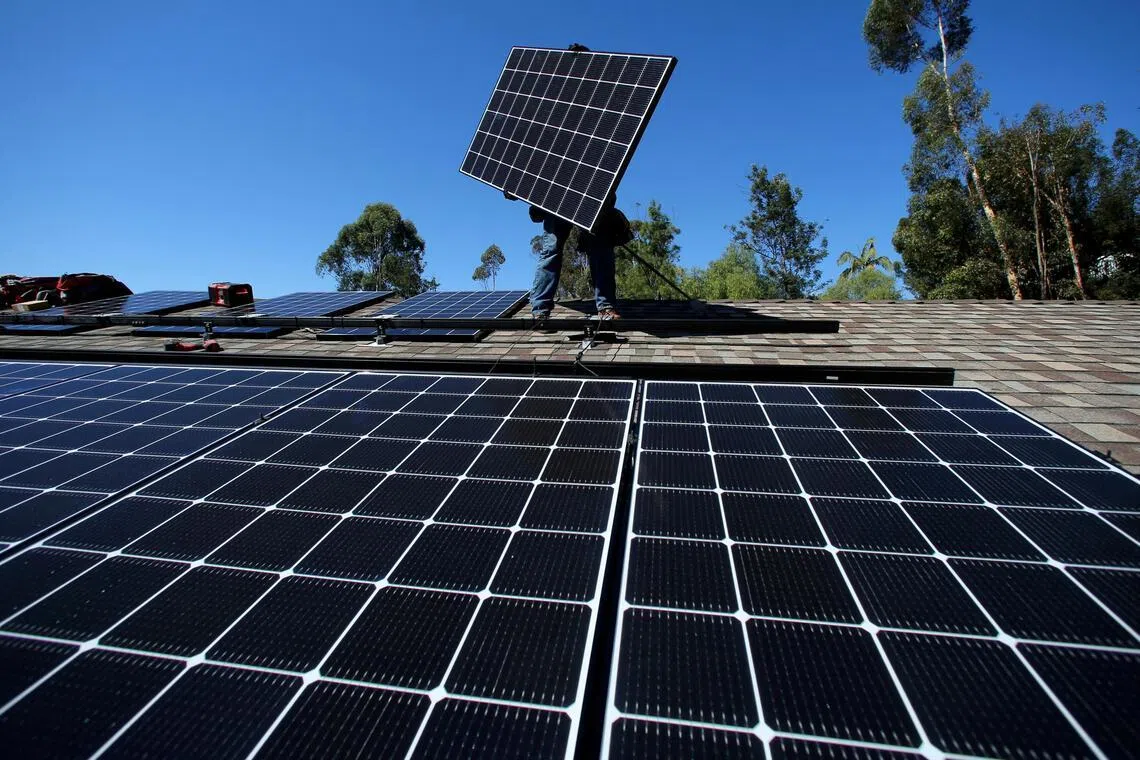
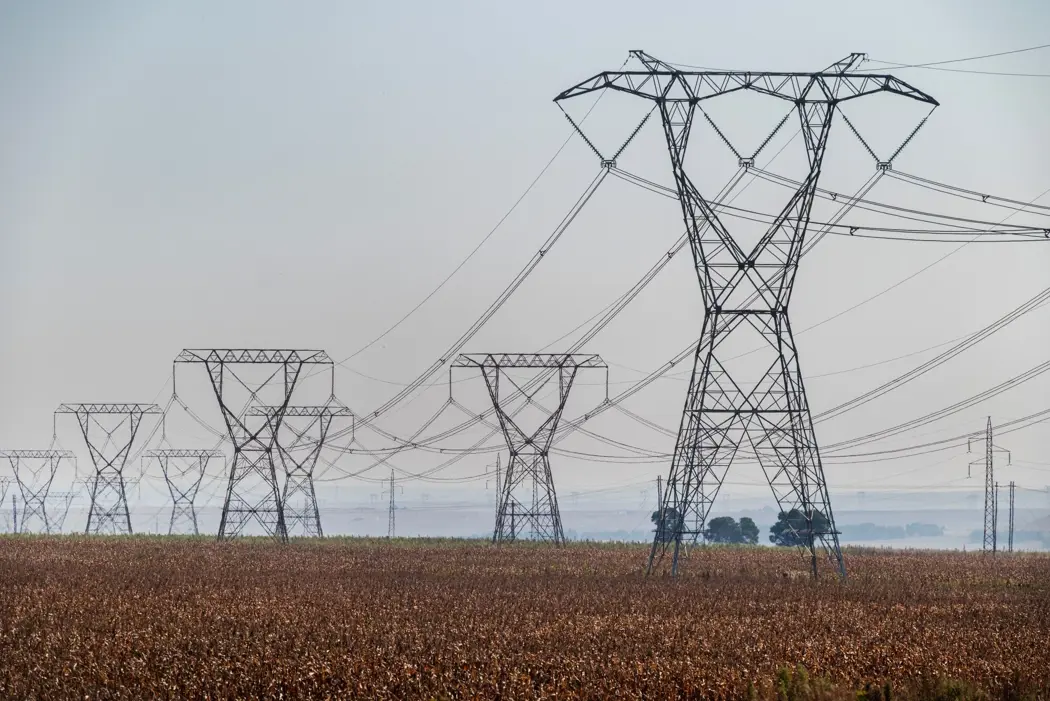
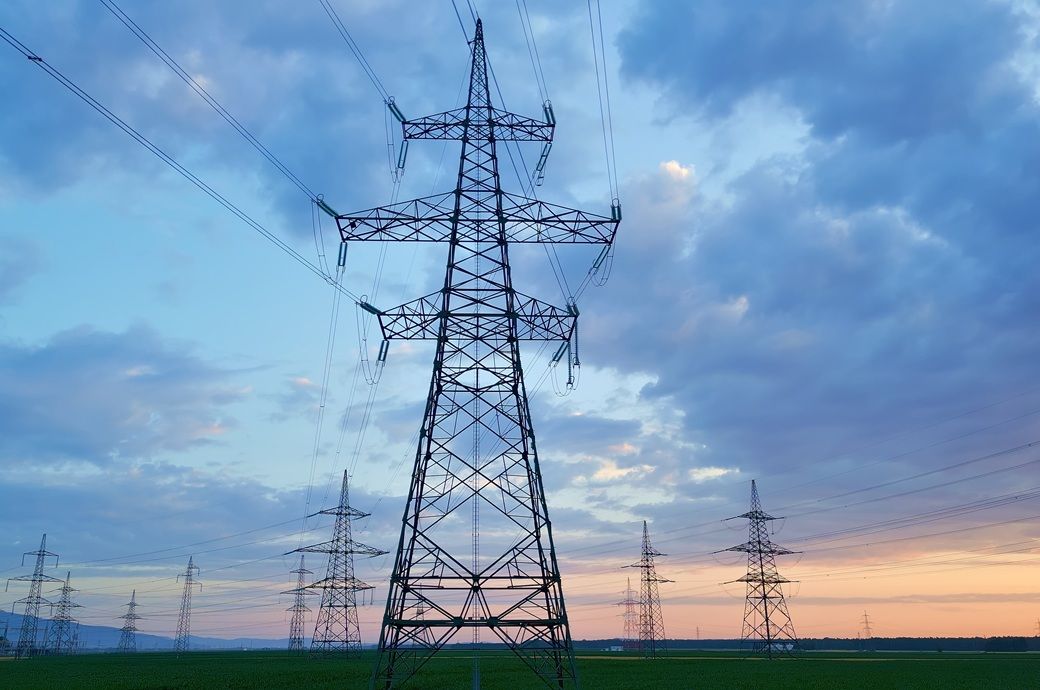


Solar Energy Boom Drives $2.7T Electricity Shift | E-Commerce Supply Chain & Product Opportunities
- Solar generation doubled to 2,700 TWh in 2025; clean electricity now meets 100% of new demand; 30+ countries installing 1GW+ capacity creates manufacturing, logistics, and consumer product opportunities for cross-border sellers
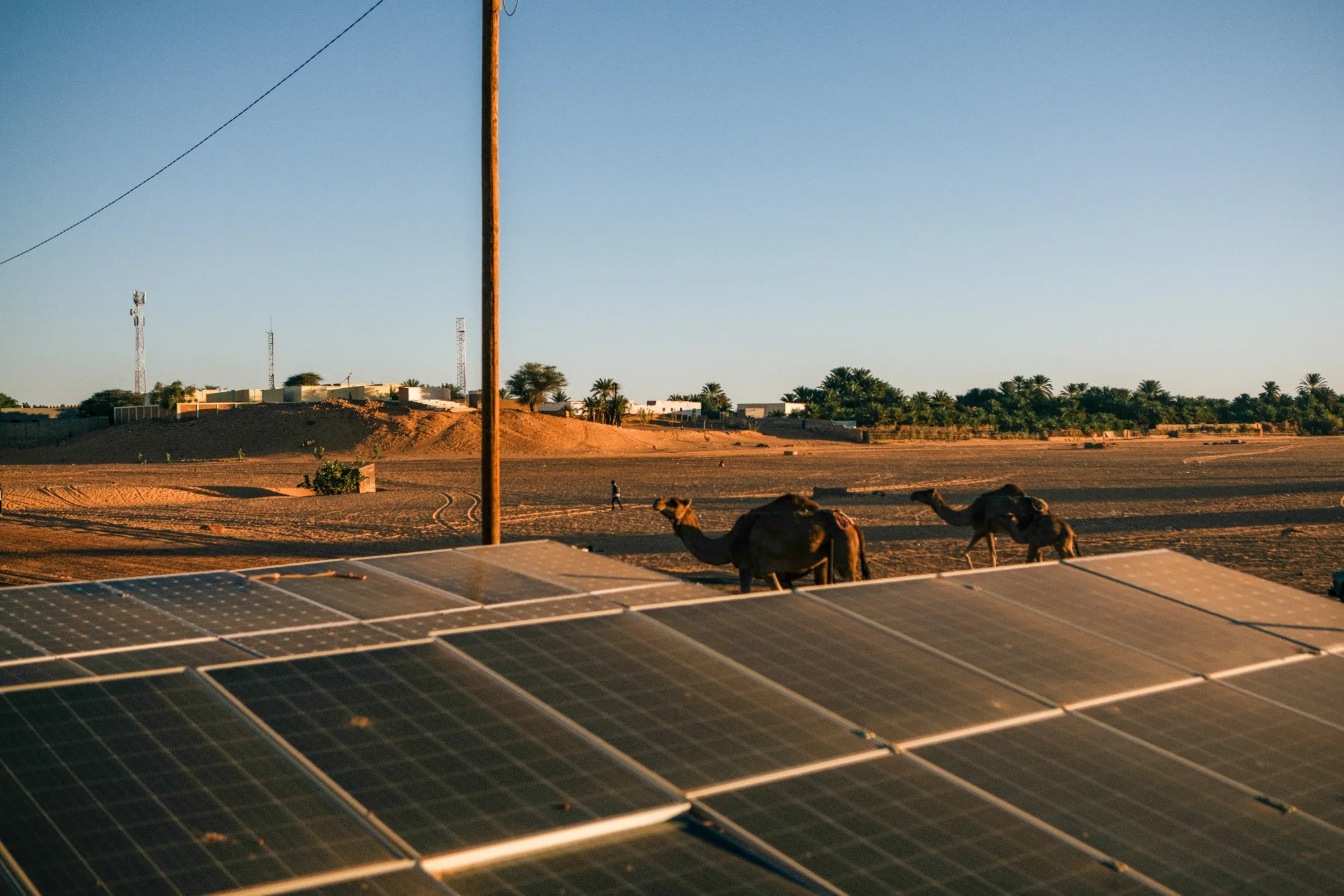












/saur-energy/media/media_files/2026/01/08/coal-and-renewable-energy-2026-01-08-17-34-55.jpg)









Overview
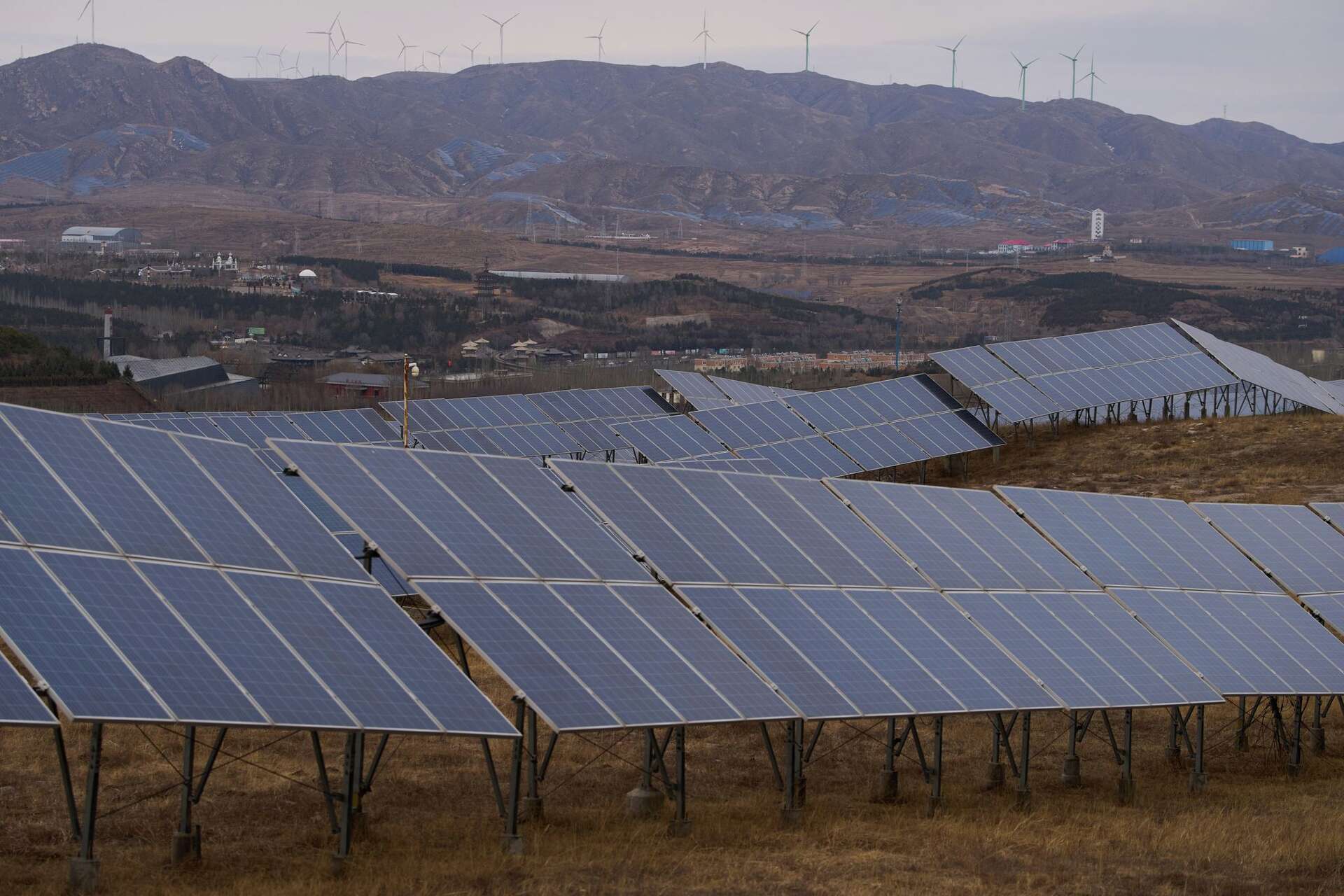
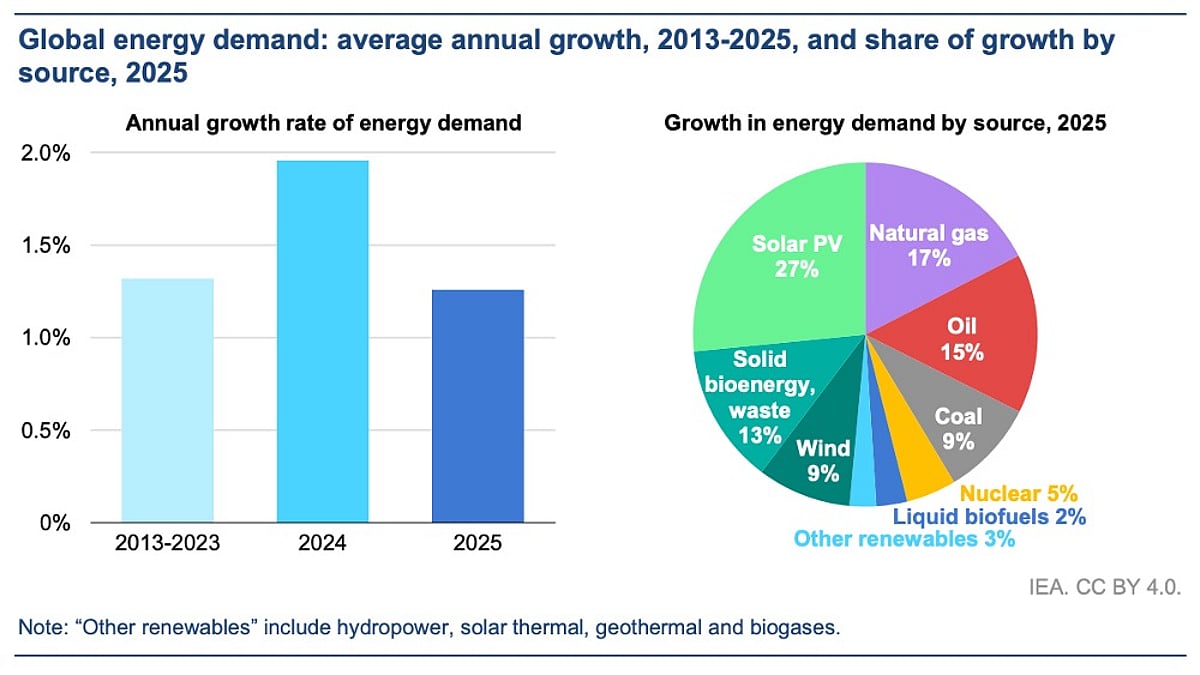
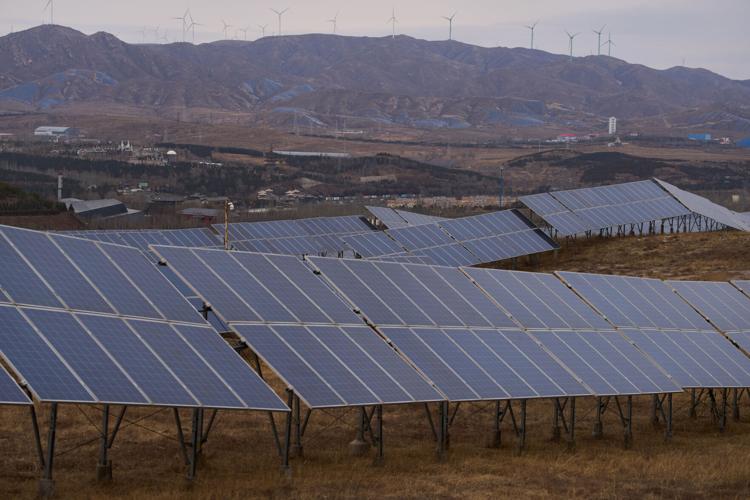
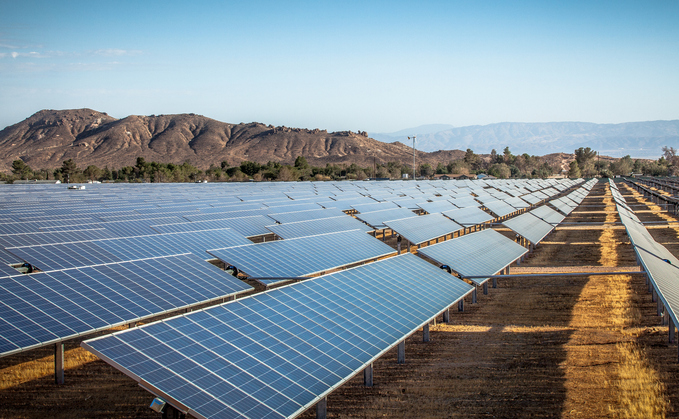
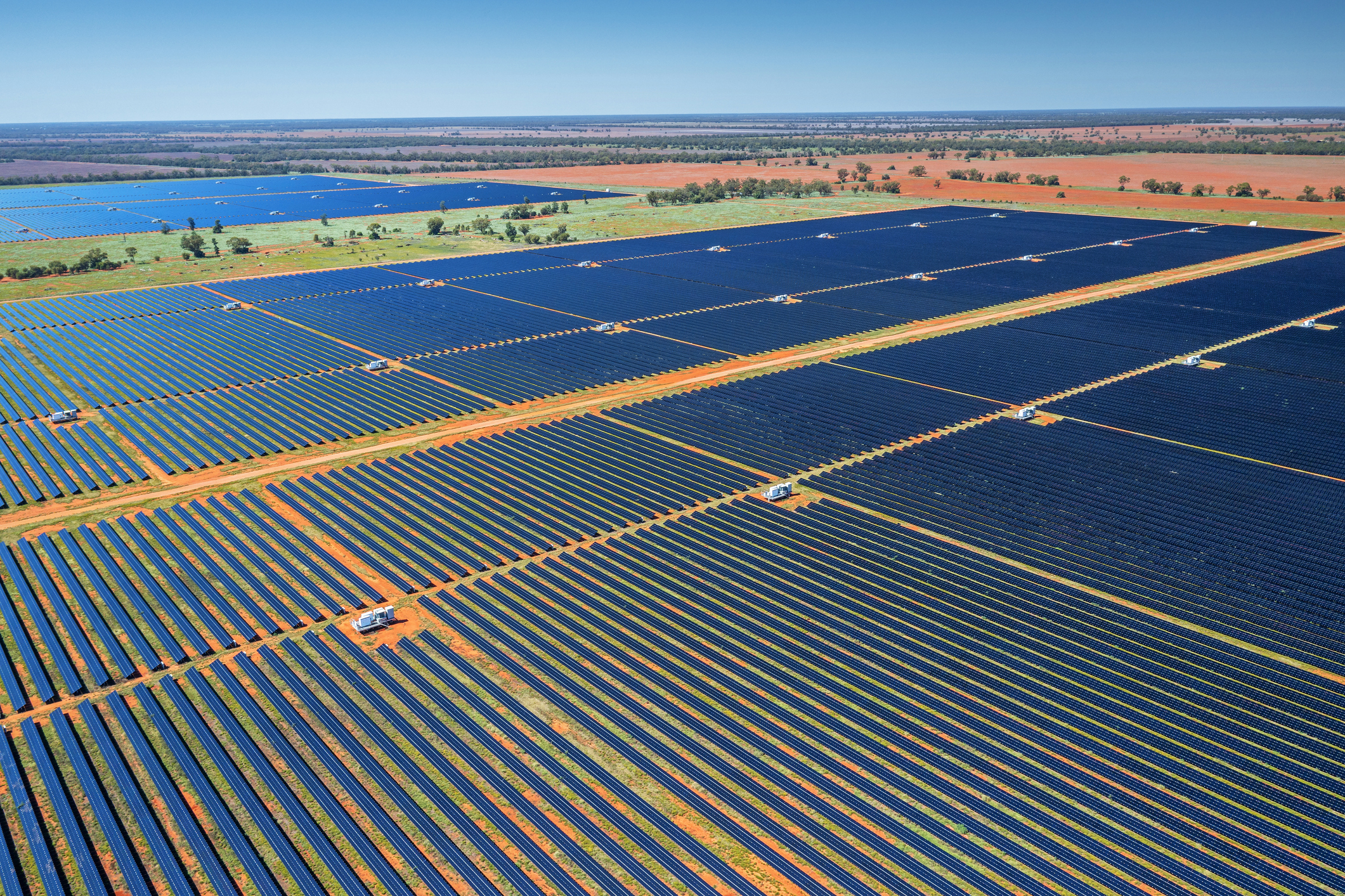
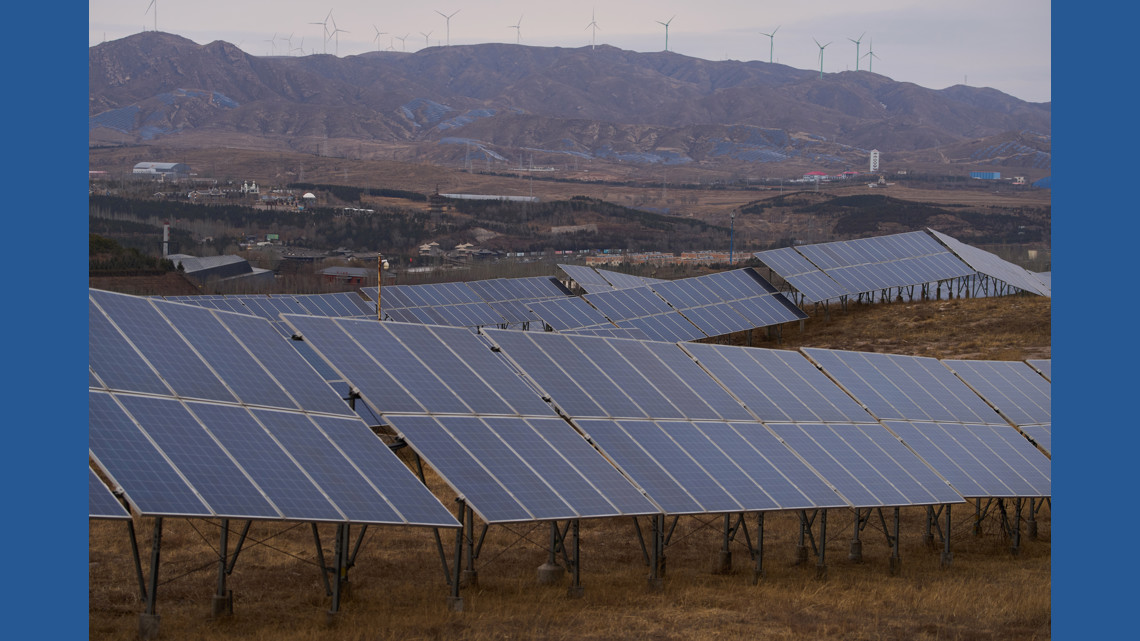
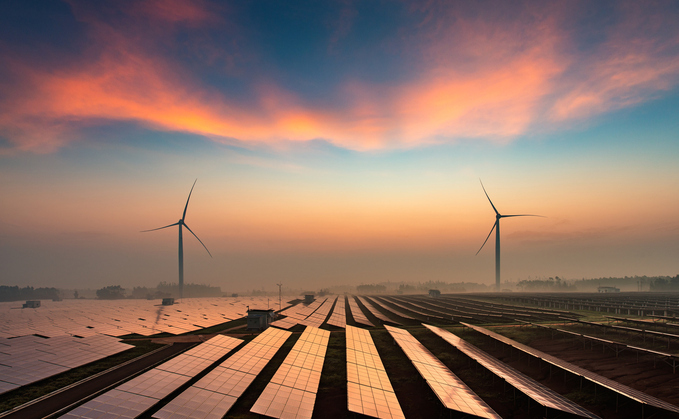
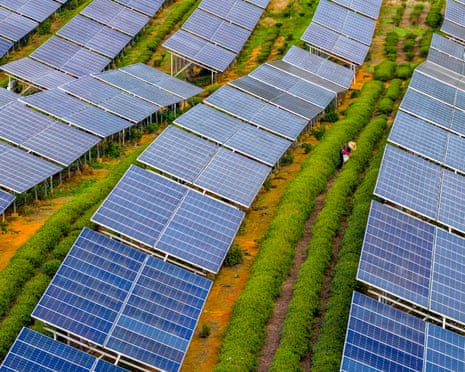
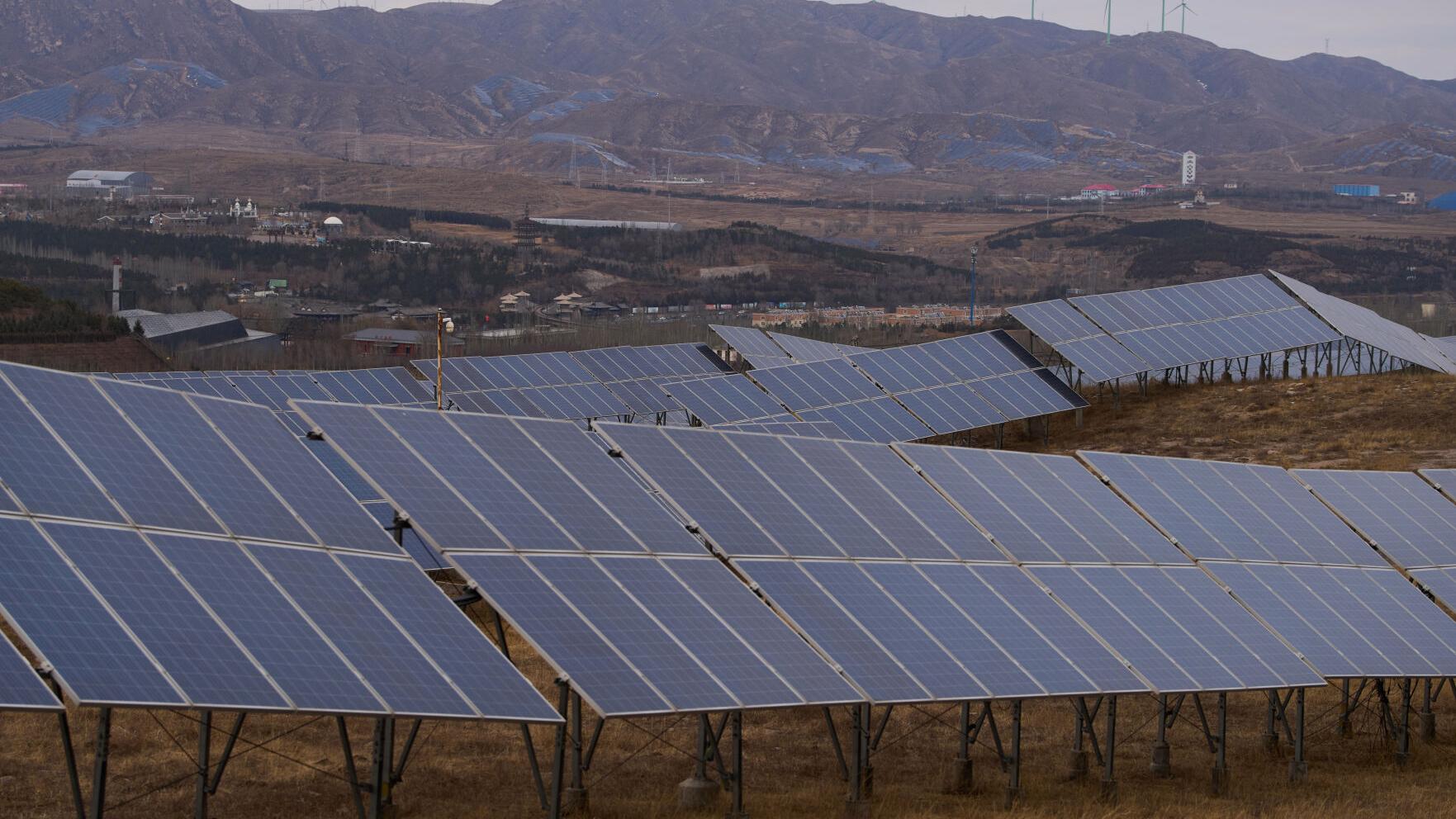
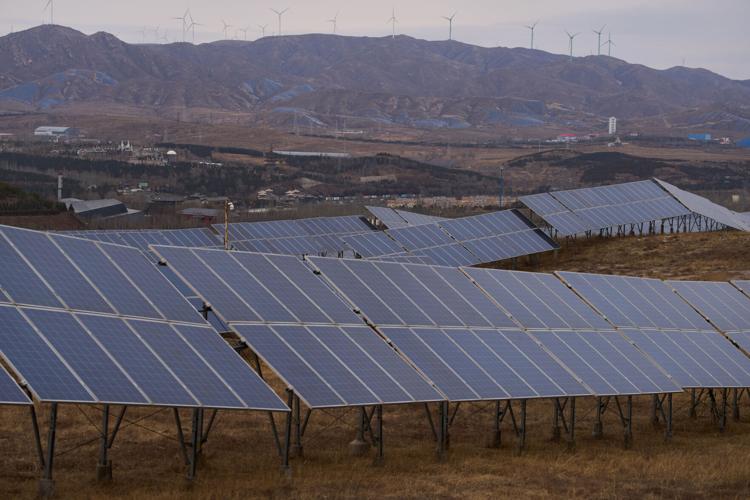
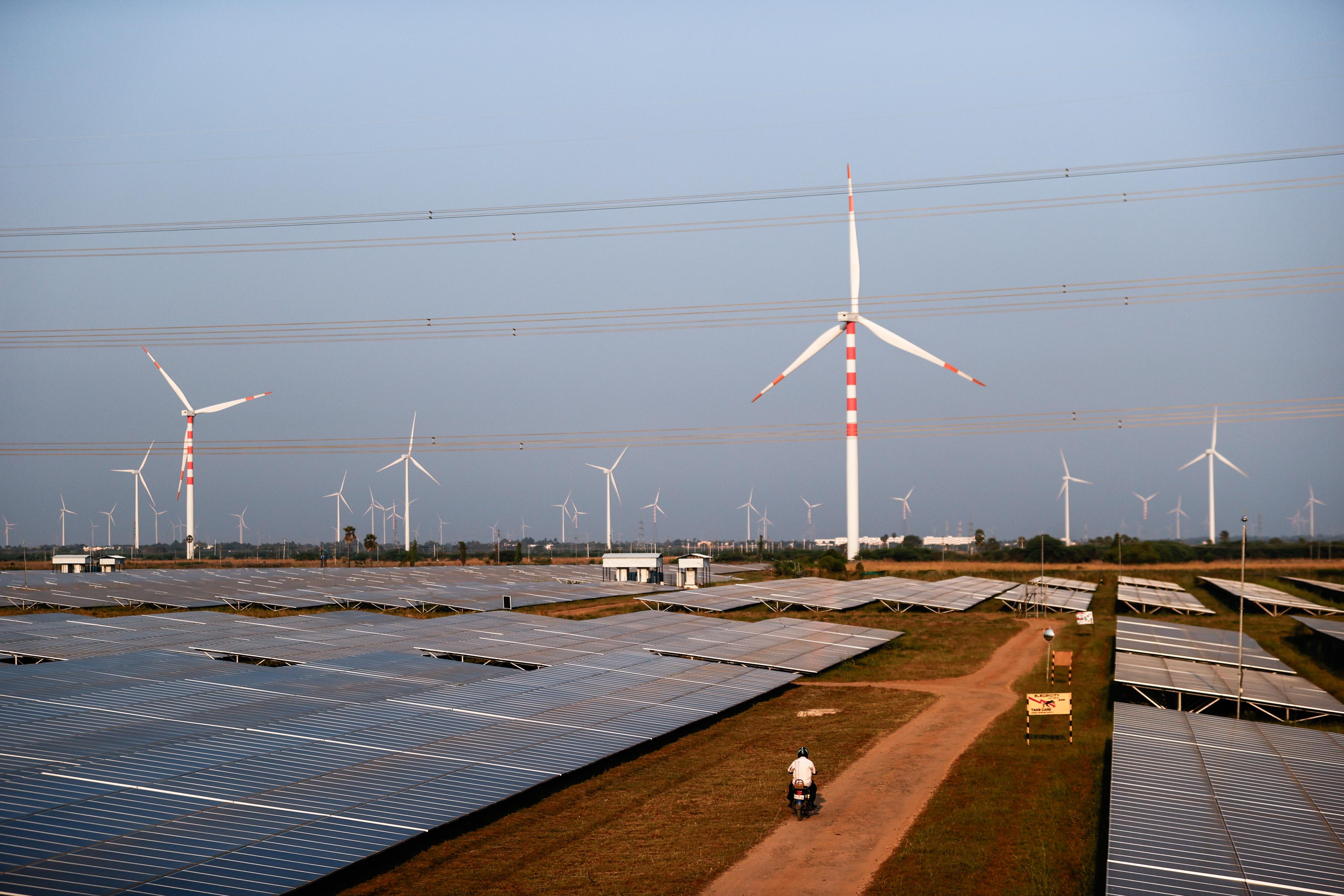
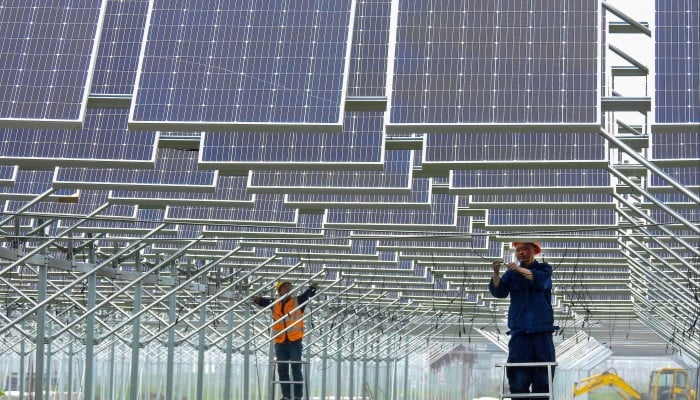
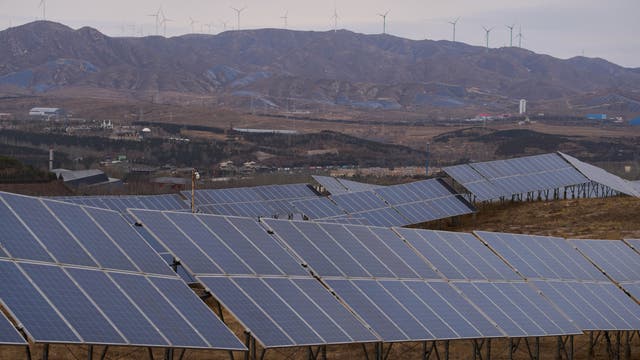
The 2025 global energy transition represents a watershed moment for cross-border e-commerce sellers, with profound implications for supply chains, product categories, and consumer behavior. The International Energy Agency's landmark report confirms solar power achieved "the largest growth ever observed for any source," reaching 2,700 terawatt-hours—more than double 2022 levels—and now accounting for 8% of global electricity production. Simultaneously, Ember's analysis reveals clean electricity sources met 100% of new global electricity demand for the first time, with solar providing three-quarters of the 849 TWh increase. This energy transition directly impacts e-commerce through multiple vectors: manufacturing relocation, operational cost structures, and emerging product categories.
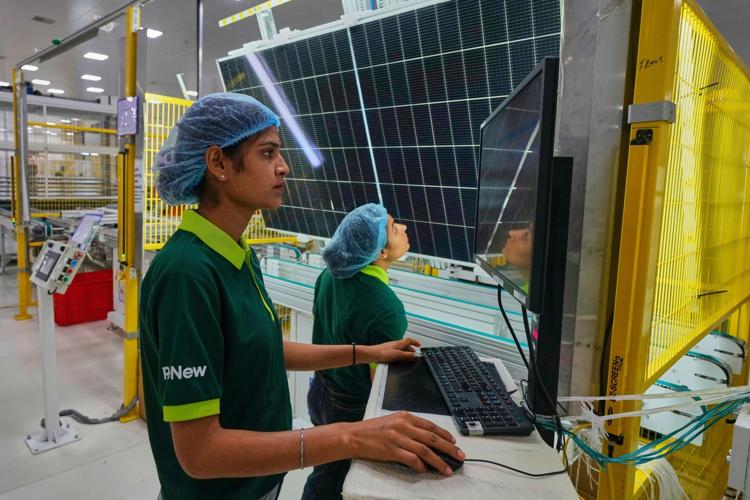
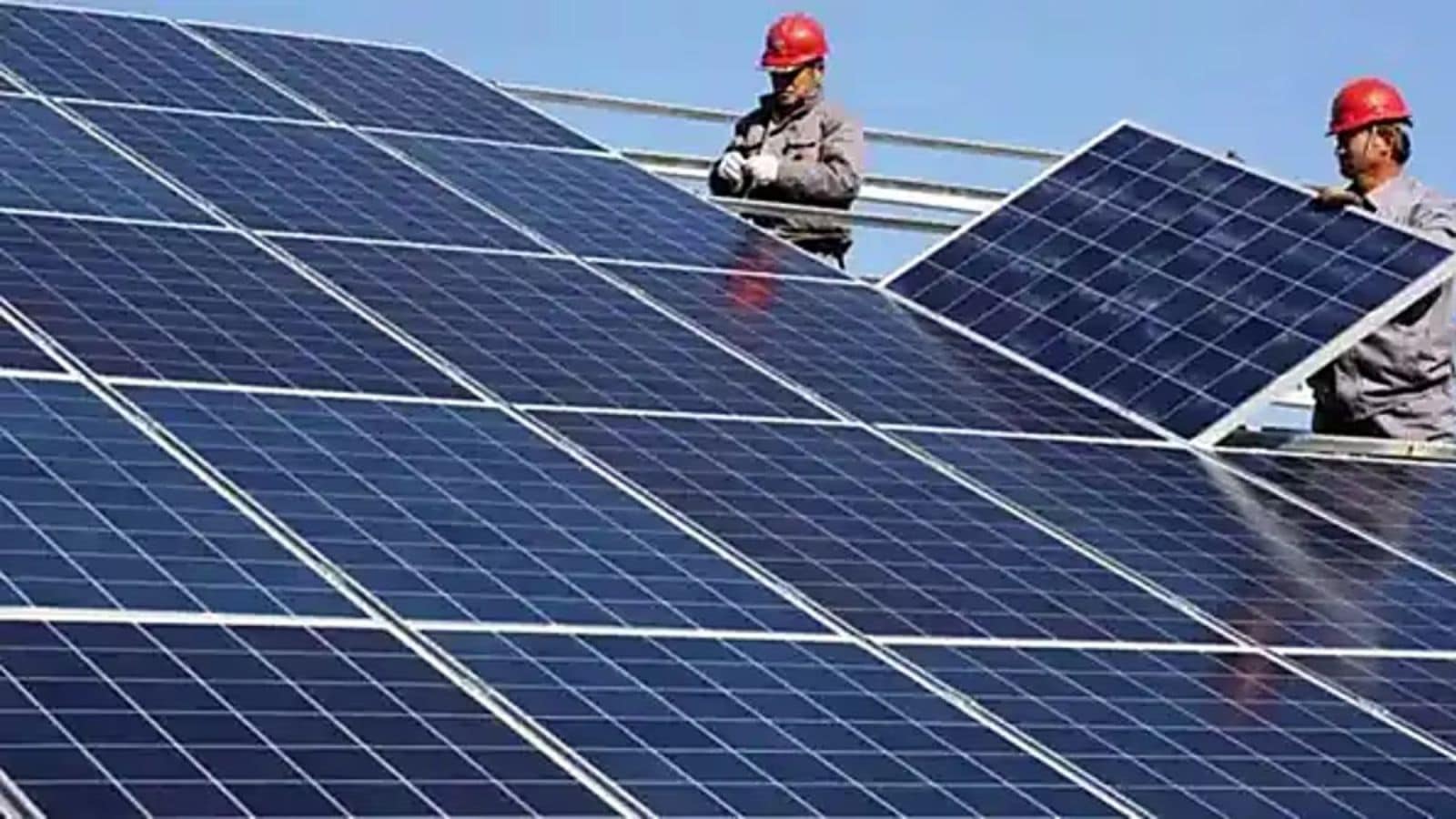
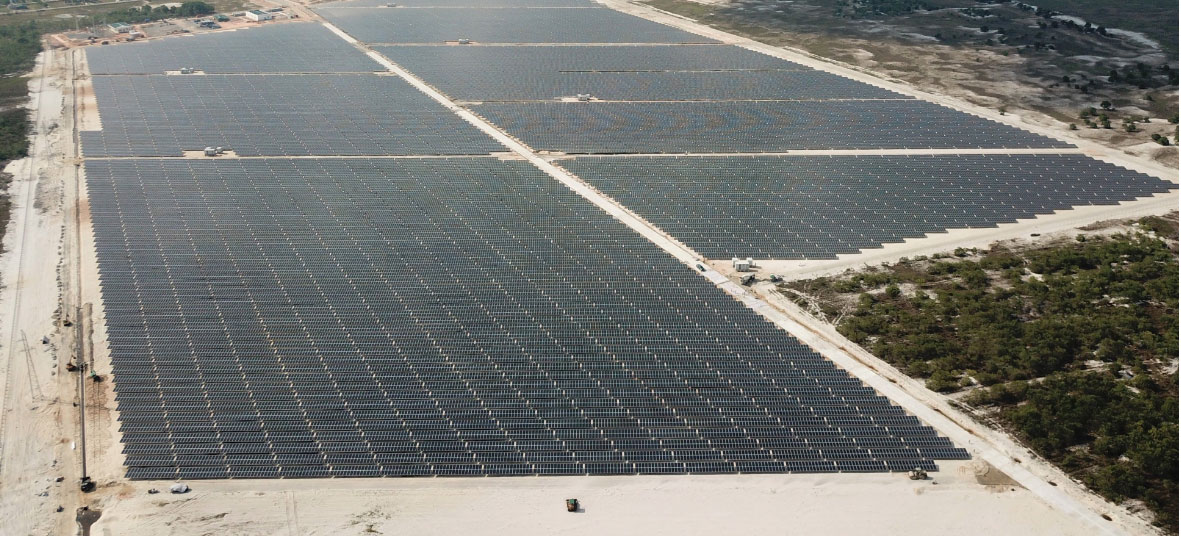
Manufacturing and Sourcing Implications: The 30 countries installing 1+ gigawatt of solar capacity in 2025 represent major manufacturing hubs for solar equipment, battery storage systems, and related components. China and India—simultaneously scaling back fossil-generated electricity for the first time this century—are accelerating production of solar panels, inverters, and battery storage units. Cross-border sellers sourcing from these regions face both opportunities and risks: solar-related component suppliers are experiencing unprecedented demand, but supply chain volatility persists due to infrastructure constraints. Battery storage experienced "massive growth" alongside solar expansion, creating opportunities in the energy storage product category, which includes portable power banks, solar chargers, and home battery backup systems—all high-margin items for Amazon FBA, eBay, and Shopify sellers.
Consumer Product Categories and Demand Signals: Electric vehicle adoption surged 40% with EVs representing 25% of global car sales, signaling massive demand for EV accessories, charging equipment, and related products. Heat pump sales remained flat overall, but in numerous countries now account for the majority of new heating units sold—indicating regional demand spikes for heat pump components, smart thermostats, and HVAC accessories. The IEA's declaration of the "Age of Electricity" reflects fundamental consumer behavior shifts: buyers increasingly seek electrified alternatives, creating opportunities in smart home devices, energy monitoring systems, and renewable energy accessories. Sellers in these categories can expect sustained demand growth as governments implement policies to mitigate fuel shocks amid geopolitical tensions affecting Middle Eastern energy supplies.
Operational Cost Structure Changes: The transition toward renewable electricity reduces long-term energy costs for fulfillment centers and 3PL providers, particularly in the 30 countries with major solar installations. However, short-term infrastructure investments create temporary cost pressures. Emissions per kilowatt-hour fell to 458g CO2-equivalent in 2025 from 543g a decade earlier, with IEA projections reaching 400g next year—signaling that sellers can market products with lower carbon footprints and capitalize on growing consumer demand for sustainable goods. The 0.4% emissions growth versus 3.1% economic growth indicates economic decoupling from carbon, creating regulatory tailwinds for sellers emphasizing sustainability credentials.
Regional Market Dynamics: The simultaneous fossil-fuel electricity reduction in China and India—the world's largest emitters—creates distinct regional opportunities. European, Japanese, and Korean markets remain dependent on imported liquefied natural gas for system stability, indicating continued demand for energy-efficient products and backup power solutions. Sellers targeting these regions should emphasize energy efficiency and reliability in product listings and marketing.
Questions 8
How does clean electricity meeting 100% of new demand affect long-term e-commerce logistics planning?
Ember's finding that clean electricity sources met 100% of new global electricity demand for the first time in 2025—with solar providing three-quarters of the 849 TWh increase—signals structural shift toward renewable-powered logistics networks. This enables sellers to market 'carbon-neutral shipping' and 'renewable-powered fulfillment' as competitive advantages, particularly in EU and California markets with regulatory carbon accounting requirements. Long-term planning should assume 10-20% annual cost reductions in renewable-heavy regions through 2030, but maintain 60-90 day inventory buffers in LNG-dependent regions (Europe, Japan, Korea) where grid stability remains constrained. The transition creates opportunities for sellers to partner with 3PL providers emphasizing renewable energy usage, potentially unlocking premium pricing from sustainability-focused brands.
What product categories should sellers avoid or de-prioritize given the energy transition?
Natural gas use increased only 1% year-over-year and oil consumption rose just 0.7%—less than half the previous decade's average—indicating declining demand for fossil fuel-dependent products. Sellers should reduce inventory in gas-powered generators, oil heating systems, and traditional HVAC components. Heat pump sales remained 'largely flat' globally despite accounting for the majority of new heating units in some countries, suggesting market saturation in developed regions but growth potential in emerging markets. Avoid sourcing products dependent on cheap fossil fuels for manufacturing or operation. Instead, pivot toward electrified alternatives: electric heaters, heat pumps, and battery-powered tools. The IEA's 25% fossil-fuel electricity reduction target by 2030 signals accelerating regulatory pressure against carbon-intensive products through 2025-2026.