



AI Chip Market Tremors Broadcom's Cautious Dance with Technological Transformation
- Semiconductor Innovation Meets Investor Uncertainty in the AI Technology Landscape






























Overview
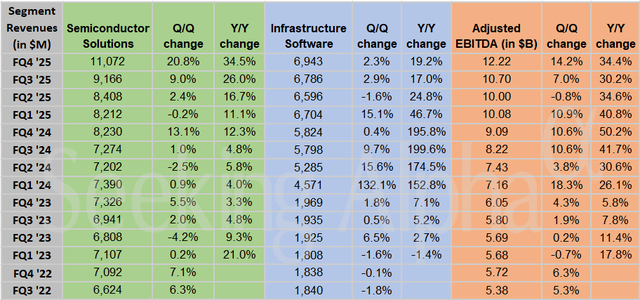
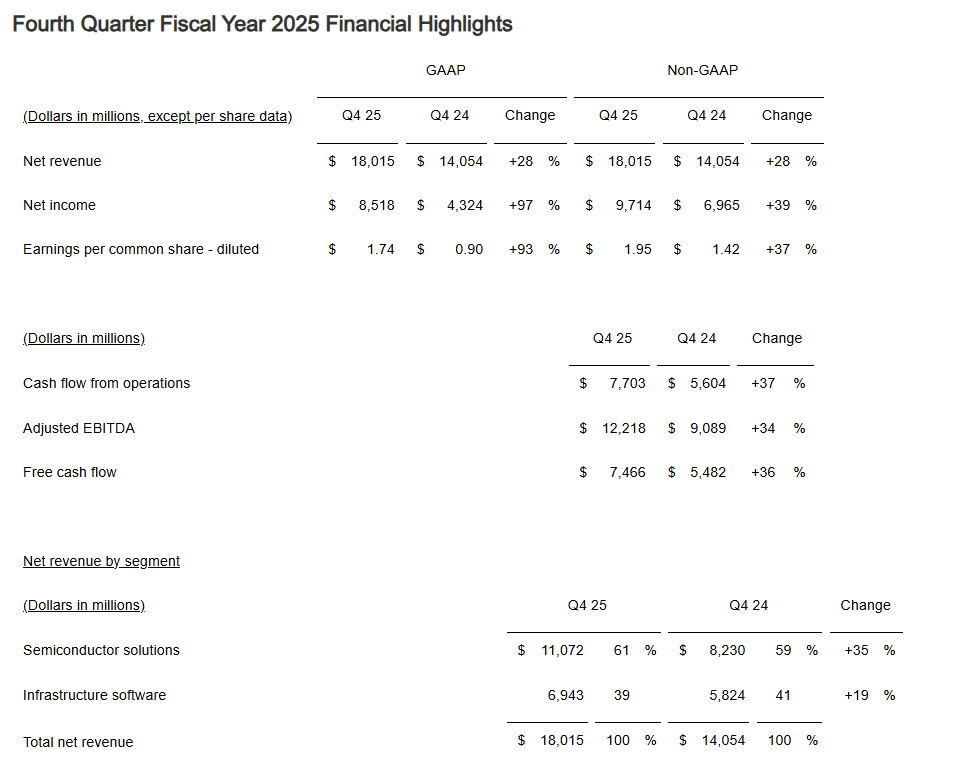
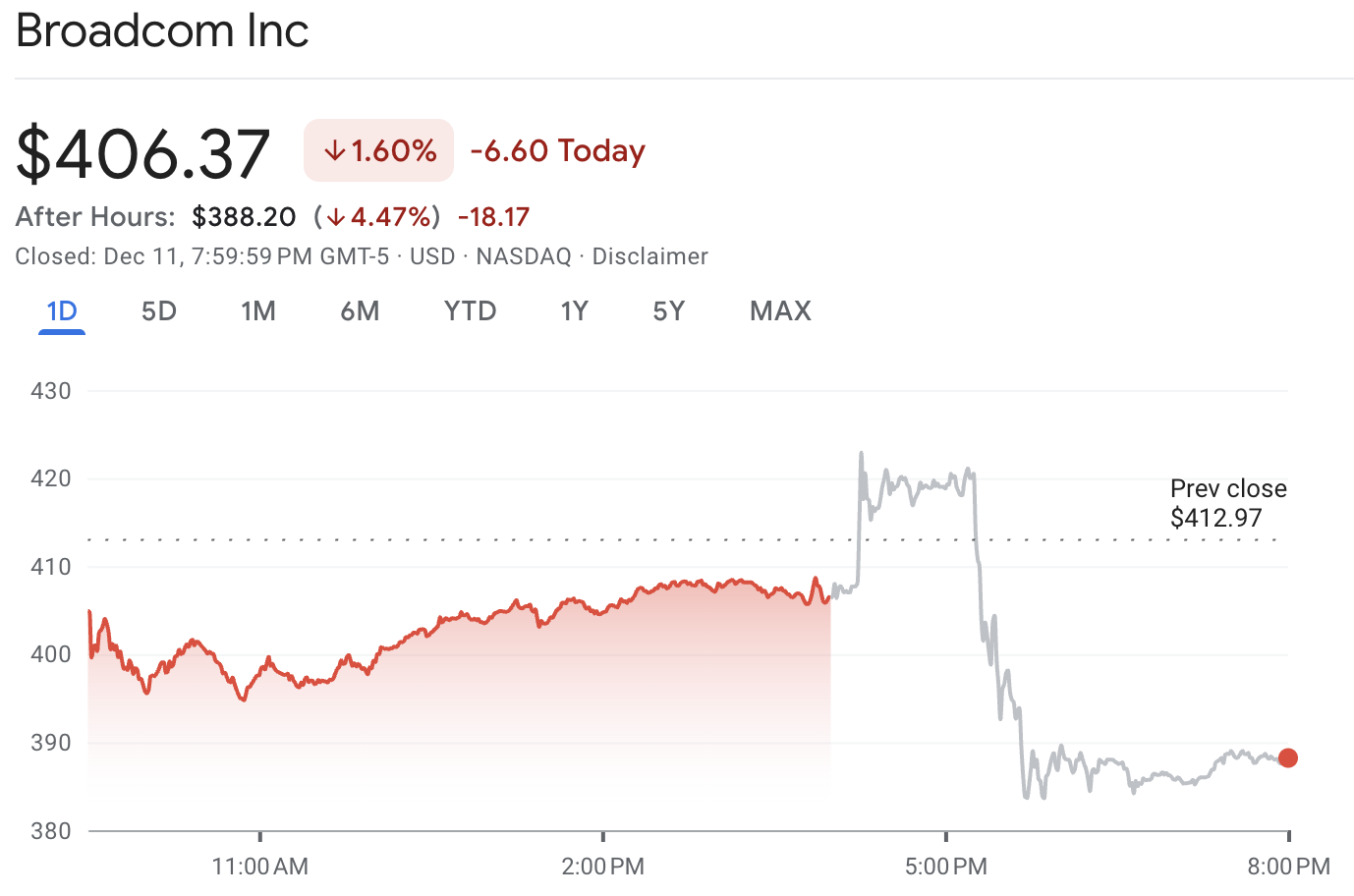
Artificial intelligence is reshaping the semiconductor landscape, and Broadcom's recent financial performance reveals the complex dynamics of technological innovation and market expectations. Despite achieving record revenue driven by AI chip sales, the company experienced a notable stock market decline, highlighting the precarious balance between technological potential and investor confidence.
Semiconductor manufacturers like Broadcom are navigating a high-stakes environment where the AI technology infrastructure represents both an enormous opportunity and a significant challenge. The company's Q4 earnings showcase a $73 billion potential market in AI chips, yet investors remain skeptical about long-term sustainability. CEO Hock Tan's strategic approach demonstrates a deliberate caution, refusing to provide precise guidance for 2026 and acknowledging the rapidly evolving nature of AI technology adoption.
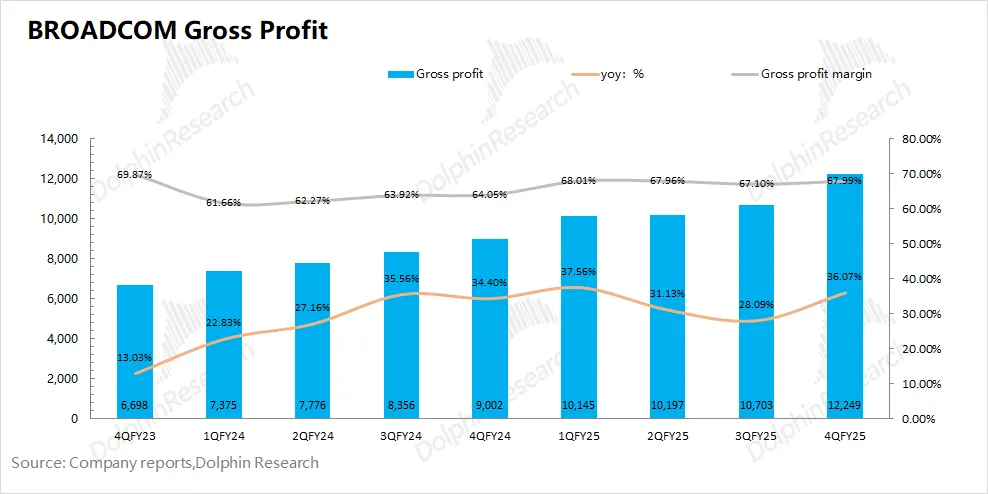
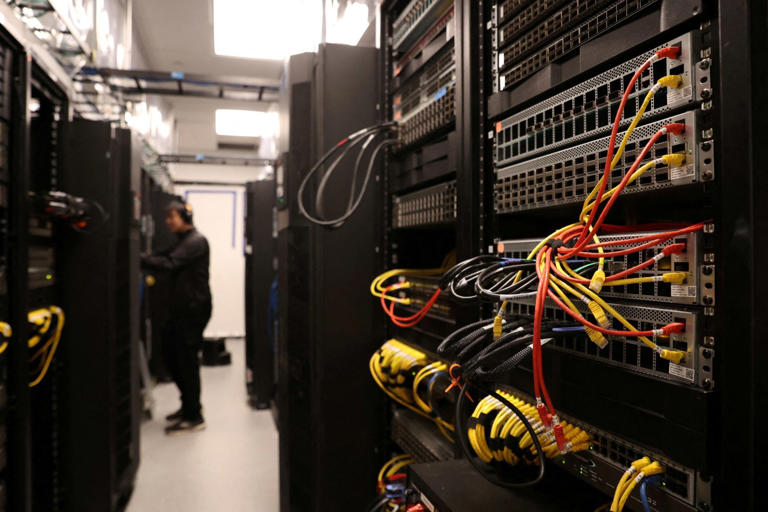
The most critical insight emerges from the gross margin dynamics: Broadcom anticipates a 100 basis point squeeze on margins due to its shifting product mix towards AI-related technologies. This signals a profound technological transformation where companies must balance innovation investment with maintaining profitability. The data center chip segment, in particular, represents a key growth driver, powering the computational needs of advanced AI models.
For cross-border e-commerce sellers and technology strategists, this development underscores a pivotal moment in technological infrastructure. The semiconductor industry is not just selling chips; it's essentially building the computational backbone for future digital ecosystems. The market's mixed reaction reveals that technological potential alone cannot guarantee investor confidence—execution, strategic positioning, and a nuanced understanding of emerging technologies are paramount.
Automation opportunities abound in this landscape. Sellers and technology companies must leverage AI-powered competitive intelligence, predictive analytics, and dynamic market modeling to navigate this complex terrain. The ability to rapidly adapt technological capabilities while maintaining financial discipline will separate market leaders from followers in the AI-driven technological revolution.
Questions 3
How might this impact cross-border e-commerce sellers?
E-commerce sellers should closely monitor semiconductor and AI infrastructure developments, as these technological advances directly influence digital platform capabilities, cloud services, and online marketplace performance. The evolving AI chip market will reshape computational infrastructure and digital service capabilities.
What does Broadcom's performance reveal about the AI technology market?
Broadcom's results highlight the complex landscape of AI technology infrastructure, where massive market potential ($73 billion) coexists with significant investor skepticism. The semiconductor industry is experiencing a critical transformation, balancing technological innovation with financial sustainability.