




Global RAM Shortage Delays Premium Mac Releases | Seller Inventory Opportunities 2026-2027
- AI-driven memory demand pushes M5 Mac Studio to October 2026, touchscreen MacBook Pro to 2027; creates extended demand window for legacy Mac models and $100-500 component cost escalation across consumer electronics





















Overview
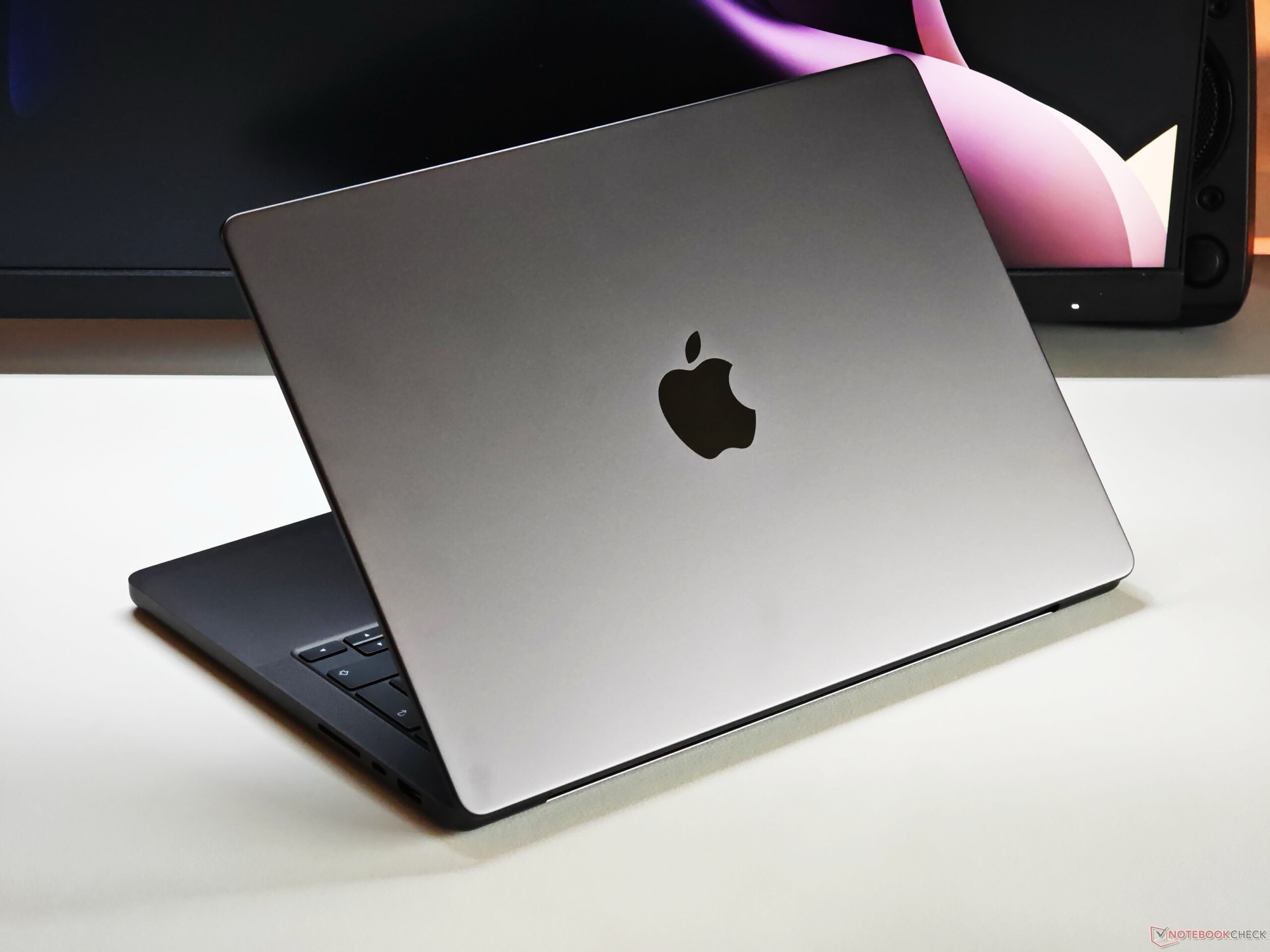
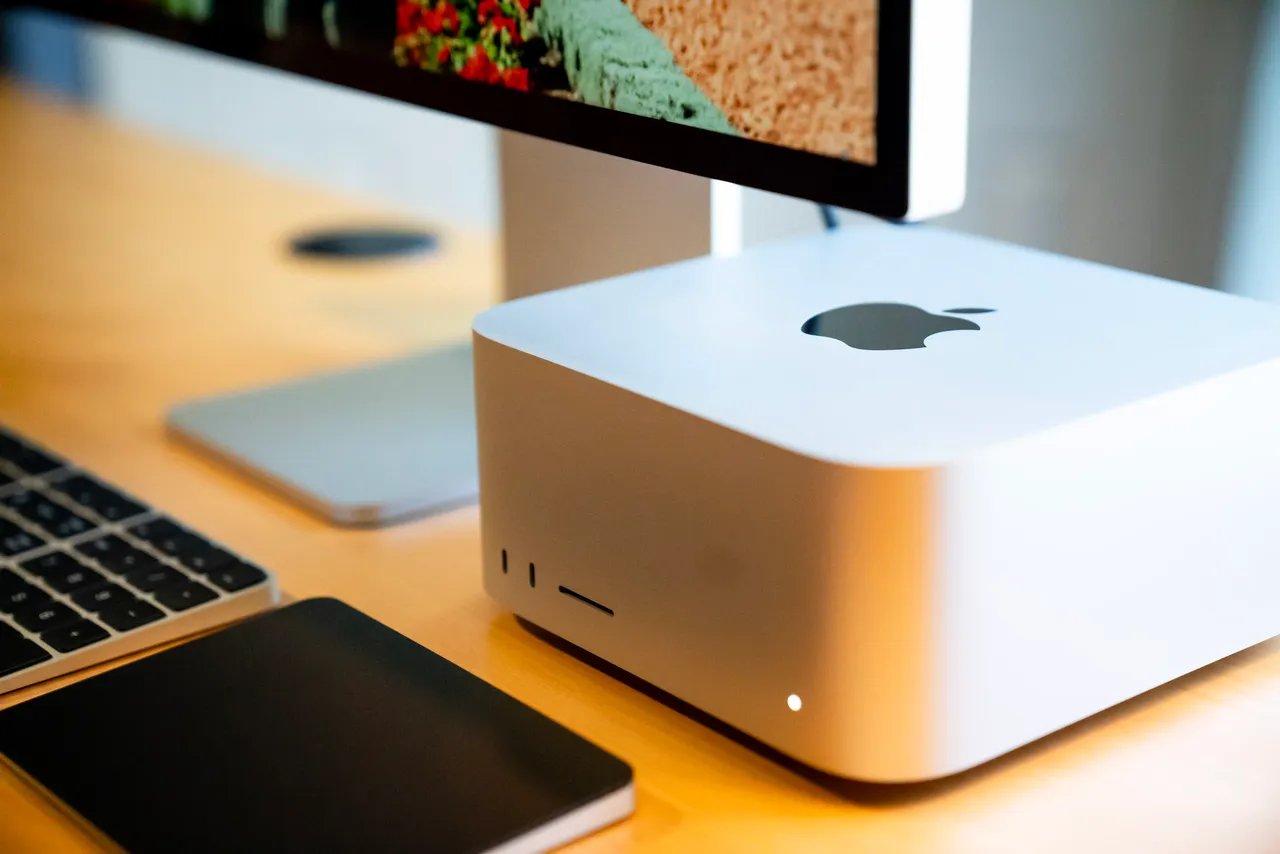
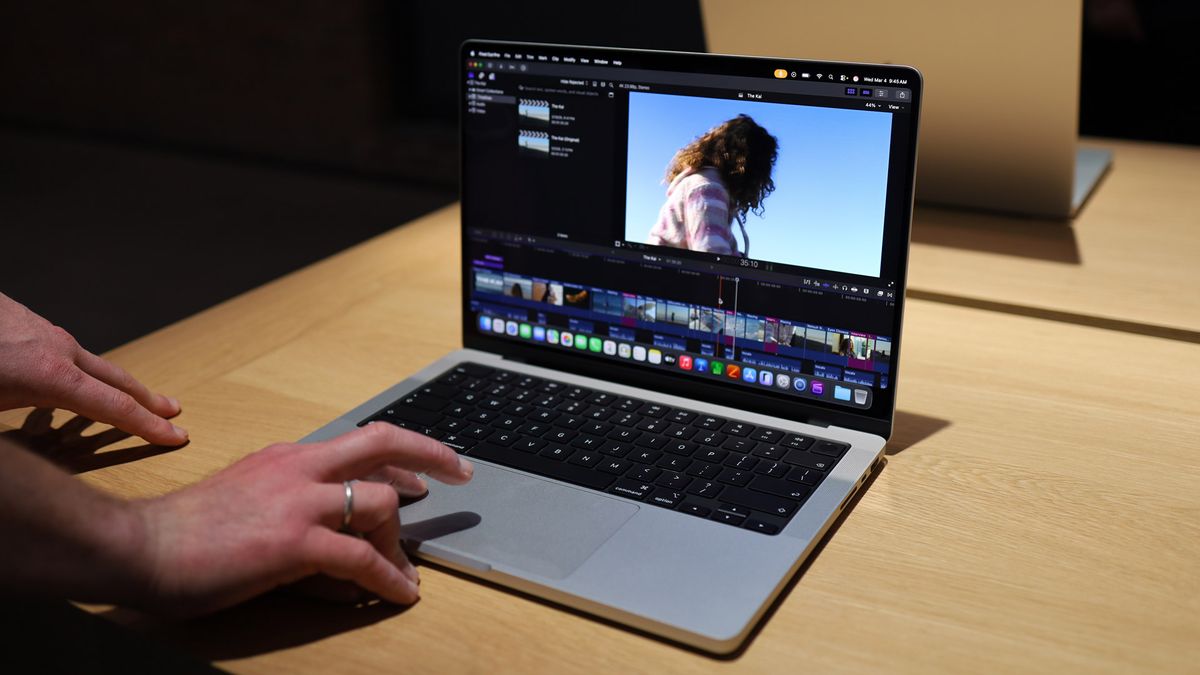
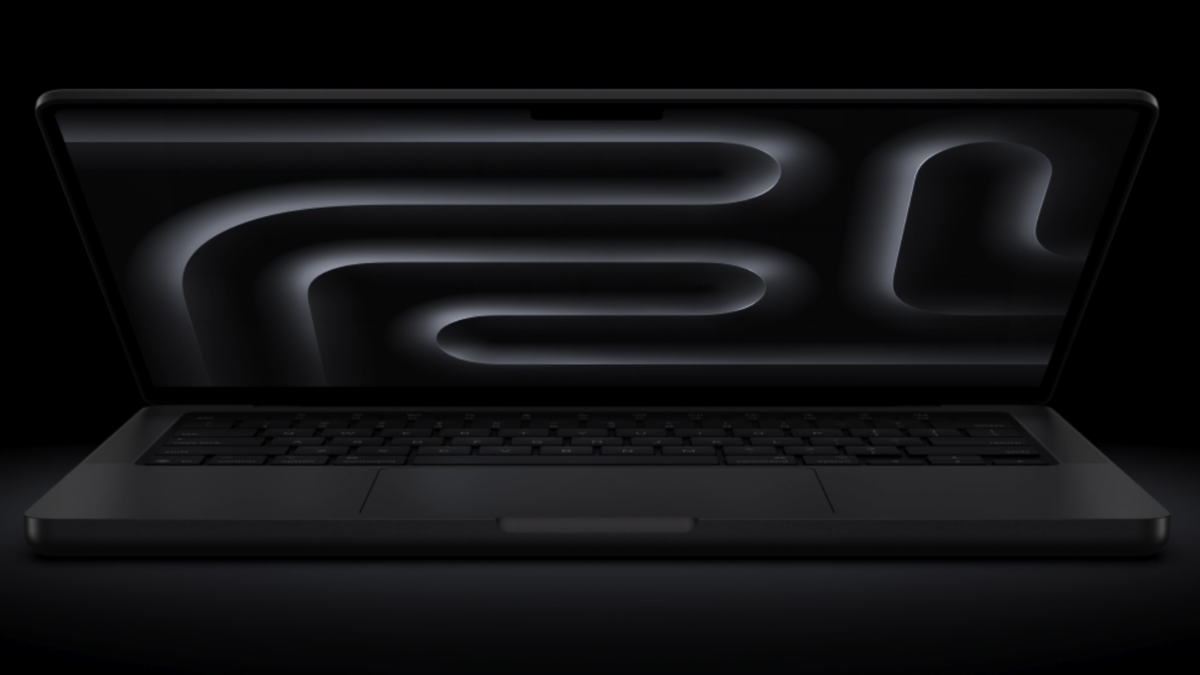
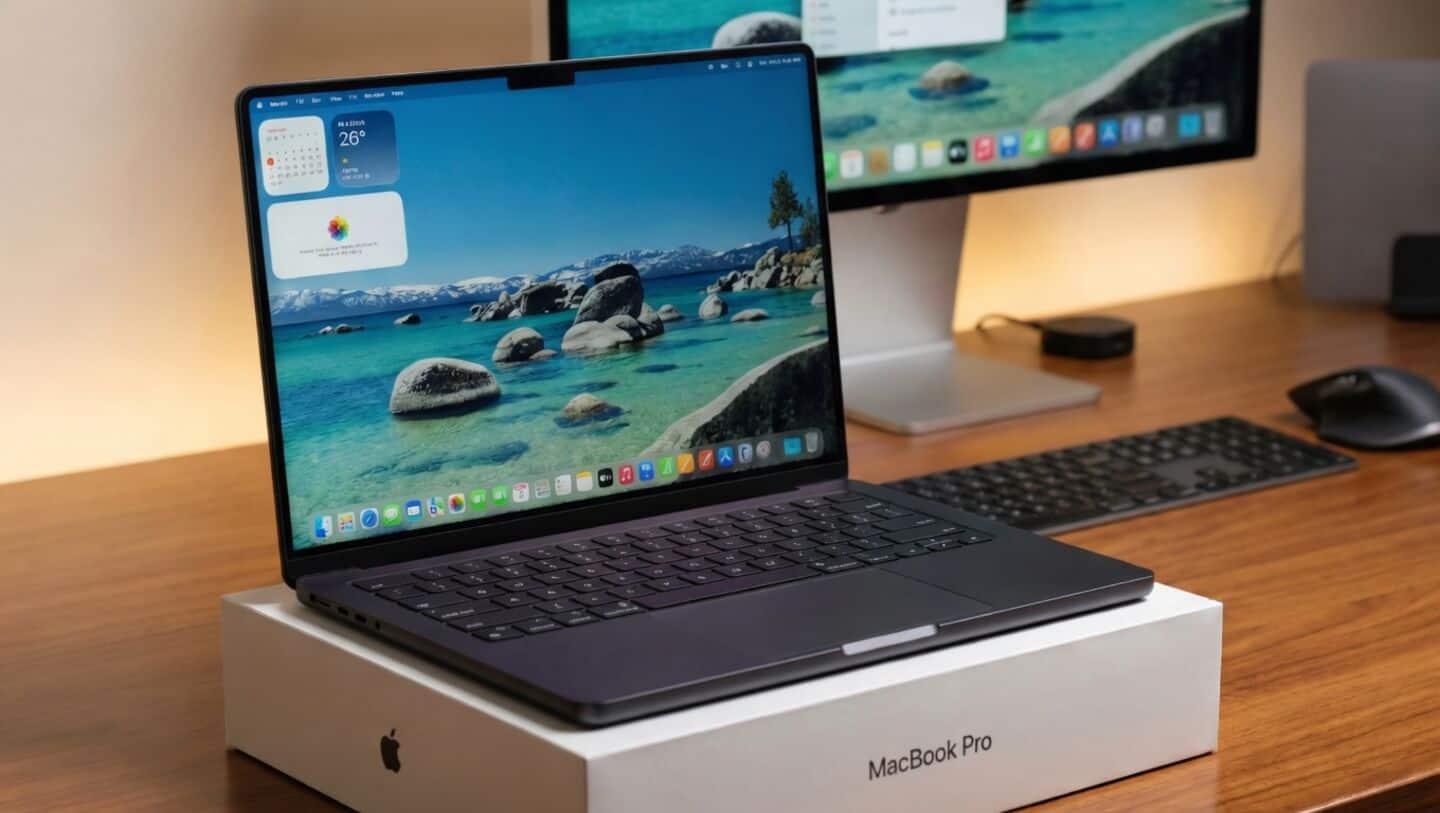
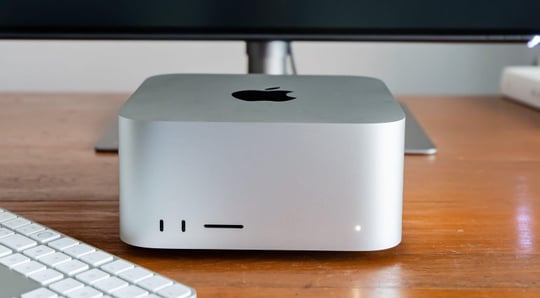
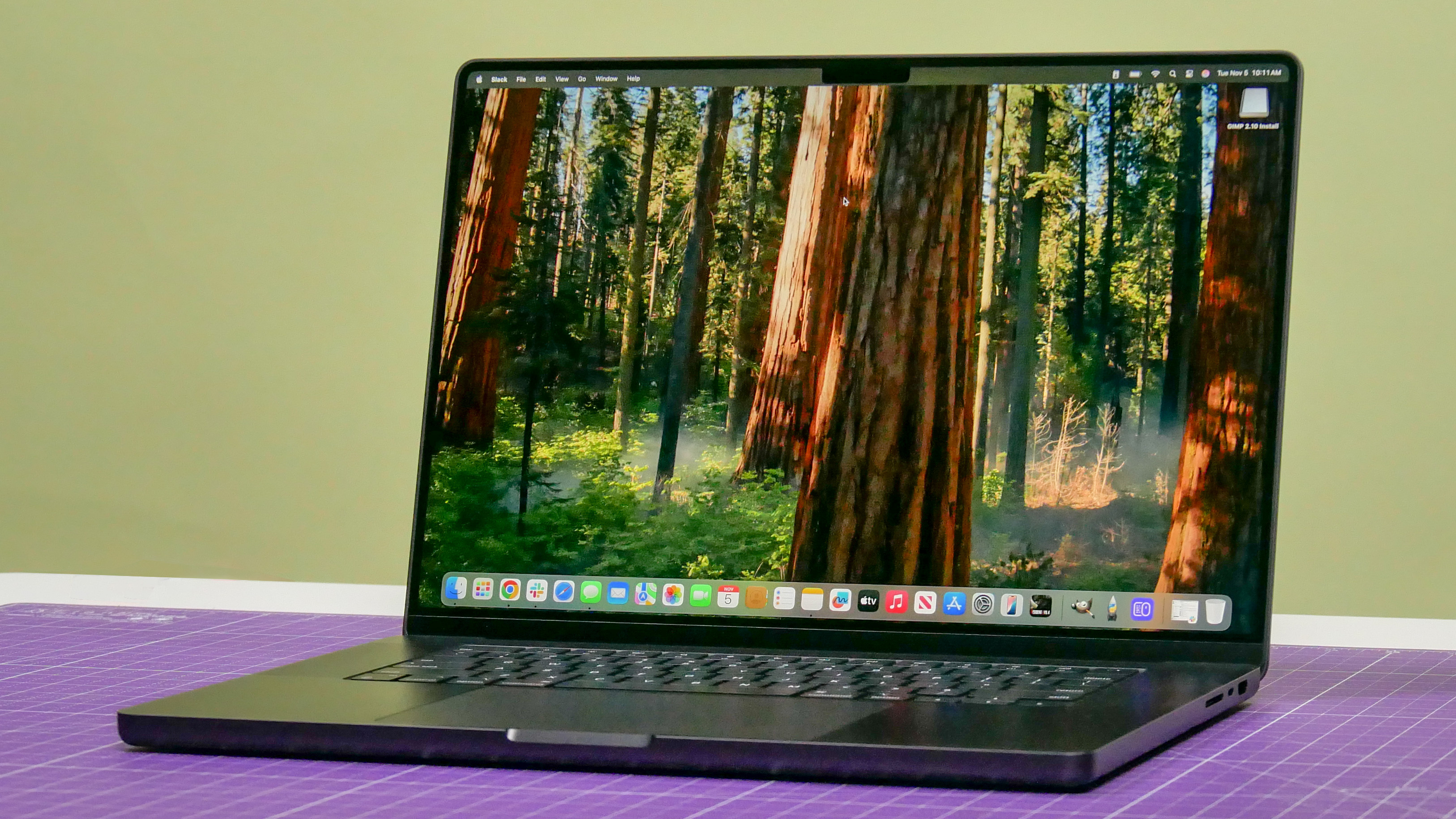
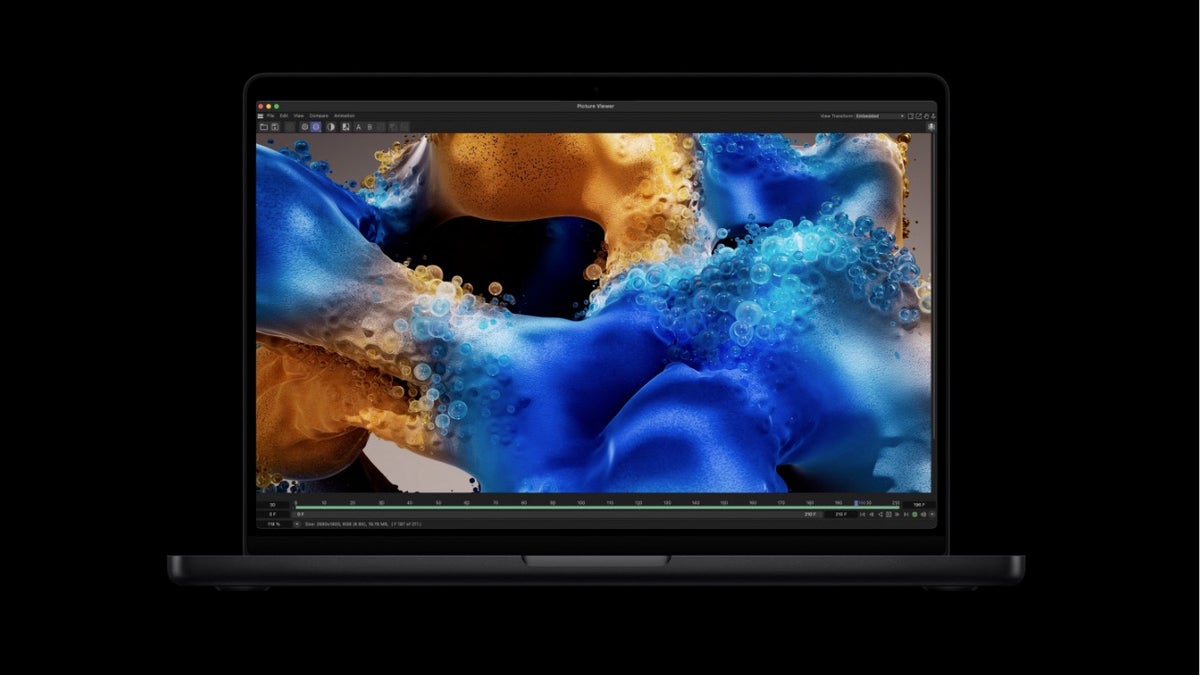
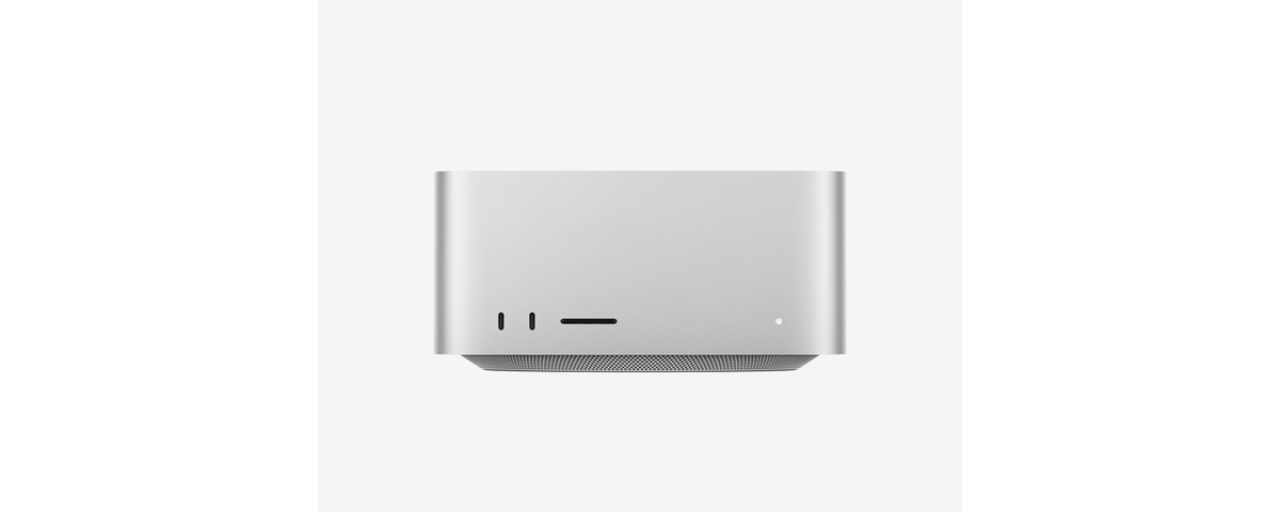
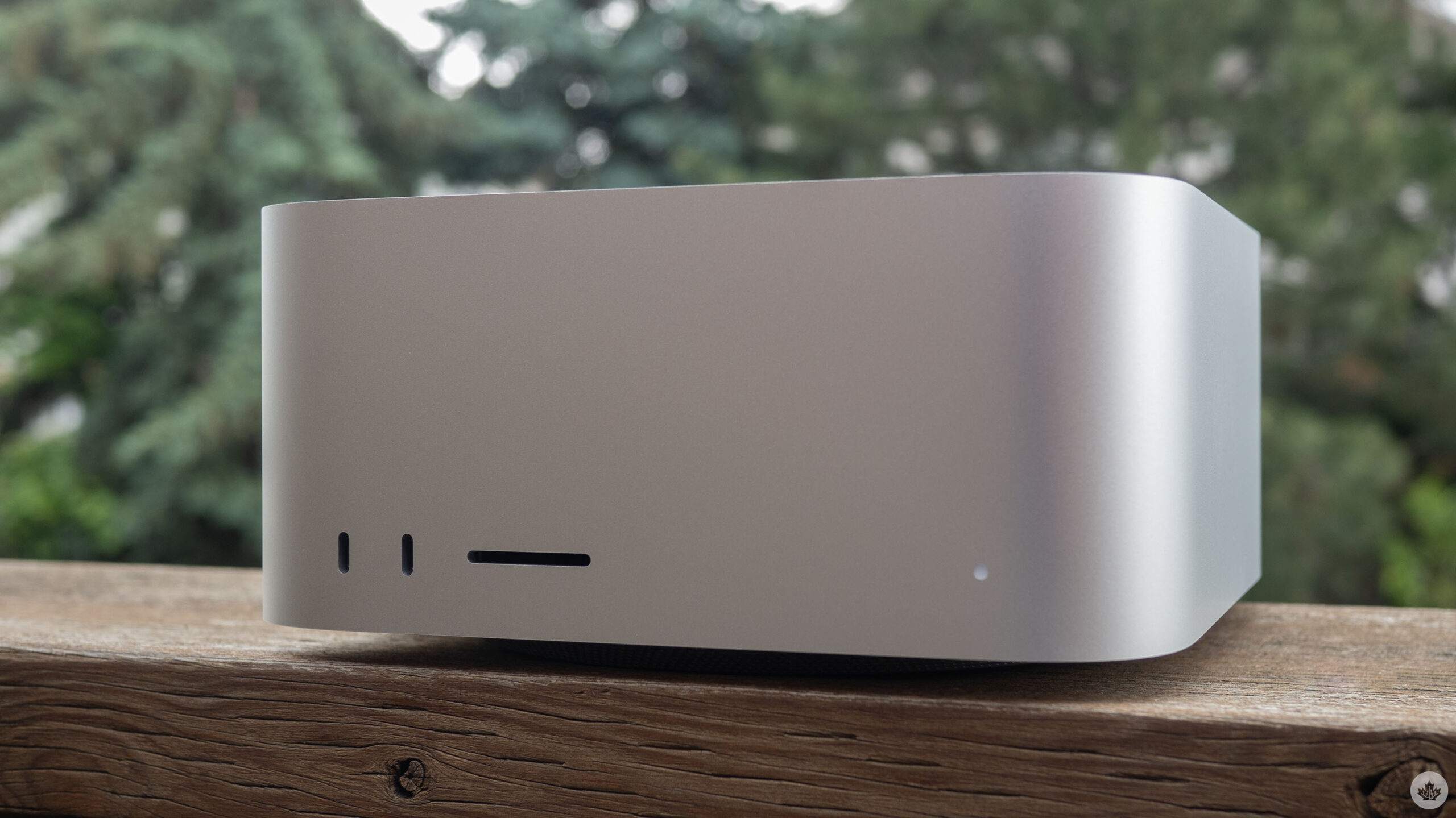
Global RAM shortage driven by AI data center expansion is fundamentally reshaping Apple's product roadmap and creating a critical 12-18 month inventory opportunity for cross-border e-commerce sellers. According to Bloomberg's Mark Gurman (April 20, 2026), the M5 Mac Studio launch has been delayed from June 2026 to October 2026—a four-month postponement—while the highly anticipated touchscreen MacBook Pro has been pushed from late 2026 to early 2027 or later. This shortage extends far beyond Apple: Meta increased Quest 3 headset prices by $100, Microsoft Surface devices saw price increases up to $500, and Raspberry Pi single-board computers jumped $150 in April 2026 alone. Industry analysts project memory prices will not stabilize until late 2027 or possibly 2028, indicating sustained supply chain disruption through the next 18 months.
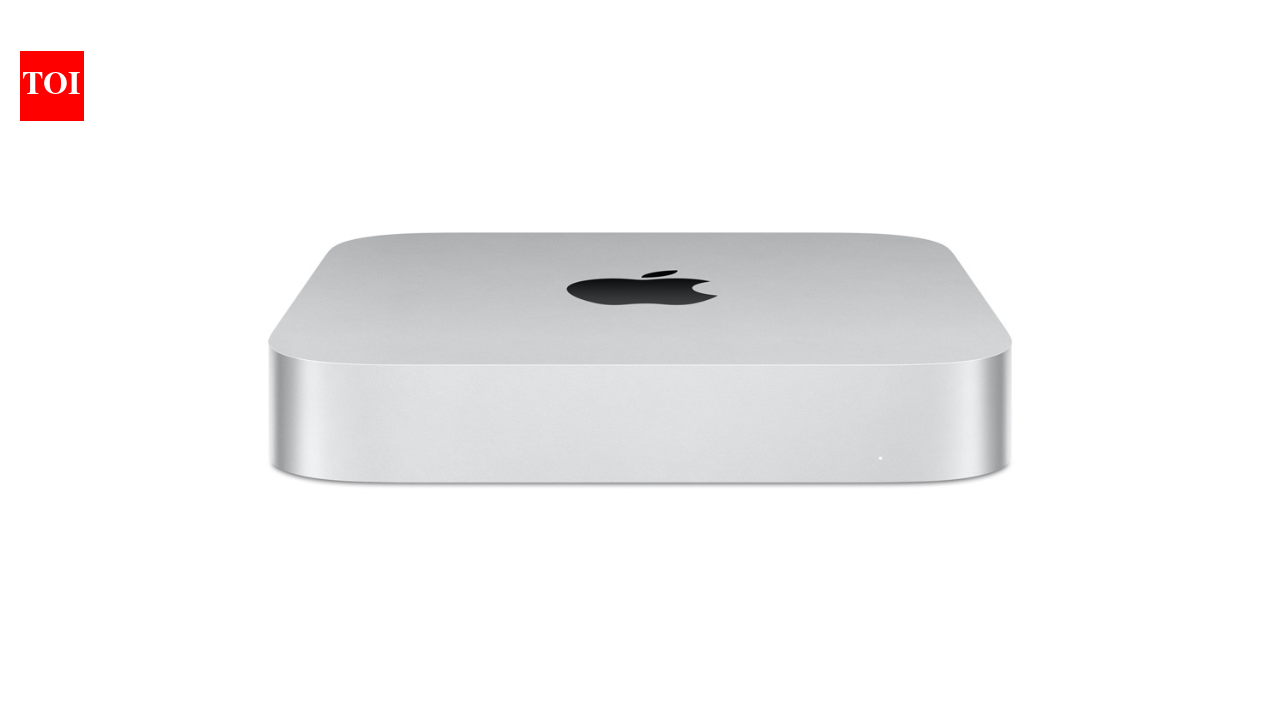
For cross-border sellers, this creates a dual-opportunity window: extended demand for current-generation Mac models and strategic inventory positioning before further price escalation. The delayed release of premium products means existing Mac Studio and MacBook Pro models will remain in high demand through 2026-2027, as customers defer purchases waiting for new releases. Sellers managing legacy inventory of M3/M4 Mac models, compatible accessories (docking stations, external SSDs, cooling solutions), and peripherals (Magic Keyboards, trackpads, USB-C hubs) can capitalize on this extended selling window. The MacBook Neo, which avoided delays and continues selling strongly, signals that entry-level products face less supply pressure—creating a sourcing advantage for sellers focused on budget-conscious segments.
Critical logistics implications: memory component costs are compressing margins across all consumer electronics categories, requiring immediate inventory and sourcing strategy adjustments. Sellers specializing in laptops, desktop computers, tablets, and memory-intensive devices face 8-15% margin compression from rising component costs. The optimal strategy involves three concurrent actions: (1) Stock current-generation Mac inventory NOW before October 2026 when new M5 models launch and potentially displace older stock; (2) Shift sourcing toward memory-efficient product categories (MacBook Neo, iPad base models, entry-level MacBook Air) that face less supply pressure; (3) Reposition warehouse inventory from US-only to multi-region fulfillment (US, EU, Asia-Pacific) to capture extended demand across geographies as premium product delays cascade globally. Sellers should anticipate 12-18 months of elevated component costs and volatile pricing, requiring dynamic pricing strategies and inventory turnover optimization to maintain profitability through late 2027.
Questions 8
What inventory actions should sellers take in the next 30-60 days?
Immediate actions (0-30 days): Audit current Mac inventory by model and configuration, identify stock levels of M3/M4 models, and assess warehouse capacity for additional inventory. Contact suppliers to secure allocation of current-generation Mac Studio and MacBook Pro units before October 2026 launch. Review pricing on compatible accessories and identify high-margin bundling opportunities. (30-60 days): Execute purchase orders for 3-6 months of current-generation Mac inventory, prioritizing high-turnover SKUs. Reposition warehouse inventory from single-region to multi-region fulfillment (US, EU, Asia-Pacific). Implement dynamic pricing tools to monitor competitor pricing and adjust margins in real-time. Establish supplier relationships for memory-efficient alternatives (MacBook Neo, entry-level models) to hedge against margin compression. Monitor RAM price indices weekly and adjust sourcing timing to capture price dips.
How can sellers capitalize on extended demand for current-generation Mac models?
The delayed release of premium products creates extended demand for existing Mac Studio and MacBook Pro models through 2026-2027. Sellers should implement aggressive inventory stocking of M3/M4 configurations before October 2026, then maintain pricing discipline as new M5 models launch. Compatible accessories—Magic Keyboards, trackpads, USB-C hubs, external SSDs, cooling solutions—will see sustained demand as customers maintain existing systems. Consider bundling legacy Mac models with high-margin accessories to improve overall profitability despite component cost pressures. Monitor competitor pricing and adjust dynamically to capture market share from sellers with limited inventory. The extended selling window provides 12-18 months to optimize inventory turnover and maximize revenue before market normalization.