

Windows 11 Modernization Drive | Critical Infrastructure Impact for E-Commerce Sellers
- Microsoft's comprehensive UI overhaul affects seller backend systems, inventory management tools, and payment processing infrastructure across 1.4B+ Windows devices globally





Overview
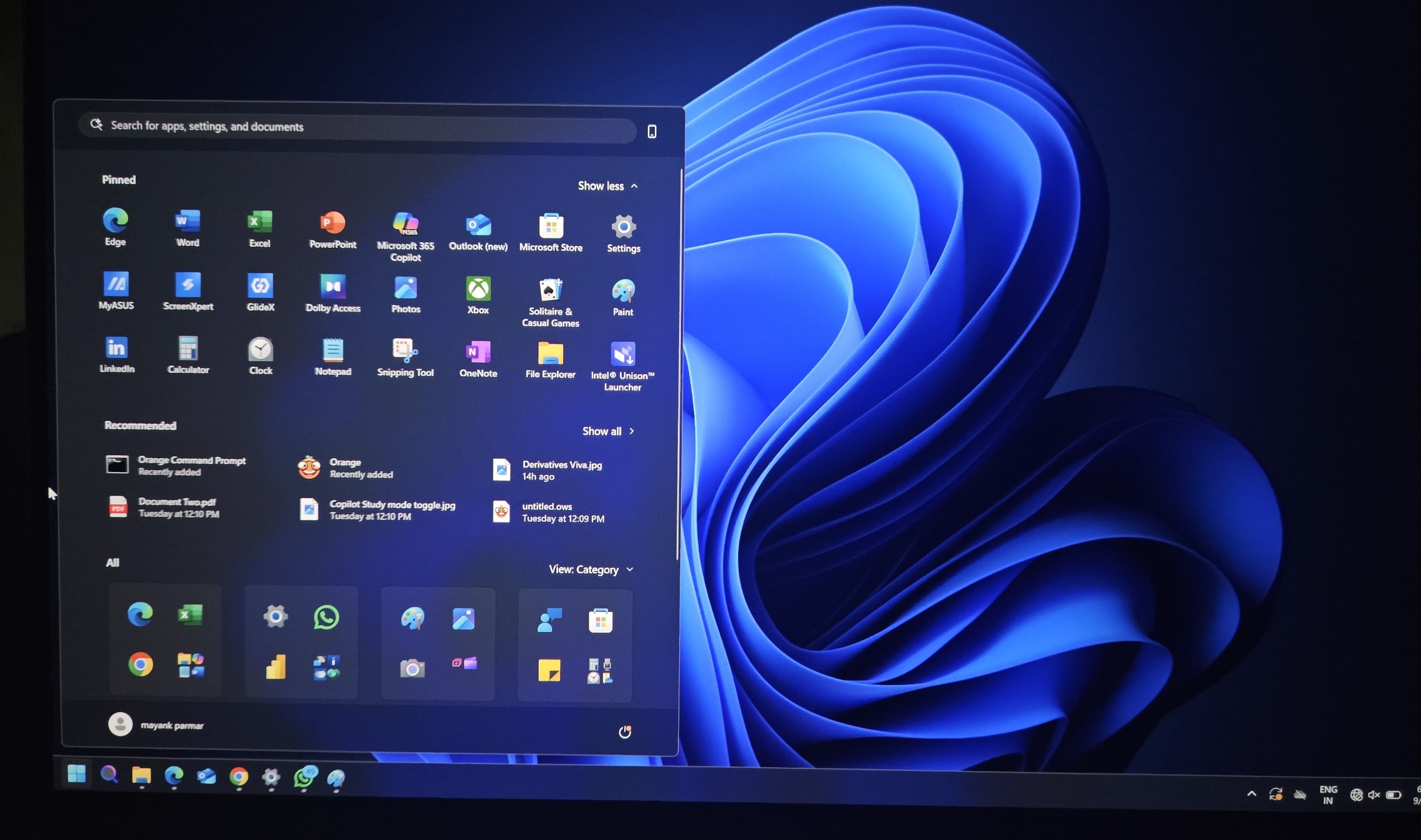
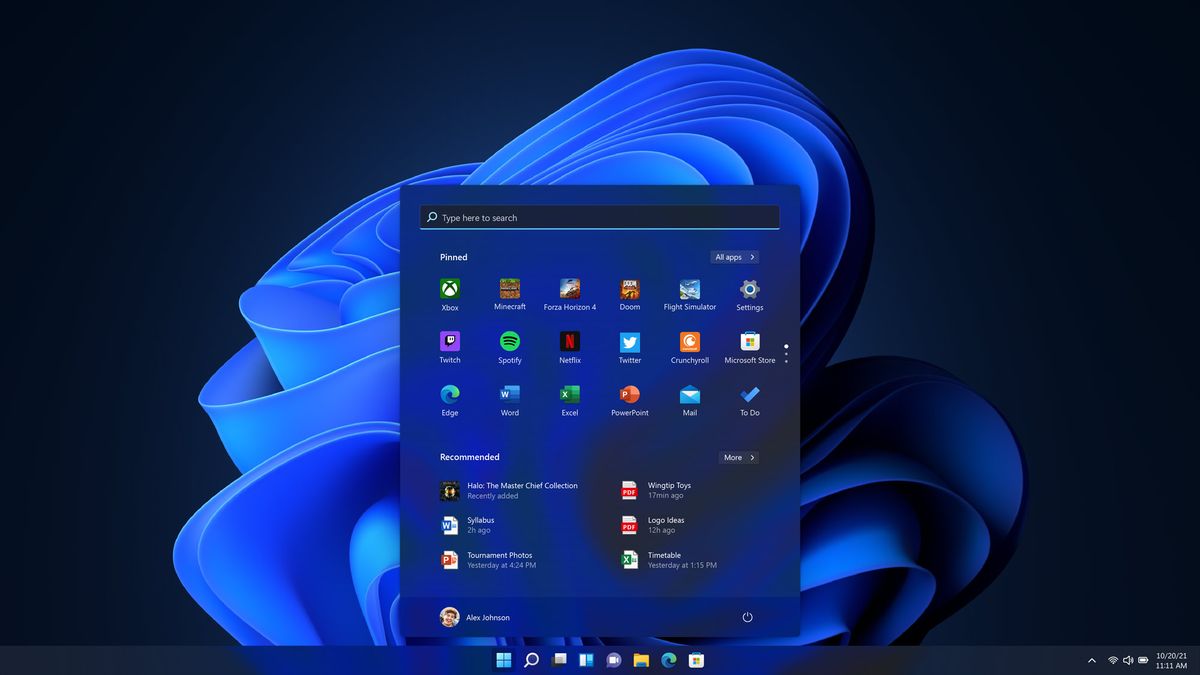
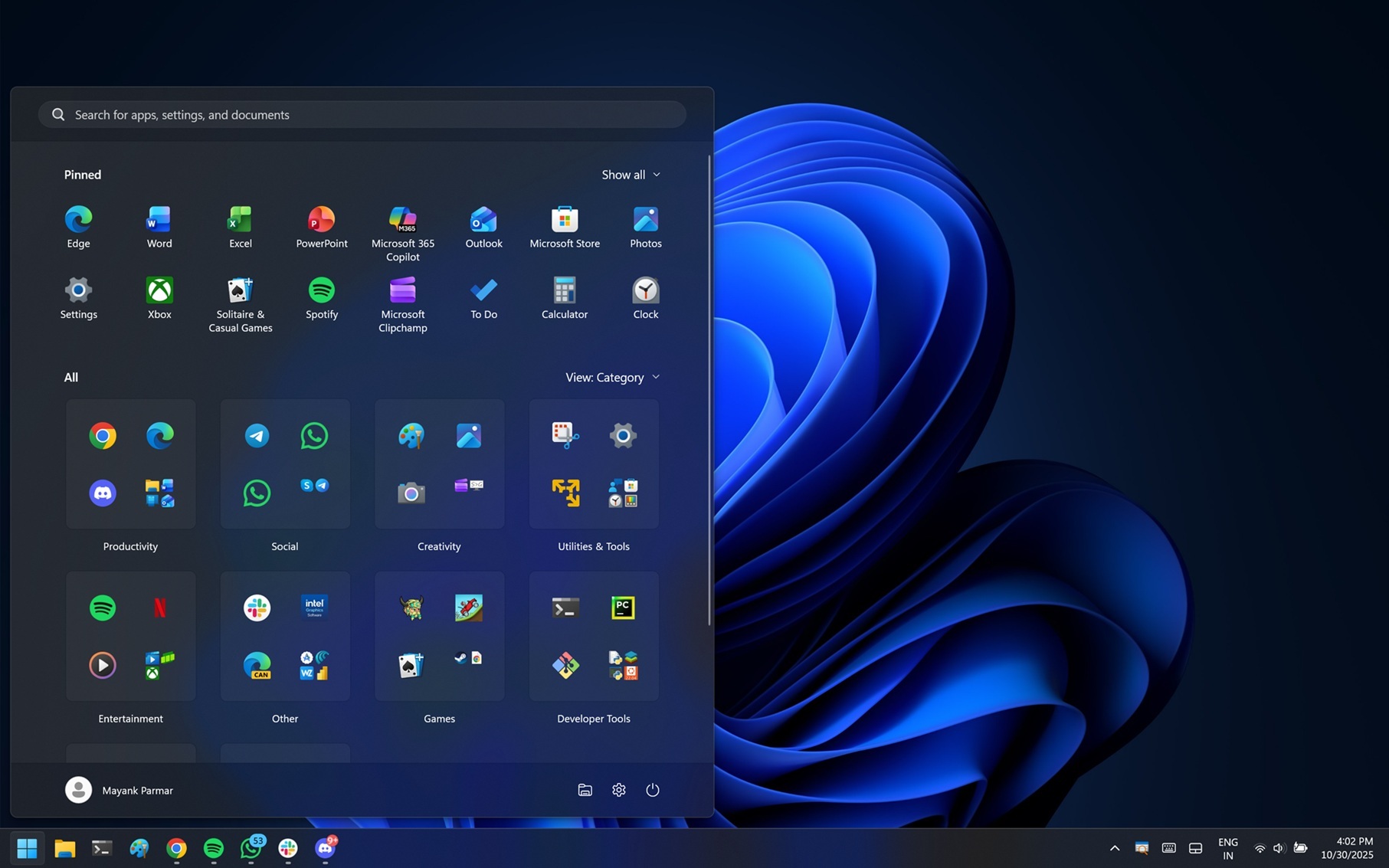
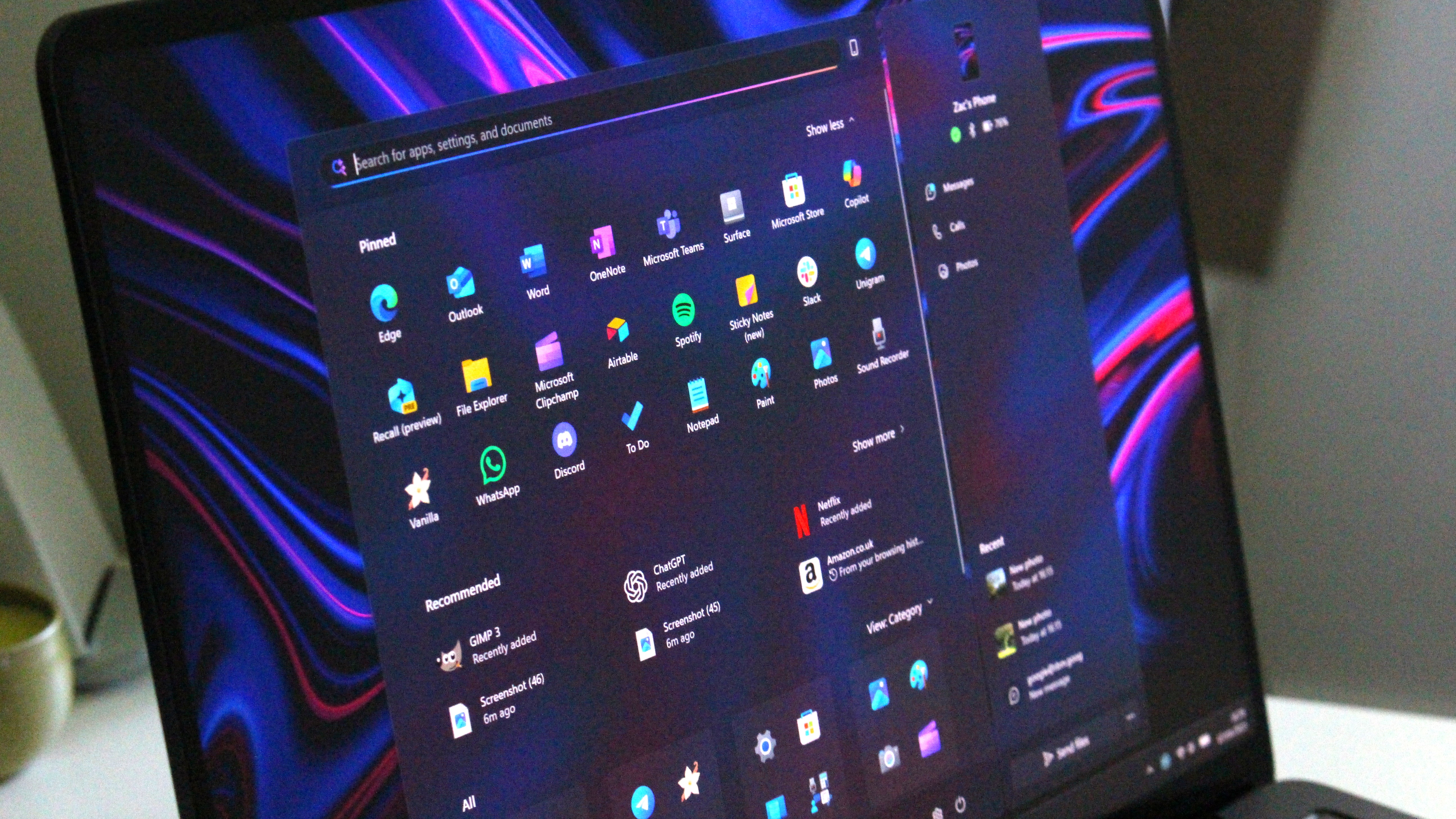
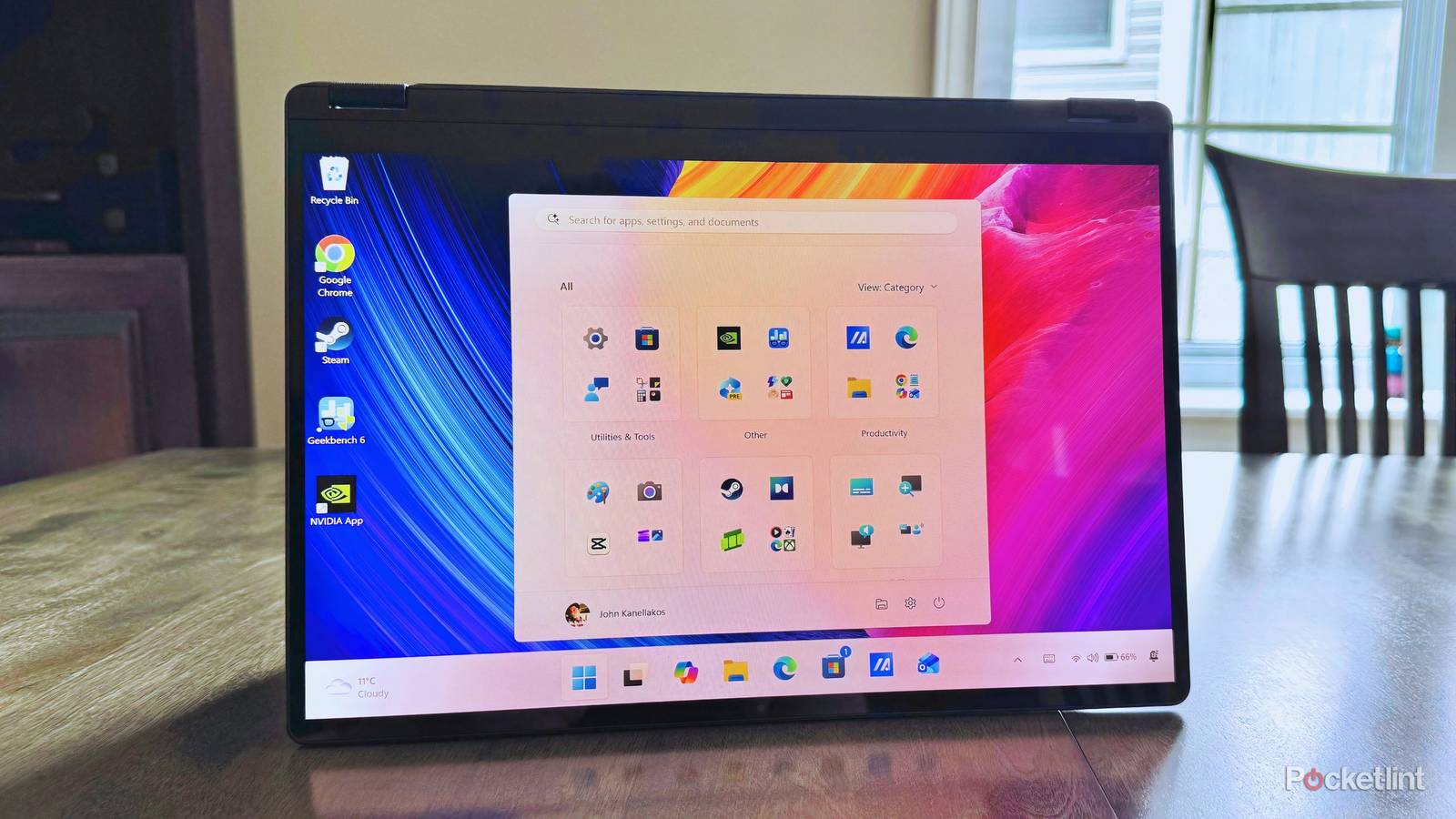
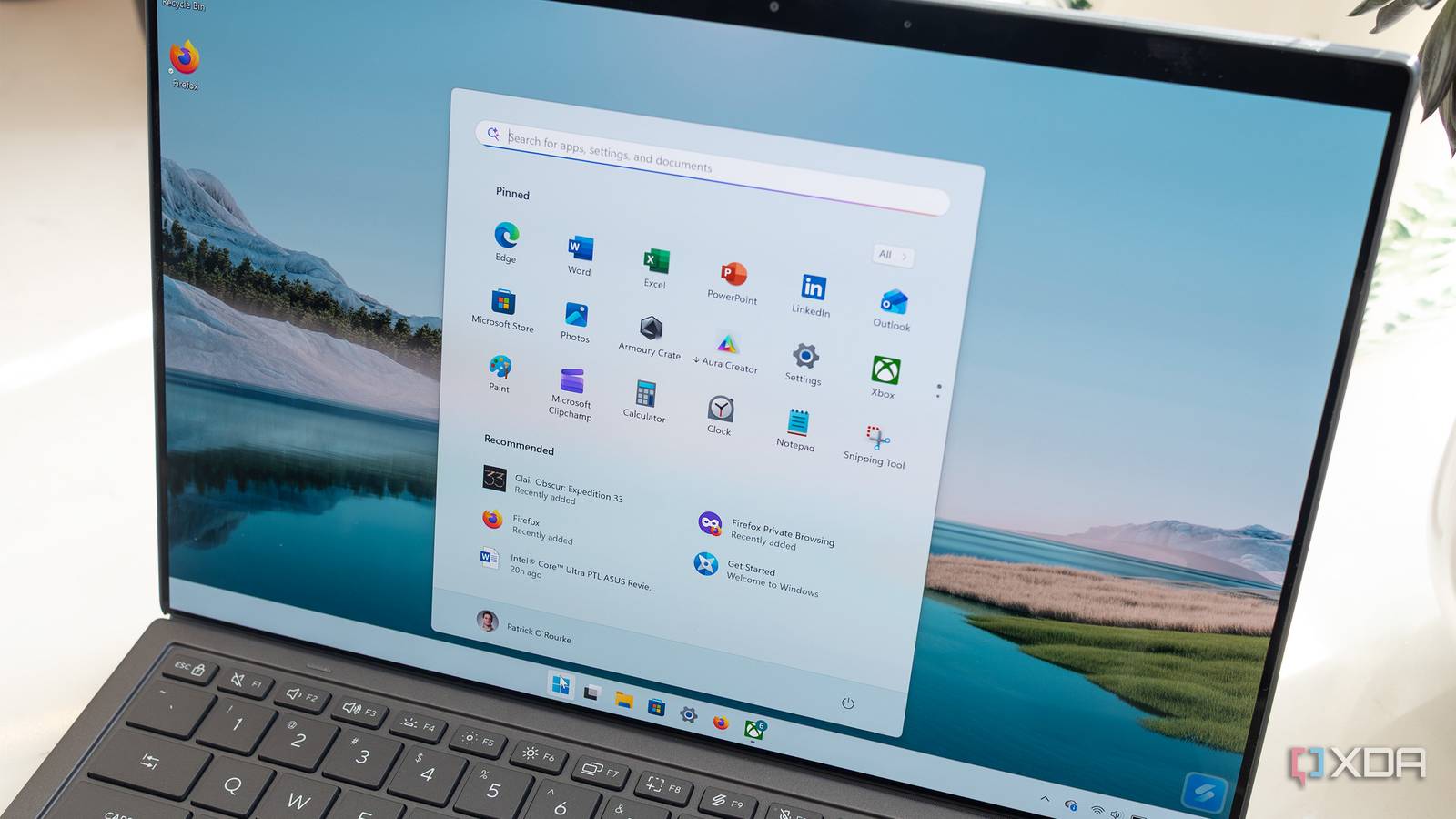
Microsoft is executing a comprehensive redesign of Windows 11's user interface, systematically replacing legacy UI elements spanning from Windows 3.1 to Windows 8 eras with modern design standards. This initiative directly impacts e-commerce sellers managing critical backend operations on Windows-based systems. The redesign encompasses Control Panel migration to Settings, Start menu customization (React Native to WinUI migration), and updates to File Explorer search functionality—all core infrastructure components that sellers rely on for inventory management, order processing, and payment system administration.
For e-commerce sellers, this modernization creates both operational risks and efficiency opportunities. The April 2026 Patch Tuesday updates (KB5082200 for Windows 10, KB5083769 for Windows 11) introduced BitLocker recovery issues and Windows Server restart problems, directly affecting sellers managing encrypted inventory databases and payment processing servers. Sellers operating Windows-based 3PL management systems, accounting software, and order fulfillment platforms must prioritize patch deployment schedules to avoid system downtime during peak selling periods. The WinUI migration of the Start menu promises 15-25% latency reduction, improving responsiveness of multi-window workflows common in seller operations managing simultaneous Amazon Seller Central, eBay, and Shopify dashboards.
The Control Panel to Settings migration presents compliance and workflow challenges. Network and printer driver settings remain unmigrated due to complexity concerns, creating temporary fragmentation in seller IT infrastructure. Sellers managing networked label printers, barcode scanners, and thermal printers for fulfillment operations face potential compatibility issues during the transition. Microsoft's cautious approach—prioritizing power users and enterprises—indicates the company recognizes that disrupting legacy endpoints could impact business-critical operations. Sellers relying on older printer drivers or network configurations should audit their hardware compatibility before major Windows updates deploy.
France's government decision to phase out Windows systems in favor of EU-built technology signals emerging geopolitical risks for sellers. This regulatory shift could accelerate adoption of alternative operating systems in European seller operations, potentially fragmenting the Windows-dominant ecosystem that currently supports 88% of global e-commerce backend infrastructure. Sellers with significant EU operations should begin evaluating cross-platform compatibility for their inventory management and accounting systems, particularly those using Windows-exclusive software. The Recall AI security concerns (GitHub tool demonstrating data extraction vulnerabilities) add urgency to this assessment, as sellers managing sensitive customer data and payment information face increased scrutiny around Windows security posture.
Questions 7
How do Windows 11 security vulnerabilities affect seller data protection?
Windows 11's Recall AI feature faced security scrutiny when researchers published GitHub tools demonstrating data extraction through code injection. For sellers managing sensitive customer data and payment information, this vulnerability adds urgency to security audits. Sellers should disable Recall AI on systems handling PCI-DSS data and implement additional endpoint protection. The vulnerability highlights risks of AI-powered features in operating systems handling business-critical data. Sellers should prioritize security patches and consider multi-factor authentication for Windows Server access managing payment systems.
What is the e-commerce impact of France phasing out Windows systems?
France's government decision to phase out Windows in favor of EU-built technology signals emerging geopolitical risks for sellers with significant European operations. This regulatory shift could accelerate alternative operating system adoption in EU seller infrastructure, fragmenting the Windows-dominant ecosystem supporting 88% of global e-commerce backend systems. Sellers should evaluate cross-platform compatibility for inventory management and accounting software, particularly those using Windows-exclusive applications. This trend may increase software licensing costs as vendors develop multi-platform solutions to serve fragmented markets.