



Strait of Hormuz Blockade Threatens 21% Global Trade | Shipping Cost Crisis for E-Commerce Sellers
- Iran's $2M transit toll and forced vessel diversions increase freight costs 15-25% for Asia-sourced goods; 2,000 stranded ships create 3-6 week delivery delays; sellers must diversify sourcing routes immediately






















Overview
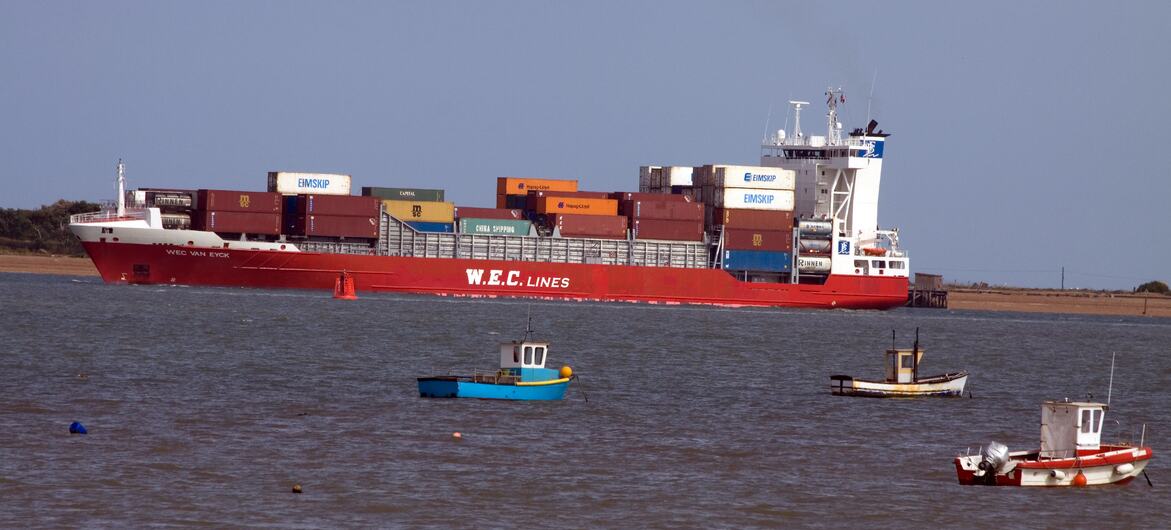
The Strait of Hormuz crisis represents a critical supply chain disruption for cross-border e-commerce sellers, with Iran implementing a protection racket charging vessels approximately $2 million USD for priority transit while forcing non-compliant vessels into costly diversions. As of April 19, 2026, approximately 2,000 ships remain stranded in the waterway since the conflict began February 28, with 20,000 seafarers trapped in the region. The chokepoint handles roughly 21% of global petroleum trade, making this blockade a systemic threat to logistics costs worldwide.
For e-commerce sellers, the operational impact is severe and immediate. Sellers sourcing from Asian manufacturing hubs (China, Vietnam, India, Bangladesh) face freight cost increases of 15-25% as shipping companies reroute vessels around Africa via the Cape of Good Hope—adding 10-14 additional transit days and $800-1,200 per container in fuel surcharges. Amazon FBA sellers shipping inventory from Asia to US/EU fulfillment centers are experiencing 3-6 week delivery delays, disrupting inventory replenishment cycles and triggering IPI score penalties for sellers unable to maintain stock levels. The blockade also increases marine insurance premiums by 8-12%, directly compressing profit margins for sellers operating on 15-20% net margins.
Strategic sourcing implications are reshaping competitive dynamics. Sellers with established supply chains in Vietnam, India, and Indonesia gain competitive advantages over China-dependent competitors, as these countries offer alternative export routes avoiding the Hormuz chokepoint. However, Middle Eastern market access is collapsing—sellers targeting UAE, Saudi Arabia, and Qatar face indefinite delays and unpredictable customs clearance timelines. The US Navy seizure of the Iranian-flagged container ship Touska and forced diversions of Iranian-linked vessels signal escalating enforcement, creating compliance risks for sellers inadvertently using Iranian shipping intermediaries. Negotiations scheduled for April 21 in Islamabad between US Vice President JD Vance and Iranian officials remain uncertain, with Trump administration maintaining the blockade stance, suggesting no near-term resolution before Q2 2026 peak selling season.
Timing window for competitive advantage is closing rapidly. Sellers who immediately shift 20-30% of inventory allocation to alternative sourcing countries (Vietnam, India, Indonesia) and pre-position stock in EU/UK fulfillment centers before May 2026 can avoid the worst cost impacts. Those delaying action face margin compression of 8-15% through June-July 2026 as freight rates remain elevated. The crisis also creates arbitrage opportunities for sellers willing to absorb short-term logistics costs—premium pricing for fast-shipped goods from non-Asia sources can capture consumer demand for reliable delivery during the disruption period.
Questions 8
How much will the Strait of Hormuz blockade increase shipping costs for Amazon FBA sellers?
Freight costs are increasing 15-25% for sellers sourcing from Asia, with container surcharges of $800-1,200 per shipment due to rerouting around Africa via Cape of Good Hope. Marine insurance premiums are rising 8-12%, and transit times are extending 10-14 days beyond normal schedules. For a seller shipping 500 containers monthly from Vietnam to US FBA centers, this translates to approximately $400,000-600,000 in additional monthly logistics costs. Sellers should immediately review freight contracts and negotiate volume commitments with 3PL providers to lock in rates before further escalation.
What happens to Amazon FBA inventory levels during the Hormuz blockade?
Sellers face 3-6 week delivery delays for Asia-sourced inventory, directly impacting Amazon's Inventory Performance Index (IPI) scoring. Sellers unable to maintain minimum stock levels risk losing Buy Box eligibility and triggering long-term storage fees ($6.90 per cubic foot monthly for oversize items). The blockade creates a vicious cycle: delayed inventory arrivals → lower stock levels → IPI penalties → reduced visibility → lost sales. Sellers should pre-position 6-8 weeks of inventory in US/EU fulfillment centers before May 2026, or shift to domestic/nearshoring suppliers (Mexico for US sellers, Eastern Europe for EU sellers) to maintain consistent stock levels.