


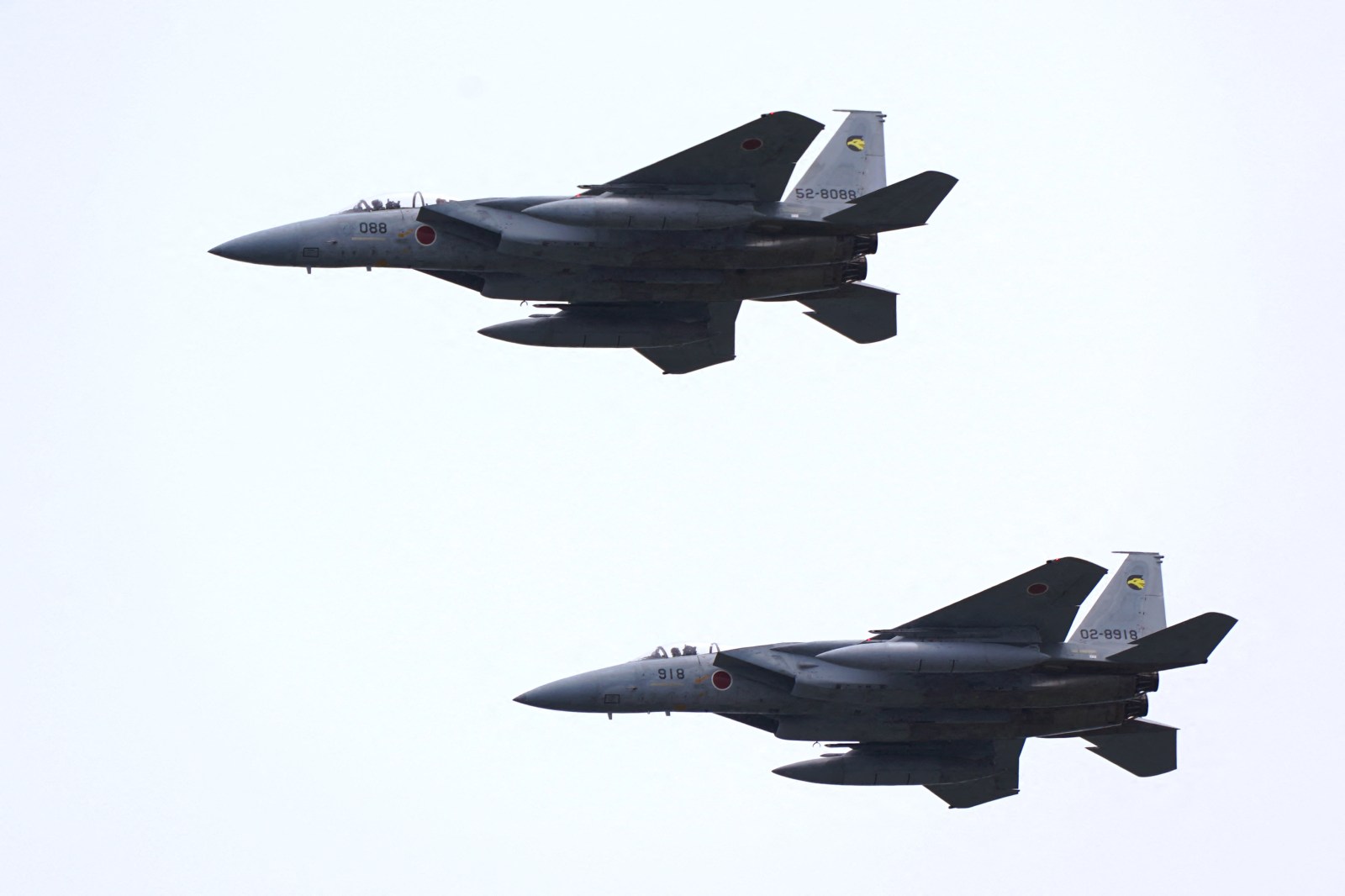

Japan Defense Export Boom | $7B Warship Deal Opens 17-Nation Market for Sellers
- Japan's historic weapons export policy shift creates $7B+ defense supply chain opportunities across Australia, New Zealand, Philippines, Indonesia markets; Mitsubishi Heavy Industries leads 11-vessel warship contract, signaling massive B2B procurement demand for industrial components, logistics, and specialized manufacturing services



)






















Overview
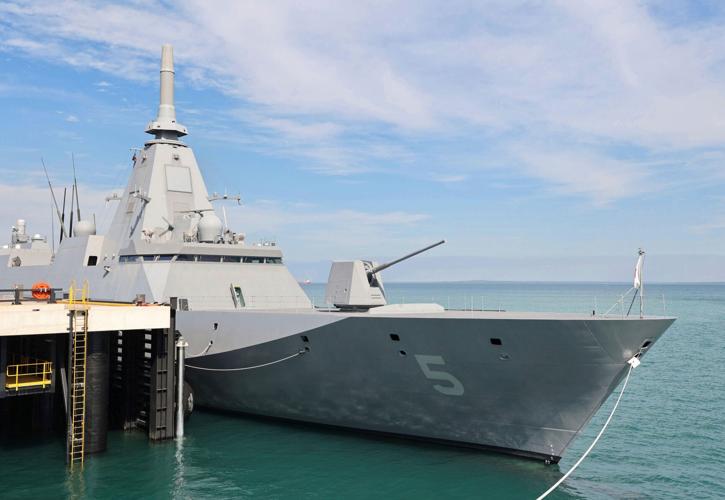
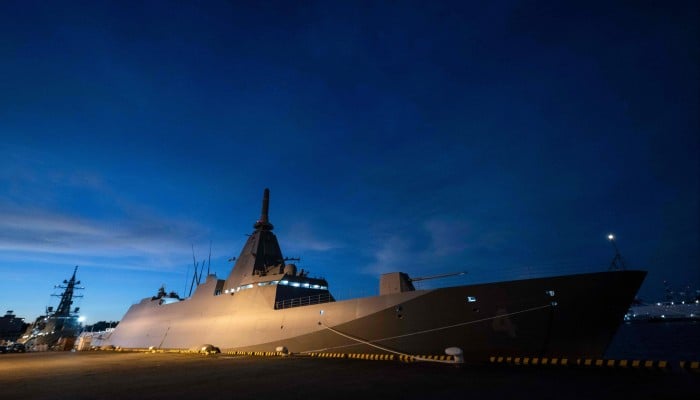
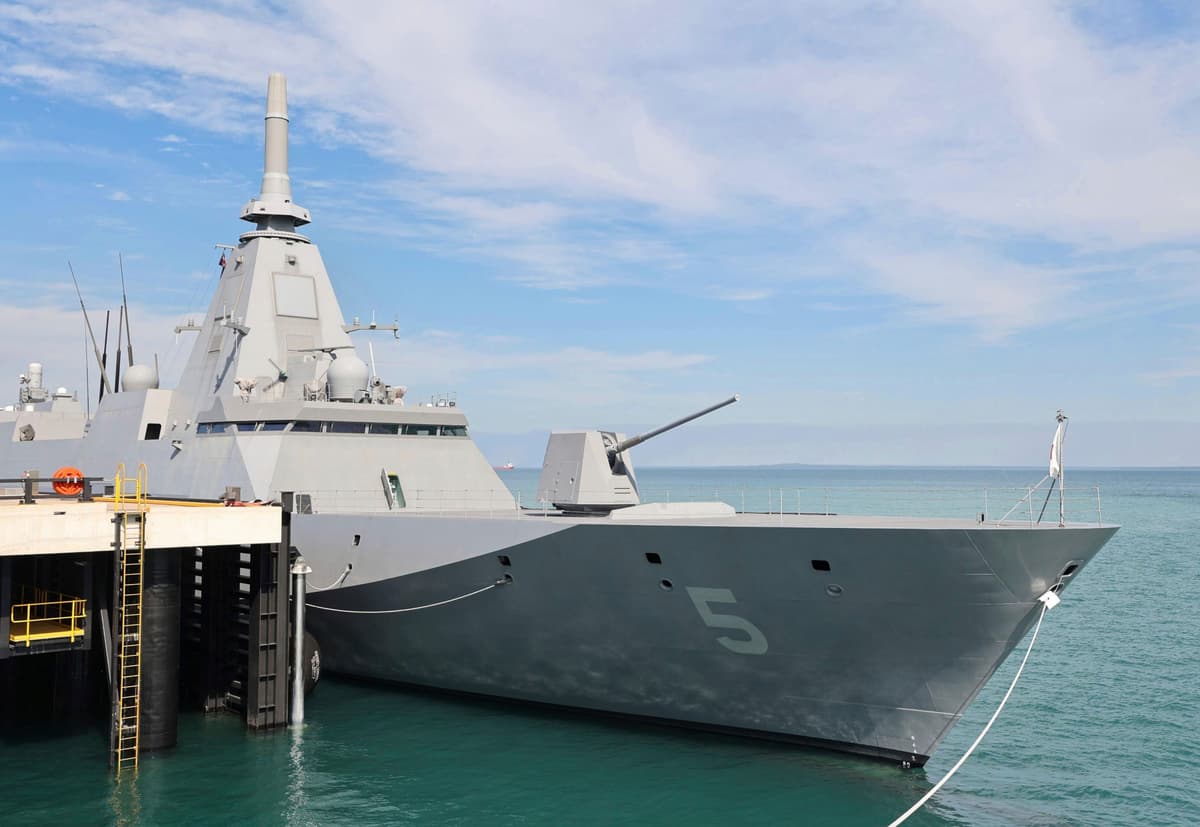
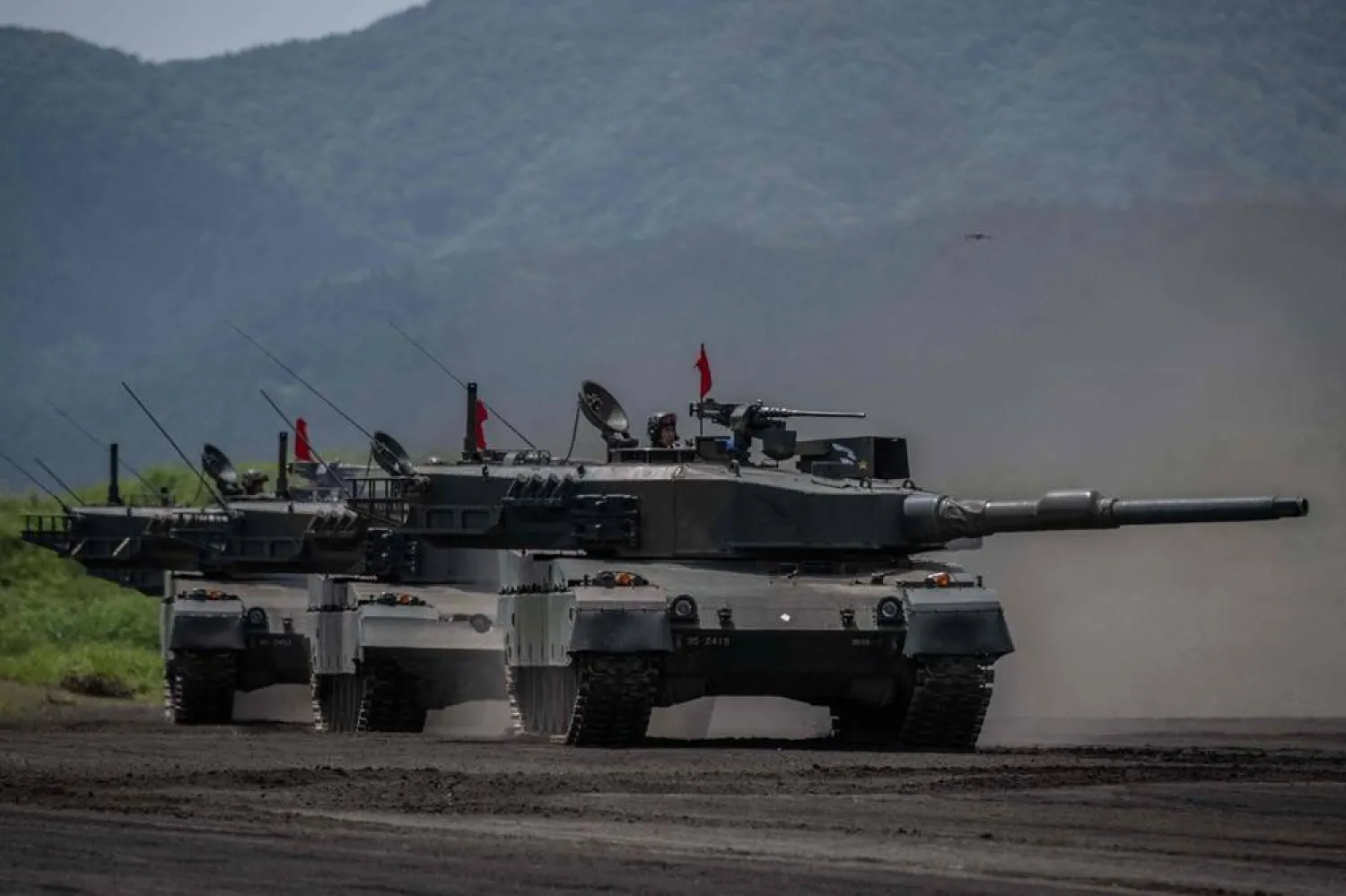
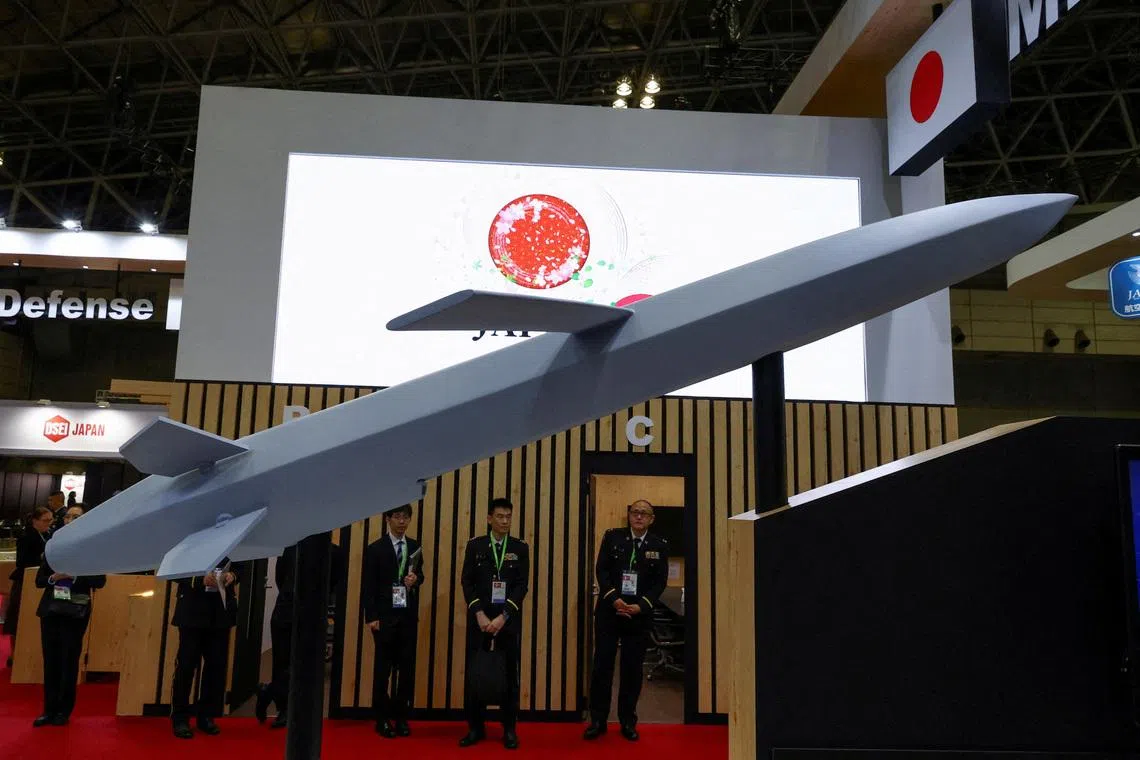
Japan's historic policy shift lifting its 48-year weapons export ban represents a seismic change in the Asia-Pacific defense supply chain, creating unprecedented B2B procurement opportunities for cross-border sellers and industrial suppliers. Prime Minister Sanae Takaichi's cabinet decision permits exports of fighter jets, missiles, warships, and defense equipment to 17+ eligible nations, directly enabling a $7 billion warship contract with Australia where Mitsubishi Heavy Industries will manufacture the first three of eleven vessels. This policy change, the first significant relaxation since 1967, fundamentally reshapes regional defense procurement dynamics and opens new market corridors for industrial component suppliers, logistics providers, and specialized manufacturing service providers.
The immediate commercial opportunity centers on the Australian warship program and expanding defense agreements with New Zealand, Philippines, and Indonesia. The 11-vessel contract represents sustained, multi-year procurement demand for precision-engineered components, advanced materials, electronics systems, and specialized manufacturing services. Sellers in industrial automation, precision machining, electronics components (HS codes 8542-8548), and specialized logistics can position themselves as supply chain partners to Mitsubishi Heavy Industries and other Japanese defense contractors. The policy explicitly permits exports to nations adhering to UN Charter principles, creating a defined 17-nation buyer pool with predictable regulatory frameworks. This contrasts sharply with previous restrictions that made Japanese defense suppliers inaccessible to international buyers.
For cross-border B2B sellers, the competitive advantage window is immediate but time-sensitive. Japanese defense contractors will rapidly establish supply chains for the warship program and other defense agreements, with manufacturing timelines spanning 5-10 years. Sellers offering specialized components, testing services, materials science solutions, or logistics optimization can capture early-mover advantage by positioning themselves as qualified suppliers before major contracts are fully allocated. The policy also signals Japan's strategic pivot toward Australia and Southeast Asia as primary defense partners, suggesting sustained demand growth in these regions beyond the initial warship contract. However, sellers must navigate strict compliance requirements around defense-related exports, including end-use verification, security clearances, and potential ITAR-equivalent restrictions. The geopolitical sensitivity—evidenced by China's criticism and international scrutiny—means regulatory oversight will intensify, creating compliance complexity that favors established suppliers with government relationships.
Strategic sourcing implications are significant for sellers currently dependent on Chinese manufacturing. Japan's defense industrial expansion may create alternative sourcing opportunities for precision components and advanced manufacturing, particularly for sellers serving defense contractors or government procurement channels. The policy also reflects broader regional security realignment, with Australia, New Zealand, Philippines, and Indonesia increasingly prioritizing non-Chinese supply chains. This creates secondary opportunities in defense-adjacent categories: specialized packaging for military equipment, secure logistics solutions, compliance documentation services, and supply chain visibility platforms. Sellers should monitor Japanese defense contractor procurement announcements and establish relationships with Mitsubishi Heavy Industries' supply chain management teams to capture component and service opportunities.
Questions 8
What cost and margin implications should sellers expect from Japan defense supply chain participation?
Japanese manufacturing typically carries 15-25% cost premiums versus Chinese alternatives, but defense contracts often prioritize compliance and security over cost. Sellers can expect 6-12 month qualification processes (cost: $50K-200K depending on complexity) and ongoing compliance audits (cost: $10K-50K annually). However, defense contracts typically offer 20-40% higher margins than commercial products due to security requirements and limited competition. The $7B warship program suggests component suppliers can capture $500M-1B in total contract value over 5-10 years. Sellers should model participation as a long-term strategic investment with higher upfront costs but sustained margin premiums. Government procurement channels typically offer more predictable revenue than commercial markets, reducing demand volatility.
How does China's criticism of Japan's policy affect market access and competitive dynamics for sellers?
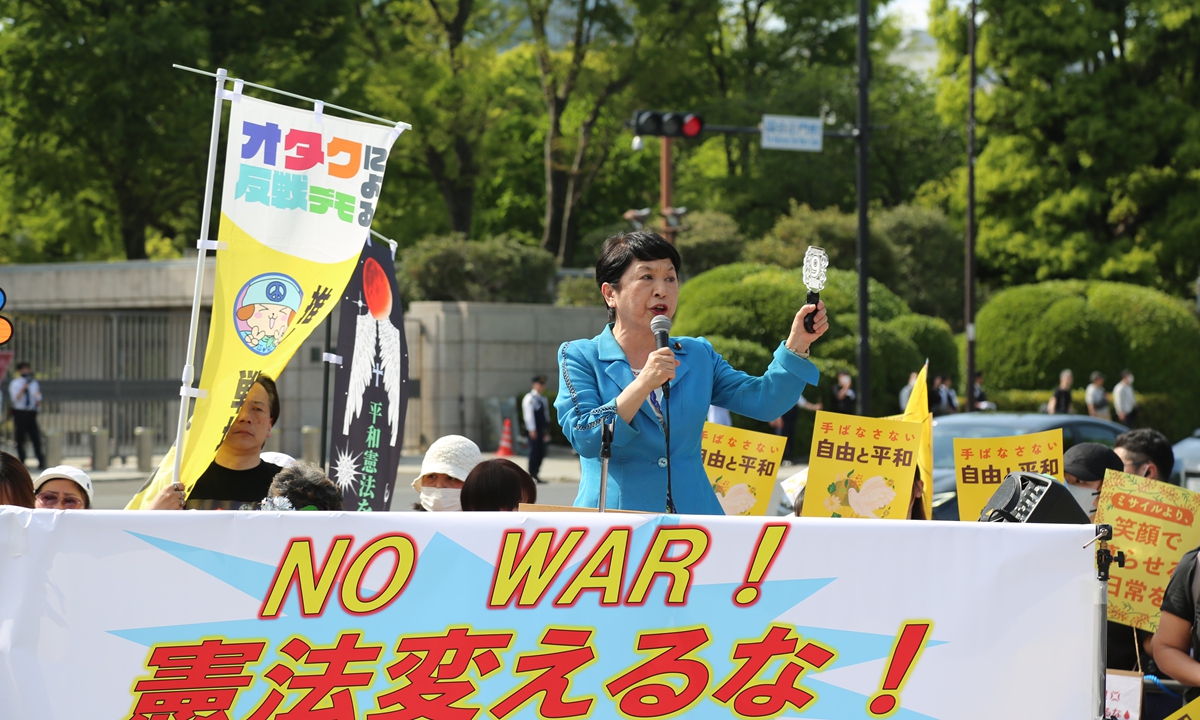
China's characterization of Japan's policy as 'reckless militarization' signals intensifying geopolitical scrutiny that will increase regulatory oversight and compliance complexity. This creates barriers to entry that protect qualified suppliers but may slow market expansion. Sellers with Chinese manufacturing relationships should expect increased scrutiny around supply chain transparency and end-use verification. The policy reinforces regional security realignment away from Chinese suppliers, creating sustained competitive advantage for sellers offering non-Chinese alternatives. However, sellers should avoid positioning products as anti-China or geopolitically motivated; instead, emphasize compliance, security, and supply chain reliability. The geopolitical tension suggests regulatory requirements will become more stringent, favoring established suppliers with proven compliance track records.