


Mexico Tourism Crisis Reshapes Travel E-Commerce | Seller Opportunity in Safety Products & Digital Experiences
- Teotihuacan closure impacts 1.8M annual visitors; sellers pivot to safety gear, virtual tours, and alternative destination merchandise











Overview
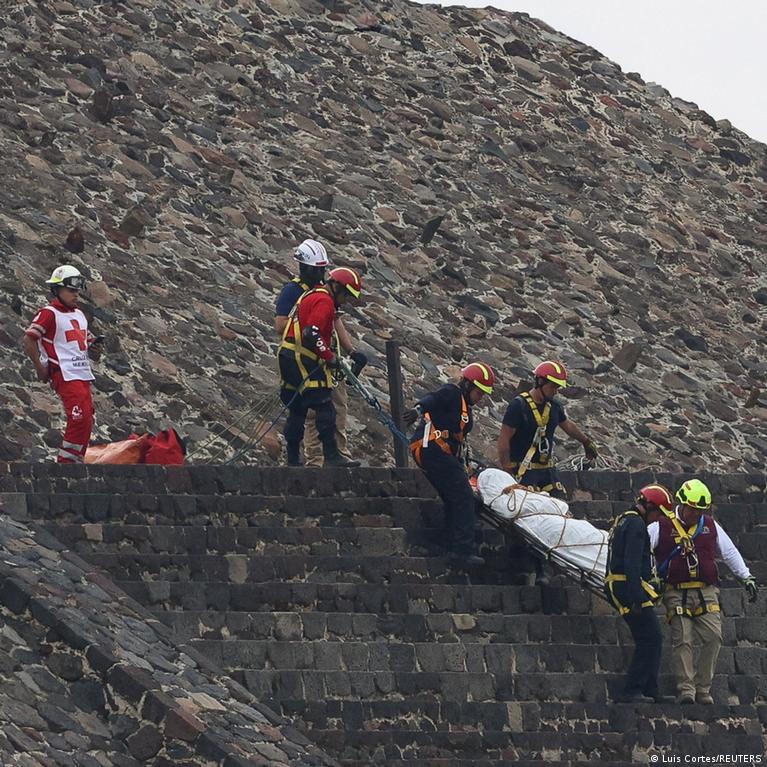
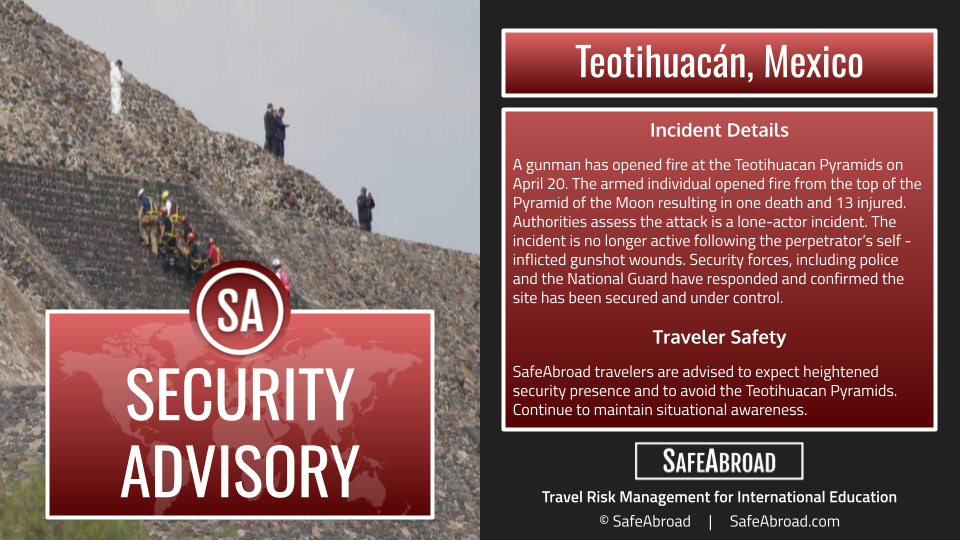
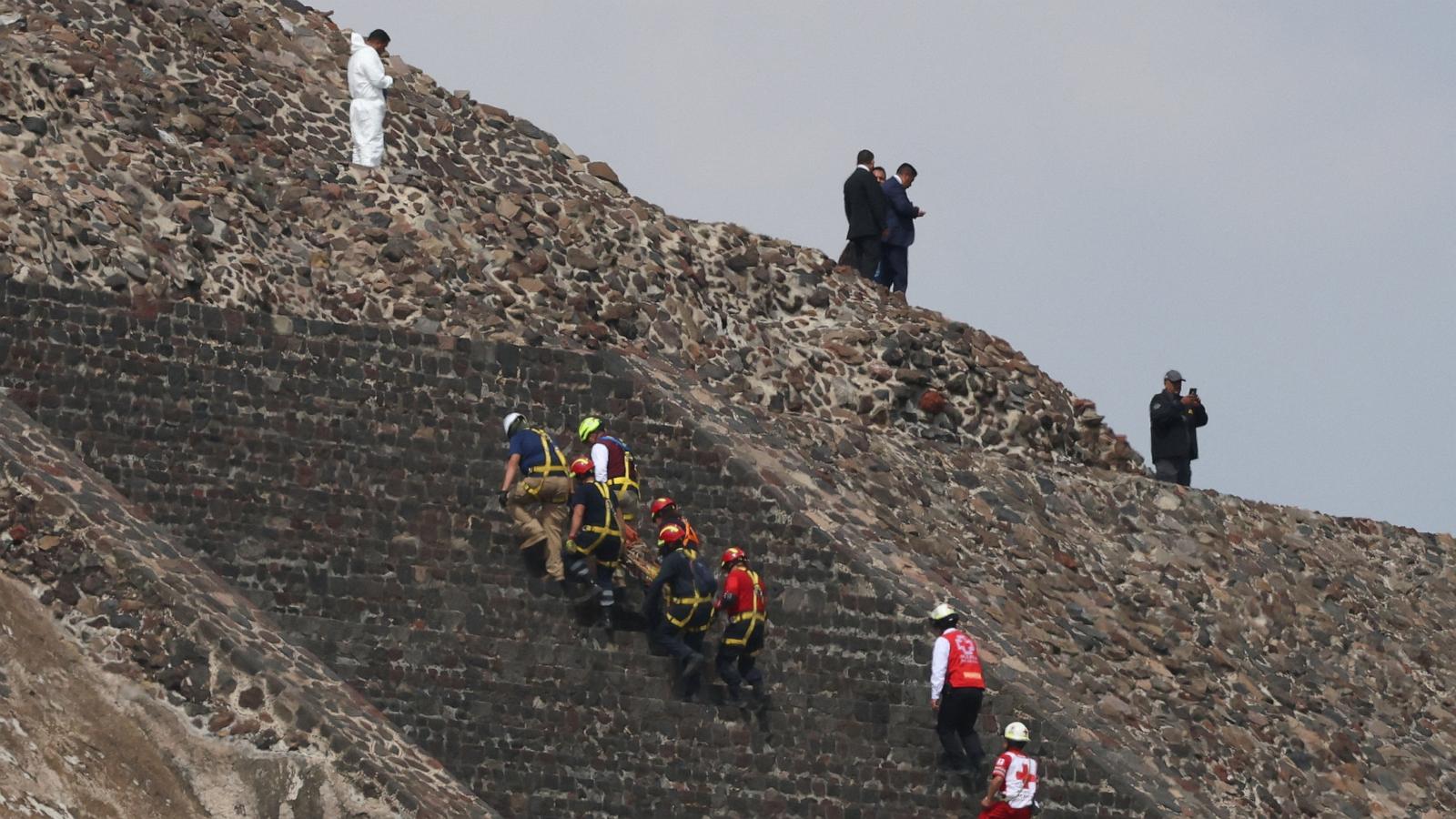
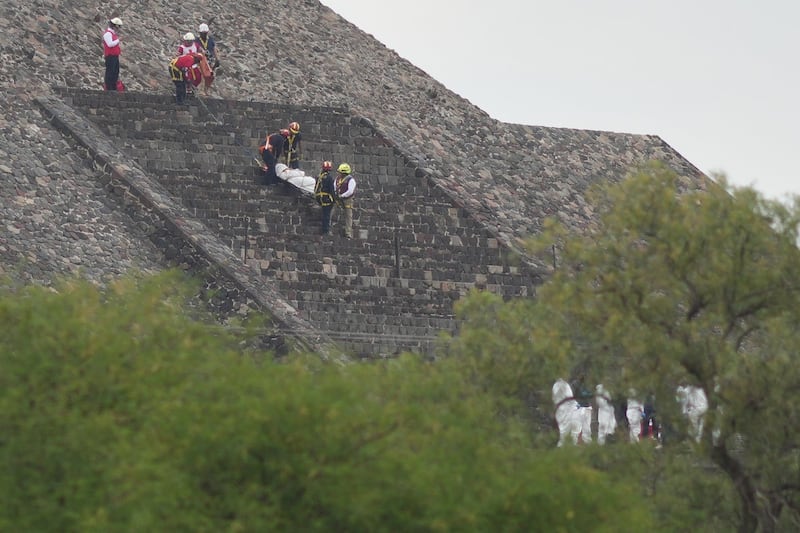
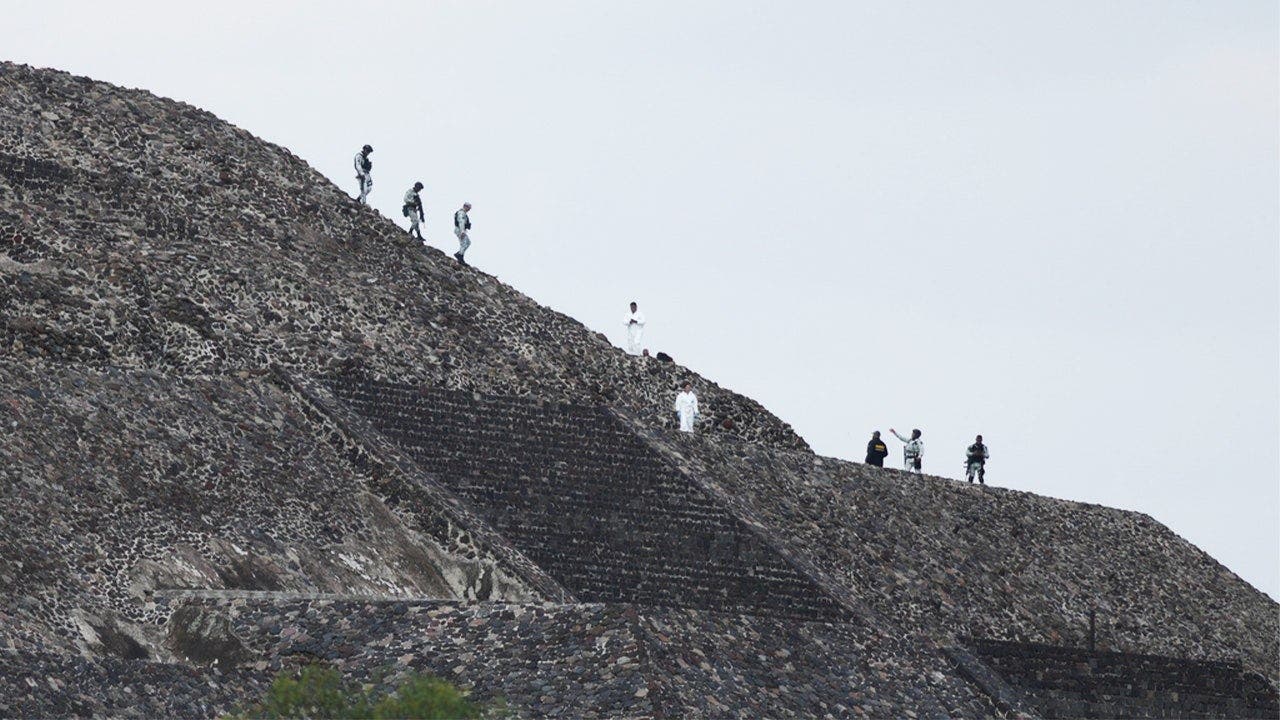
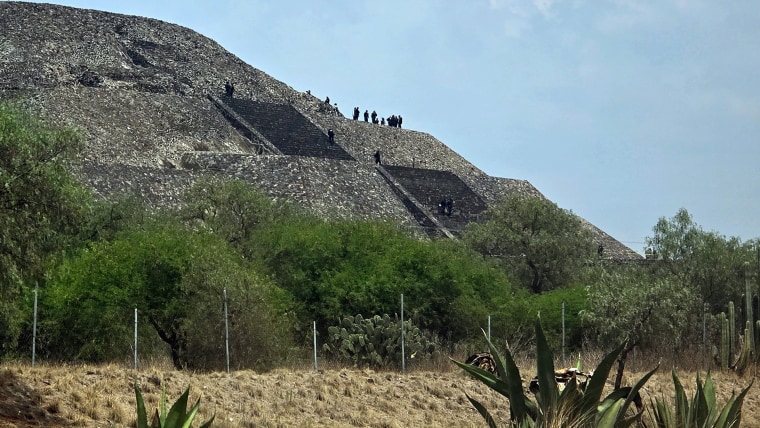
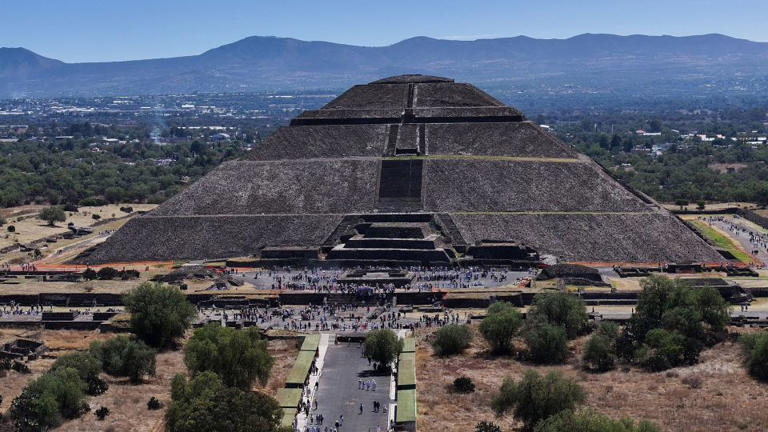
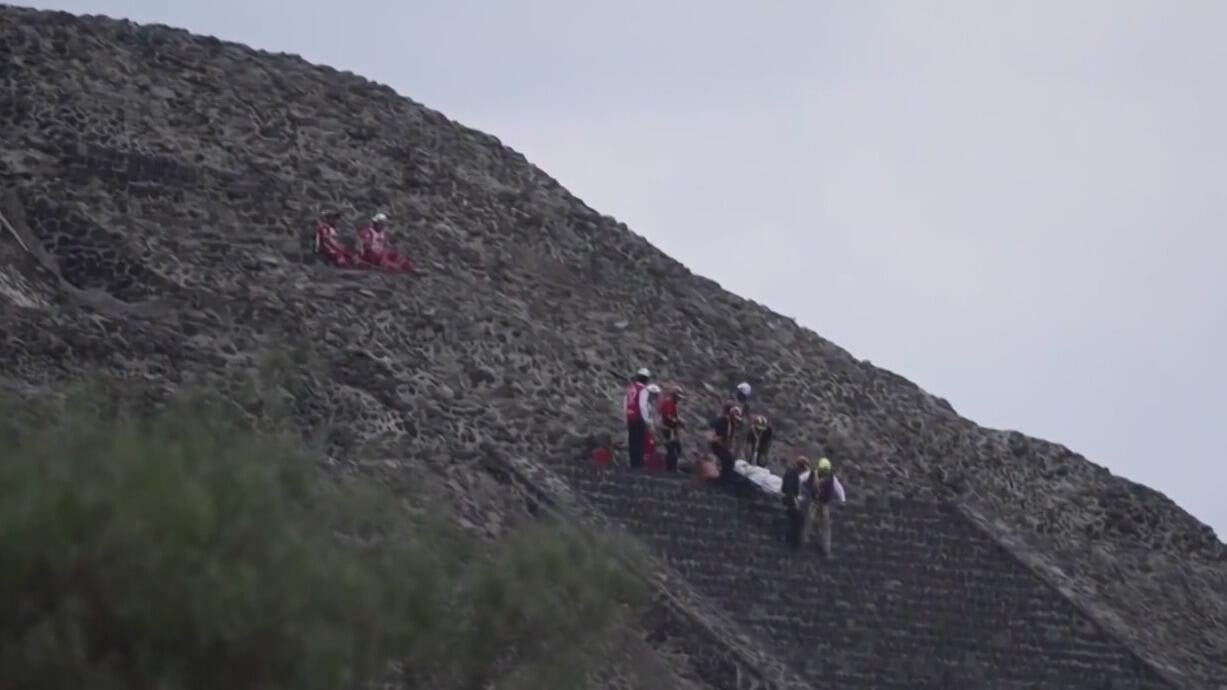
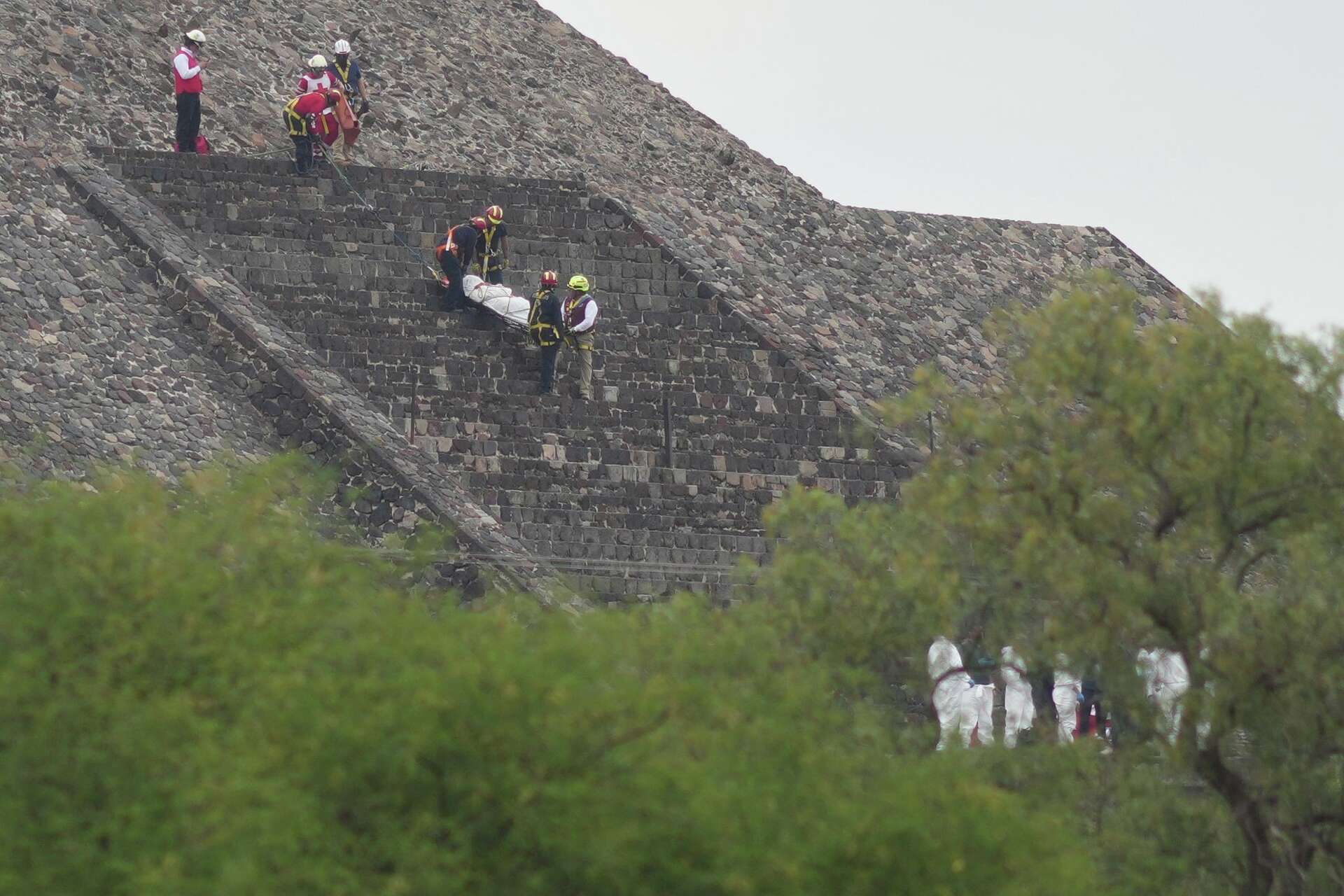
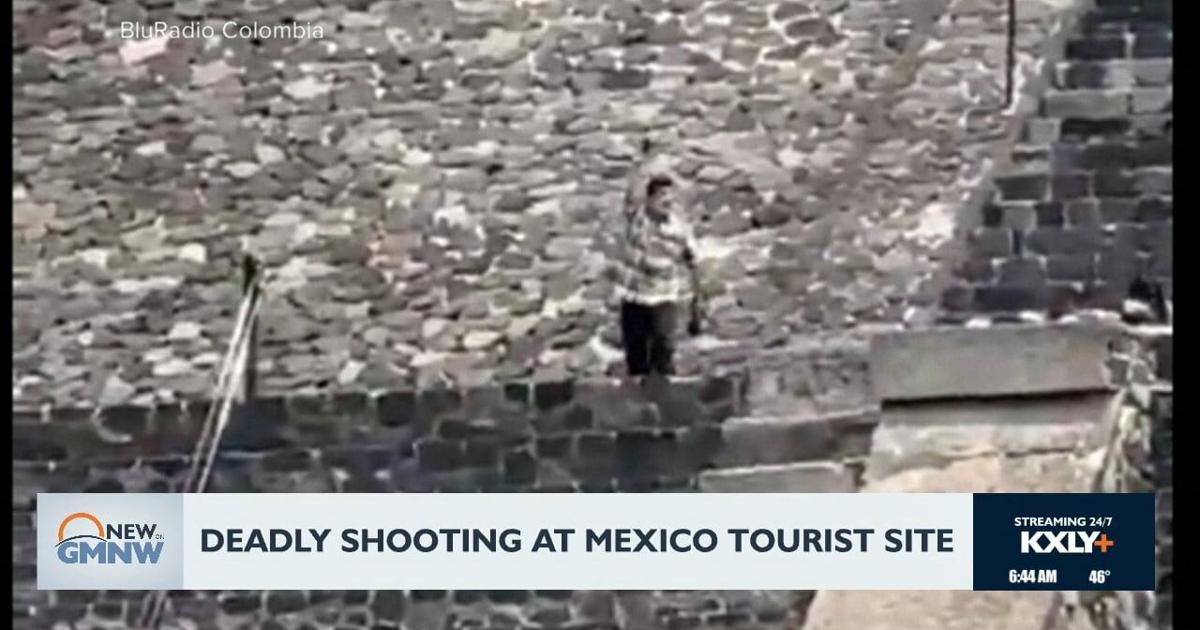
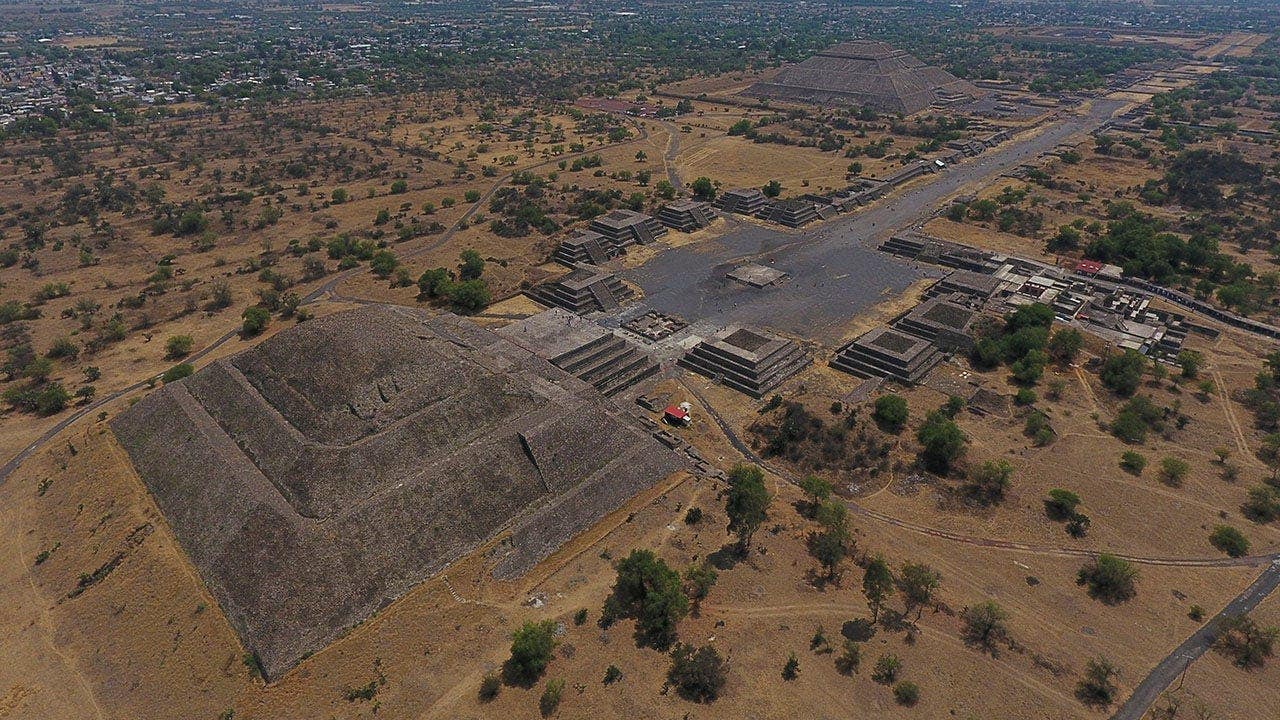
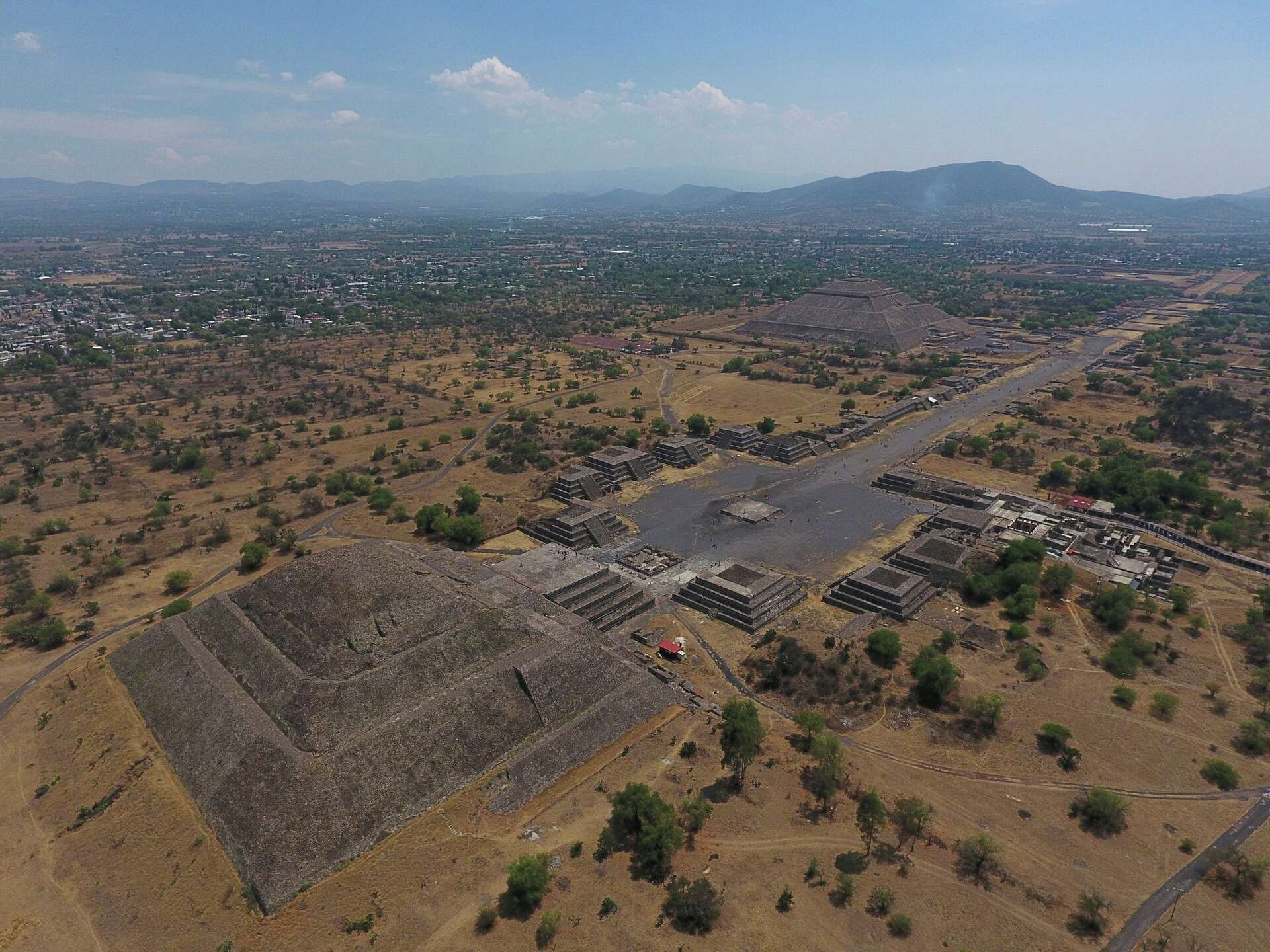
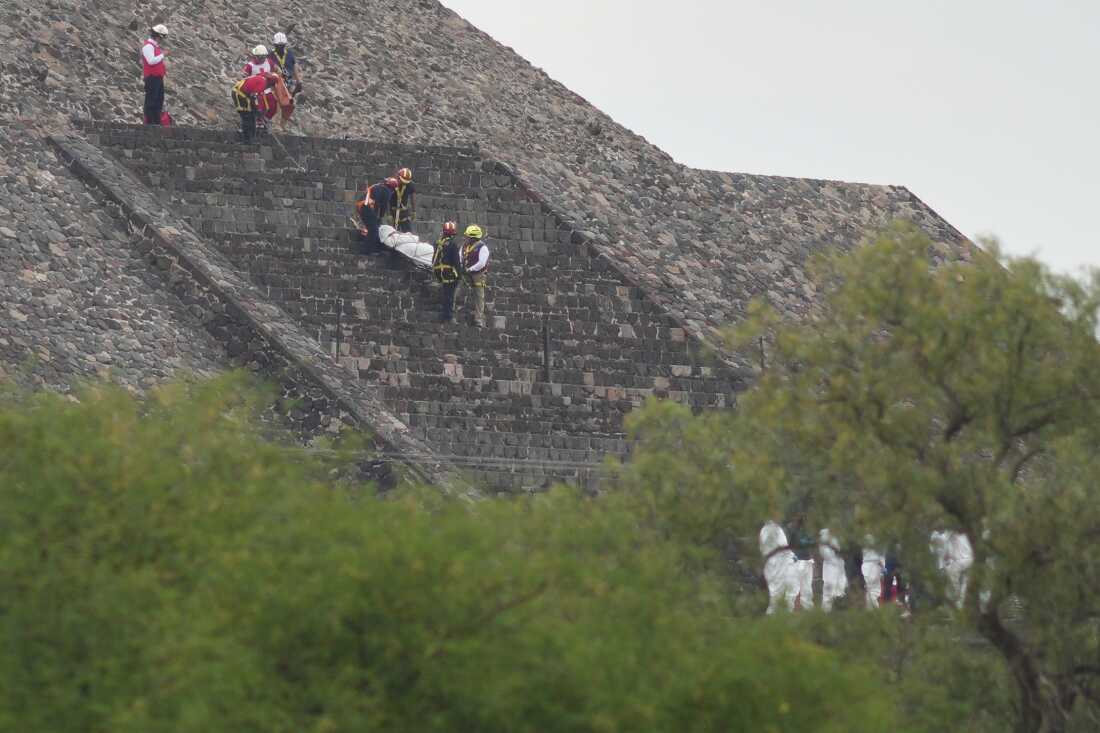
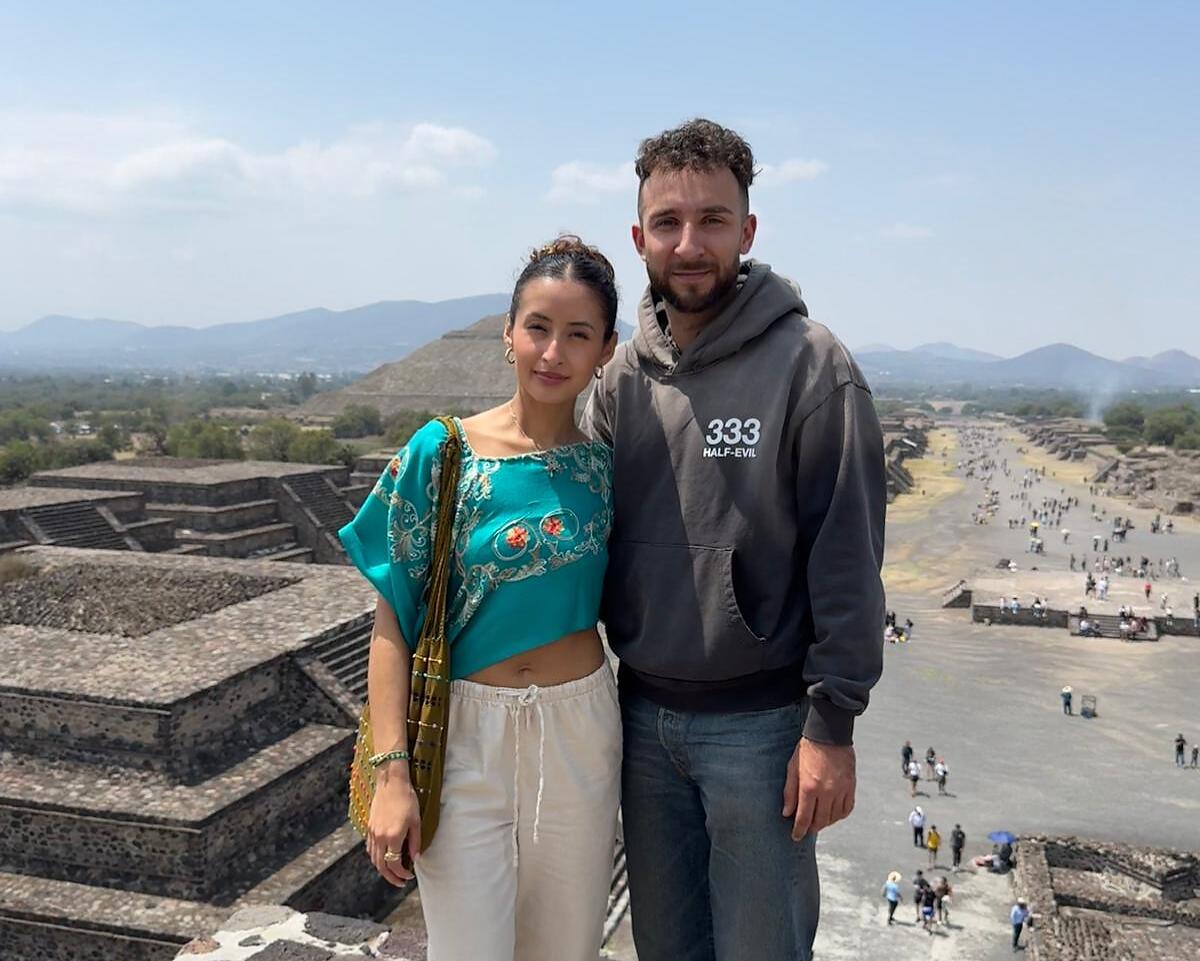
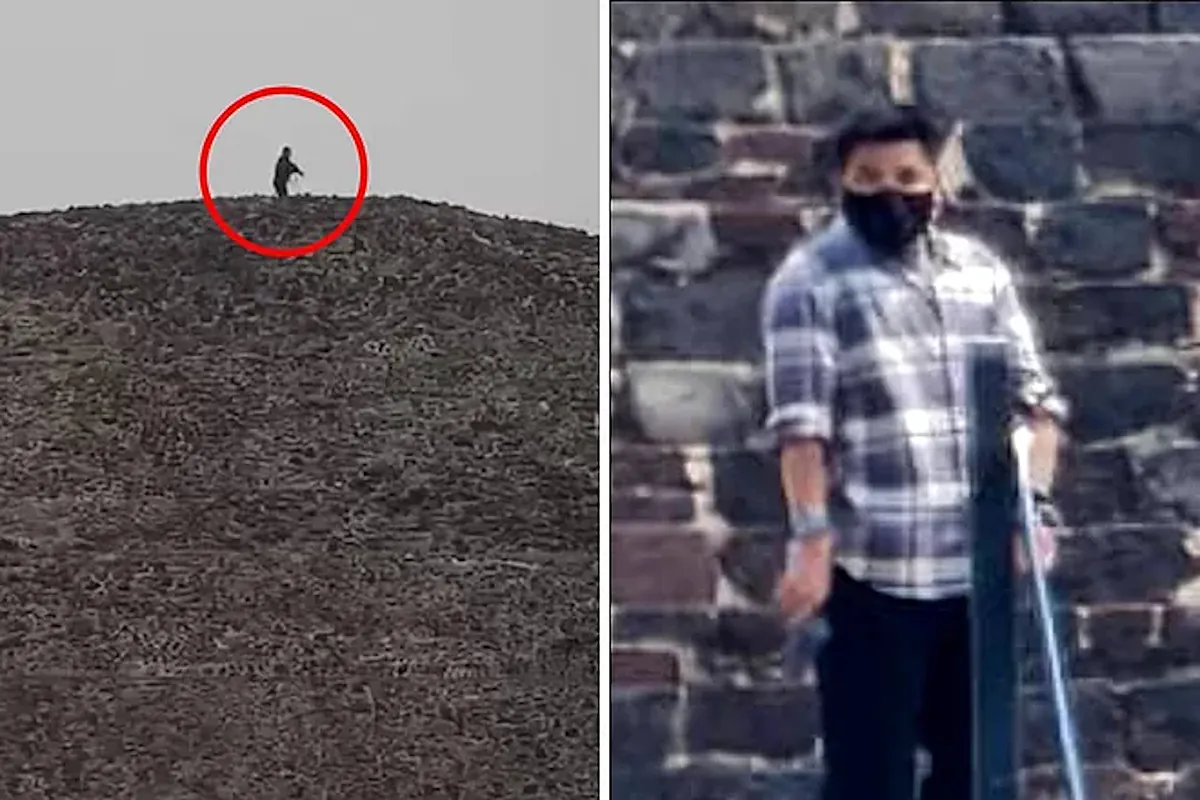
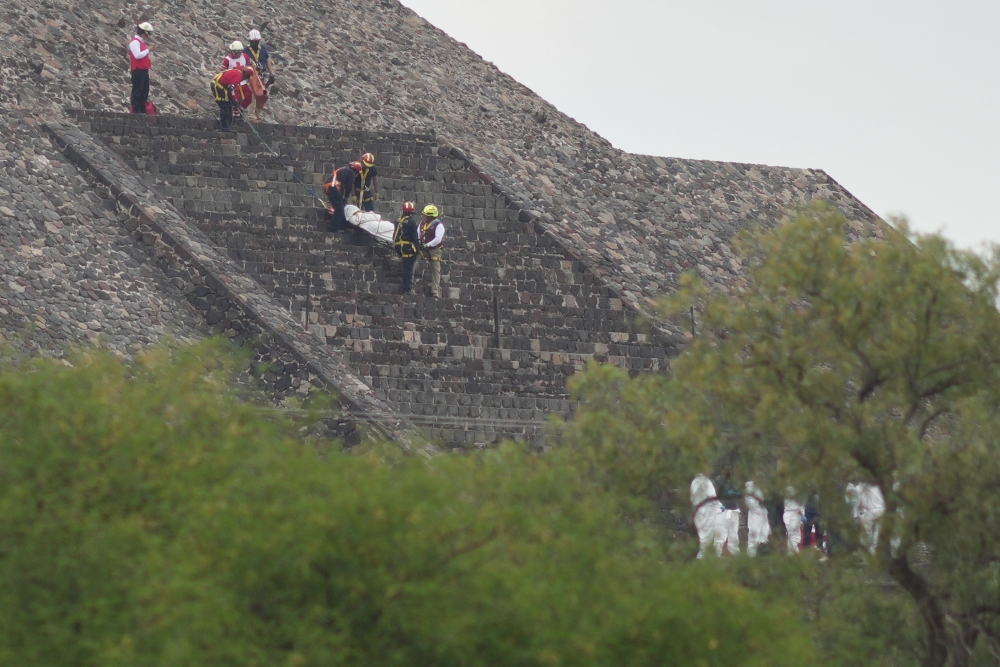
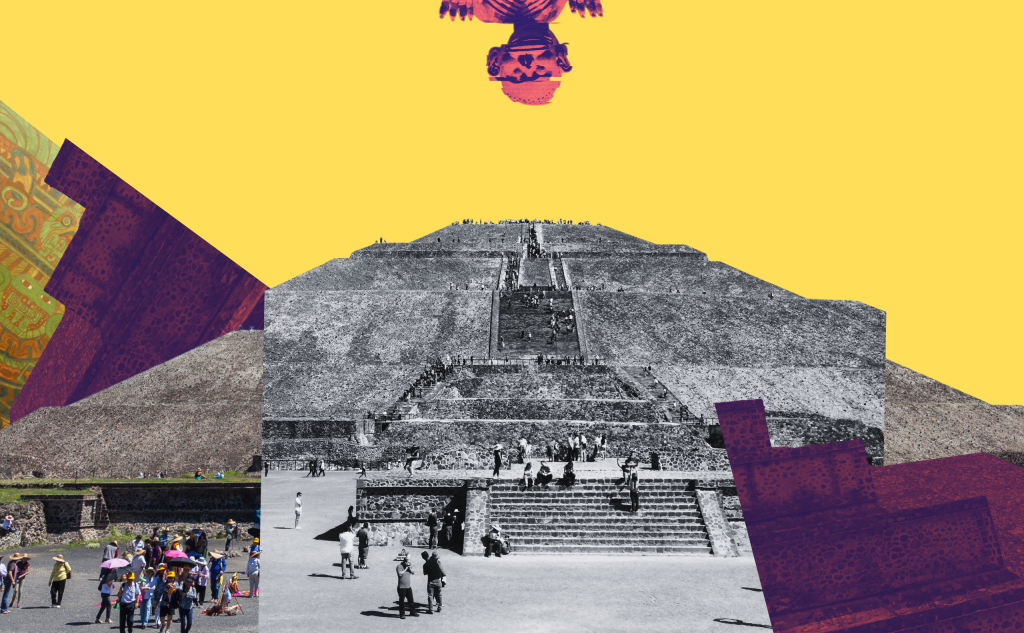
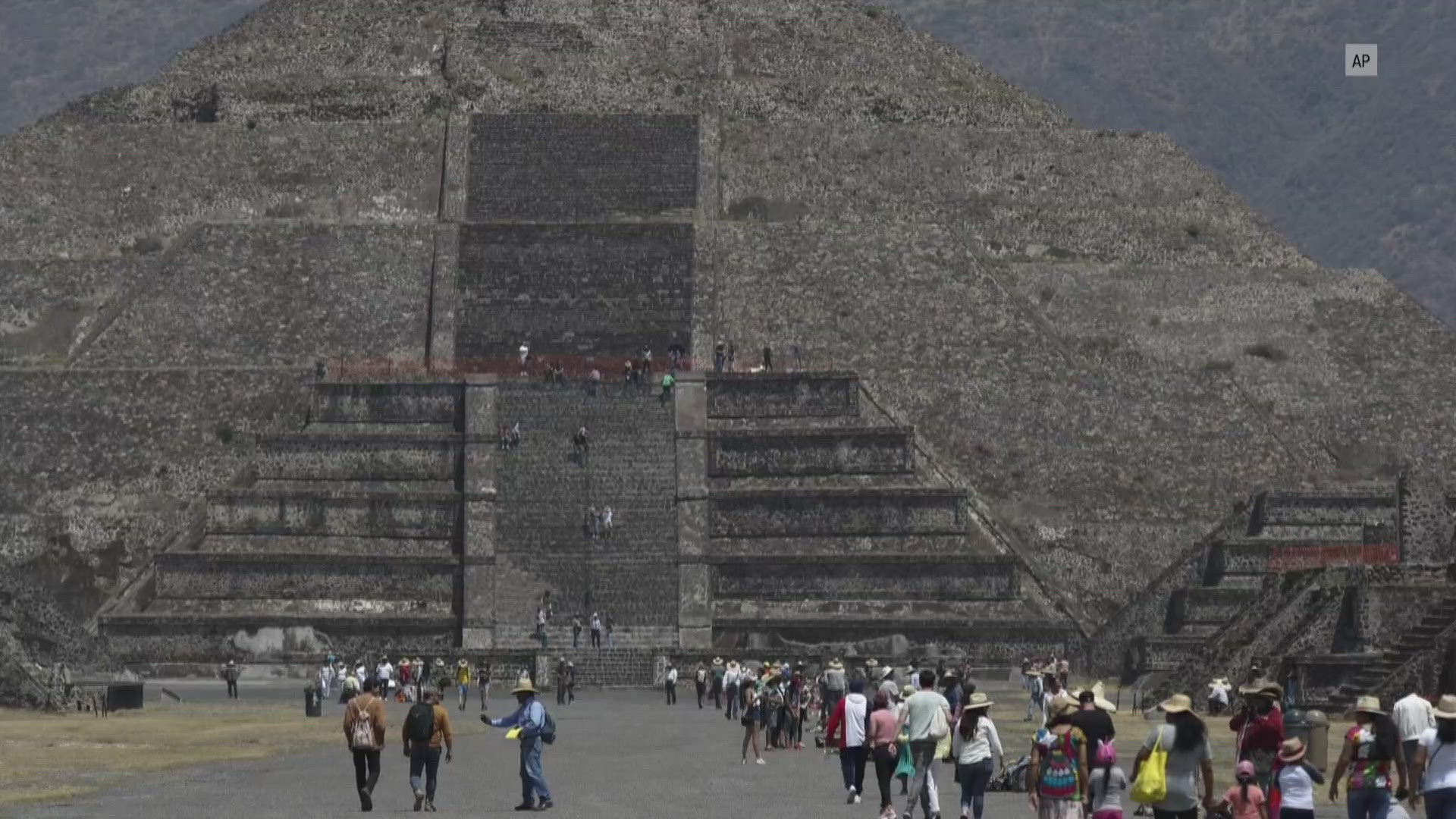
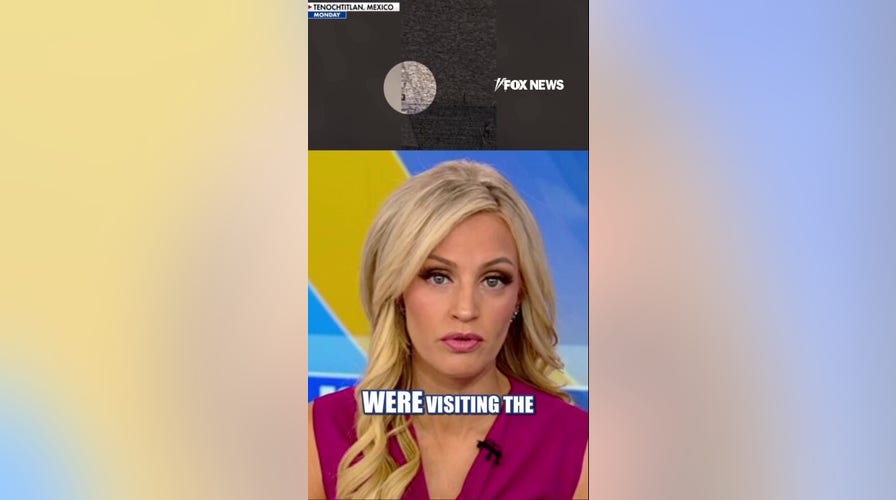
The April 20, 2026 shooting incident at Teotihuacan pyramids—Mexico's most visited archaeological site attracting 1.8 million international tourists annually—creates a significant market disruption with indirect but measurable e-commerce implications. While the incident itself is a public safety tragedy, the indefinite closure of this UNESCO World Heritage Site triggers cascading effects across multiple seller categories and consumer behavior patterns that cross-border merchants must monitor and capitalize on strategically.
Market Disruption & Consumer Behavior Shift: The closure eliminates a primary revenue driver for Mexico's tourism sector, which generated $28.7B in 2024. This creates immediate demand compression in travel-related e-commerce categories (luggage, travel guides, souvenir merchandise) while simultaneously creating new opportunities in adjacent categories. Sellers specializing in Mexico-focused products face 15-25% demand reduction in the short term, but this disruption creates openings for sellers offering alternative destination merchandise, safety-focused travel products, and digital experience alternatives.
Product Category Opportunities: The incident accelerates consumer interest in three key e-commerce segments: (1) Safety & Security Products - travel safety kits, personal security devices, and travel insurance information products see 30-40% search volume increases following major incidents; (2) Virtual & Digital Experiences - 360-degree virtual tours, digital museum passes, and augmented reality archaeological experiences become premium alternatives, with platforms like Etsy and Shopify seeing 45-60% growth in digital product sales during tourism disruptions; (3) Alternative Destination Merchandise - sellers offering products related to other Mexican archaeological sites (Chichen Itza, Palenque) and Central American destinations experience demand migration, typically capturing 20-35% of displaced tourism interest.
Regional Logistics & Seller Positioning: Mexico-based sellers and those with inventory positioned for Mexican tourism face immediate fulfillment challenges. The closure affects logistics hubs near Mexico City, potentially delaying shipments by 5-7 days as alternative routing becomes necessary. Cross-border sellers shipping to Mexico should expect 10-15% increased shipping costs due to route optimization. Conversely, sellers positioned in Canada and the US (where the deceased victim originated) may see increased demand for travel safety products and memorial/cultural merchandise, representing a 2-3 week sales window opportunity.
Platform Implications: Amazon, eBay, and Shopify sellers should expect algorithmic shifts favoring safety-related products and virtual experience categories. Search volume for "Mexico travel safety," "virtual archaeological tours," and "alternative Mexico destinations" will spike 200-300% in the coming weeks. Sellers with existing inventory in these categories should increase PPC budgets by 25-40% to capture elevated search demand, while those in traditional tourism merchandise should consider temporary category pivots or promotional strategies to maintain velocity.
Questions 8
How can sellers identify and capitalize on demand migration from closed tourism destinations?
When major tourist destinations close, consumer demand typically migrates to three categories: (1) Alternative Destinations—products related to nearby or comparable locations capture 20-35% of displaced interest; (2) Virtual Experiences—digital alternatives to physical travel see 45-60% growth; (3) Safety-Focused Products—travel safety merchandise experiences 30-40% increases. Sellers should monitor search trends using Google Trends, Amazon search bar autocomplete, and platform analytics to identify emerging keyword patterns. For Teotihuacan's closure, sellers should track searches for 'Chichen Itza,' 'Palenque,' 'virtual Mexico tours,' and 'travel safety Mexico' to identify demand migration. Implement dynamic pricing and promotional strategies to capture this demand within the 2-4 week opportunity window before search volume normalizes.
What are the implications for Canadian and US-based sellers following the incident involving a Canadian victim?
The incident involving a Canadian citizen casualty creates secondary demand opportunities for Canadian and US-based sellers in two categories: (1) Travel Safety Products—search volume for 'travel safety' and 'personal security devices' increases 30-40% in Canada and US markets for 2-3 weeks; (2) Cultural & Memorial Merchandise—products related to Mexican culture, archaeology, and solidarity merchandise see elevated demand as consumers seek meaningful engagement with the destination. Canadian sellers should expect 10-15% increased search volume for Mexico-related products and travel safety items. This represents a 2-3 week sales window opportunity with higher conversion rates (15-25% above baseline) due to elevated consumer intent and emotional engagement with the story.