


Air Freight Costs Surge 10-15% Amid Jet Fuel Crisis | Cross-Border Sellers Face Critical Logistics Challenge
- Jet fuel prices doubled from $100 to $200+ per barrel; air freight costs rising 10-15%; European carriers cutting 2-22% capacity; perishables, electronics, fashion sellers most impacted; relief unlikely before July 2026






















Overview
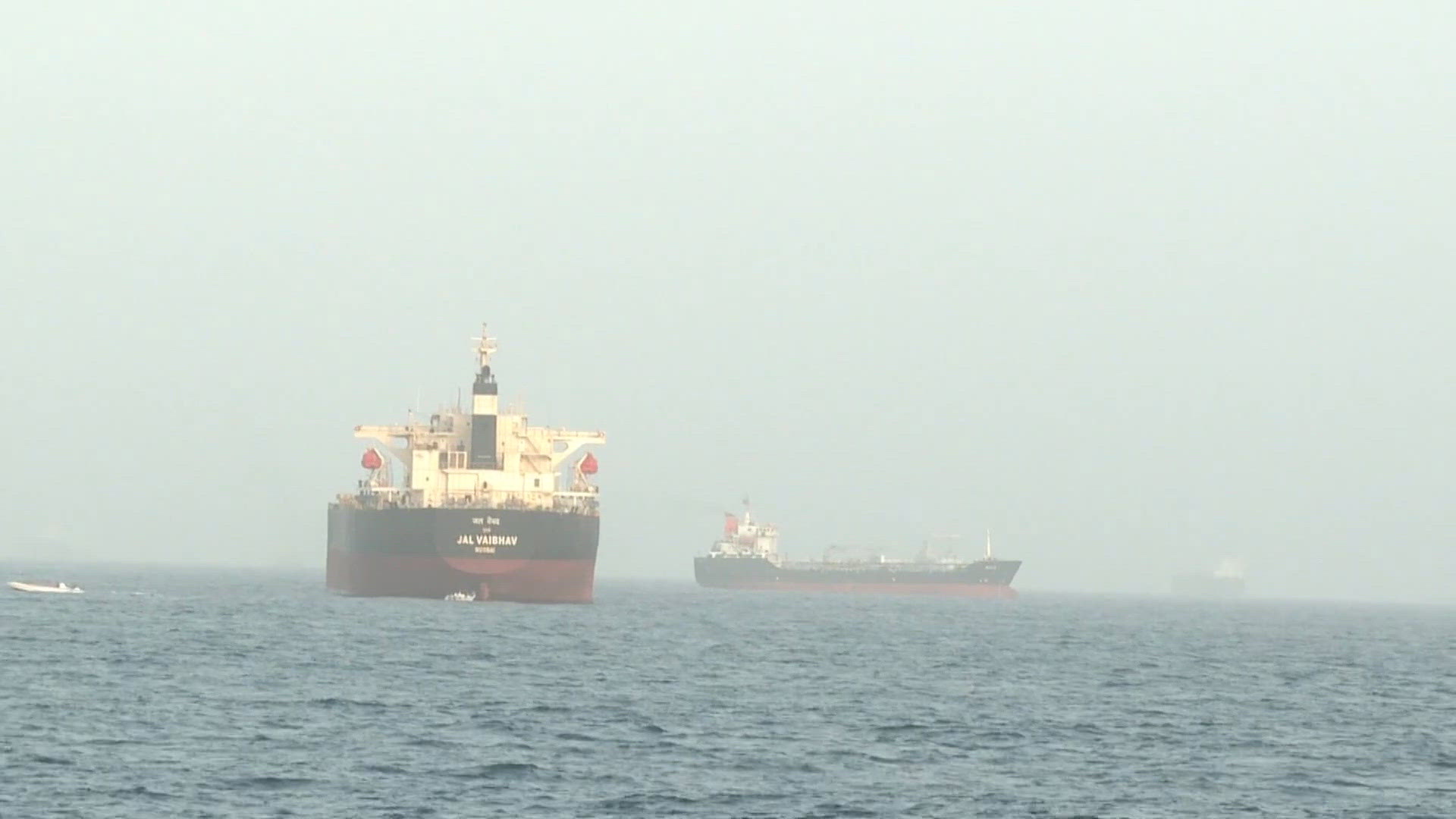
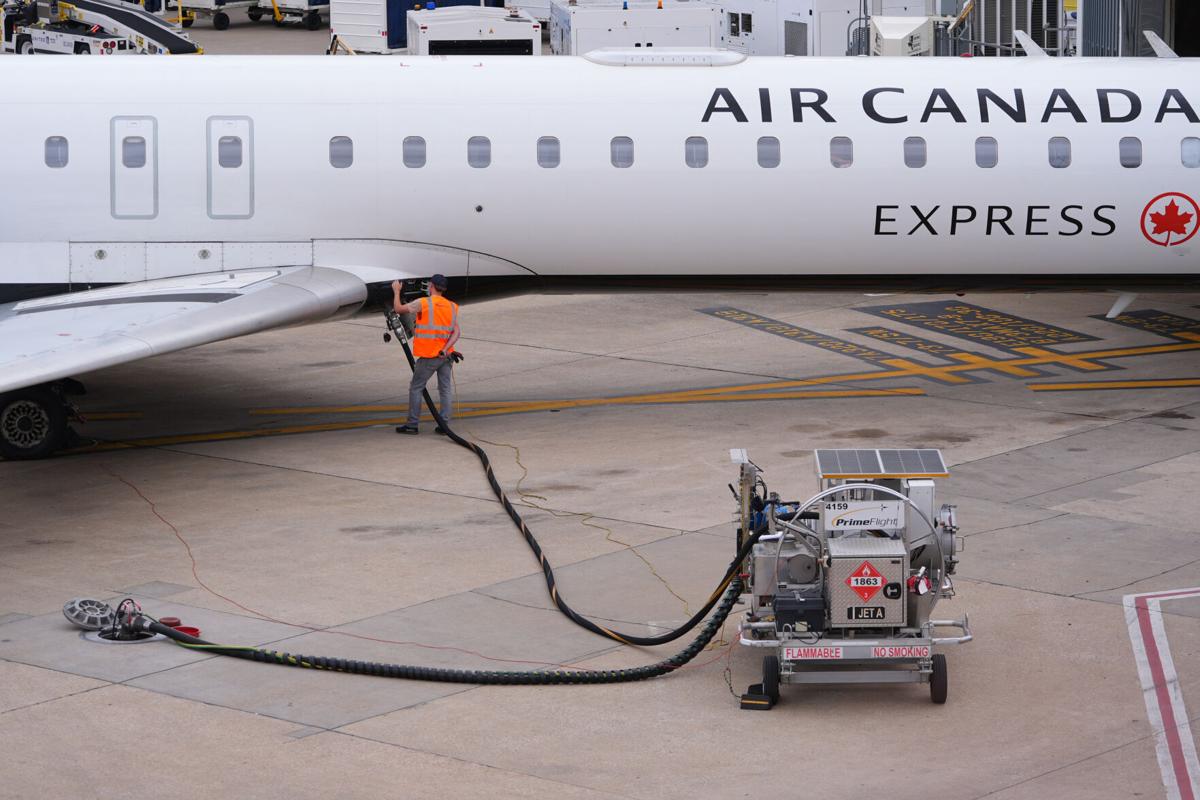
The Iran-Israel conflict and Strait of Hormuz closure have triggered a critical jet fuel shortage that directly threatens cross-border e-commerce logistics operations. Jet fuel prices have surged 105.1% year-over-year globally (82.6% in North America), jumping from approximately $100 per barrel in late 2025 to over $200 per barrel in April 2026. The Strait of Hormuz, through which 20-30% of global seaborne jet fuel flows, remains closed due to geopolitical tensions, trapping supplies from major exporters Kuwait and Bahrain. The International Energy Agency warns Europe has only six weeks of jet fuel reserves remaining, with relief unlikely until at least July 2026. This creates an immediate and sustained cost crisis for e-commerce sellers relying on air freight for time-sensitive international shipments.
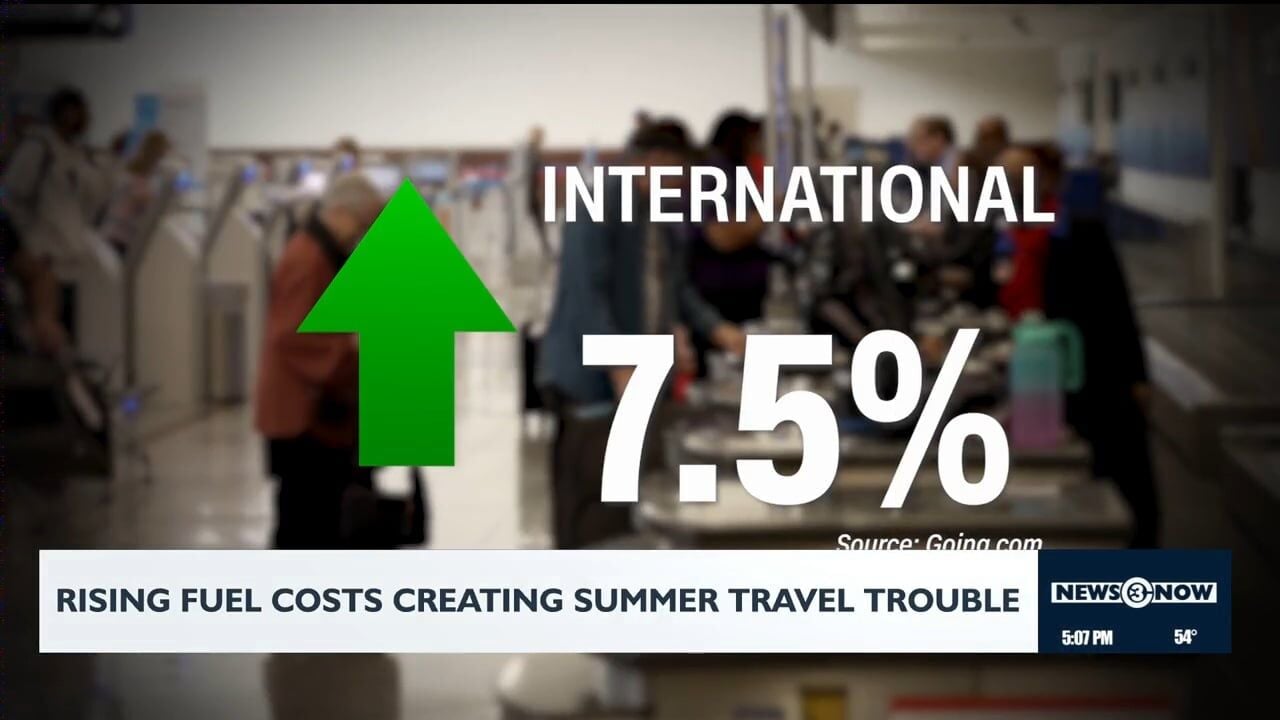
Air freight costs—already representing 15-25% of total shipping expenses—will increase substantially, directly compressing profit margins on lightweight, high-value products. Major carriers including Air France-KLM, American Airlines, Delta Air Lines, and Lufthansa are implementing aggressive cost-recovery measures: checked baggage fees increasing $5-10 per bag, long-haul ticket prices rising €50 ($58) per round trip, and fuel surcharges ranging from $2-14 (Asian carriers). Airlines are cutting flight capacity by 3.5-22%, with specific reductions announced: KLM cancelled 160 European flights in April alone; Cathay Pacific cutting 2% of flights May 16-June 30; HK Express reducing 6% starting May 11; Vietnam Airlines signaling cuts of 18% international and 26% domestic routes. Deutsche Bank projects non-U.S. airline capacity to and from U.S. markets will contract 2.3% year-over-year in Q2 2026. These capacity reductions directly limit air cargo availability for smaller sellers, forcing them to compete for scarce space at premium rates.
The operational impact varies significantly by seller segment and product category. US-based sellers enjoy relative protection due to America's position as the world's largest oil producer and leading jet fuel exporter, but still face higher fuel surcharges. European and Asian logistics providers dependent on imported jet fuel experience severe margin compression and service disruptions. Sellers of perishables, electronics, and fashion items requiring rapid international delivery face the most acute pressure, as flight cancellations cause delivery delays that directly affect seller ratings and customer satisfaction metrics on Amazon, eBay, and other major platforms. Sellers utilizing express shipping services face immediate cost pressures, while those dependent on European distribution hubs confront potential supply chain disruptions. The situation remains fluid—if Middle East tensions ease, jet fuel prices could decline rapidly, but extended conflict will trigger more substantial capacity cuts and higher shipping costs through the peak summer travel and commerce season.
Questions 8
How should sellers adjust their supply chain strategy to account for airline capacity cuts?
Sellers should implement a three-tier supply chain strategy: (1) Shift non-urgent shipments to ocean freight with 4-6 week lead times, reducing reliance on scarce air capacity; (2) Pre-position fast-moving inventory in regional distribution hubs (US, EU, Asia) to enable ground/rail shipping instead of air freight; (3) Maintain air freight only for time-critical products with high margins that justify premium costs. Specific airline capacity cuts announced: Cathay Pacific 2% cuts May 16-June 30; HK Express 6% cuts starting May 11; Vietnam Airlines 18% international and 26% domestic cuts. Sellers dependent on these carriers should immediately diversify to alternative airlines or shipping methods. Consider using 3PL providers with diversified carrier relationships rather than relying on single airlines. Monitor the Strait of Hormuz closure status weekly—even if diplomatic resolution occurs, months are required to restore normal supply chains.
What immediate actions should sellers take to mitigate air freight cost increases?
Sellers should take four immediate actions: (1) Review current air freight usage and identify products that can shift to ocean freight or ground shipping without unacceptable delivery delays; (2) Renegotiate shipping contracts with 3PL providers and airlines before capacity becomes even more constrained; (3) Adjust pricing strategies to reflect 10-15% air freight cost increases, particularly for lightweight, high-value products; (4) Communicate transparently with customers about potential delivery delays caused by flight cancellations. Diversify logistics providers to avoid over-reliance on carriers implementing aggressive capacity cuts (KLM, Cathay Pacific, Vietnam Airlines). Consider pre-positioning inventory in regional distribution hubs to reduce reliance on express air freight. Monitor airline announcements weekly—KLM cancelled 160 European flights in April alone, signaling rapid capacity changes.