


2027 Luxury EV Launch Drives $50B+ Accessories Market | Seller Opportunity
- Mercedes C-Class Electric (473 WLTP miles) and BMW i3 (440 EPA miles) create surge in EV charging, interior tech, and premium accessories demand for cross-border sellers in H1 2027









Overview
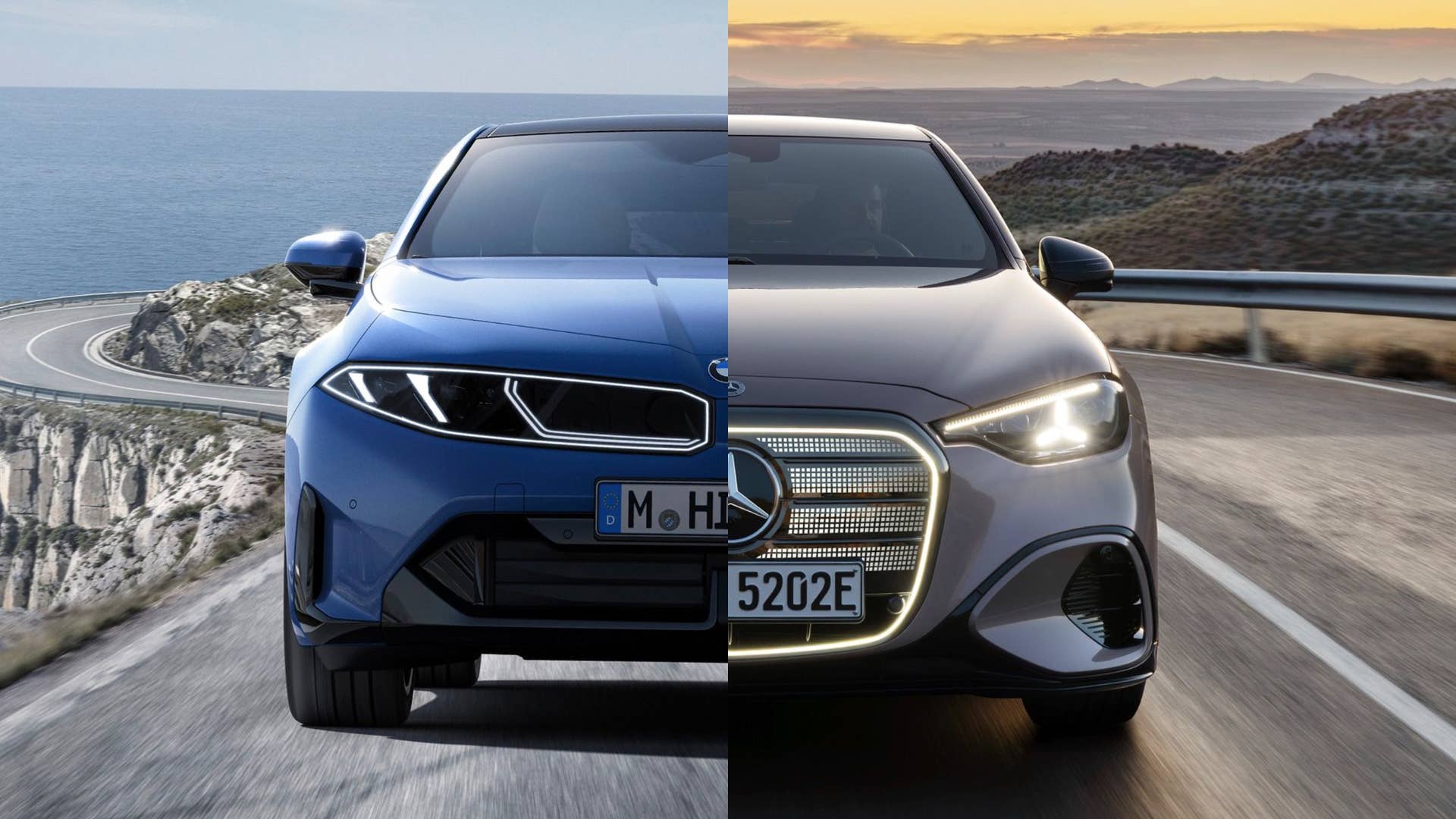
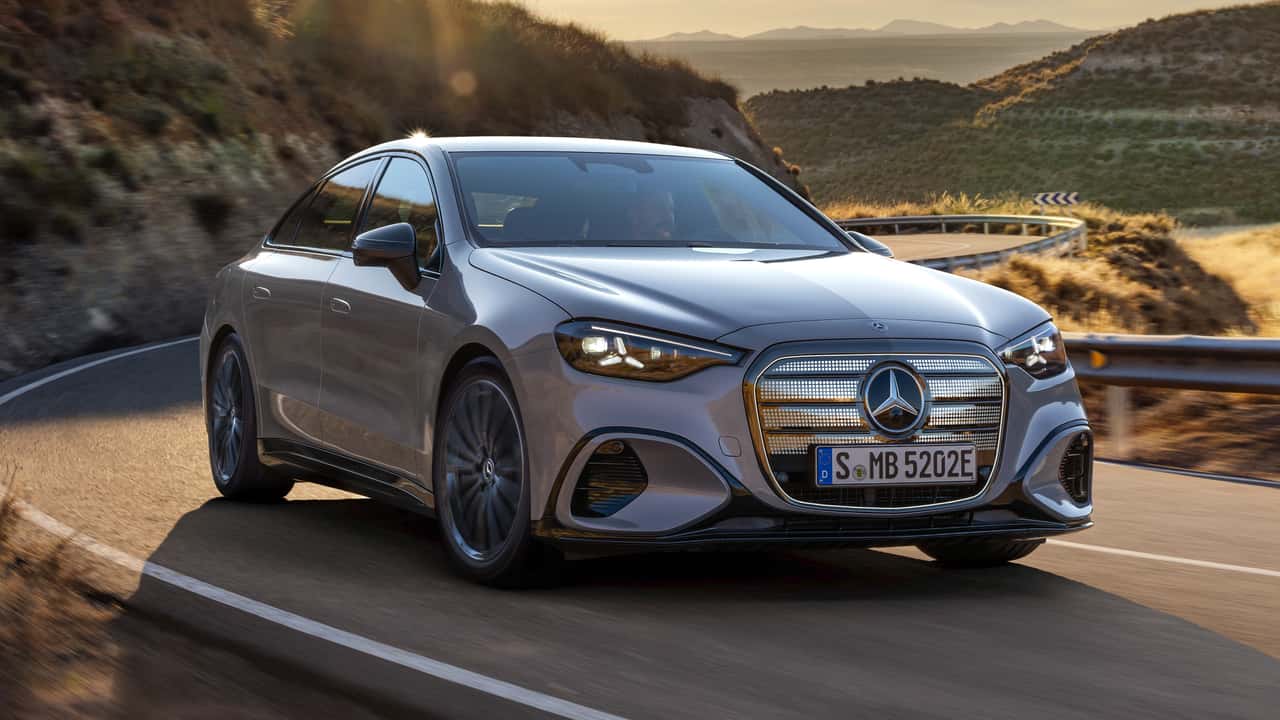
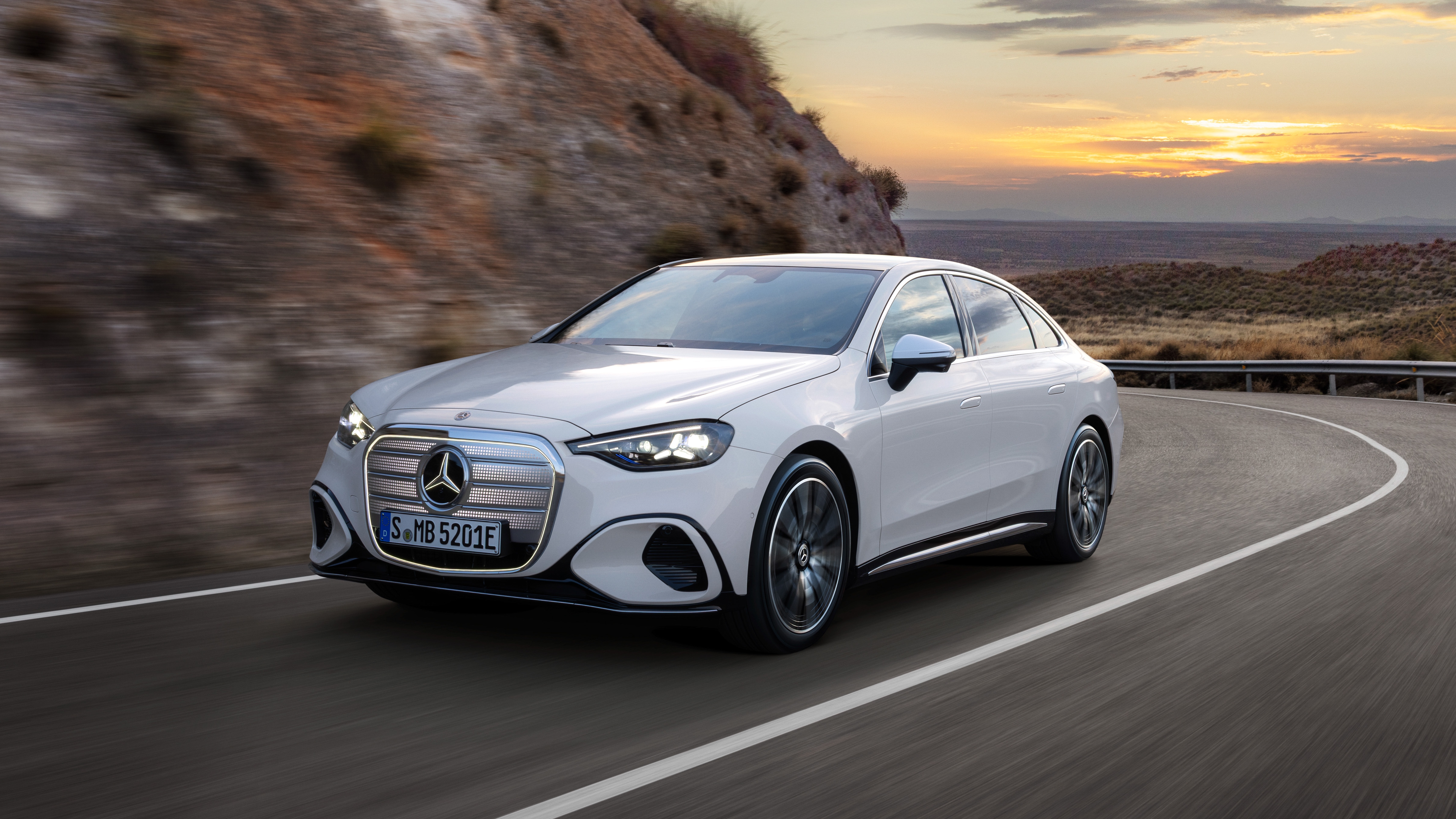
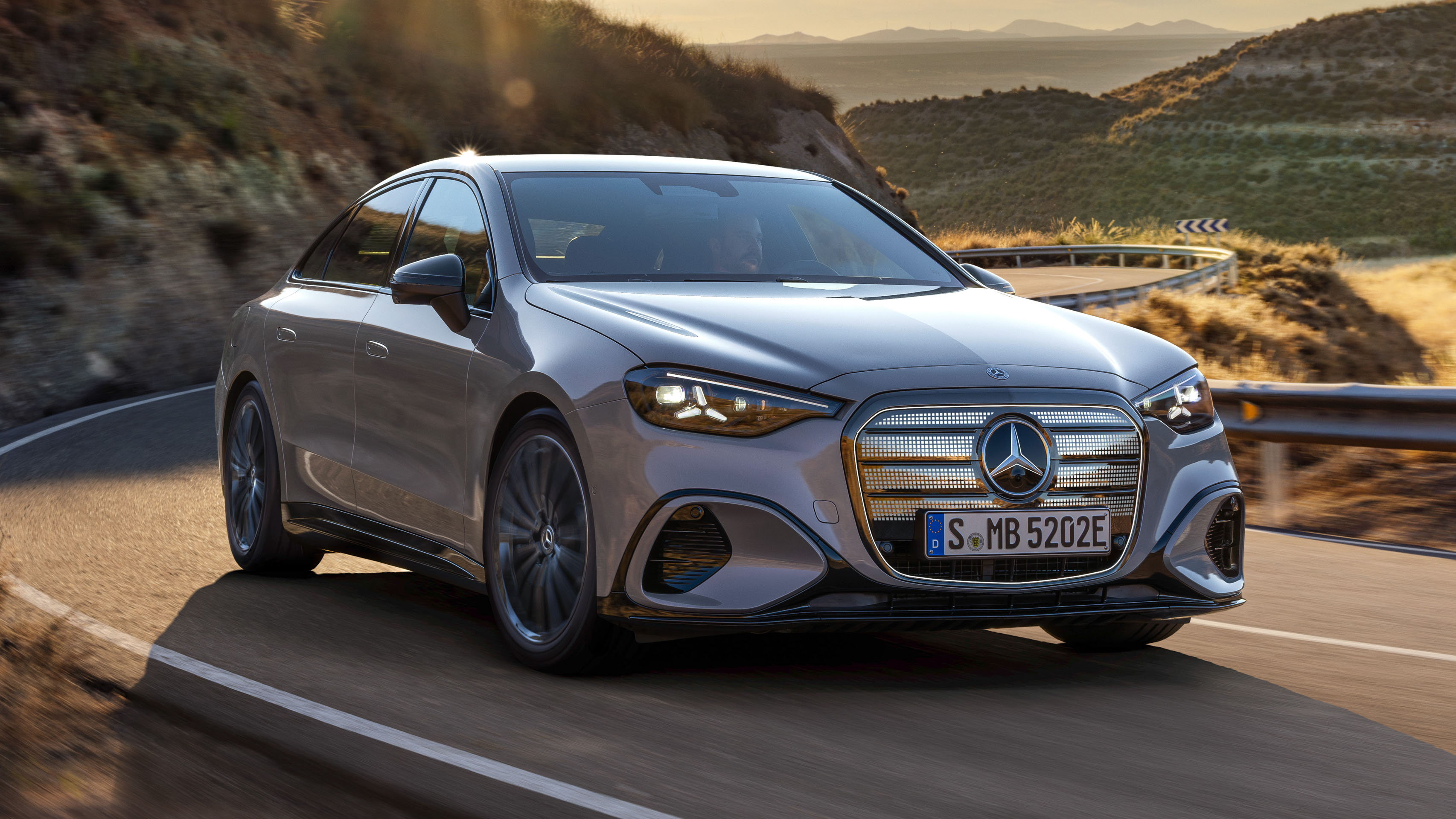
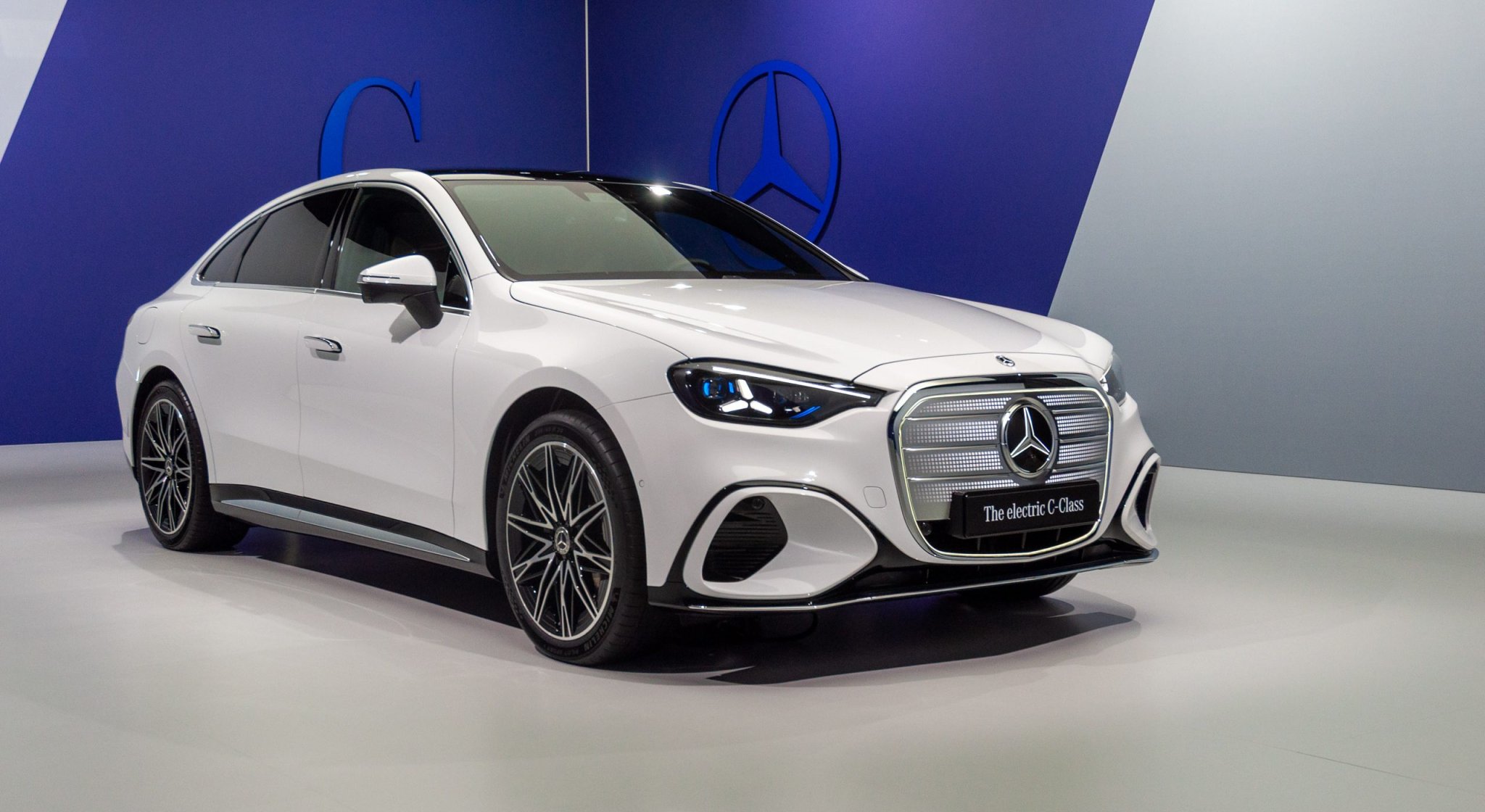
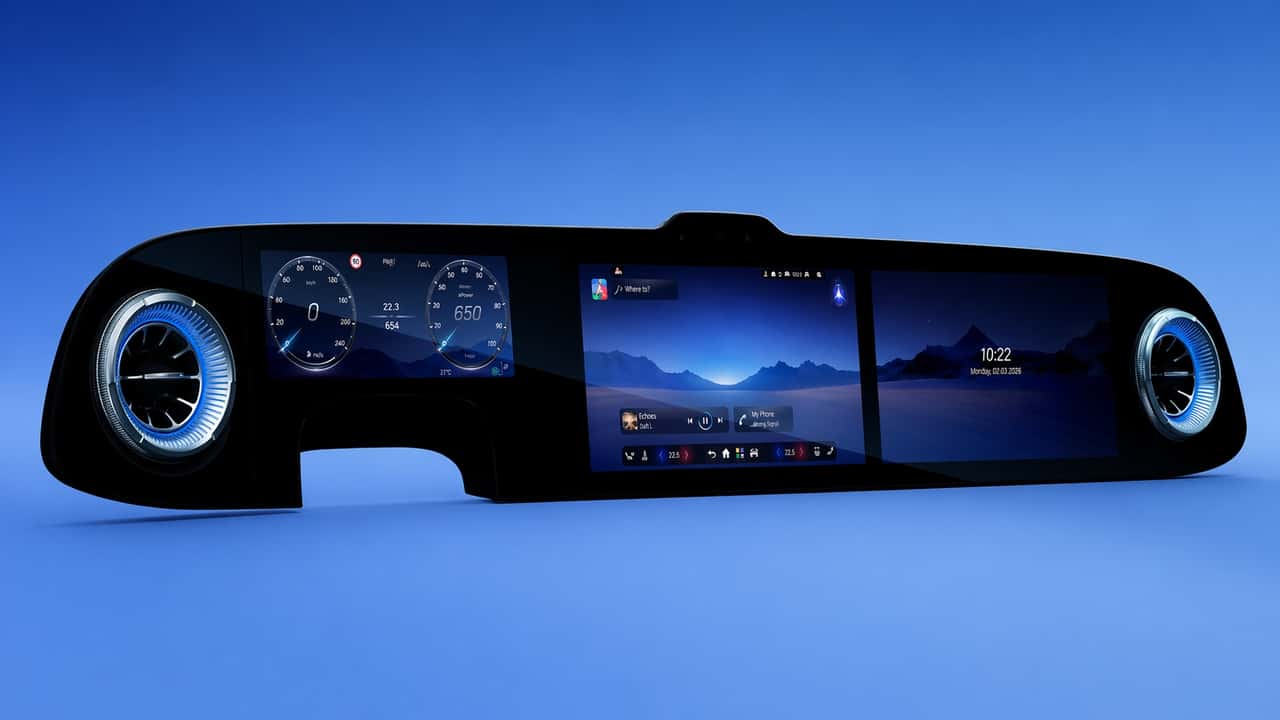
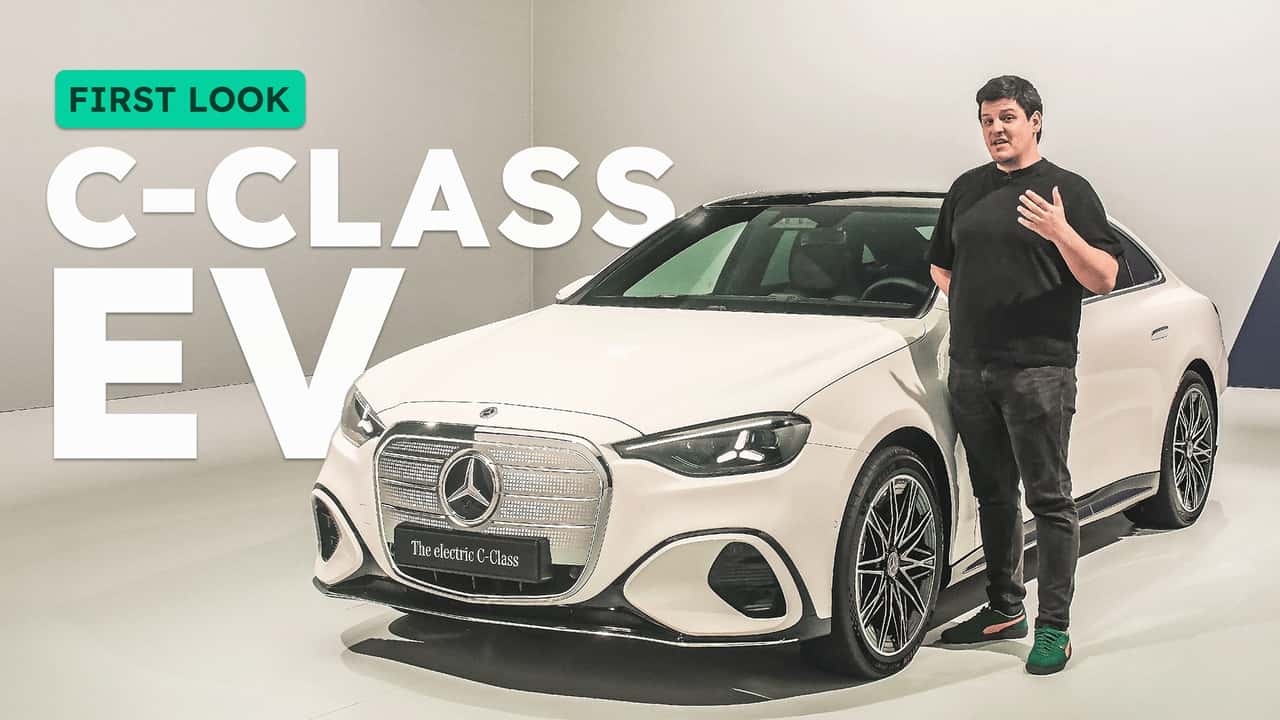
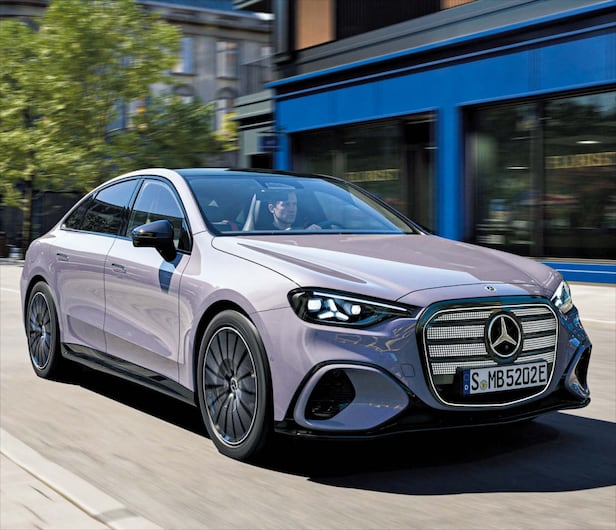
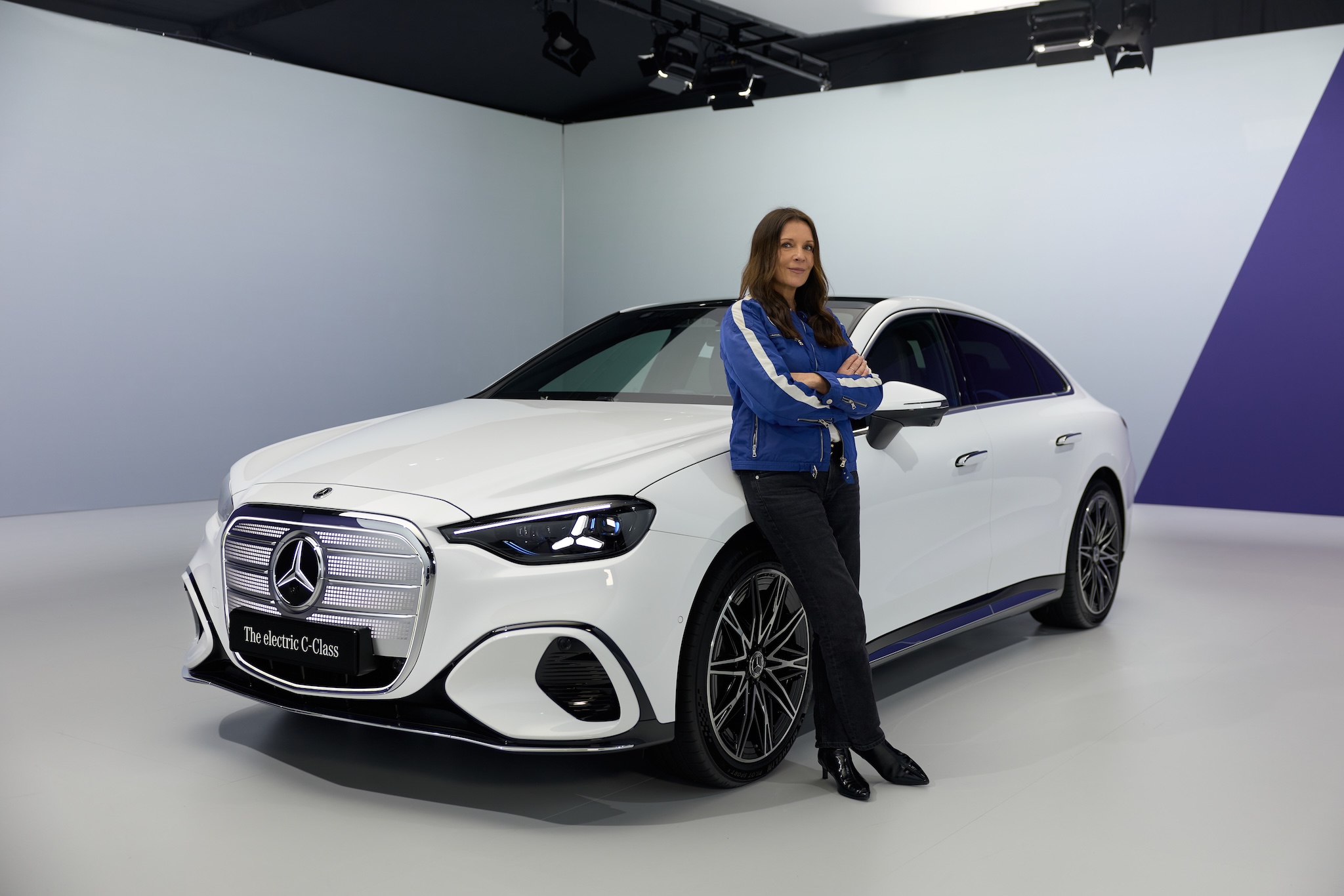
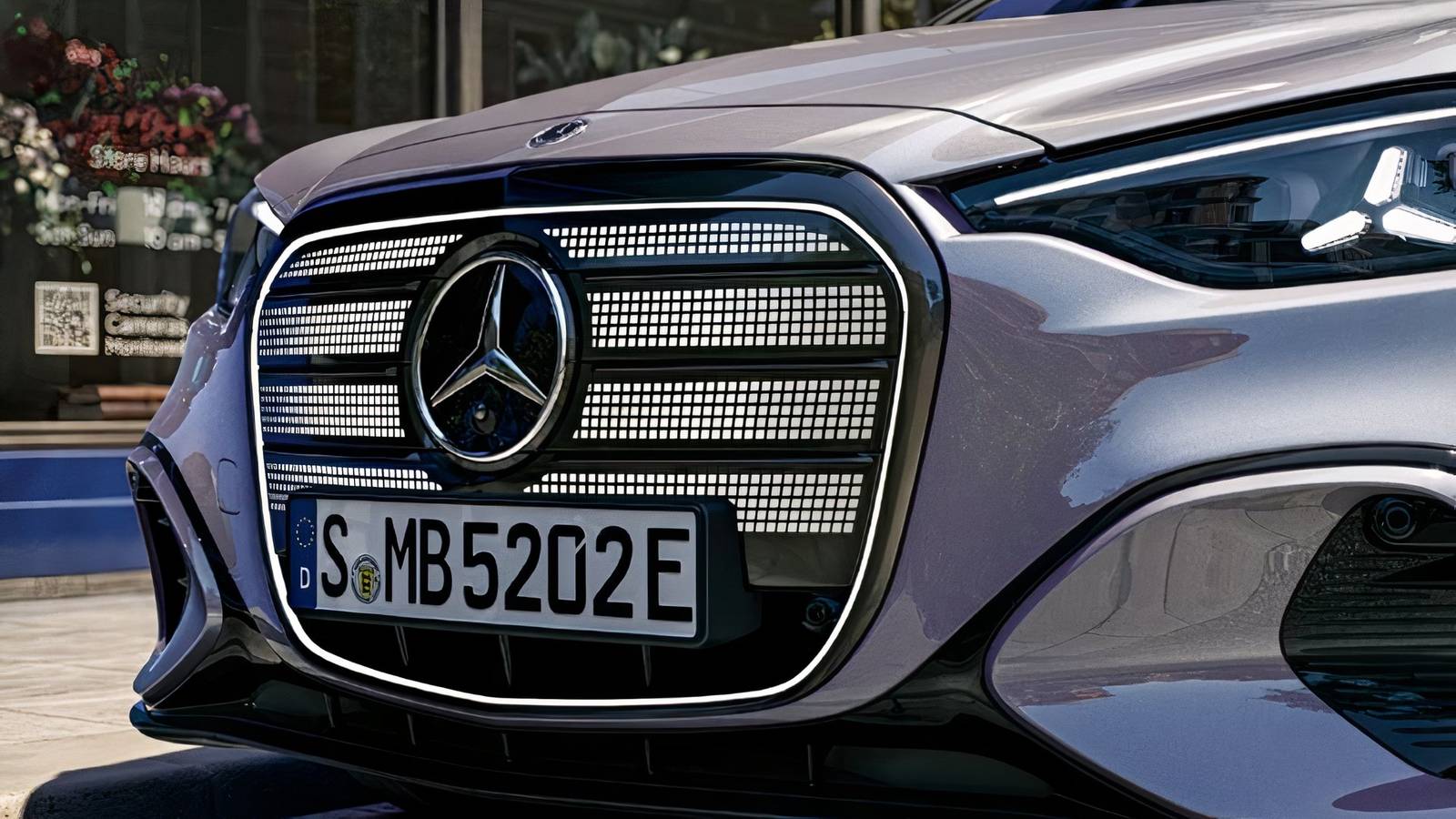
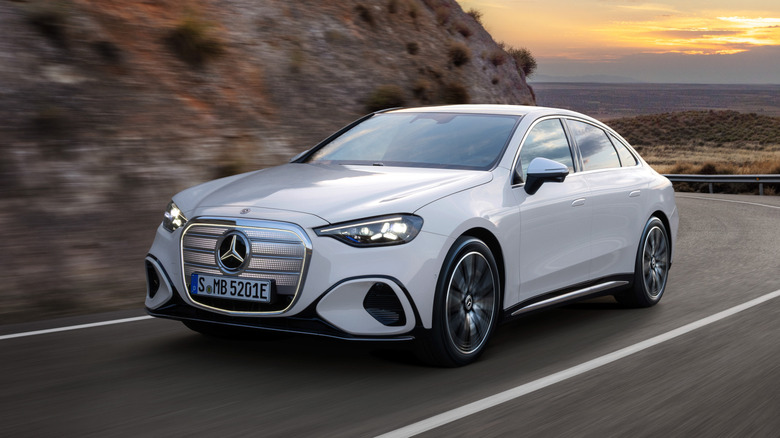
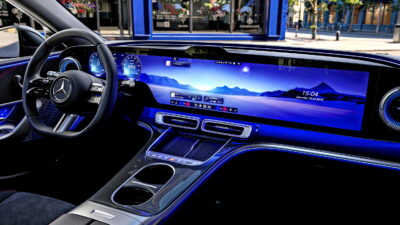
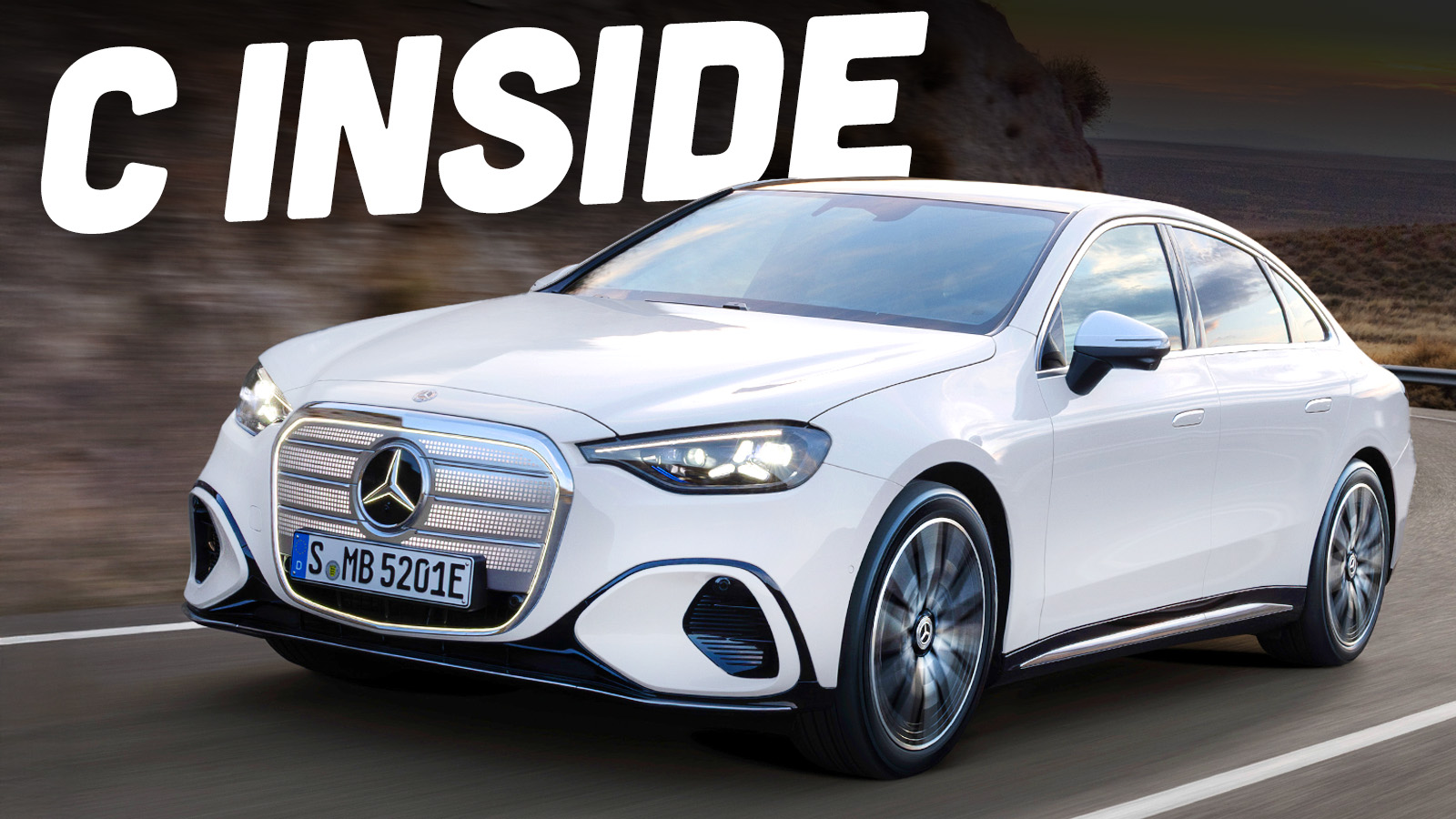
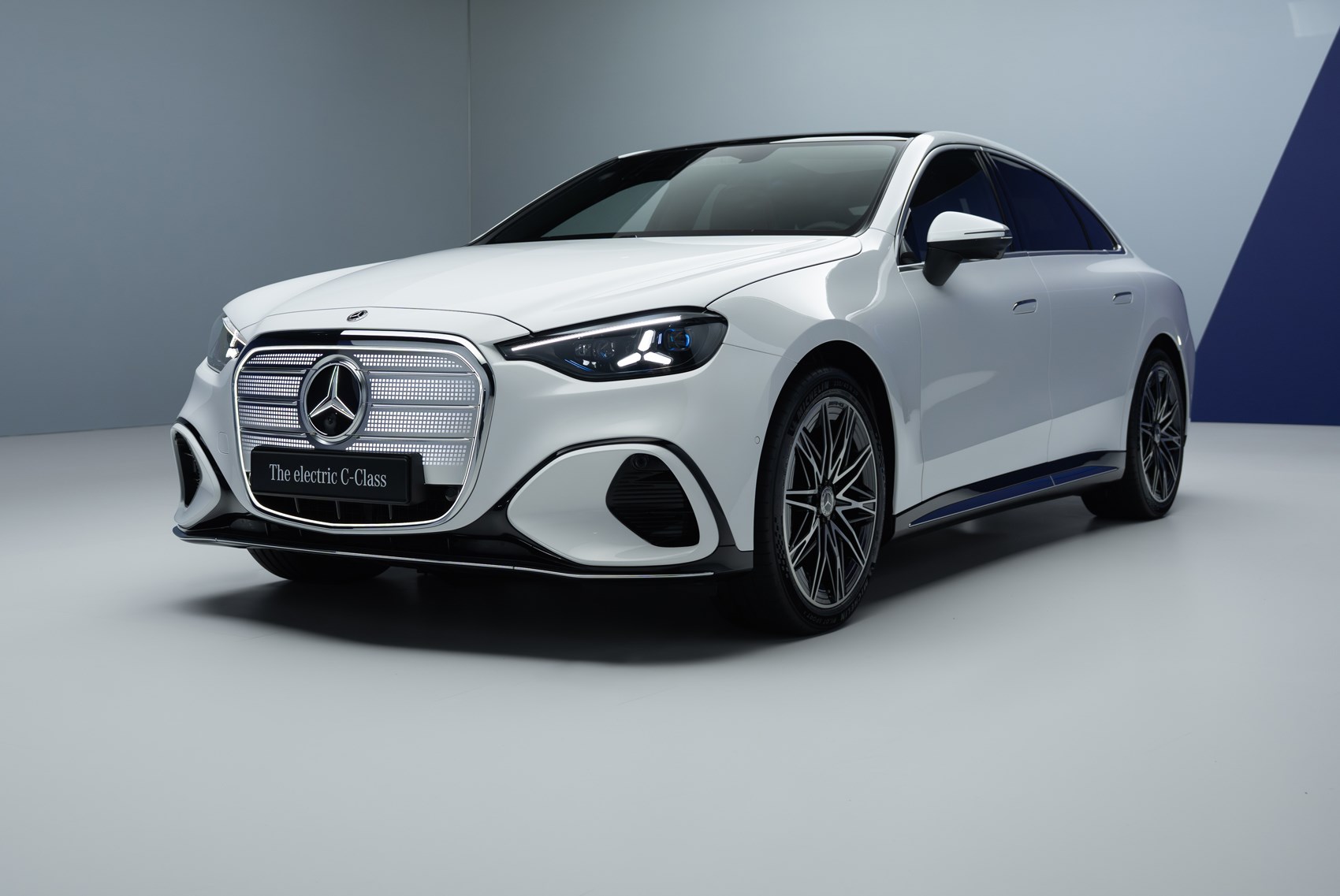
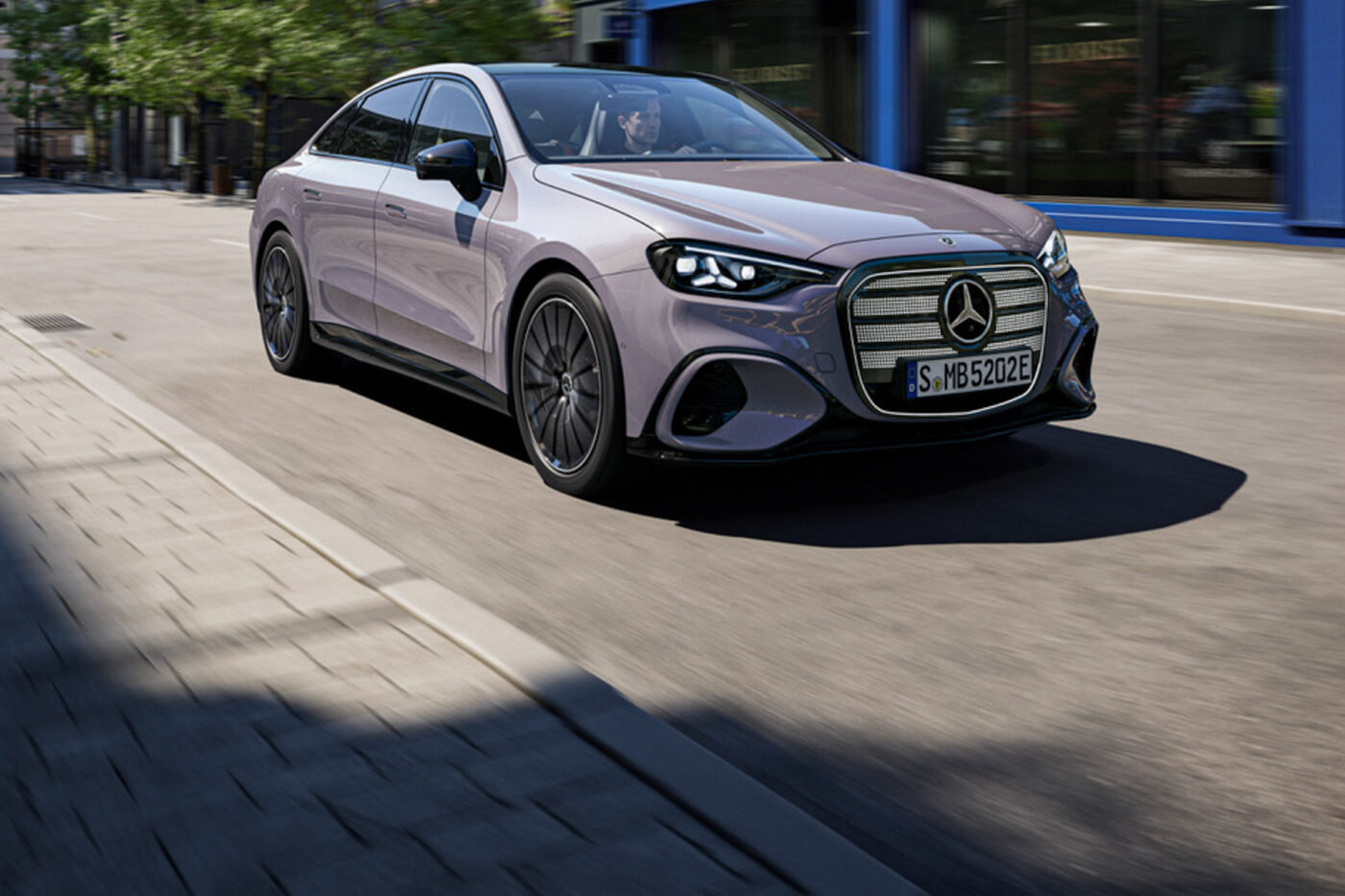
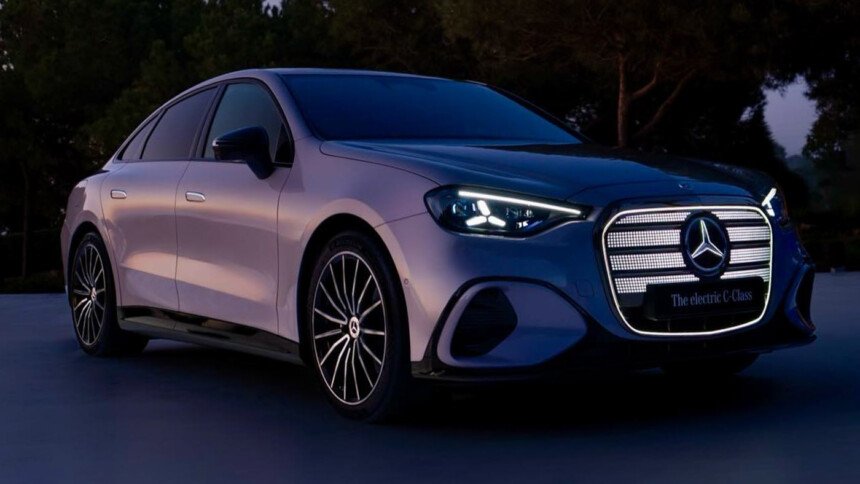
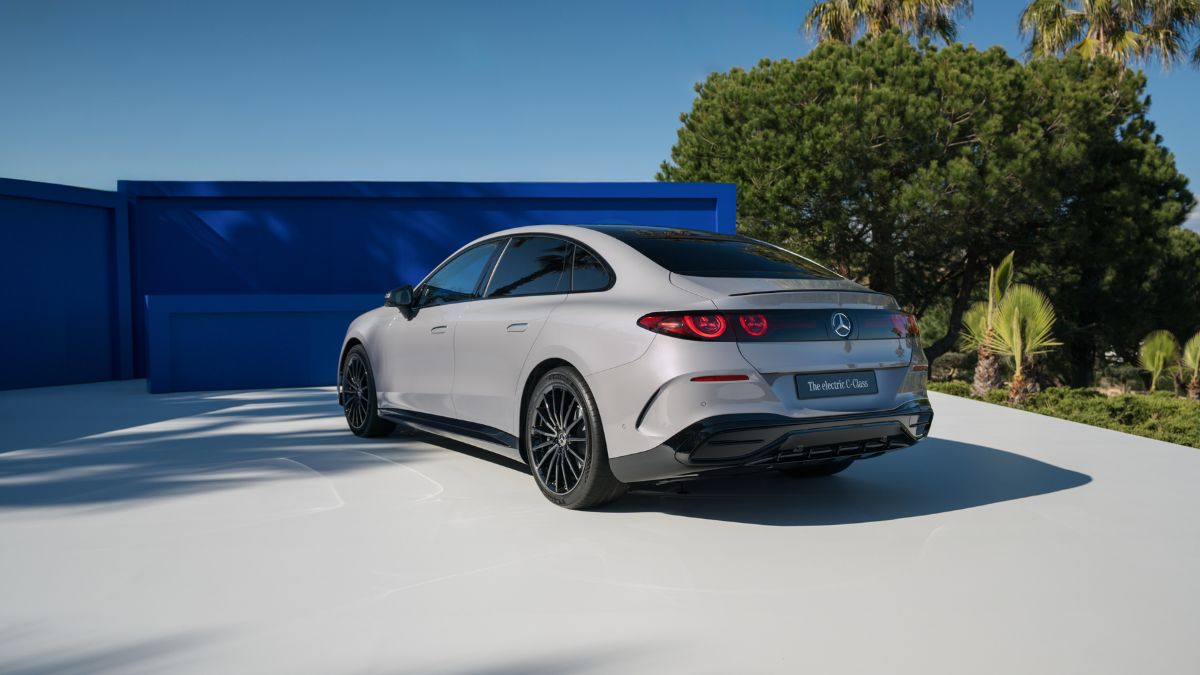
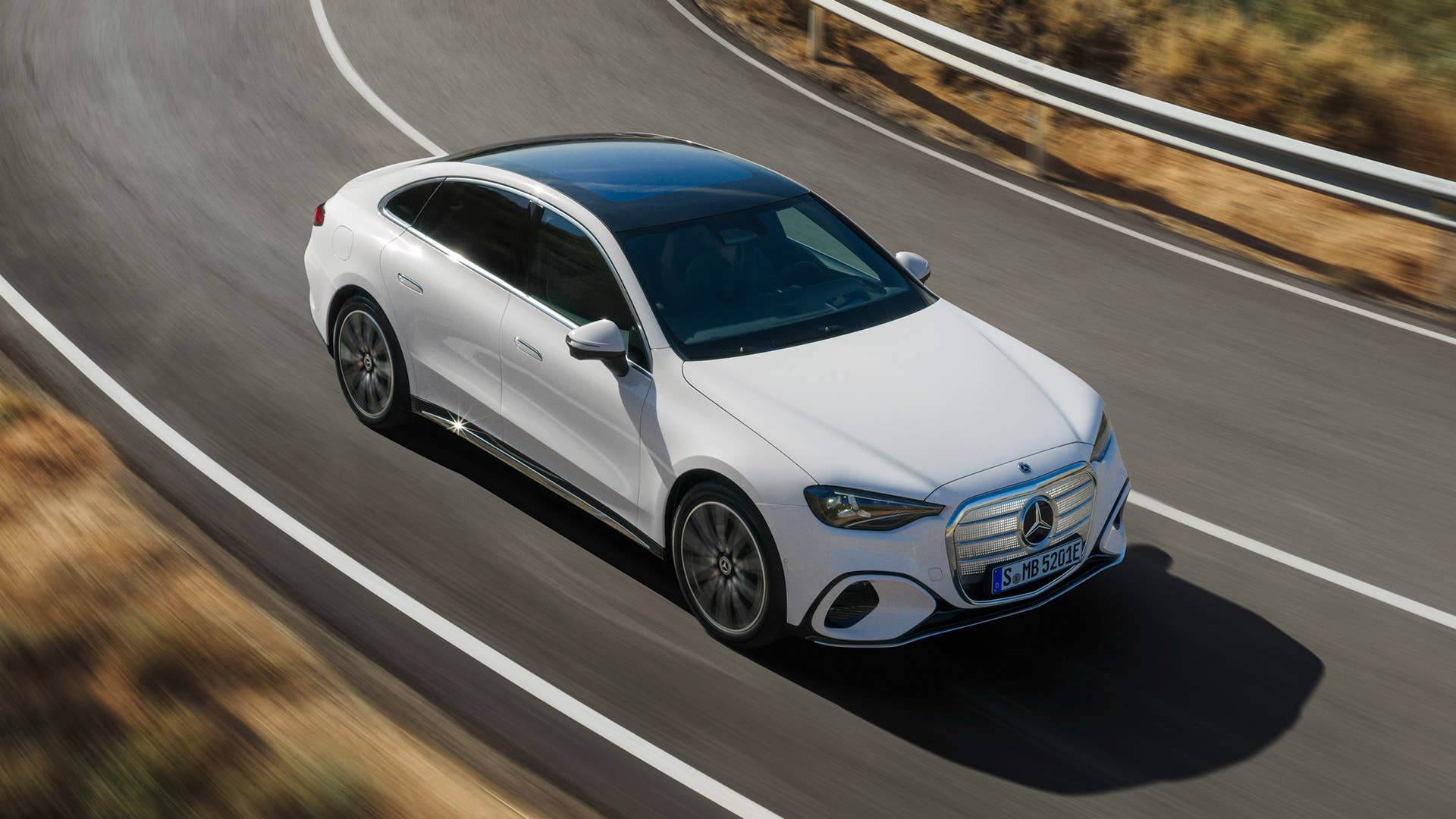
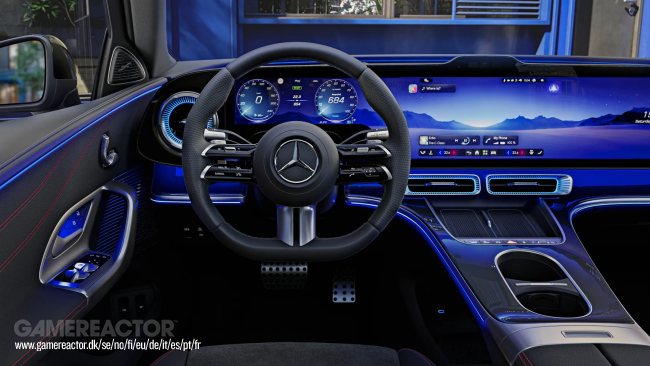
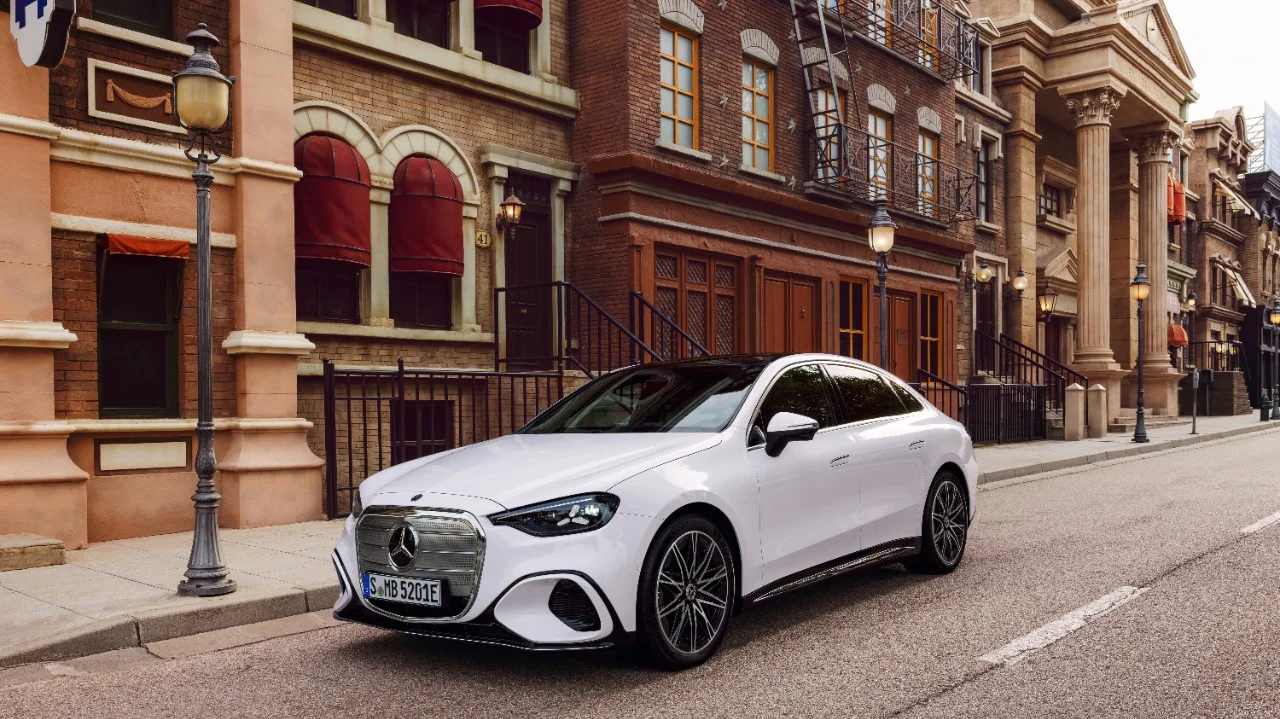
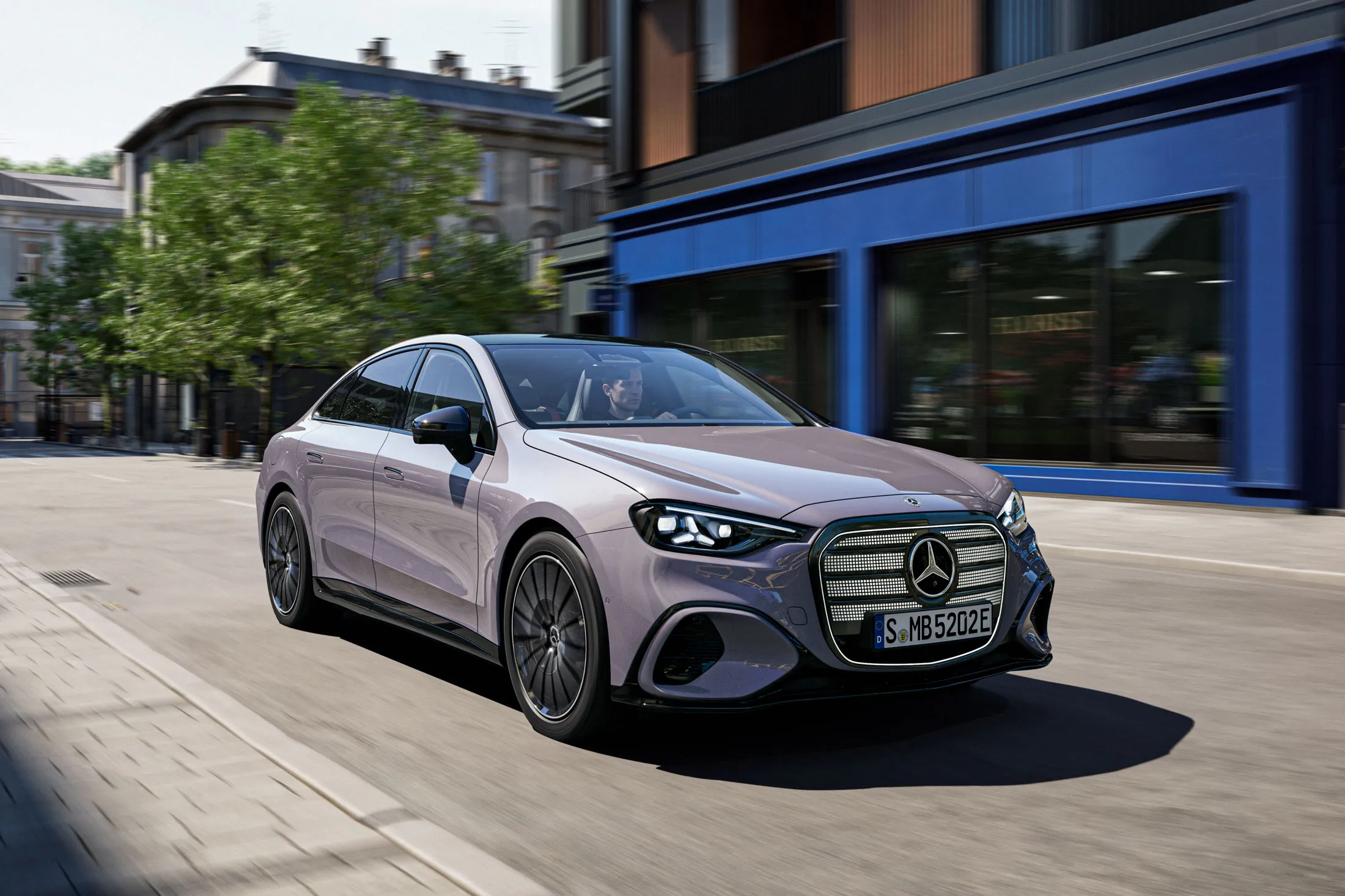
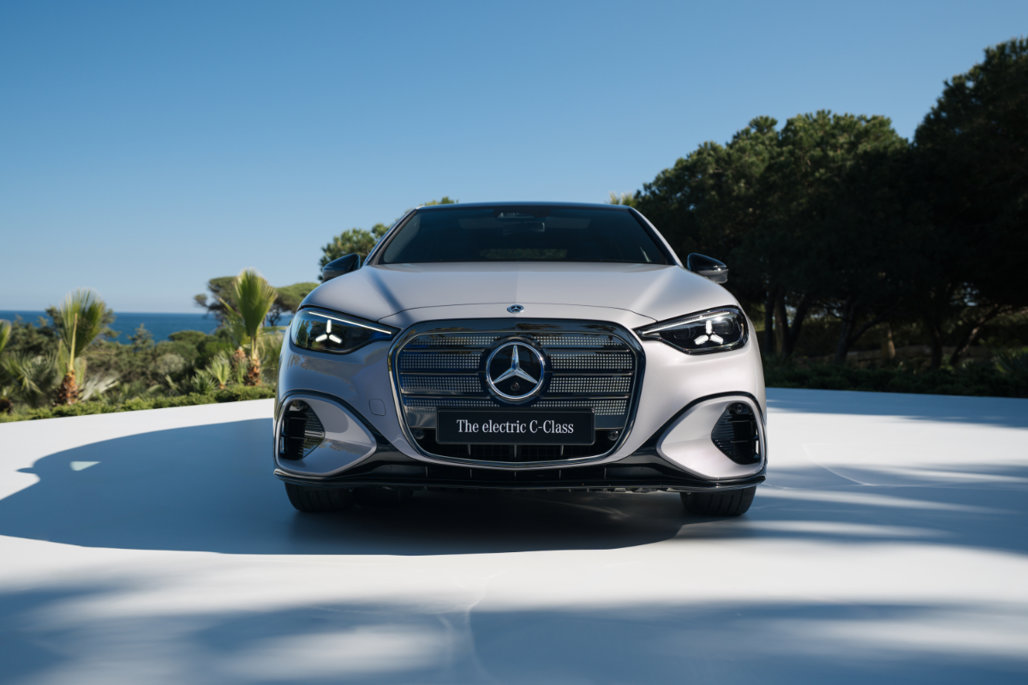
The 2027 luxury electric vehicle market is experiencing a pivotal transformation as Mercedes-Benz and BMW launch competing flagship electric sedans, creating substantial indirect e-commerce opportunities for cross-border sellers. Mercedes' C-Class Electric arrives at U.S. dealerships in H1 2027 with dual motors producing 482 horsepower, 473 miles of WLTP range (approximately 400 EPA miles), and a 39.1-inch optional MBUX Hyperscreen spanning the dashboard. Simultaneously, BMW's i3 sedan delivers 440 EPA-standard miles with 400 kW DC charging capability, enabling 250 miles of range in 10 minutes versus Mercedes' 200 miles. This competitive launch signals a $50B+ global luxury EV accessories market opportunity, with sellers positioned to capitalize on emerging consumer demand across multiple product categories.
The immediate seller opportunity spans three primary categories: (1) EV Charging Infrastructure & Accessories — Both vehicles support DC fast charging (Mercedes at 330 kW, BMW at 400 kW), creating demand for home charging solutions, portable chargers, charging cable organizers, and wall-mounted storage systems. Cross-border sellers can target affluent EV owners in North America and Europe with premium charging accessories, with estimated category growth of 35-45% annually through 2027. (2) Interior Technology & Display Accessories — Mercedes' 39.1-inch Hyperscreen and BMW's hexagonal touchscreen with full-width driver display drive demand for screen protectors, dashboard organizers, wireless charging pads, and premium interior trim accessories. The screen-dominated interior design noted by industry analysts as potentially alienating traditional buyers creates a secondary market for minimalist interior solutions and protective accessories. (3) Vegan & Sustainable Interior Materials — Mercedes' vegan-certified interior options and BMW's Veganza imitation leather signal growing consumer preference for sustainable luxury materials. Sellers can source and distribute eco-friendly seat covers, steering wheel wraps, floor mats, and interior detailing products targeting environmentally conscious luxury vehicle owners.
Market dynamics reveal strategic differentiation opportunities for sellers: Mercedes emphasizes luxury and refinement with features like predictive air suspension using Google Maps data, noise-insulating laminated glass, and enhanced cabin sound insulation—creating demand for premium audio accessories, window treatments, and suspension-related products. BMW prioritizes sportiness and driver engagement with its minimalist design philosophy, driving demand for performance-oriented accessories, racing-inspired interior trim, and driver-focused technology solutions. The 3.8-inch wheelbase extension in Mercedes' dedicated EV platform improves interior space, signaling demand for custom storage solutions, organizational systems, and space-maximizing accessories. Both vehicles feature front trunks (frunts) for charging cable storage, creating a niche market for specialized cable organizers, weatherproof storage solutions, and charging equipment management systems. Industry analysts note that Mercedes' 0.22 drag coefficient and superior range performance despite smaller battery capacity may drive demand for aerodynamic accessories and efficiency-focused products among performance-conscious buyers.
Seller positioning strategy should emphasize regional and demographic targeting: Luxury EV owners in North America and Europe represent high-income demographics (typically $150K+ annual income) with strong purchasing power for premium accessories. The H1 2027 launch window creates a 12-18 month pre-launch and launch-phase opportunity for sellers to establish brand presence, build inventory, and capture early adopter demand. Cross-border sellers should prioritize sourcing from established automotive accessory manufacturers in Germany, Japan, and South Korea, where luxury vehicle supply chains concentrate. The competitive positioning between Mercedes (luxury/refinement) and BMW (sportiness/engagement) creates distinct buyer personas requiring tailored product assortments and marketing messaging. Sellers can differentiate through exclusive partnerships with emerging EV accessory brands, custom product development targeting specific vehicle features (39.1-inch Hyperscreen compatibility, 400 kW charging optimization), and premium positioning aligned with luxury vehicle ownership expectations.
Questions 7
What interior design differences between Mercedes and BMW create distinct seller opportunities?
Mercedes emphasizes luxury with a 39.1-inch optional MBUX Hyperscreen spanning the dashboard, predictive air suspension using Google Maps data, noise-insulating laminated glass, and enhanced cabin sound insulation. This creates demand for premium audio accessories, window treatments, screen protectors, and suspension-related products. BMW prioritizes sportiness with a minimalist hexagonal touchscreen and full-width driver display, driving demand for performance-oriented accessories, racing-inspired interior trim, and driver-focused technology solutions. Industry analysts note Mercedes' screen-dominated interior may alienate traditional buyers, creating a secondary market for minimalist interior solutions and protective accessories. The 3.8-inch wheelbase extension in Mercedes' platform improves interior space, signaling demand for custom storage solutions and space-maximizing accessories.
How do the charging specifications of Mercedes C-Class Electric and BMW i3 impact accessory demand?
Mercedes' 330 kW DC charging (202 miles in 10 minutes) and BMW's 400 kW charging (250 miles in 10 minutes) drive differentiated accessory demand. BMW's faster charging capability creates demand for premium charging cable management, high-capacity portable chargers, and rapid-charge optimization accessories. Mercedes' 473 WLTP range (approximately 400 EPA miles) and dual motor configuration drive demand for long-distance travel accessories, charging station locators, and range-extension products. Both vehicles' front trunk (frunk) design for charging cable storage creates a niche market for specialized cable organizers, weatherproof storage solutions, and charging equipment management systems. Sellers should source charging-related accessories from established automotive suppliers in Germany and Japan.