



Japan Military Safety Crisis Drives Demand for Industrial Safety Equipment & Training Services
- GSDF tank accident on April 21, 2026 kills 3 soldiers, triggers nationwide equipment suspension and safety protocol overhaul affecting defense supply chain and B2B safety product sellers









Overview
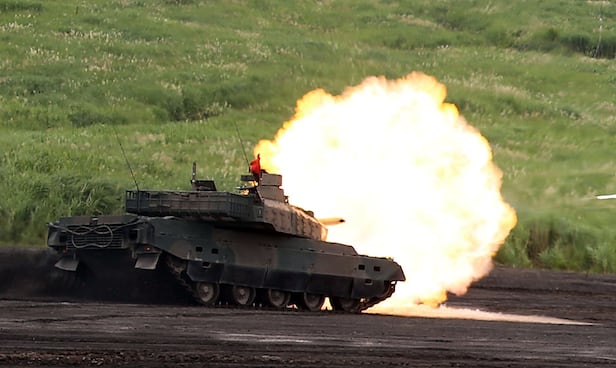
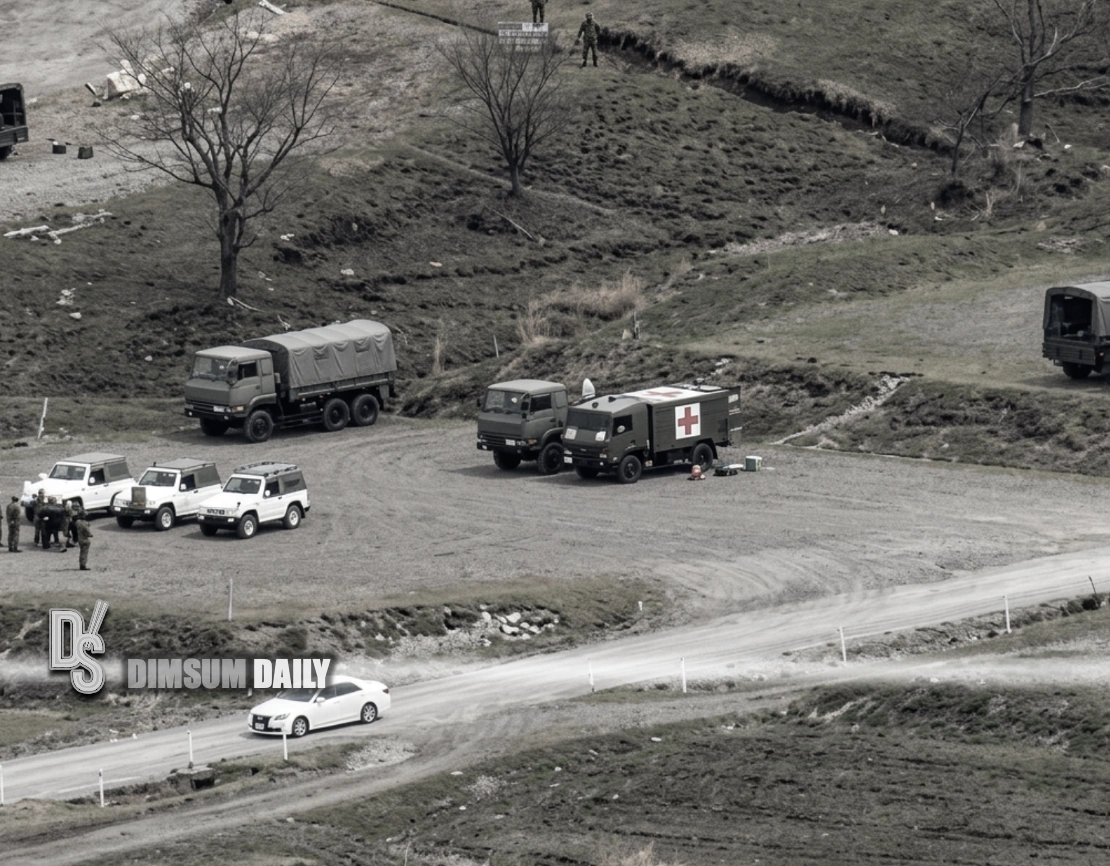
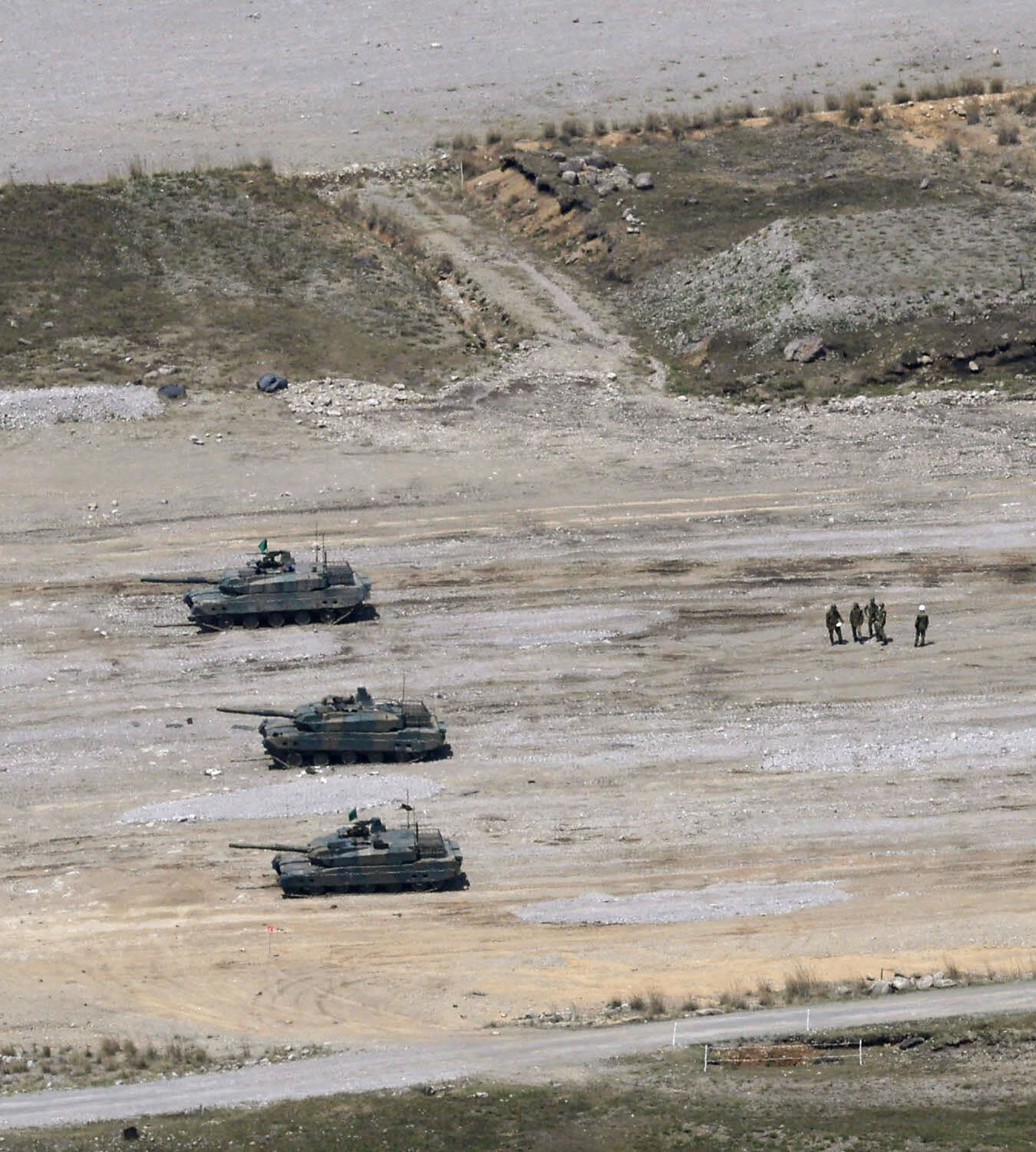
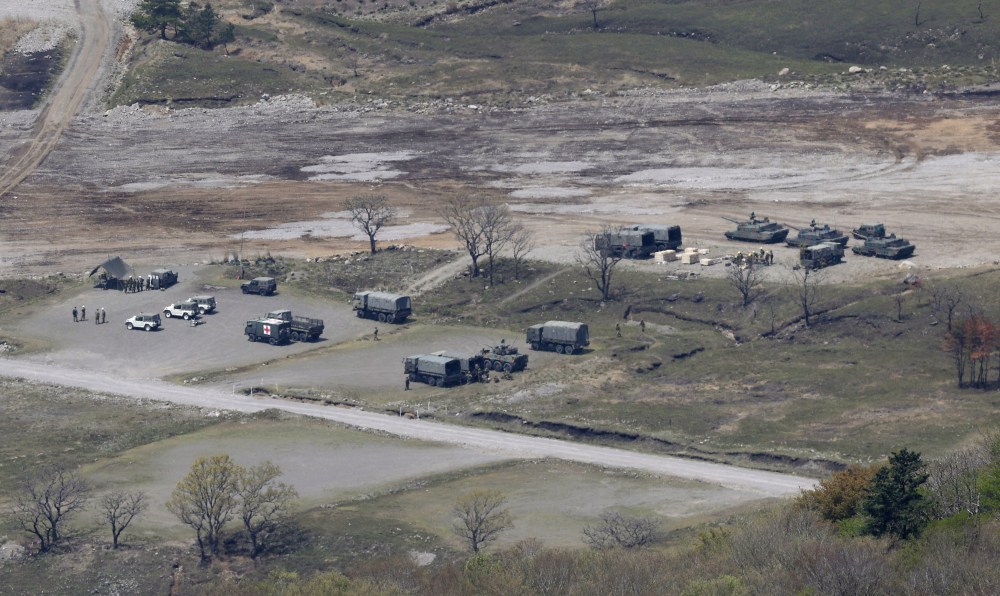
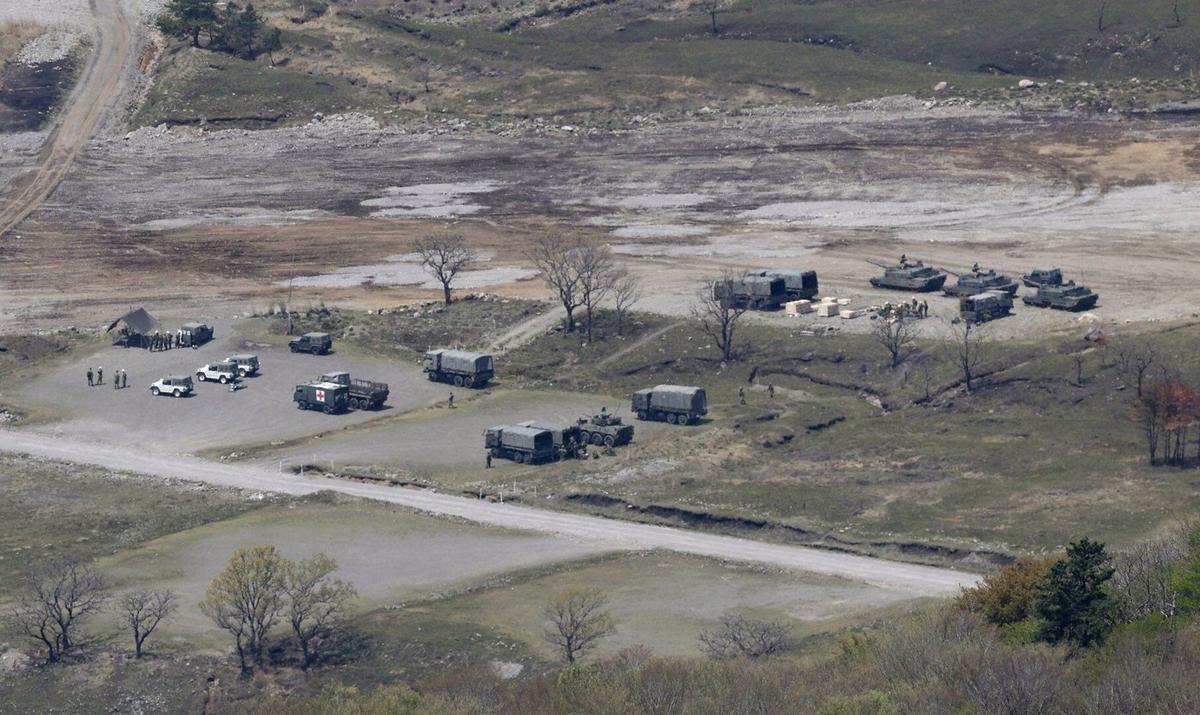
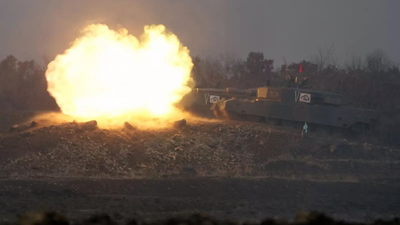
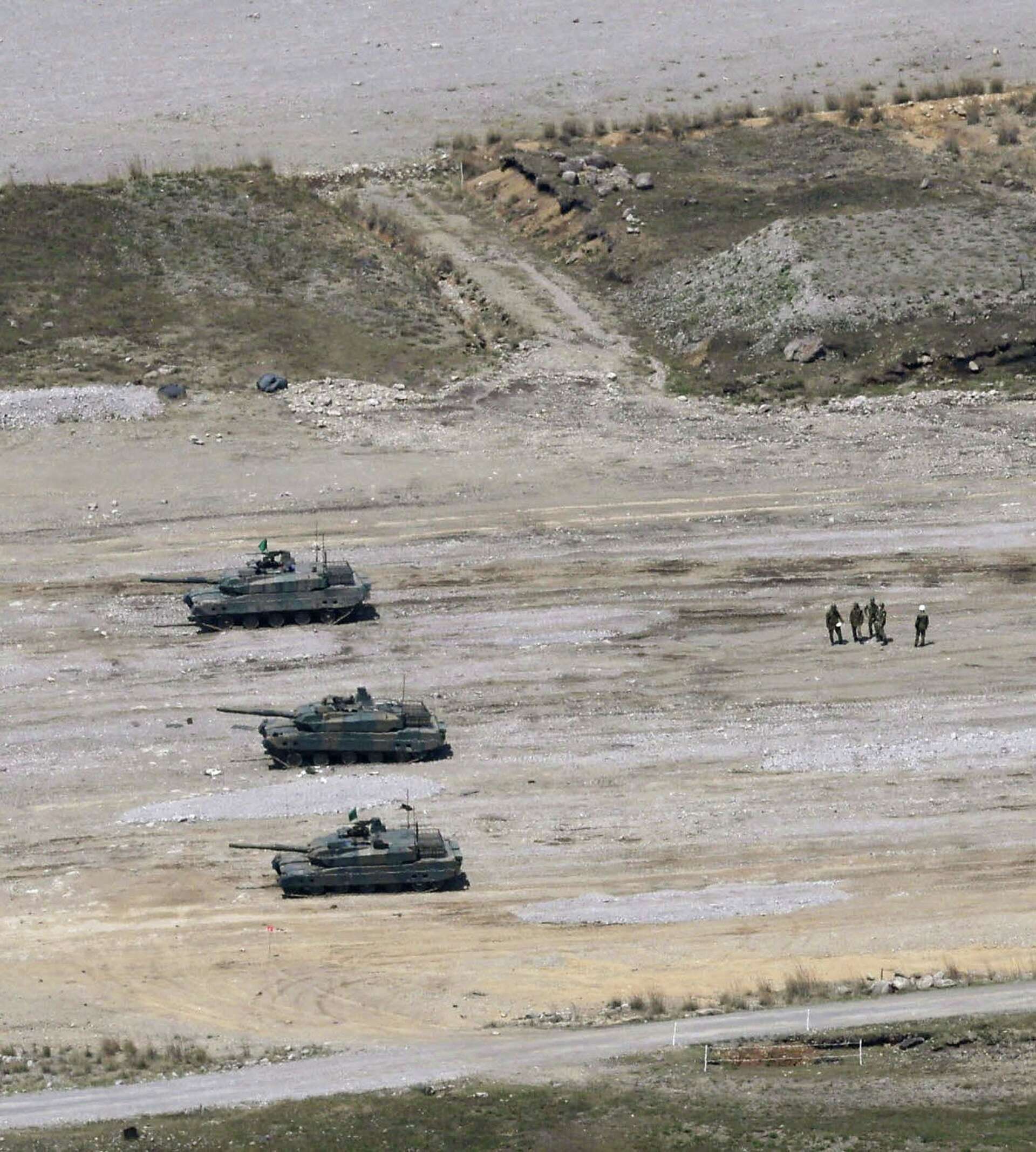
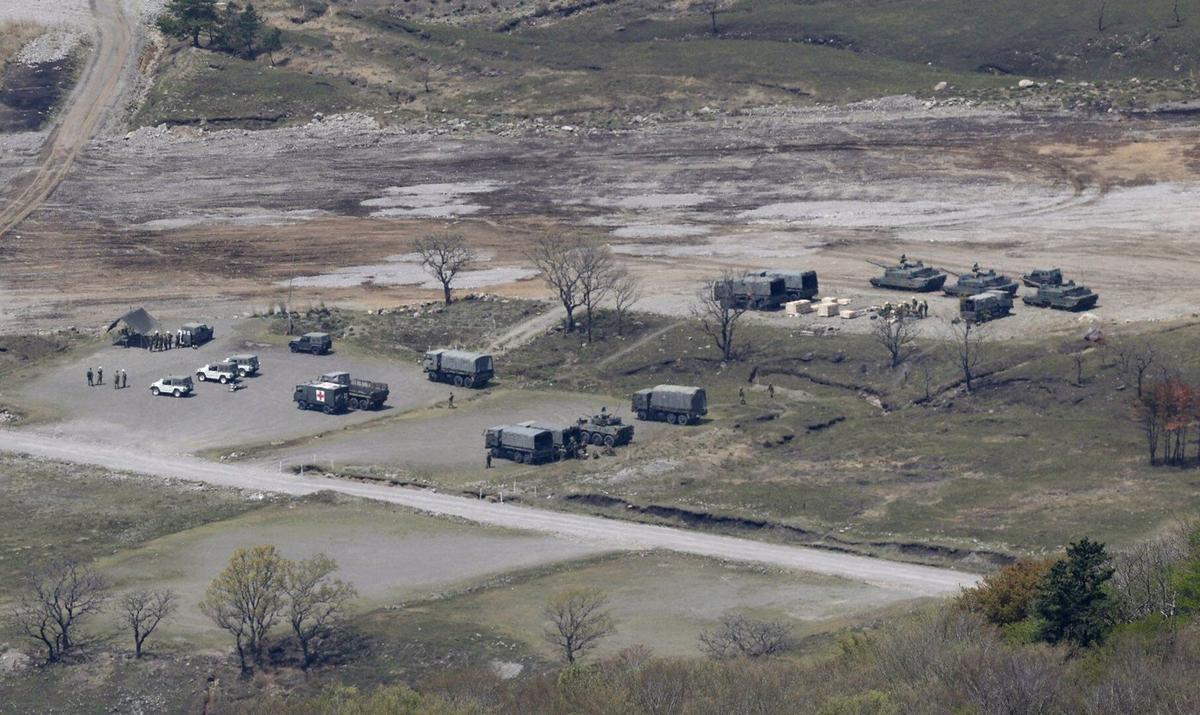
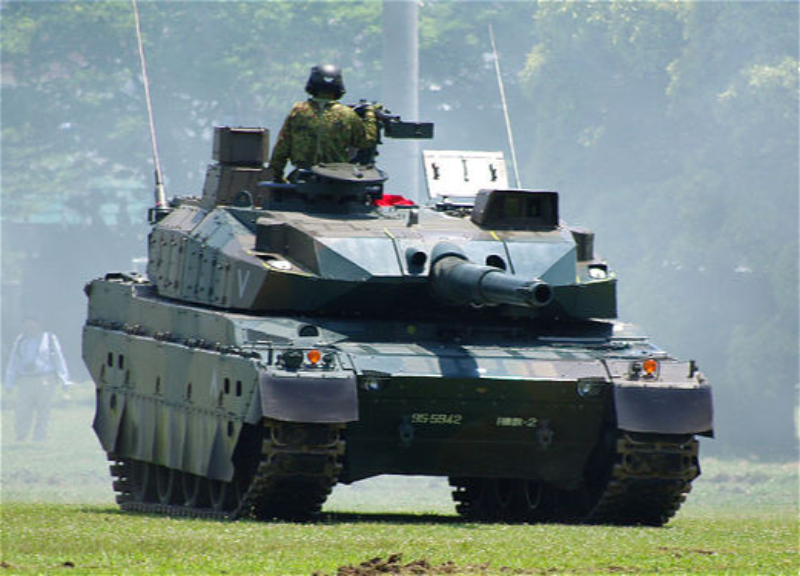
The April 21, 2026 GSDF tank explosion at Hijudai training facility in Oita Prefecture—which killed three soldiers (Sergeant First Class Kentaro Hamabe, 45; Sergeant Shingo Takayama, 31; Sergeant Kozo Kanai, 30) and injured a female safety officer—represents a critical inflection point for Japan's defense modernization and industrial safety markets. This incident, the first major GSDF accident since May 2025, immediately triggered suspension of all Type 10 and Type 90 tank firing drills and dummy round exercises, signaling urgent demand for enhanced safety protocols, inspection equipment, and training materials across Japan's defense sector.
Market Opportunity for B2B Safety Sellers: The GSDF's investigation committee (established at Western Army Headquarters in Kumamoto) will likely mandate enhanced inspection protocols, maintenance documentation systems, and safety certification programs—creating immediate procurement opportunities for sellers offering industrial safety equipment, digital inspection platforms, and compliance training solutions. Defense Minister Shinjiro Koizumi's commitment to "thorough safety measures" and the investigation's focus on "equipment maintenance records, ammunition storage conditions, and operational procedures" signals 12-18 month procurement cycle for safety upgrades across Japan's military infrastructure. Sellers specializing in predictive maintenance software, equipment inspection tools, and safety training content can target Japanese defense contractors and military procurement agencies through B2B platforms and government tender systems.
Consumer & Institutional Demand Signals: The incident's high-profile coverage (Prime Minister Sanae Takaichi's public statement via social media platform X) elevates public awareness of workplace safety, potentially driving demand for consumer safety products (protective equipment, first-aid kits, emergency response tools) and institutional safety training programs. Historical patterns show military accidents typically increase government spending on safety equipment by 15-25% in affected regions within 6-12 months. The Oita Prefecture location and involvement of multiple military branches (GSDF, ASDF, MSDF incidents cited) suggest regional procurement expansion beyond Kumamoto headquarters. Sellers can capitalize on this safety-conscious moment by positioning products in industrial safety, occupational health, and emergency response categories on Japanese e-commerce platforms and B2B marketplaces.
Supply Chain & Regulatory Implications: The suspension of Type 10/Type 90 tank operations during investigation creates temporary demand for alternative training equipment, simulation software, and safety certification programs. Japan's ongoing defense modernization and "easing arms export restrictions" (mentioned in News 3) may accelerate procurement of safety-certified equipment and training materials for export-oriented defense manufacturing. Sellers with ISO 9001, ISO 45001 (occupational health/safety), or military-grade certifications can target Japanese defense suppliers and international buyers seeking safety-compliant equipment. The investigation timeline (typically 3-6 months for military accident reviews) creates a defined procurement window for safety upgrades, inspection equipment, and training materials.
Questions 7
What immediate market opportunities does the GSDF tank accident create for safety equipment sellers?
The April 21, 2026 incident directly triggers procurement demand for enhanced inspection equipment, maintenance documentation systems, and safety certification programs across Japan's defense sector. The GSDF's immediate suspension of Type 10/Type 90 tank operations and establishment of an investigation committee at Western Army Headquarters signals 12-18 month equipment upgrade cycle. Sellers offering predictive maintenance software, digital inspection platforms, and ISO 45001-certified safety training can target Japanese defense contractors and military procurement agencies. Historical military accident patterns show government safety spending increases 15-25% in affected regions within 6-12 months, creating defined procurement windows for B2B sellers.
What specific equipment categories should sellers prioritize based on the investigation's focus areas?
The investigation's stated focus on 'equipment maintenance records, ammunition storage conditions, and operational procedures' indicates priority categories: (1) Digital maintenance management systems and equipment lifecycle tracking software, (2) Environmental monitoring equipment (temperature/humidity sensors for ammunition storage), (3) Inspection and diagnostic tools for tank systems, (4) Safety training and certification programs, and (5) Compliance documentation platforms. Sellers should develop product positioning around these specific investigation focus areas. The incident's emphasis on 'safety officer' roles also creates demand for safety management training, incident response protocols, and occupational health programs. Sellers with existing products in these categories can rapidly adapt marketing to address post-incident procurement demand.