


Influencer Crisis Management | Social Media Risk & Brand Safety for E-Commerce Sellers
- High-profile influencer legal crisis reveals critical brand safety risks for sellers using social media marketing; 365K+ follower accounts face reputational damage spillover affecting affiliate partnerships and sponsored content ROI







/tpg/sources/a97884dd-5123-462e-8da6-a001a0305ee8.jpeg)














Overview
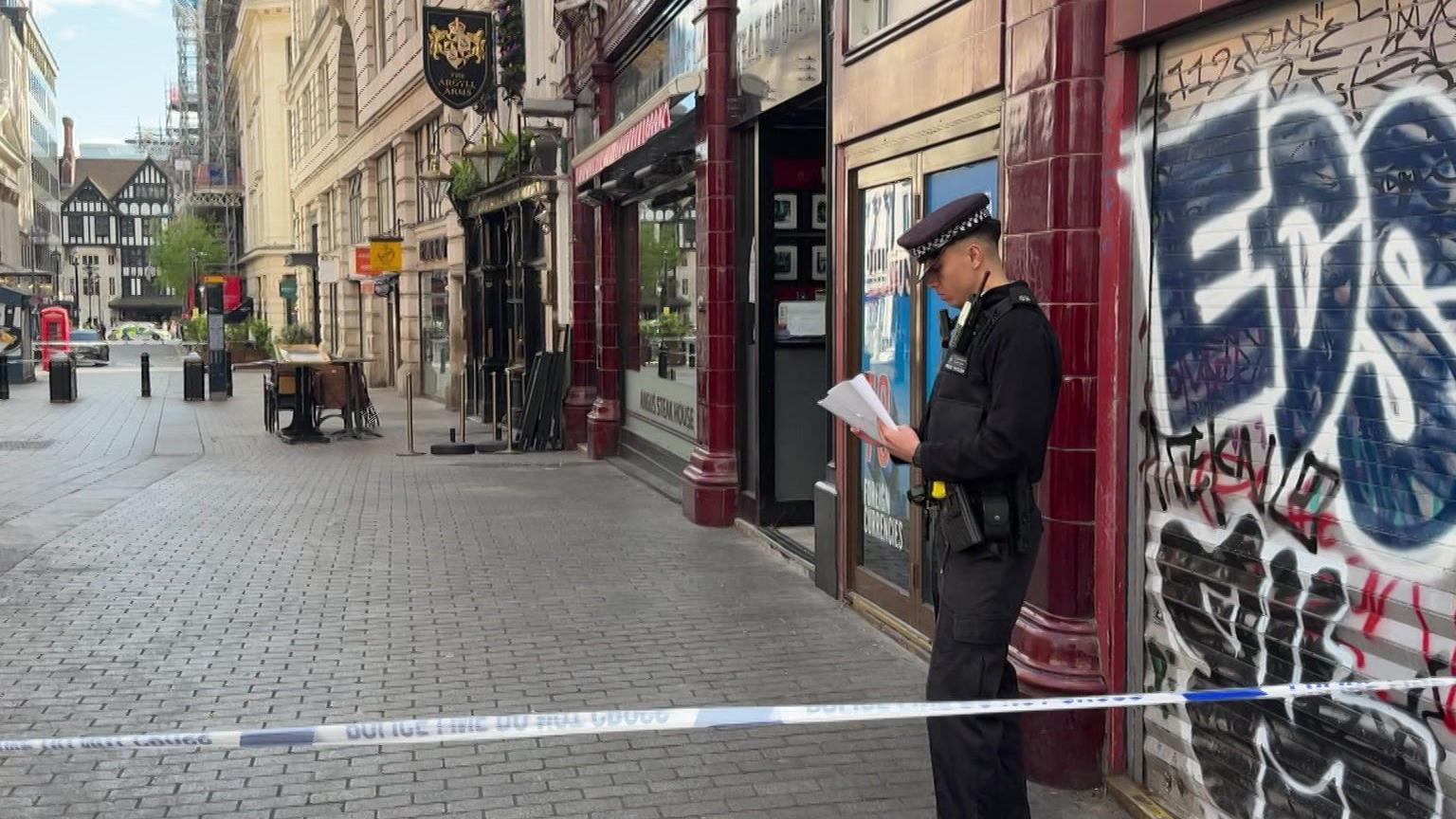
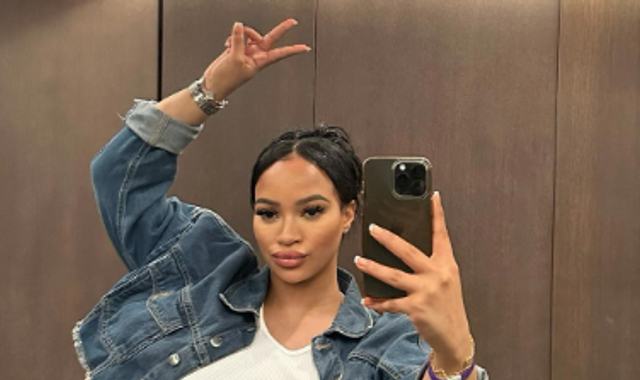
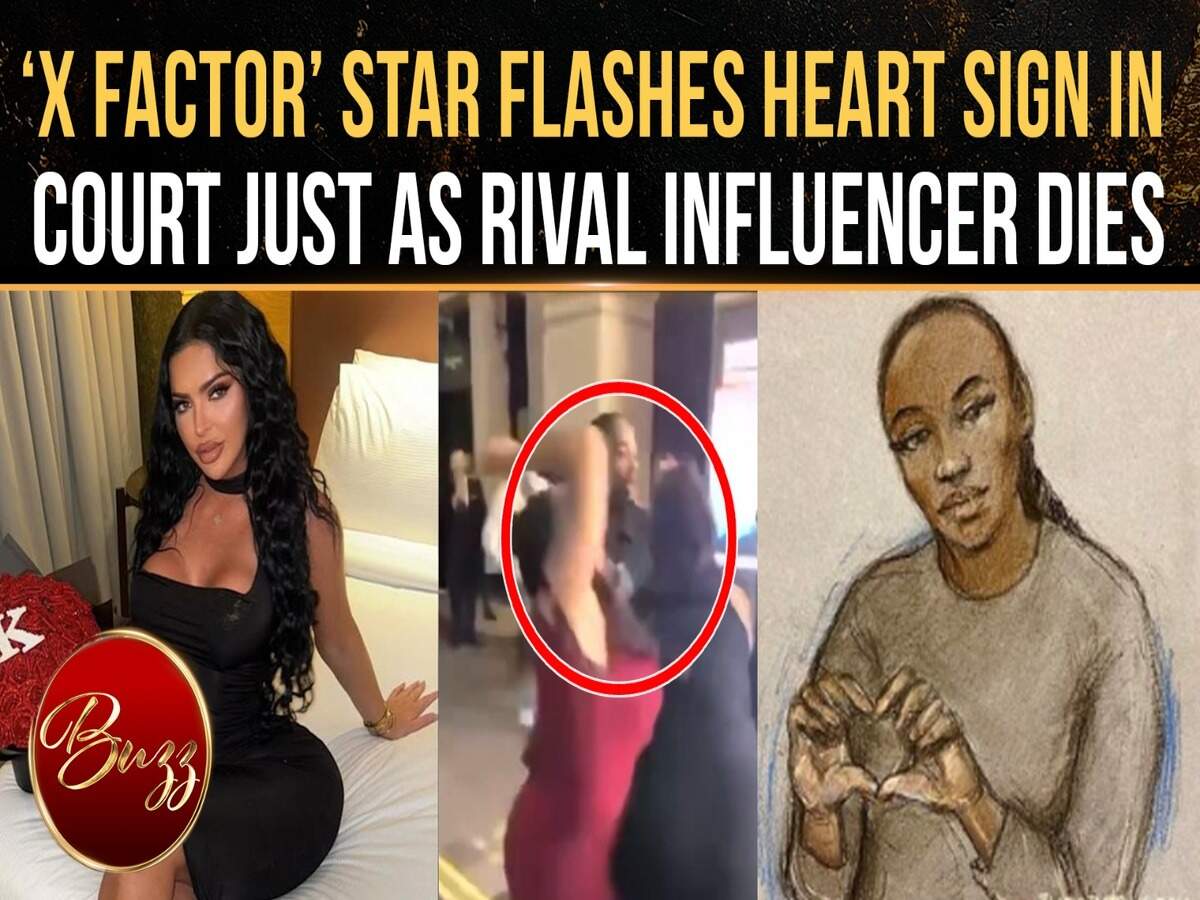
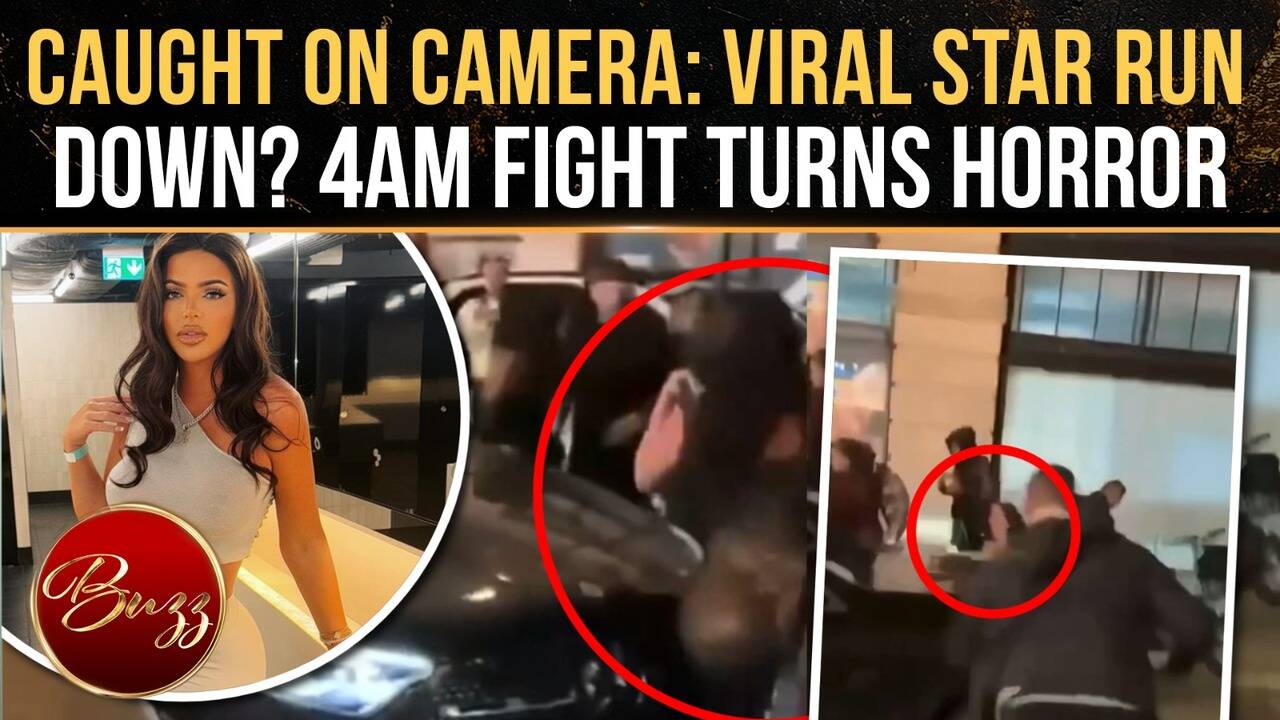
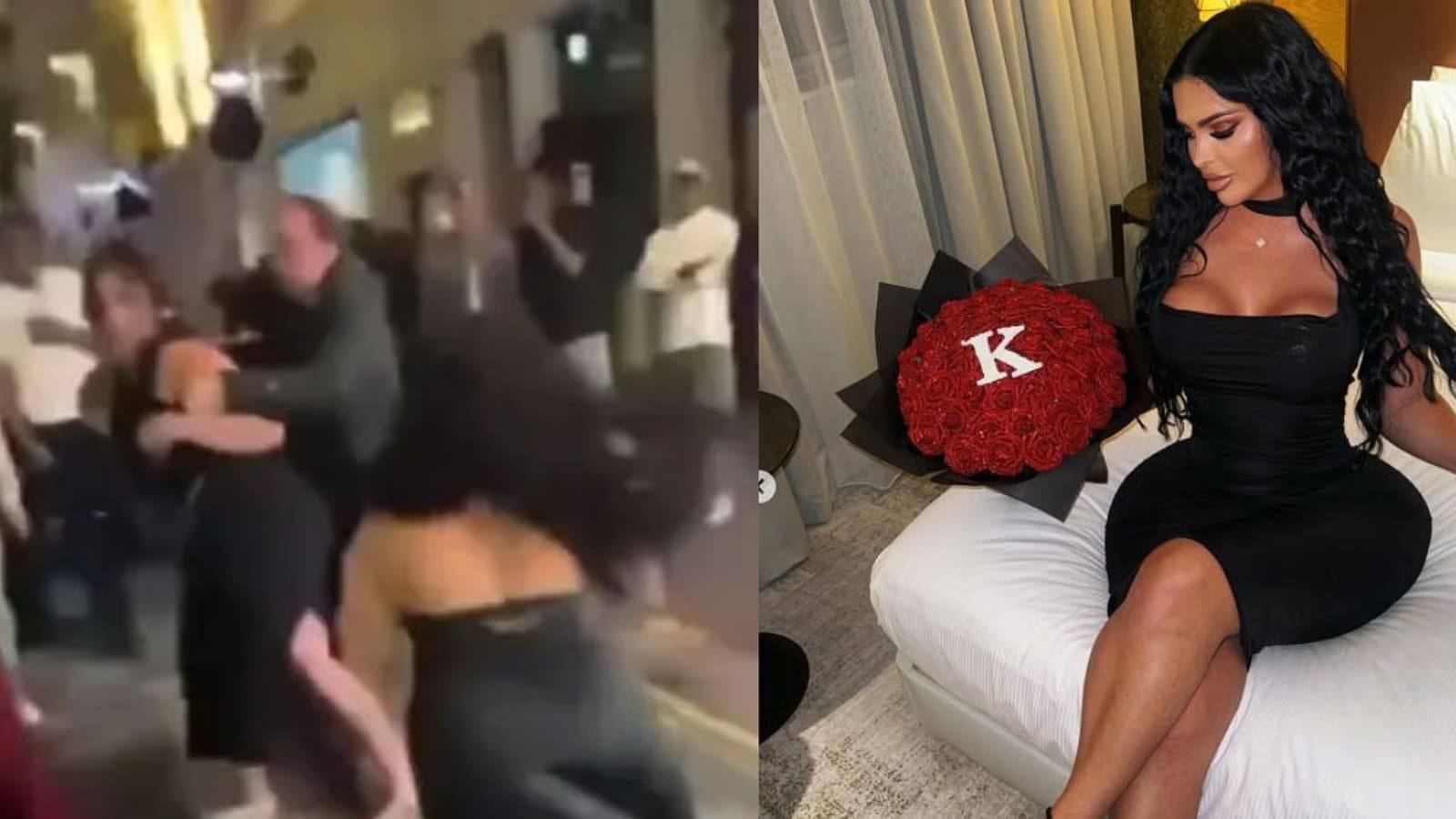
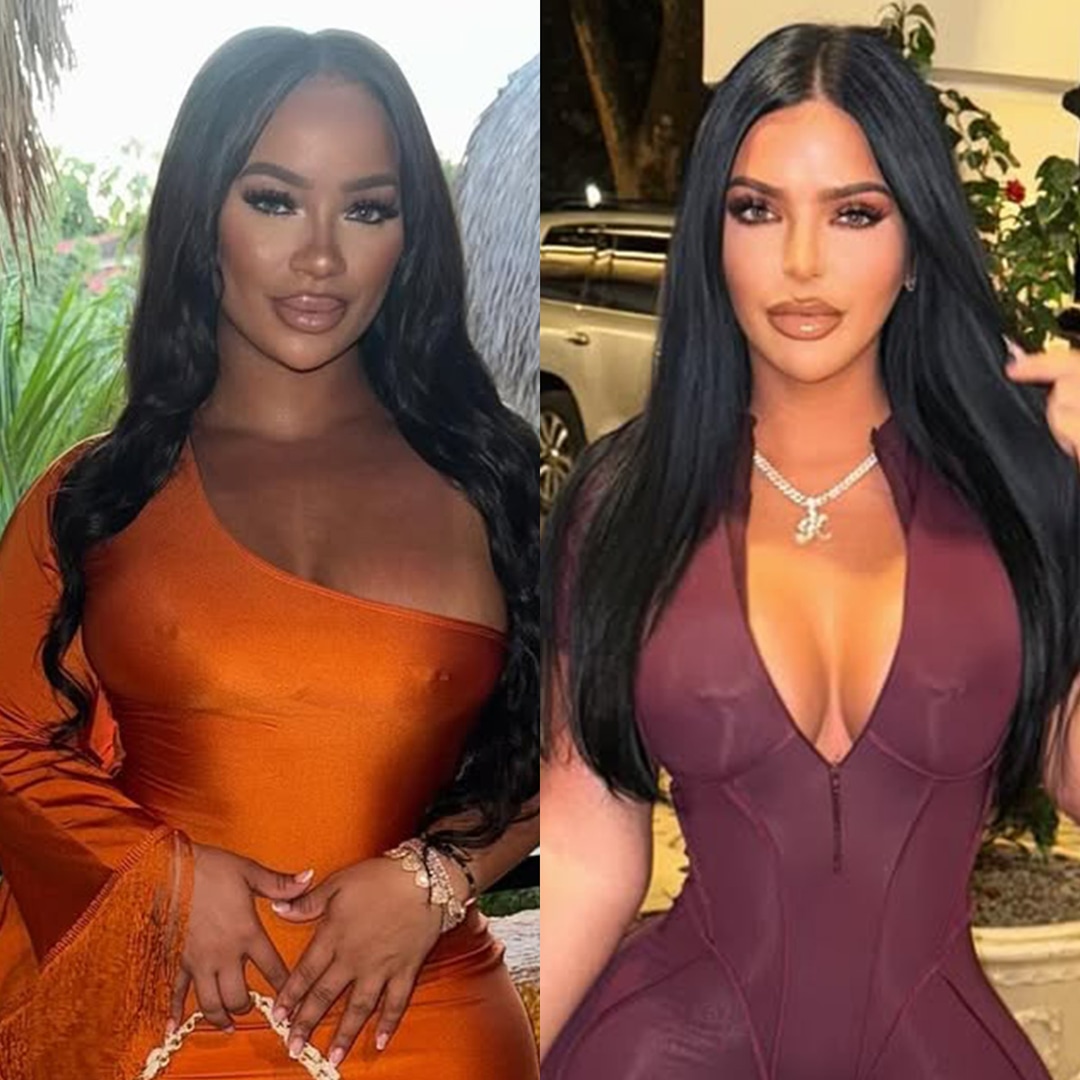
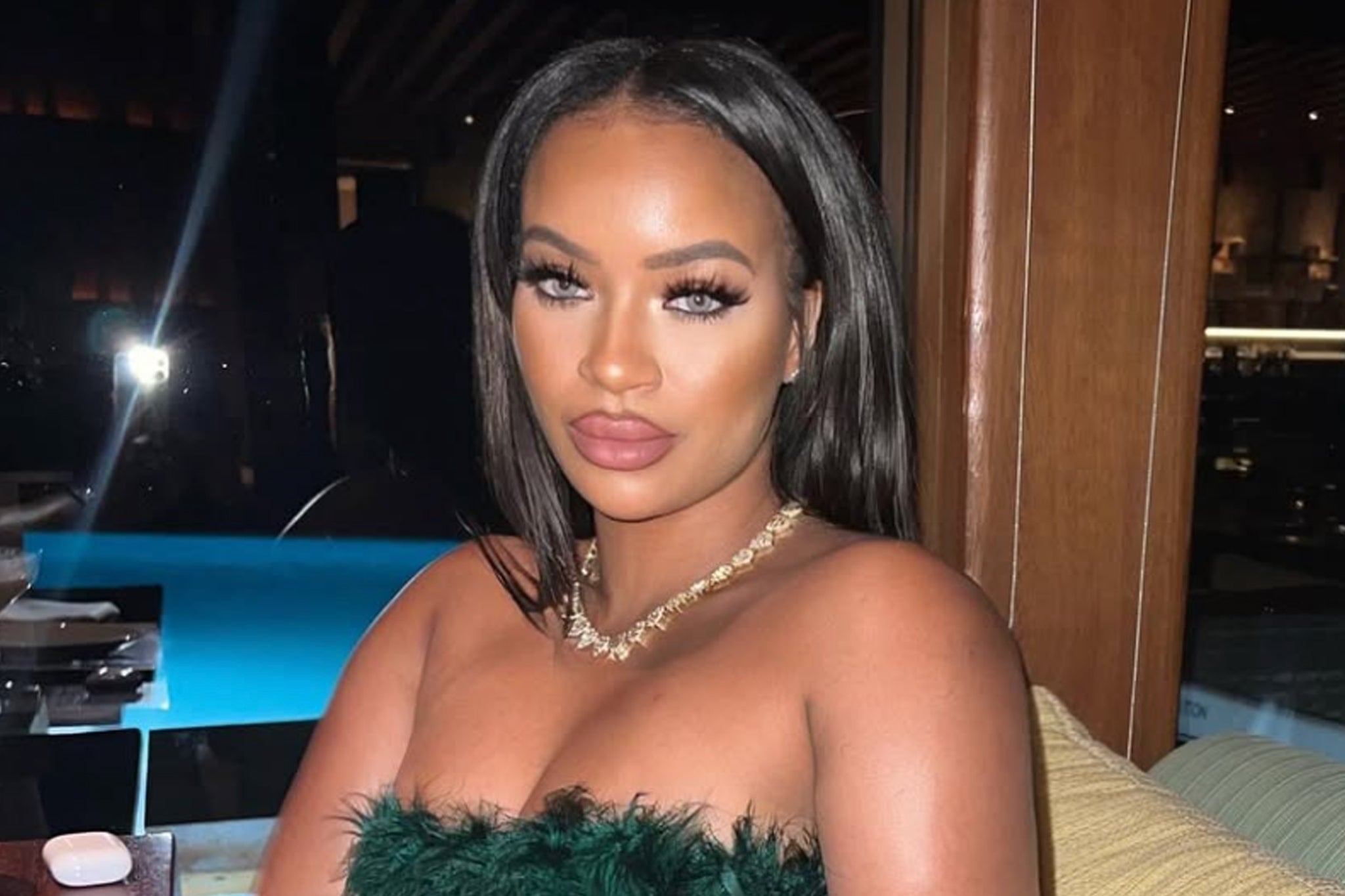
The arrest and criminal prosecution of influencer Gabrielle Carrington (RielleUK, 365,000 Instagram followers) following a serious vehicle incident in London on April 19, 2026, presents a critical case study in influencer risk management for cross-border e-commerce sellers. This incident demonstrates how rapidly high-profile social media personalities can transition from marketing assets to reputational liabilities, with direct implications for sellers relying on influencer partnerships, affiliate marketing, and user-generated content strategies.
Brand Safety and Influencer Partnership Risk: The incident highlights a fundamental challenge in modern e-commerce marketing—the concentration of brand exposure on individual personalities. Sellers using influencer marketing for product launches, seasonal campaigns, or category expansion face significant downside risk when influencers face legal troubles. Carrington's 365,000-follower account represents substantial reach for fashion, lifestyle, and beauty product categories, yet the criminal charges (attempted murder, grievous bodily harm, dangerous driving, drink-driving) create immediate brand association problems. Sellers who had active sponsored content, affiliate links, or product placements with this influencer during April 2026 experienced sudden content liability and audience trust erosion. The Crown Prosecution Service's warnings against online commentary that could prejudice proceedings also created a chilling effect on normal marketing engagement, reducing organic reach and engagement metrics for associated brands.
Market Implications for Influencer-Dependent Categories: Fashion and lifestyle sellers—the primary categories where both Carrington and victim Klaudia Zakrzewska (Klaudiaglam) operated—face particular exposure. Both influencers specialized in lifestyle and fashion content with substantial follower bases, indicating this segment relies heavily on personality-driven marketing. The incident creates a 2-3 month content vacuum during court proceedings (scheduled for May 19 and beyond), disrupting planned campaign calendars. Sellers who had Q2 2026 campaigns dependent on these influencers must rapidly pivot to alternative marketing channels. Industry data suggests influencer marketing accounts for 15-20% of digital marketing budgets in fashion/beauty categories, making this disruption material for affected sellers.
Operational and Compliance Considerations: The incident raises important questions about influencer vetting, contract terms, and liability clauses. Sellers should review existing influencer agreements for force majeure clauses, content removal rights, and brand safety provisions. The legal proceedings (appearing at Old Bailey on May 19, 2026) will likely generate ongoing negative publicity through trial coverage, extending reputational risk beyond the initial incident. Sellers maintaining affiliate relationships or sponsored content agreements should consider: (1) immediate content audit to identify associated posts, (2) contract review for termination rights, (3) alternative influencer identification for Q2-Q3 campaigns, and (4) diversification of marketing channels away from single-personality dependency.
Questions 8
What are the timeline implications for sellers when influencer legal proceedings begin?
Influencer legal proceedings create extended reputational risk windows. The Carrington case timeline shows: incident (April 19), arrest/charging (April 21), initial court appearance (April 21), and scheduled trial (May 19+). Sellers face 4-6 weeks of negative publicity during preliminary proceedings, with extended risk through trial coverage. Campaign planning implications: (1) Avoid launching new products with affected influencers during 30-day post-incident window, (2) Prepare alternative marketing for Q2 campaigns (April-June), (3) Shift budget to owned channels and paid advertising during proceedings, (4) Plan influencer replacement by week 2 of incident to minimize campaign disruption. For sellers with May-June seasonal campaigns (summer fashion, outdoor products), the timing creates material risk to Q2 revenue if influencer partnerships are disrupted.
How should sellers evaluate influencer audience authenticity to reduce legal/reputational risk?
Sellers should conduct pre-partnership influencer audits using: (1) Audience composition analysis (age, location, engagement patterns), (2) Engagement rate verification (typical 1-3% for macro-influencers, 3-5% for micro-influencers), (3) Follower growth pattern analysis (sudden spikes indicate bot activity), (4) Comment/DM sentiment analysis to identify audience quality. Tools like HubSpot, Sprout Social, and Influencer.com provide audience authenticity scoring. The Carrington case demonstrates that follower count alone (365,000) doesn't indicate brand safety—legal/personal issues can emerge regardless of audience size. Sellers should prioritize audience quality and engagement over follower count, as authentic micro-influencers (50K-100K real followers) typically deliver better ROI and lower reputational risk than macro-influencers with inflated or bot-heavy audiences. Conduct quarterly re-audits of active influencer partners to identify emerging risks.