

Federal Reserve Leadership Transition Creates Financing & Currency Risk for Cross-Border Sellers
- Warsh confirmation delayed until May 2026; interest rate uncertainty threatens working capital costs and FX volatility for international e-commerce operations

















Overview
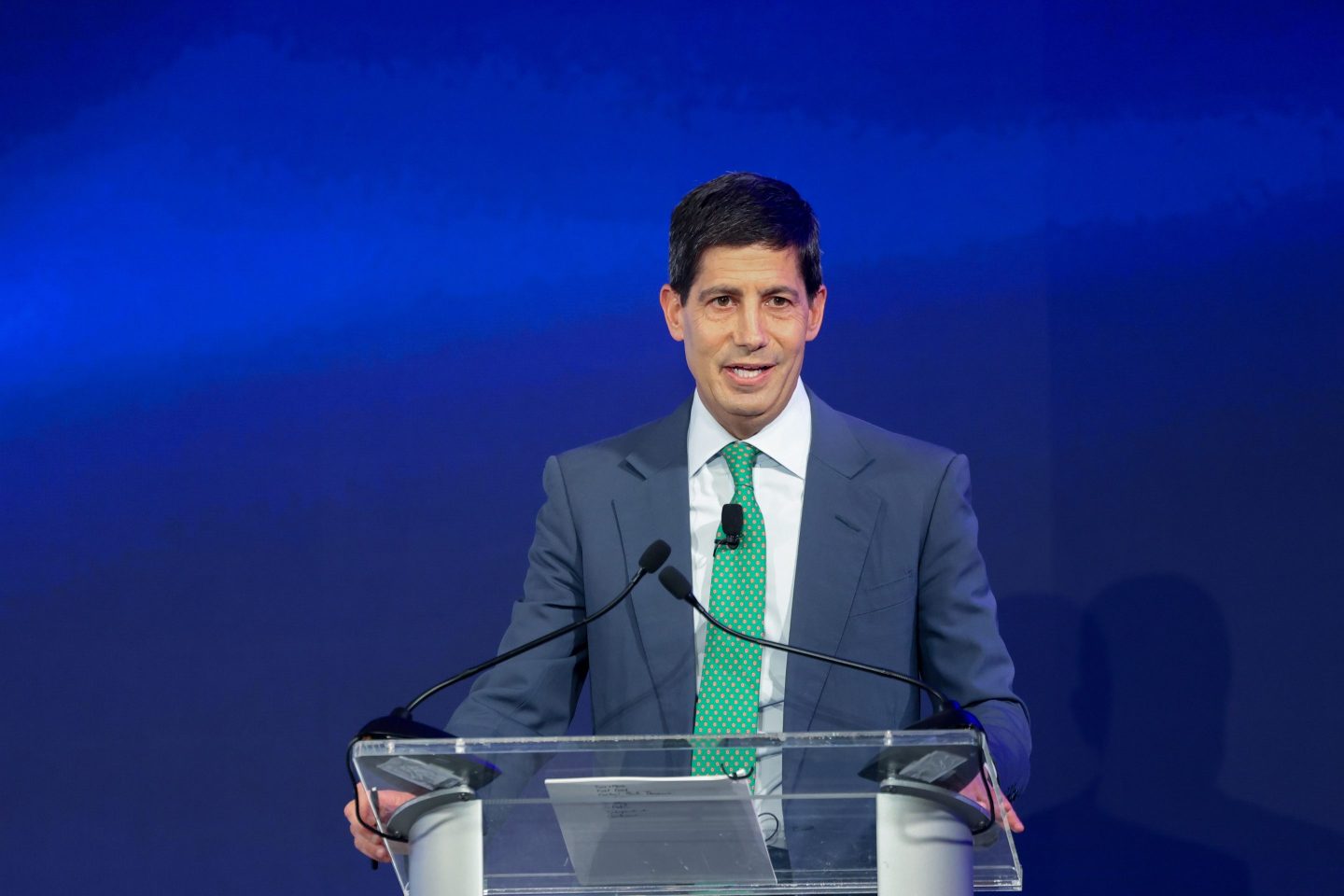
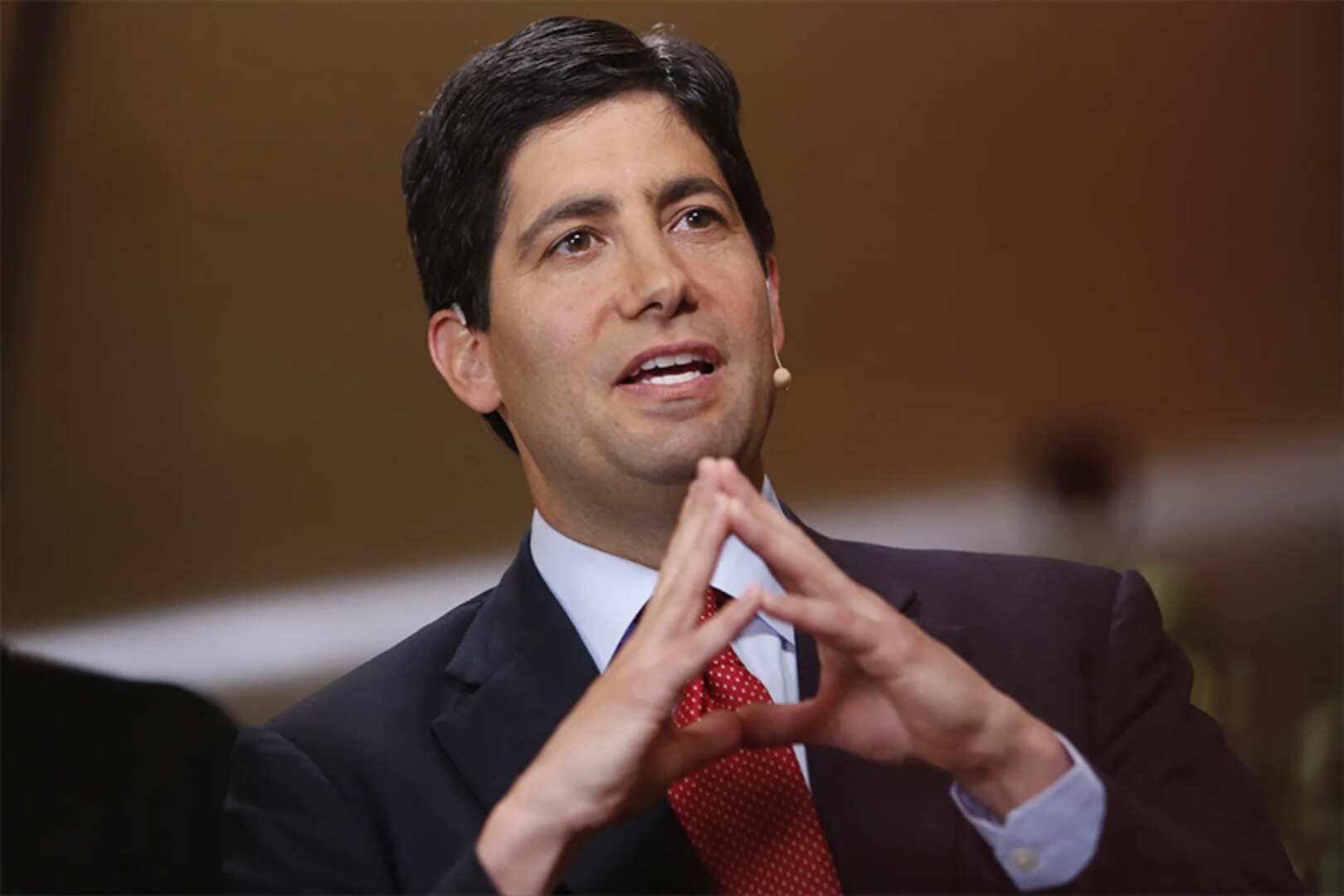
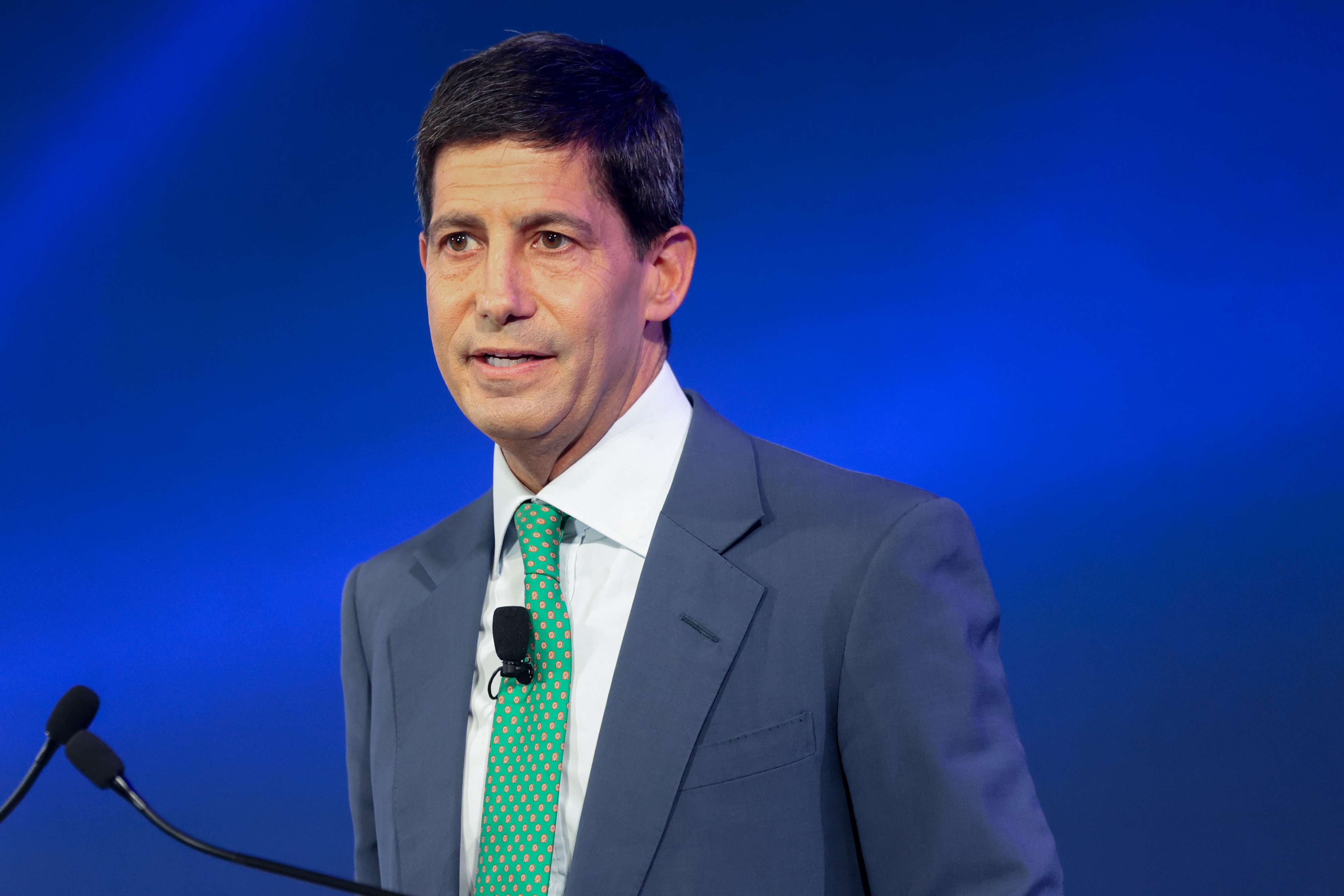
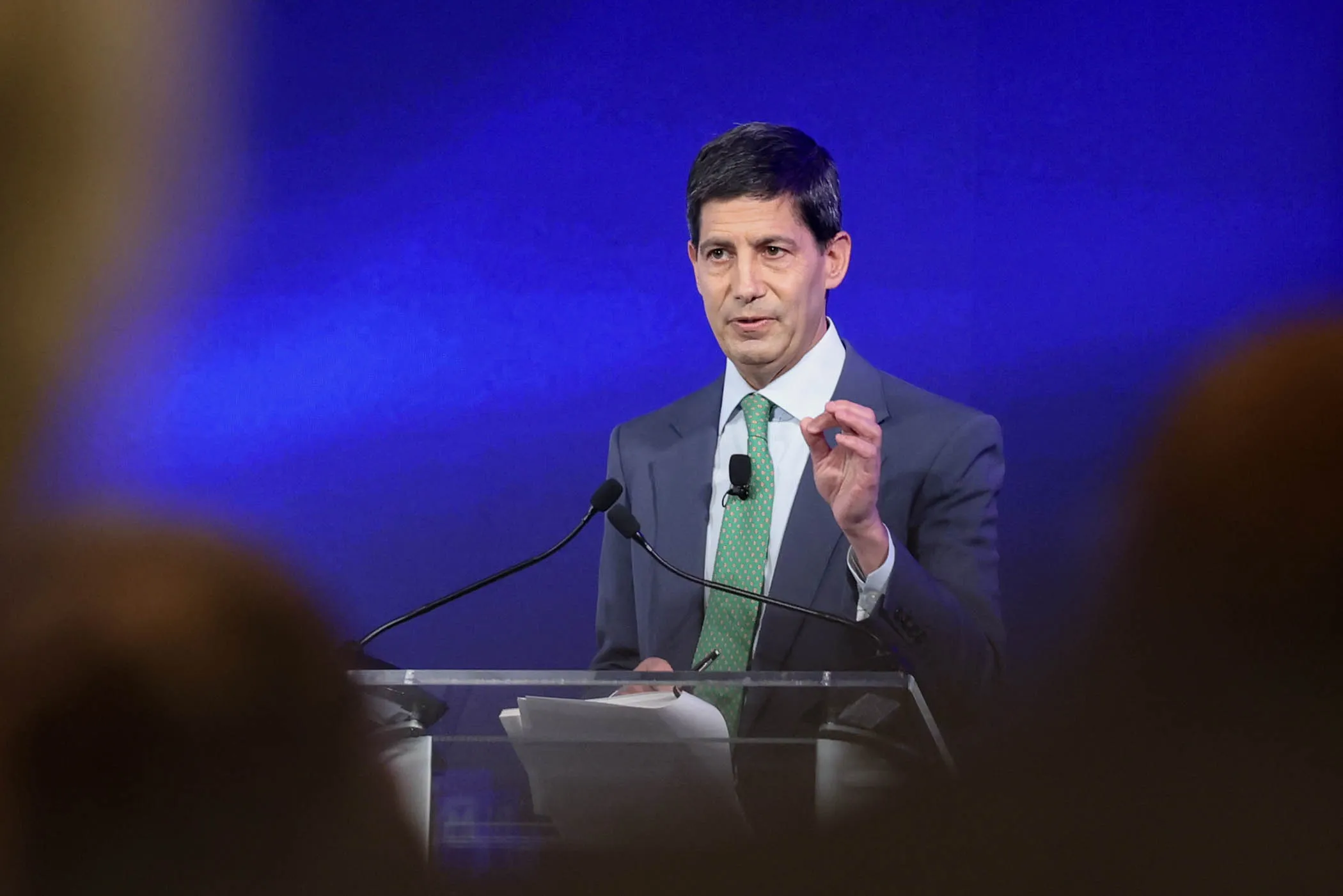
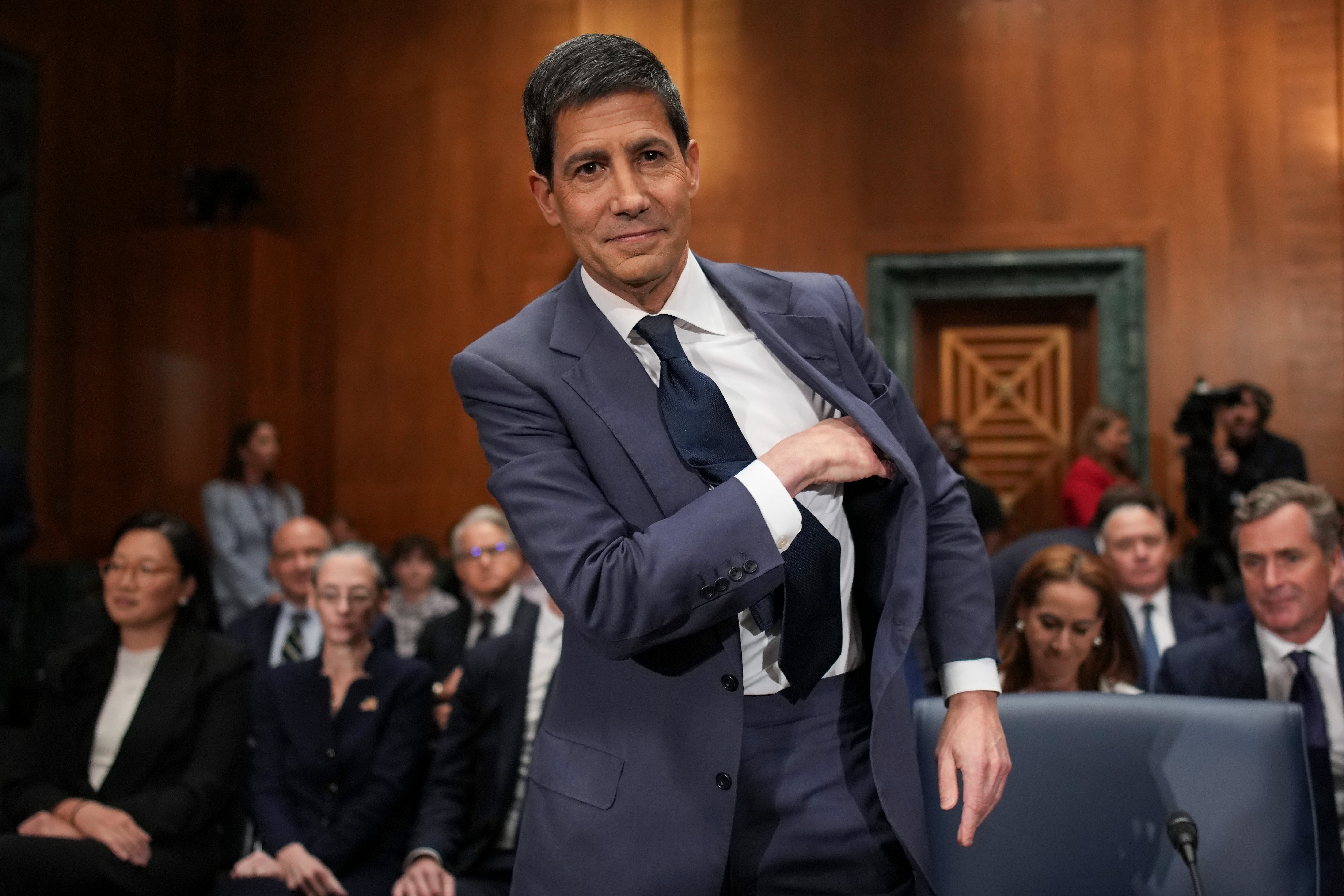
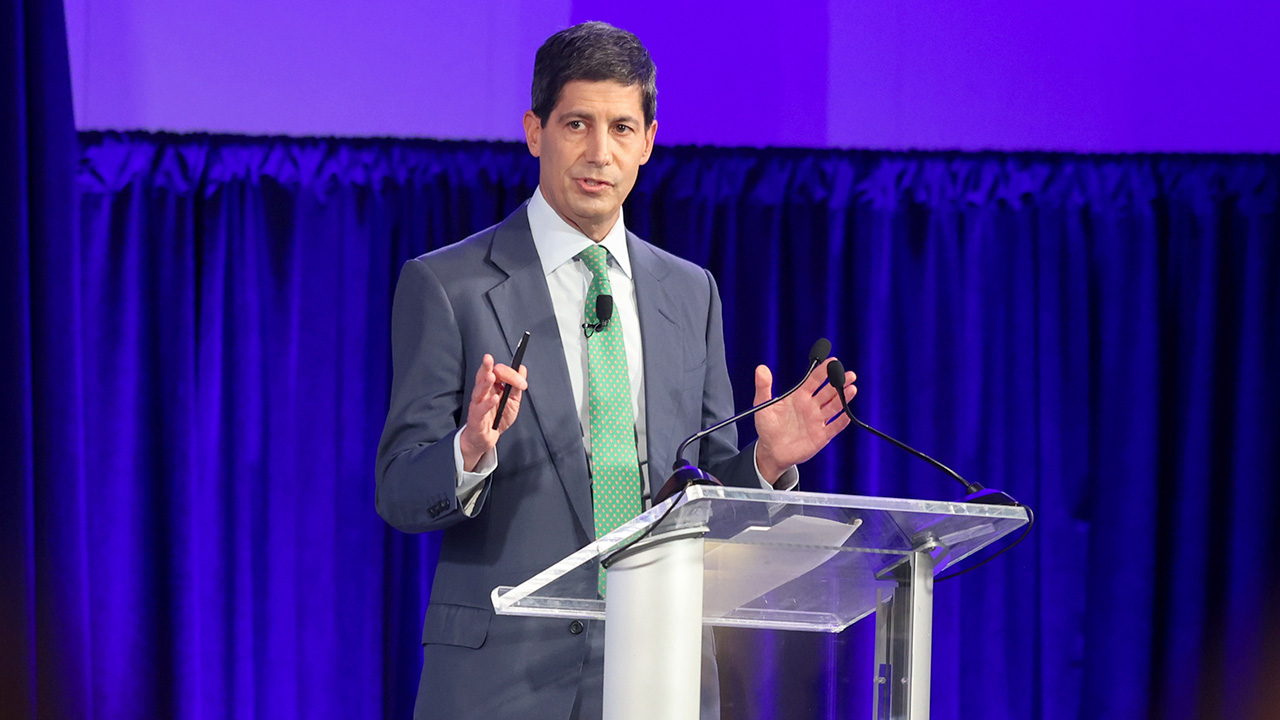
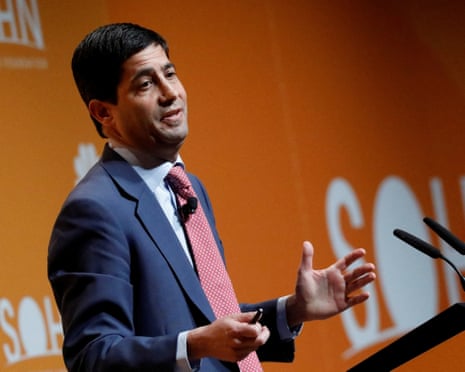
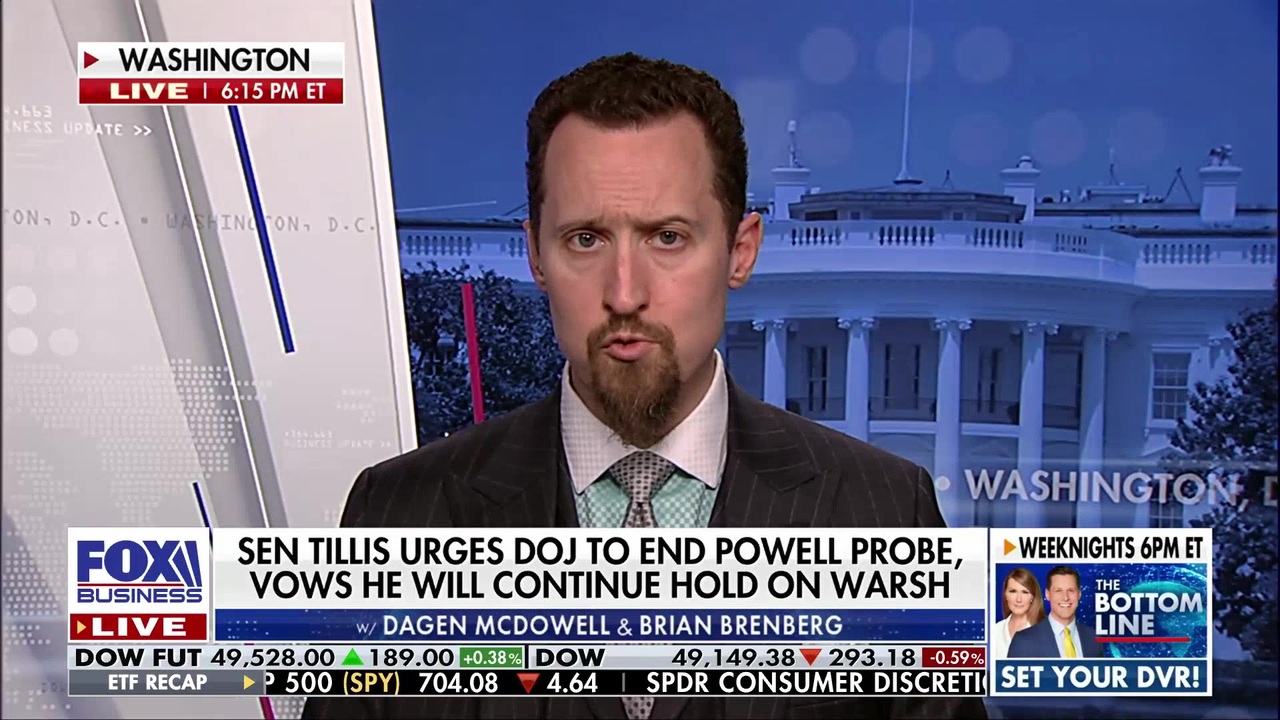
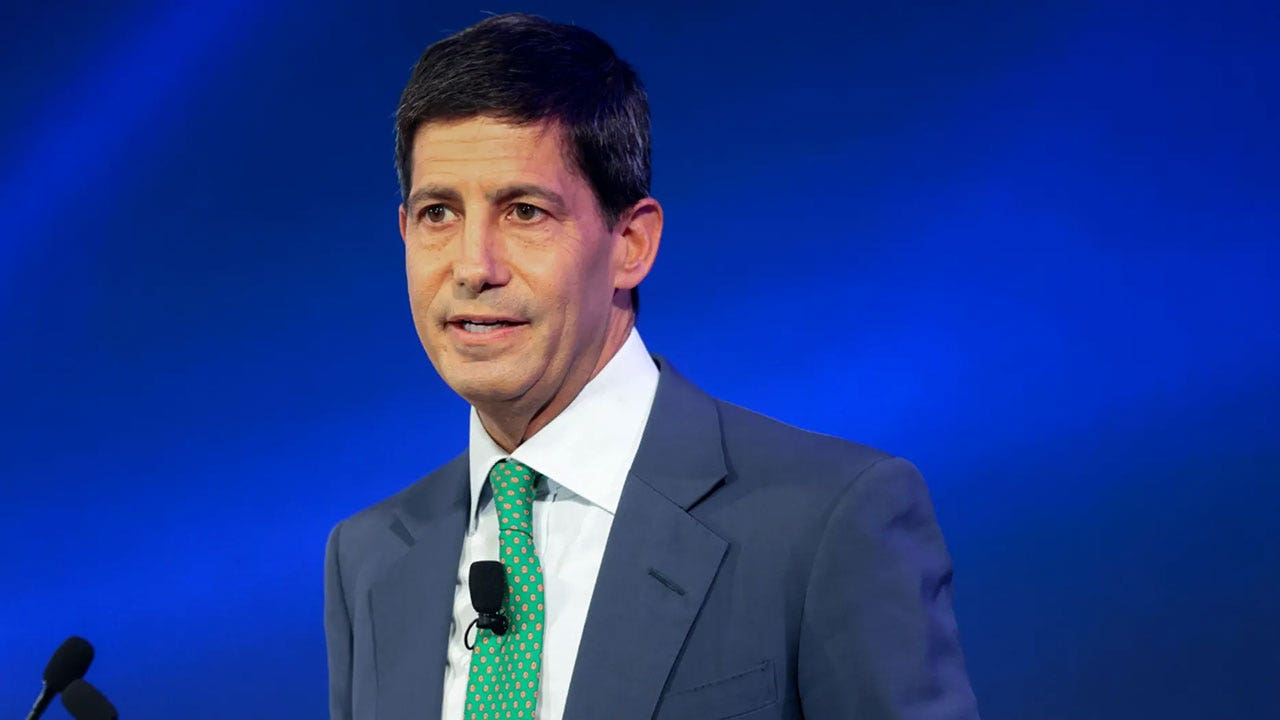
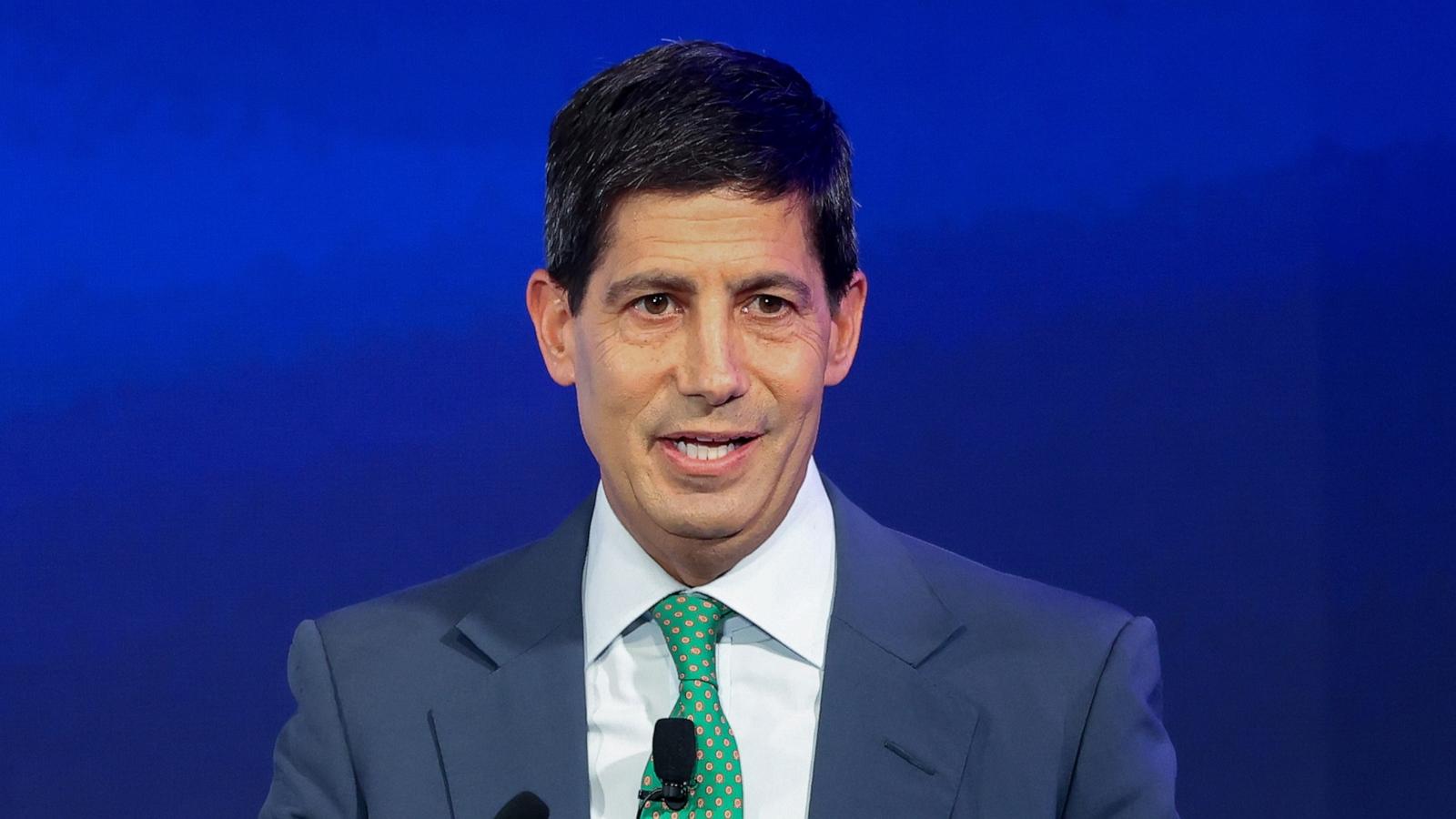
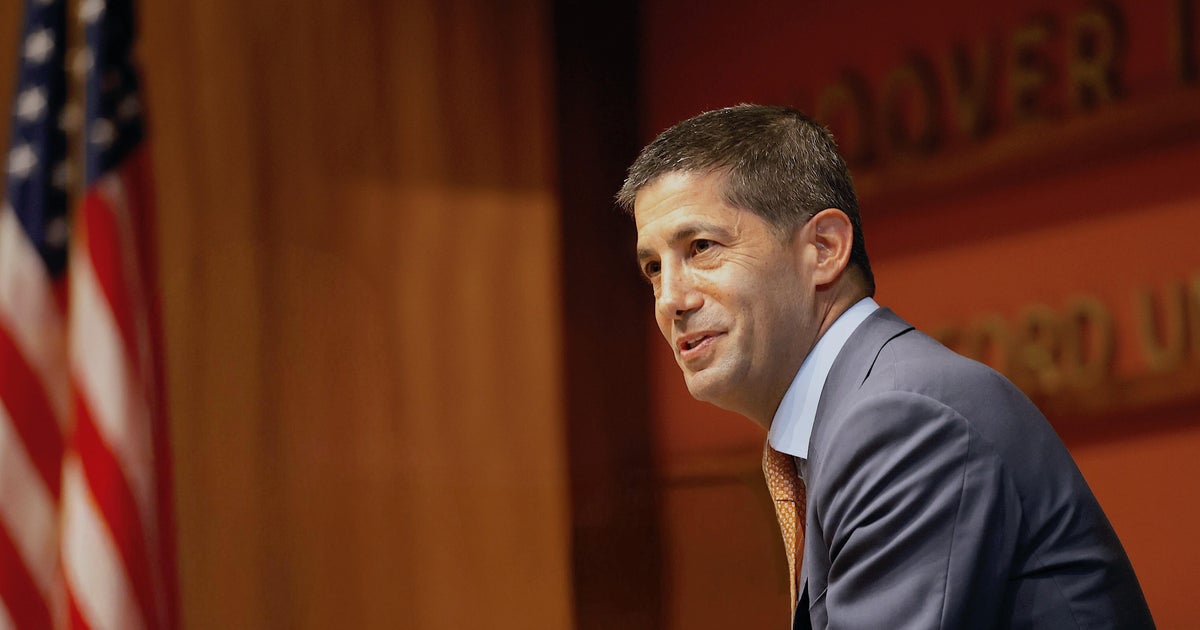
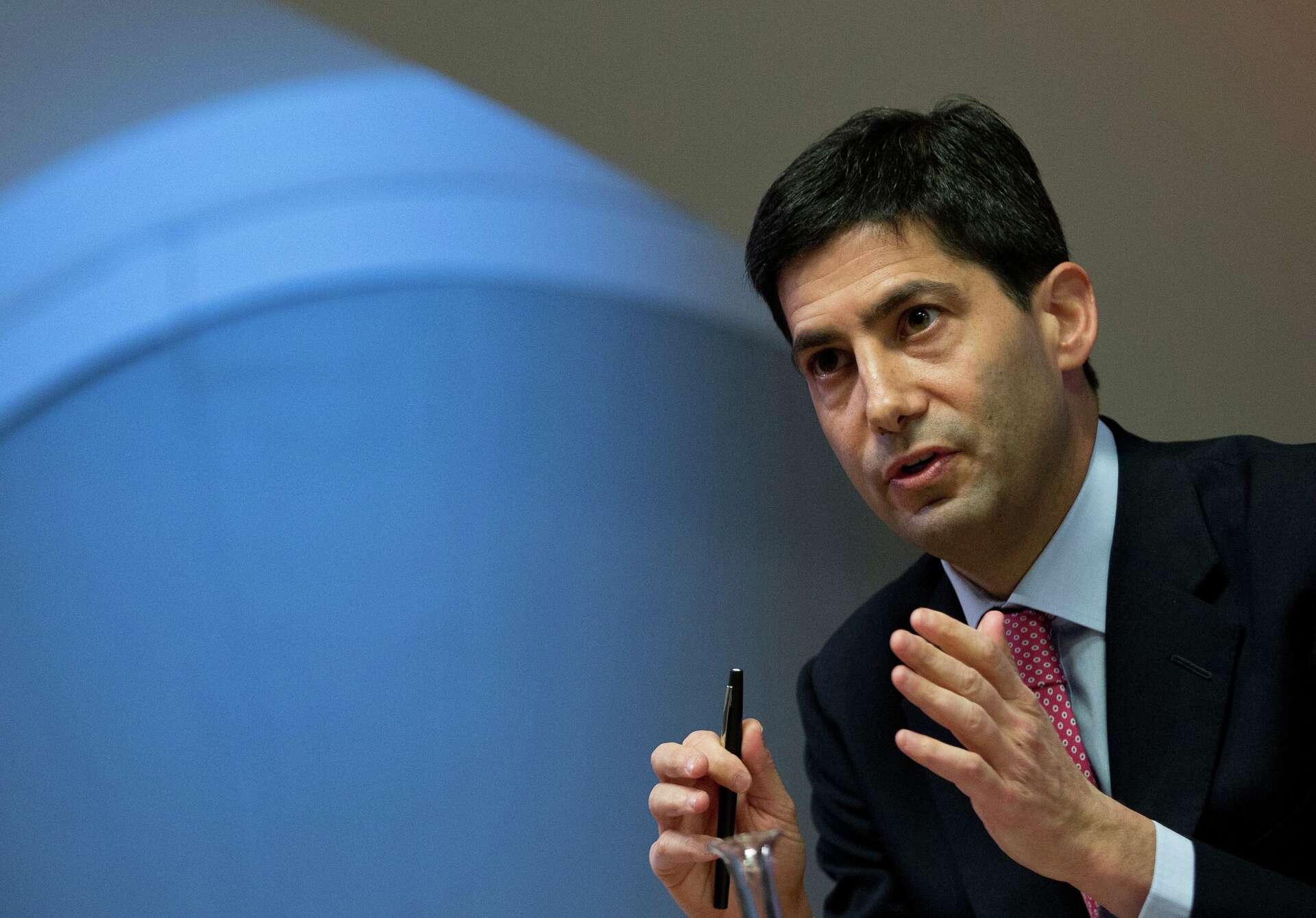
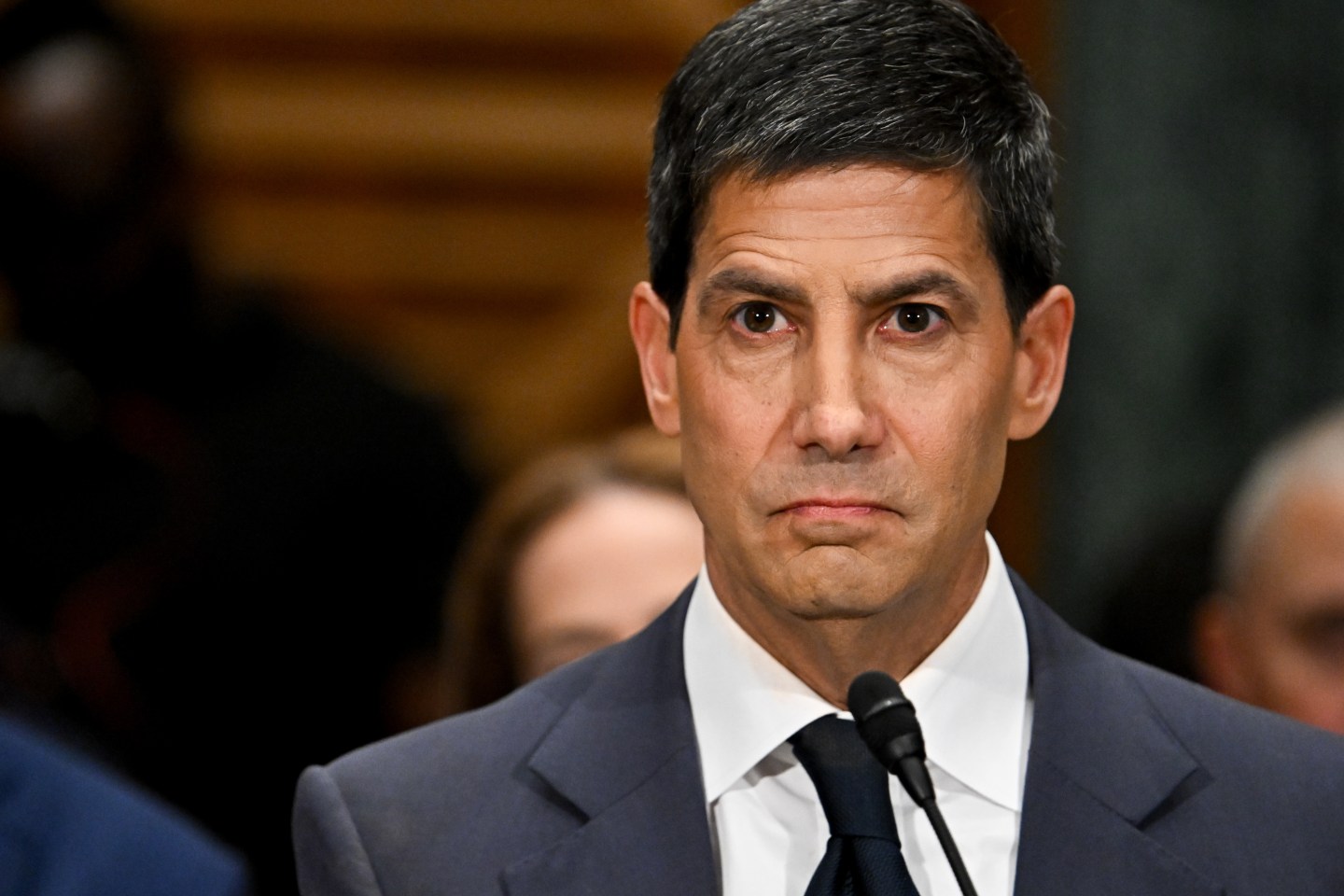
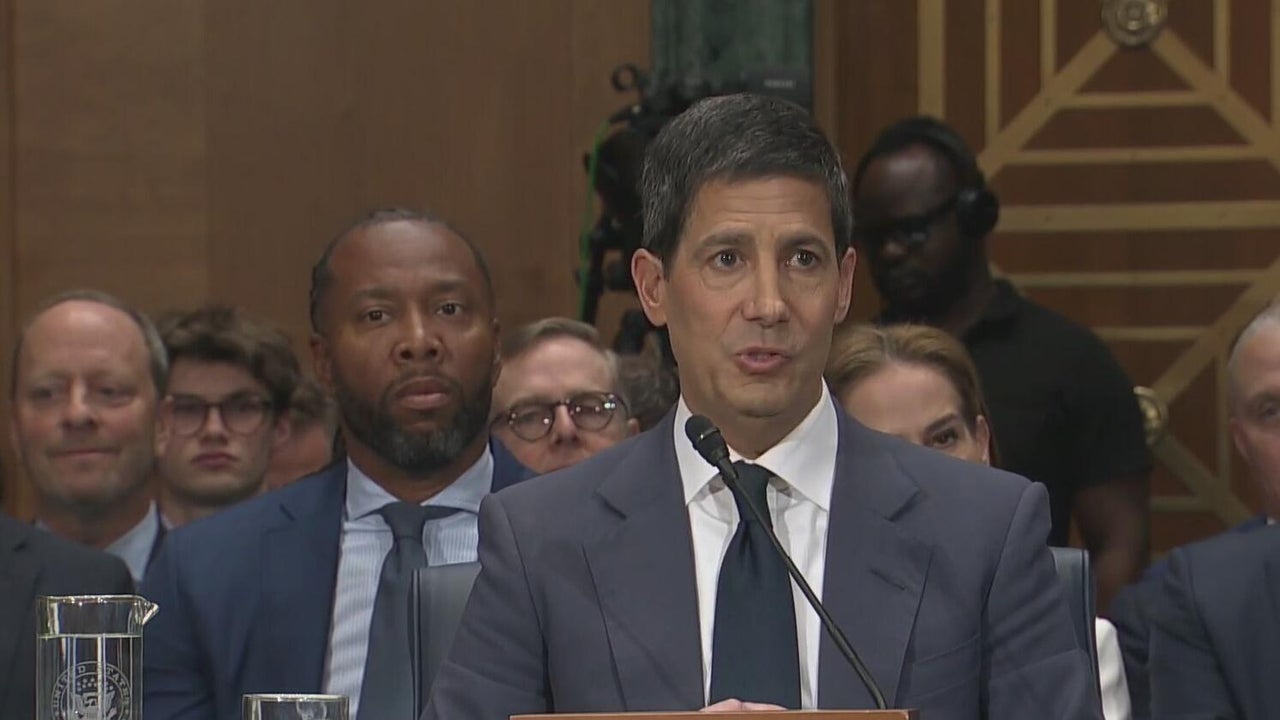
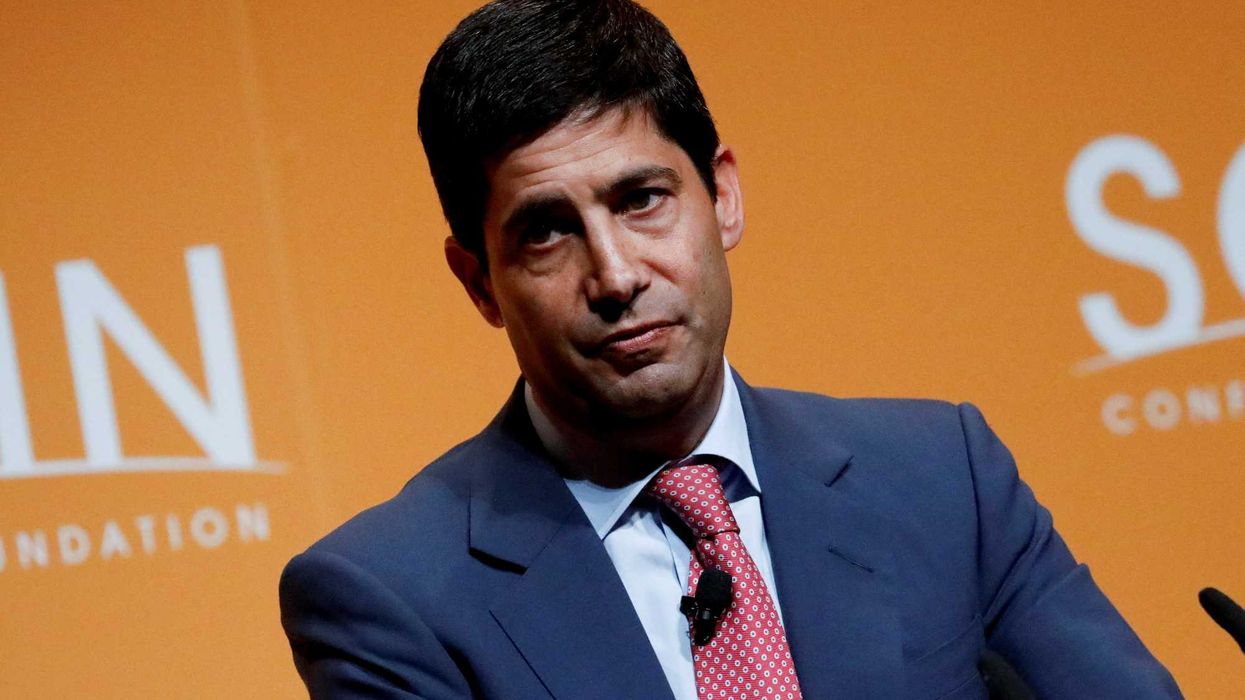
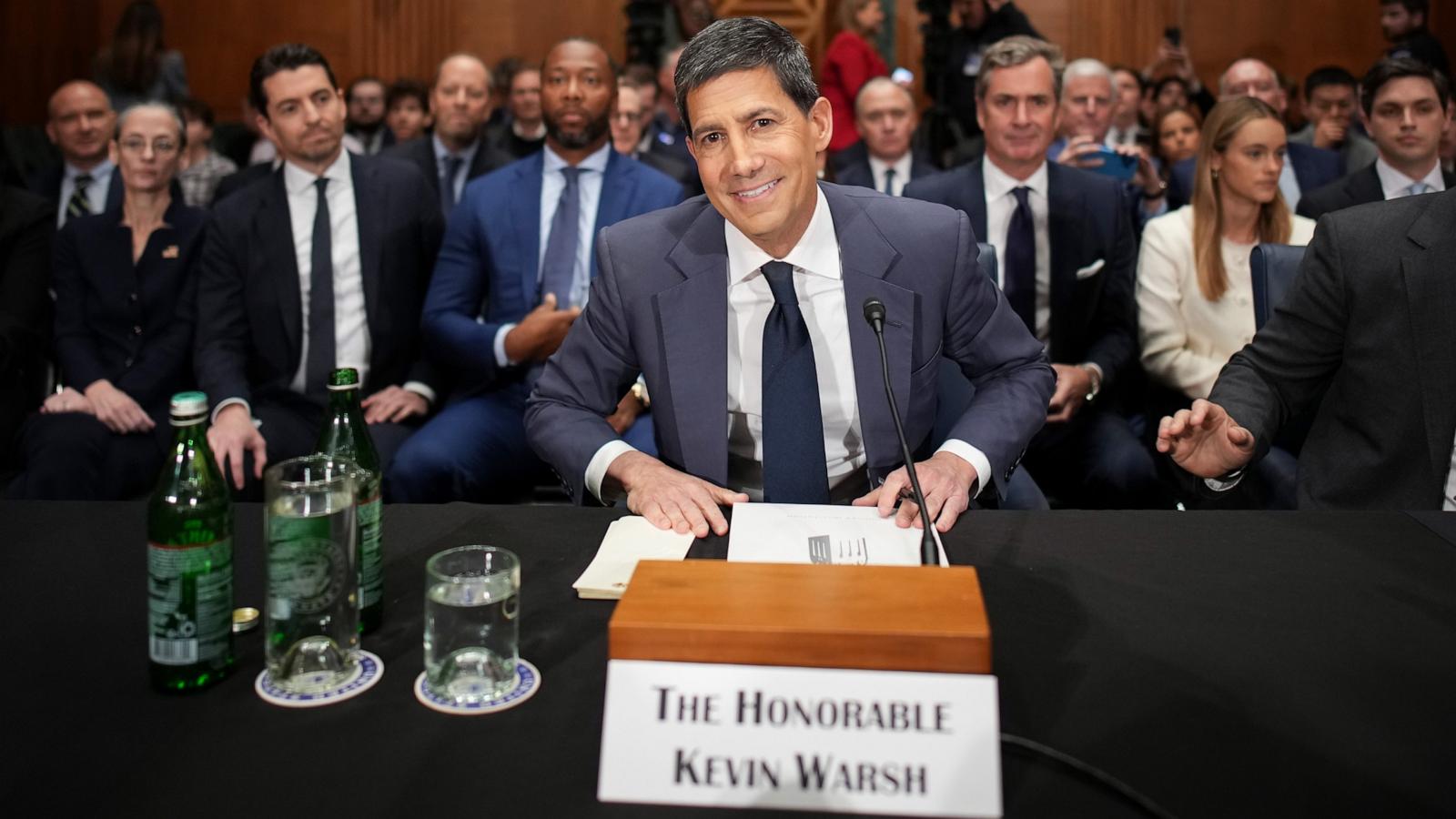
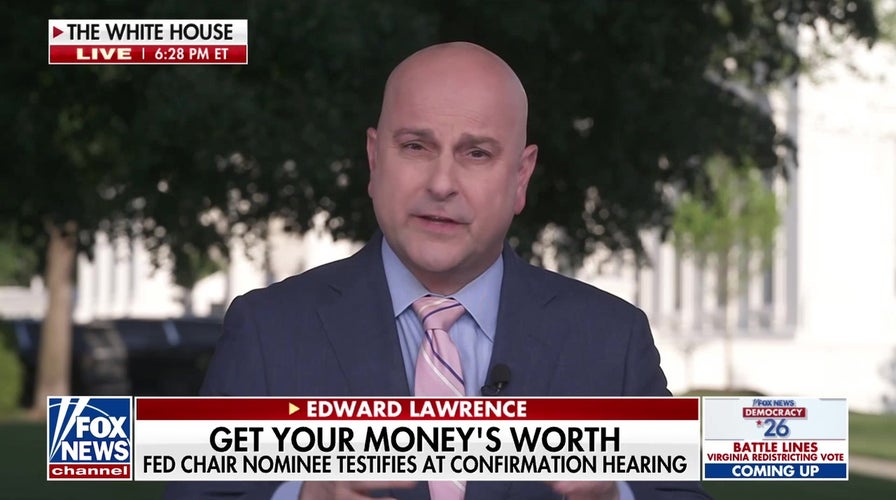
Kevin Warsh's Federal Reserve chair confirmation hearing (April 21, 2026) reveals critical uncertainty for cross-border e-commerce sellers regarding monetary policy direction and interest rate stability. Current Fed Chair Jerome Powell's term ends May 15, 2026, but Warsh's confirmation faces procedural delays due to Justice Department investigations into Powell's handling of Fed headquarters renovations. Senator Thom Tillis (R-NC) has blocked all Fed nominations until the investigation concludes, creating an unprecedented leadership vacuum at the world's most important central bank.
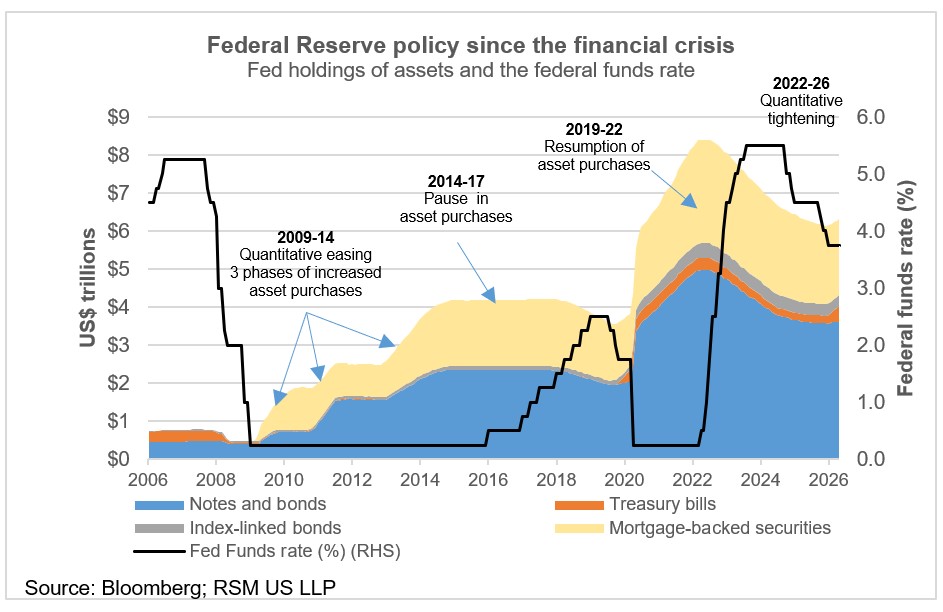
The core tension affecting sellers: Warsh's policy position shift. During his confirmation hearing, Warsh testified that President Trump never instructed him to cut interest rates and emphasized Federal Reserve independence. However, news reports document that Warsh previously maintained hawkish inflation positions but has recently reversed course, aligning with Trump's explicit rate-cutting agenda. This policy reversal—combined with Warsh's $100 million asset disclosure gap and Senator Elizabeth Warren's accusation that he's a "sock puppet" for Trump—signals potential politicization of monetary policy. For sellers, this creates two competing scenarios: (1) Warsh maintains independence and keeps rates at current 3.6% level, supporting inflation control but increasing borrowing costs for inventory financing; or (2) Warsh pivots toward rate cuts under political pressure, potentially lowering capital costs but increasing currency volatility and inflation risk.
Operational impact on seller financing and international operations. Interest rate policy directly affects cross-border sellers' working capital management. At current 3.6% rates, sellers financing inventory through business lines of credit face $3,600-$7,200 annual interest costs per $100K borrowed—critical for sellers managing 1,000+ unit monthly shipments. Rate cuts to Trump's preferred 2.5-3.0% level would reduce financing costs by $1,000-$1,800 annually per $100K, but would likely increase currency exchange rate volatility. Sellers operating in multiple currencies (USD, EUR, GBP, CNY) face heightened exposure: a 5% USD depreciation against EUR increases European supplier costs by 5%, directly compressing margins on cross-border transactions. The investigation delay creates a 4-6 week leadership vacuum (May 15-June 30, 2026) where Fed policy direction remains uncertain, making it difficult for sellers to forecast borrowing costs and currency hedging strategies.
Governance concerns affecting market stability. Warsh's failure to fully disclose $100 million in assets and his refusal to answer political questions raise governance concerns about potential conflicts of interest in future Fed policy decisions. The hearing revealed that Warsh criticized the Federal Reserve's transparency practices and called for "regime change" in Fed policy conduct. This reform agenda, combined with Trump's stated preference for rate cuts, suggests potential policy shifts that could affect payment processing costs, currency exchange rates, and consumer purchasing power—all critical variables for sellers managing international supply chains. The unprecedented situation of Powell remaining on the Fed's governing board after his chair term ends (due to investigation delays) creates institutional ambiguity about decision-making authority during the transition period.
Questions 8
What does Warsh's policy reversal from hawkish to rate-cutting positions mean for inflation and seller costs?
Warsh previously maintained hawkish inflation positions (supporting higher rates to control inflation) but has recently reversed course, aligning with Trump's rate-cutting agenda. This reversal signals potential Fed policy shift toward prioritizing economic growth over inflation control. For sellers, this creates competing pressures: rate cuts lower borrowing costs (positive for working capital) but increase inflation risk (negative for supplier costs and consumer purchasing power). If inflation rises from current levels due to rate cuts, seller input costs (shipping, manufacturing, packaging) could increase 3-5% annually, compressing margins. Simultaneously, consumer purchasing power declines, potentially reducing demand for discretionary products. Sellers in price-sensitive categories (apparel, electronics, home goods) should prepare for margin compression by Q3 2026 if Warsh's rate-cutting agenda is implemented.
How should sellers adjust their financing strategy during the Fed leadership transition period?
During periods of Fed policy uncertainty (May-June 2026), sellers should implement defensive financing strategies: (1) Lock in fixed-rate business lines of credit before May 15 to avoid potential rate increases during the transition; (2) Reduce variable-rate debt exposure by converting floating-rate borrowing to fixed rates; (3) Build cash reserves to reduce reliance on external financing during the 6-week leadership vacuum; (4) Delay major inventory purchases until Warsh's confirmation clarifies rate direction (expected by late June 2026); (5) Implement currency hedging for 30-50% of international revenue to reduce FX volatility exposure. For sellers with $500K+ annual revenue, these adjustments could save $5,000-$15,000 in financing costs and reduce currency losses by 2-4% of international revenue.