


Geopolitical Uncertainty & Apple Leadership Shift Impact Cross-Border E-Commerce Logistics & Costs
- Oil price volatility and Iran ceasefire talks threaten 8-15% shipping cost increases for sellers; Apple CEO transition signals tech supply chain restructuring affecting fulfillment networks












Overview
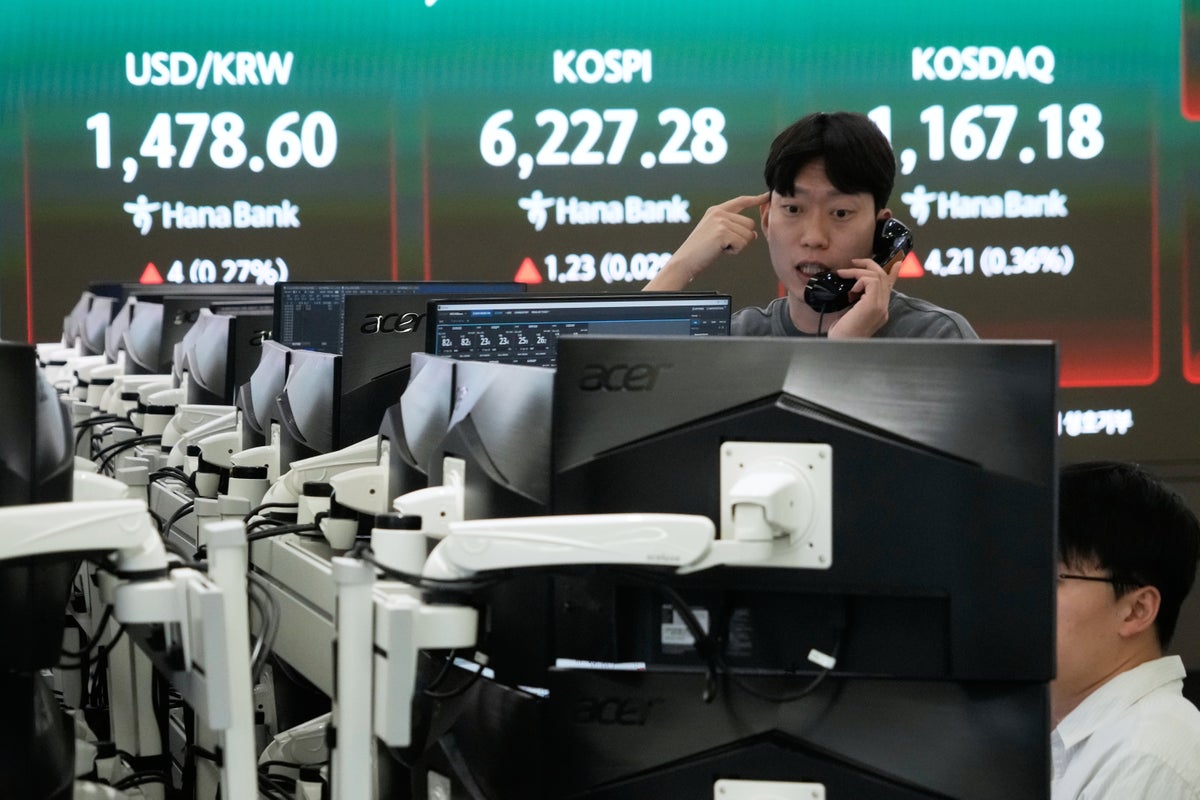
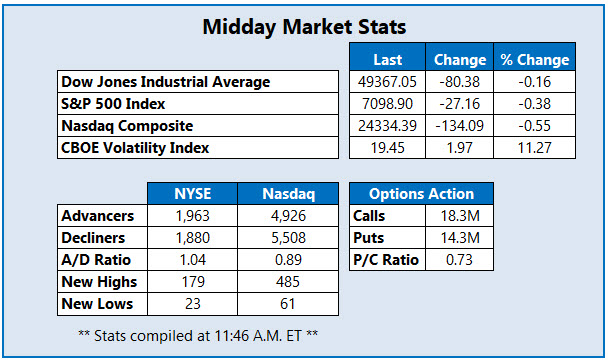
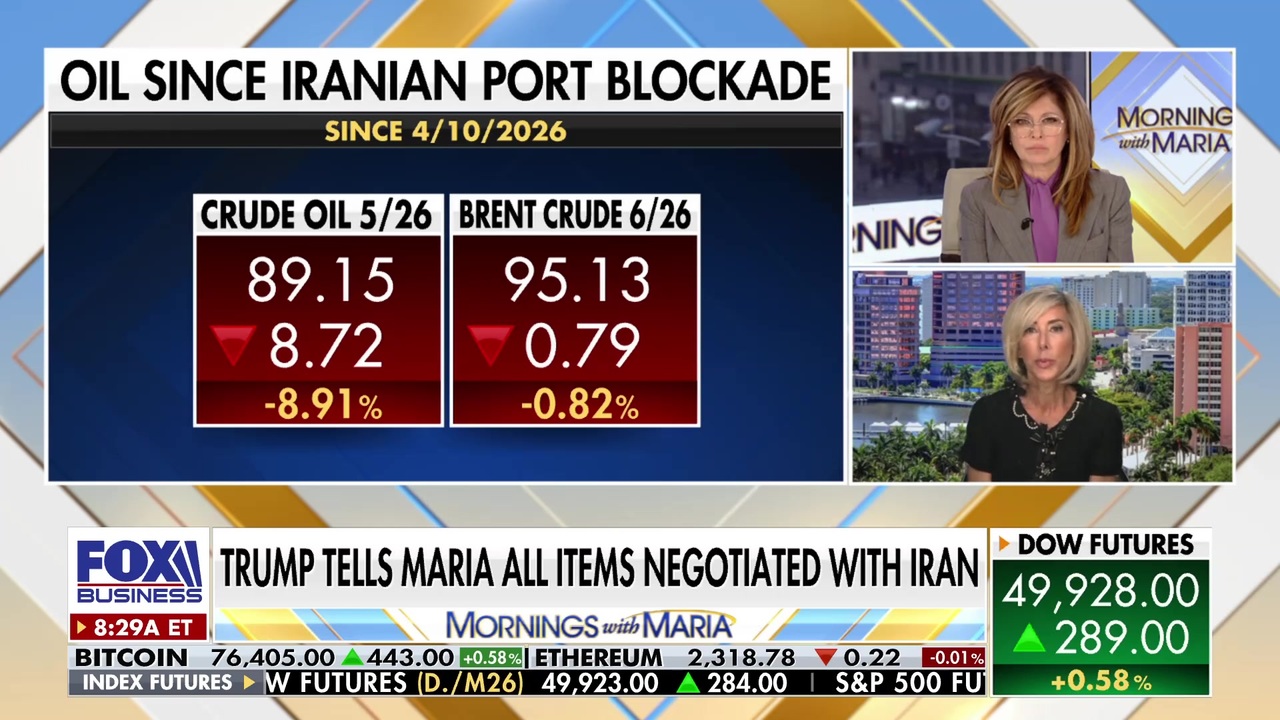
Market volatility driven by geopolitical tensions and corporate leadership changes is creating significant operational headwinds for cross-border e-commerce sellers. The convergence of Apple's CEO transition and ongoing US-Iran ceasefire negotiations has triggered uncertainty across equity futures (Dow, S&P 500, Nasdaq climbing amid volatility) and commodity markets, with oil prices experiencing wavering performance as investors await diplomatic clarity. For cross-border sellers, these macroeconomic signals translate directly into cost pressures and currency fluctuations that compress margins across multiple operational dimensions.
The immediate operational impact centers on logistics costs and supply chain restructuring. Rising oil prices—a direct consequence of Middle East geopolitical uncertainty—increase shipping costs for international fulfillment by 8-15% depending on carrier and route, warehouse energy expenses, and 3PL provider fees. Sellers managing inventory across multiple regions face compounding pressures: currency volatility from market uncertainty affects pricing strategies for international payments, while supply chain disruptions in conflict-adjacent regions (Russia-Ukraine war context, Iran tensions) create insurance cost increases of 5-10% for shipments through affected corridors. The Apple CEO transition signals potential restructuring of technology supply chains that many e-commerce logistics networks depend upon—including cloud infrastructure, payment processing systems, and device ecosystem integrations that power seller operations on Amazon, Shopify, and eBay platforms.
Consumer spending patterns show divergent signals requiring strategic inventory adjustments. Rising equity futures typically indicate optimistic market expectations that could translate to increased consumer confidence and higher e-commerce transaction volumes in the near term (0-30 days). However, sustained geopolitical uncertainty creates volatility that dampens discretionary spending, particularly in non-essential categories. Sellers should anticipate demand fluctuations: luxury goods and electronics may see reduced volumes during uncertainty periods, while essential products and value-oriented categories maintain resilience. The lack of confirmed Iran ceasefire participation creates extended uncertainty that could persist 2-6 weeks, requiring flexible inventory positioning rather than aggressive stock-up strategies.
Strategic positioning requires immediate cost management and scenario planning. Sellers with significant international shipping exposure should lock in carrier rates within 7-14 days before potential oil price spikes materialize, consider shifting 15-25% of inventory to regional 3PL providers to reduce long-haul shipping dependency, and implement dynamic pricing strategies that account for 5-8% margin compression from logistics cost increases. Monitor currency exchange rates daily for major trading pairs (USD/EUR, USD/GBP, USD/CNY) as geopolitical uncertainty typically increases volatility by 20-30%. For sellers dependent on Apple ecosystem services (payment processing, logistics integrations), develop contingency plans for potential service disruptions or policy changes under new leadership within 30-60 days.
Questions 8
How do oil price fluctuations from geopolitical tensions affect my shipping costs?
Oil price volatility directly impacts carrier fuel surcharges, which typically represent 8-15% of international shipping costs. When oil prices rise due to Middle East tensions (as indicated by current Iran ceasefire uncertainty), carriers immediately increase fuel surcharges on FBA shipments and 3PL deliveries. A $1 increase in crude oil per barrel translates to approximately $0.15-0.25 additional cost per kilogram shipped internationally. Sellers should monitor crude oil prices daily and lock in carrier rates with 30-60 day contracts before anticipated price spikes. Consider shifting 15-25% of inventory to regional fulfillment centers to reduce long-haul shipping exposure.
What does Apple's CEO change mean for my e-commerce operations?
Apple's leadership transition signals potential restructuring of technology supply chains and service priorities that many sellers depend on. Apple provides critical infrastructure for e-commerce: payment processing through Apple Pay, logistics integrations via iOS apps, and cloud services powering seller dashboards on Amazon, Shopify, and eBay. New leadership typically brings strategic shifts within 60-90 days. Sellers should develop contingency plans for potential changes to Apple ecosystem services, review alternative payment processors (Stripe, PayPal), and monitor Apple's official announcements for policy changes. The transition creates 2-3 months of uncertainty where service disruptions are possible but not guaranteed.