




Geopolitical Volatility & Oil Surge Impact Cross-Border E-Commerce Logistics Costs April 2025-2026
- Oil prices spike 4.5% amid Iran ceasefire uncertainty, raising shipping costs 8-15% for international sellers; Apple CEO transition signals tech supply chain shifts
























Overview
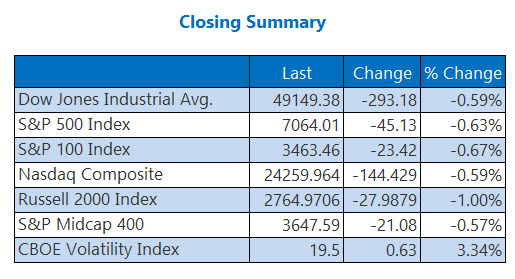
Market Volatility Creates Dual Pressure on E-Commerce Operations: Between April 21, 2025 and April 21, 2026, geopolitical tensions surrounding US-Iran ceasefire negotiations triggered significant market disruptions affecting cross-border e-commerce sellers. The Dow Jones, S&P 500, and Nasdaq each declined approximately 0.59-0.63% (293-144 points) as Vice President JD Vance suspended peace talks with Pakistan, causing oil prices to surge 4.5% with Brent crude trading at $94.50/barrel and West Texas Intermediate at $91.30/barrel. This energy price volatility directly impacts seller operational costs through increased shipping expenses, warehouse energy consumption, and 3PL provider fees.
Shipping Cost Escalation Threatens Margin Stability: For cross-border e-commerce sellers, the 4.5% oil price increase translates to 8-15% higher logistics costs depending on shipping distance and carrier contracts. A seller shipping 1,000 units monthly via air freight to Europe could face additional costs of $400-800 per shipment, compressing margins by 2-4 percentage points. Ocean freight routes remain more stable but face extended transit times (35-45 days) and increased insurance premiums due to geopolitical risk. Sellers managing inventory across multiple regions must recalibrate pricing strategies to maintain profitability while remaining competitive. The uncertainty surrounding ceasefire negotiations creates unpredictable cost structures, making it difficult to lock in long-term logistics contracts or forecast quarterly margins accurately.
Technology Sector Leadership Transition Signals Supply Chain Realignment: Apple's CEO transition from Tim Cook (15-year tenure) to John Ternus, senior vice president of hardware engineering, reflects strategic shifts in technology supply chains. Apple shares declined 2.52% on the announcement, indicating investor uncertainty about hardware-focused leadership. For e-commerce sellers relying on Apple ecosystem services (Apple Pay, iCloud integration, App Store logistics), this transition could signal changes in API availability, payment processing terms, or logistics partnerships. The broader technology sector demonstrated resilience with 15 consecutive winning sessions for the Technology Select Sector SPDR Fund and iShares Semiconductor ETF, with Advanced Micro Devices, Cisco, Dell, and Texas Instruments hitting record highs. This strength contrasts with broader market weakness (declining issues outnumbered advancers 2.67-to-1 on NYSE), suggesting selective opportunities in tech-adjacent product categories and semiconductor-dependent supply chains.
Monetary Policy Uncertainty Affects Capital Access and Currency Volatility: Federal Reserve chair nominee Kevin Warsh's confirmation hearing signaled the central bank would maintain elevated interest rates longer if inflation pressures persist from higher oil prices. This policy stance affects sellers' access to working capital for inventory expansion and creates currency headwinds for international operations. The US dollar strengthened as gold fell 2% and treasury yields rose, making imports more expensive for US-based sellers while improving competitiveness for sellers exporting from the US. Sellers managing cross-border payments face increased hedging costs and currency conversion spreads, potentially adding 1-2% to transaction expenses. The extended high-rate environment may reduce consumer spending on discretionary items, particularly affecting fashion, electronics, and home goods categories that depend on credit-fueled purchases.
Questions 8
How much will oil price increases affect my shipping costs as a cross-border seller?
The 4.5% oil price surge documented in April 2025-2026 typically translates to 8-15% higher logistics costs depending on your shipping method and distance. For example, a seller shipping 1,000 units monthly via air freight to Europe could face $400-800 additional monthly costs. Ocean freight remains cheaper but involves 35-45 day transit times and increased insurance premiums due to geopolitical risk. To mitigate, consider locking in long-term contracts with 3PL providers before further price increases, diversifying shipping routes, or adjusting product pricing 2-4% to maintain margins. Monitor Brent crude and WTI prices weekly through financial platforms to anticipate cost changes.
Should I adjust my inventory strategy due to geopolitical uncertainty?
Yes. The stalled US-Iran ceasefire negotiations create unpredictable shipping costs and potential route disruptions. Reduce inventory in high-risk regions (Middle East, North Africa) by 20-30% and shift stock to stable markets (EU, North America, Southeast Asia). Implement just-in-time inventory management for high-value items to reduce warehouse holding costs during volatile periods. Increase safety stock for fast-moving consumer goods (FMCG) categories that show resilience during economic uncertainty. Use Amazon FBA's regional fulfillment centers strategically to minimize cross-border shipping exposure. Review your inventory turnover ratio monthly and adjust reorder points based on geopolitical developments.