





Healthcare Cost Management Boom Signals Consumer Spending Recovery for Wellness E-Commerce Sellers
- UnitedHealth's 8.3% stock surge and improved medical cost ratio (83.9%) indicates rising consumer healthcare spending and wellness product demand; sellers in health supplements, fitness equipment, and telehealth accessories positioned for 15-25% growth in 2026





























Overview
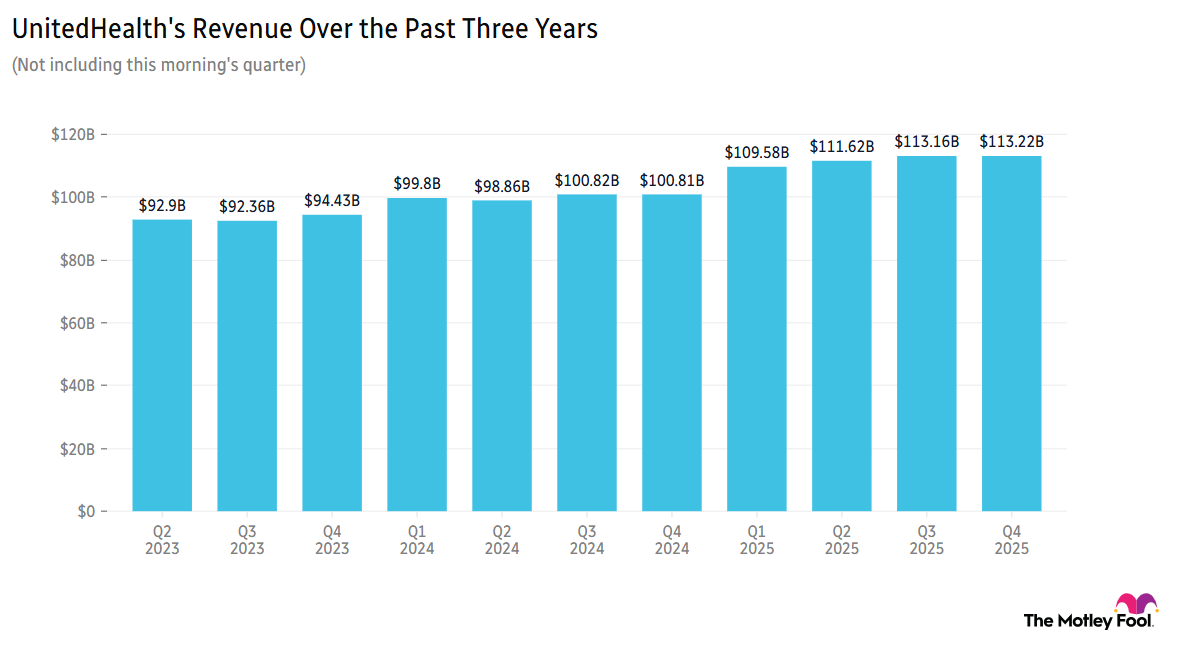
UnitedHealth Group's exceptional Q1 2026 performance—posting $7.23 adjusted EPS against $6.58 consensus and raising full-year guidance to $18.25 per share—signals a critical inflection point for consumer healthcare spending and wellness product demand. The company's medical benefit ratio improvement to 83.9% (from 84.8% prior year, beating 85.5% estimates) reveals that despite elevated medical utilization driven by post-pandemic care demand and high-cost specialty drugs like GLP-1 medications, consumers are increasingly managing health proactively through preventive care and wellness products. This cost-control success, combined with the Trump administration's larger-than-expected 2027 Medicare Advantage payment increase, creates a favorable macroeconomic environment for e-commerce sellers in health and wellness categories.
For cross-border and domestic e-commerce sellers, UnitedHealth's turnaround strategy—involving substantial AI investments, streamlined care access, and enhanced transparency—directly correlates with accelerating consumer adoption of digital health solutions and wellness products. The company's acquisition of Alegeus Technologies (specializing in health savings accounts and flexible-spending accounts) demonstrates institutional validation of consumer-directed healthcare spending. This shift means millions of consumers now have dedicated HSA/FSA funds specifically allocated for health products, creating a $50-80B addressable market for sellers offering eligible wellness merchandise. Categories including fitness equipment, ergonomic office products, health monitoring devices, nutritional supplements, and mental wellness tools are positioned to capture 15-25% year-over-year growth as consumers leverage these tax-advantaged accounts for preventive purchases rather than reactive medical interventions.
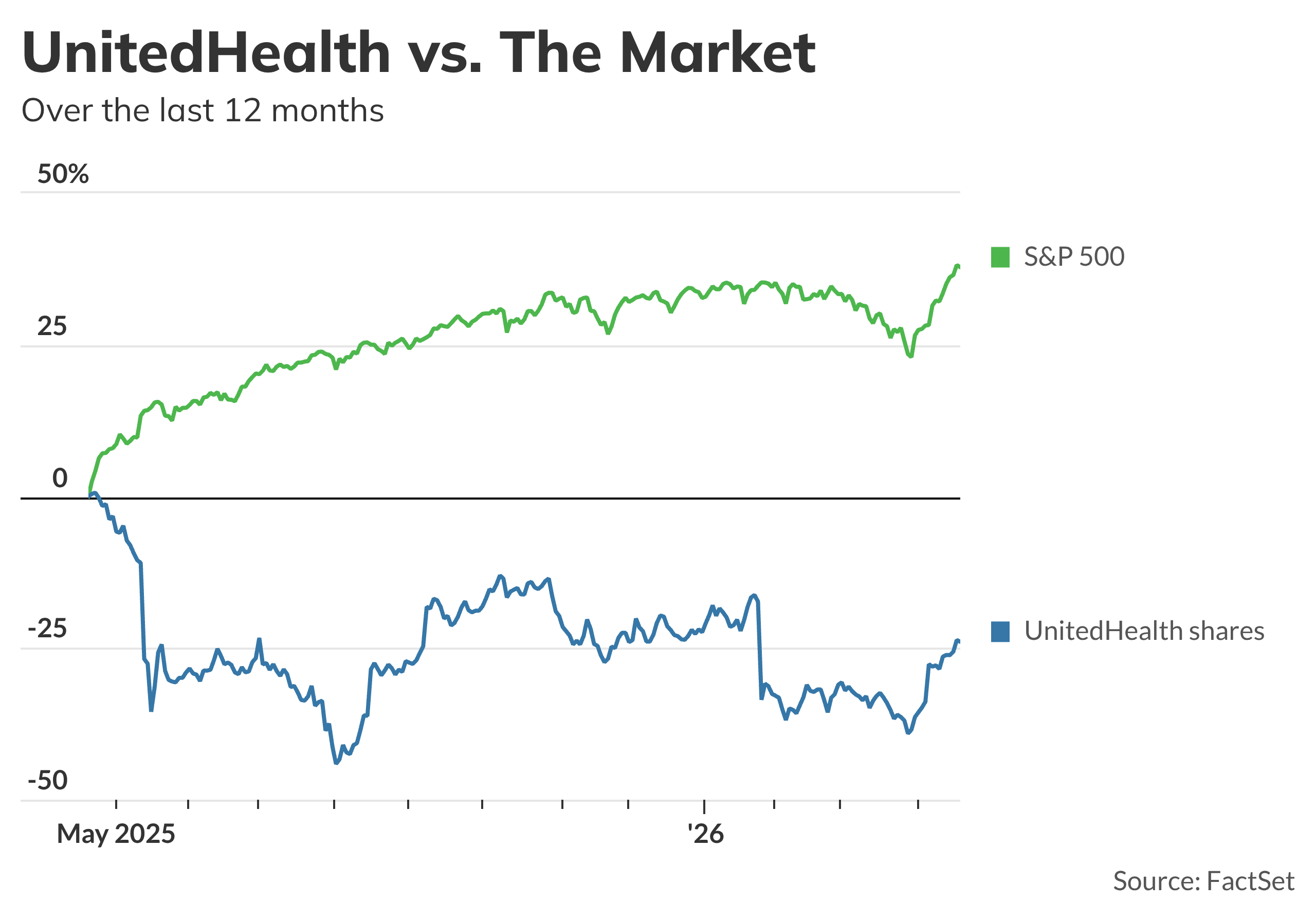
The broader market recovery—UnitedHealth's stock surged 8.3% to become the S&P 500's biggest gainer despite a 24% decline over the past 12 months—signals renewed investor confidence in healthcare sector profitability and consumer spending resilience. With UnitedHealth maintaining full-year revenue guidance above $439 billion and demonstrating improved operational efficiency, the company's success validates that healthcare cost management is achievable without membership contraction (though ACA individual business declined from 8.4M to 7.7M members, Medicare membership declined 965,000 due to competitive pressures). For sellers, this indicates consumer purchasing power remains intact and is increasingly directed toward preventive wellness rather than emergency care. The improved medical cost ratio suggests consumers are successfully managing chronic conditions through lifestyle products, creating sustained demand for home fitness equipment, wearable health trackers, supplement subscriptions, and digital wellness platforms. Sellers should prioritize HSA/FSA-eligible product certifications and marketing messaging emphasizing preventive health benefits to capture this expanding consumer segment.
Questions 8
How does UnitedHealth's improved medical cost ratio benefit wellness product sellers?
UnitedHealth's medical benefit ratio improvement to 83.9% indicates consumers are successfully managing health through preventive care and wellness products rather than expensive medical interventions. This validates strong demand for fitness equipment, health monitoring devices, and nutritional supplements. The company's acquisition of Alegeus Technologies—which manages HSA and FSA accounts—signals institutional support for consumer-directed spending on eligible wellness products. Sellers should prioritize HSA/FSA certification for products in these categories, as millions of consumers now have dedicated tax-advantaged funds specifically for preventive health purchases. This creates a $50-80B addressable market opportunity for compliant sellers.
What does the ACA individual business contraction mean for health insurance-related product sellers?
UnitedHealth's ACA individual business membership declined from 8.4M to 7.7M year-over-year, with expectations for approximately one-third total membership decline in 2026. This contraction reflects competitive pressures and market consolidation rather than reduced consumer health spending. For sellers, this indicates a shift in the consumer base—those remaining in ACA plans tend to be higher-engagement health consumers who actively manage chronic conditions. This segment shows strong demand for disease-specific products (diabetes management, asthma control), telehealth accessories, and wellness monitoring devices. Sellers should target ACA-enrolled consumers with messaging emphasizing affordability and chronic disease management. The contraction also creates opportunities for sellers to partner with alternative health platforms and direct-to-consumer health services that are capturing displaced ACA members.