




Apple's New CEO Signals Hardware & AI Pivot | Seller Opportunities in Accessories & Services
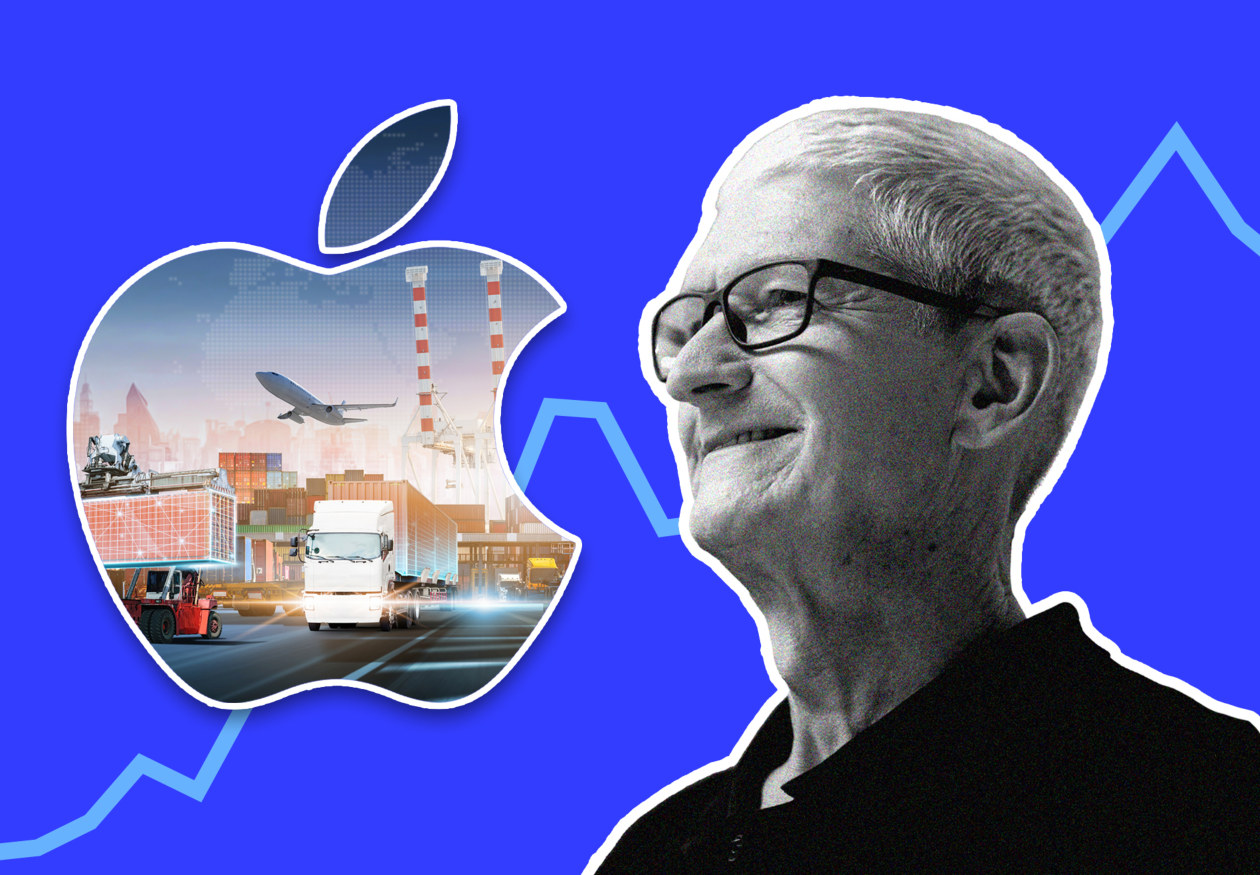
- John Ternus replaces Tim Cook in September 2025; $4 trillion company shifts focus to silicon design, robotics, and supply chain optimization—creating 15-25% growth opportunities in Apple ecosystem accessories and emerging product categories


































Overview
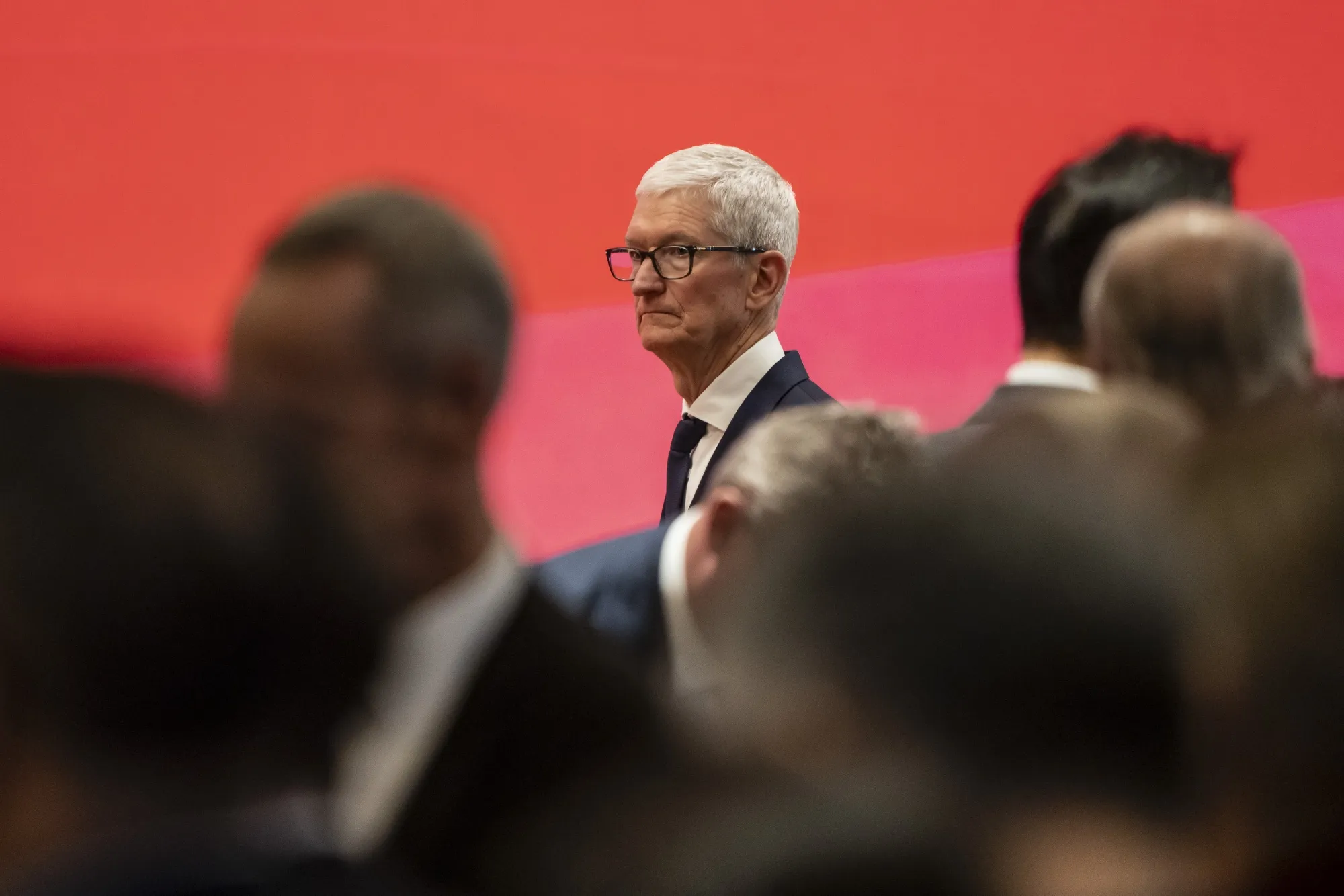
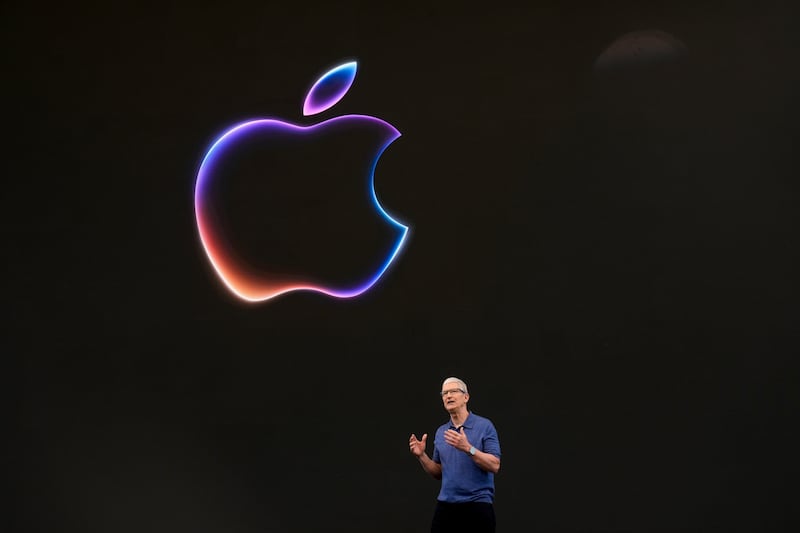
Apple's leadership transition to John Ternus in September 2025 represents a fundamental strategic pivot from Tim Cook's operations-focused era toward hardware engineering and supply chain optimization. Ternus, 51, a 25-year Apple veteran and VP of hardware engineering, will lead the $4 trillion company through four critical challenges: accelerating AI integration (currently lagging Microsoft, Google, Meta, and Amazon), diversifying away from iPhone dependency (which represents 50%+ of Apple's $416 billion annual revenue), navigating Trump administration tariff policies affecting China-based manufacturing, and expanding high-margin services (currently generating $110 billion annually).
For cross-border sellers and e-commerce operators, this leadership change creates immediate product and market opportunities. Ternus's engineering-first philosophy signals accelerated development of new hardware categories beyond smartphones—including foldable iPhones, AI-enabled devices, personal robotics, smart rings, and affordable Apple Glasses. These product launches will drive demand for complementary accessories, protective cases, charging solutions, and integration products. The shift toward supply chain optimization and manufacturing resilience also indicates Apple will diversify production beyond China, potentially creating sourcing opportunities for component suppliers and logistics providers in Southeast Asia, India, and Mexico. Additionally, Apple's measured AI strategy (partnering with Google Gemini rather than building proprietary solutions) suggests the company will prioritize integrations with existing platforms, creating opportunities for sellers offering AI-compatible accessories and smart home integration products.
The geopolitical dimension directly impacts seller operations. Trump administration tariff policies are forcing Apple to reduce China manufacturing dependence, which historically accounts for 80%+ of iPhone assembly. This supply chain diversification will increase demand for manufacturing partnerships, logistics services, and component sourcing from alternative regions. Sellers with existing relationships in Vietnam, Thailand, India, or Mexico manufacturing hubs can capitalize on Apple's supply chain restructuring. Furthermore, Apple's expansion into healthcare and financial services (through its $110 billion services business) creates adjacent opportunities for sellers offering health-tracking accessories, financial management tools, and premium service bundles.
The market timing is critical. With Ternus taking over in September 2025, product announcements and new category launches are likely within 12-18 months. Sellers should begin positioning inventory in emerging categories (robotics accessories, foldable phone cases, AI-compatible smart home devices) and establishing supplier relationships in non-China manufacturing regions. The iPhone saturation signal (1.5 billion active users, 50%+ revenue concentration) indicates Apple will aggressively market new product categories to existing customers, creating high-conversion opportunities for sellers offering bundle deals and ecosystem-integrated products.
Questions 8
What are the immediate actions sellers should take before Ternus's September 2025 transition takes effect?
Sellers should execute three immediate actions: (1) Review current Apple ecosystem inventory (by January 2025) and identify gaps in emerging categories—foldable phone accessories, smart home integration products, and AI-compatible devices. (2) Establish supplier relationships in non-China manufacturing regions (Vietnam, Thailand, India) by Q1 2025 to secure component sourcing for new product categories. (3) Monitor Apple's January 2025 AI announcements and Gemini integration roadmap to identify early opportunities in AI-compatible accessories. Expected timeline: inventory repositioning (30 days), supplier relationship building (60 days), product development (90-180 days). Sellers who execute these actions by March 2025 can capture 20-30% market share in emerging categories during the 12-month launch window before competitors enter.
How should sellers position inventory for Apple's new product categories (robotics, smart rings, foldable phones)?
Ternus's hardware engineering background indicates accelerated development of new categories with product launches expected within 12-18 months. Sellers should begin positioning inventory in three priority areas: (1) foldable phone accessories (cases, screen protectors, charging solutions)—expected 40-60% growth in this category; (2) smart ring compatibility products (charging docks, protective cases, integration software)—emerging category with 100%+ growth potential; (3) robotics and humanoid device accessories—early-stage category with 200%+ growth potential. Recommended inventory allocation: 40% foldable accessories, 35% smart ring products, 25% robotics/emerging categories. Expected sell-through rates: 25-35% for foldable products, 15-25% for smart rings, 5-10% for robotics (due to early adoption phase).