


Premium Travel Hairdryer Market Explodes | $8B Category Opportunity for Sellers
- Dyson's 32% smaller, $300 cheaper Supersonic Travel validates decade-long demand for portable luxury personal care; universal voltage feature unlocks cross-border seller opportunities in travel accessories segment






Overview
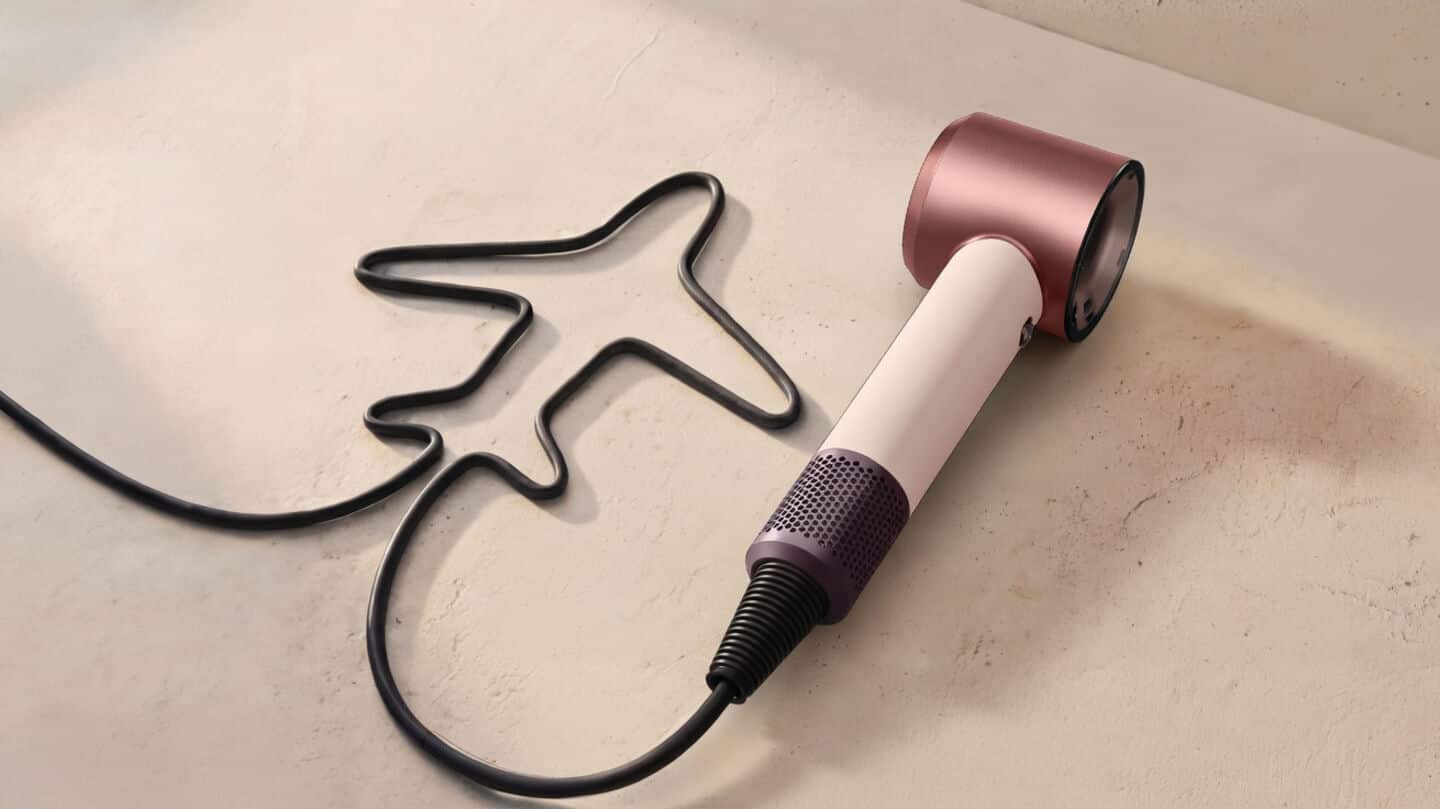
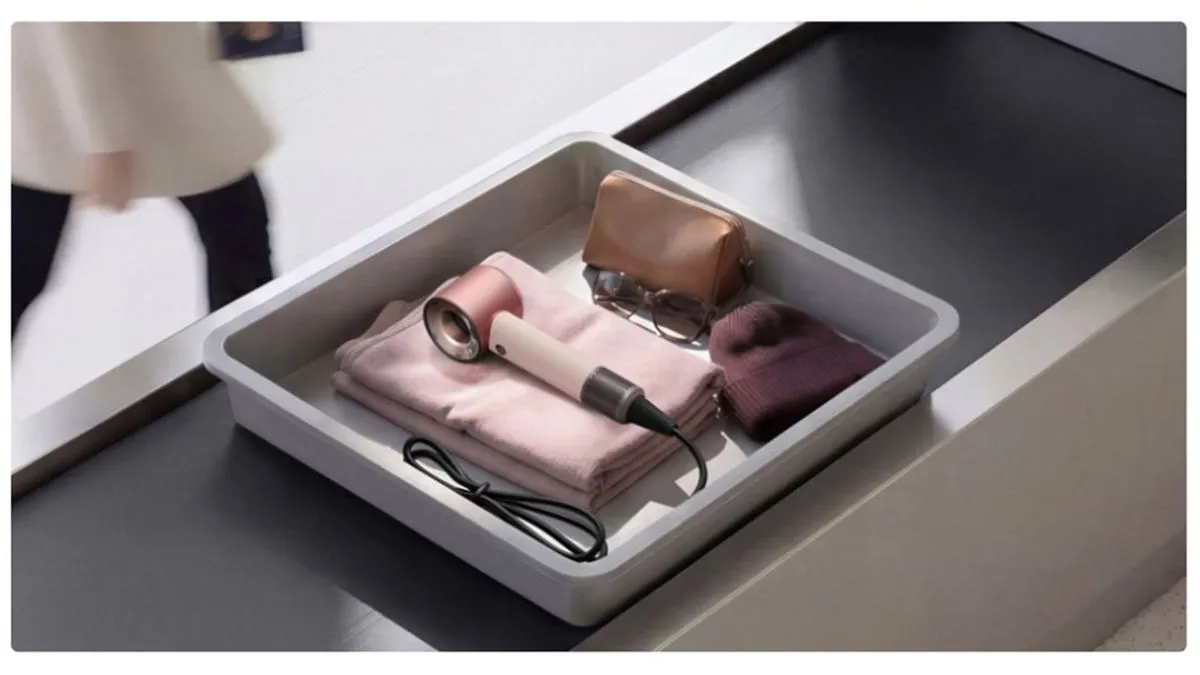
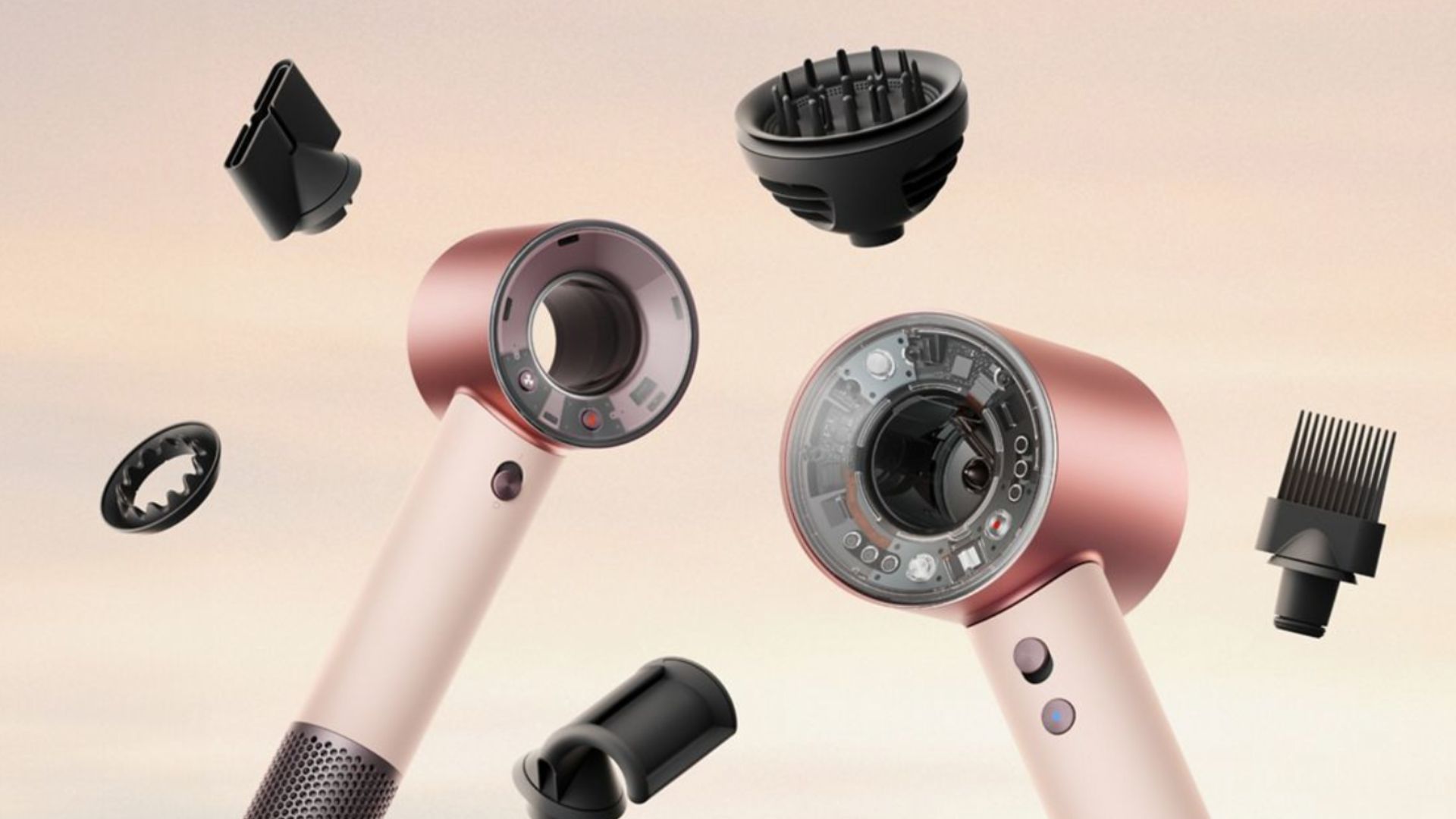
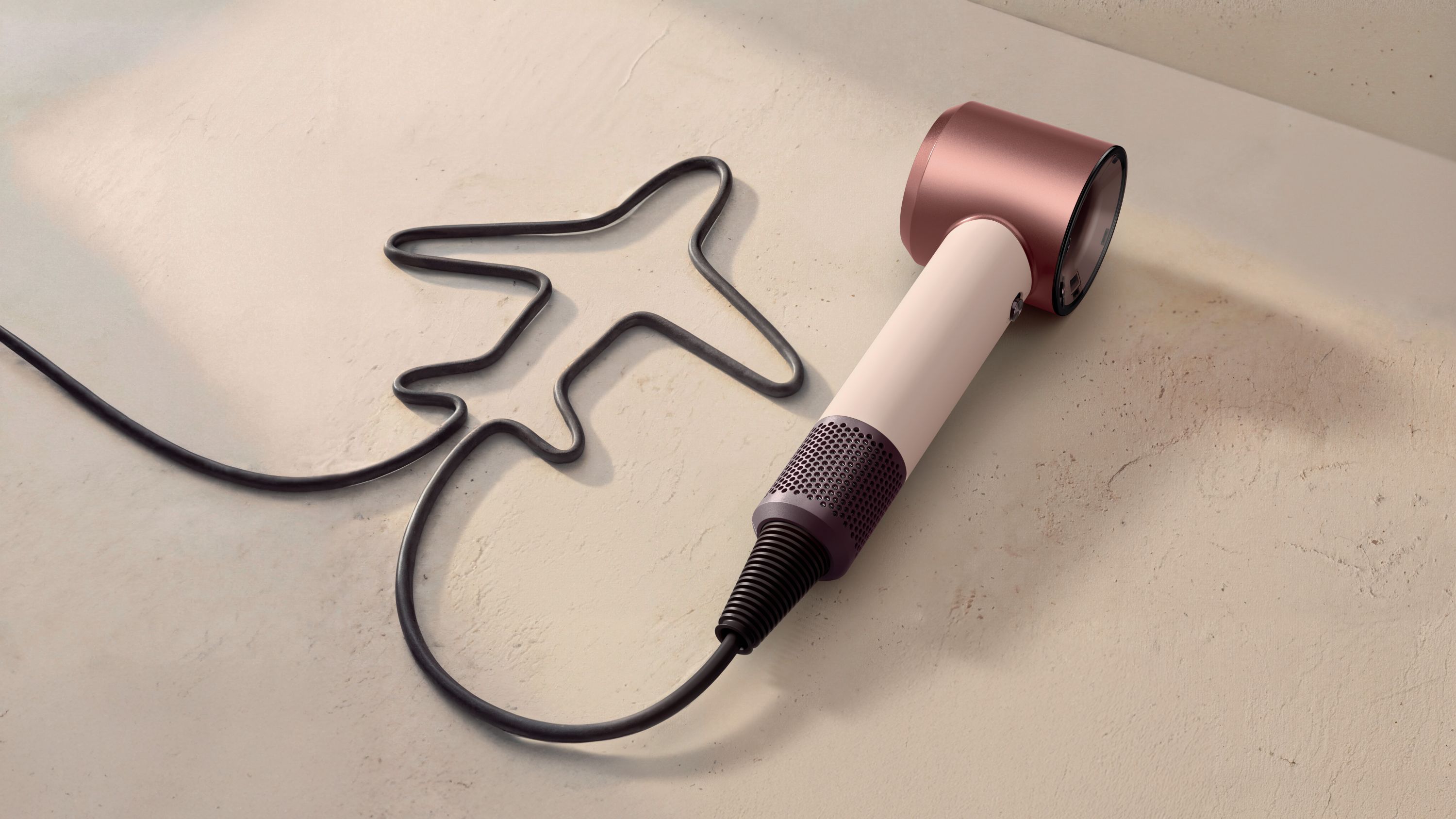
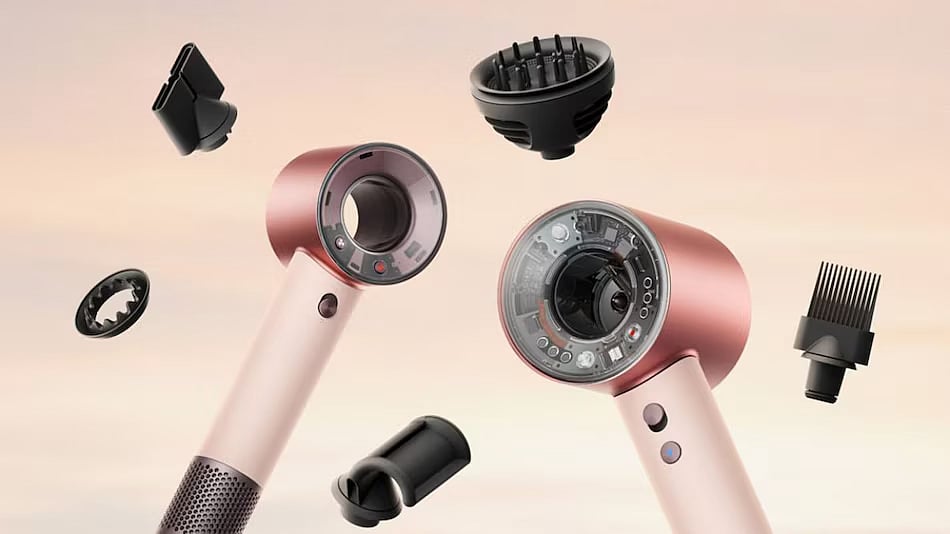
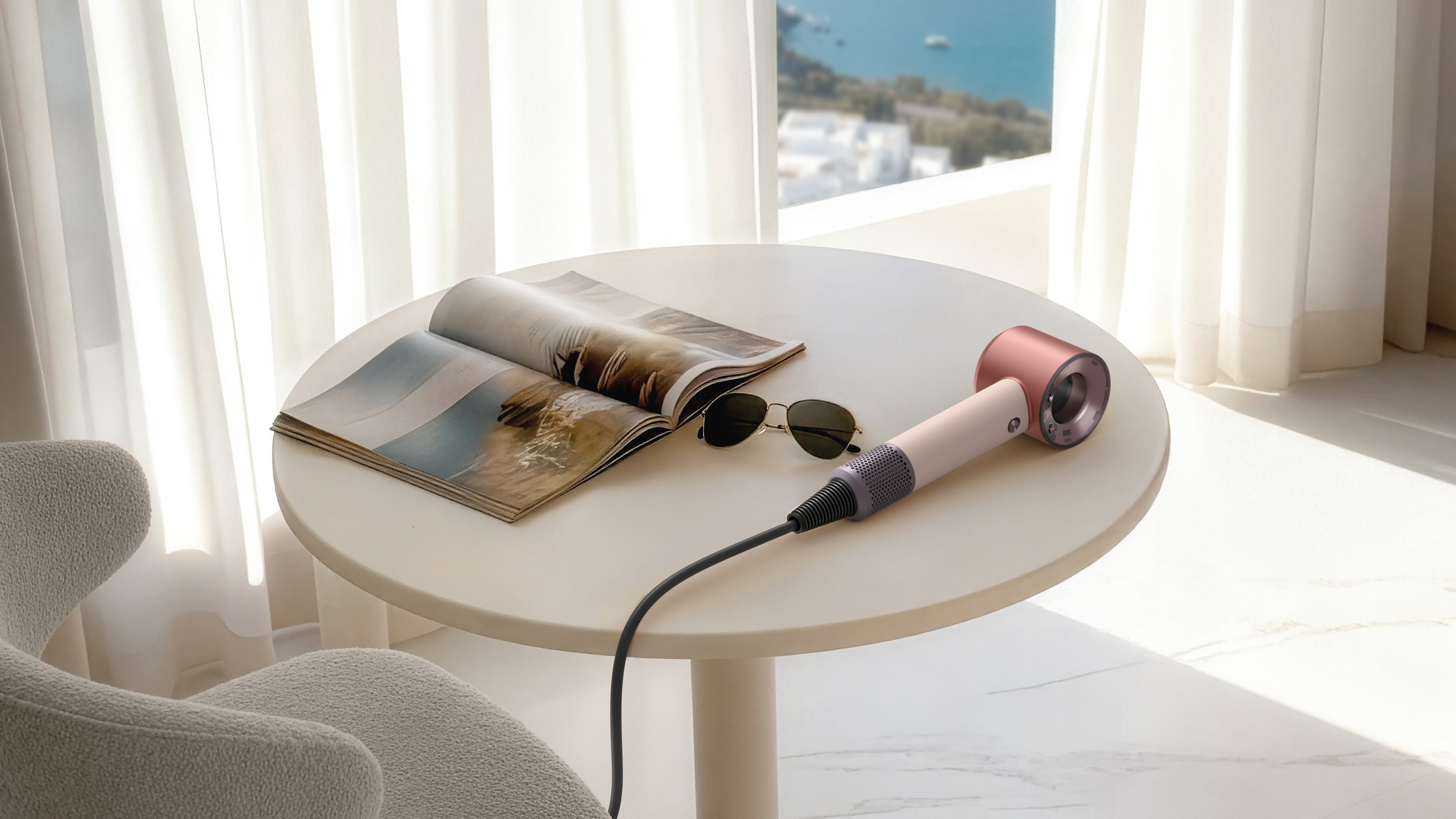
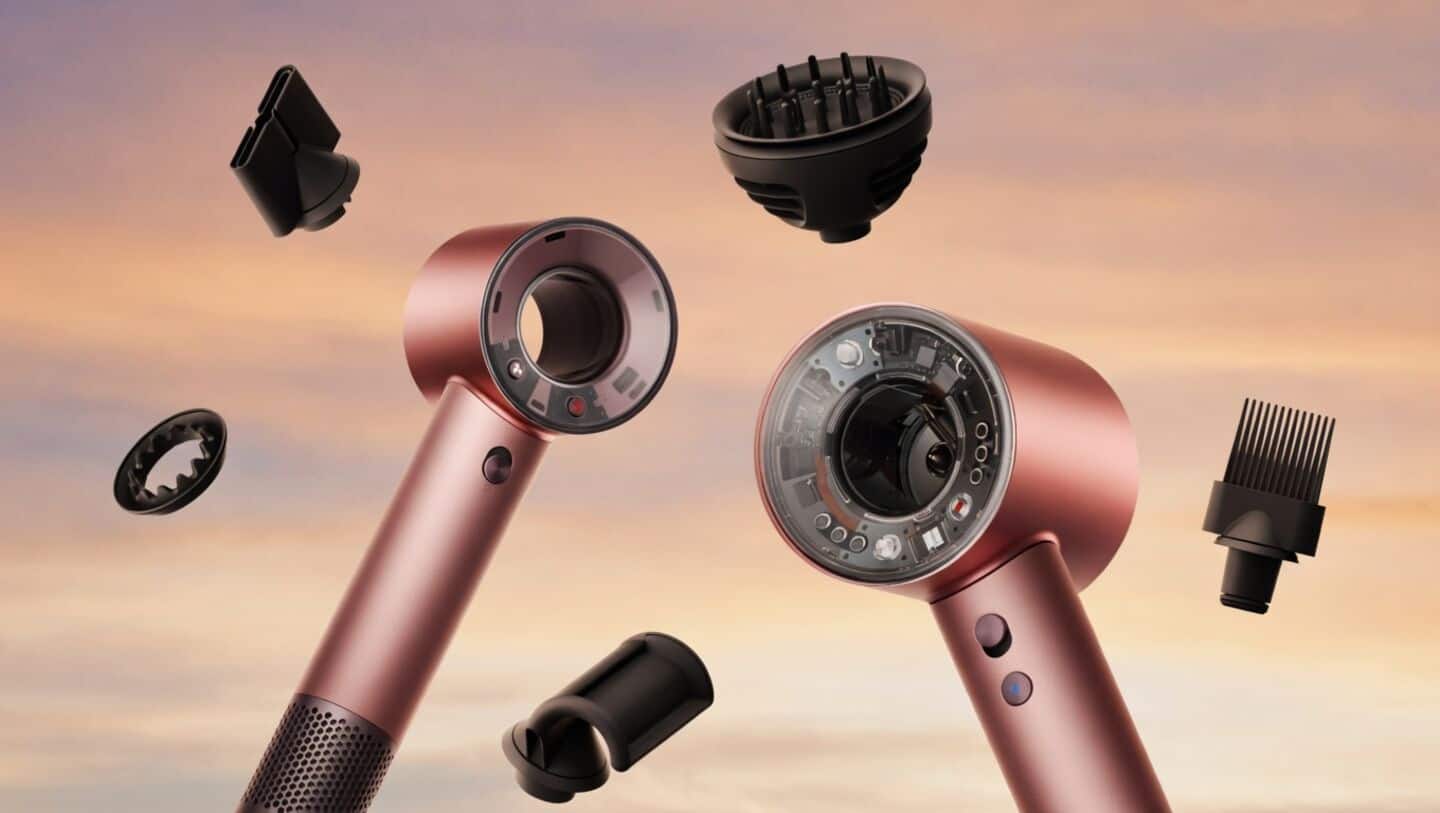
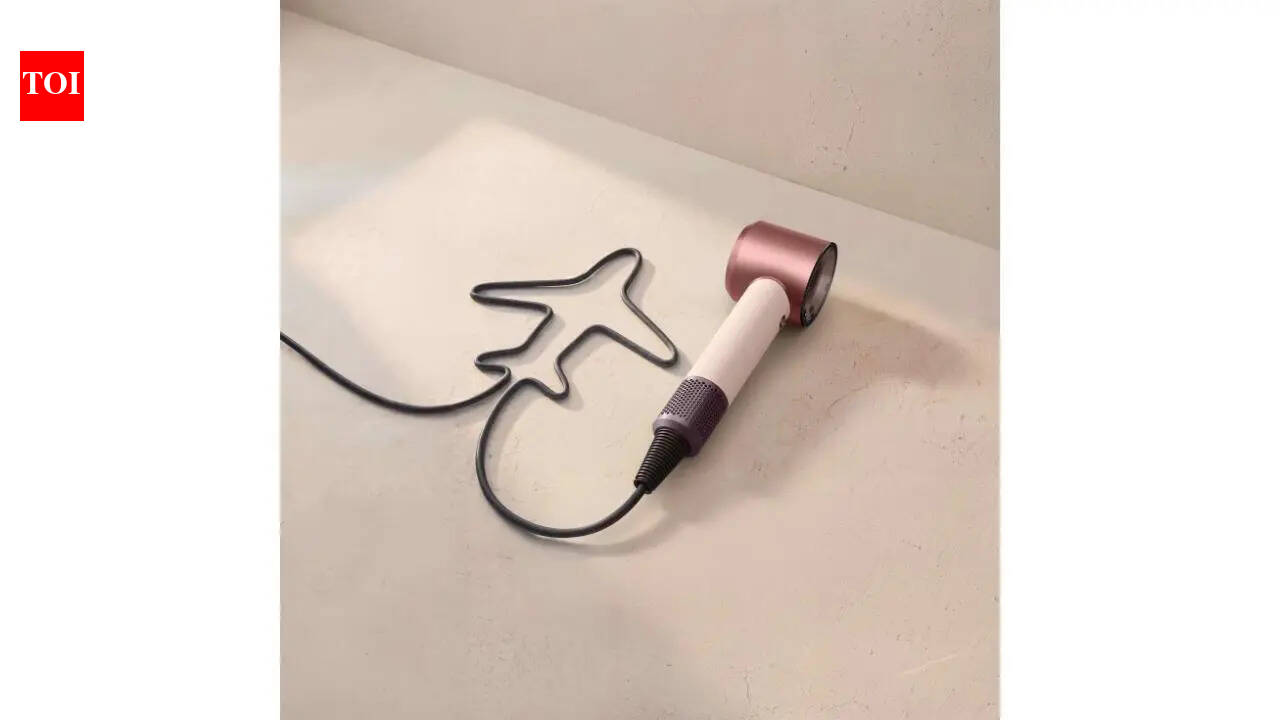
Dyson's launch of the Supersonic Travel hairdryer represents a watershed moment for the premium travel personal care category, signaling massive untapped demand within the $8+ billion global hairdryer market. The new device—32% smaller, 25% lighter, and $300 cheaper than the flagship model—addresses a decade-long consumer pain point while introducing universal voltage capability (100-240V) that eliminates the need for converters. Priced at £249.99 with US pricing pending, this product validates a critical market gap: affluent travelers and business professionals willing to invest in premium portable grooming solutions. The device weighs less than a can of Coke, ensuring carry-on compatibility without confiscation risks, while maintaining Dyson's signature heat-protection technology and backward compatibility with existing Supersonic attachments.
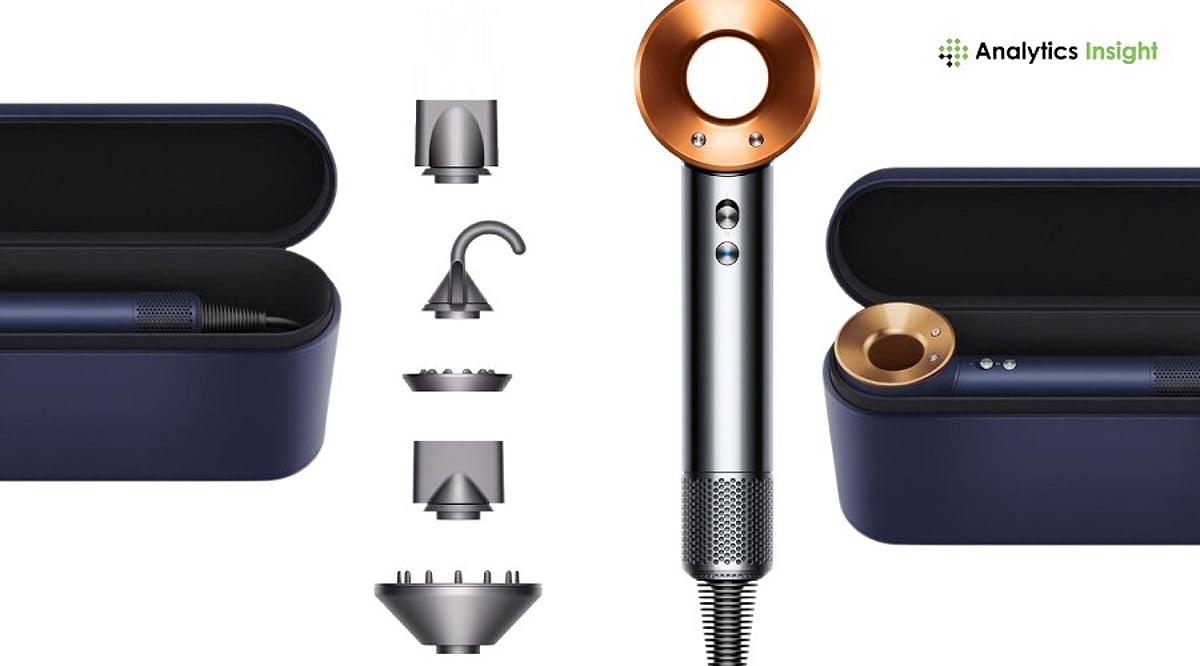
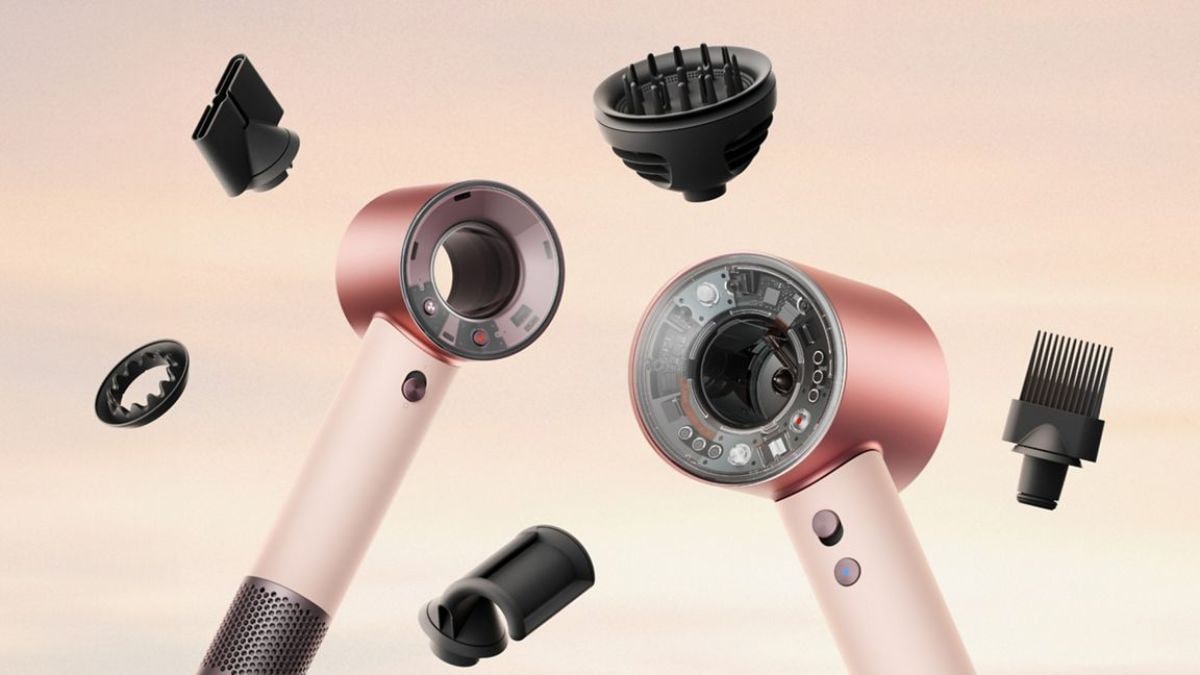
For e-commerce sellers, this launch signals three immediate market opportunities. First, the travel-sized premium personal care category is experiencing explosive growth as consumers increasingly demand compact versions of full-size appliances. The Dyson announcement validates this trend and will likely trigger competitor product launches, expanding the addressable market. Second, the universal voltage feature removes a critical barrier for cross-border sellers targeting international travelers and expatriates—a segment previously underserved by region-locked appliances. Third, the backward compatibility strategy demonstrates ecosystem lock-in potential; sellers can capitalize on attachment customization (Diffuser, Wide Tooth Comb, Flyaway Smoother, Gentle air attachment sold separately) to drive repeat purchases and higher customer lifetime value.
The strategic implications extend beyond hairdryers. Dyson's move reflects broader premiumization trends in travel accessories, where consumers increasingly invest in high-quality portable versions of everyday products. This validates market demand for compact, premium versions of cordless vacuums, air purifiers, and other small appliances—categories where Dyson has already established leadership. The post-holiday travel season timing and pending US pricing announcement suggest regional market testing before broader rollout, typical of Dyson's phased international launch strategy. For sellers, this indicates a 6-12 month window to establish competitive positioning in travel personal care before major brands flood the category. Sellers specializing in travel accessories, luxury personal care, airport retail channels, and cross-border e-commerce platforms serving global consumers face both opportunity and competitive pressure as the category matures rapidly.
Questions 8
What is the target audience for the Supersonic Travel, and how should sellers reach them?
The primary target is affluent travelers and business professionals aged 25-55 who prioritize personal grooming standards while traveling. Secondary segments include expatriates, frequent international business travelers, and luxury-conscious consumers. These audiences are highly receptive to premium, portable versions of everyday products and value carry-on compatibility and international functionality. Sellers should target these segments through travel-focused e-commerce platforms, airport retail channels, luxury personal care marketplaces, and cross-border platforms serving global consumers. Content angles emphasizing convenience, quality maintenance during travel, and international compatibility will resonate most effectively with this demographic.
How does this launch impact sellers in the travel accessories category?
Dyson's entry validates the premium travel personal care segment within the $8+ billion global hairdryer market, signaling explosive growth potential. The launch will likely trigger competitor product launches, expanding the addressable market for travel-sized luxury appliances. For e-commerce sellers, this creates three immediate opportunities: (1) developing competing travel hairdryer products with universal voltage, (2) selling complementary travel accessories and voltage converters, and (3) capitalizing on attachment customization demand. Sellers specializing in travel goods, luxury personal care, and cross-border e-commerce platforms serving international travelers face both opportunity and competitive pressure as major brands enter the category.