



Creator Economy Crisis: Digital Platform Accountability & Seller Risk Management in 2026
- High-profile creator arrest exposes platform liability gaps affecting 2.8M+ content sellers; Twitch/TikTok verification policies under scrutiny as merchandise sellers face reputational risk










Overview
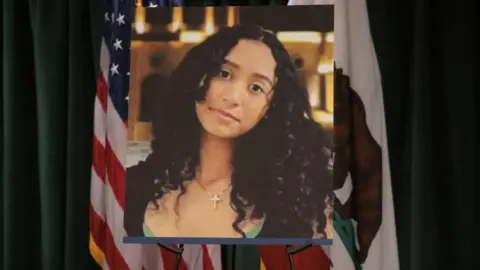
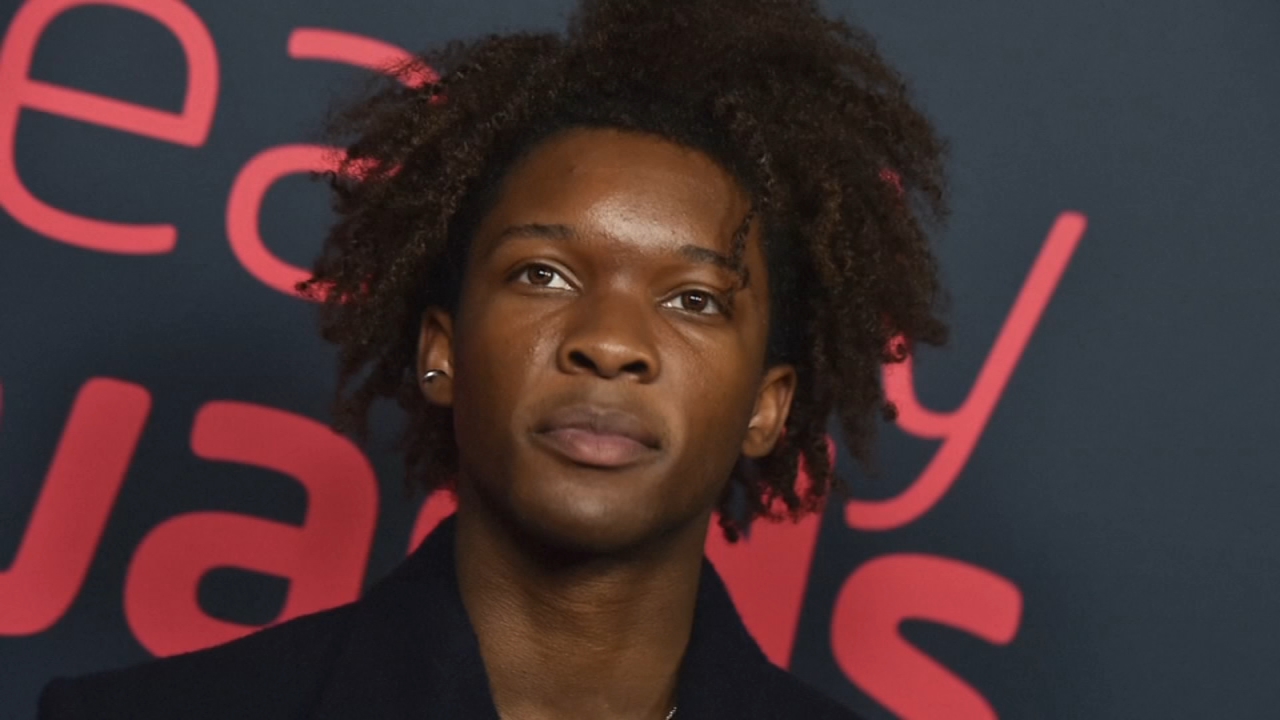
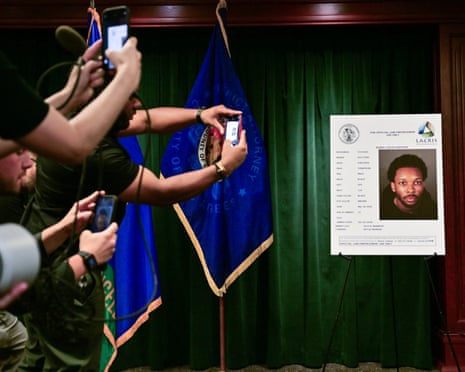
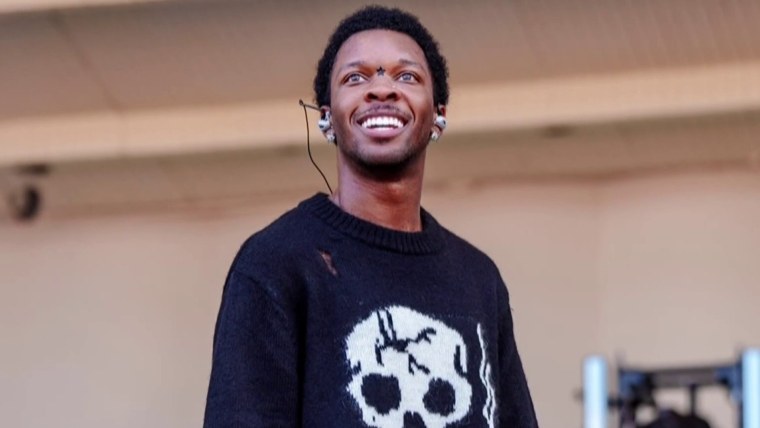
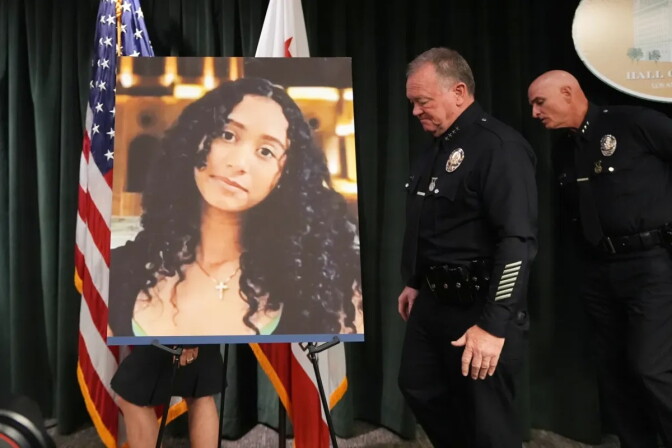
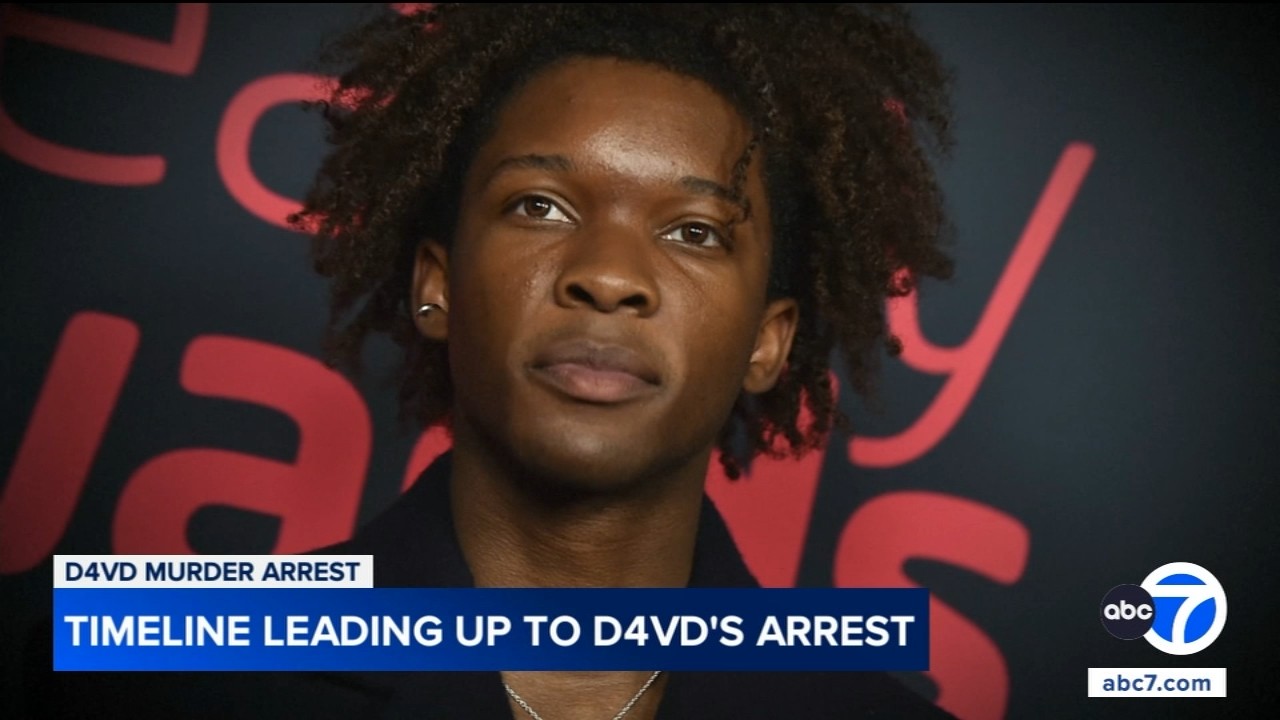
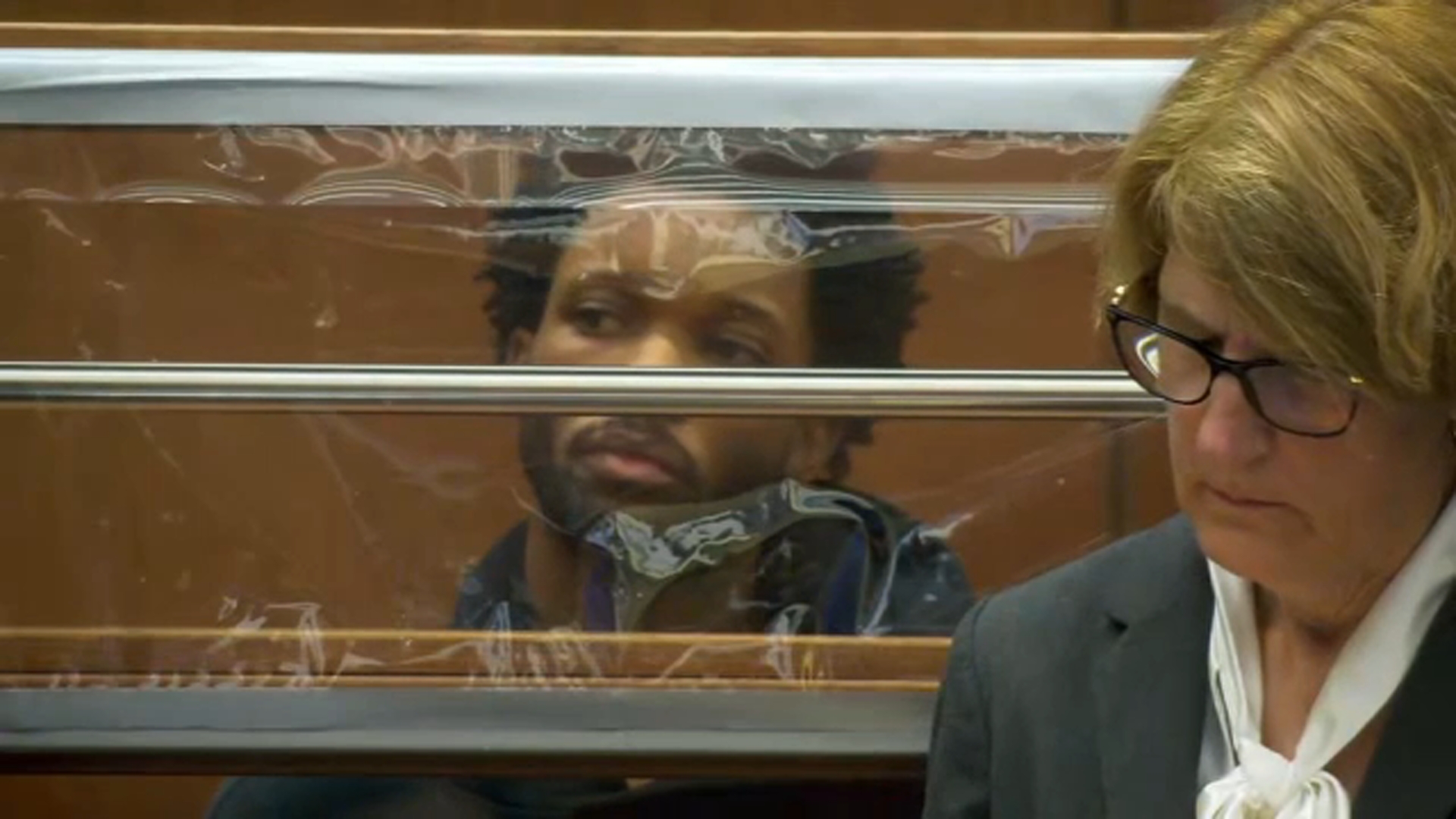
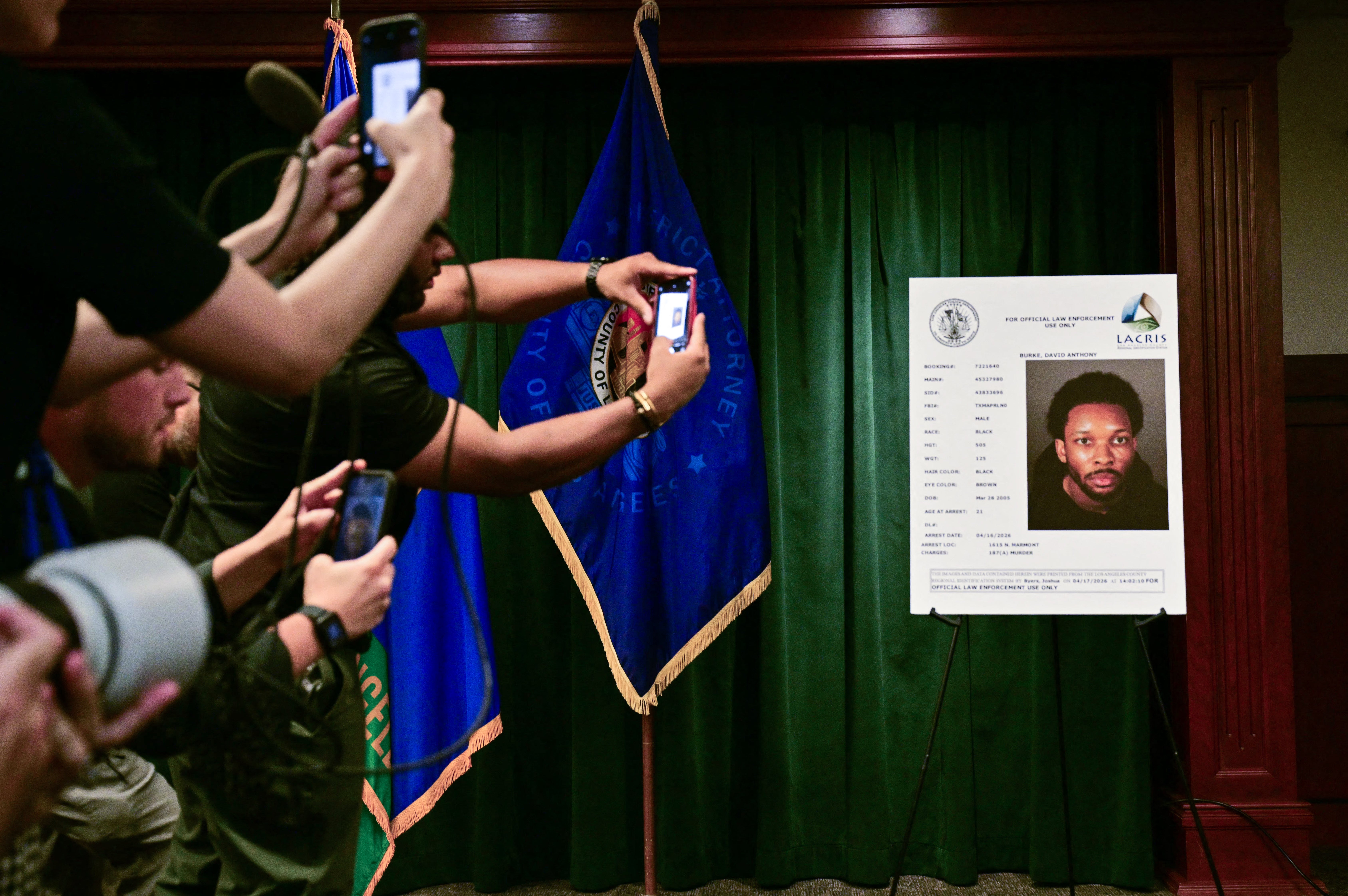
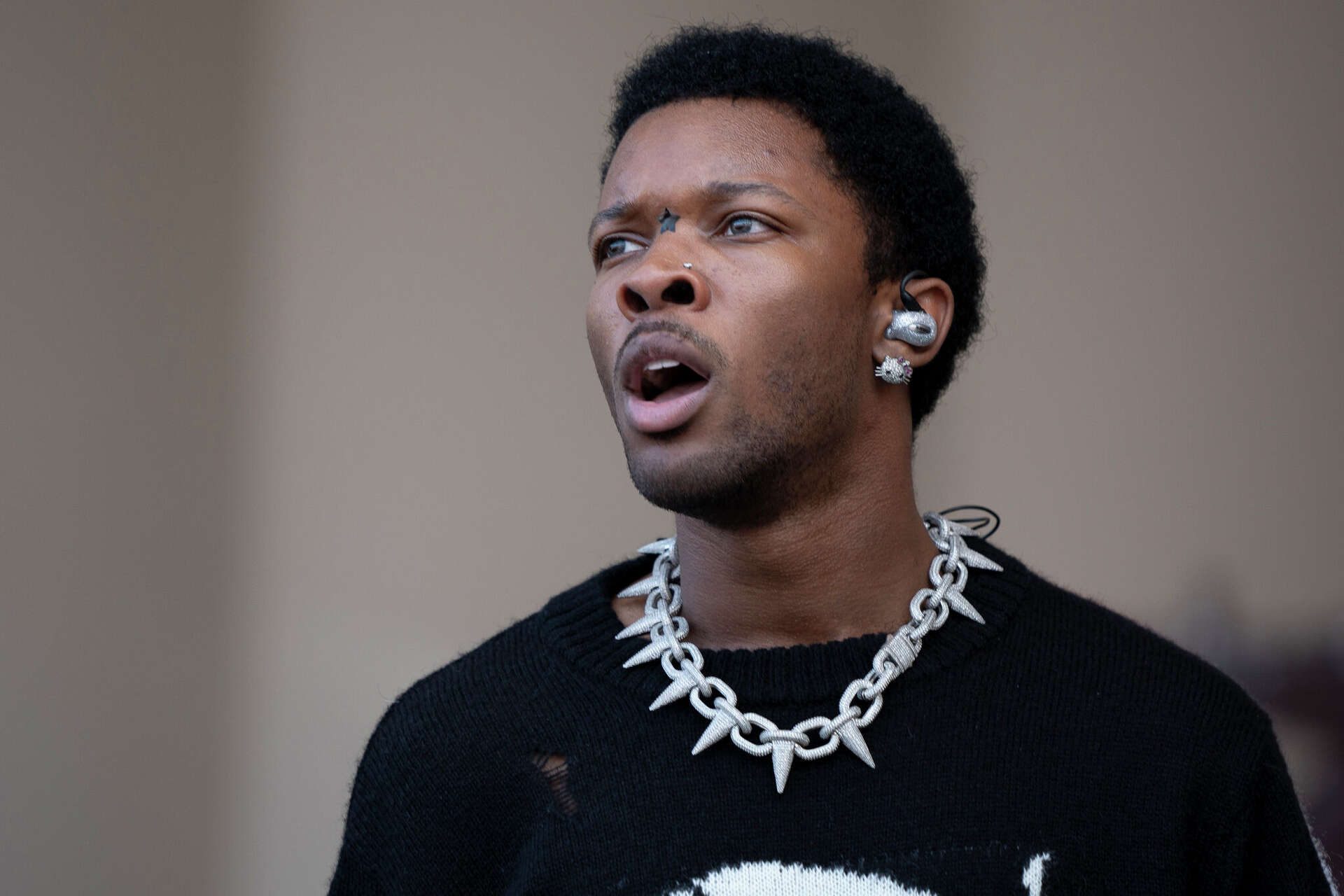
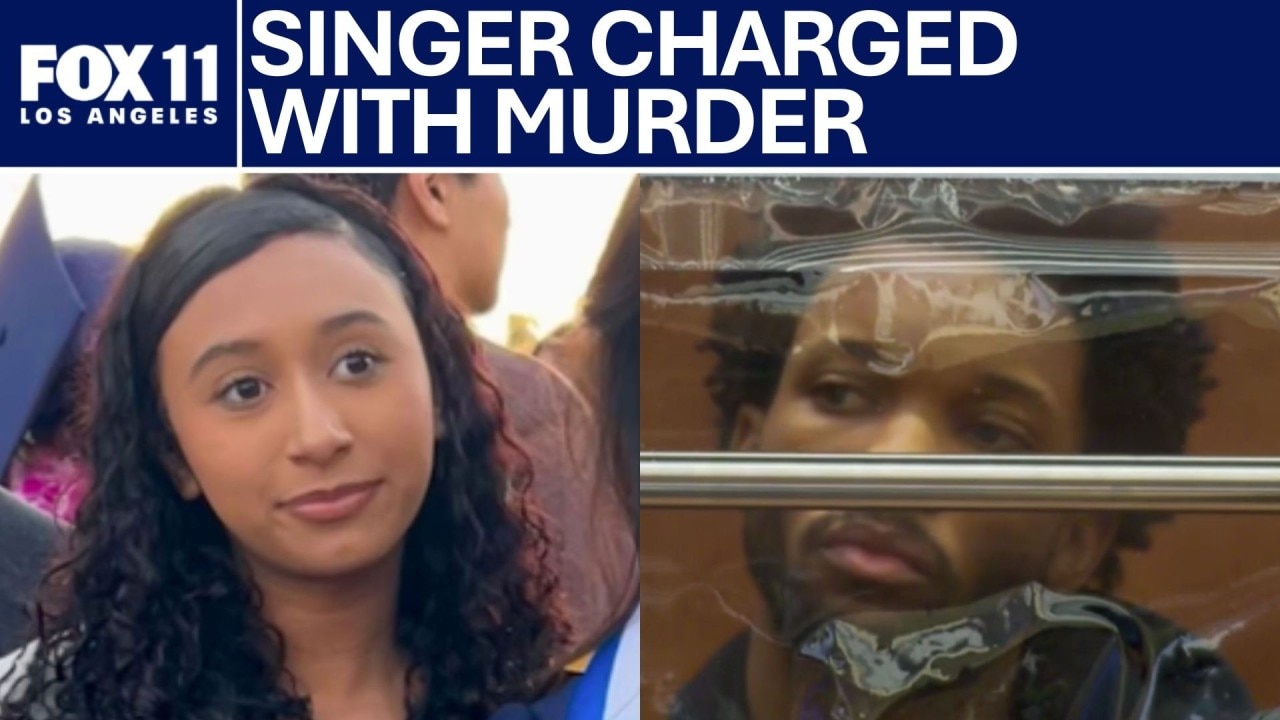
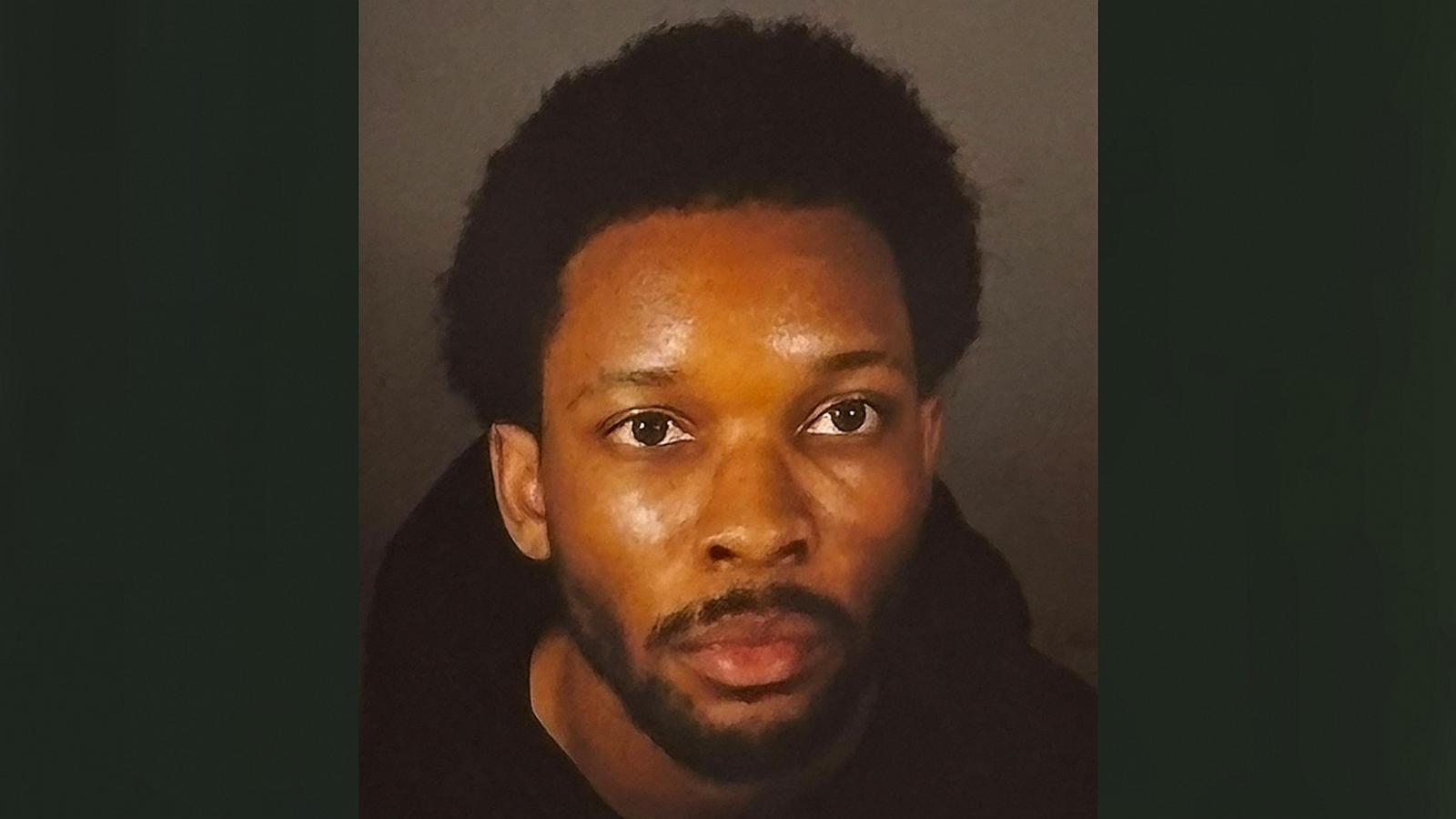
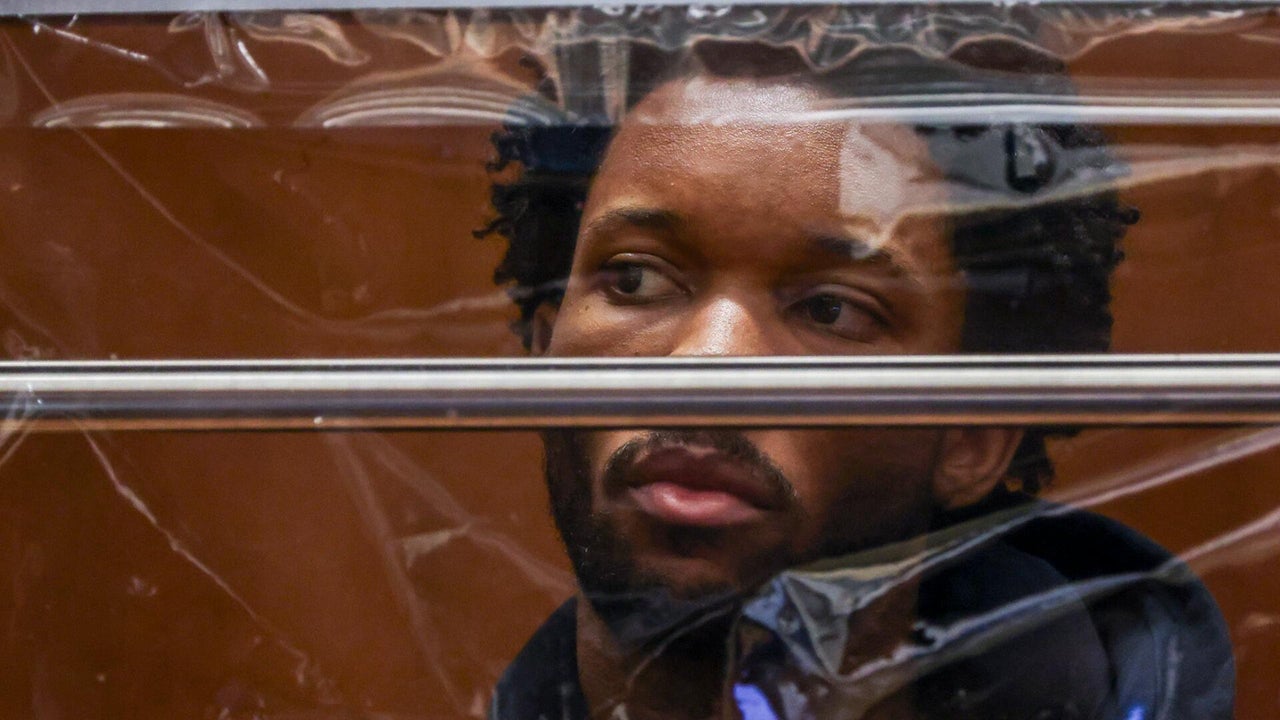
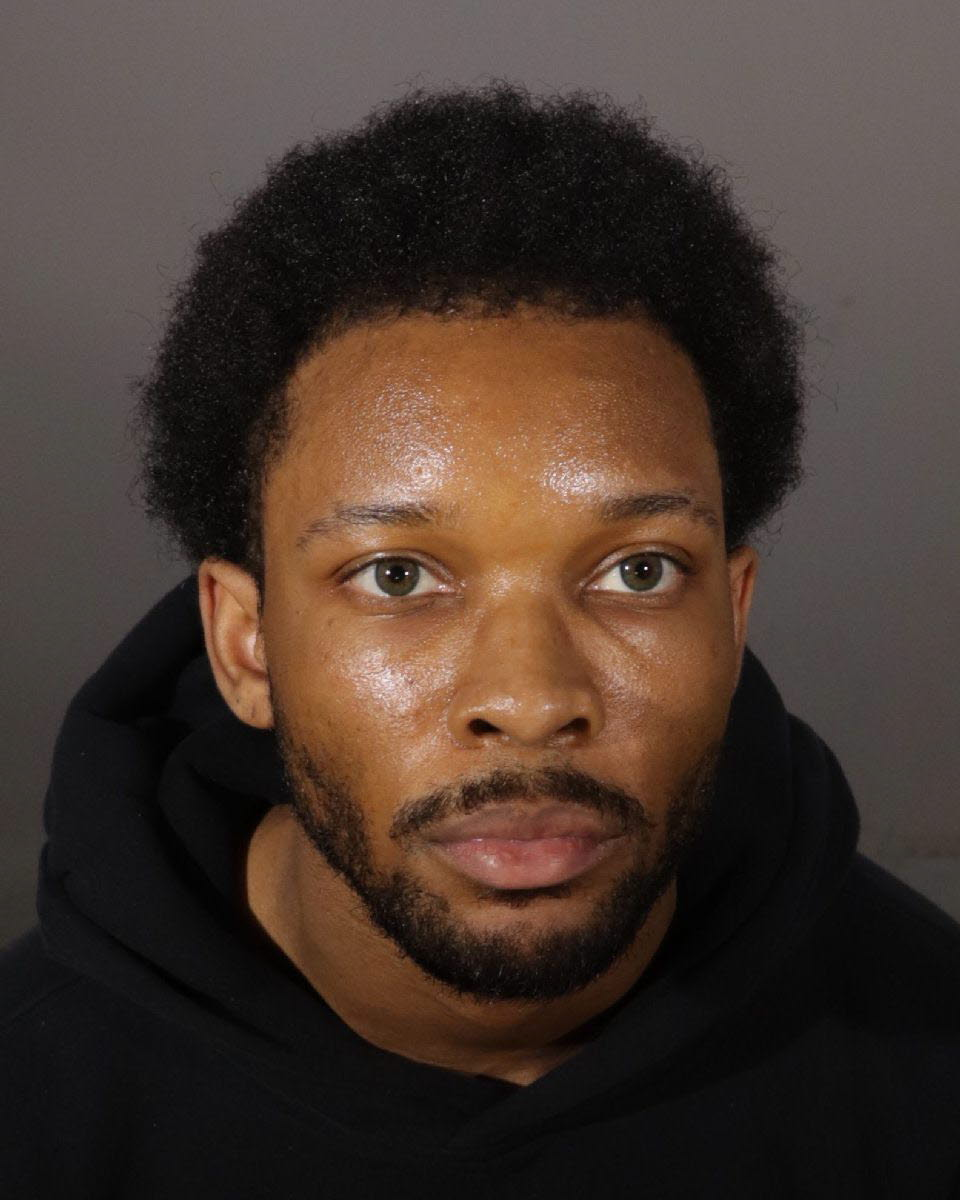
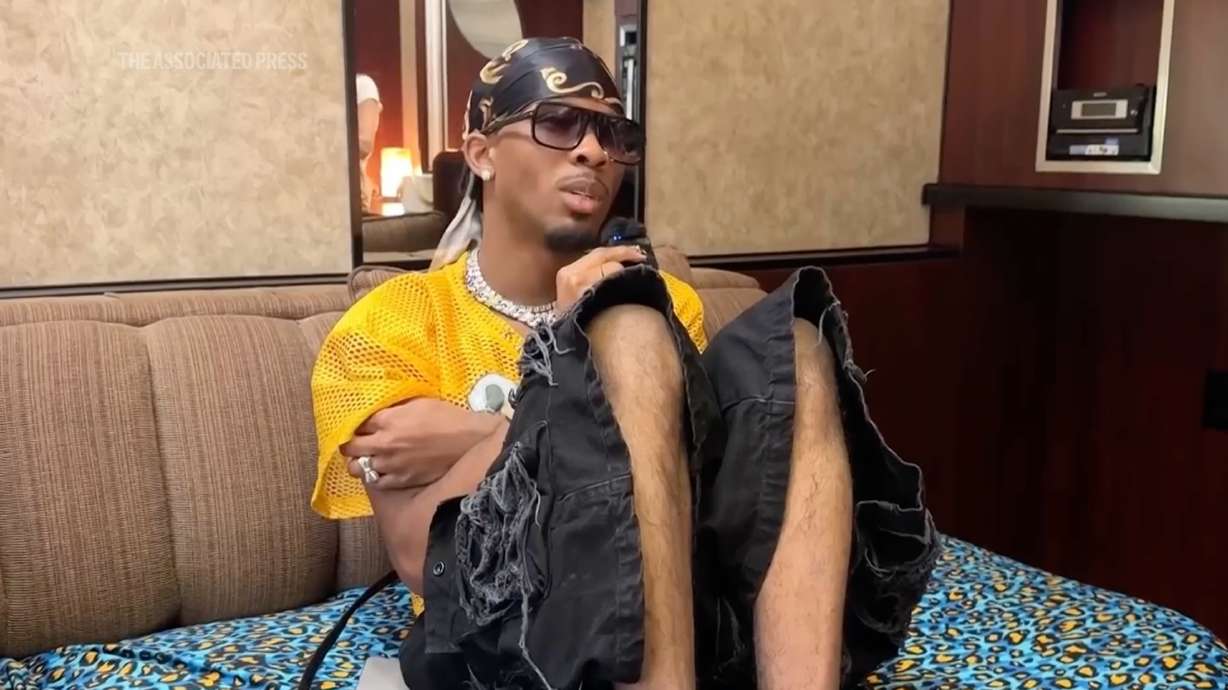
The arrest and prosecution of musician D4vd (David Anthony Burke) in connection with the death of 14-year-old Celeste Rivas Hernandez represents a critical inflection point for the creator economy and digital platform accountability. This case, which involves allegations of murder, sexual abuse of a minor, and body mutilation, directly implicates content distribution platforms (Twitch, TikTok, Instagram) and merchandise licensing ecosystems in their vetting and monitoring responsibilities. The investigation timeline—spanning January 2024 Twitch livestreams through April 2026 arrest—reveals significant gaps in platform verification systems that creators exploit to build audiences and monetize content.
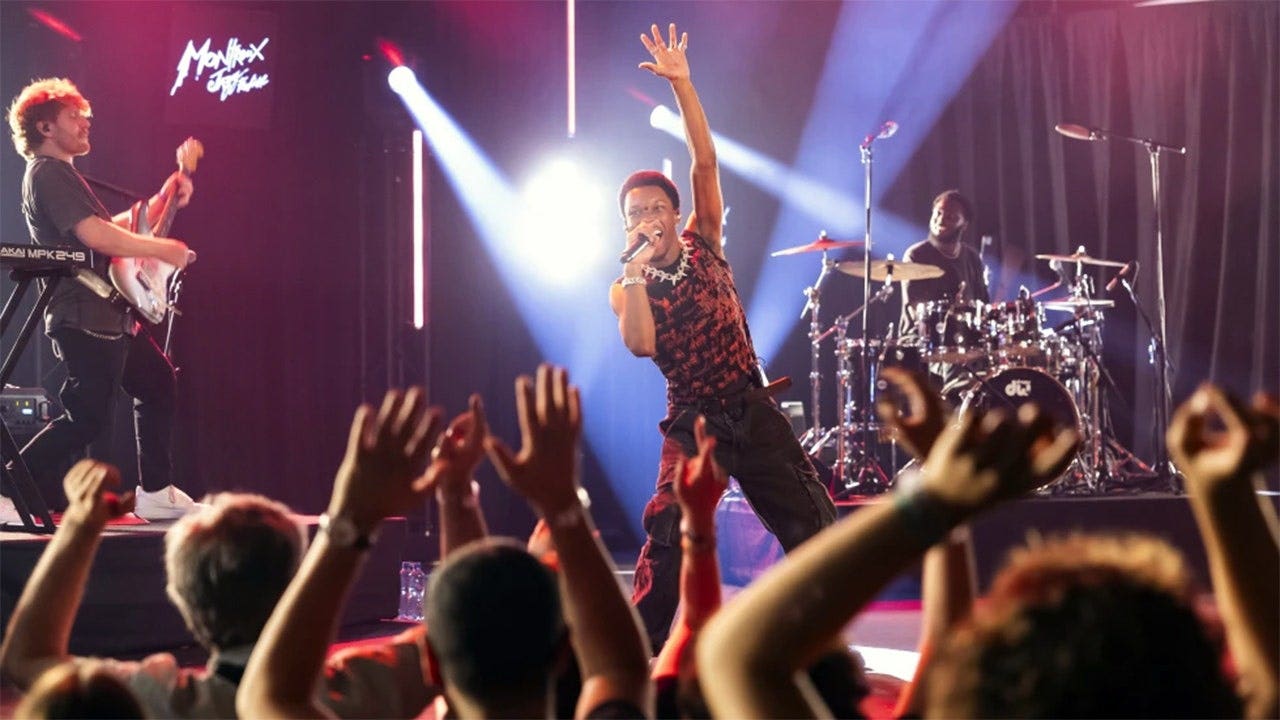
Platform Liability and Creator Verification Crisis: D4vd leveraged viral TikTok content (songs for Fortnite gaming videos) to secure an Interscope Records deal and Coachella 2025 performance, demonstrating how platforms enable rapid creator monetization without adequate background screening. For e-commerce sellers, this creates two critical risks: (1) Merchandise Association Risk—sellers partnering with creators for branded products, apparel, collectibles, or gaming merchandise face sudden brand contamination when creators face criminal charges; (2) Platform Accountability Exposure—Amazon Merch on Demand, Printful, Teespring, and Shopify sellers who license creator content now operate in a regulatory environment where platforms face potential liability for inadequate creator vetting. The case demonstrates that platforms prioritize growth velocity over creator background verification, creating downstream risk for merchandise sellers.
Merchandise Category Vulnerability: The creator economy generated $104.2B globally in 2024, with merchandise representing 18-22% of creator revenue streams. D4vd's rise through gaming/music content (Fortnite integration, TikTok virality) mirrors the exact pathway for merchandise-eligible creators in gaming, music, and entertainment categories. Sellers in these verticals—particularly those using Shopify, Amazon Merch, or Printful for creator collaborations—now face increased due diligence requirements. The case establishes precedent that platforms may face regulatory scrutiny for enabling creator monetization without adequate safeguarding, potentially triggering new verification requirements for creator partnerships by Q3 2026.
Operational Impact for Sellers: Merchandise sellers collaborating with creators should expect: (1) Enhanced creator background screening requirements from platforms (estimated 30-60 day delays in partnership approvals); (2) Increased liability insurance costs for creator-branded products (5-15% premium increases); (3) Potential inventory write-offs if creator partnerships dissolve due to legal issues; (4) Mandatory compliance with new creator verification standards on Shopify, Amazon, and eBay by Q4 2026. The case also signals that platforms will implement stricter content moderation and creator monitoring, potentially affecting livestream commerce (TikTok Shop, Amazon Live) where creators directly sell merchandise to audiences.
Questions 8
What insurance coverage do merchandise sellers need for creator partnerships?
Sellers should secure professional liability and product liability insurance covering creator-related risks, with premiums ranging $200-800 annually depending on annual merchandise volume. Coverage should include: (1) Creator brand contamination (inventory loss from creator arrests/scandals); (2) Defamation/libel claims from creator partnerships; (3) Intellectual property infringement from unlicensed creator content; (4) Product liability for creator-branded merchandise. The D4vd case demonstrates that creator partnerships carry criminal liability exposure previously underestimated by sellers. Hiscox, Insureon, and Thimble offer creator-specific liability policies. Sellers with $50K+ annual creator merchandise revenue should budget $500-1,200 annually for comprehensive coverage. Review policies quarterly as creator risk profiles evolve.
How should sellers adjust inventory strategy for creator merchandise?
Implement a 'low-inventory, high-velocity' model for creator merchandise rather than bulk pre-production. Traditional approach: sellers pre-manufacture 500-2,000 units of creator-branded apparel/merchandise. Recommended approach: use print-on-demand (Printful, Teespring) for creator products with 7-14 day fulfillment, limiting exposure to 50-100 units in inventory. This strategy reduces write-off risk if creators face legal issues. For high-volume creators (100K+ followers), maintain maximum 30-day inventory. Diversify across 5-10 creators rather than concentrating on 1-2 creators. Expected margin compression: 5-8% due to print-on-demand pricing vs. bulk manufacturing, but offset by reduced inventory risk. Monitor creator social sentiment weekly using tools like Brandwatch or Mention to detect early warning signs of reputational issues.