
Indian Beverage Supply Chain Crisis | Aluminum Shortage & Quick Commerce Disruption
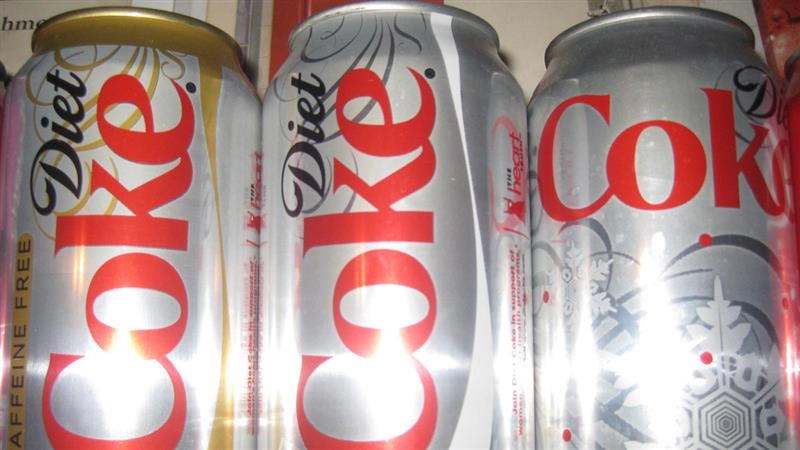
- Diet Coke stockouts across Mumbai, Bengaluru, Ahmedabad since mid-April 2026; aluminum availability, logistics delays, and regulatory packaging adjustments cascade through Blinkit, Zepto, Swiggy Instamart platforms
Overview
The Indian beverage supply chain is experiencing a critical disruption that reveals systemic vulnerabilities in quick commerce fulfillment and raw material sourcing. Since mid-April 2026, Diet Coke has become unavailable across major metropolitan areas—Mumbai, Bengaluru, Ahmedabad, and Gurugram—on rapid-delivery platforms including Blinkit, Zepto, and Swiggy Instamart, while physical retail and restaurant channels report inconsistent inventory. This shortage stems from three interconnected supply chain failures: aluminum availability constraints, logistics delays in distribution networks, and mandatory packaging adjustments to comply with Indian regulatory requirements. The cascading effect demonstrates how raw material disruptions rapidly propagate through multi-channel distribution systems, creating visibility gaps on quick commerce platforms where customers expect 10-30 minute delivery windows.
For e-commerce sellers and quick commerce operators, this incident exposes critical inventory management vulnerabilities in the beverage category. Sellers relying on quick commerce platforms for beverage distribution face operational challenges meeting customer expectations during stockouts, with the shortage coinciding with seasonal demand increases as temperatures rise across India. The problem is particularly acute on quick commerce platforms because rapid delivery expectations create higher visibility for unavailability—customers immediately notice when products disappear from 10-minute delivery apps, unlike traditional retail where stock-outs are less visible. Aluminum sourcing constraints represent a broader supply chain risk affecting all canned beverage suppliers, not just Diet Coke. Regulatory packaging compliance requirements add 2-4 week lead times for reformatted SKUs, compounding logistics delays. The shortage has generated substantial social media engagement with consumer complaints, indicating brand loyalty erosion and competitive opportunity for alternative zero-sugar beverages.
Strategic implications for sellers: This shortage creates immediate sourcing and inventory repositioning opportunities. Sellers should evaluate alternative beverage suppliers from regions with stable aluminum access (Southeast Asia, Middle East aluminum producers) and consider shifting 30-40% of canned beverage inventory to non-aluminum packaging formats (PET bottles, glass) for Indian quick commerce channels. Warehouse positioning matters critically—inventory concentrated in Mumbai and Bengaluru fulfillment centers will face higher stockout risk; diversifying to Tier-2 city warehouses (Pune, Hyderabad, Chennai) reduces single-point failure risk. For sellers currently stocked with competing zero-sugar beverages (Sprite Zero, Fanta Zero, regional brands), this represents a 6-12 week window to capture Diet Coke's market share before supply normalizes. Quick commerce operators should implement dual-sourcing strategies for aluminum-dependent SKUs and establish 15-20 day safety stock buffers rather than just-in-time inventory models that amplify stockout visibility.
Questions 8
Which warehouse locations offer strategic advantages during this supply chain disruption?
Tier-2 city fulfillment centers (Pune, Hyderabad, Chennai, Jaipur) offer strategic advantages because they reduce dependency on Mumbai and Bengaluru warehouses that face higher aluminum-sourcing constraints. Sellers should establish 15-20 day safety stock buffers in these locations rather than just-in-time inventory models that amplify stockout visibility on quick commerce platforms. Regional distribution centers closer to secondary markets also reduce last-mile logistics delays caused by congestion in major metros. For quick commerce operators, diversifying inventory across 4-5 regional hubs instead of 2-3 major metros reduces the probability that aluminum supply disruptions cascade into platform-wide stockouts.
What sourcing shifts should sellers consider for canned beverages in India?
Sellers should evaluate three sourcing alternatives: (1) Shift 30-40% of canned beverage inventory to non-aluminum packaging formats (PET bottles, glass) for Indian quick commerce channels, reducing dependency on constrained aluminum supply; (2) Diversify aluminum sourcing to regions with stable supply (Southeast Asia, Middle East aluminum producers) rather than relying on Indian domestic aluminum availability; (3) Establish dual-sourcing agreements with 2-3 beverage suppliers to mitigate single-supplier risk. The aluminum shortage is expected to persist 8-12 weeks, making packaging format diversification a critical hedge. Sellers should prioritize PET bottle formats for quick commerce (lighter, faster delivery) and glass for premium positioning in physical retail.