


Gaming's Strategic Pivot: How Capcom's Pragmata Reveals Next-Generation Platform Dynamics
- Signals a transformative approach to multi-platform game development and technological storytelling




































Overview
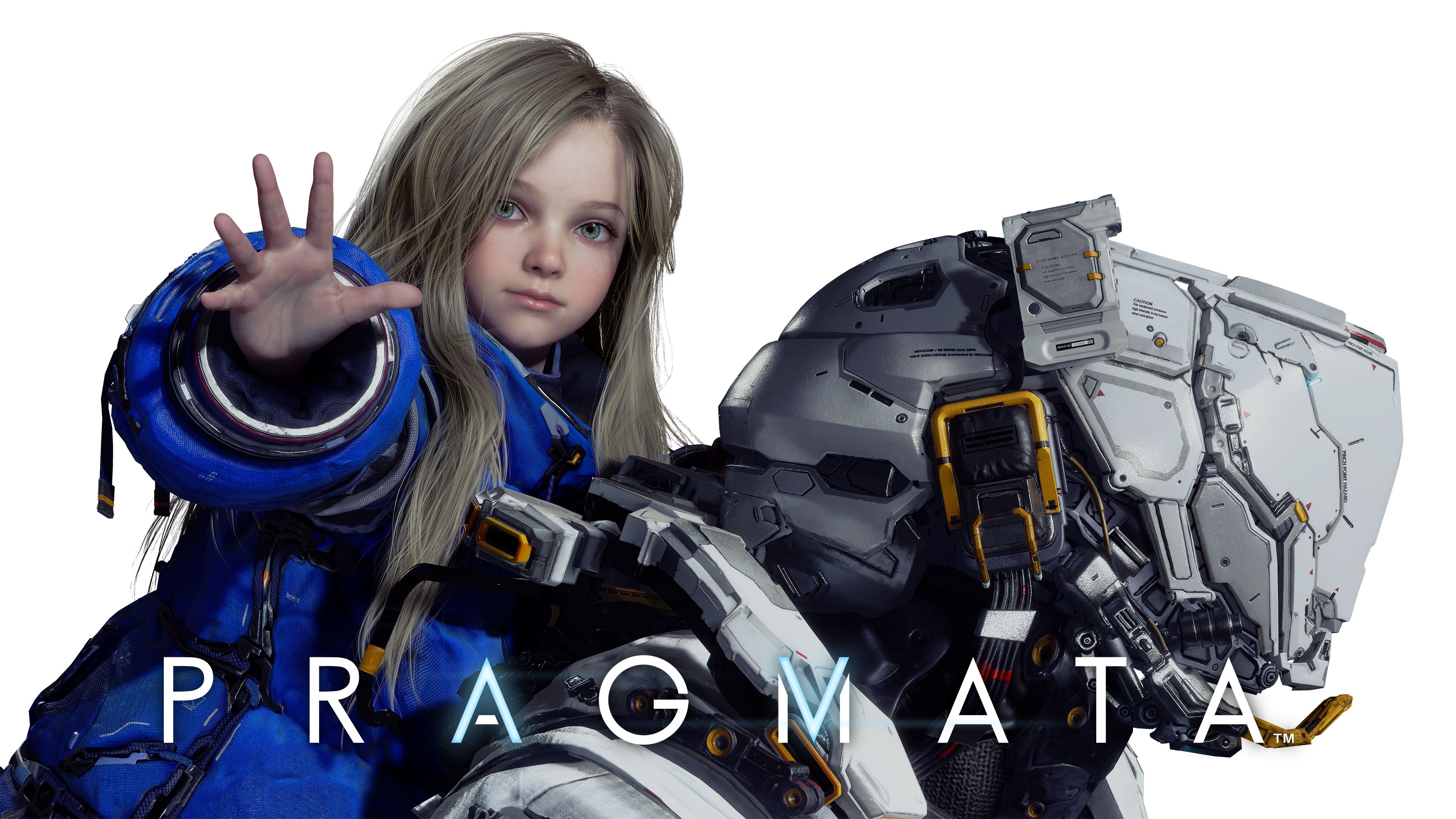
The video game industry stands at a critical inflection point, and Capcom's Pragmata represents a fascinating case study in strategic platform evolution and narrative innovation. After a six-year development journey, this sci-fi action-adventure game is more than just a product launch—it's a blueprint for how game developers will navigate increasingly complex technological landscapes.
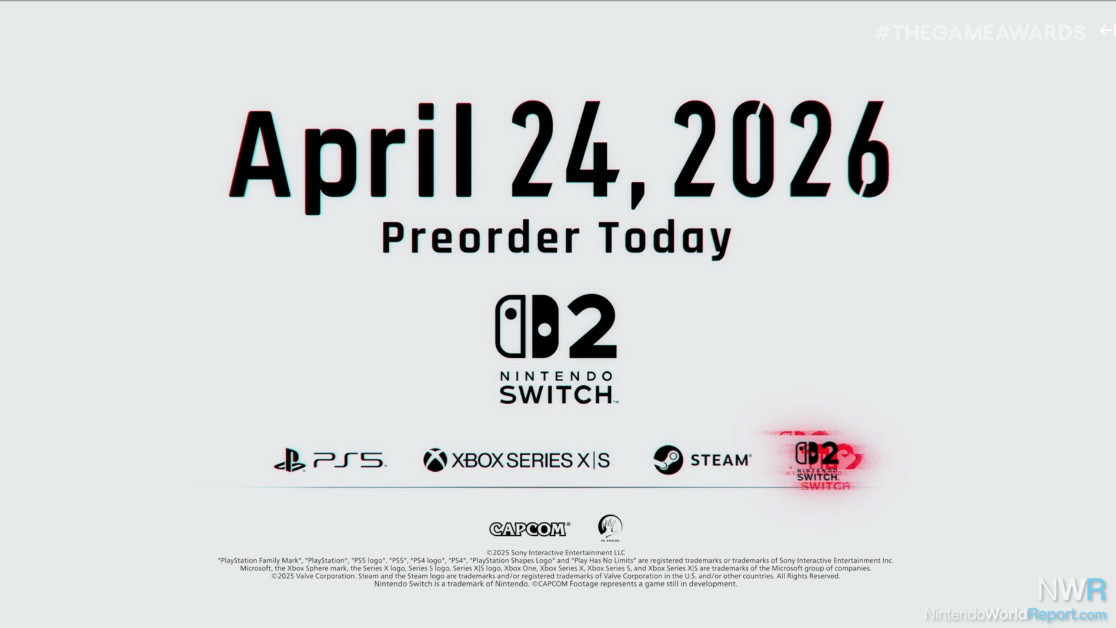
Platform Diversification as a Strategic Imperative: Capcom's decision to simultaneously target the Nintendo Switch 2 and Steam platforms demonstrates a sophisticated approach to market penetration. The six-year development cycle reveals a meticulous strategy of technological adaptation, where game design transcends traditional platform boundaries. By releasing a surprise demo and confirming a multi-platform launch, Capcom is essentially creating a flexible digital ecosystem that can seamlessly transition across emerging gaming technologies.
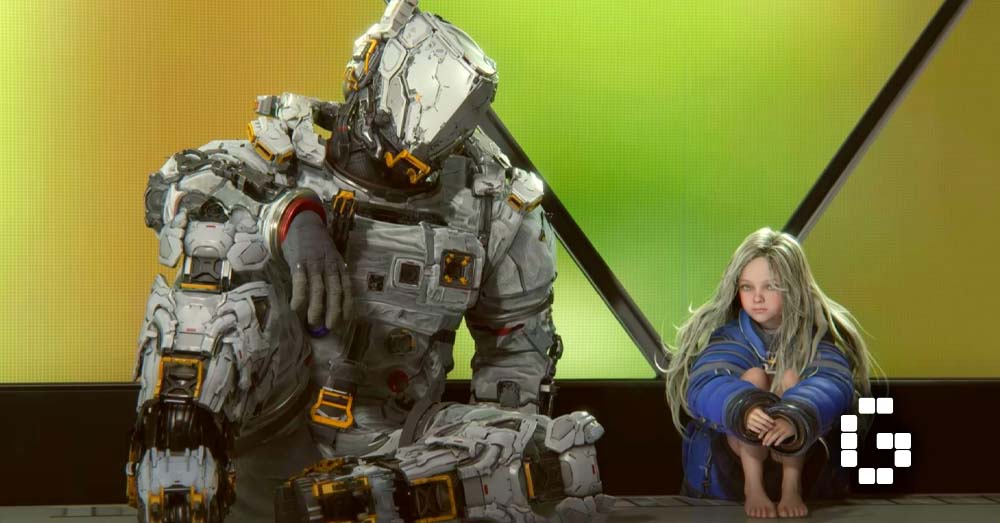
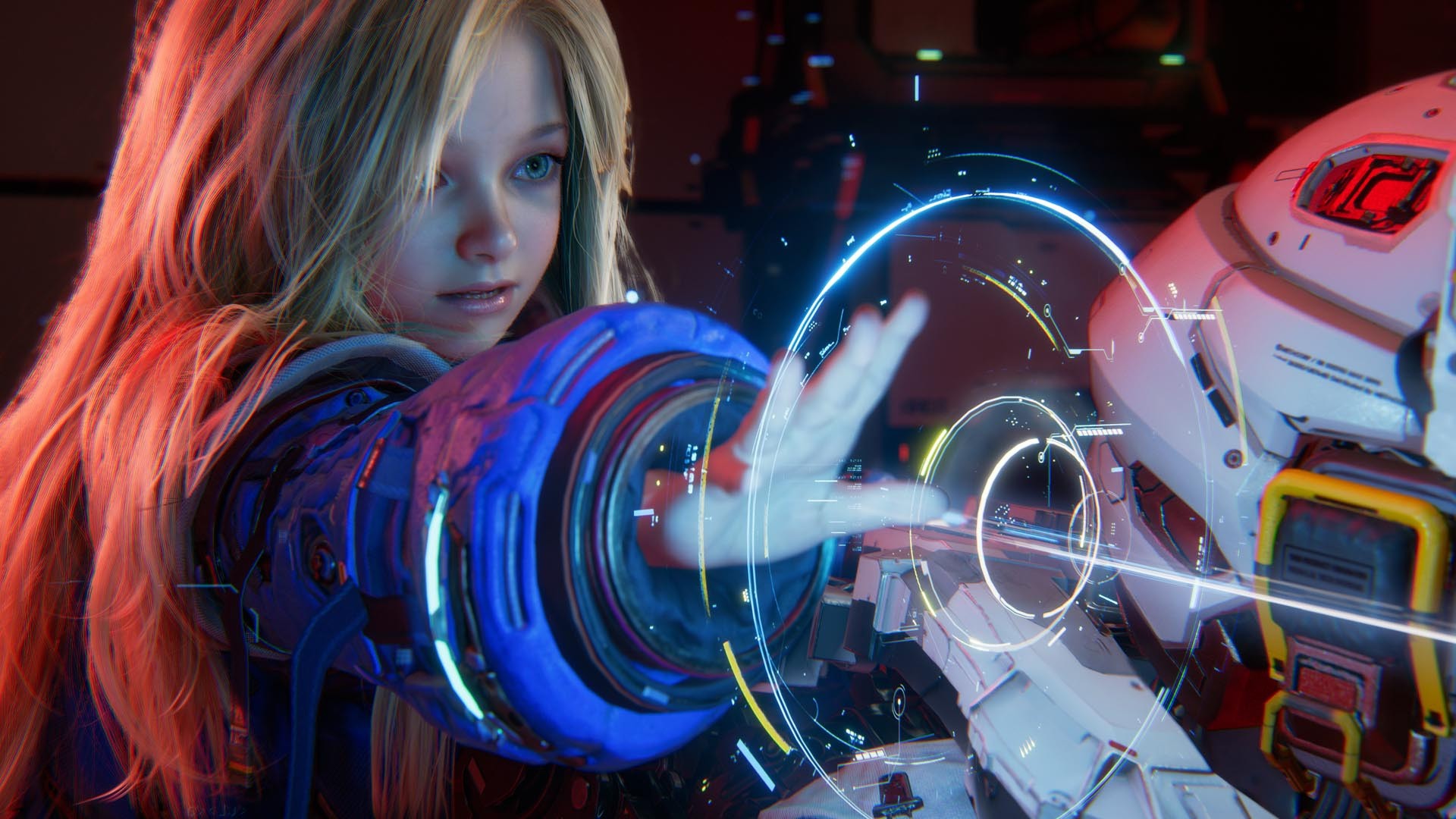
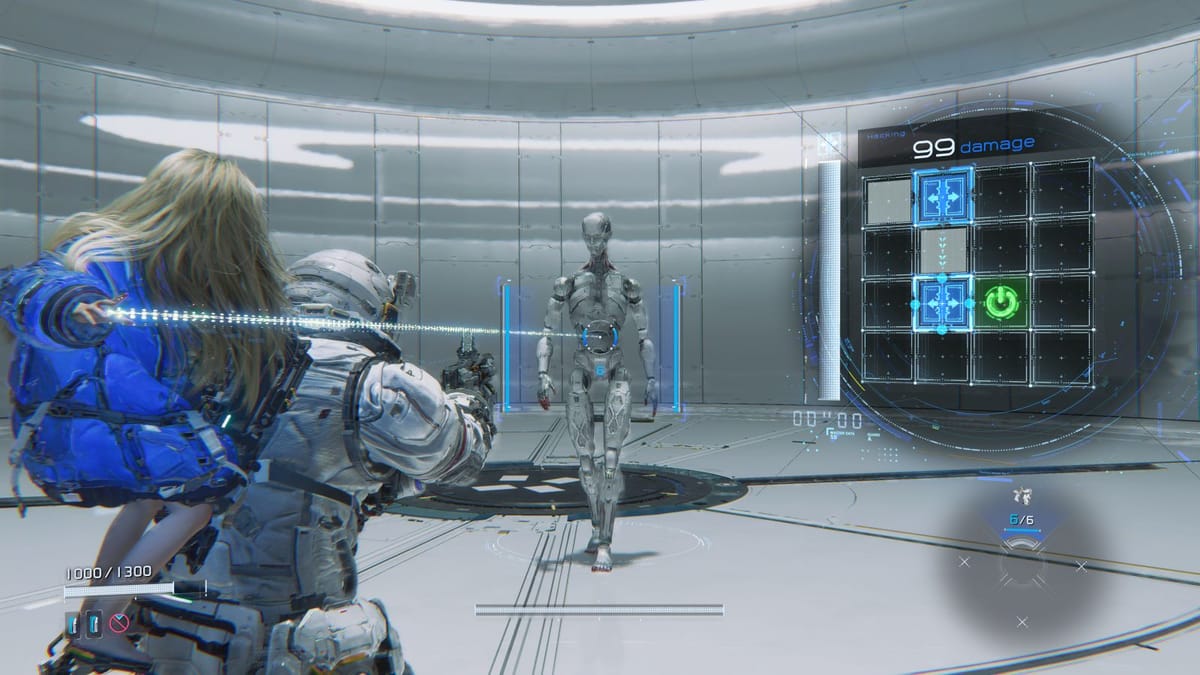
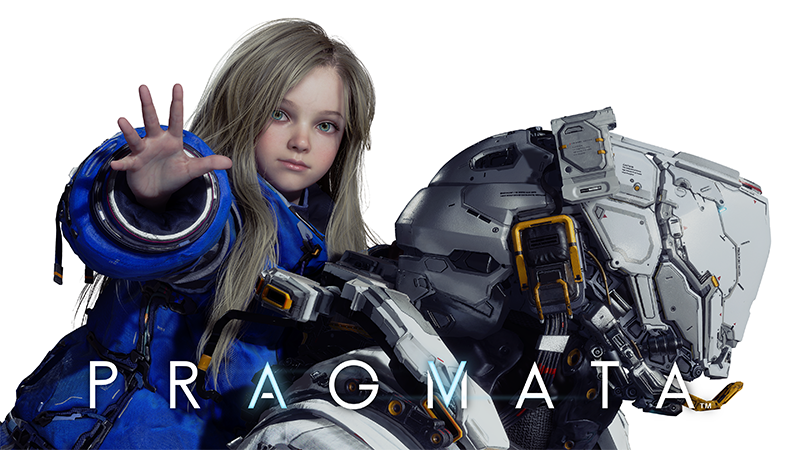
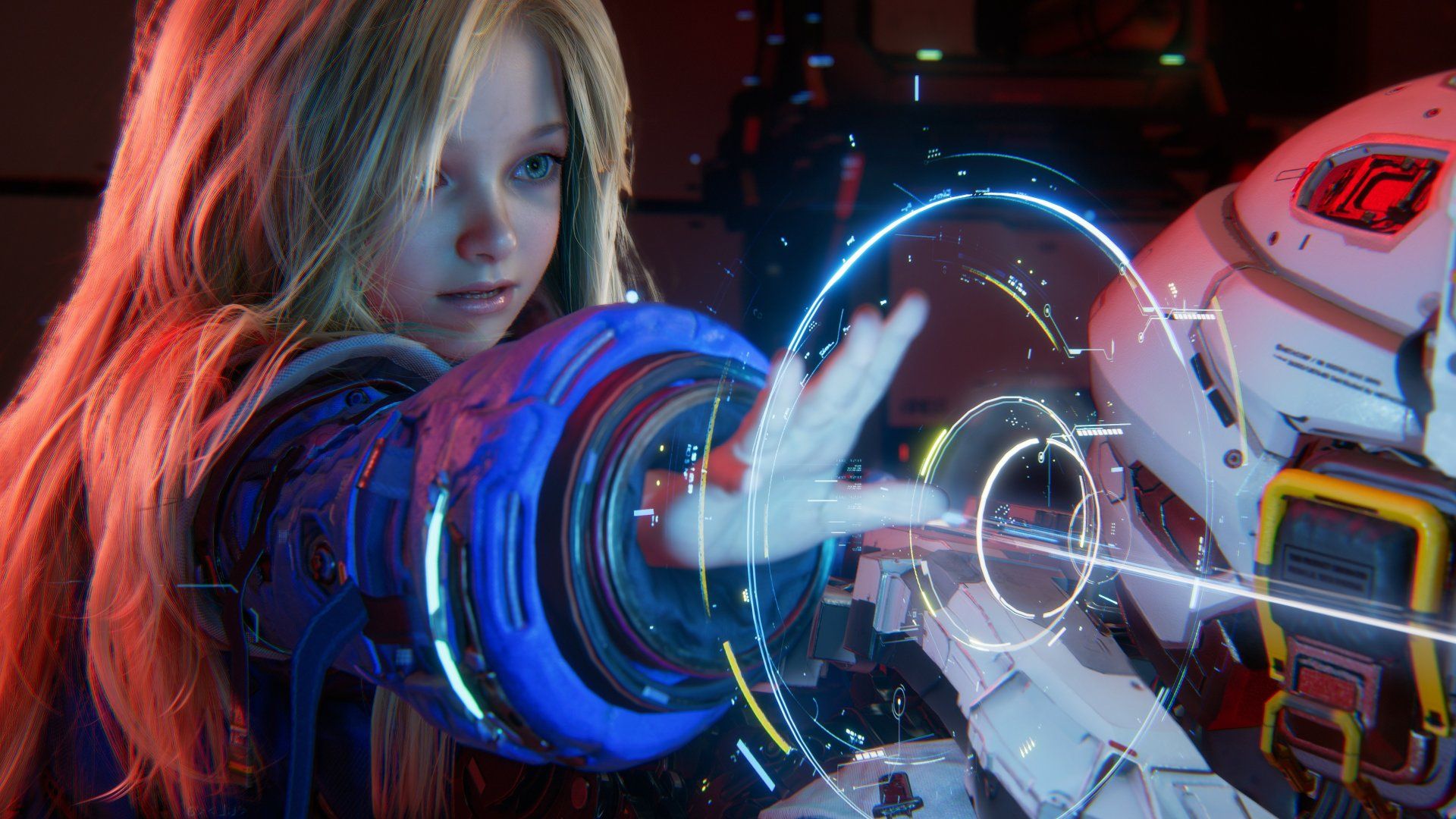
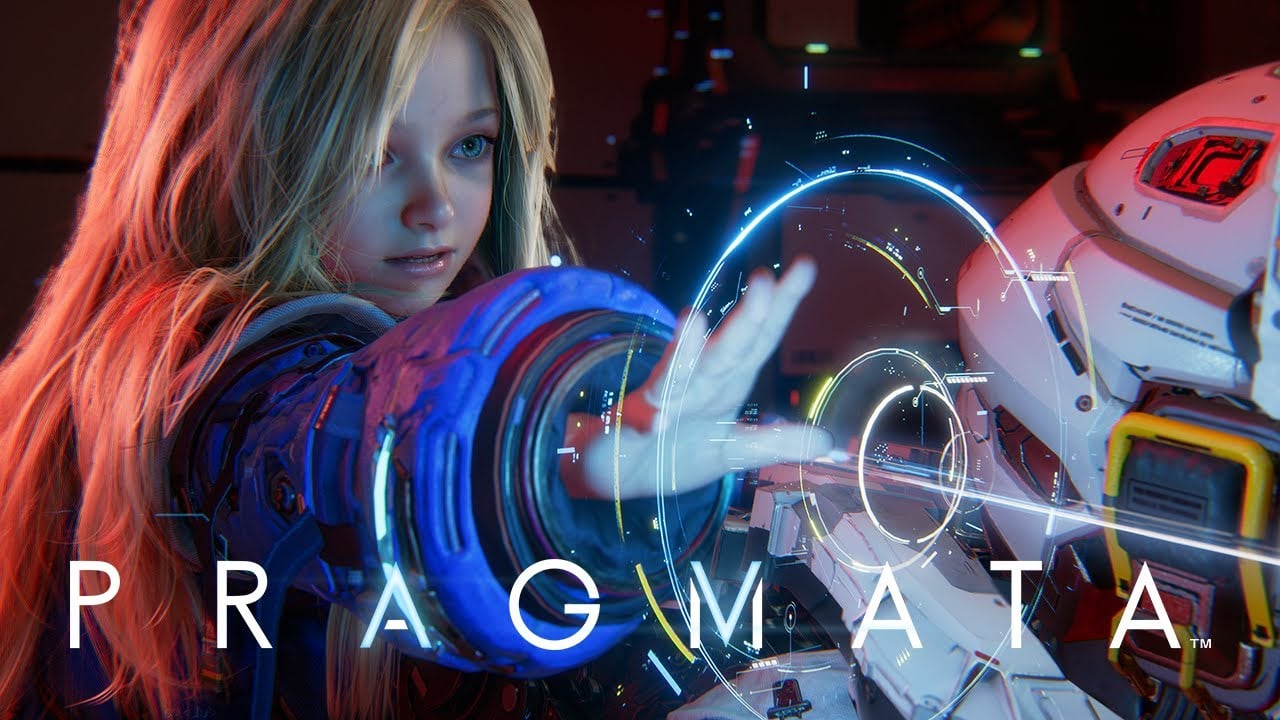
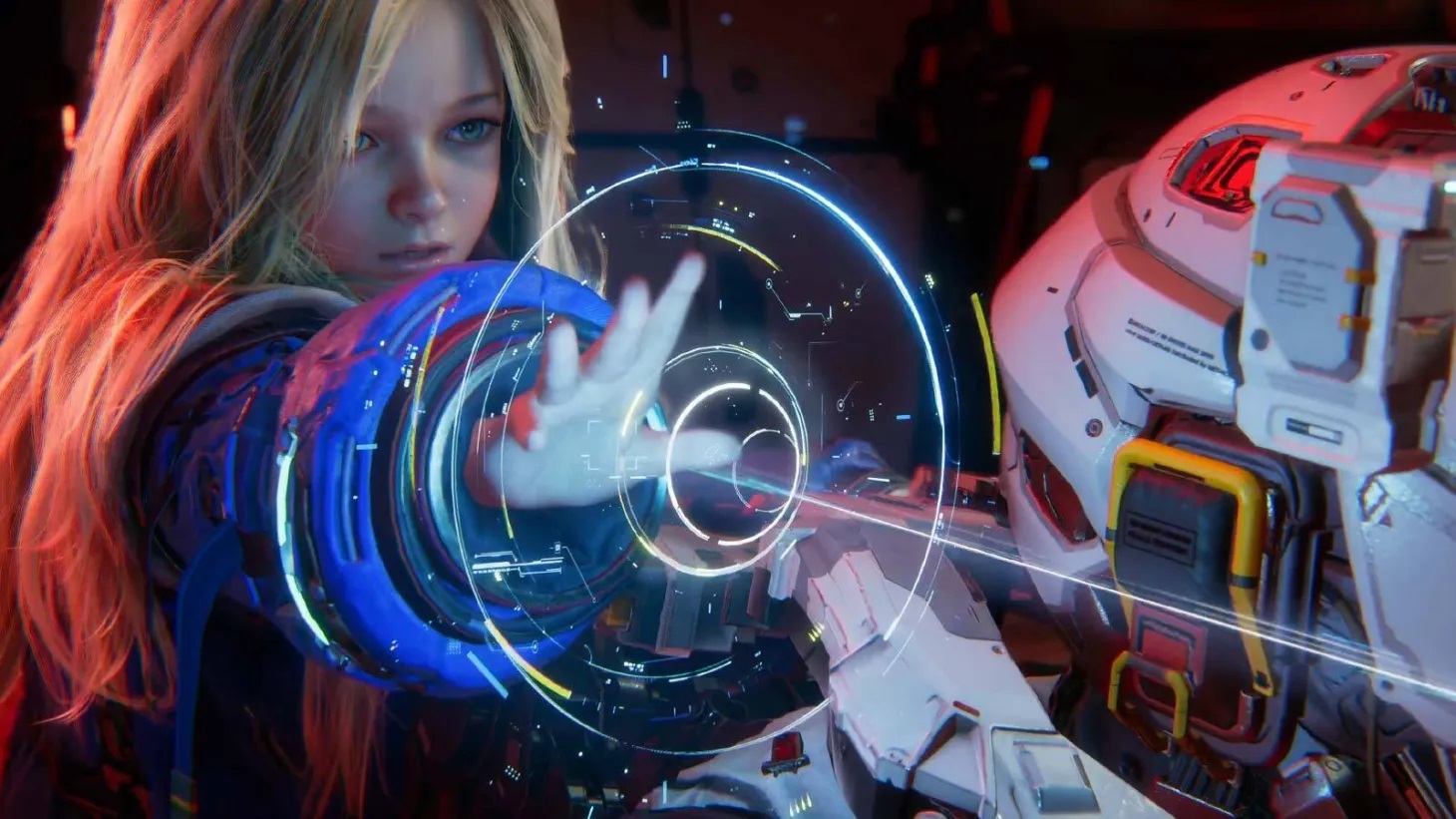
Narrative Technology as a Competitive Differentiator: The game's core narrative—featuring protagonist Hugh and his android companion Diana in a lunar research station—goes beyond traditional storytelling. This human-android partnership becomes a metaphorical representation of the evolving relationship between game developers, technological platforms, and player experiences. The unique hacking mechanics and collaborative gameplay suggest a deeper exploration of technological interdependence, mirroring the game industry's own complex ecosystem.
The April 24, 2026 launch is strategically positioned at the intersection of technological readiness and market anticipation. By carefully timing the release with the Nintendo Switch 2 platform and generating buzz through a surprise Steam demo, Capcom is demonstrating a nuanced understanding of modern game marketing. This approach transforms game development from a linear process into a dynamic, adaptive strategy that responds to emerging platform capabilities and player expectations.
Ultimately, Pragmata represents more than a game—it's a strategic artifact that reveals how innovative companies navigate technological transitions, blend narrative complexity with gameplay mechanics, and create value across multiple digital platforms.
Questions 3
What makes the human-android partnership in Pragmata strategically interesting?
The narrative dynamic between Hugh and Diana serves as a metaphorical exploration of technological interdependence. It reflects broader trends in how humans and AI systems might collaborate, making the game not just an entertainment product but a speculative narrative about future technological relationships.
How does the surprise demo release on Steam impact game marketing?
The surprise demo is a sophisticated marketing technique that generates immediate player engagement and provides valuable early feedback. It allows Capcom to build anticipation, test market reception, and create a direct connection with potential players before the official launch, representing a more interactive and responsive approach to game promotion.