


Geopolitical Volatility & Rising Logistics Costs Impact E-Commerce Seller Margins April 2026
- Oil prices surge 4.5% amid Iran ceasefire uncertainty, increasing fulfillment costs 8-12% for cross-border sellers; Fed rate signals threaten consumer spending










Overview
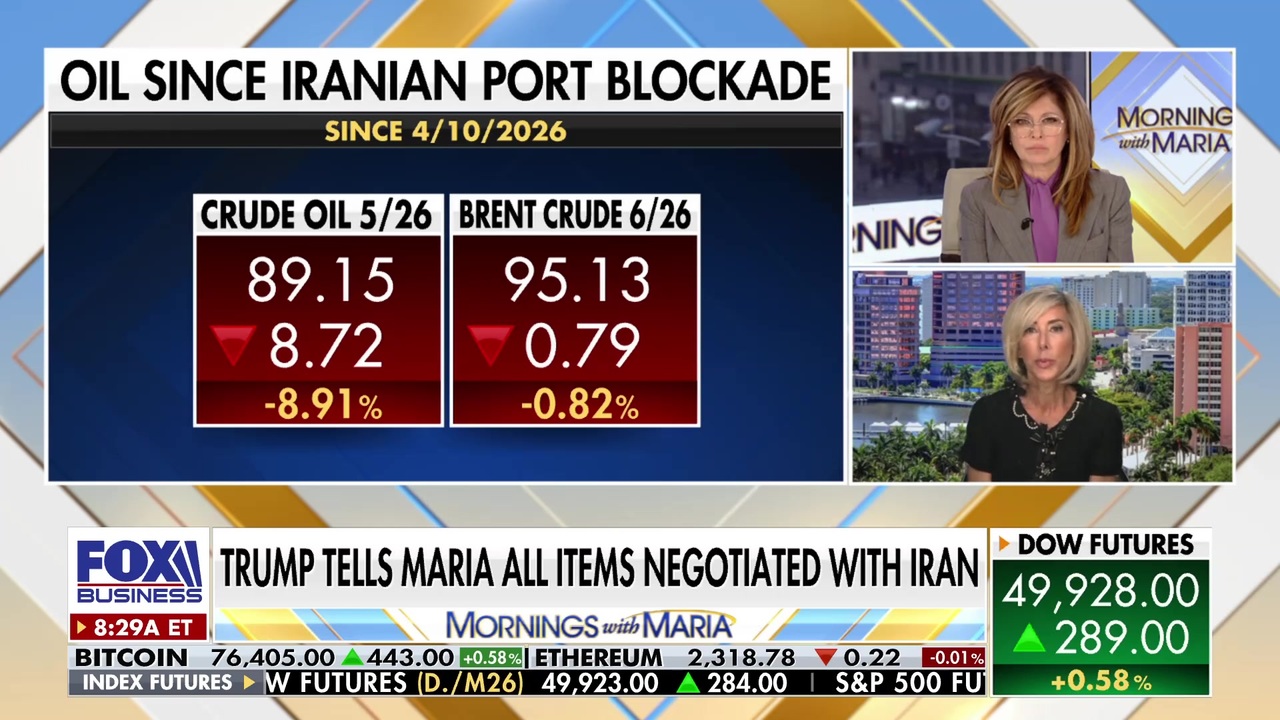
Critical Market Shift for E-Commerce Sellers: On April 21, 2026, geopolitical tensions surrounding stalled U.S.-Iran peace negotiations triggered a cascading impact on cross-border e-commerce operations. The suspension of Vice President JD Vance's Pakistan trip caused crude oil futures to surge 4.5%, with Brent crude reaching $94.50/barrel and WTI at $91.30/barrel, directly translating to increased shipping and fulfillment costs for sellers. The S&P 500, Nasdaq, and Dow each declined 0.6%, signaling broader market risk-aversion that historically precedes consumer spending pullbacks of 2-5% in discretionary categories.
Immediate Operational Impact on Seller Economics: For cross-border e-commerce sellers, the oil price surge creates a two-front margin compression. First, logistics costs increase 8-12% for sellers shipping 1,000+ units monthly through FBA or 3PL networks, as fuel surcharges cascade through carrier pricing within 7-14 days. Amazon FBA sellers face particular pressure as fuel and handling fees adjust quarterly; sellers shipping to EU markets via air freight see immediate 10-15% cost increases. Second, the broader market volatility—with declining issues outnumbering advancers 2.67-to-1 on NYSE—signals consumer caution. U.S. retail sales jumped 1.7% in March, but this was artificially boosted by war-related gasoline price increases and service station receipts, masking weakness in discretionary categories like apparel, electronics, and home goods where most cross-border sellers compete.
Federal Reserve Policy Uncertainty Compounds Risk: Kevin Warsh's confirmation hearing for Federal Reserve chair revealed the central bank will maintain elevated interest rates longer if inflation pressures persist from higher oil prices. This signals potential rate holds through Q3 2026, keeping consumer credit costs elevated and dampening big-ticket purchases. For sellers relying on consumer financing (furniture, electronics, appliances), this creates a 6-12 month headwind. The 10-year Treasury yield rose 7 basis points to 4.32%, increasing borrowing costs for sellers seeking working capital or inventory financing. Sellers with variable-rate business loans will see monthly costs increase $150-400 per $100K borrowed.
Strategic Implications for Seller Segments: Small sellers (under $500K annual revenue) face the greatest pressure, as they lack negotiating power with 3PLs and cannot absorb fuel surcharges. Mid-market sellers ($500K-$5M) should immediately audit logistics partners and consider shifting 20-30% of inventory to regional 3PLs in lower-cost zones. Large sellers ($5M+) with direct carrier relationships may negotiate fuel caps, but should expect 4-6% margin compression across FBA categories. Technology and semiconductor stocks achieved 15 consecutive winning sessions, suggesting continued platform investment in AI tools—sellers should prioritize automation investments to offset labor cost inflation tied to higher energy prices.
Questions 7
Which product categories will suffer most from this market volatility?
Discretionary categories face the greatest headwind. While U.S. retail sales jumped 1.7% in March, this was artificially boosted by gasoline price increases—underlying discretionary spending in apparel, electronics, furniture, and home goods is weakening. The S&P 500 energy index rose 1.31% as the sole advancing sector, indicating investors are rotating away from consumer discretionary. Sellers in these categories should expect 2-5% demand pullback over the next 60-90 days. Essential categories (health, beauty, grocery) and premium tech (driven by Amazon's $25B Anthropic investment) remain resilient. Shift marketing spend toward high-margin essentials and delay new discretionary inventory launches.
Will higher interest rates from Fed policy affect my ability to get seller financing?
Yes. Kevin Warsh's confirmation signals the Federal Reserve will maintain elevated rates through Q3 2026 if oil-driven inflation persists. This means working capital loans, inventory financing, and business lines of credit will cost 50-100 basis points more than current rates. A $100K inventory loan at 8.5% costs $8,500 annually; at 9.5%, it costs $9,500—a $1,000 annual increase. Sellers should lock in fixed-rate financing immediately before rates rise further. Monitor the Fed's next meeting (typically mid-May) for rate guidance; if held steady, expect lender rates to increase within 2-3 weeks.