


FCC Enforcement Powers Upheld | $100M+ Data Privacy Penalties Affirmed by Supreme Court
- Supreme Court signals support for FCC's $100M+ penalty system; implications for regulatory compliance costs across telecommunications and data-handling sectors


















Overview
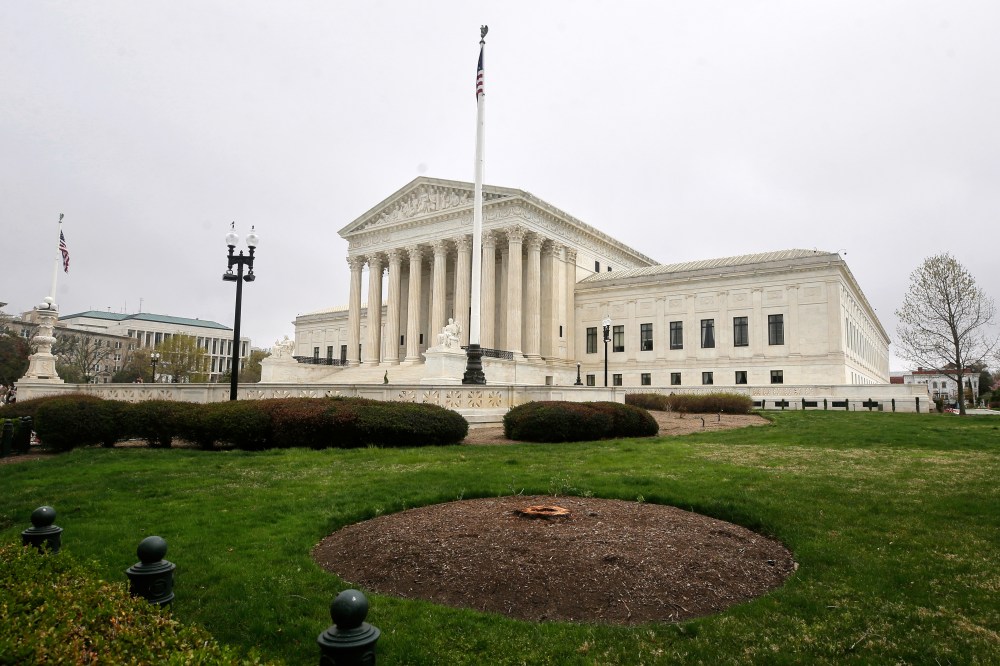
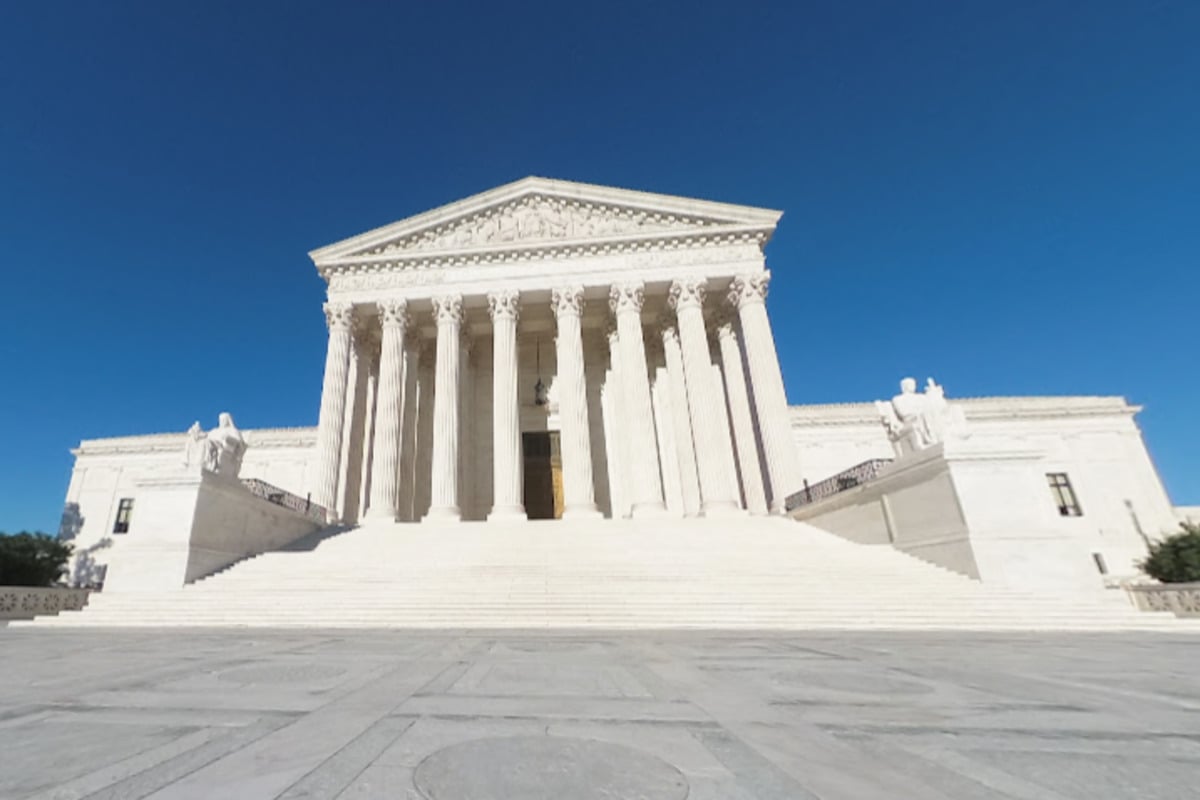
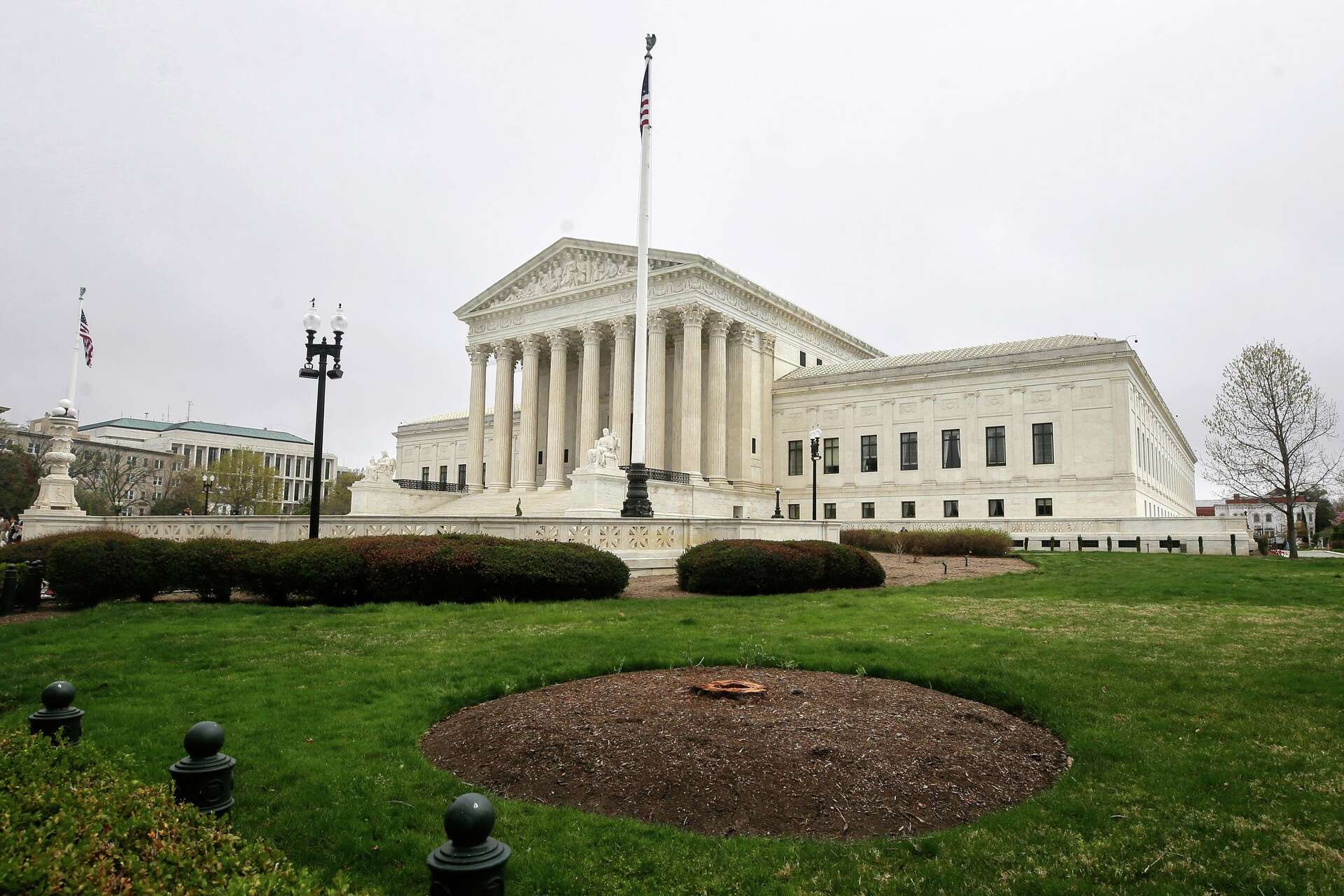
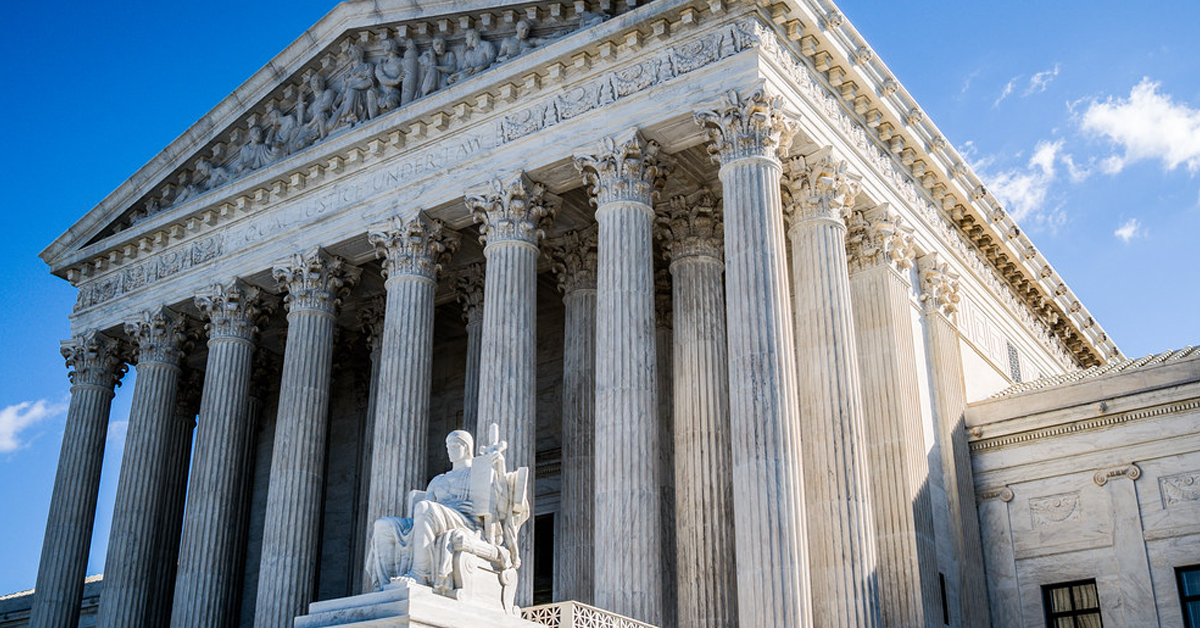
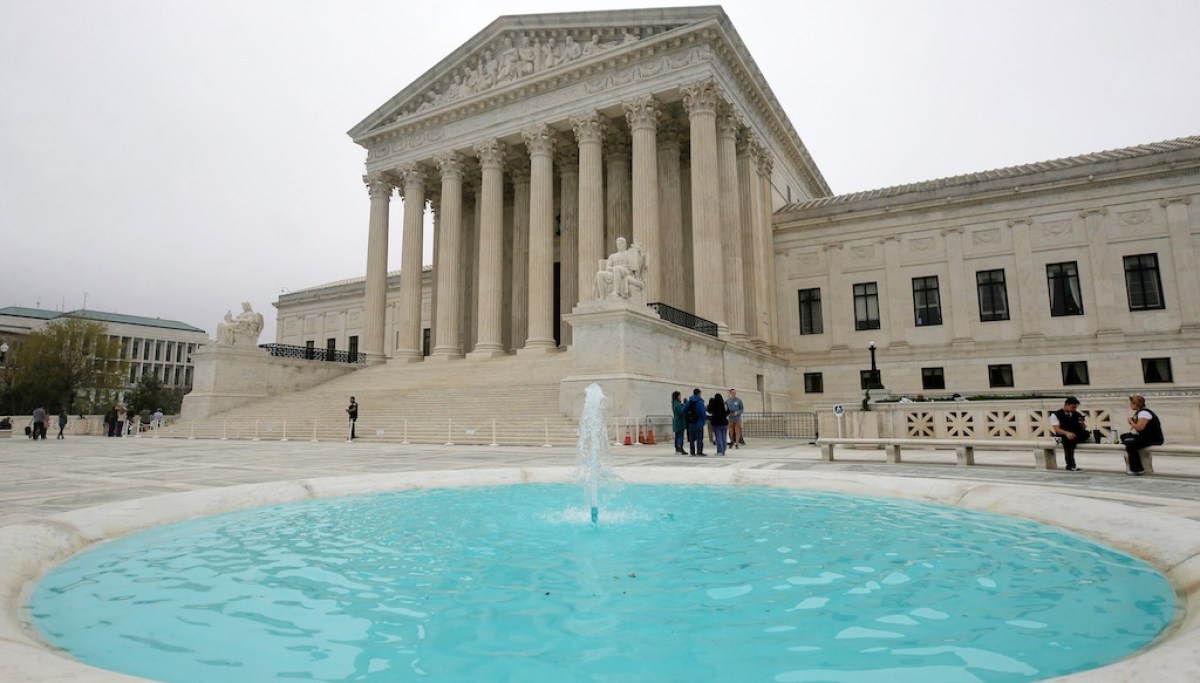
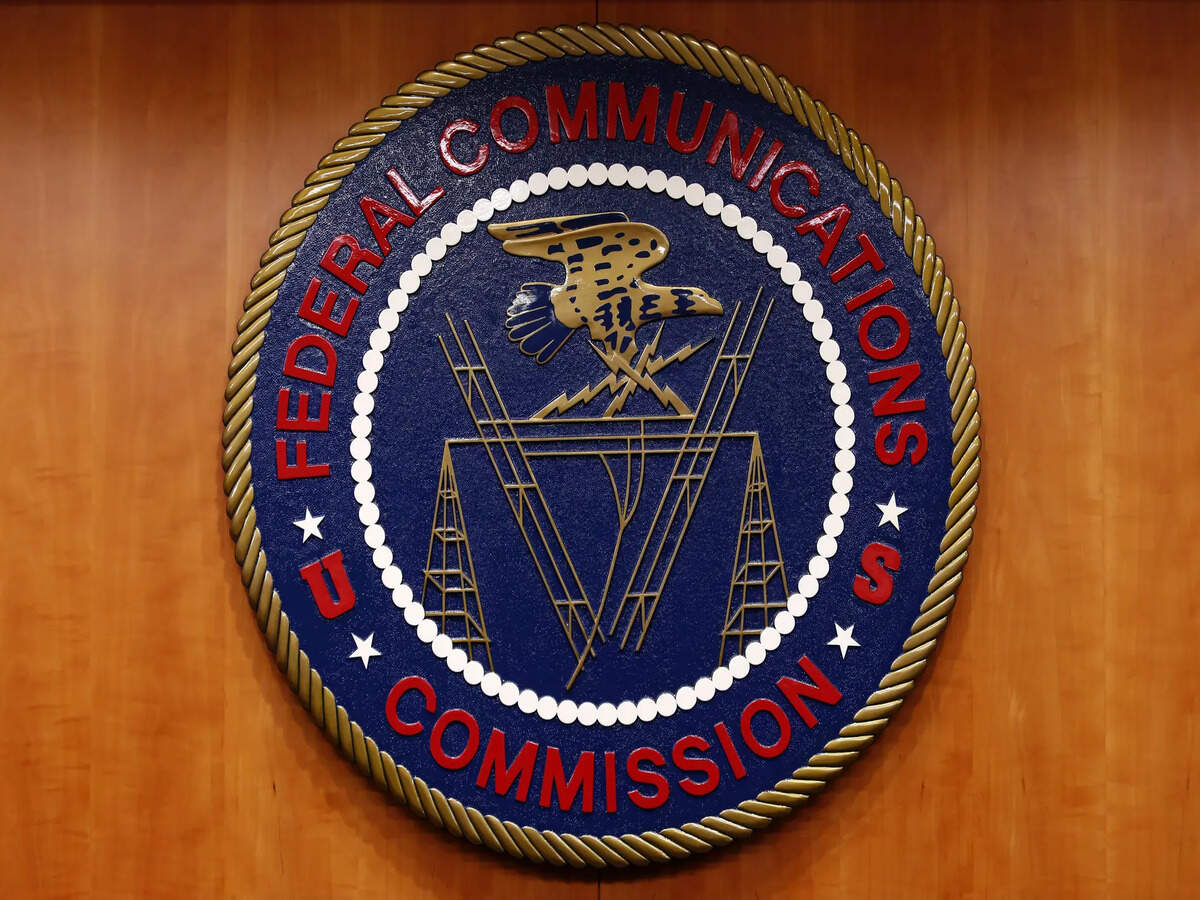
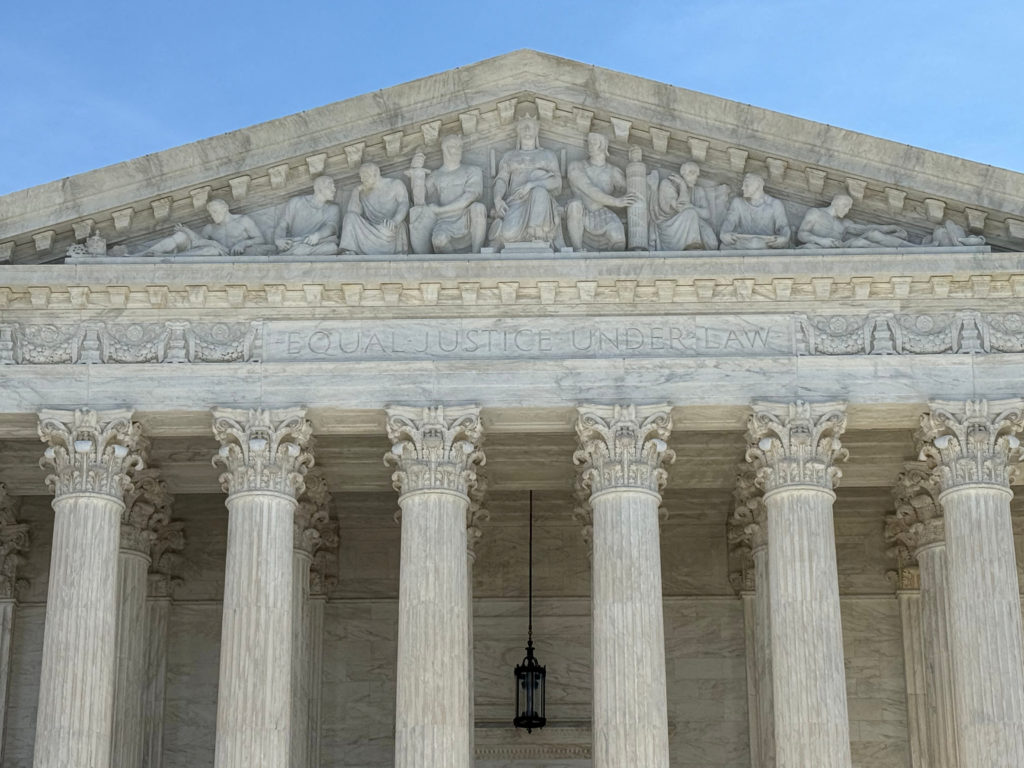
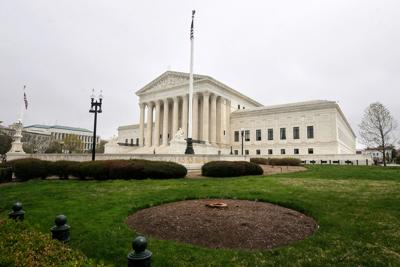
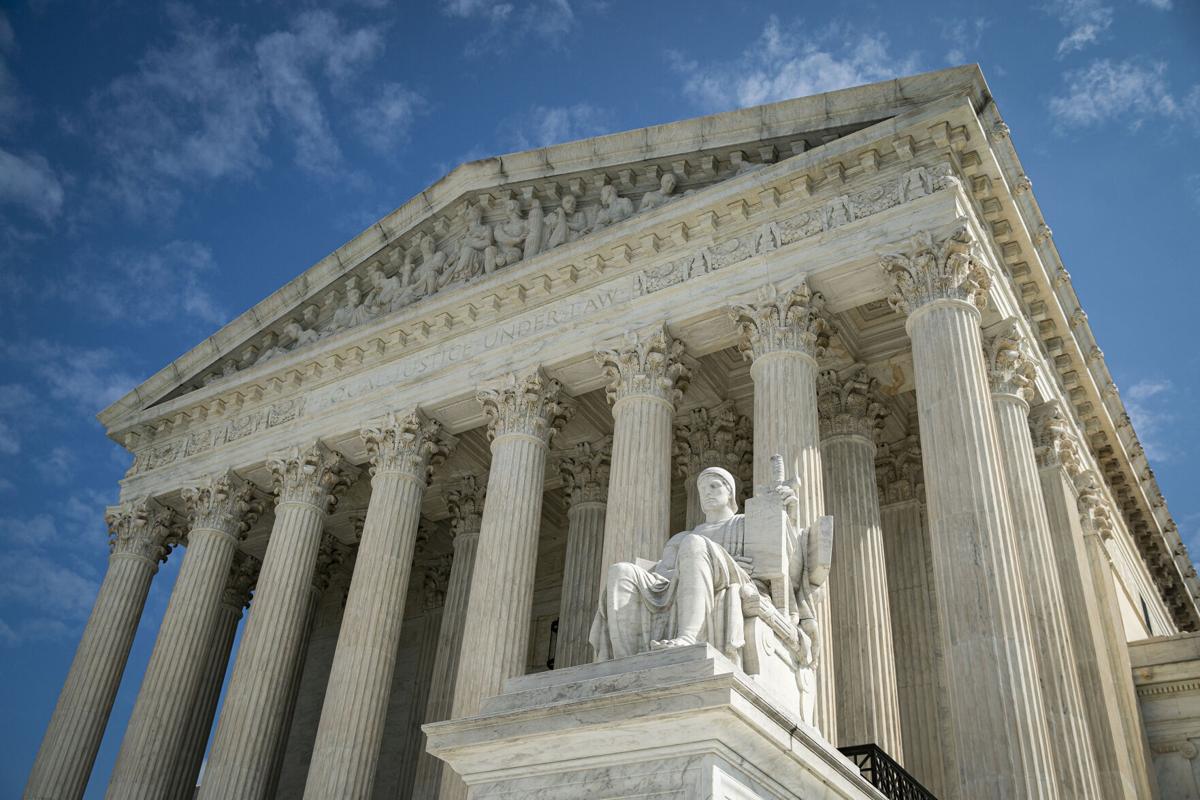
The Supreme Court's April 21, 2026 oral arguments in FCC v. AT&T (Case 25-406) reveal a critical regulatory enforcement landscape that directly impacts compliance obligations for any business handling customer data. The Court heard constitutional challenges to $100+ million in FCC penalties against AT&T ($57M) and Verizon ($46.9M) for unlawful sale of customer location data and failure to protect confidential information under the Telecommunications Act of 1996. Most justices expressed skepticism toward the carriers' Seventh Amendment jury trial claims, signaling likely affirmation of the FCC's broad enforcement authority—a decision expected by June 2026 with implications extending far beyond telecommunications.
For cross-border e-commerce sellers, this case establishes a critical compliance moat: The Court's apparent willingness to uphold agency enforcement mechanisms without requiring jury trials means regulatory penalties will become faster, more certain, and more difficult to challenge. This creates a two-tier competitive landscape. Compliant sellers who implement robust data protection protocols (customer location data safeguards, consent management systems, privacy-by-design architectures) will face lower regulatory risk and can market "FCC-compliant" data handling as a competitive advantage. Non-compliant sellers face exposure to administrative penalties that, while technically "non-binding" until DOJ enforcement, carry such severe practical consequences (30-day payment deadlines, interest accrual, reputational damage) that they function as binding orders. The FCC levied nearly $200 million in fines against wireless carriers in 2024 alone for location data violations—a scale that demonstrates enforcement intensity.
The regulatory enforcement pathway creates immediate compliance service opportunities. Sellers operating in telecommunications, IoT, location-based services, or any category involving customer data collection must now budget for enhanced compliance infrastructure. The Court's reasoning—that companies can "refuse payment and proceed to federal court"—is theoretically available but practically unavailable for most businesses, as veteran telecom attorney Doug Orvis notes. This means compliance costs become non-negotiable operating expenses rather than optional risk management. Sellers can expect to invest in data governance platforms, privacy impact assessments, consent management systems, and regulatory monitoring—all categories experiencing 15-25% annual growth as businesses respond to enforcement intensity. The decision will likely strengthen the FCC's enforcement framework, making it a model for other agencies (SEC, FTC, state attorneys general) seeking to impose administrative penalties without jury trial protections.
Strategic implications for seller compliance: The Court's skepticism toward limiting regulatory power suggests that future enforcement actions will proceed with greater speed and certainty. Sellers should anticipate that data protection violations will trigger swift administrative penalties with limited appeal pathways. This creates a compliance-driven competitive advantage: businesses that implement privacy-by-design, maintain detailed consent records, and conduct regular data protection audits can differentiate themselves in regulated categories. The decision also signals that regulatory agencies will maintain broad discretion in defining "data protection failures," meaning sellers must monitor FCC guidance and enforcement patterns closely. For sellers in telecommunications, IoT, location services, or customer data aggregation, the ruling effectively raises the cost of non-compliance from uncertain to certain, making compliance investment the rational business choice.
Questions 7
What is the difference between the FCC's enforcement approach and the SEC's approach after the Jarkesy decision?
The Supreme Court's 2022 SEC v. Jarkesy decision curtailed the SEC's in-house enforcement powers by requiring jury trials for administrative penalties. However, the April 2026 FCC v. AT&T oral arguments suggest the Court may not apply Jarkesy similarly to the FCC, signaling that the FCC's enforcement system will remain largely intact. The FCC's approach treats penalties as 'non-binding' until DOJ enforcement action, preserving theoretical jury trial rights while maintaining practical binding effect through 30-day payment deadlines and interest accrual. This creates a regulatory divergence: SEC enforcement faces higher procedural barriers post-Jarkesy, while FCC enforcement maintains broad discretion. Sellers should monitor the June 2026 ruling to determine whether other agencies (FTC, state attorneys general) will adopt the FCC's enforcement model or face Jarkesy-style limitations.
How will the Supreme Court's FCC enforcement decision impact data protection compliance costs for e-commerce sellers?
The Supreme Court's apparent support for the FCC's enforcement authority signals that regulatory penalties for data protection violations will become faster and more certain to impose. Sellers handling customer location data, payment information, or personal identifiers should expect compliance costs to increase 15-25% annually as they implement privacy-by-design systems, consent management platforms, and regulatory monitoring tools. The FCC's $200M in 2024 penalties demonstrates enforcement intensity; sellers must now treat data protection compliance as a mandatory operating expense rather than optional risk management. Budget for privacy impact assessments ($5,000-15,000), data governance platforms ($500-2,000/month), and staff training programs to avoid exposure to administrative penalties that, while theoretically contestable, carry such severe practical consequences that they function as binding orders.