




Gaming's Platform Walls Crumble: Xbox's Strategic Cross-Platform Revolution
- Emerging trend signals radical transformation in video game distribution strategies













Overview
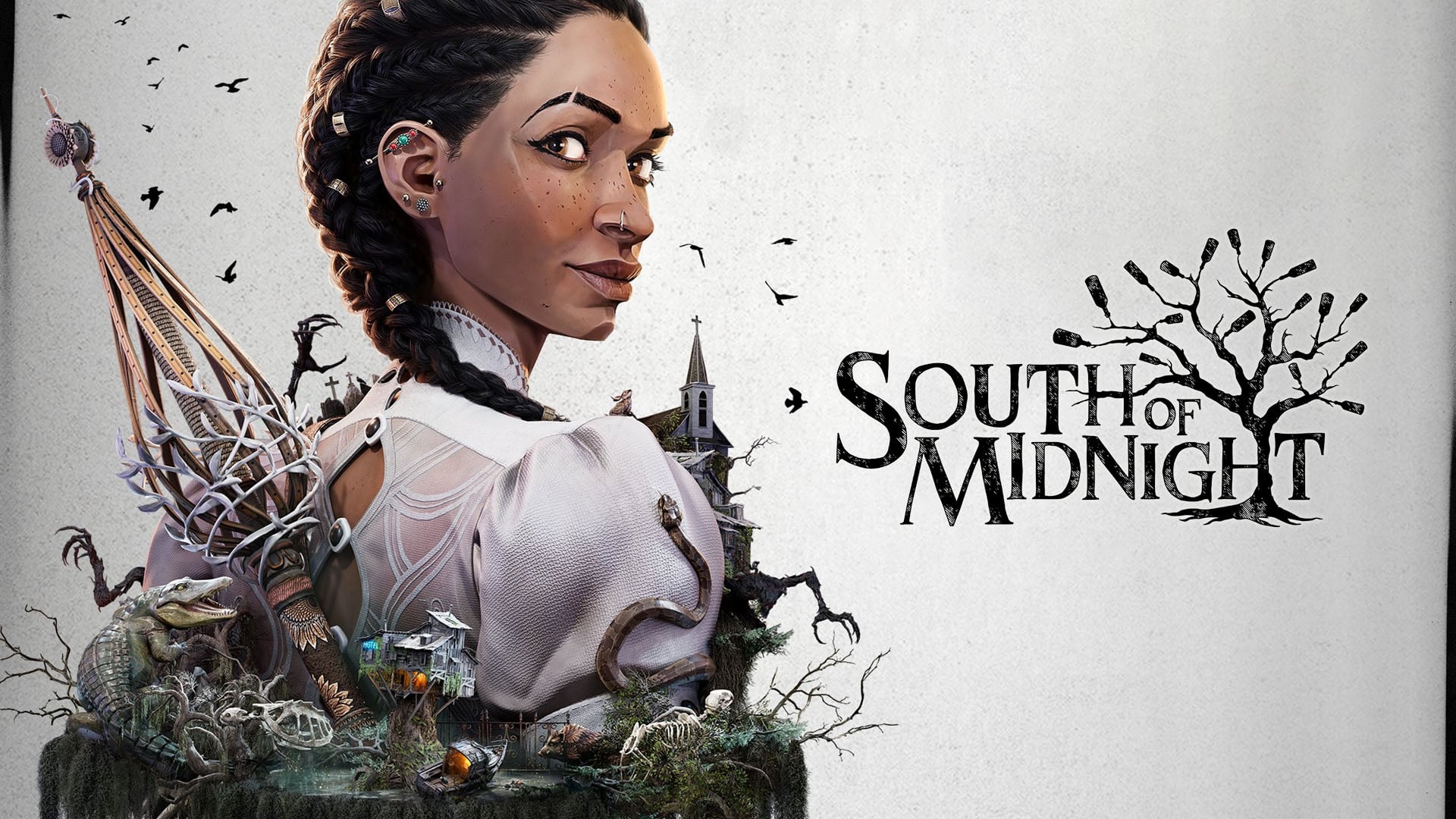
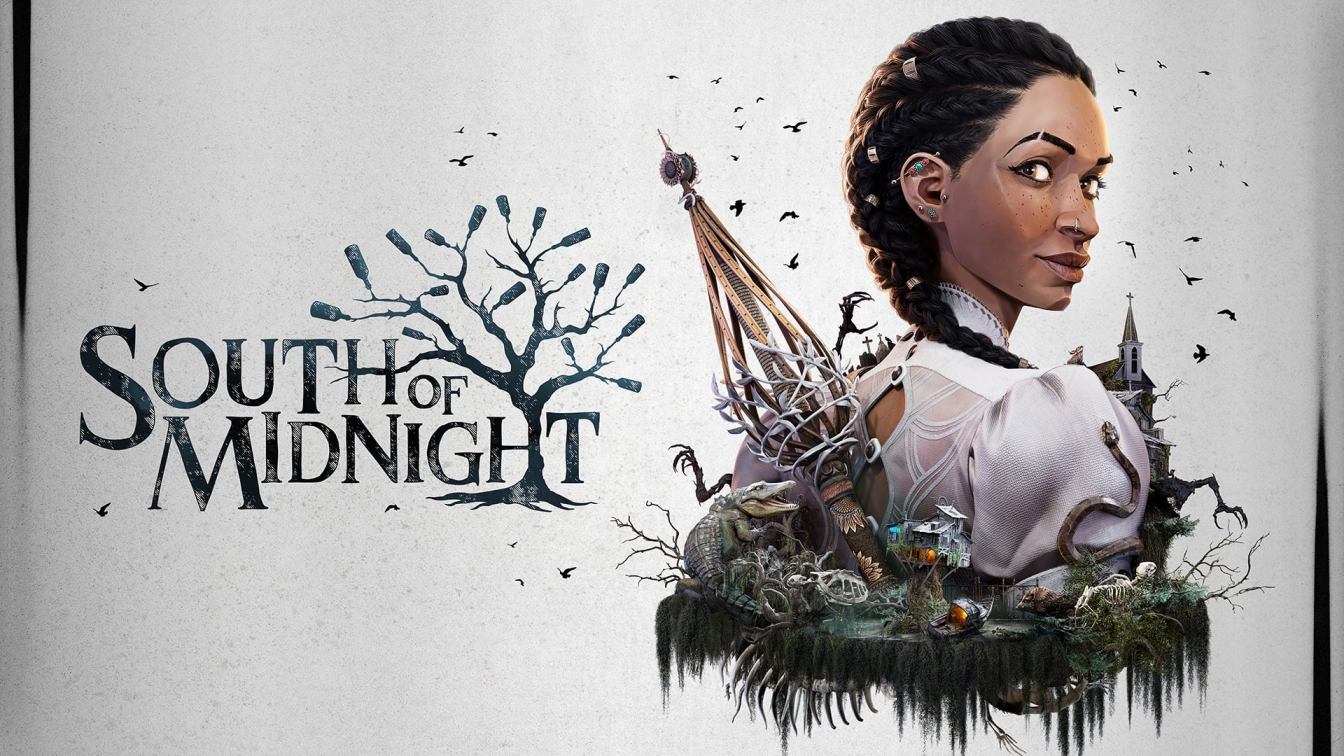
The video game industry is experiencing a profound strategic metamorphosis, with platform exclusivity rapidly transforming from a rigid barrier to a flexible marketplace opportunity. The upcoming cross-platform release of South of Midnight represents more than just a single game's distribution strategy—it signals a fundamental reimagining of how interactive entertainment reaches global audiences.
Platform Collaboration Dynamics are shifting dramatically. By announcing the Xbox-developed South of Midnight will launch on PlayStation 5 and Nintendo Switch 2 in spring 2026, Compulsion Games is pioneering a new approach that challenges traditional console ecosystem boundaries. This isn't an isolated incident, but part of a broader Xbox Game Studios trend, with titles like Pentiment, Grounded, and Sea of Thieves already expanding beyond their original platforms.
The strategic implications are profound. Cross-platform publishing now offers game developers unprecedented market reach. The original Xbox release on April 8, 2025, coupled with a planned multi-platform expansion approximately one year later, demonstrates a calculated approach to maximizing game lifecycle and commercial potential. IGN's 8/10 rating further validates the game's quality, suggesting that narrative and gameplay can transcend platform limitations.
For the gaming ecosystem, this represents a paradigm shift. Traditional platform exclusivity—once a core competitive strategy—is giving way to a more collaborative, audience-centric model. By embracing multi-platform distribution, developers like Compulsion Games are prioritizing player access over territorial platform constraints. The unique narrative of South of Midnight, featuring protagonist Hazel's magical journey through Southern folklore, becomes a vehicle for exploring not just storytelling, but a new economic model of game distribution.
The broader context suggests this is more than a tactical move—it's a structural transformation in how interactive entertainment is conceived, developed, and delivered. Game publishers are recognizing that audience engagement now trumps platform loyalty, creating a more fluid, interconnected digital entertainment landscape.
Questions 3
How does cross-platform publishing impact game development economics?
Cross-platform publishing allows developers to amortize high development costs across multiple revenue streams. Instead of being limited by a single platform's user base, games can now target a much larger, more diverse global audience, potentially increasing return on investment.
Why are game companies like Xbox becoming more open to cross-platform releases?
Companies recognize that broader audience reach and potential revenue generation outweigh traditional platform exclusivity. By releasing games across multiple platforms, developers can maximize game lifecycle, attract more players, and create more sustainable monetization strategies.