





EU Court Strikes Hungary LGBTQ Laws | Market Liberalization Creates €18B Opportunity
- ECJ landmark ruling opens Hungarian market to inclusive content sellers; incoming government pledges €18B EU fund unlock; 100,000+ Pride participants signal strong LGBTQ consumer demand























Overview
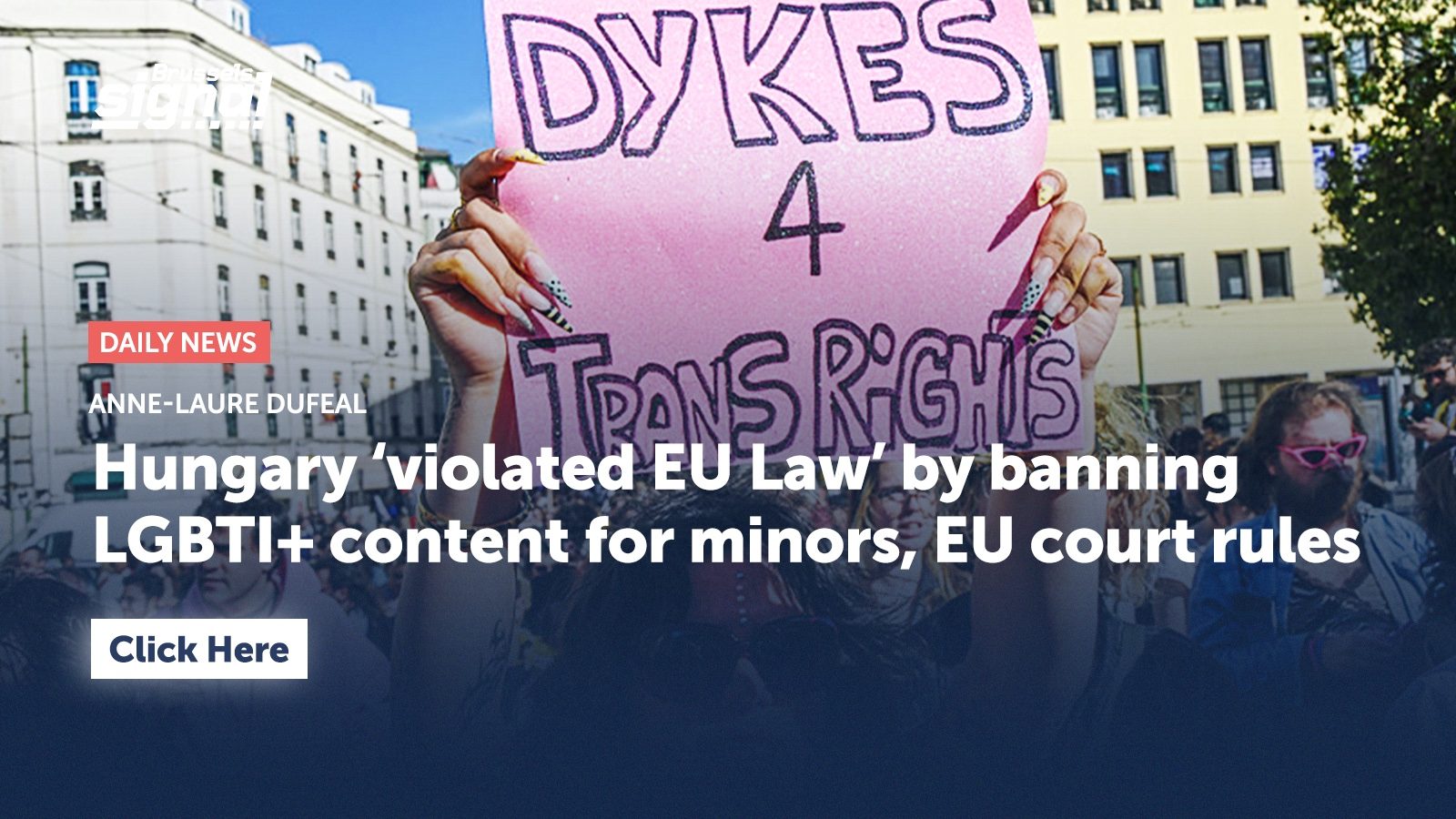
The European Court of Justice's unprecedented ruling on April 21, 2026, declaring Hungary's 2021 anti-LGBTQ laws in breach of Article 2 of the EU Treaty represents a watershed moment for cross-border e-commerce sellers targeting Central European markets. The ECJ found that Hungary's legislation—which banned promotion of homosexuality and gender transition to minors and restricted LGBTQ+ content in media—violated fundamental EU values of non-discrimination, freedom of expression, and human dignity. This landmark decision, the first of its kind finding a member state in breach of core treaty values, directly impacts content sellers, media distributors, and lifestyle brands operating in Hungary and across the EU's 27-member marketplace.
Market Liberalization Impact: Viktor Orbán's government utilized a two-thirds parliamentary supermajority to enforce these restrictions, effectively creating a content embargo that isolated Hungarian consumers from LGBTQ-inclusive books, films, plays, and digital media. The incoming government led by Péter Magyar's Tisza party—which secured 141 of 199 parliamentary seats on April 12, 2026—has committed to reversing discriminatory legislation and resetting EU relations. Magyar's victory speech explicitly promised "a Hungary where citizens are not stigmatized for thinking or loving differently," signaling immediate policy reversal. The European Commission, backed by 15 member states and the European Parliament, initiated this infringement procedure, and non-compliance with ECJ rulings typically results in financial penalties and enforcement measures. Hungary faces pressure to align legislation "without delay" or risk Brussels sanctions.
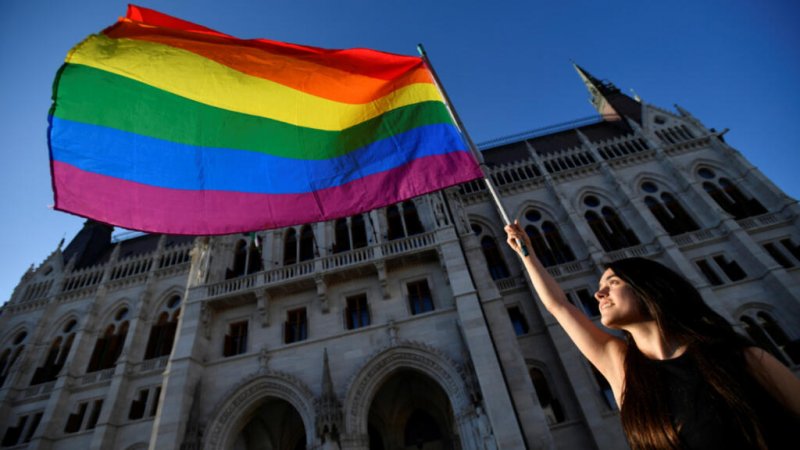
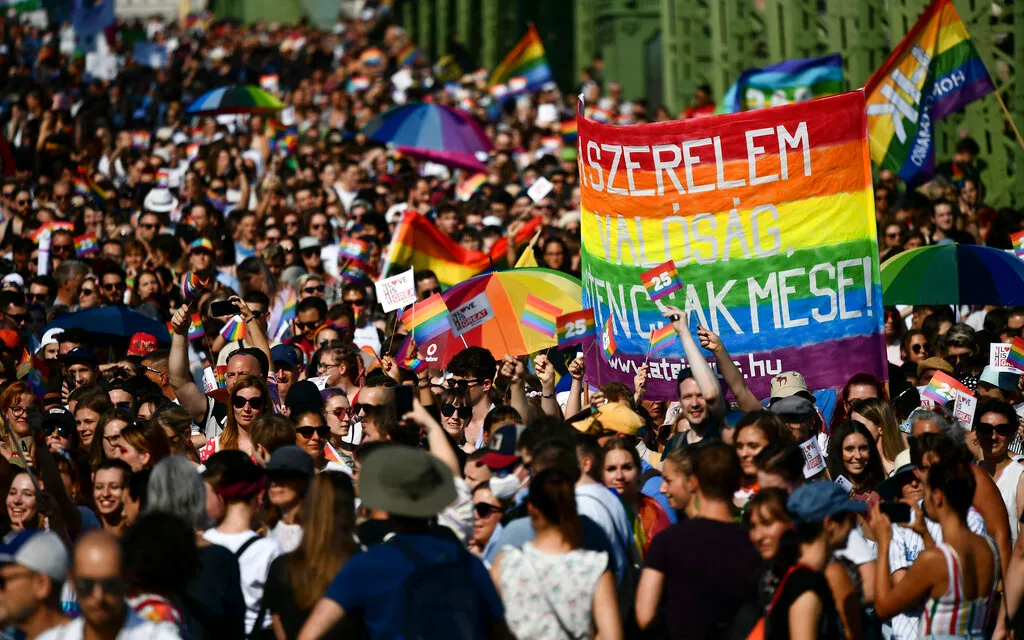
Seller Opportunity Framework: The ruling creates three distinct e-commerce opportunities. First, content distribution expansion: sellers of LGBTQ-inclusive books, films, documentaries, and educational materials can now legally market and sell to Hungarian consumers through Amazon EU, eBay Europe, and local platforms without legal risk. The 100,000 participants in Budapest's 2024 Pride march—held despite the ban—demonstrate substantial consumer demand. Second, lifestyle and merchandise categories: LGBTQ-themed apparel, accessories, pride merchandise, and identity-affirming products previously restricted now face a liberalized market. Third, market access normalization: the €18 billion in frozen EU funds that Magyar pledged to unlock will likely stimulate Hungarian consumer spending across all categories, with particular growth in previously restricted segments. The ruling establishes precedent across all 27 EU member states, signaling strengthened enforcement of pluralism principles that could affect similar legislation in other jurisdictions.
Regulatory and Compliance Considerations: Sellers must monitor Hungary's legislative implementation timeline. The ECJ ruling requires Hungary to amend or abolish the 2021 law and subsequent 2025 enforcement measures (including biometric camera surveillance of Pride events) "without delay." The court found the legislation breached GDPR data protection standards regarding public access to sex offenders' records, creating additional compliance obligations. Sellers should verify that product listings, marketing content, and platform policies align with EU non-discrimination standards before expanding into the Hungarian market. The ruling's emphasis on freedom to "provide or receive services regarding information about homosexuality or gender identity" provides legal cover for sellers offering such content across EU borders.
Questions 8
How does the ECJ ruling affect sellers of LGBTQ content in Hungary and EU markets?
The April 21, 2026 ECJ ruling eliminates legal barriers preventing sellers from distributing LGBTQ-inclusive books, films, and educational content to Hungarian consumers. Previously, Hungary's 2021 law banned promotion of homosexuality and gender transition to minors, creating liability for sellers. The court found this violated EU freedom to provide/receive services and non-discrimination principles. Sellers can now legally market such content across Amazon EU, eBay Europe, and local Hungarian platforms without legal risk. The ruling applies across all 27 EU member states, establishing precedent that strengthens seller protections for inclusive content distribution.
Could similar ECJ rulings affect LGBTQ content restrictions in other EU countries?
Yes. The ECJ's landmark finding that Hungary breached Article 2 of the EU Treaty—the first such determination—establishes precedent for challenging similar legislation across the 27-member EU. The ruling emphasizes that member states cannot justify restrictions based on national identity claims when they contradict core EU values of pluralism and non-discrimination. Several EU countries have considered or enacted similar restrictions; this ruling signals strengthened enforcement against such measures. Sellers should monitor EU Commission actions against other member states and anticipate potential market liberalizations in countries with comparable restrictions, creating expansion opportunities.