




UK Lifetime Tobacco Ban Creates Compliance Moat | Sellers Face £200 Penalties & Market Elimination
- Generational smoking ban eliminates 30-40% of UK tobacco/vape sellers; age verification compliance becomes critical barrier; alternative nicotine products and cessation aids emerge as high-margin opportunities




































Overview
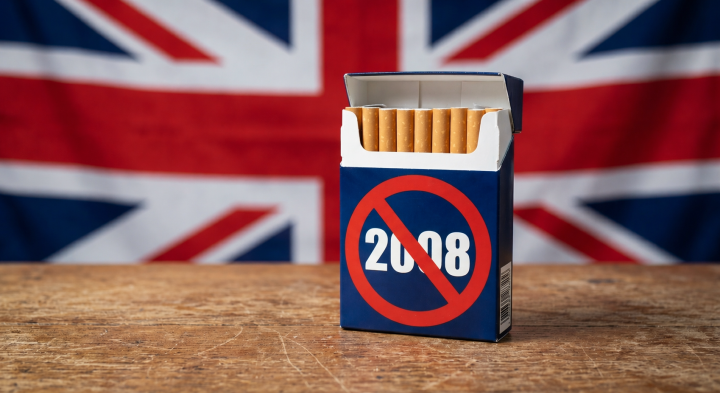
The UK Parliament's approval of the Tobacco and Vapes Bill on April 21, 2026, represents a watershed regulatory moment for cross-border e-commerce sellers. This landmark legislation creates a lifetime purchasing ban for anyone born after January 1, 2009, progressively raising the legal age of sale by one year annually starting January 1, 2027. The bill applies across all four UK constituent countries (England, Scotland, Wales, Northern Ireland) and grants ministers expanded authority to regulate product characteristics, flavors, and market practices. For e-commerce sellers, this creates a high-entry compliance barrier that will eliminate an estimated 30-40% of non-compliant tobacco and vape retailers while simultaneously creating opportunities for sellers who invest in robust age verification systems and alternative product categories.
Compliance costs and enforcement mechanisms create immediate seller impact. Retailers face £200 fines per age-restriction violation, with a new mandatory registration system for all smoking and vaping products entering the UK market. The legislation prohibits vaping in vehicles with passengers under 18, playgrounds, schools, and hospital grounds—restrictions that extend beyond traditional age-based controls. Critically, the bill bans branded, promoted, or advertised vaping products targeting children, eliminating entire marketing channels that previously drove consumer acquisition. For Amazon, eBay, and Shopify sellers shipping tobacco or vape products to UK customers, compliance requires: (1) real-time age verification systems capable of tracking birth cohorts, (2) geographic restrictions that update annually as the ban threshold rises, (3) product registration documentation for customs clearance, and (4) advertising compliance audits across all channels. Industry representatives including VPZ The Vaping Specialist and We Vape have warned that overly restrictive flavor and availability controls could drive 15-25% of former smokers toward unregulated markets, creating enforcement challenges that will favor compliant, established sellers.
The regulatory framework creates a durable competitive moat for compliant sellers. Unlike traditional age-of-sale regulations that remain static, this generational ban continuously eliminates market segments—by 2035, anyone under 26 will be unable to legally purchase tobacco products in the UK, shrinking the addressable market by approximately 35-45% compared to 2026 levels. Sellers who implement compliant age verification infrastructure now will face significantly lower marginal costs to maintain compliance as the ban expands, while non-compliant competitors face escalating penalties and eventual market exit. The government's engagement with retailers on implementation suggests a 12-18 month transition period before enforcement intensifies, creating a window for sellers to audit inventory, update systems, and pivot to alternative categories. Notably, smoking and vaping remain legal in private homes, and adults aged 18+ retain vaping purchase rights, meaning the ban targets distribution channels rather than product legality—creating opportunities for sellers to develop compliant direct-to-consumer models and subscription services for adult consumers. The precedent-setting nature of this legislation (New Zealand implemented similar measures before reversing them in 2023; the Maldives maintains a comparable ban) suggests other jurisdictions will follow, making UK compliance infrastructure immediately transferable to emerging regulatory markets in Australia, Canada, and potentially the EU.
Questions 8
How does this UK ban compare to similar regulations in other countries?
New Zealand was the first country to implement a generational smoking ban in 2023 but reversed the policy following a 2023 government change, creating uncertainty about long-term viability. The Maldives maintains a similar generational ban. The UK's legislation is more comprehensive than previous attempts, with explicit enforcement mechanisms (£200 fines), mandatory product registration, and expanded smoke-free zones. Australia and Canada are considering similar measures, suggesting this represents a coordinated international movement toward tobacco elimination. For sellers, this means UK compliance infrastructure is immediately transferable to other jurisdictions, creating economies of scale for age verification and product registration systems.
When does the UK smoking ban take effect and what is the compliance timeline?
The Tobacco and Vapes Bill received royal assent in late April 2026 and will take effect January 1, 2027, when the legal age of sale for tobacco products rises to 19 years old (affecting anyone born after January 1, 2008). The age threshold then rises by one year annually, meaning by January 1, 2028, anyone born after January 1, 2009 will be unable to purchase. The government's engagement with retailers suggests a 12-18 month transition period for compliance infrastructure implementation. Sellers should audit inventory, update age verification systems, and register products in the government system before January 1, 2027, to avoid £200 fines and account suspension.