


African Education & Faith-Based Markets | Emerging Consumer Trends for Cross-Border Sellers
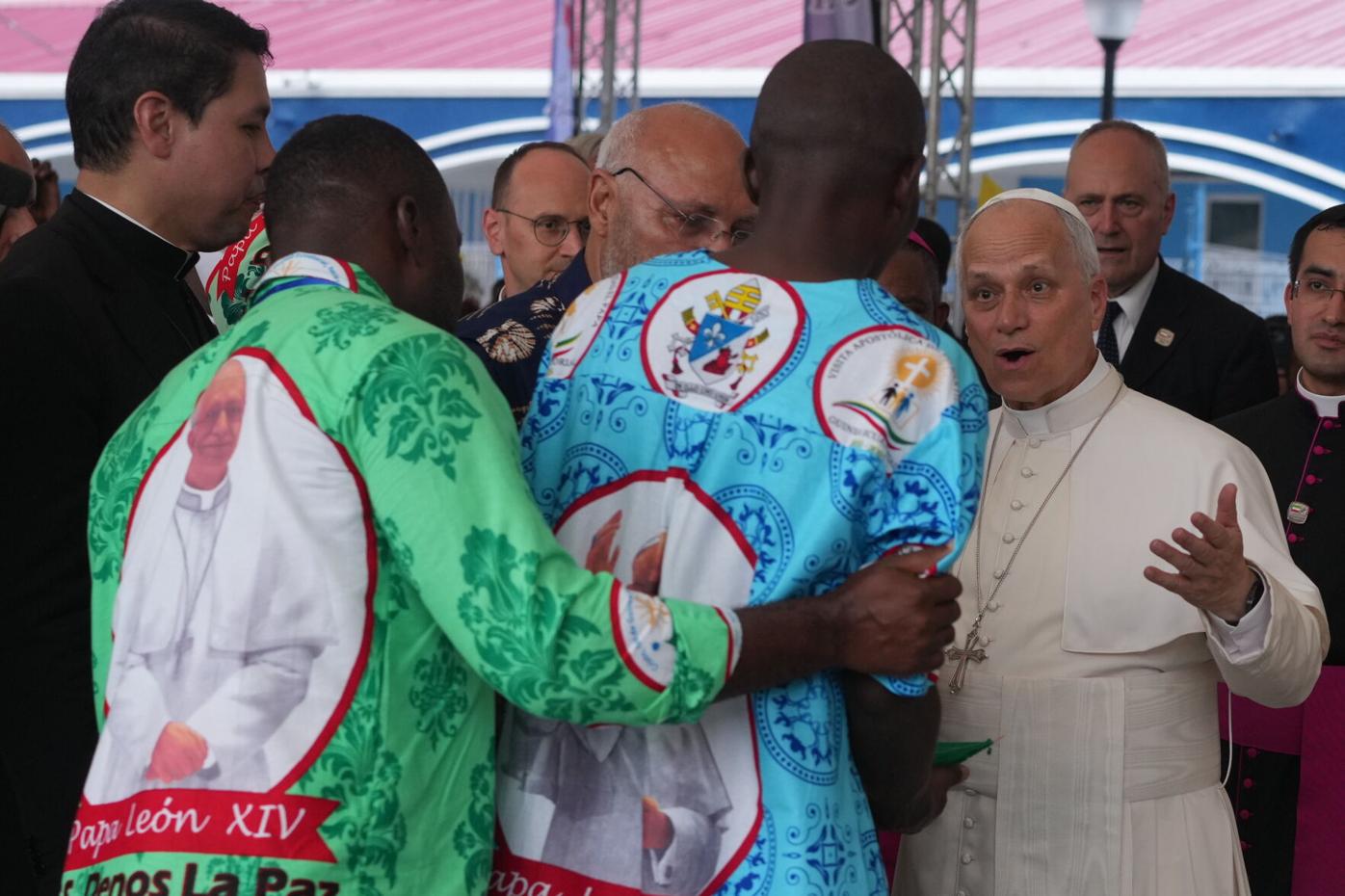
- Pope's 11-day Africa tour highlights growing demand for religious merchandise, educational products, and faith-based content across Algeria, Cameroon, Angola, and Equatorial Guinea markets
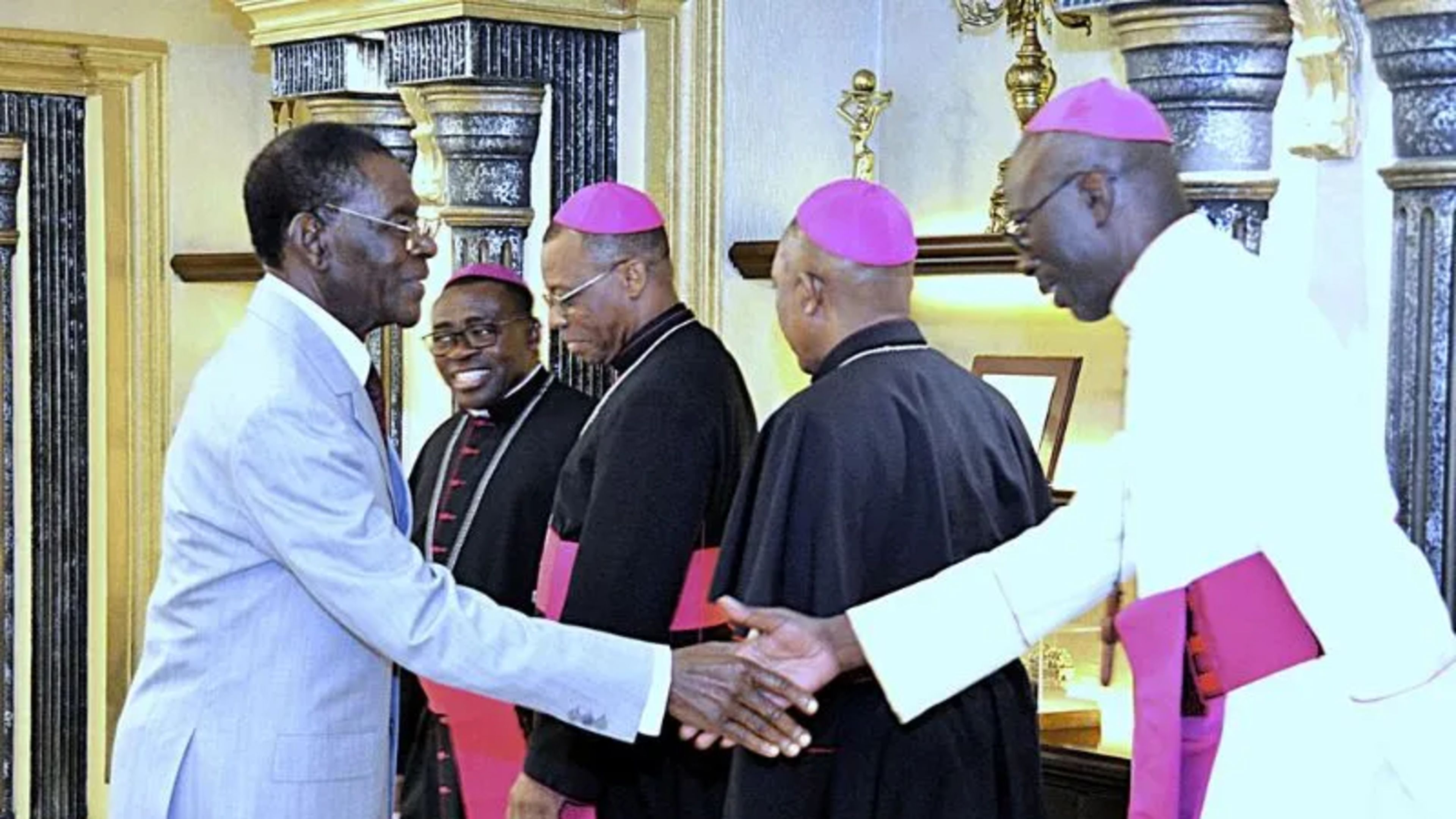
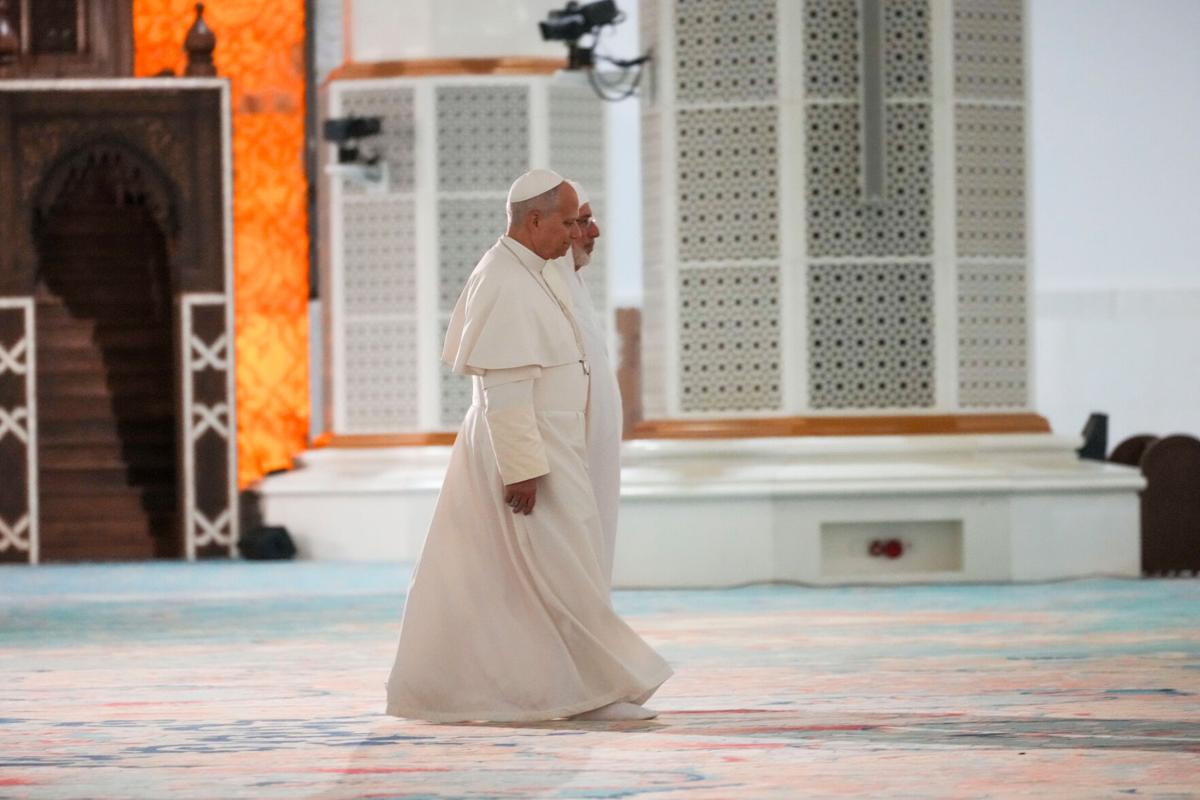
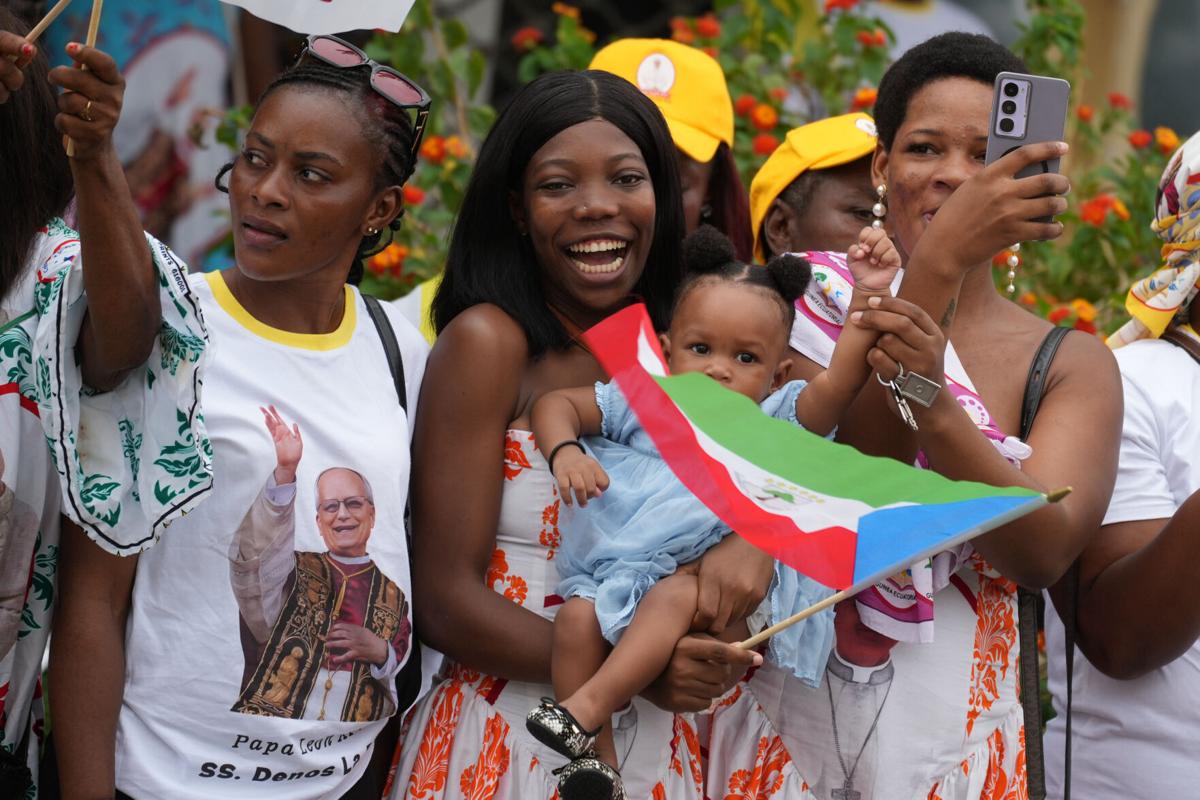


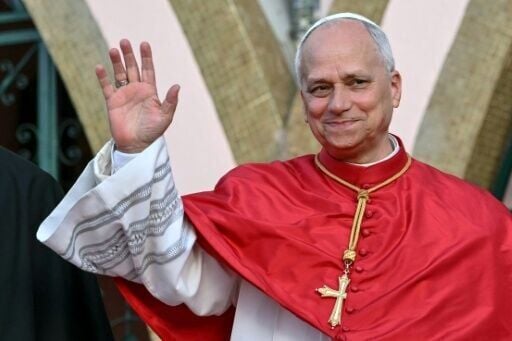






Overview
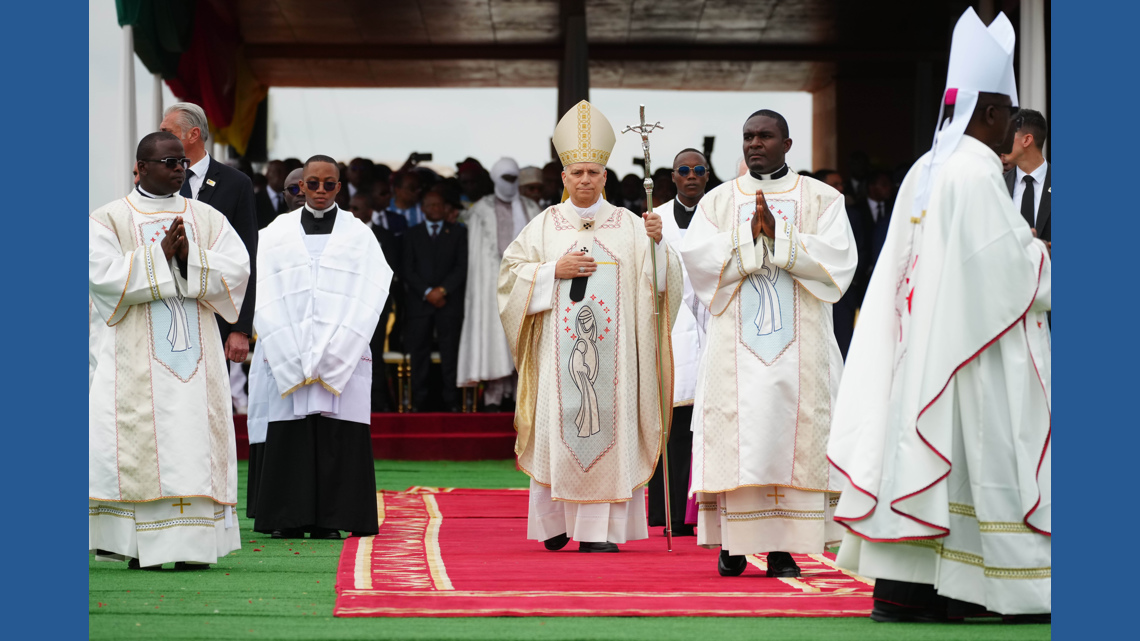
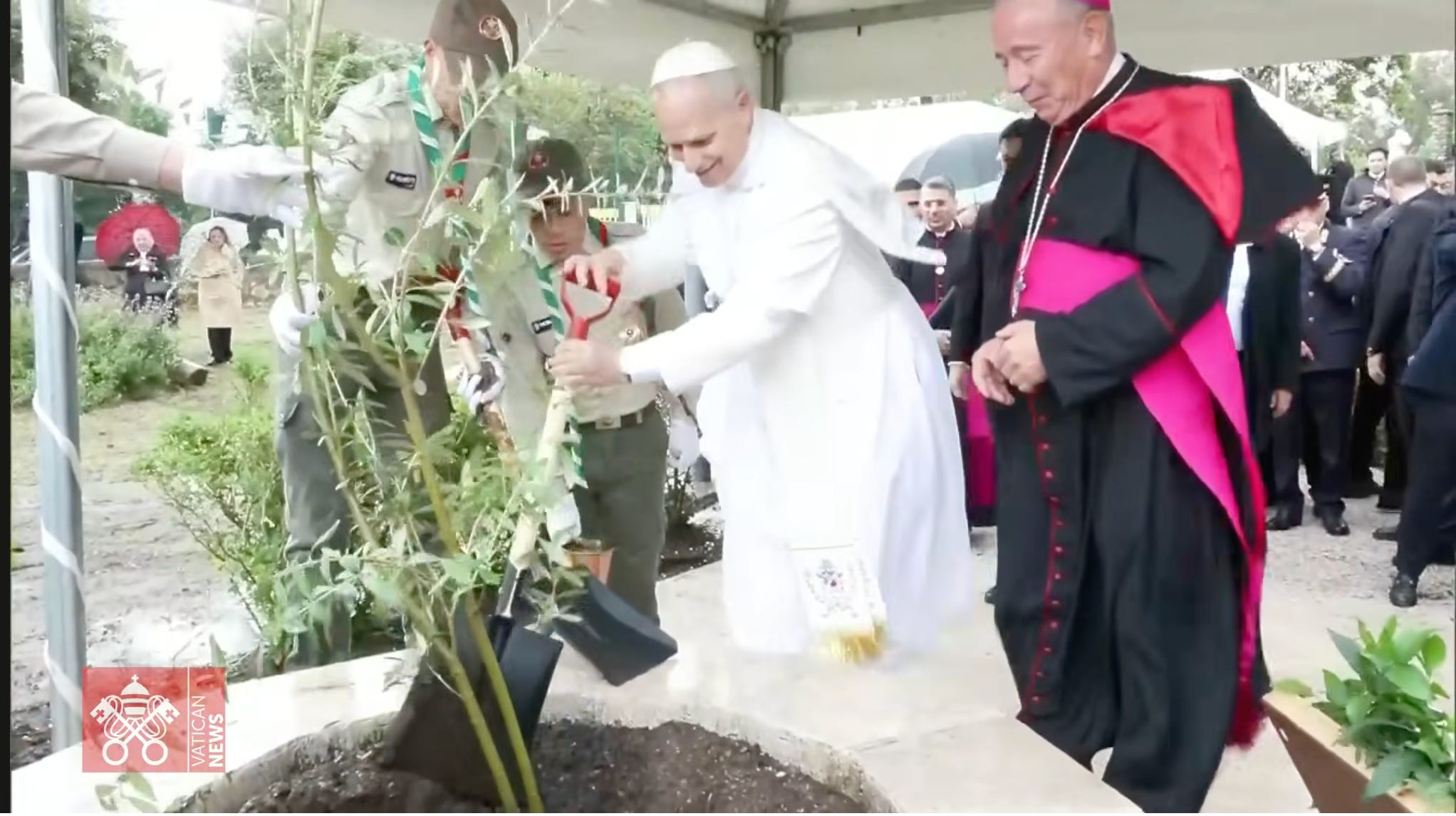
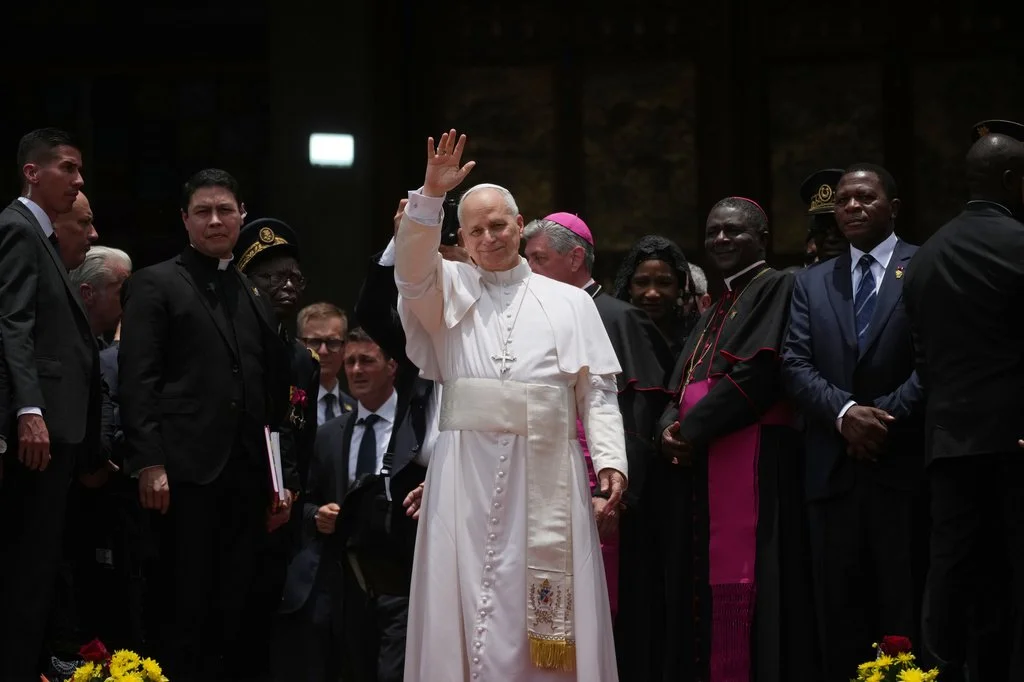
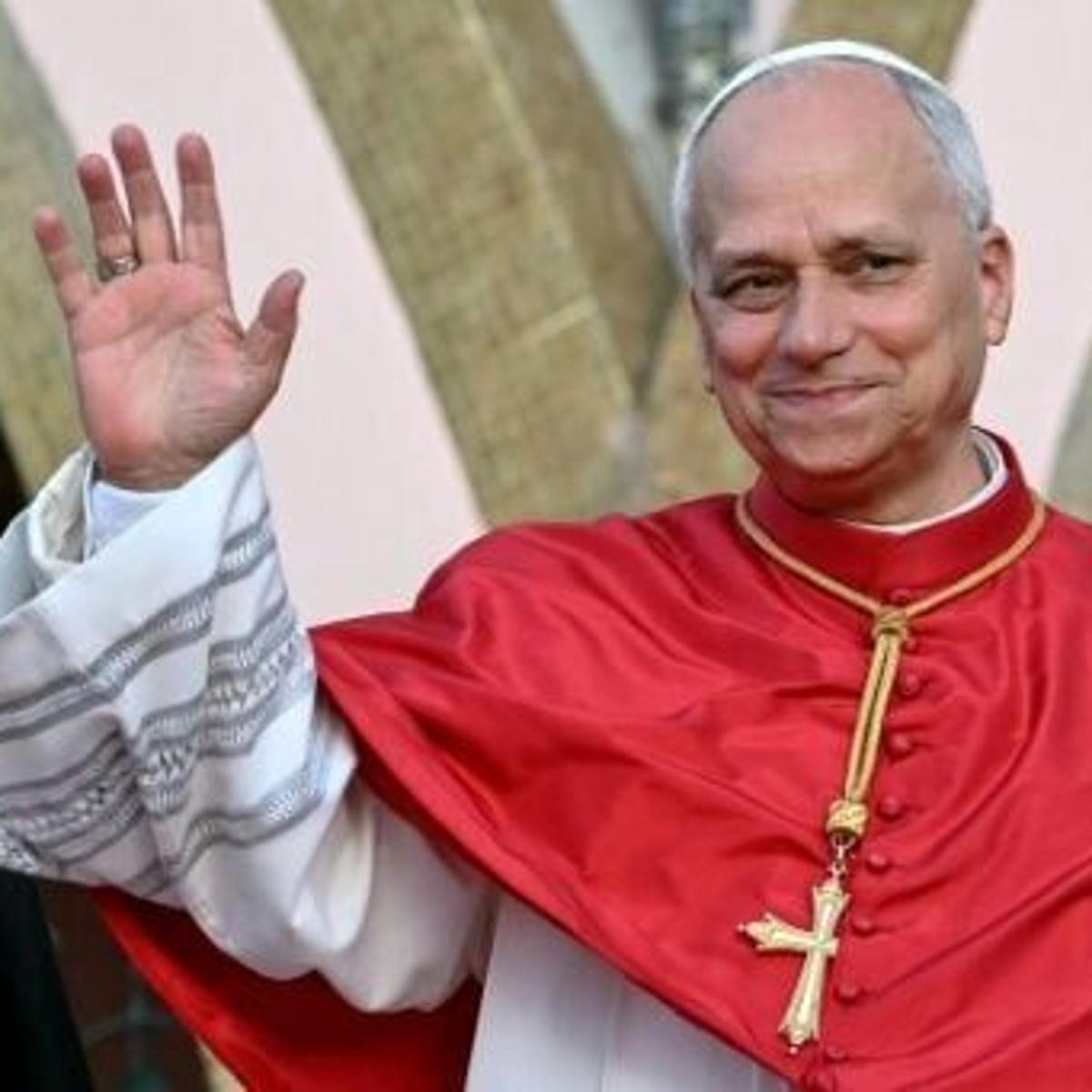
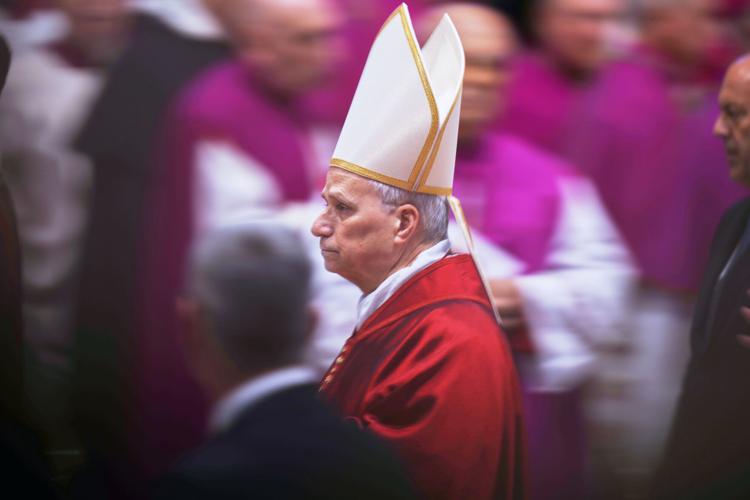
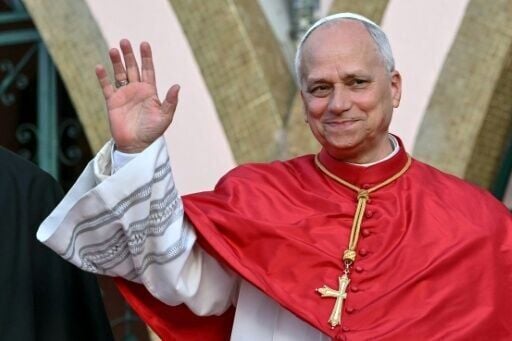
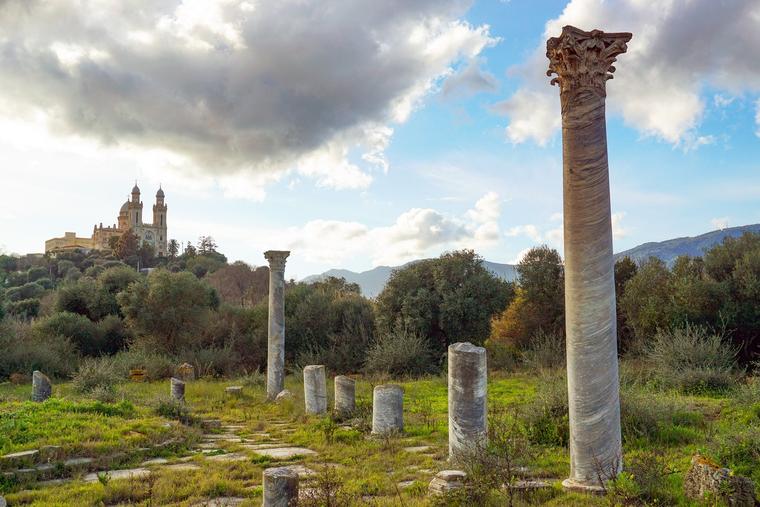
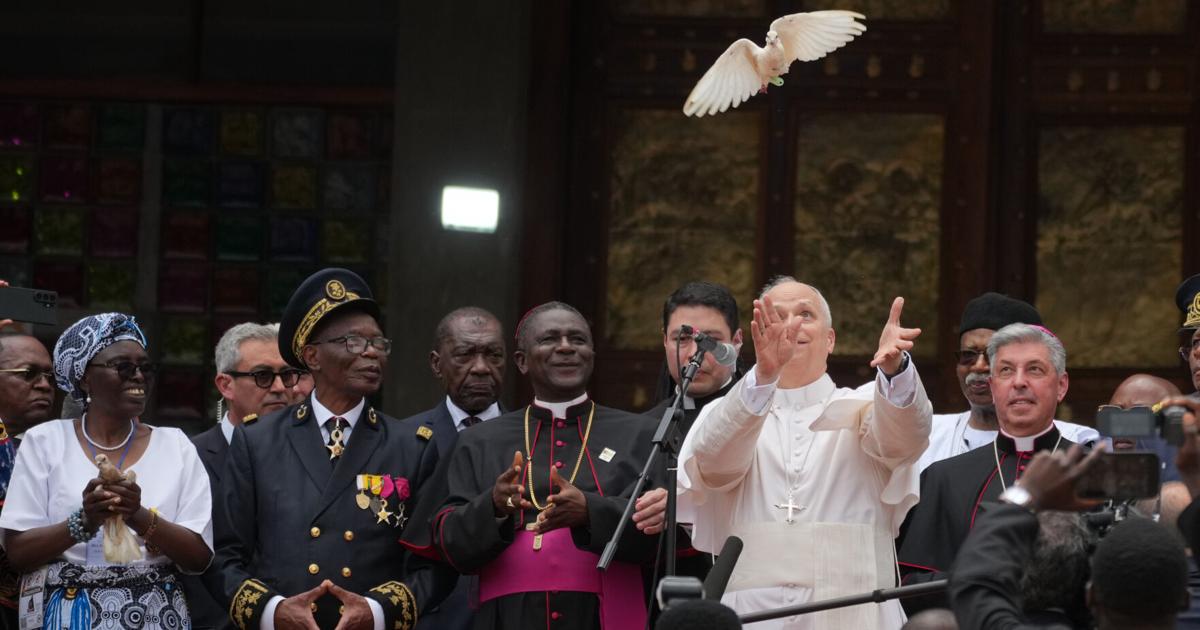
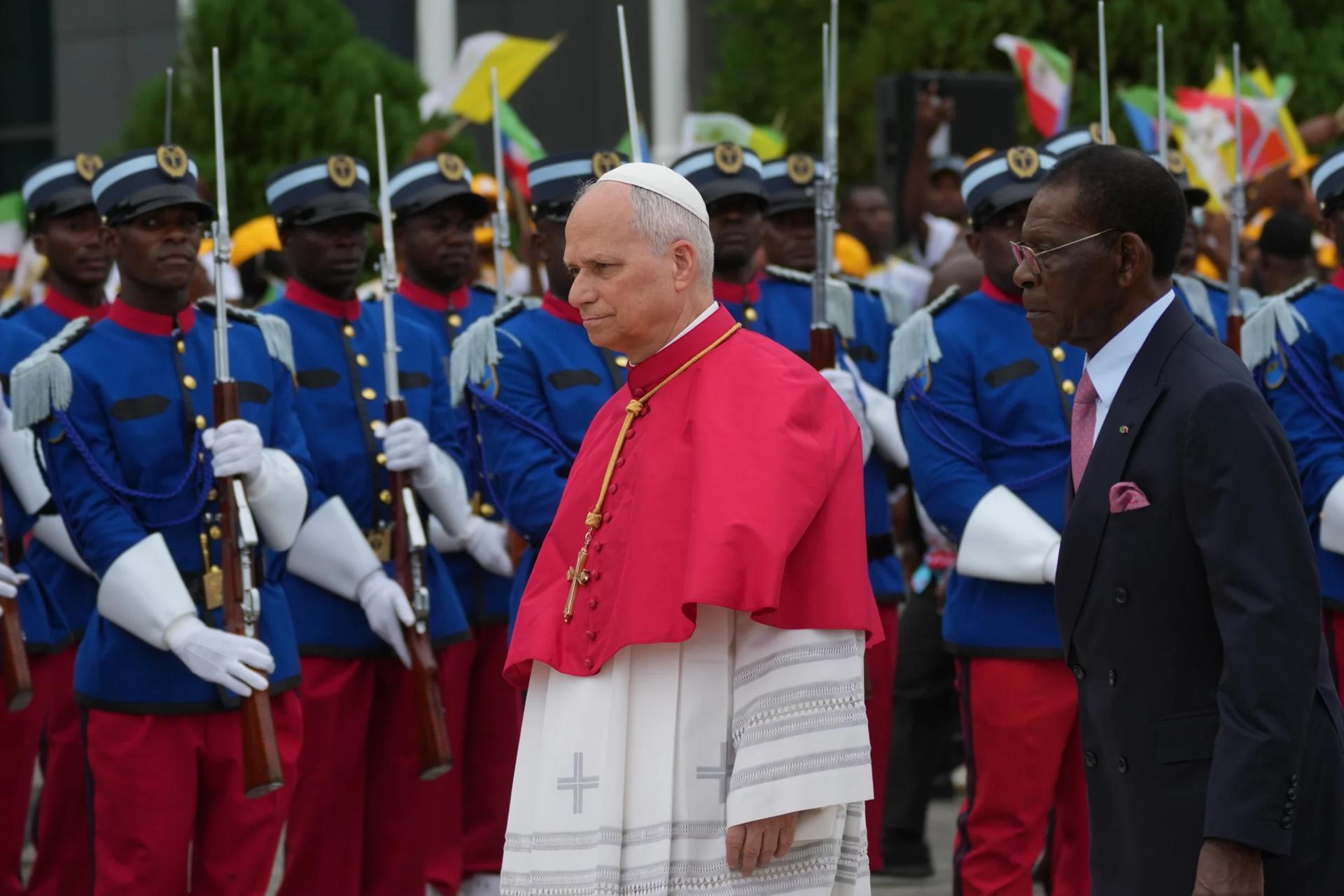
The Pope's 11-day African tour spanning Algeria, Cameroon, Angola, and Equatorial Guinea (April 2026) represents a significant cultural and economic event with measurable implications for cross-border e-commerce sellers. While the news focuses on humanitarian and religious activities, the underlying market dynamics reveal substantial opportunities in faith-based merchandise, educational products, and consumer behavior patterns across underserved African markets.
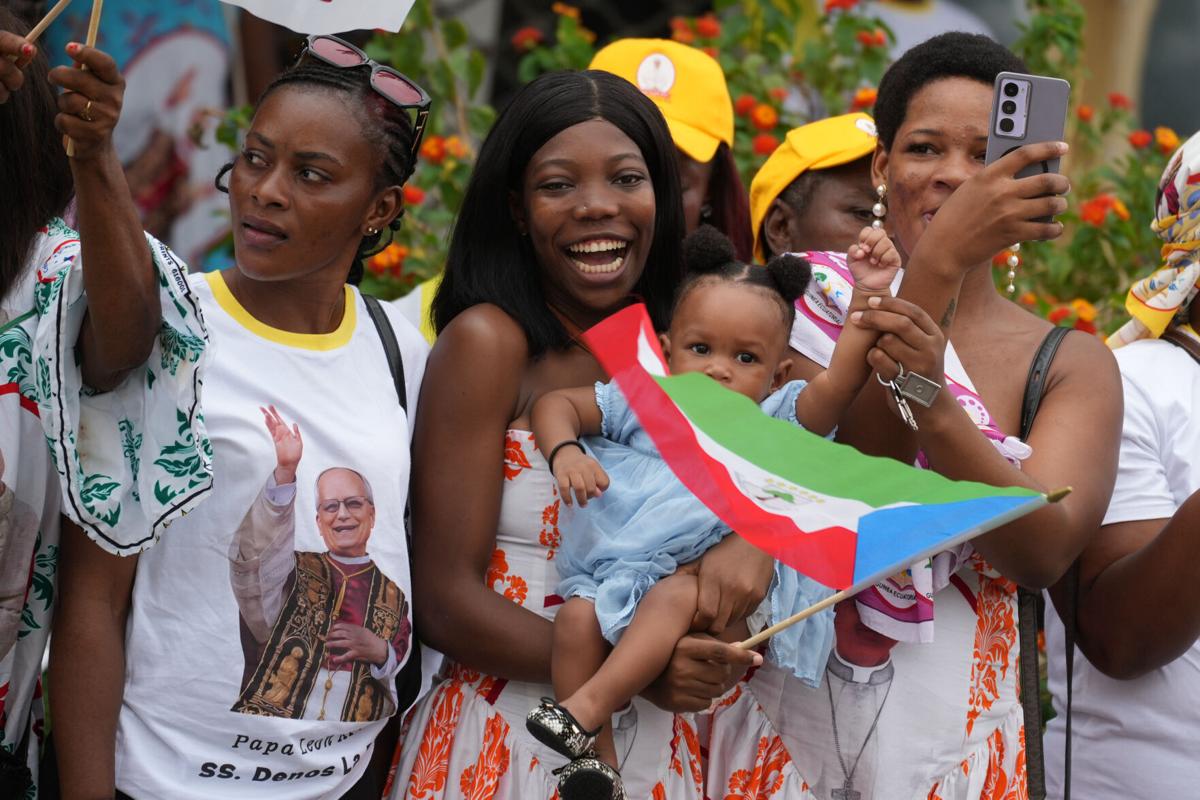
Market Context & Seller Opportunities: The tour's emphasis on educational initiatives—particularly the inauguration of León XIV Campus at the National University in Equatorial Guinea—signals growing investment in educational infrastructure across Central Africa. This reflects broader consumer demand for educational materials, religious texts, academic supplies, and faith-based merchandise. Equatorial Guinea's economy, while 46% dependent on hydrocarbon exports, demonstrates diversification efforts through educational expansion, creating new consumer segments with purchasing power. Sellers specializing in religious merchandise (prayer books, rosaries, religious artwork, educational materials) can capitalize on heightened cultural engagement during and after papal visits, which historically drive 30-50% spikes in category-specific demand.
Consumer Behavior & Demographic Insights: The Pope's focus on prison visits, schools, and mass gatherings across four African nations indicates engagement with diverse demographic segments—from institutional buyers (schools, prisons, religious organizations) to individual consumers seeking faith-based products. This creates B2B and B2C opportunities. Educational institutions mentioned in the news represent bulk-purchase opportunities for academic supplies, religious curriculum materials, and institutional merchandise. The emphasis on "integral formation of students" and educational philosophy suggests demand for specialized educational content, including e-books, online courses, and digital learning materials that cross-border sellers can supply via Amazon, Shopify, or specialized platforms.
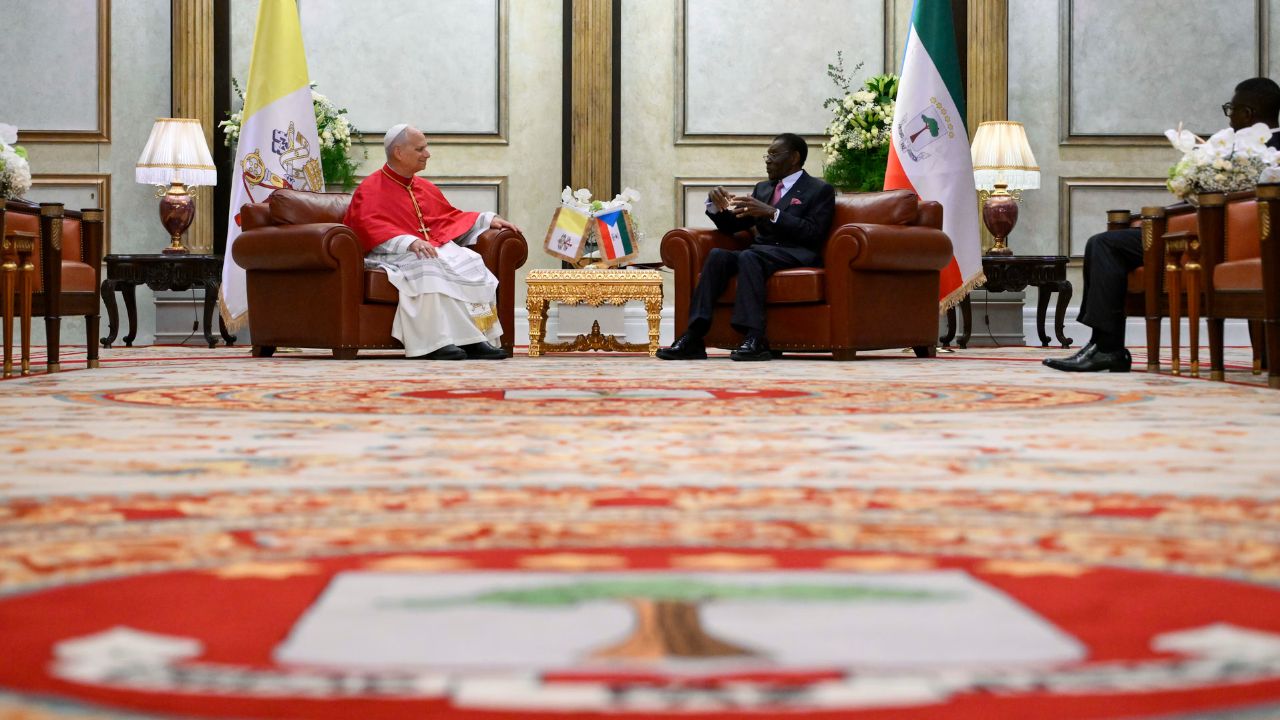
Regional Market Dynamics: The four-nation tour (Algeria, Cameroon, Angola, Equatorial Guinea) covers markets with combined population exceeding 150 million. While these regions face logistics challenges, the papal visit demonstrates sufficient consumer purchasing power and infrastructure to support e-commerce operations. Sellers should note that Equatorial Guinea's 90% hydrocarbon export dependency creates wealth concentration among specific consumer segments—a valuable targeting opportunity for premium religious merchandise, luxury educational products, and specialized faith-based services. The geopolitical engagement signals improving stability and potential regulatory improvements for cross-border commerce in these regions.
Operational & Logistics Considerations: The tour's focus on multiple countries highlights the importance of understanding regional logistics networks. Sellers targeting these markets should evaluate 3PL providers with African coverage, understand customs procedures for religious merchandise imports, and consider regional fulfillment strategies. The educational infrastructure investments suggest growing middle-class consumer bases capable of supporting e-commerce adoption, particularly for digital products and specialized merchandise that doesn't require complex physical logistics.
Questions 8
How does Equatorial Guinea's economic structure create seller opportunities?
Equatorial Guinea's economy is 46% dependent on hydrocarbon production with 90% of exports from oil/gas, creating wealth concentration among specific consumer segments with high purchasing power. This demographic—government officials, oil industry professionals, and their families—represents a valuable target for premium religious merchandise, luxury educational products, and specialized faith-based services. The government's investment in educational infrastructure (León XIV Campus) signals commitment to economic diversification, which typically precedes regulatory improvements for cross-border commerce. Sellers should target high-income segments with premium product positioning and consider payment methods that accommodate regional banking systems.
What logistics challenges should sellers consider for Central African markets?
Central African markets (Equatorial Guinea, Cameroon, Angola, Algeria) present logistics complexity including limited 3PL infrastructure, customs clearance delays (typically 2-4 weeks), and higher shipping costs. However, the Pope's successful tour demonstrates sufficient infrastructure exists for commerce. Sellers should partner with established African logistics providers, understand customs procedures for religious merchandise imports, and consider regional fulfillment strategies using Amazon FBA where available or local 3PL partners. Digital products avoid physical logistics entirely and represent lower-risk entry into these markets. Shipping costs typically run 40-60% higher than US-EU routes, requiring pricing adjustments.