

Strait of Hormuz Blockade Reshapes Global Supply Chains | Sellers Face 15-25% Shipping Cost Surge
- U.S. Navy interdicts 27+ vessels near Iranian ports; sellers routing through Middle East face cargo seizure risks and alternative route premiums of $8,000-15,000 per container

















Overview
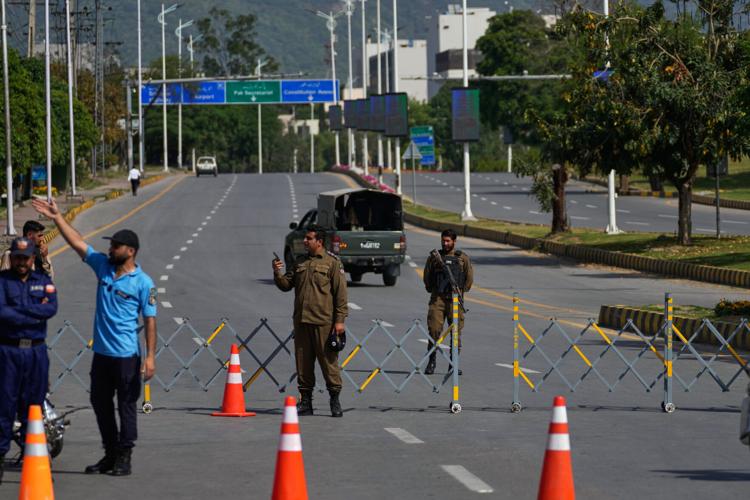
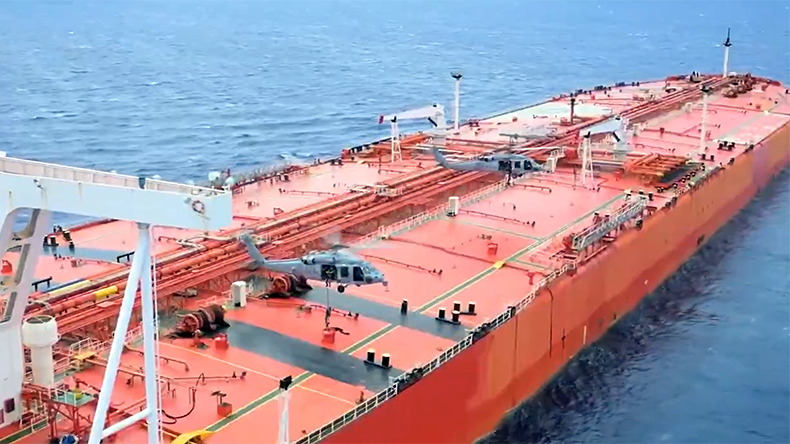
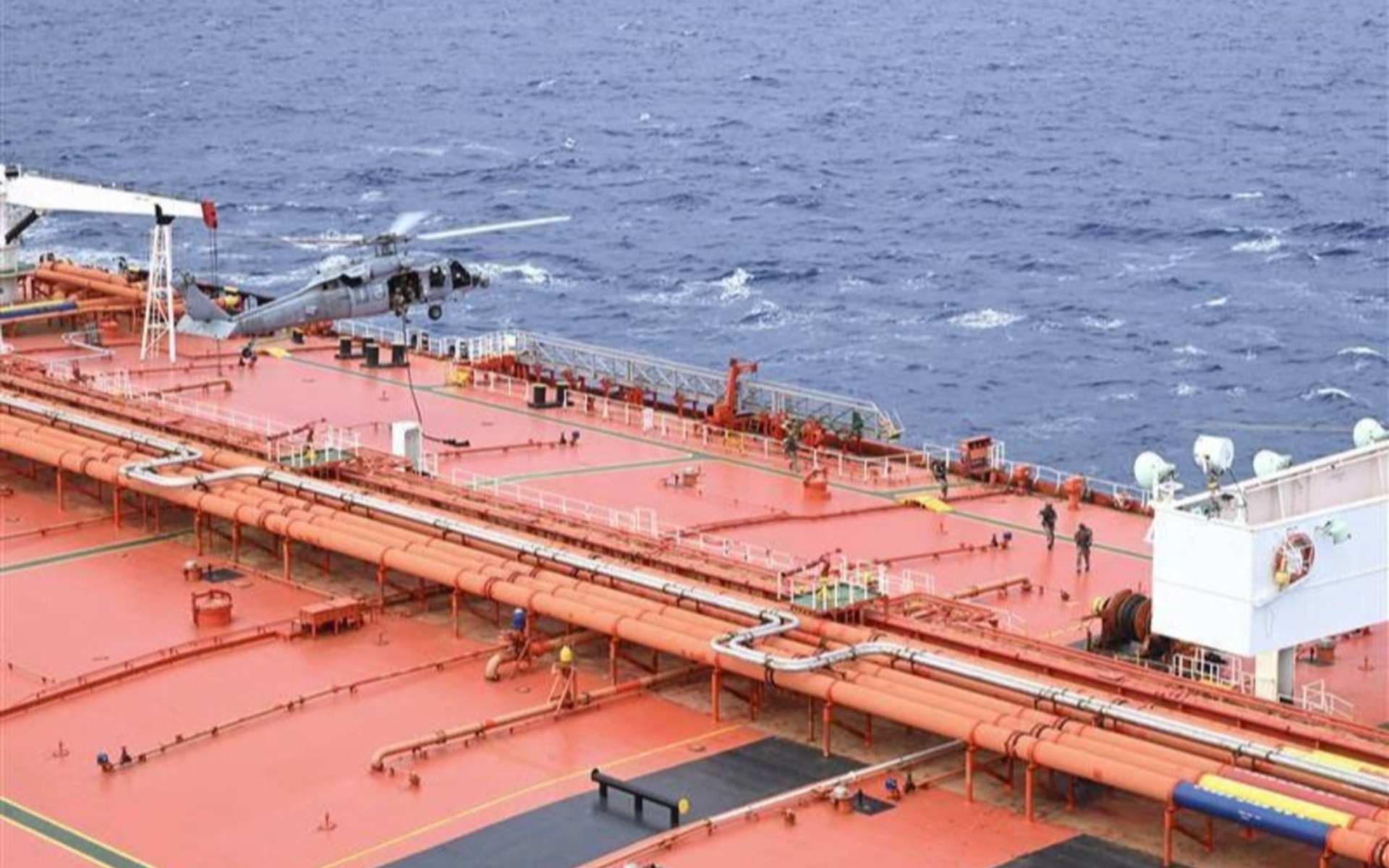
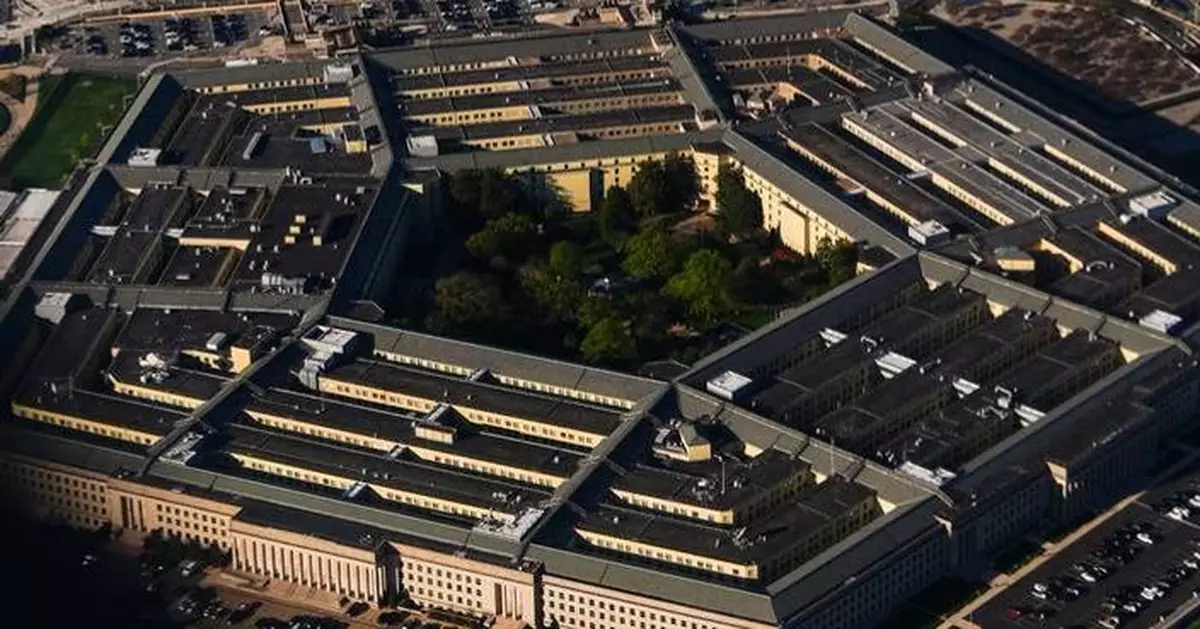
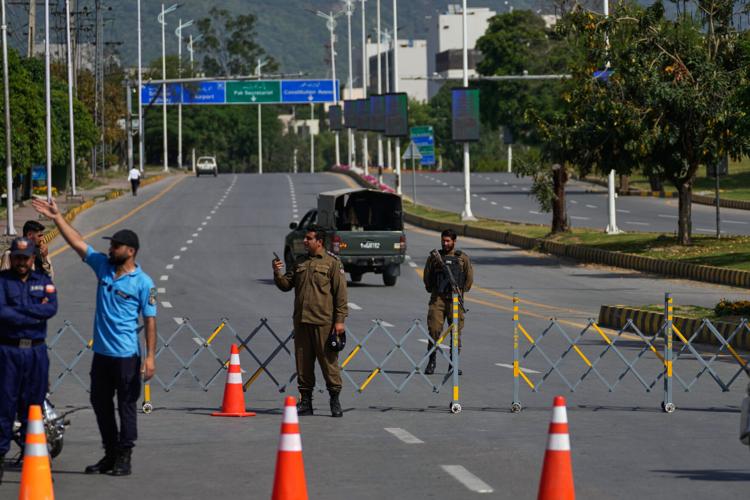
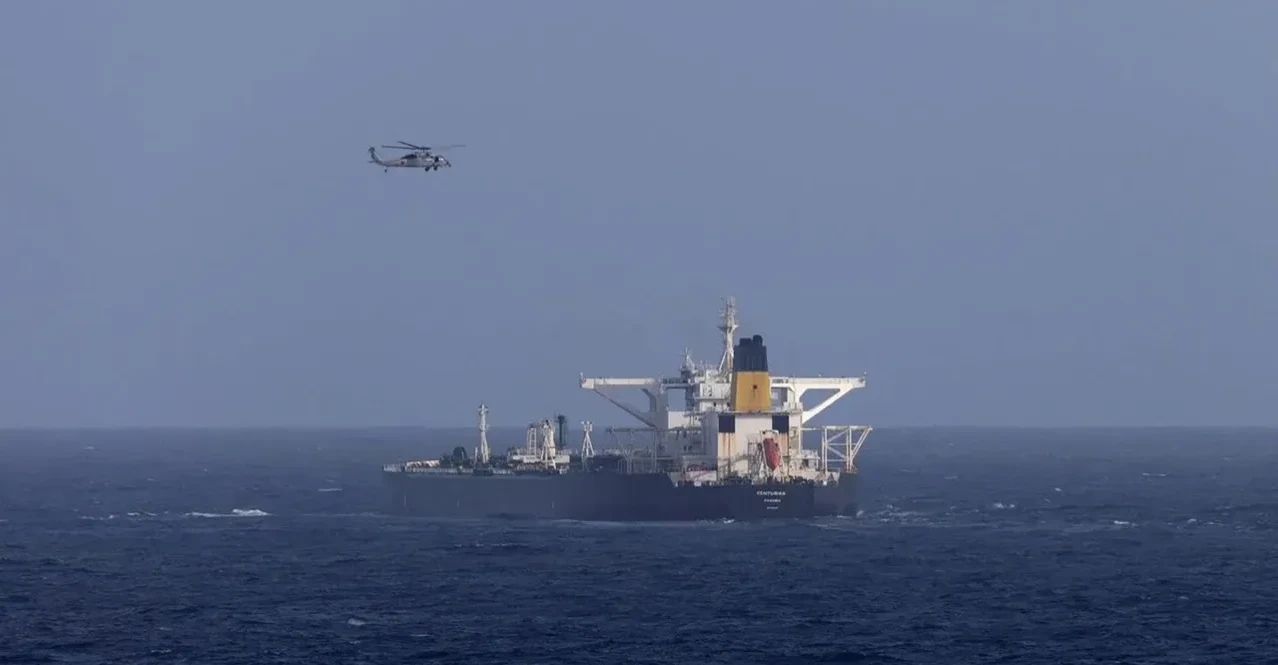
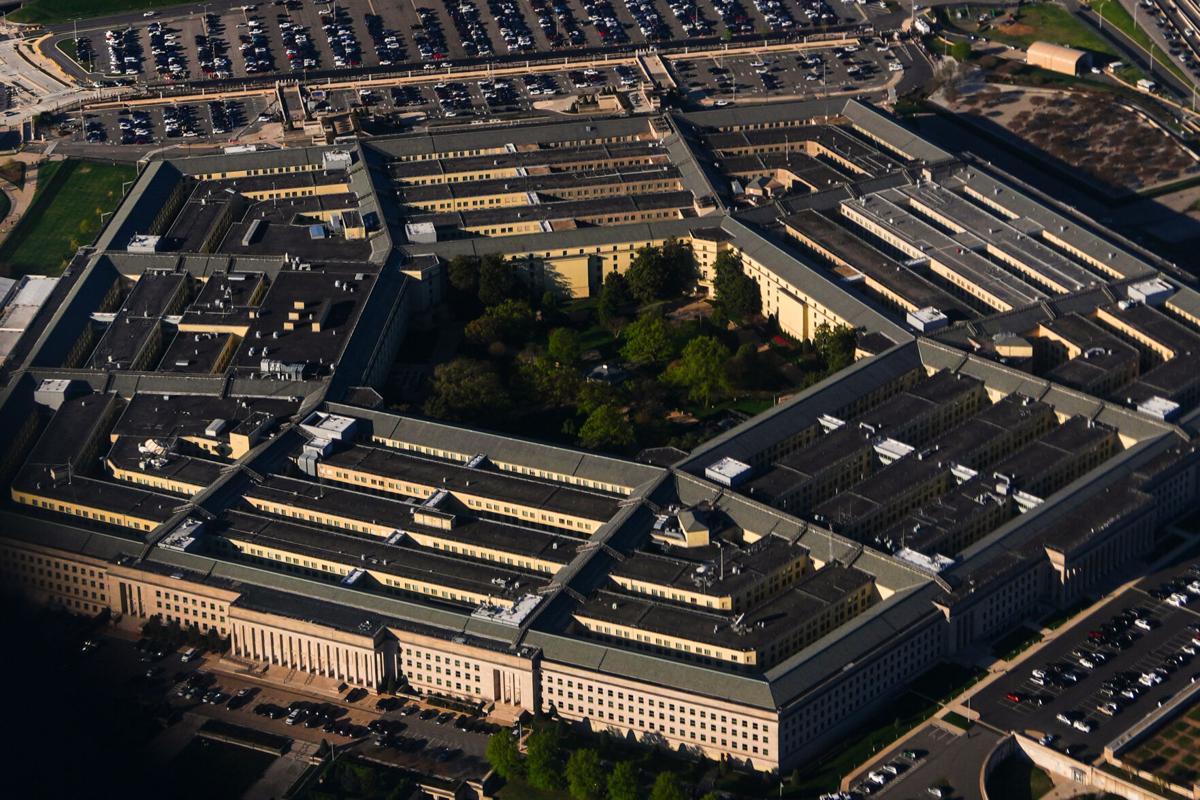
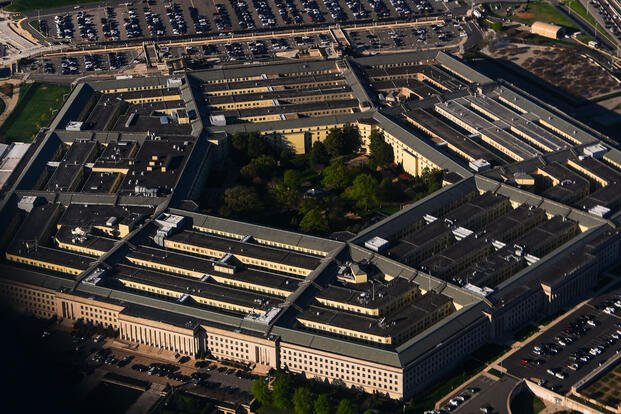
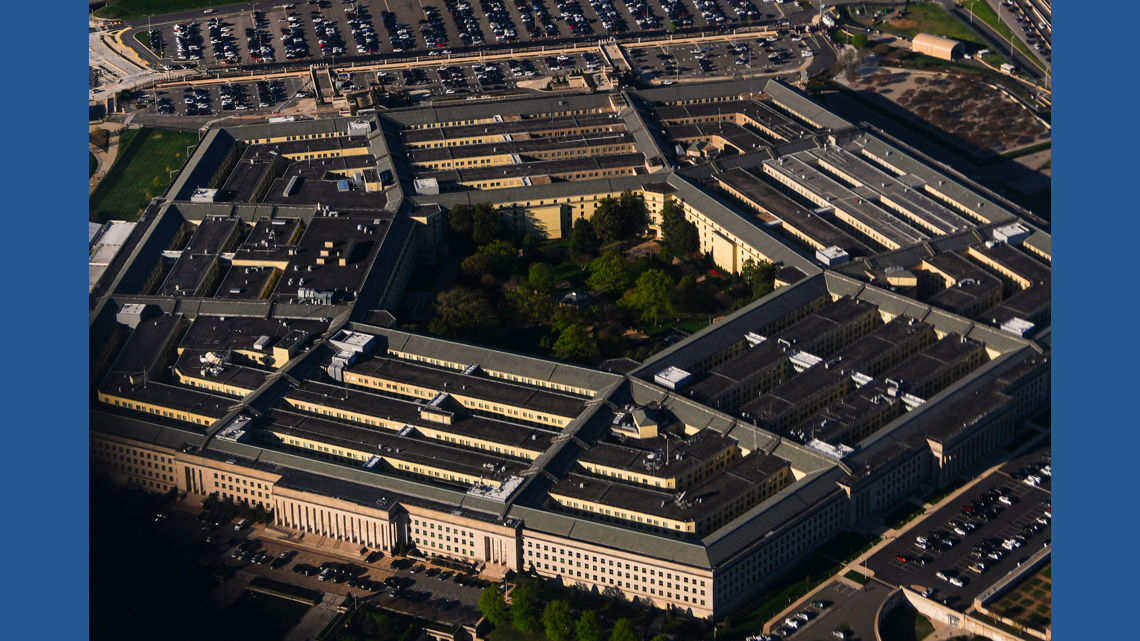
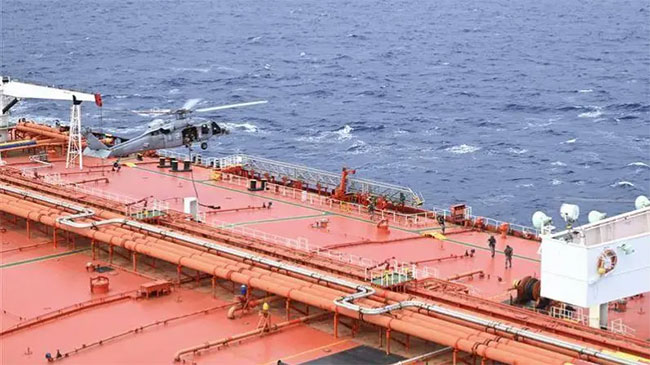
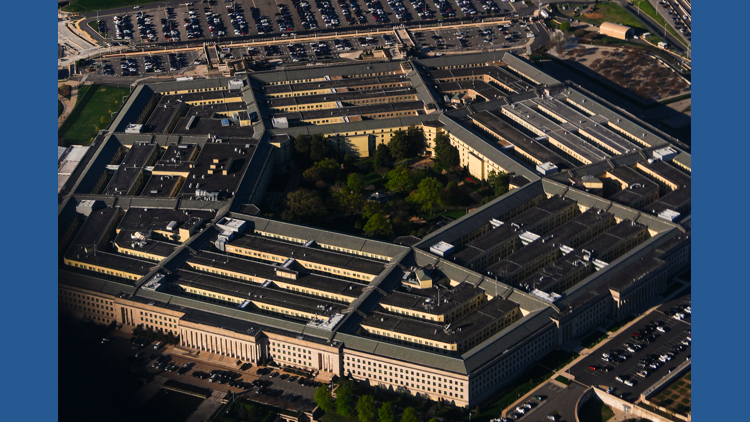
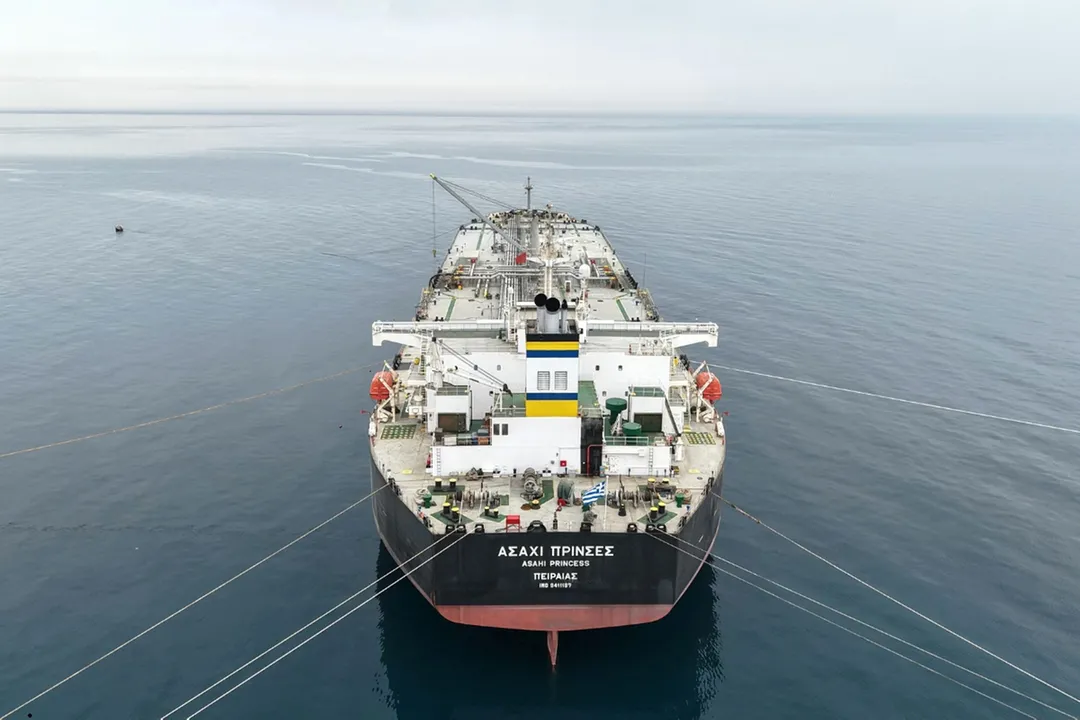
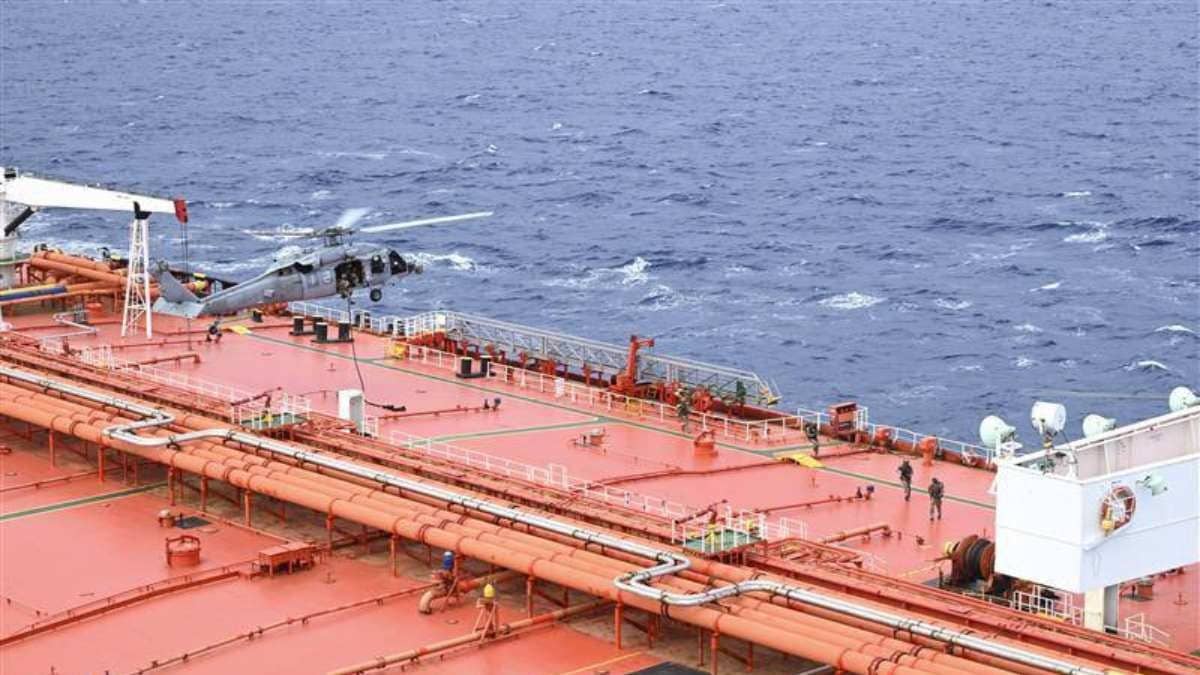
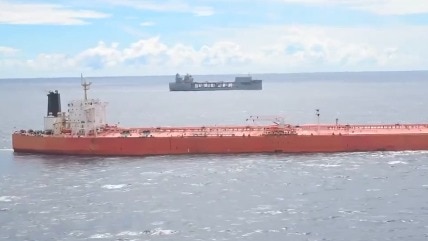
The U.S. military's escalating maritime enforcement campaign—including the April 21, 2026 seizure of the M/T Tifani tanker and blockade of the Strait of Hormuz—represents a critical inflection point for cross-border e-commerce sellers relying on Middle Eastern supply chains and shipping corridors. The Pentagon's stated commitment to "pursue global maritime enforcement efforts to disrupt illicit networks" and the Navy's documented interception of 27 vessels attempting to transit Iranian ports signals a structural shift in geopolitical risk that directly impacts logistics costs, insurance premiums, and supply chain resilience for sellers operating in affected regions.
For sellers, the immediate operational impact is severe: Companies importing goods from Iran, utilizing Iranian shipping routes, or sourcing materials through Iranian intermediaries face heightened cargo seizure risks and mandatory route diversification. The blockade near the Strait of Hormuz—one of the world's most critical maritime chokepoints handling approximately 21% of global petroleum trade and significant containerized cargo volumes—forces sellers to adopt longer, costlier shipping alternatives. Rerouting shipments around the Cape of Good Hope adds 10-14 days to transit times and increases per-container costs by $8,000-15,000, compressing margins by 15-25% for sellers operating on thin 5-10% profit margins in categories like electronics, textiles, and consumer goods.
The competitive advantage shifts dramatically toward sellers with diversified sourcing strategies: Sellers currently dependent on single-source Iranian suppliers or those utilizing Iranian-flagged vessels face immediate supply chain disruption. The first documented evasion attempt (the Touska cargo ship on April 20, 2026) demonstrates that U.S. military enforcement extends beyond oil tankers to general cargo vessels, creating precedent for broader interdiction activities. Simultaneously, the ceasefire negotiations signaled in News 2 (April 21, 2026 Islamabad talks with indefinite extension) introduce uncertainty about enforcement duration—sellers cannot assume this blockade is temporary. Strategic sellers are already pivoting to alternative sourcing corridors: Vietnam, India, and Indonesia are becoming preferred manufacturing hubs for sellers seeking to avoid Iranian supply chain exposure while maintaining cost competitiveness. This represents a 12-18 month window before market consolidation around new supply chains, creating first-mover advantages for sellers who establish alternative supplier relationships before competitors recognize the shift.
Insurance and compliance costs are rising across the board: Maritime insurance premiums for vessels transiting contested waters near the Strait of Hormuz have historically increased 30-50% during periods of geopolitical tension. Sellers must now budget for elevated insurance costs even when using non-Iranian routes, as underwriters price in broader Middle Eastern instability. Additionally, sellers must implement enhanced due diligence protocols to verify that suppliers and logistics partners have no Iranian connections—failure to do so creates legal exposure under U.S. sanctions regulations, with penalties reaching $250,000+ per violation. Amazon, eBay, and Shopify sellers operating in high-volume categories (apparel, electronics, home goods) must audit their supply chains immediately to identify Iranian exposure and document compliance efforts.
Questions 8
Which product categories are most vulnerable to supply chain disruption from this blockade?
Categories with high Iranian sourcing exposure face immediate disruption: textiles/apparel (Iran historically supplies 8-12% of global cotton and synthetic fabrics), electronics components (Iranian suppliers provide 5-8% of certain semiconductor packaging materials), and home goods/furniture (Iranian wood and mineral inputs). Sellers in these categories should expect 20-30% cost increases if they maintain current sourcing. Conversely, sellers in categories with diversified sourcing (consumer electronics from China/Taiwan, apparel from Vietnam/Bangladesh, home goods from India) face minimal disruption. The competitive advantage shifts to sellers who can absorb or pass through cost increases—large sellers (Amazon FBA, Walmart Marketplace) have better negotiating power with alternative suppliers than small sellers.
What are the legal risks if my supply chain has Iranian connections?
U.S. sanctions regulations (OFAC) impose penalties up to $250,000+ per violation for companies that knowingly or unknowingly conduct business with Iranian entities or use Iranian shipping routes. The Pentagon's stated commitment to 'pursue global maritime enforcement efforts' means sellers cannot rely on plausible deniability—Amazon, eBay, and Shopify require sellers to certify supply chain compliance. Sellers must audit suppliers immediately to verify no Iranian ownership, financing, or transshipment involvement. Documentation of due diligence efforts provides legal protection; failure to document creates liability exposure. Consider engaging compliance consultants ($5,000-15,000) to audit supply chains, as the cost is minimal compared to potential penalties.