


Fed Chair Confirmation Uncertainty | Interest Rate Policy Impact on Cross-Border Seller Financing
- Senate Banking Committee hearing reveals political pressure on monetary policy independence affecting seller borrowing costs, currency volatility, and international transaction expenses











Overview
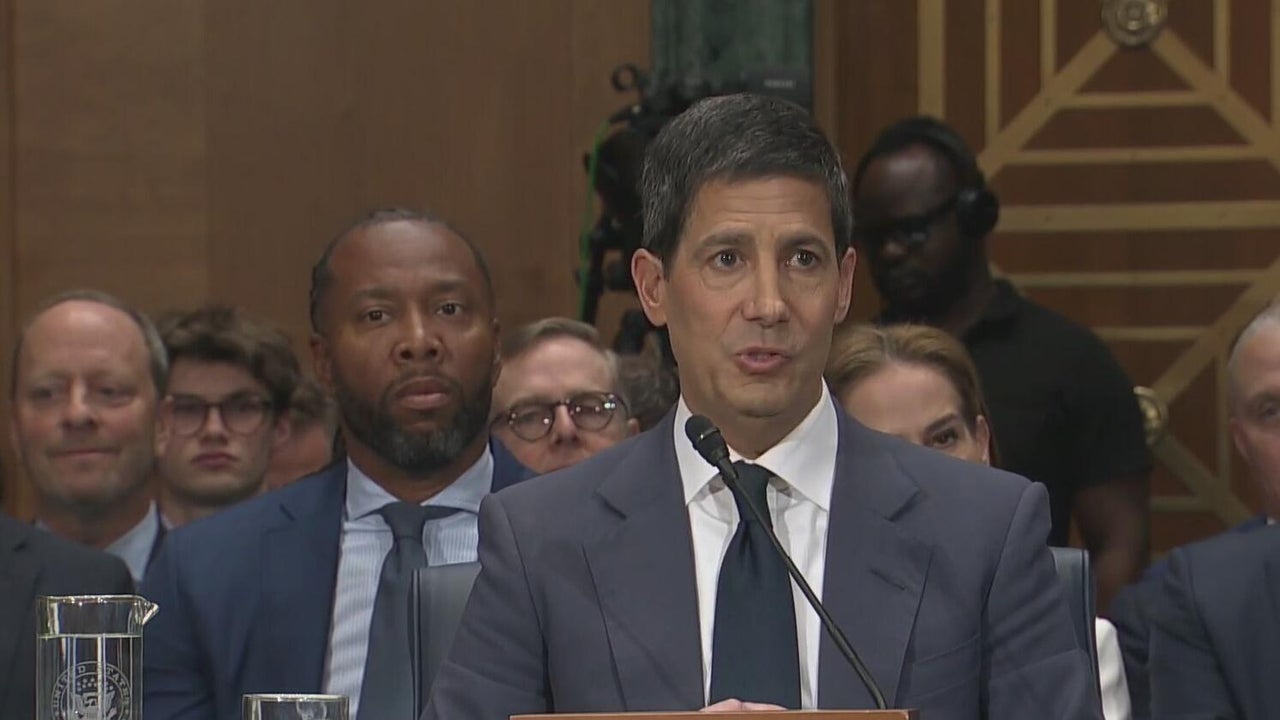
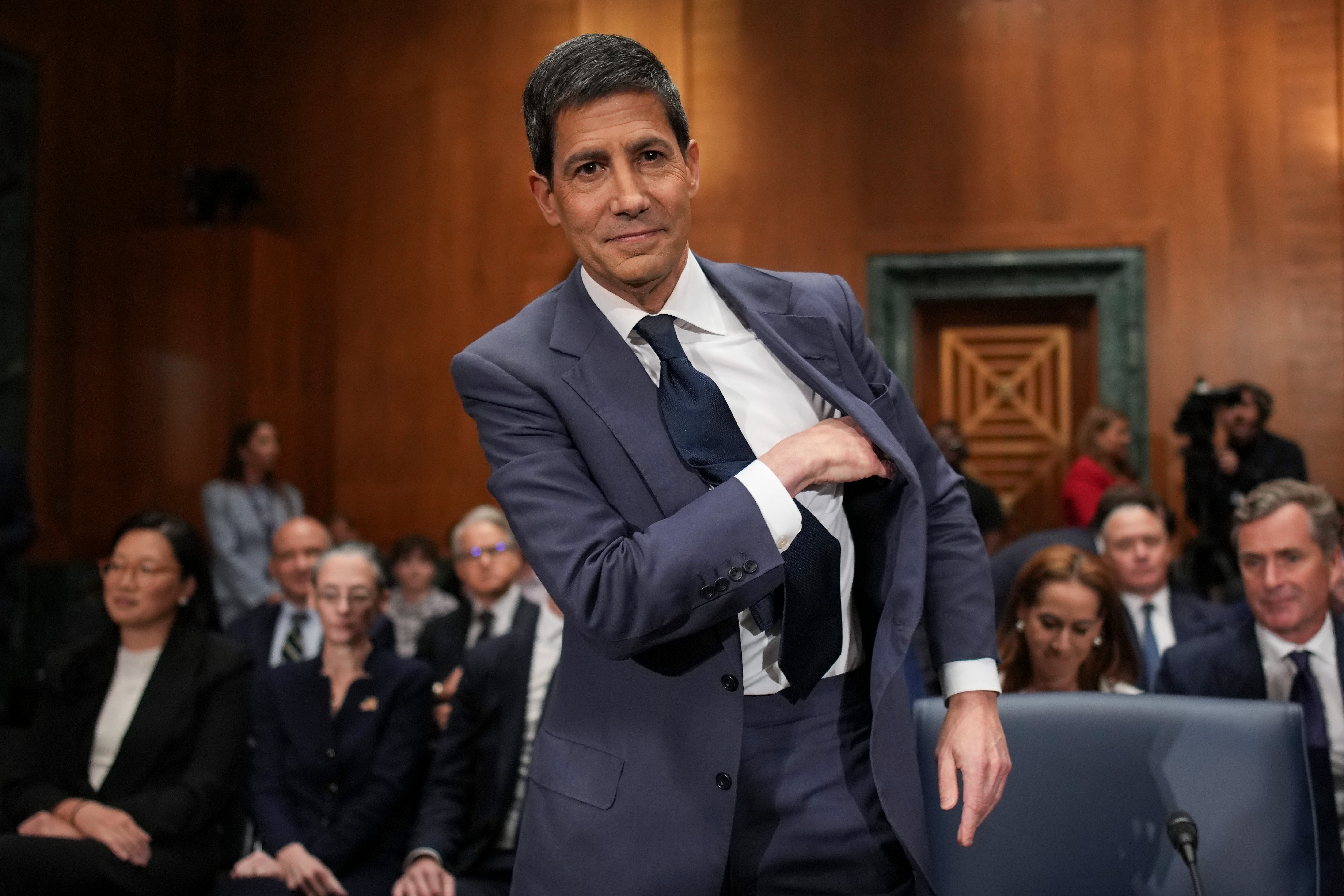
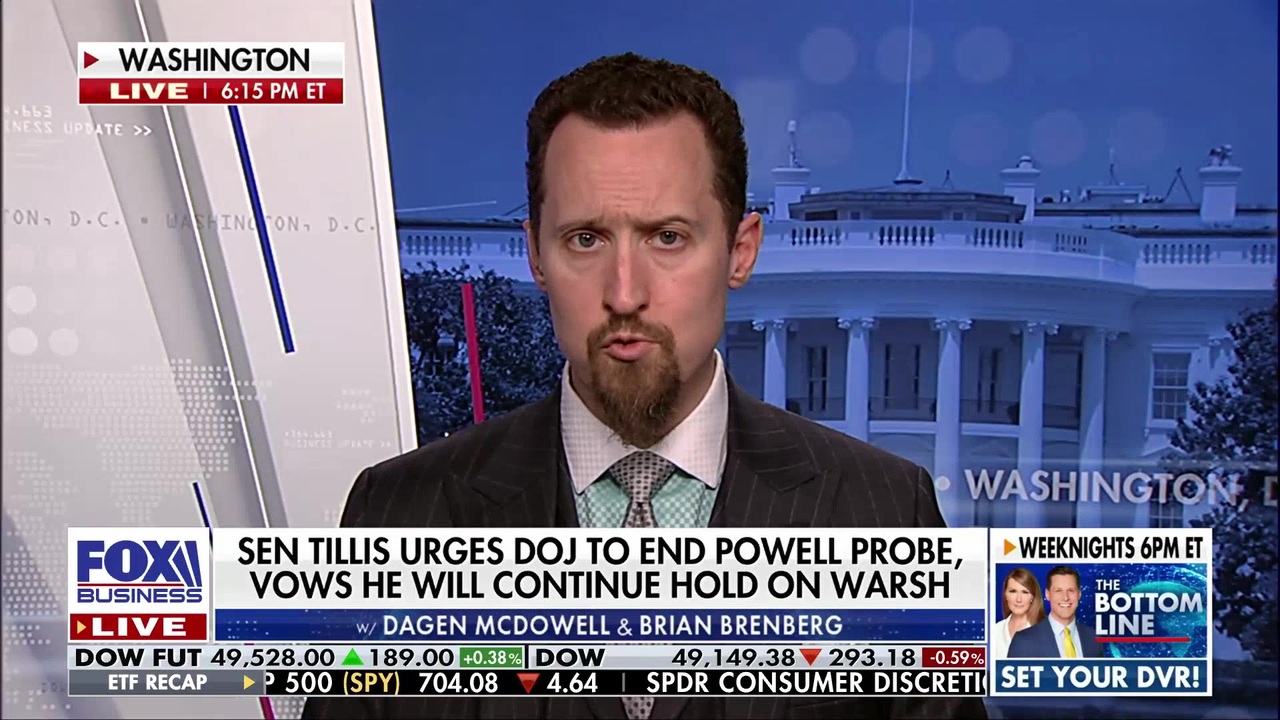
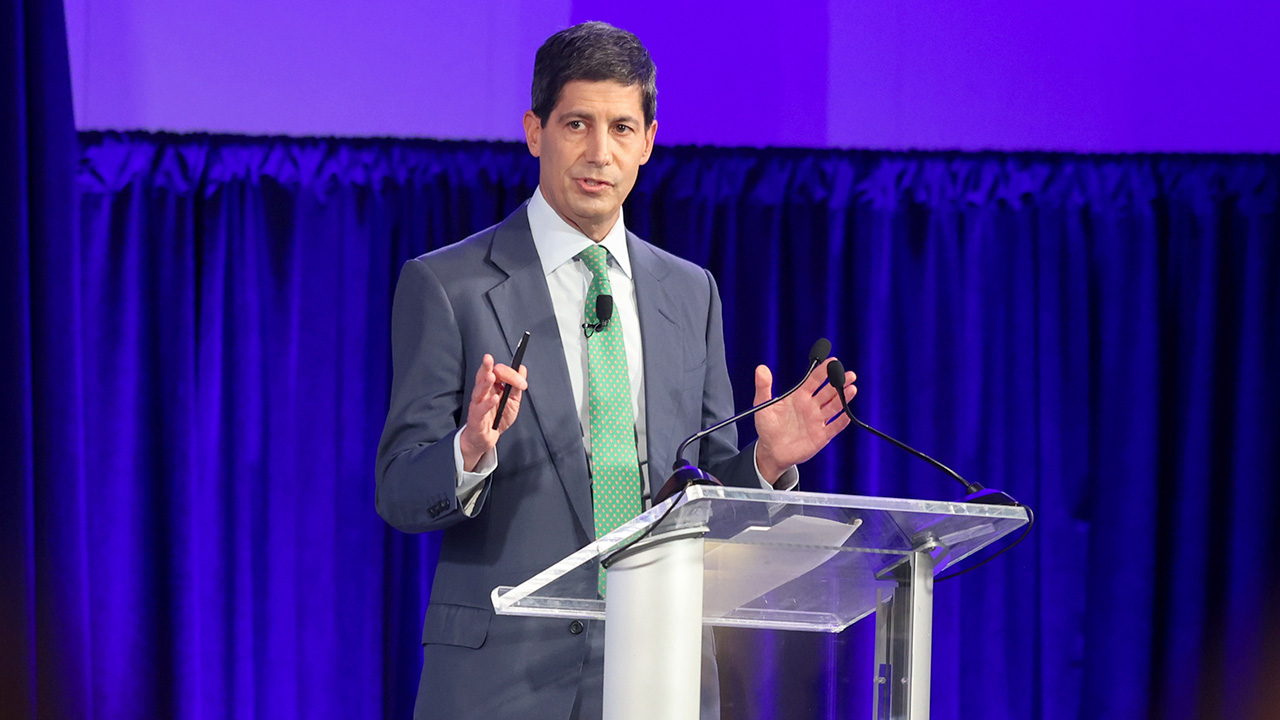
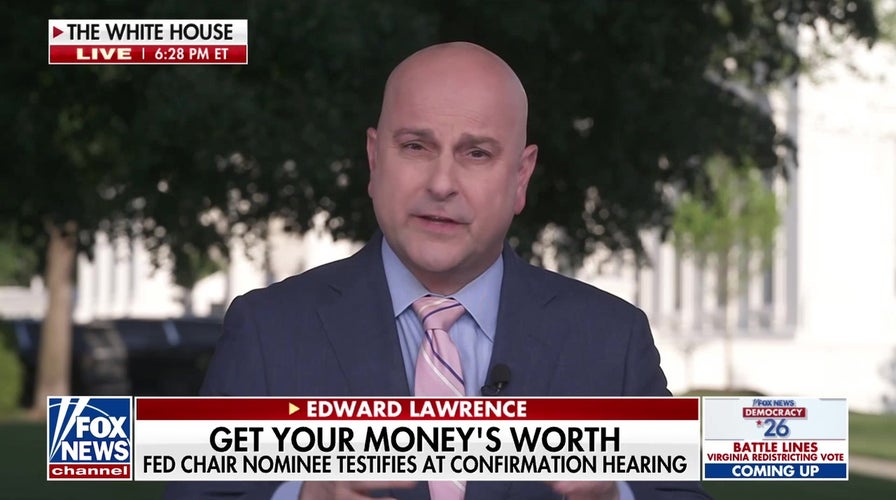
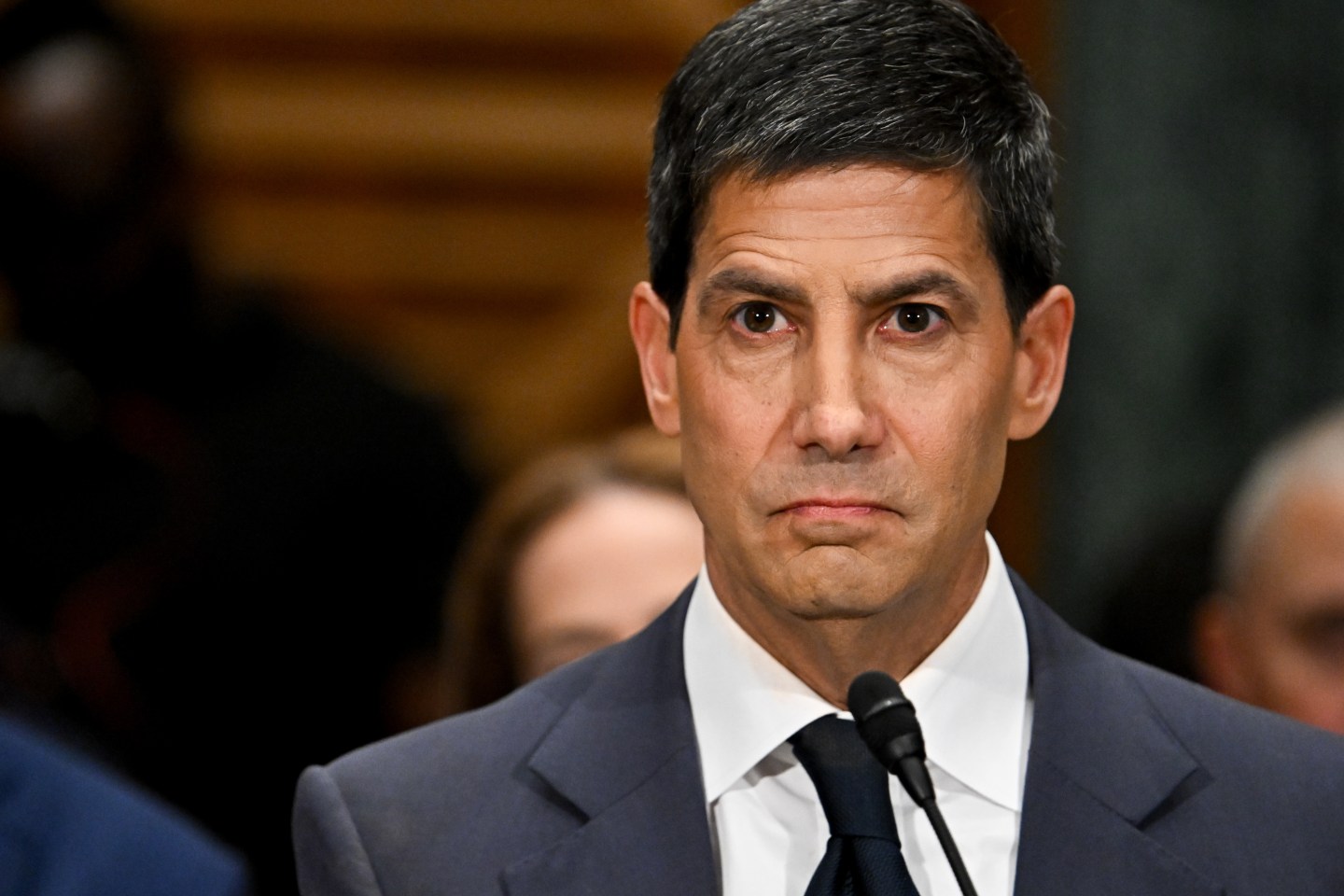
On April 21, 2026, the Senate Banking Committee held a contentious confirmation hearing for Kevin Warsh, President Trump's nominee to chair the Federal Reserve, creating significant uncertainty for cross-border e-commerce sellers dependent on stable monetary policy. The hearing centered on critical questions about Federal Reserve independence and whether Warsh would maintain institutional autonomy from executive branch pressure regarding interest rate decisions. While Warsh testified that President Trump never instructed him to cut rates and that he would never predetermine rate decisions, Senator Elizabeth Warren challenged his independence, calling him a "sock puppet" for Trump. The committee is expected to confirm Warsh despite ongoing criminal investigations into current Fed Chair Jerome Powell's oversight of a central bank renovation project.
Direct Impact on E-Commerce Sellers: The hearing's outcome directly affects three critical operational areas for cross-border sellers. First, borrowing costs for inventory financing and business expansion depend on Federal Reserve interest rate policy—lower rates reduce working capital costs while higher rates compress margins, particularly for sellers managing 6-12 month inventory cycles. Second, currency exchange rate volatility intensifies when Fed policy uncertainty exists; sellers operating in multiple currencies (USD, EUR, GBP, JPY) face unpredictable conversion costs on international supplier payments and customer refunds. Third, payment processing costs fluctuate with Fed policy as payment processors adjust merchant fees based on capital availability and risk premiums. The $100 million asset disclosure gap raises governance concerns about potential conflicts of interest in future policy decisions affecting financial markets.
Seller Segment Implications: Small sellers (annual revenue $100K-$500K) face the highest vulnerability to rate volatility because they typically carry higher debt-to-equity ratios and lack hedging capabilities. Mid-market sellers ($500K-$5M) can absorb 1-2% rate increases through margin compression but face working capital constraints during peak seasons. Large sellers ($5M+) benefit from lower borrowing costs but face currency exposure across 15-30 markets. The hearing's emphasis on maintaining Fed autonomy suggests continuity in monetary policy governance, providing predictability for business planning. However, the contentious questioning indicates ongoing political interest in Fed operations, potentially signaling future pressure on rate-setting decisions that could create volatility in currency markets and borrowing costs.
Questions 8
What is the connection between Fed policy uncertainty and currency exchange rate volatility?
Currency markets react immediately to Federal Reserve policy signals because interest rate differentials between countries drive currency valuations. When Fed policy becomes uncertain—as evidenced by the contentious April 2026 confirmation hearing—currency traders increase hedging costs and bid-ask spreads widen, making international transactions more expensive. Sellers shipping to EU markets face 2-4% additional costs during periods of Fed policy uncertainty as EUR/USD exchange rates become more volatile. Sellers operating in 10+ currencies simultaneously experience compounding volatility effects. Stable, predictable Fed policy reduces currency conversion costs by 1-3%, directly improving profit margins on cross-border transactions.
How does Federal Reserve interest rate policy affect cross-border seller borrowing costs?
Federal Reserve interest rate decisions directly determine the prime lending rate that banks use to set merchant cash advance rates, inventory financing costs, and business lines of credit. When the Fed raises rates, sellers typically see 0.5-2% increases in annual borrowing costs on working capital loans. For a seller with $500K in inventory financing, a 1% rate increase translates to $5,000 in additional annual interest expense. Warsh's confirmation could influence whether rates remain stable or decline, affecting seller access to affordable capital for seasonal inventory purchases and business expansion. The April 21, 2026 hearing revealed political pressure on rate-setting decisions, creating uncertainty about future policy direction.