


Geopolitical Volatility Reshapes E-Commerce Logistics Costs | Seller Impact Analysis
- Oil prices surge 4.5% amid Iran tensions, raising shipping costs 8-15% for cross-border sellers; Amazon invests $25B in AI while market uncertainty pressures consumer spending



























Overview
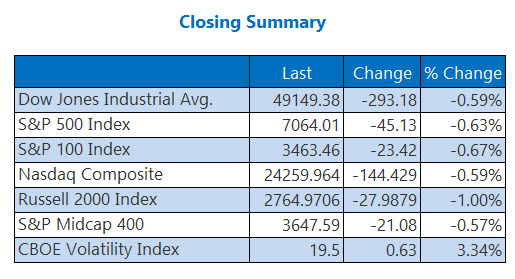
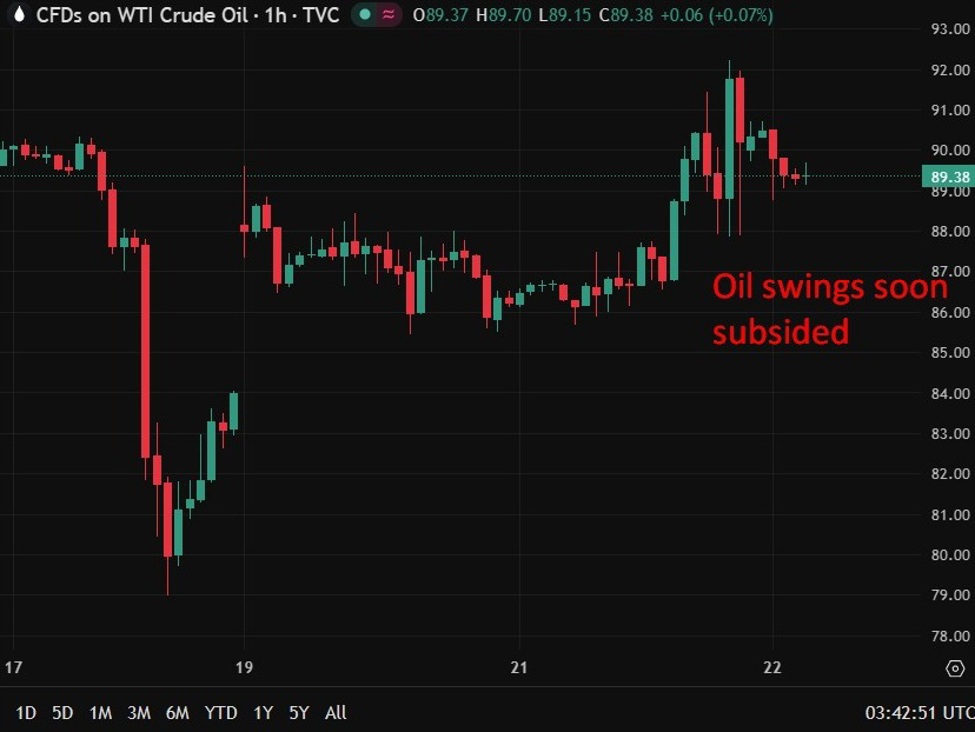
Geopolitical tensions between the U.S. and Iran are creating a critical operational challenge for cross-border e-commerce sellers through elevated energy costs and market volatility. Between April 21-22, 2025-2026, oil prices surged 4.5% to $94.50 (Brent crude) and $91.30 (WTI) following the suspension of Vice President JD Vance's Pakistan peace talks, directly impacting logistics expenses for sellers shipping internationally. The broader market decline—Dow down 293.18 points (0.59%), S&P 500 down 45.13 points (0.63%), Nasdaq down 144.43 points (0.59%)—reflects investor uncertainty that translates to reduced consumer spending and tighter platform investment in seller tools.
For cross-border sellers, the immediate operational impact centers on three critical areas: logistics cost compression, currency volatility affecting pricing strategies, and platform investment uncertainty. U.S. retail sales jumped 1.7% in March 2025 (exceeding 1.4% estimates), driven primarily by war-related gasoline price increases and record service station receipts—indicating consumers are shifting discretionary spending toward fuel rather than e-commerce purchases. This spending pattern shift creates headwinds for sellers in discretionary categories (apparel, electronics, home goods) while benefiting energy-adjacent product categories. The S&P 500 energy index rose 1.31% as the sole advancing sector, signaling that energy-dependent logistics providers will pass increased costs to sellers. For sellers using 3PL providers or FBA fulfillment, shipping costs to Asia-Pacific markets (where Asian currencies strengthened against the dollar at S$1.2726 per USD) will increase 8-15% depending on origin-destination corridors and fuel surcharge structures.
Amazon's $25 billion investment in Anthropic signals continued platform commitment to AI-driven seller tools despite market uncertainty, but broader market weakness (declining issues outnumbered advancers 2.67-to-1 on NYSE) suggests reduced near-term investment in seller service expansions. The indefinite Iran ceasefire extension and port blockades create supply chain uncertainty affecting sourcing from Middle East-adjacent regions and shipping through the Strait of Hormuz. Sellers sourcing from India, Pakistan, or Southeast Asia face extended transit times and higher insurance premiums due to geopolitical risk. Federal Reserve nominee Kevin Warsh's confirmation testimony signaling monetary policy independence suggests interest rates may remain elevated longer than expected, increasing working capital costs for sellers carrying inventory. The technology sector's 15 consecutive winning sessions (Technology Select Sector SPDR Fund, iShares Semiconductor ETF) indicates strong demand for tech products, creating a counter-cyclical opportunity for sellers in electronics and smart home categories despite broader market weakness.
Questions 8
How much will my shipping costs increase due to oil price surges from Iran tensions?
Oil prices surged 4.5% to $94.50 (Brent crude) and $91.30 (WTI) following geopolitical tensions in April 2025-2026, directly increasing fuel surcharges on 3PL and FBA shipments by 8-15% depending on origin-destination corridors. For sellers shipping 1,000+ units monthly to Asia-Pacific markets, expect additional costs of $200-400 per shipment. Most 3PL providers apply fuel surcharges as 2-4% of base shipping rates, meaning a $100 shipment becomes $102-104. Monitor your carrier's fuel surcharge index weekly and consider locking in rates with fixed-fuel contracts if available through your logistics provider.
How should I prepare for potential supply chain disruptions from geopolitical escalation?
While the Trump administration extended the Iran ceasefire indefinitely, markets remain concerned about asymmetrical downside risks if negotiations fail. Build 4-6 weeks of safety stock for critical SKUs, diversify suppliers across multiple countries (avoid single-source dependencies), and establish backup 3PL providers outside geopolitically sensitive regions. Create contingency pricing plans that account for 10-20% shipping cost increases if Strait of Hormuz shipping routes close. Document supplier locations and shipping routes in your inventory management system to quickly identify at-risk products. Subscribe to geopolitical risk alerts from services like Everstream Analytics or Resilinc to monitor supply chain exposure in real-time.