

Apple CEO Transition 2025 | Supply Chain & AI Strategy Impact on E-Commerce Sellers
- John Ternus replaces Tim Cook in September 2025; $4 trillion company faces AI, diversification, and geopolitical challenges affecting global supply chains and seller sourcing strategies

























Overview
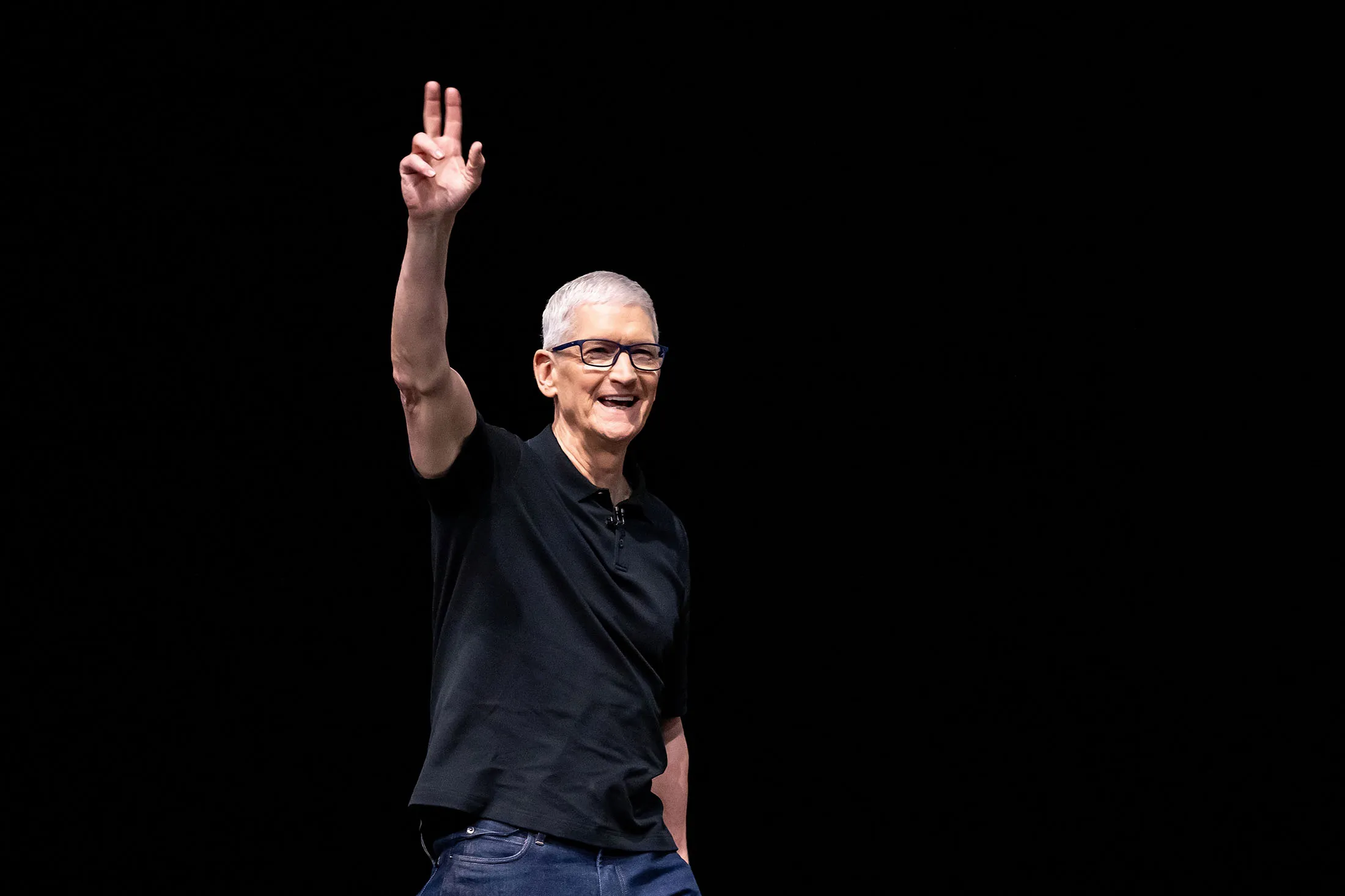
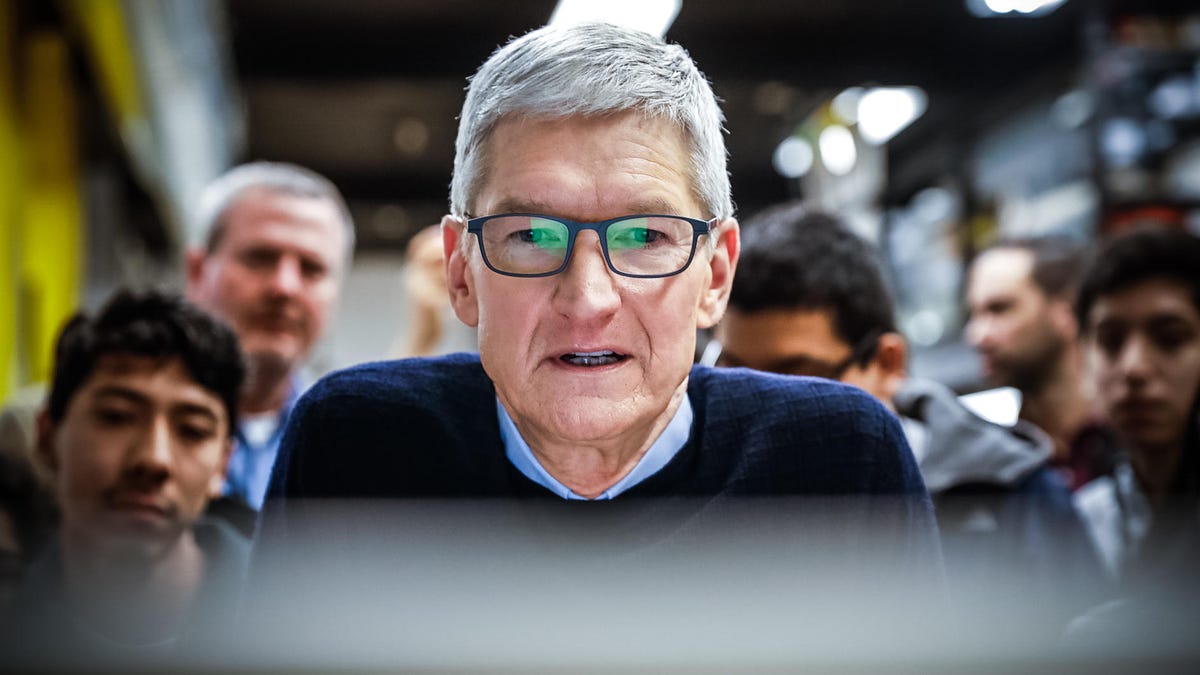
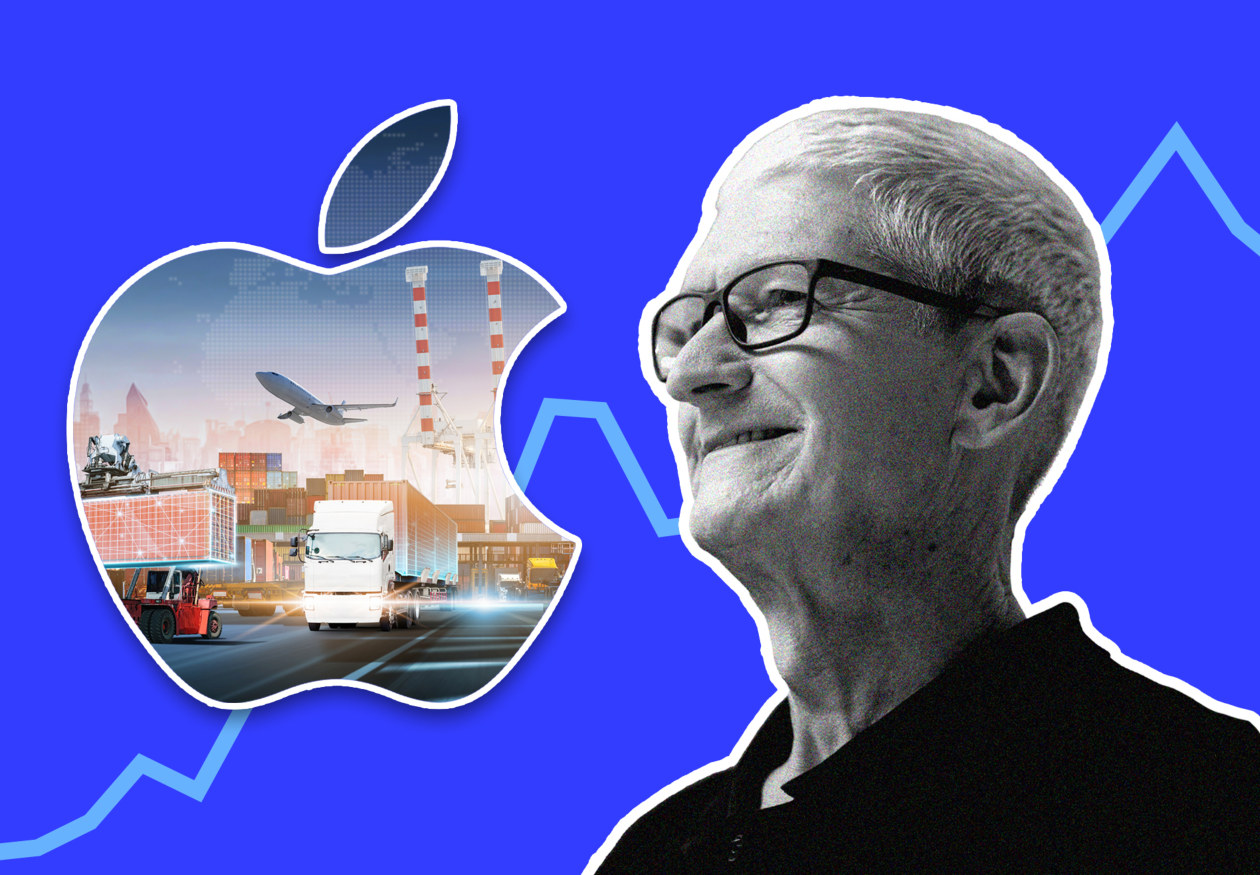
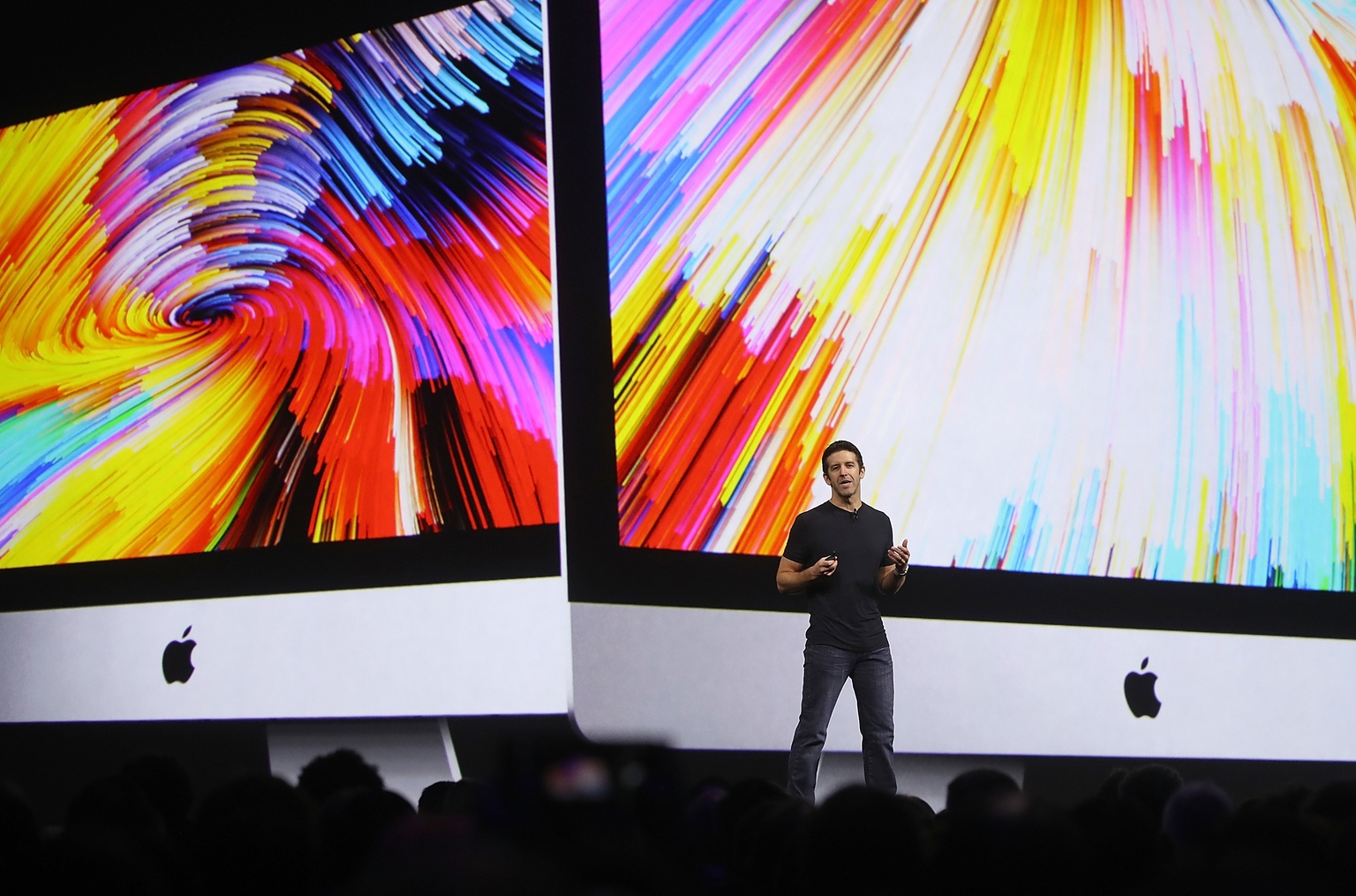
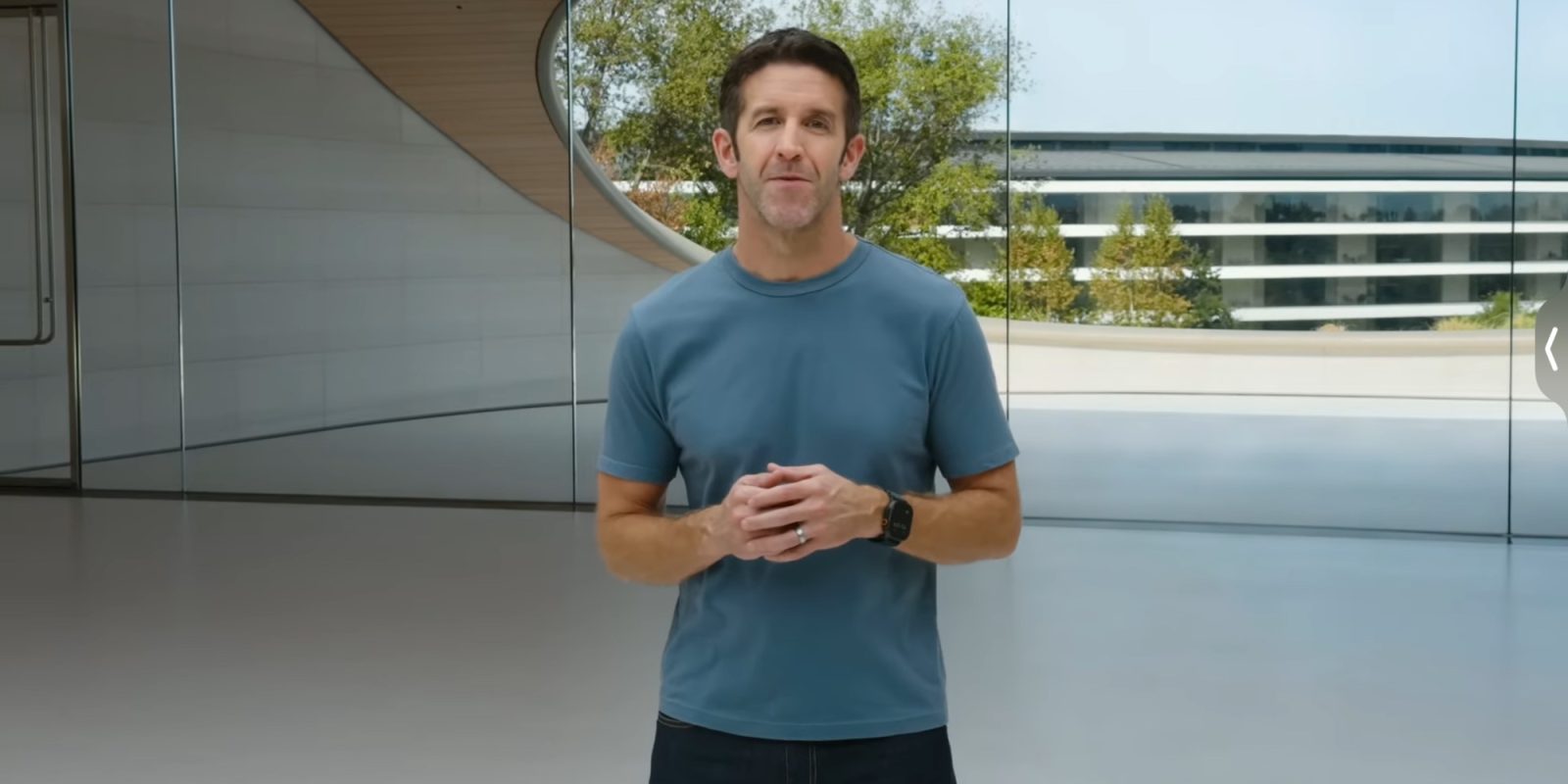
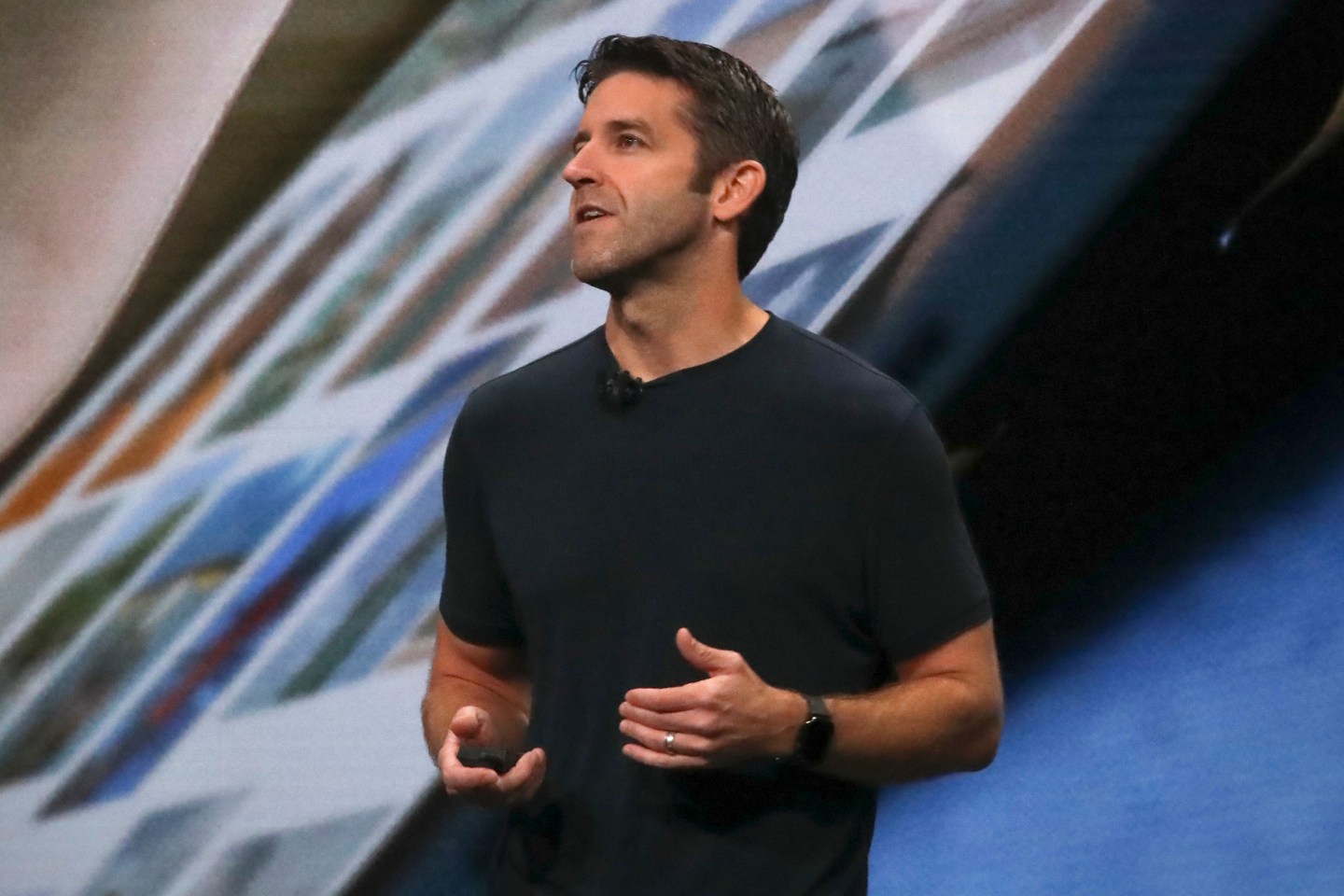
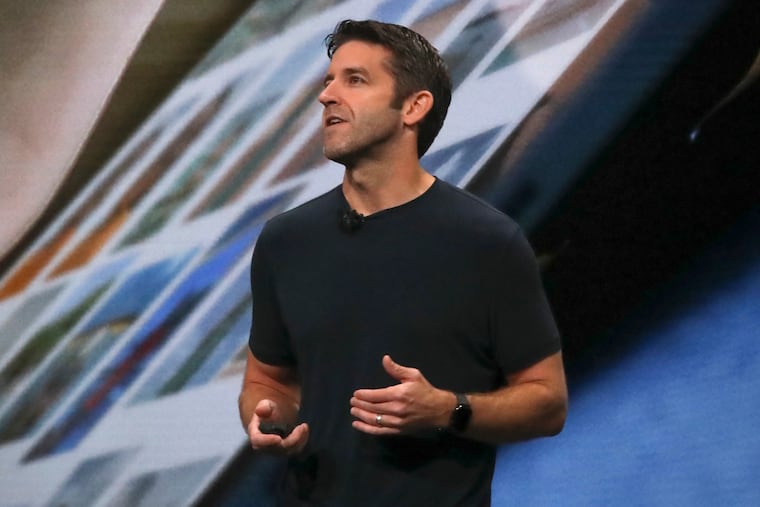
Apple's leadership transition from Tim Cook to John Ternus in September 2025 represents a critical inflection point for global supply chains and e-commerce sellers worldwide. The $4 trillion technology company's strategic pivot toward artificial intelligence, product diversification, and supply chain resilience will directly reshape sourcing costs, manufacturing timelines, and competitive dynamics for cross-border sellers. Ternus, transitioning from VP of hardware engineering, inherits four critical challenges: strengthening AI capabilities (currently lagging Microsoft, Google, Meta, and Amazon), diversifying revenue away from iPhone dependency (which represents 50%+ of Apple's $416 billion annual revenue), navigating geopolitical complexity across US-China-Europe relationships, and expanding high-margin services ($110 billion annually).
For e-commerce sellers, Apple's supply chain diversification strategy carries immediate operational implications. The company's stated need to reduce China dependency while managing relationships with the US (tariff policies), China (third-largest market and primary iPhone assembly location), and Europe (regulatory pressure) signals potential shifts in manufacturing capacity allocation. Sellers sourcing electronics, accessories, and components from Asia-Pacific suppliers may experience supply volatility during 2025-2026 as Apple rebalances production. The Vision Pro's underperformance and Ternus's engineering background suggest accelerated development of new product categories—foldable iPhones, AI-enabled devices, smart rings, and affordable Apple Glasses—creating downstream demand for compatible accessories, protective cases, screen protectors, and third-party integrations. Sellers in consumer electronics accessories categories should monitor Apple's product roadmap for emerging opportunities.
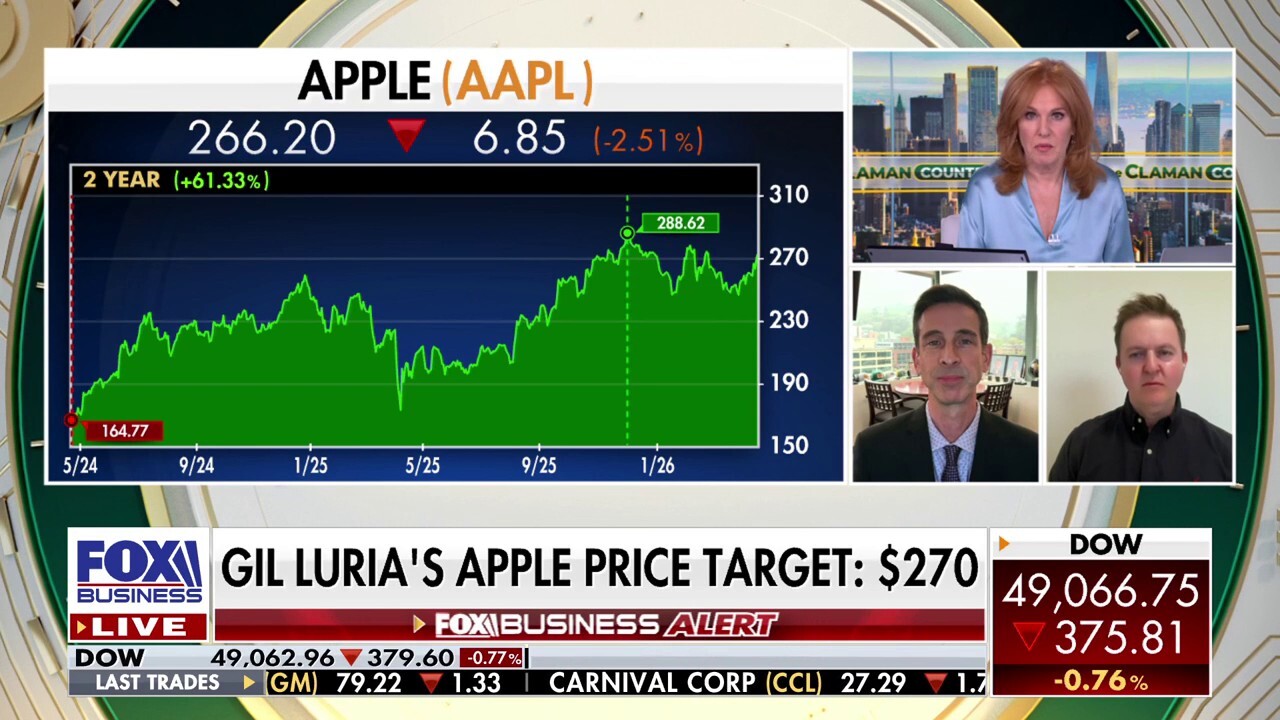
Apple's AI strategy pivot creates both risks and opportunities for seller operations. The company's January 2025 announcement to base AI technology on Google's Gemini (rather than proprietary development) indicates potential platform partnerships that could reshape how e-commerce platforms integrate AI-powered search, recommendation engines, and consumer device interactions. Sellers relying on Apple device ecosystems for customer reach—particularly those selling through iOS apps or leveraging Siri voice commerce—should prepare for potential changes in API access, data sharing policies, and voice assistant integration. The $2% stock decline following the leadership announcement reflects market uncertainty about Ternus's ability to execute both Jobs-level innovation and Cook-level operational excellence, potentially affecting consumer spending patterns and device upgrade cycles that influence accessory demand.
Geopolitical supply chain risks directly impact seller sourcing strategies and cost structures. Apple's need to manage tariff policies, manufacturing incentives, and regulatory compliance across three major regions signals potential cost increases for sellers sourcing from China-dependent supply chains. The company's historical precedent—nearly facing bankruptcy in the late 1990s before Jobs' return—demonstrates how leadership transitions can trigger strategic pivots that reshape entire ecosystems. Sellers should diversify supplier relationships beyond single-source dependencies, particularly for components used in electronics, smart home devices, and wearables that may face tariff exposure during 2025-2026.
Questions 8
What timeline should sellers use for inventory planning around Apple's leadership transition?
News sources conflict on transition timing (September 2025 vs. September 2026), but both confirm the transition occurs during critical AI development and market disruption periods. Sellers should plan inventory in two phases: immediate (0-6 months) focusing on current iPhone and services ecosystem products, and medium-term (6-18 months) preparing for new product categories. Major Apple announcements typically occur in September-October, so sellers should finalize inventory decisions by July-August. The transition period (2025-2026) will likely feature conservative product launches as Ternus establishes leadership credibility, suggesting stable accessory demand for existing categories during this window.
How should sellers prepare for potential Apple ecosystem API changes?
Ternus's engineering background and focus on breakthrough innovation suggest potential platform changes to Apple's developer ecosystem. Sellers with iOS apps, Apple Watch integrations, or Siri voice commerce should audit current API dependencies and prepare contingency strategies. Apple's historical pattern shows major platform shifts occur 12-18 months after CEO transitions. Sellers should: (1) diversify across Android and web platforms, (2) monitor Apple Developer documentation monthly, (3) maintain relationships with Apple developer relations, (4) build 6-month API change contingency timelines. The company's stated need to 'finally get AI strategy right' suggests potential AI-powered API enhancements that could create new integration opportunities.