

Apple CEO Transition 2025 | AI Strategy & Supply Chain Impact for E-Commerce Sellers
- John Ternus replaces Tim Cook in September 2025; $4 trillion company faces AI, iPhone diversification, and geopolitical challenges affecting global supply chains and consumer device adoption patterns


























Overview
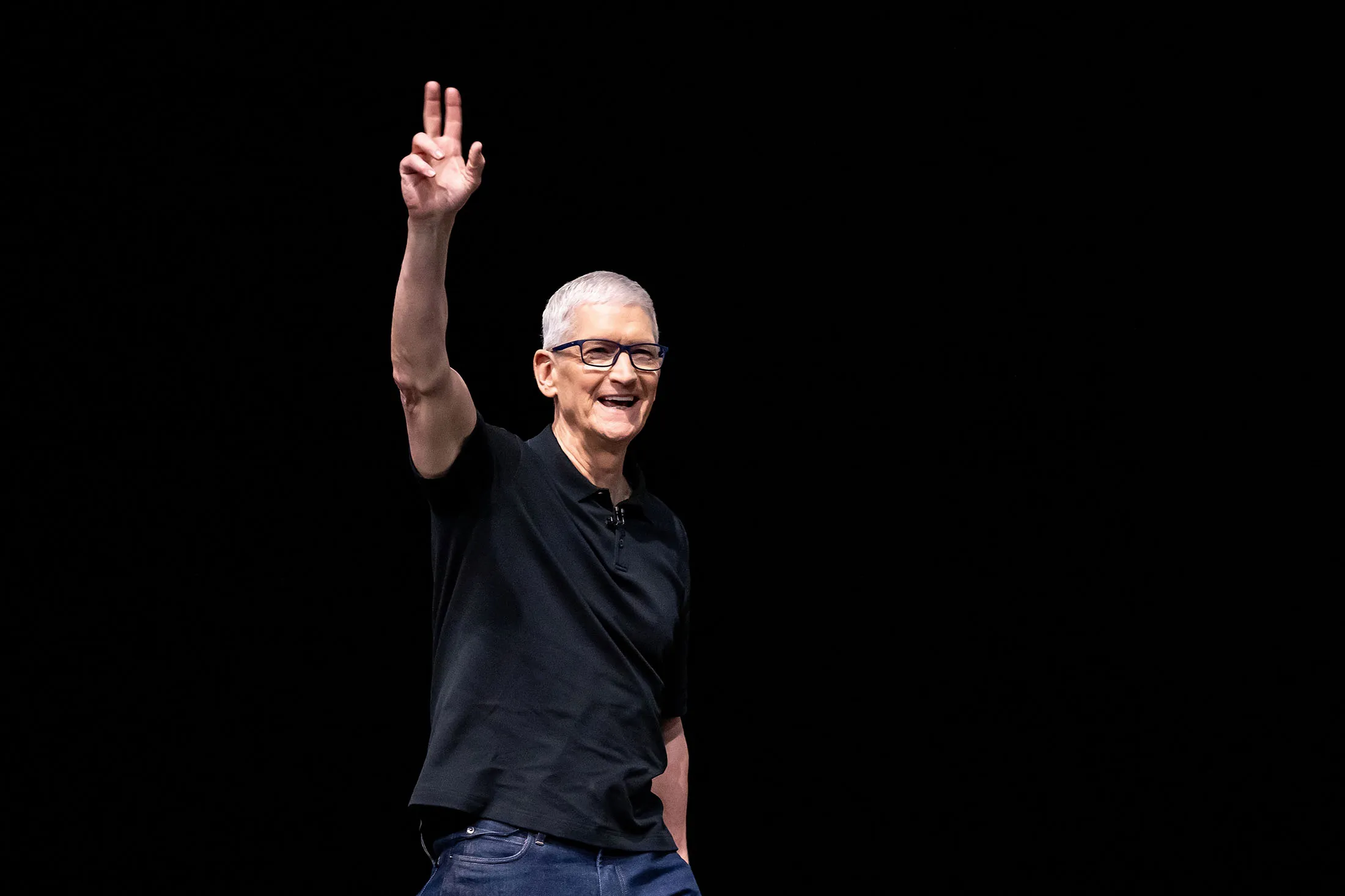
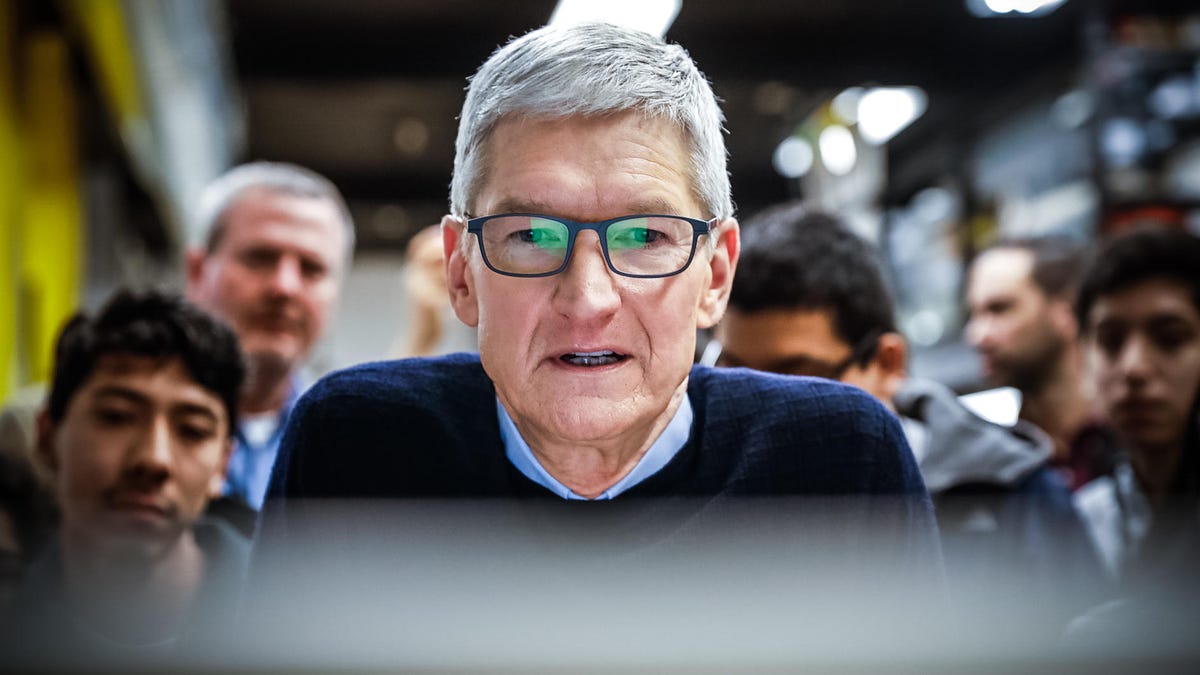
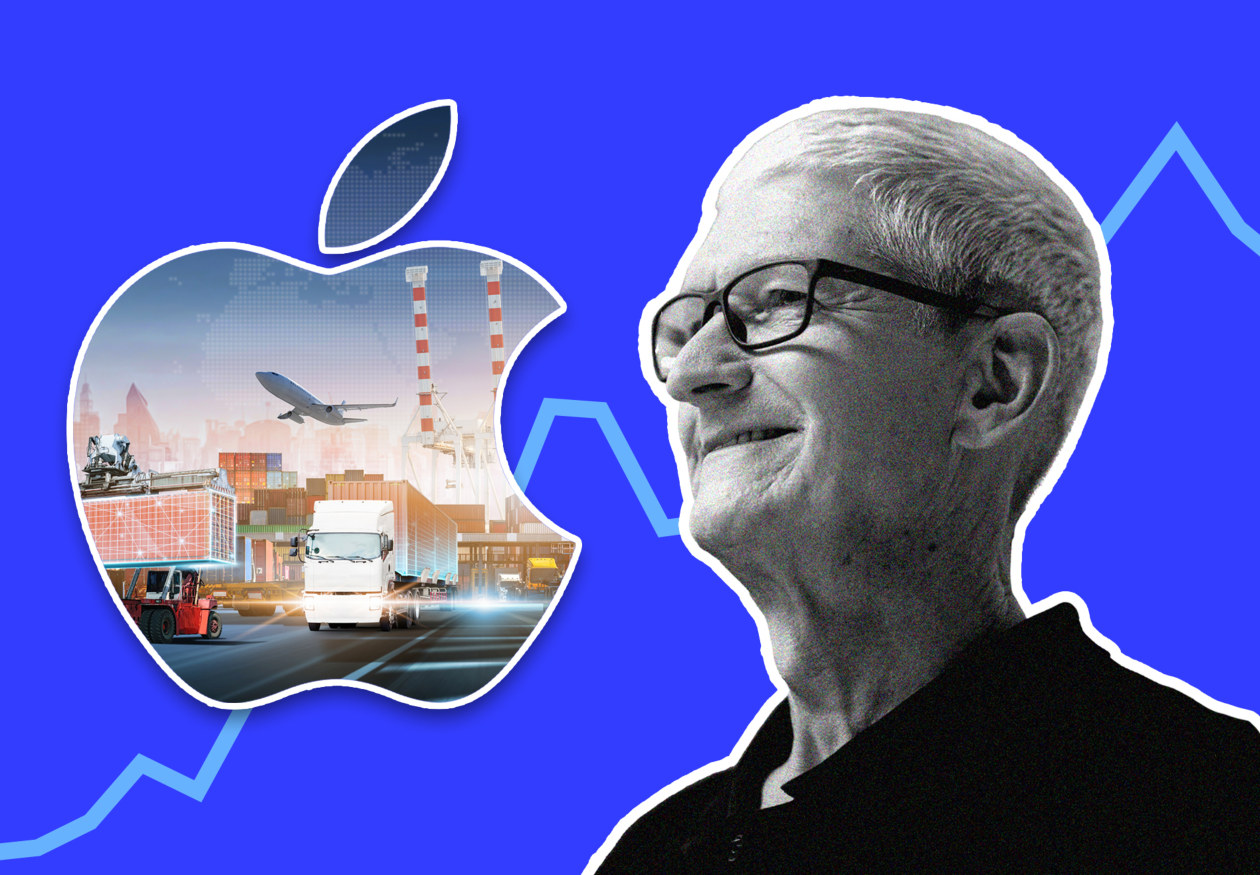
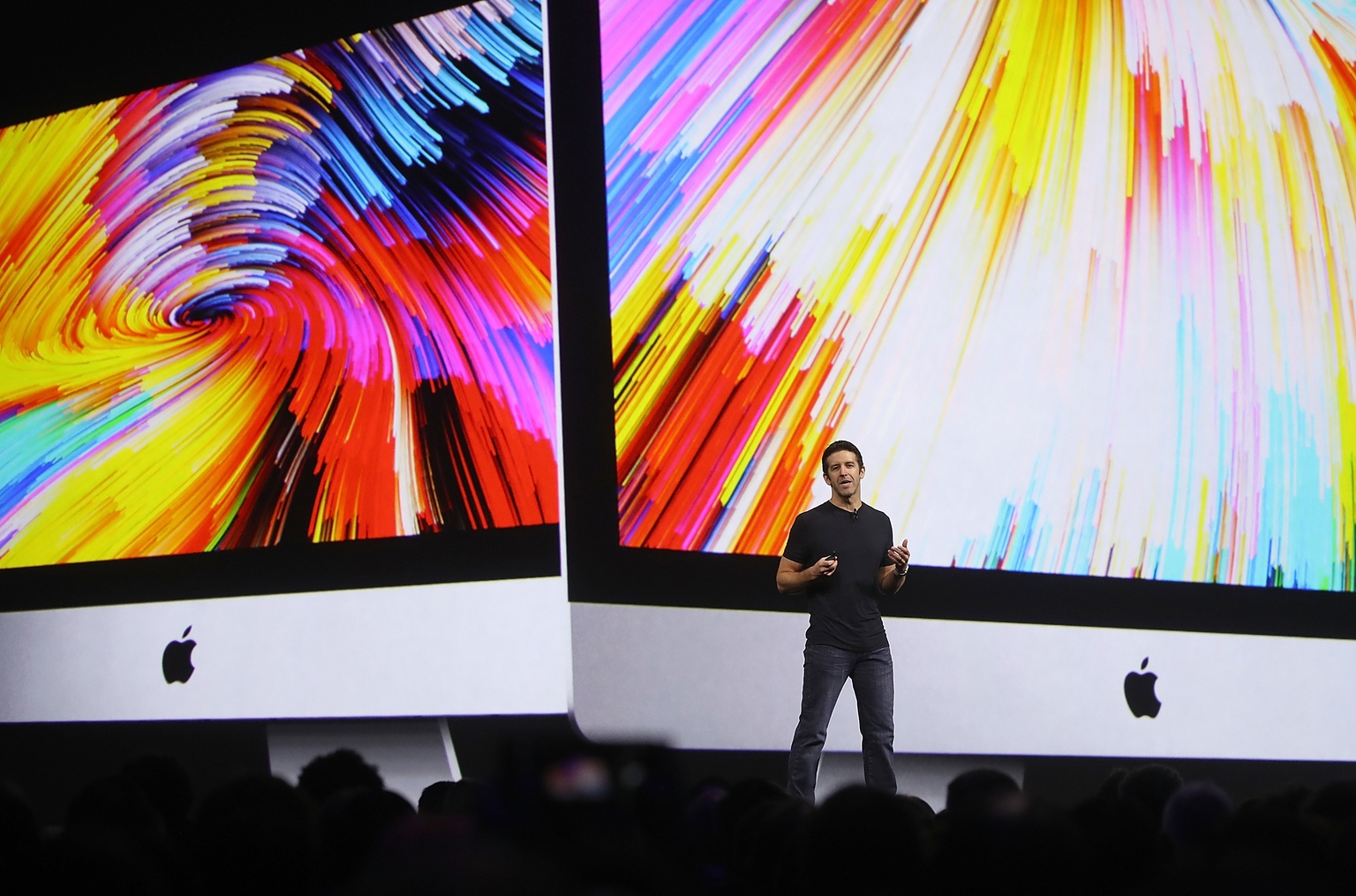
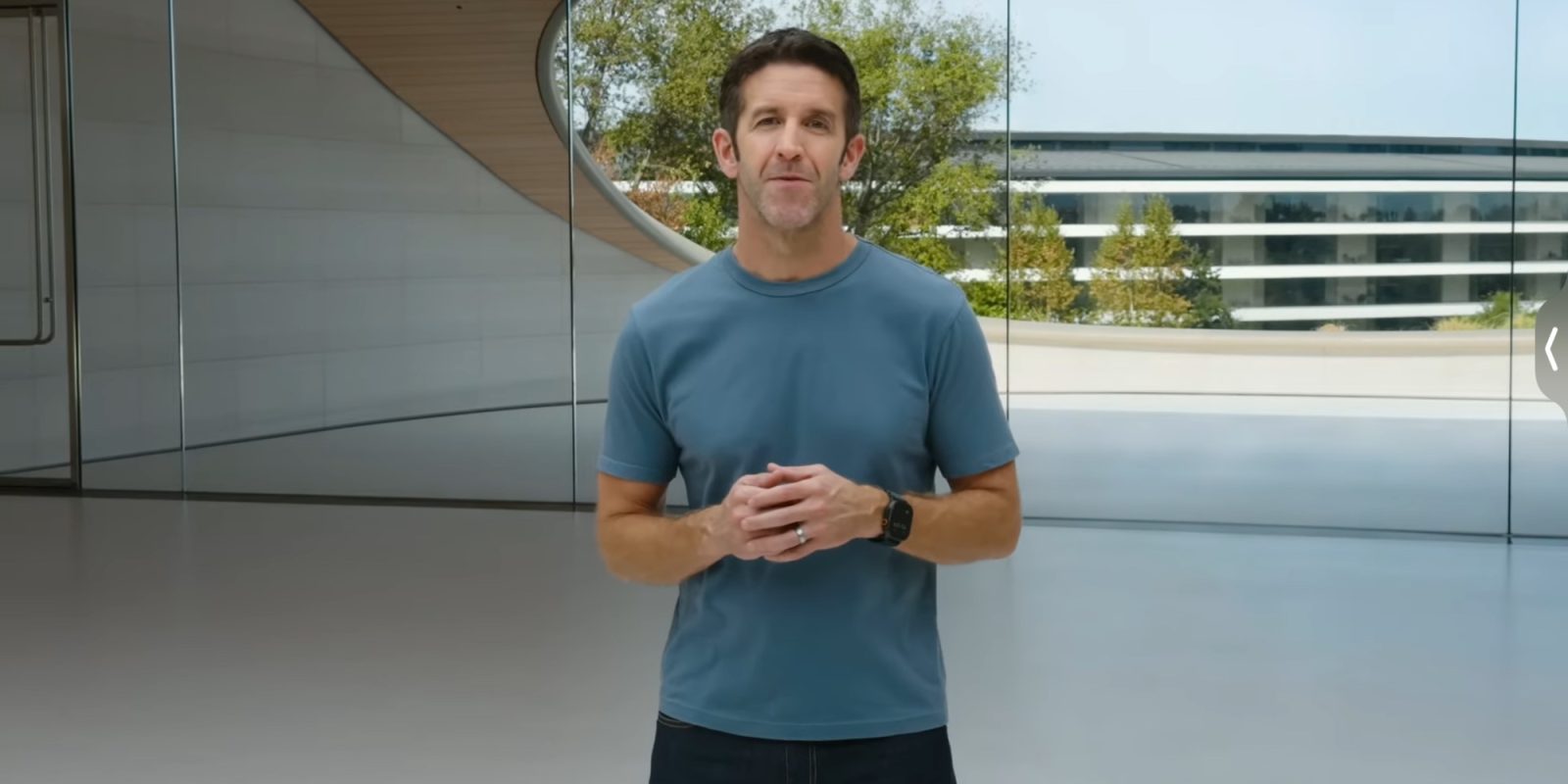
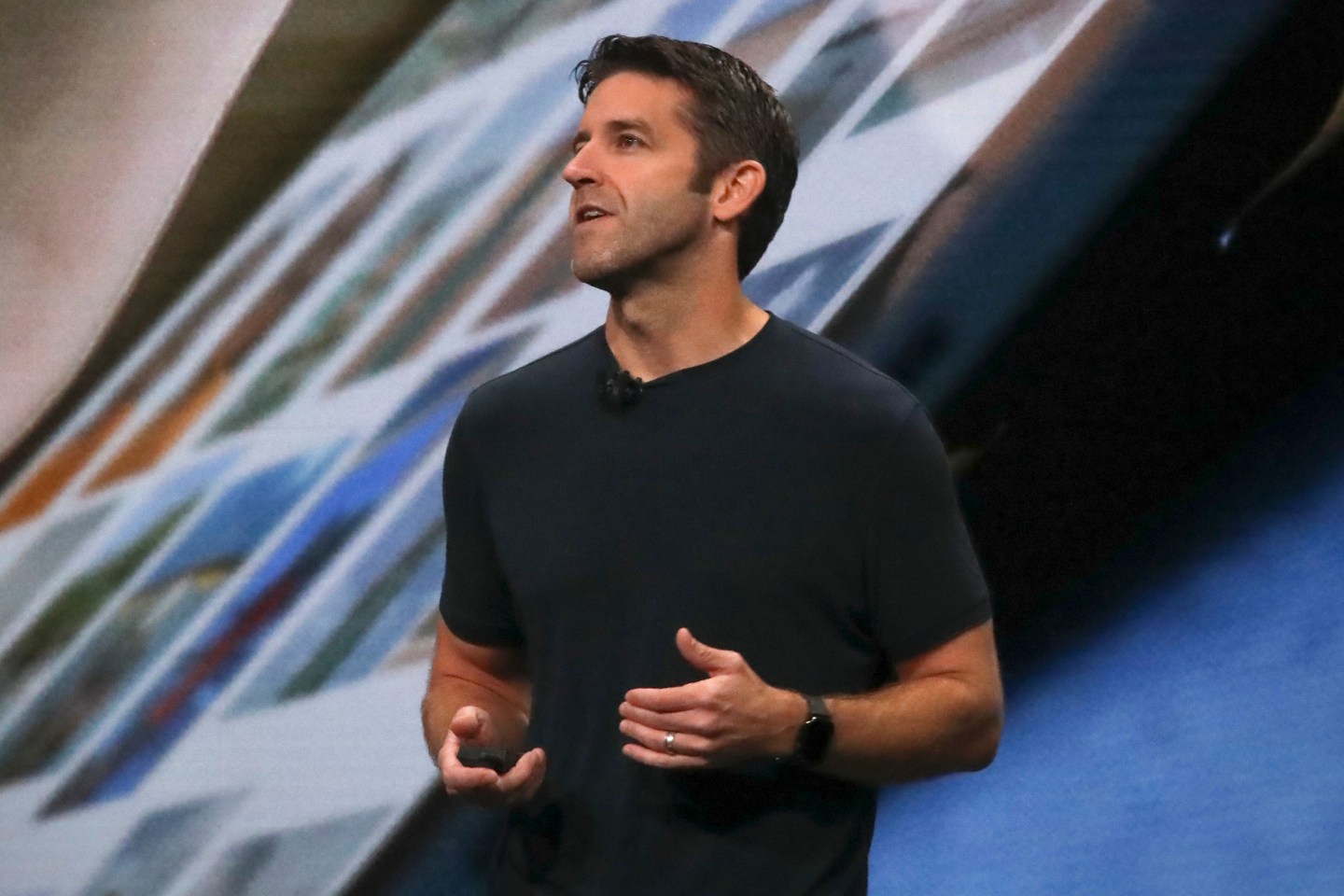
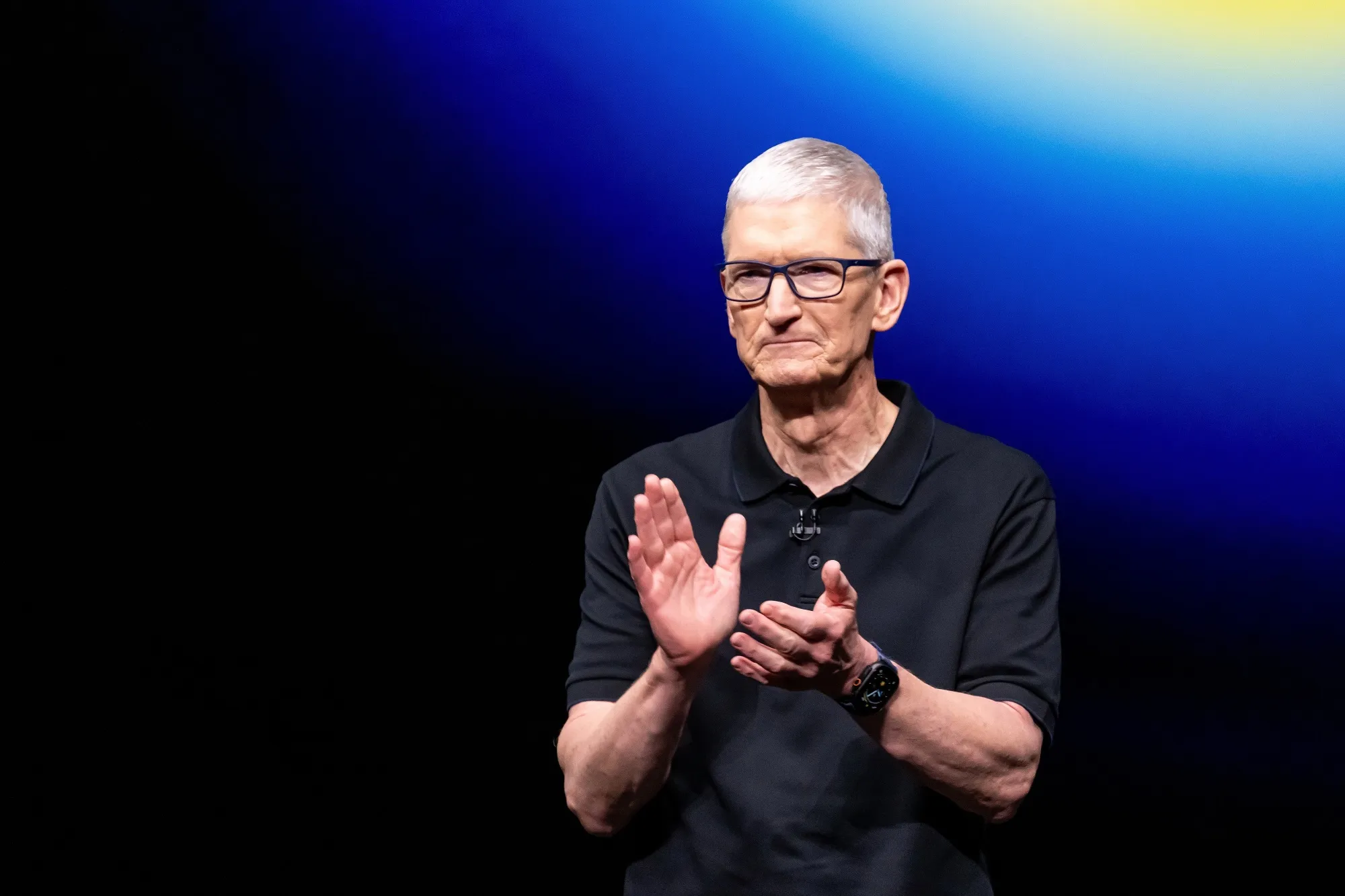
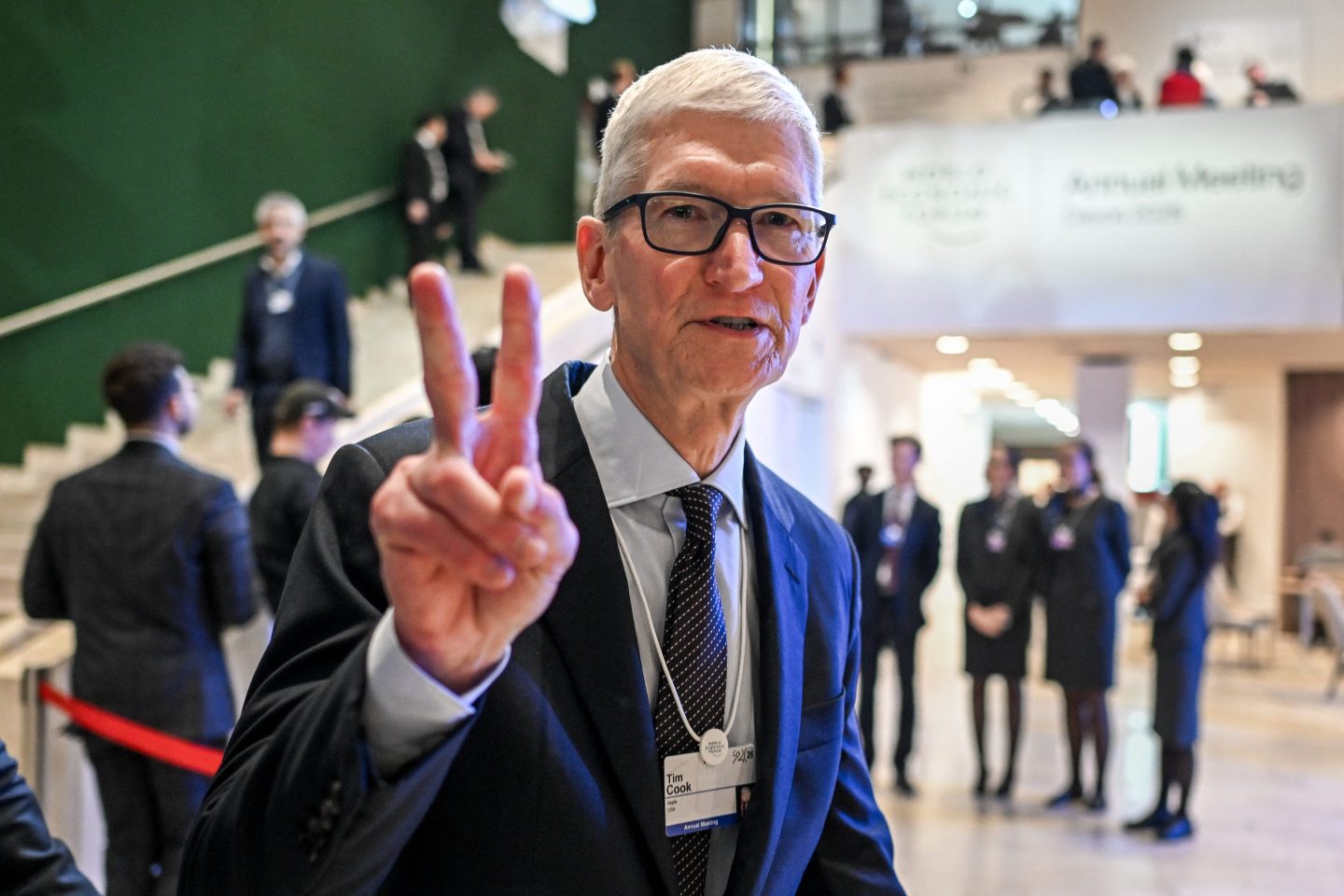
Apple's leadership transition from Tim Cook to John Ternus in September 2025 represents a critical inflection point for the $4 trillion technology ecosystem that directly impacts e-commerce sellers through supply chain stability, consumer device adoption, and platform capabilities. The shift signals Apple's recognition that iPhone-dependent revenue (currently 50% of $416 billion annual sales) is unsustainable in a saturated smartphone market. Ternus, transitioning from VP of hardware engineering, brings engineering-first credentials rather than Cook's operational mastery—a deliberate board choice indicating Apple's pivot toward breakthrough innovation in AI, spatial computing, and adjacent hardware categories.
For cross-border e-commerce sellers, this leadership change creates three immediate operational considerations. First, Apple's acknowledged AI lag behind Microsoft, Google, Meta, and Amazon (now relying on Google's Gemini integration) signals accelerated investment in consumer AI features. This directly impacts seller operations through enhanced Siri voice commerce capabilities, AI-powered product discovery on Apple devices, and potential new shopping interfaces. Sellers targeting Apple's 1.5 billion active users must prepare for AI-driven consumer behavior shifts—voice-activated purchasing, personalized recommendations, and device-integrated shopping experiences. Second, Ternus's mandate to diversify beyond iPhone creates emerging product categories: foldable iPhones, AI-enabled smartphones, personal robotics, smart rings, and affordable Apple Glasses. These represent new sales channels and accessory opportunities for sellers in consumer electronics, wearables, and smart home categories. Third, the geopolitical complexity Ternus inherits—managing US tariff policies, China manufacturing relationships (Apple's third-largest market and primary iPhone assembly location), and European regulatory pressure—directly affects global supply chain stability. Sellers relying on China-based manufacturing or Asian suppliers face potential supply disruptions if Apple's supply chain diversification accelerates, particularly as the company navigates US-China trade tensions and India expansion initiatives.
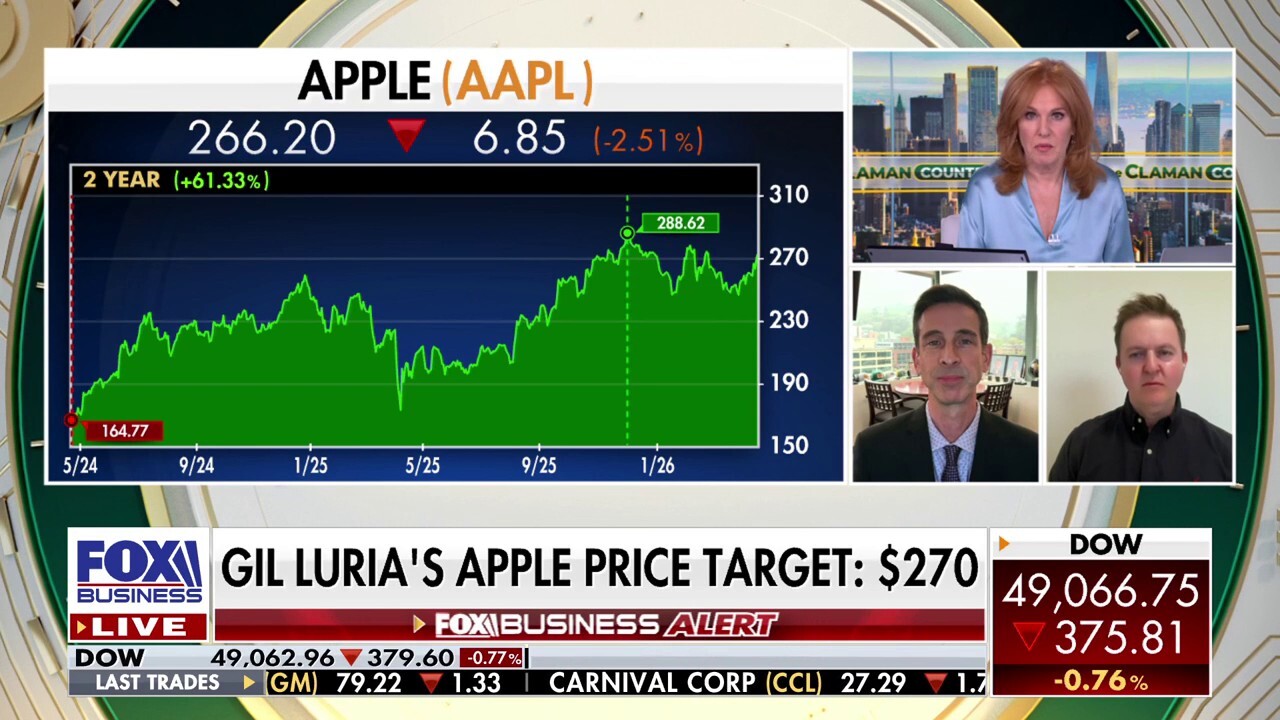
Apple's services business expansion ($110 billion annually) under Ternus's leadership creates indirect seller opportunities through ecosystem integration. The company's push into healthcare and financial services signals potential new marketplaces and partnership models. Sellers in health-related product categories (fitness trackers, wellness devices, medical accessories) should monitor Apple's healthcare initiatives for integration opportunities. Additionally, Apple's stock declined 2% following the announcement, reflecting market uncertainty about Ternus's ability to execute Cook's operational excellence while driving Jobs-level innovation. This market volatility influences consumer purchasing power and advertising costs on digital platforms—sellers should expect potential fluctuations in consumer spending behavior and increased competition for visibility during the transition period (September 2025 through Q1 2026).
Questions 8
What are the key monitoring checkpoints for sellers tracking Apple's strategic execution through 2026?
Establish monitoring checkpoints aligned with Ternus's four strategic priorities: (1) AI Strategy (January 2025 baseline): Track Siri integration announcements, Google Gemini partnership developments, and voice commerce feature releases; (2) iPhone Diversification (Q2-Q3 2025): Monitor foldable iPhone patents, smart ring development, and Apple Glasses prototypes; (3) Geopolitical Navigation (Ongoing): Watch US-China trade policy, India manufacturing announcements, and supply chain diversification news; (4) Services Expansion (Q4 2025): Track healthcare and financial services partnerships, ecosystem integration opportunities. Set quarterly review cycles to adjust seller strategies based on Apple announcements. Key dates: September 2025 (CEO transition), October 2025 (likely new product announcements), Q1 2026 (first full quarter under Ternus leadership).
How does Ternus's engineering background versus Cook's operations focus change Apple's product roadmap for sellers?
Cook prioritized operational excellence and premium pricing, scaling iPhone market share from 25% to 33% globally and 67% in the US. Ternus, selected specifically because he doesn't come from the iPhone division, signals a shift toward hardware innovation and breakthrough products. This means faster product iteration cycles, more experimental product categories, and potentially lower price points for new device categories (affordable Apple Glasses). Sellers should expect 2-3 new product categories annually versus Cook's incremental iPhone updates. This creates higher volatility but greater opportunity—early sellers in new categories can achieve 40-60% higher margins than mature iPhone accessory markets. Prepare for rapid product cycle changes and shorter product lifecycle planning windows.