




Amazon GLP-1 Program Reshapes Health Commerce | Seller Opportunities in Wellness Category
- Amazon expands healthcare services to 4,500 cities by 2026, creating $173B obesity treatment market opportunity for complementary product sellers















Overview
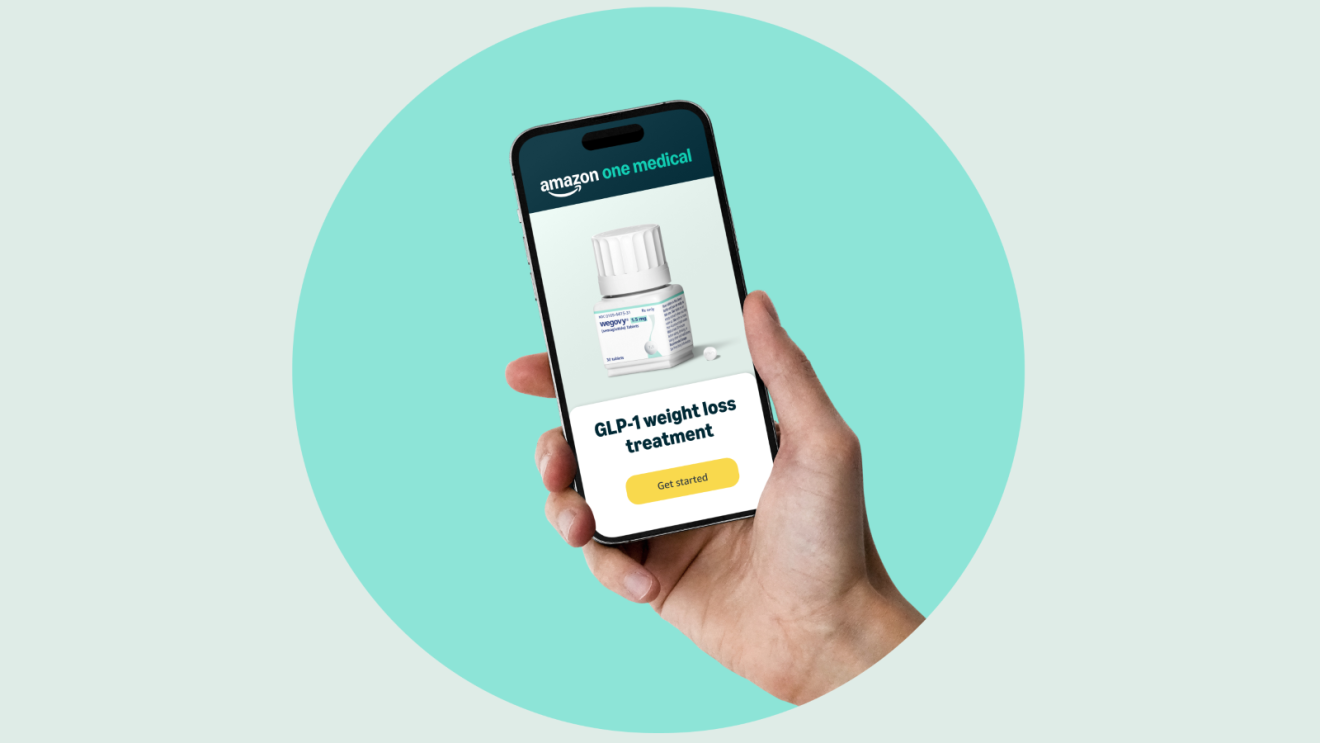
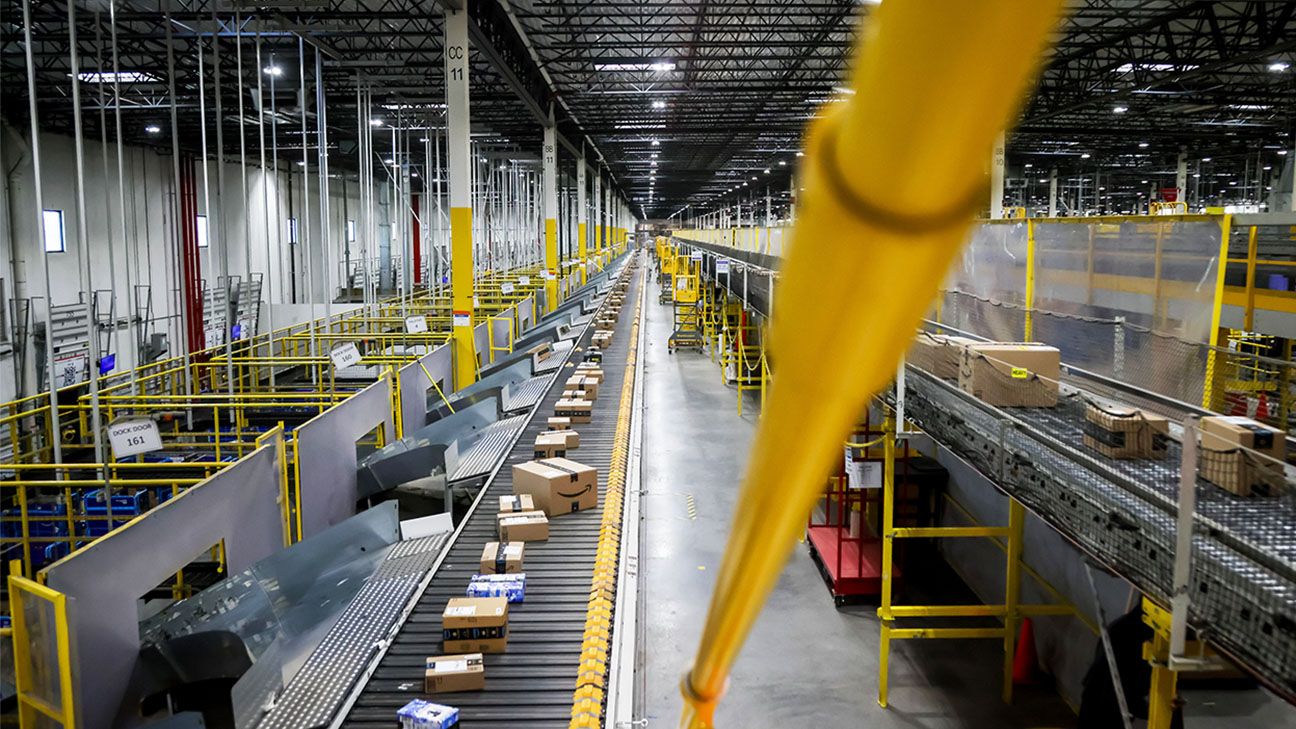
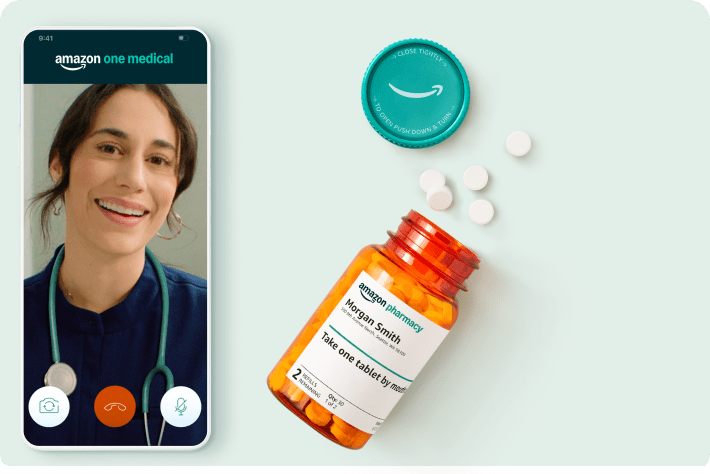
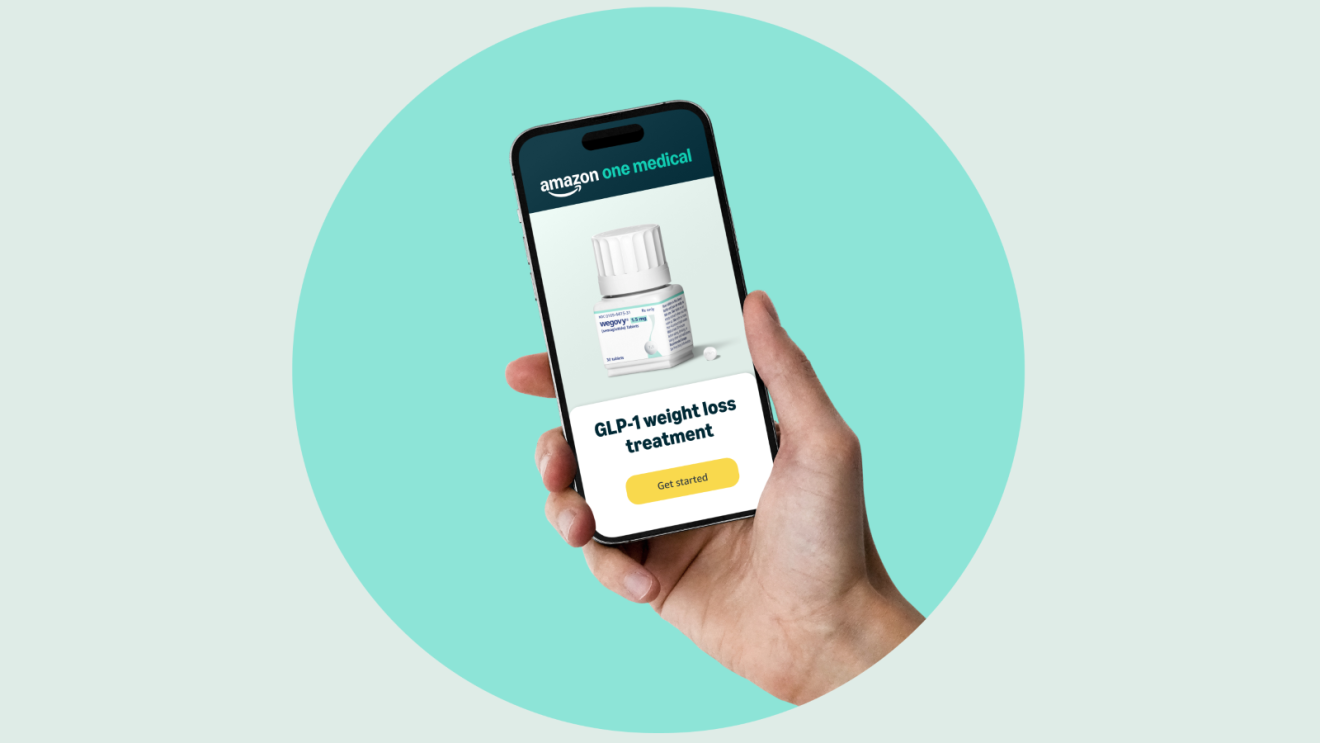
Amazon's April 2026 GLP-1 program launch through One Medical represents a transformative shift in healthcare delivery that directly impacts e-commerce seller strategy and consumer behavior patterns. The integrated program combines prescription management, primary care services, and Amazon Pharmacy fulfillment across 200+ offices in 20+ U.S. regions, with same-day delivery expanding from 3,000 to 4,500 cities by end of 2026. Pricing transparency—$25/month with insurance, $149/month for oral medications, $299/month for injectables—signals Amazon's aggressive positioning against telehealth competitors like Hims & Hers and Viking Therapeutics, whose stock prices declined following the announcement.
For cross-border and domestic e-commerce sellers, this healthcare expansion creates three critical market opportunities. First, the GLP-1 market addresses 40%+ of U.S. adults affected by obesity, generating $173 billion in annual medical costs—a consumer segment with demonstrated purchasing power and health-consciousness. Sellers in complementary wellness categories (fitness equipment, meal replacement products, nutritional supplements, workout apparel, health tracking devices) can now target GLP-1 users through Amazon's integrated ecosystem. Second, Amazon's logistics infrastructure advantage—leveraging existing fulfillment networks for same-day pharmaceutical delivery—signals the company's commitment to healthcare as a high-margin, high-volume category. This infrastructure expansion benefits sellers shipping complementary products to the same geographic zones. Third, the program's emphasis on "integrated monitoring, nutrition guidance, lifestyle changes, and side-effect management" creates demand for supporting products: meal prep containers, portion control tools, electrolyte supplements, compression wear, and fitness trackers.
The competitive landscape shift affects seller positioning across multiple dimensions. Walmart's concurrent GLP-1 platform launch (announced days earlier) indicates retail giants are competing for healthcare commerce dominance, potentially increasing advertising costs on both platforms as sellers vie for GLP-1-adjacent audiences. Amazon's transparent pricing model ($200 million in previous pharmacy savings through automatic coupons) suggests the company will use aggressive pricing to drive volume—a pattern that historically compresses margins for complementary product sellers. The program's integration with primary care workflows means GLP-1 patients receive clinical guidance on lifestyle modifications, creating authentic demand signals for wellness products rather than impulse purchases. This shifts marketing strategy from aspirational messaging to clinical-support positioning. Additionally, the expansion to 4,500 cities by 2026 creates geographic arbitrage opportunities: sellers can prioritize inventory in early-rollout regions (Chicago, Miami, Washington D.C., San Francisco) where GLP-1 adoption rates will spike first, then scale nationally as delivery expands.
Questions 8
How will Amazon's healthcare expansion affect marketplace dynamics and seller focus areas?
Amazon's GLP-1 program signals the company's strategic pivot toward healthcare as a high-margin, high-volume category. This affects marketplace dynamics in three ways: (1) Amazon will prioritize healthcare-adjacent products in search algorithms and recommendations, benefiting sellers in complementary categories; (2) The company will use healthcare as a customer acquisition channel, potentially increasing traffic to wellness categories; (3) Amazon's integrated ecosystem (One Medical + Pharmacy + Marketplace) creates cross-selling opportunities for sellers aligned with healthcare positioning. Sellers should expect increased emphasis on health and wellness categories in Amazon's marketing and algorithm prioritization through 2026. Consider repositioning general fitness/nutrition products as 'clinical-support tools' to align with Amazon's healthcare strategy and improve visibility in search results.
What customer acquisition cost (CAC) and lifetime value (LTV) should sellers expect for GLP-1-adjacent products?
GLP-1 patients represent high-LTV customers: they're health-conscious, have demonstrated purchasing power (paying $25-$299/month for medications), and require ongoing complementary products for 6-12+ months of treatment. Expected CAC for GLP-1-adjacent products: $15-$35 via Amazon sponsored products (higher than general wellness due to competitive bidding), $8-$15 via organic search. Expected LTV: $200-$600 per customer over 12-month treatment period (assuming 3-5 repeat purchases of complementary products at $40-$120 per order). Sellers should prioritize customer retention and repeat purchase optimization—GLP-1 patients are predictable, recurring buyers. Consider subscription models for consumable products (supplements, meal prep containers) to maximize LTV.