
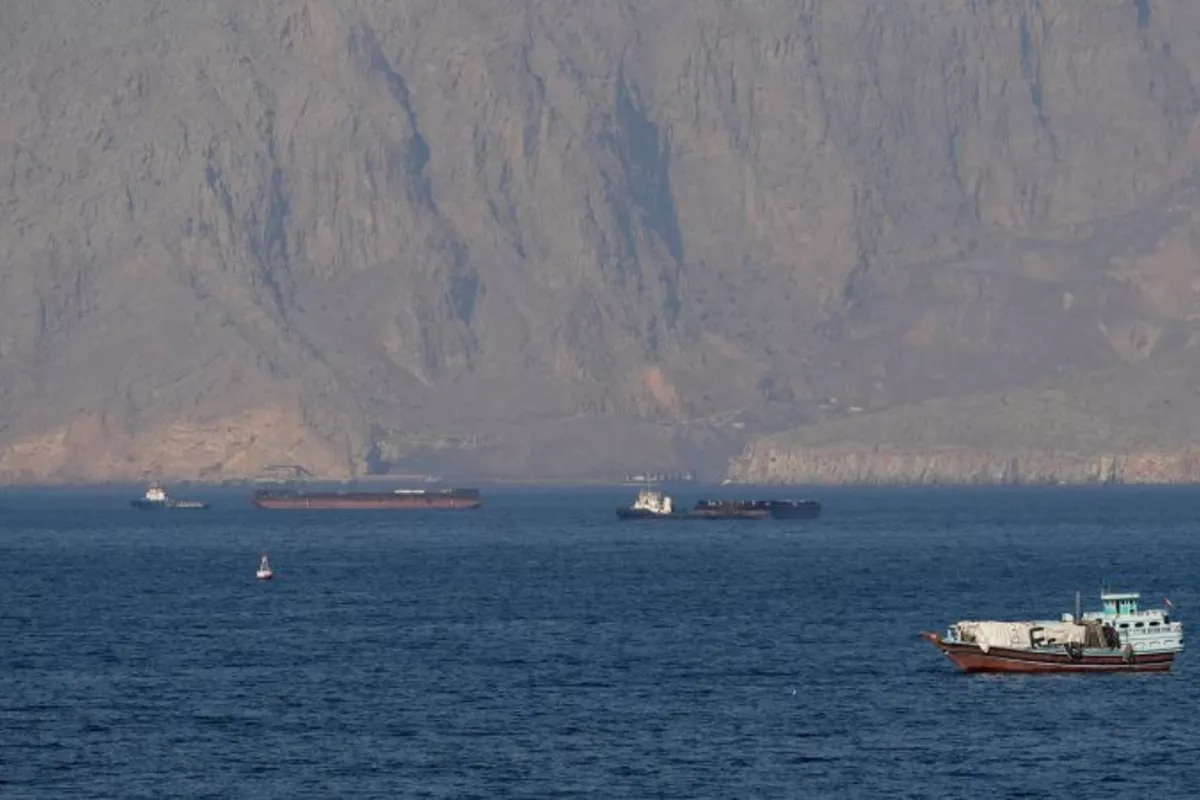


Oil Supply Crisis Accelerates Shipping Costs | Cross-Border Sellers Face Freight Surge
- Strait of Hormuz disruptions trigger 8-15% air freight premium increases within weeks, directly impacting FBA fulfillment costs and international logistics networks for 50K+ sellers
Overview
Energy expert Matt Smith's warning of imminent oil supply crunches—arriving in "weeks not months" rather than extended timelines—signals an accelerating logistics crisis for cross-border e-commerce sellers. The Strait of Hormuz closure represents a critical chokepoint affecting 21% of global petroleum transit, with immediate consequences for fuel-dependent shipping infrastructure. For Amazon FBA sellers, this translates to measurable cost increases across three operational vectors: international air freight premiums (typically 8-15% surge during supply constraints), ocean freight fuel surcharges (averaging 3-5% monthly increases), and last-mile delivery expenses in fuel-intensive regions.
The timeline compression—from "months" to "weeks"—is particularly significant for sellers managing inventory positioning. Sellers currently holding stock in US fulfillment centers face decisions about accelerating shipments to European or Asian FBA warehouses before fuel costs spike further. Industry benchmarks show that during previous supply disruptions (2022 energy crisis), sellers shipping 1,000+ units monthly experienced $2,000-4,000 additional monthly fulfillment costs. Categories most vulnerable include heavy/bulky products (furniture, appliances, sporting goods) where fuel represents 15-25% of total logistics spend, versus lightweight electronics where fuel impact averages 3-5%.
The Kpler expert commentary indicates this isn't speculative—observable supply chain tightening is already underway. For sellers, this creates a 2-4 week window to execute mitigation strategies before costs crystallize. Cross-border sellers shipping from Asia to North America or Europe should prioritize consolidating shipments to reduce per-unit air freight exposure. Amazon sellers relying on expedited shipping for seasonal inventory (Q4 holiday stock, spring merchandise) face margin compression of 5-8% if they maintain current pricing. Third-party logistics (3PL) providers are already adjusting rate cards, with some implementing fuel surcharge multipliers of 1.15-1.25x baseline rates.
Regional impact varies significantly: EU-based sellers exporting to UK/US markets face additional complexity as European fuel costs typically spike 2-3 weeks ahead of North American markets. Asian sellers shipping to US FBA centers should expect 10-14 day delays in rate quote confirmations as logistics providers recalibrate pricing models. The supply crunch also affects inventory carrying costs—sellers may need to reduce safety stock levels to minimize storage fees during the transition period, accepting slightly higher stockout risk to preserve cash flow.
Questions 7
What's the difference between air freight and ocean freight cost impacts?
Air freight faces immediate, severe impacts (8-15% premium increases within weeks) because fuel represents 40-50% of air cargo costs. Ocean freight experiences slower, moderate increases (3-5% monthly) since fuel represents only 15-20% of total ocean shipping costs. For time-sensitive inventory (seasonal goods, trending products), air freight cost increases force difficult margin decisions. Ocean freight provides more flexibility—slightly longer transit times (3-4 weeks vs. 5-7 days) but significantly lower fuel exposure. Shift non-urgent inventory to ocean freight and reserve air freight for high-velocity, time-sensitive SKUs.
How should I adjust pricing strategy during the supply crunch?
Implement tiered pricing adjustments based on fuel cost exposure: bulky items (3-5% increase), standard items (1-2% increase), lightweight items (hold pricing). Test elasticity in your target markets—some categories (essentials, consumables) tolerate price increases better than discretionary goods. Consider temporary fuel surcharges (clearly labeled) rather than permanent price increases to maintain psychological pricing anchors. Monitor competitor pricing through tools like Keepa or Jungle Scout; if competitors maintain pricing, your increases may trigger Buy Box loss. Balance margin preservation against volume risk.