


Strait of Hormuz Disruption Drives 30% Price Surge | Health & Wellness Sellers Face Critical Supply Chain Shift
- Petrochemical supply chain crisis creates 30% cost increases for contraceptive products; demand surges 30% amid economic uncertainty; Karex (world's largest manufacturer) signals extended price escalation through 2025


)
























)


Overview
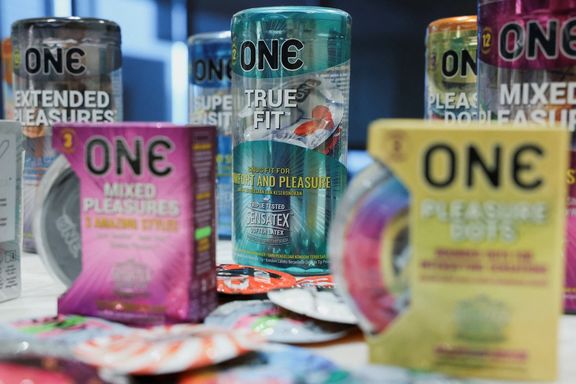
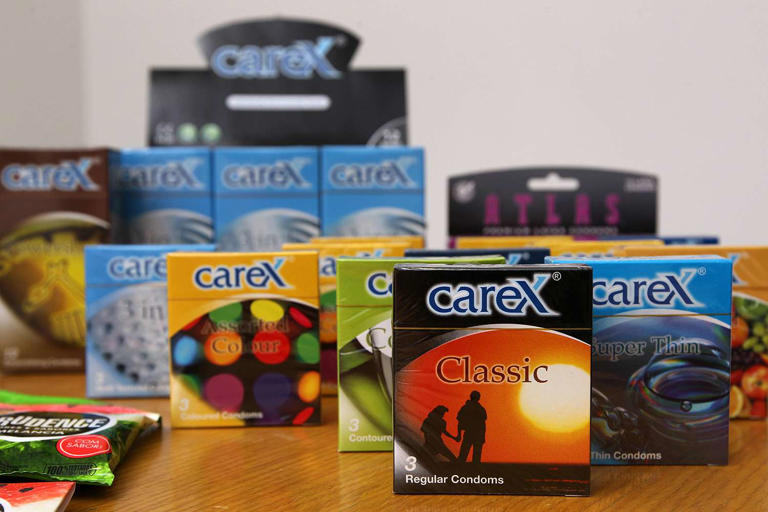
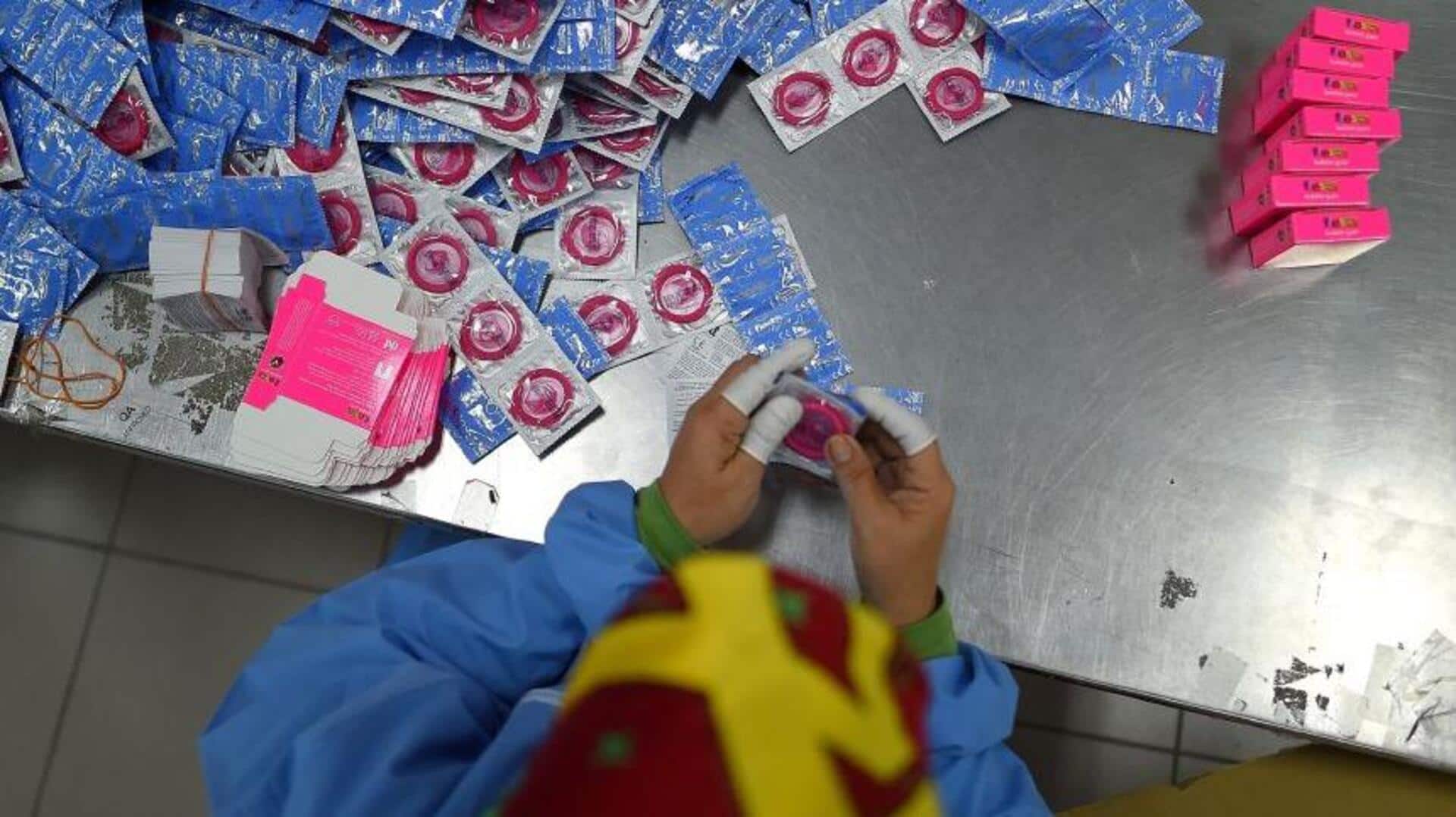
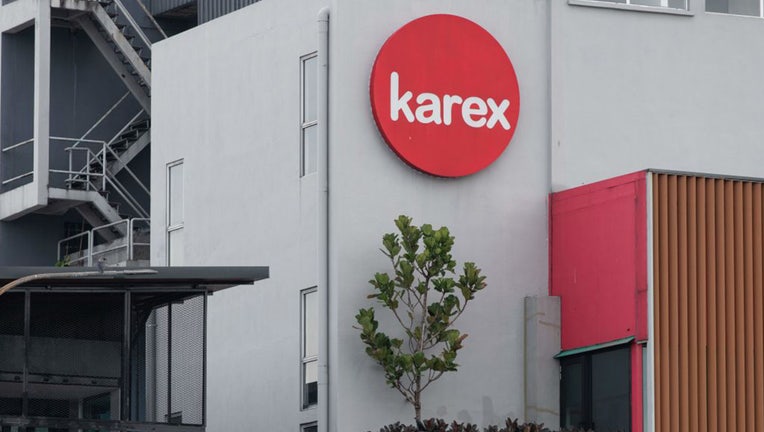
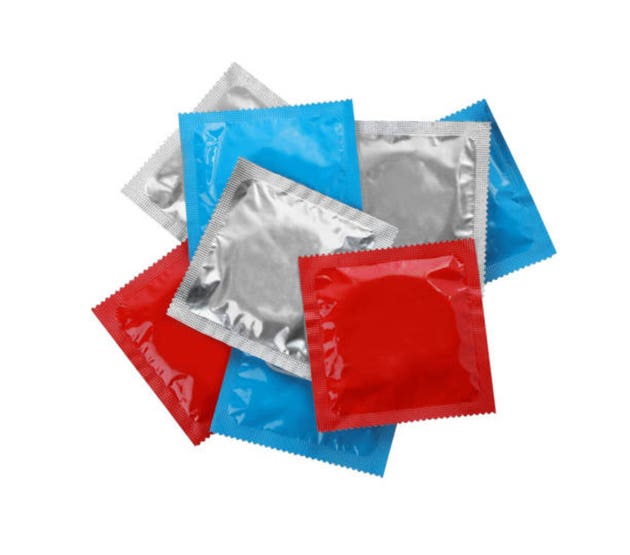
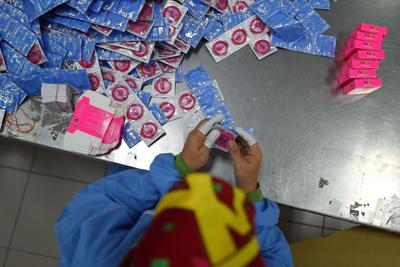
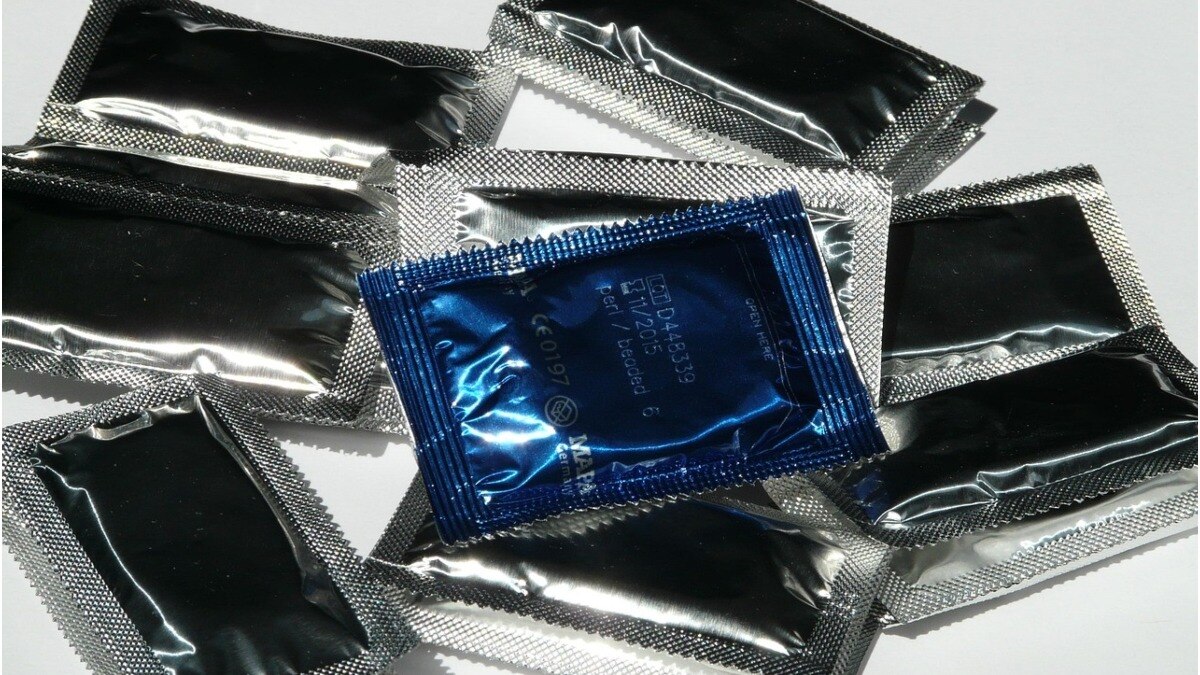
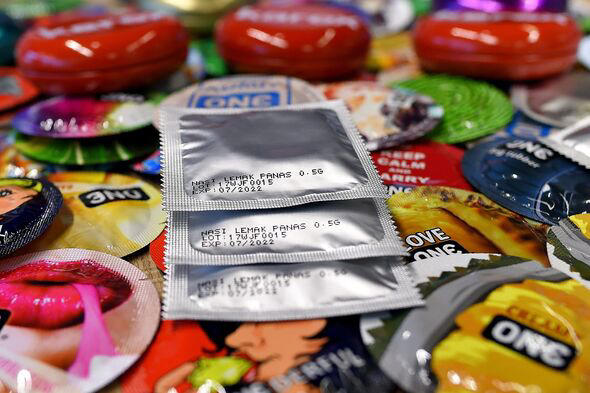
The Iran-Israel conflict has triggered a critical supply chain crisis affecting petrochemical-dependent products globally, with immediate implications for cross-border e-commerce sellers in health, wellness, and consumer goods categories. Karex, the Malaysian manufacturer controlling 25% of global condom production (5+ billion units annually), announced price increases of 30% or higher due to Strait of Hormuz disruptions blocking approximately one-fifth of global crude oil and liquified natural gas shipments. This geopolitical event cascades across multiple seller segments: contraceptive product retailers face immediate cost-of-goods increases; health & wellness sellers sourcing oil-derived materials (ammonia for latex preservation, silicone lubricants) must renegotiate supplier contracts; and logistics providers managing petrochemical-dependent inventory face freight cost escalation of 15-25%.
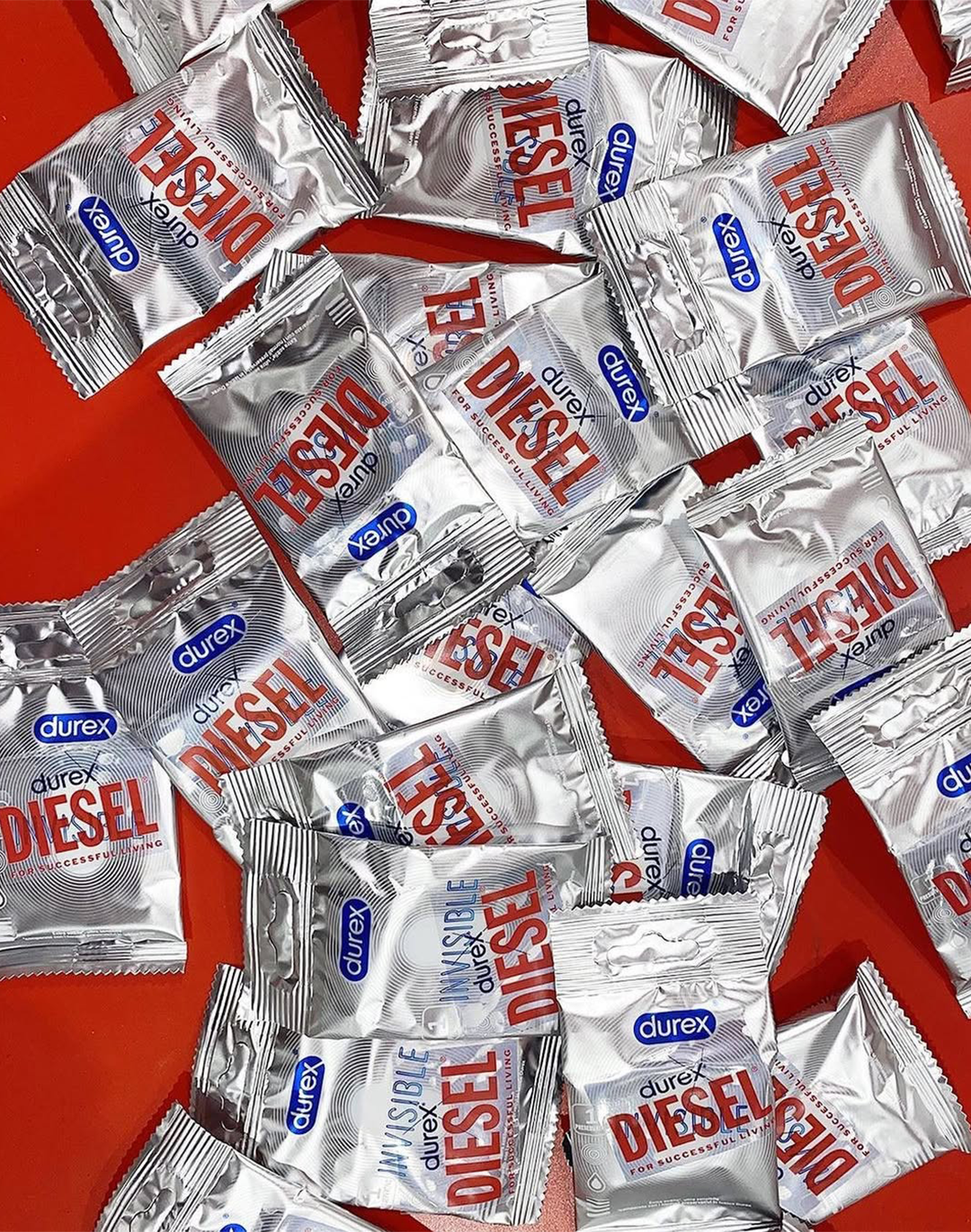
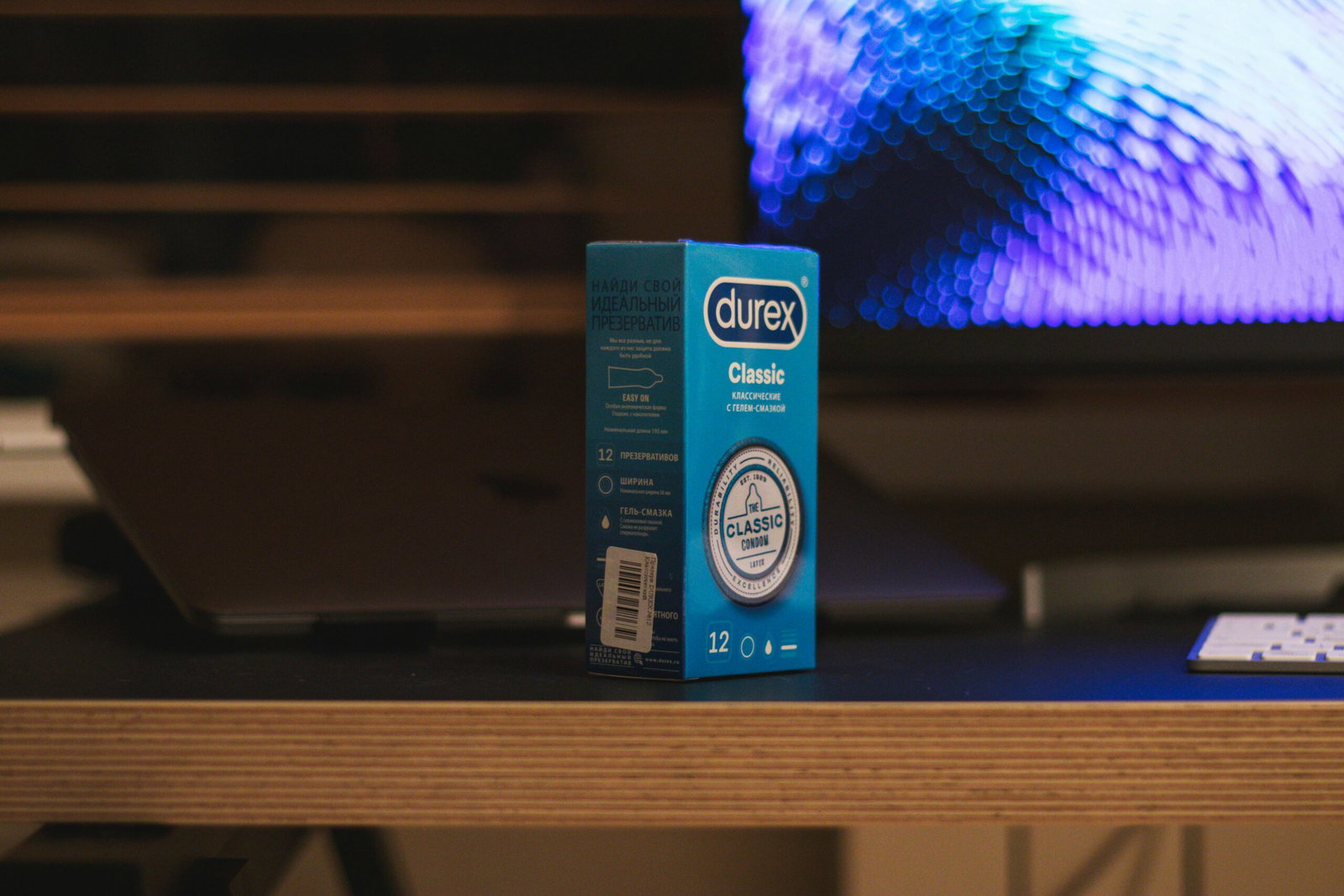
The tariff and sourcing opportunity emerges through strategic repositioning. Sellers currently sourcing contraceptive products from Karex-dependent suppliers (Durex, Trojan, major UK NHS suppliers) face margin compression of 8-15% if they maintain current pricing. However, alternative sourcing from non-Strait-dependent manufacturers in India, Indonesia, and Thailand offers 12-18% cost advantages, though requiring 60-90 day supply chain reconfiguration. The demand surge—driven by economic uncertainty and family planning concerns—creates a 6-12 month window where consumer willingness-to-pay remains elevated despite price increases. Amazon, eBay, and Walmart health & wellness categories show 30% demand acceleration, creating Buy Box opportunities for sellers who can absorb initial cost increases while competitors adjust pricing.
Competitive dynamics shift dramatically for different seller segments. Large established sellers (10,000+ monthly units) with existing Karex relationships face locked-in pricing through Q1 2025, creating 4-6 week windows where smaller competitors can undercut through alternative sourcing. Mid-market sellers (1,000-5,000 units monthly) should immediately diversify suppliers to Indian manufacturers (Hindustan Latex, TTK Healthcare) offering 15-20% lower costs due to non-Strait exposure. Small sellers (under 1,000 units) benefit from marketplace price transparency—they can source from emerging suppliers at 25-30% discounts and capture market share from larger competitors maintaining legacy pricing. The ceasefire uncertainty extends this window through Q2 2025, meaning early movers gain 90-120 days of competitive advantage before supply chains normalize.
Operational urgency is critical. Sellers must audit current supplier contracts by January 31, 2025 to identify Karex exposure and renegotiate terms. Inventory positioned before February 2025 price increases locks in current costs; inventory ordered after March 2025 faces full 30% surcharge. Logistics costs for petrochemical-dependent products (health, beauty, personal care categories using oil-derived packaging/materials) will increase 12-18% through Q2 2025. The broader implication extends beyond contraceptives: any product using ammonia-based preservation, silicone components, or oil-derived packaging faces similar cost pressures, affecting beauty products, lubricants, personal care items, and medical supplies across Amazon, eBay, and specialty health marketplaces.
Questions 8
What is the geopolitical timeline for supply chain normalization and price stabilization?
Peace negotiations between US and Iran remain uncertain with Trump extending ceasefire pending diplomatic progress. Supply chain disruptions persist through Q2 2025 at minimum, with potential extension through Q3 2025 if negotiations fail. Karex signaled price increases could persist indefinitely if geopolitical tensions continue. Sellers should plan for 6-12 month extended cost environment and build supplier diversification strategies assuming Strait of Hormuz remains disrupted through mid-2025. Monitor ceasefire negotiations and adjust sourcing strategies accordingly, with contingency plans for extended petrochemical supply constraints.
How should sellers adjust their Amazon FBA and eBay inventory strategies for this crisis?
Sellers should immediately audit inventory composition for petrochemical dependency and supplier concentration risk. Increase inventory velocity for high-demand health & wellness products (30% demand surge) while margins remain favorable. Diversify supplier base away from Karex-dependent sources by February 2025 to avoid full 30% price surcharge. Monitor freight costs increasing 12-18% through Q2 2025 and adjust FBA fee calculations accordingly. Consider temporary price increases of 8-12% on health products to maintain margins while demand remains elevated, then normalize pricing as supply chains stabilize post-Q2 2025.