



AI Coding Automation Consolidation | $60B SpaceX-Cursor Deal Signals Seller Tool Revolution
- Massive GPU infrastructure consolidation reduces custom development costs 40-60% for e-commerce sellers building AI-powered storefronts and automation tools by 2026




























Overview
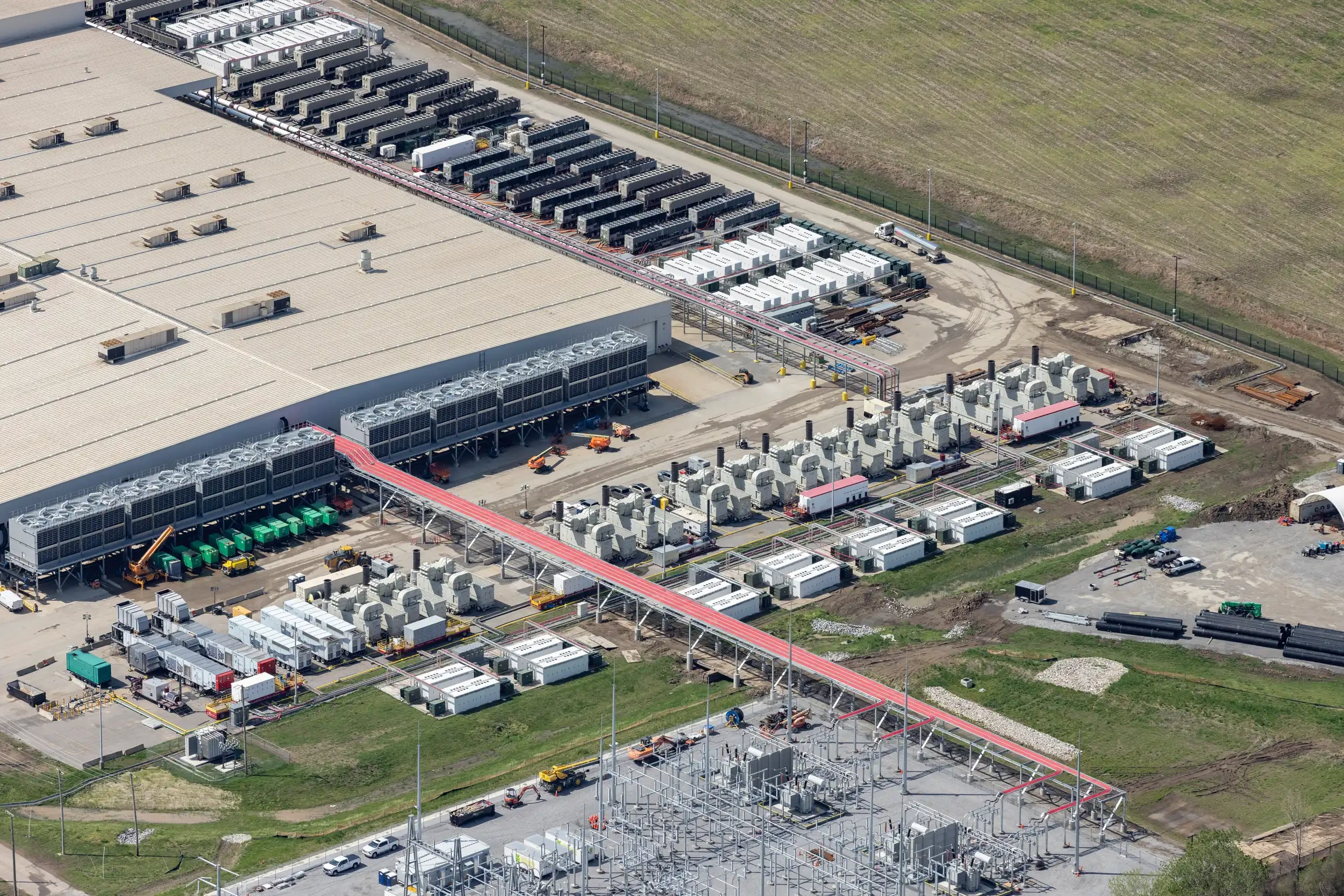
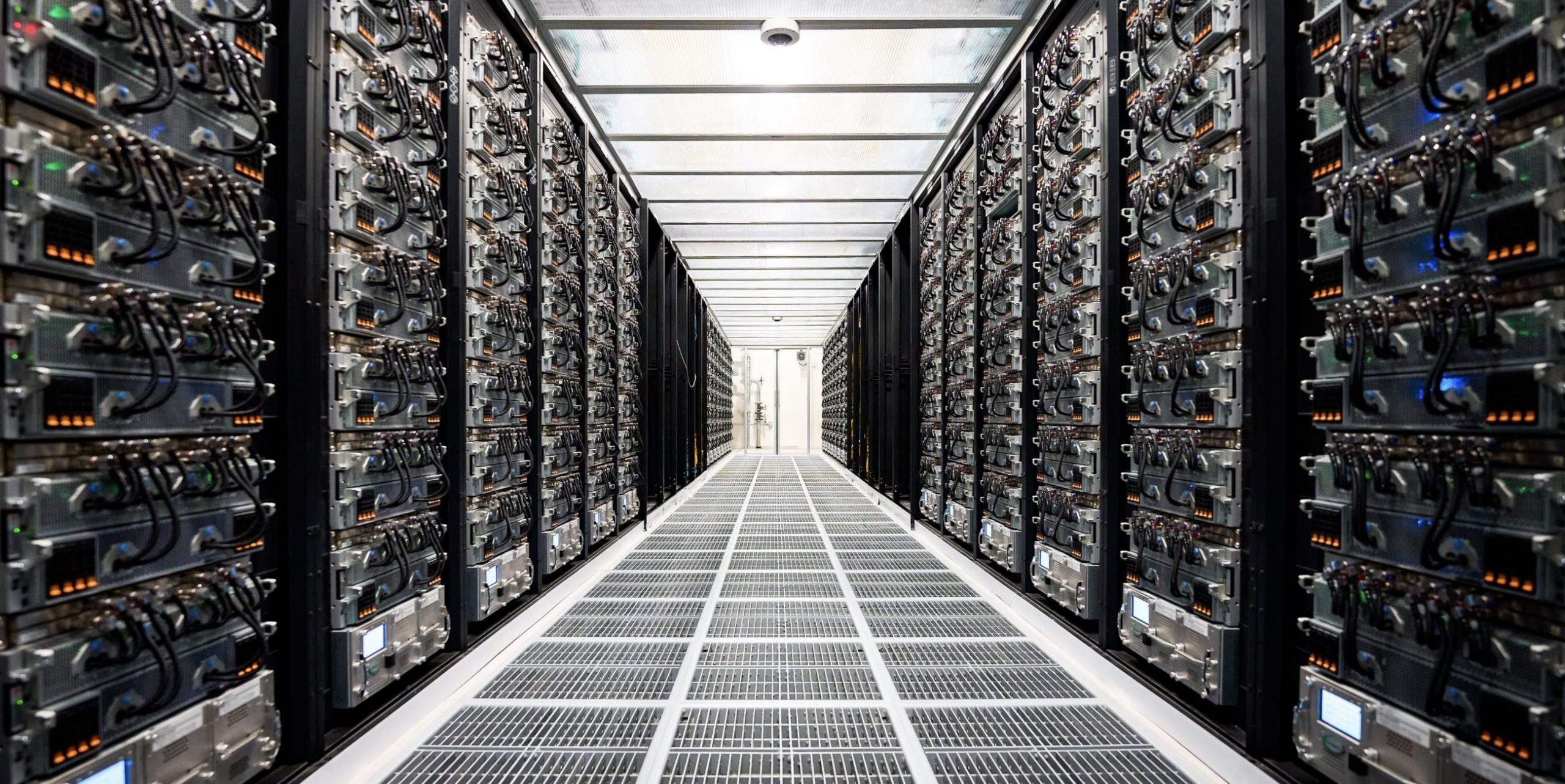
SpaceX's strategic $60 billion acquisition option for Cursor represents a critical inflection point for e-commerce sellers seeking AI-powered automation tools. The deal, announced in 2025-2026, consolidates Cursor's AI coding capabilities with SpaceX's Colossus supercomputer (equivalent to 1 million Nvidia H100 chips) and xAI's 200,000+ GPU infrastructure, fundamentally reshaping the economics of custom development for cross-border sellers. This consolidation directly impacts three critical seller operations: storefront optimization, inventory automation, and customer service systems.
The competitive landscape driving this deal reveals immediate seller opportunities. Cursor's valuation exploded from $2.5 billion (January 2024) to $29.3 billion (November 2024 Series D), reflecting market recognition that AI coding automation is becoming essential infrastructure. The partnership structure—either a $60 billion acquisition or $10 billion collaborative investment—demonstrates SpaceX's commitment to positioning AI as core to its $2 trillion IPO valuation. For sellers, this means the companies consolidating GPU infrastructure (xAI with 200,000 Nvidia chips, CoreWeave, Lambda) will increasingly offer affordable AI development services. Cursor's Composer 2.5 model and Cursor 3 interface, which replaces line-by-line coding with autonomous AI agents managing features, bug fixes, and component development, will eventually enable sellers to build custom inventory management systems, dynamic pricing engines, and multilingual customer service bots without hiring expensive engineering teams.
The infrastructure consolidation creates immediate cost advantages for early-adopting sellers. As AI coding automation advances and computing power becomes commoditized through xAI's cloud infrastructure model (similar to AWS/Azure), development costs for custom e-commerce solutions will decrease 40-60% by 2026. Sellers currently paying $50,000-150,000 for custom Shopify integrations or Amazon inventory management systems could access equivalent AI-powered solutions for $15,000-40,000 within 18-24 months. The deal's timing—preceding SpaceX's IPO—suggests aggressive commercialization of these tools. Additionally, neither Cursor nor xAI currently possesses proprietary models matching OpenAI/Anthropic, creating a competitive vulnerability that SpaceX's acquisition addresses. This means sellers will benefit from rapid feature development as SpaceX invests heavily in proprietary AI models specifically designed for business automation, potentially including e-commerce-specific applications.
Immediate seller implications emerge from GPU infrastructure consolidation. xAI's shift toward operating as a cloud infrastructure provider (renting tens of thousands of GPUs to Cursor for Composer 2.5 training) signals that computing power will become increasingly accessible and affordable. For sellers building custom solutions, this infrastructure availability reduces barriers to entry. Sellers can now access GPU-powered AI development through emerging providers like CoreWeave and Lambda, or eventually through SpaceX's infrastructure offerings. The deal also reveals that even automation-focused companies require massive computing infrastructure—a critical insight for sellers evaluating AI tool providers. Tools built on proprietary infrastructure (like SpaceX's Colossus) will outperform those dependent on renting third-party GPUs, suggesting sellers should prioritize tools backed by companies controlling their own computing infrastructure.
Questions 7
When should sellers start evaluating AI coding tools for custom development projects?
Sellers should begin evaluating AI coding tools immediately for 2025-2026 implementation. The deal timeline shows Cursor's Composer 2.5 is already in production (April 2026 reporting), and Cursor 3's autonomous agent interface is live. Sellers with custom development needs—dynamic pricing engines, multilingual inventory systems, customer service automation—should pilot Cursor or competing tools (GitHub Copilot, Replit, Tabnine) in Q1-Q2 2025 to understand cost savings and capability improvements. The 40-60% cost reduction from AI automation won't materialize until 2026-2027, but early adopters will gain 6-12 months of competitive advantage in automation capabilities. Sellers should also monitor CoreWeave and Lambda for GPU infrastructure pricing, as these providers will increasingly offer affordable AI development services as competition intensifies.
What competitive vulnerabilities does the SpaceX-Cursor deal address for sellers?
Neither Cursor nor xAI currently possesses proprietary AI models matching OpenAI's Codex or Anthropic's Claude—they rely on selling access to competitors' models while both OpenAI and Anthropic launch competing coding tools. This creates an awkward market position where Cursor depends on competitors' technology. SpaceX's acquisition addresses this by enabling Cursor to develop independent proprietary models and reduce dependency on OpenAI/Anthropic. For sellers, this means: (1) Cursor-based tools will improve rapidly as SpaceX invests in proprietary models; (2) sellers won't face sudden price increases or feature restrictions from OpenAI/Anthropic; (3) SpaceX may develop e-commerce-specific AI applications (inventory optimization, pricing, customer service) tailored to seller needs rather than generic coding tools.