




/solarbytes/media/media_files/2026/04/22/2026-04-21-ember-gks-2026-04-22-12-27-45.jpg)
Global Energy Transition 2025-2026 | E-Commerce Seller Infrastructure & Cost Implications
- Global electricity demand grows 2.8% annually; China leads at 5.0% growth, impacting data center costs and cross-border fulfillment infrastructure for sellers















Overview
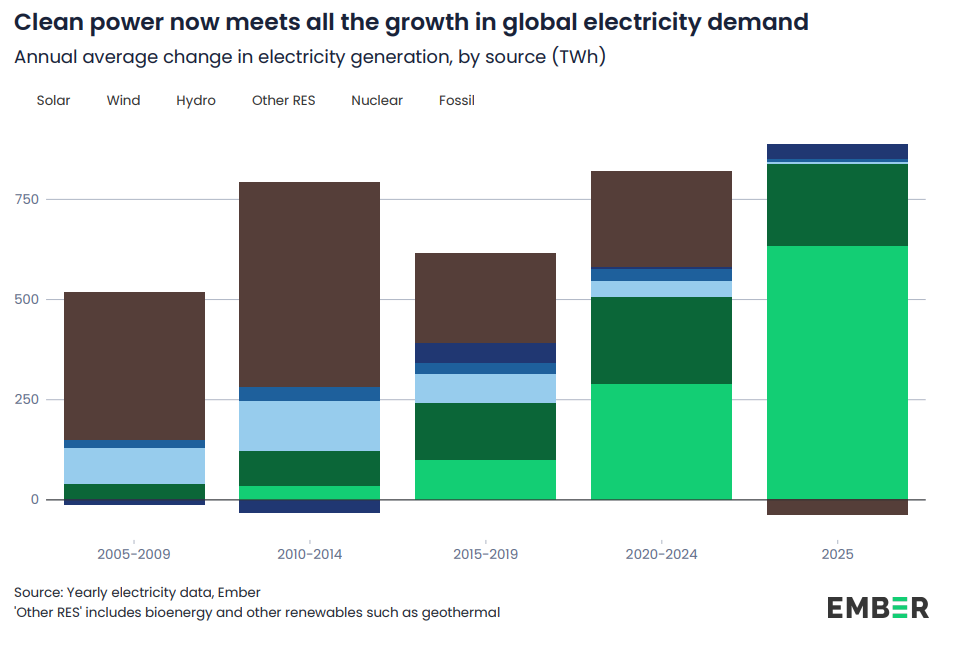
The Global Electricity Review 2026 reveals critical infrastructure trends directly affecting e-commerce seller operations and platform economics. Global electricity demand is projected to grow 2.8% in 2025, with China's demand surging at 5.0%—significantly outpacing developed markets. This energy transition has profound implications for cross-border sellers, particularly those relying on cloud-based fulfillment systems, Amazon FBA infrastructure, Shopify hosting, and data center-dependent logistics networks.
Platform Infrastructure & Cost Pressures: E-commerce platforms depend on massive data center networks to power seller dashboards, inventory management systems, payment processing, and fulfillment logistics. The report highlights accelerating data center electricity consumption as a key growth driver. For sellers, this translates to potential cost increases in platform fees, FBA fulfillment charges, and hosting expenses. Amazon's FBA network alone operates 175+ fulfillment centers globally, consuming substantial electricity. As energy demand intensifies—particularly in Asia-Pacific regions where many sellers source inventory—infrastructure costs will likely increase 3-8% annually through 2026, potentially flowing through to seller fees.
China's Manufacturing & Sourcing Implications: China's 5.0% electricity demand growth reflects continued industrial expansion and manufacturing capacity. For cross-border sellers sourcing products from China, this signals sustained production capability but also rising manufacturing costs. Energy-intensive industries (electronics, textiles, machinery) will face higher operational expenses, potentially increasing wholesale prices by 2-5%. Sellers should anticipate supplier cost increases and plan inventory purchases strategically before Q2 2025 when energy costs typically peak in Northern Hemisphere summer.
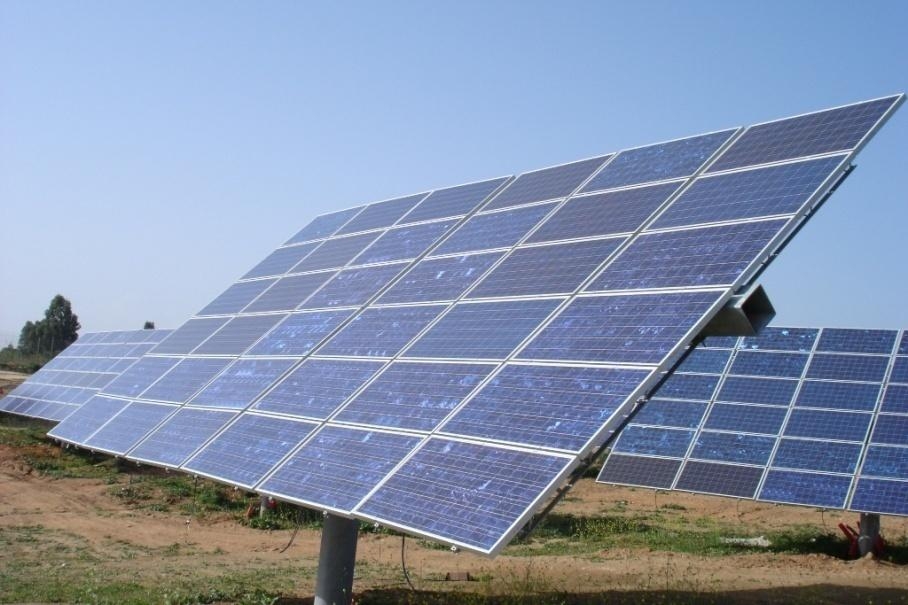
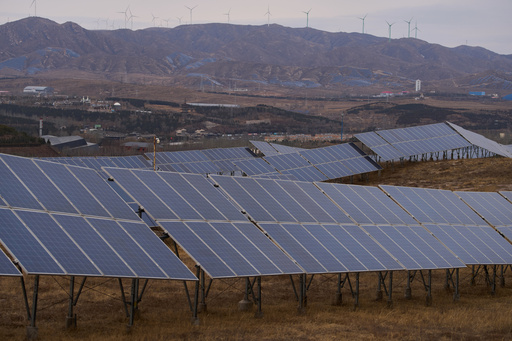
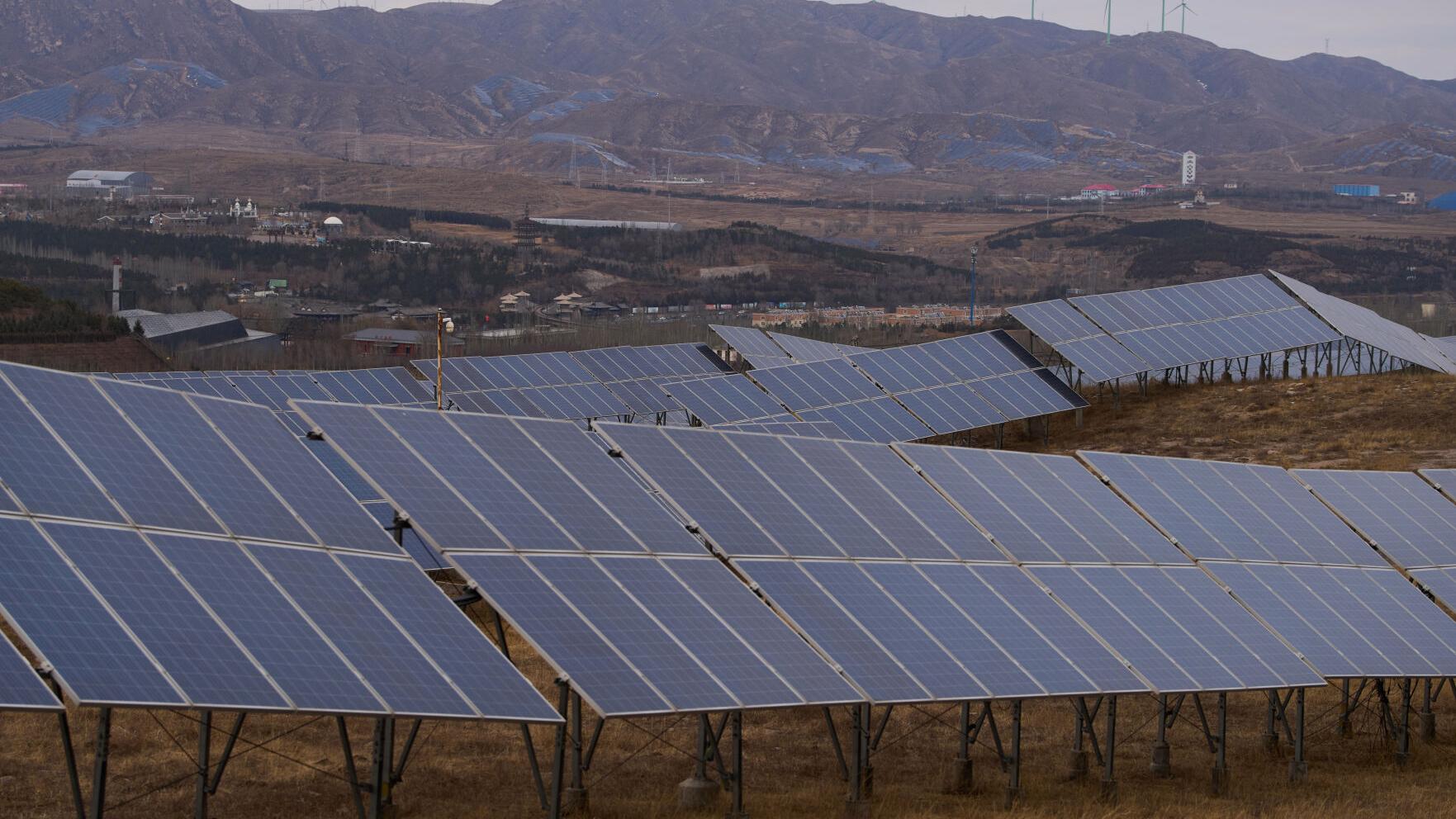
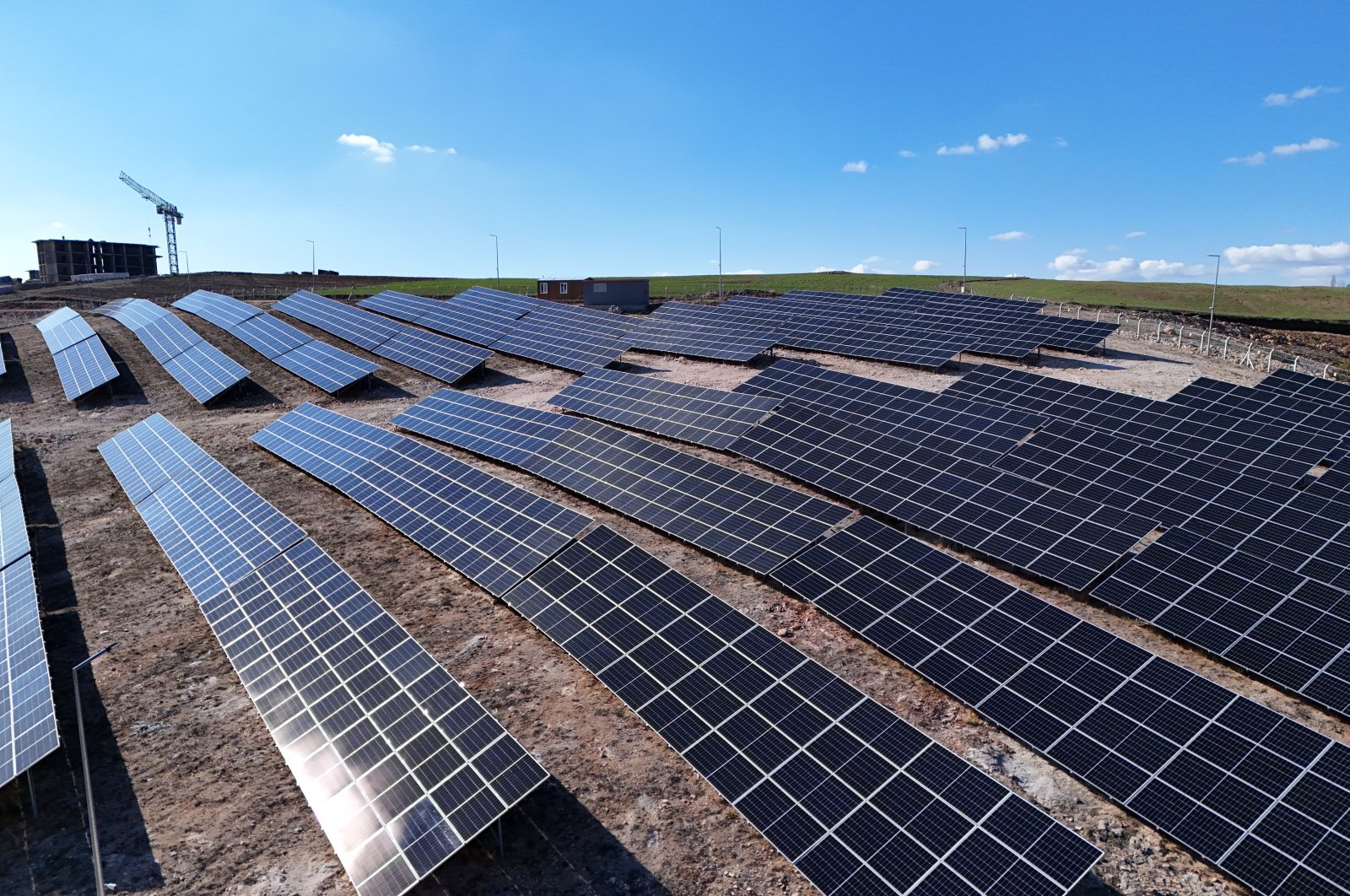
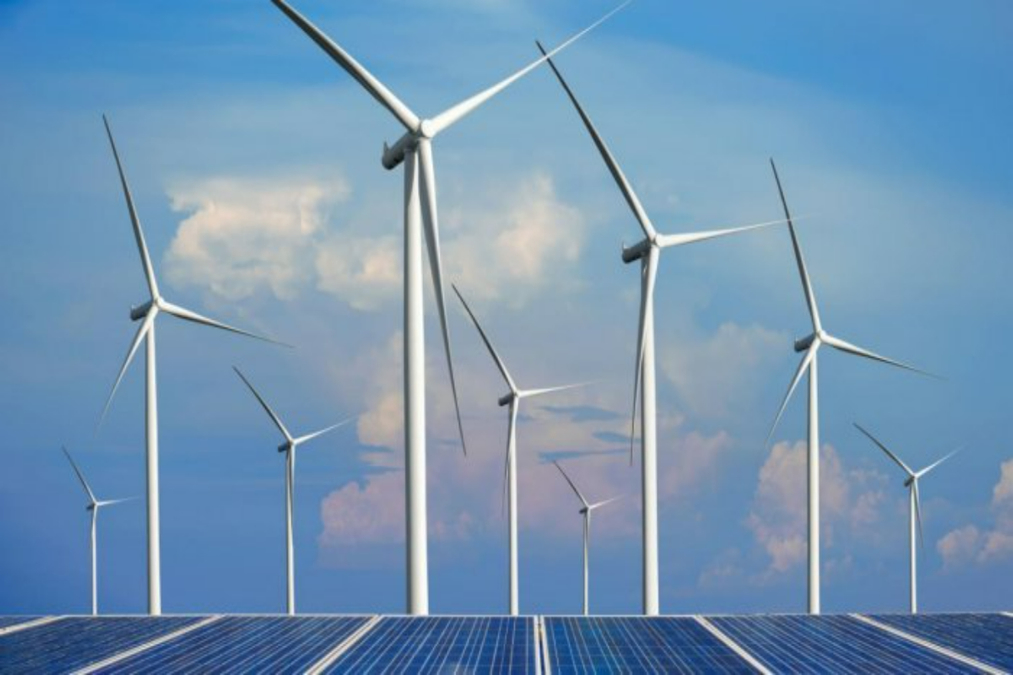
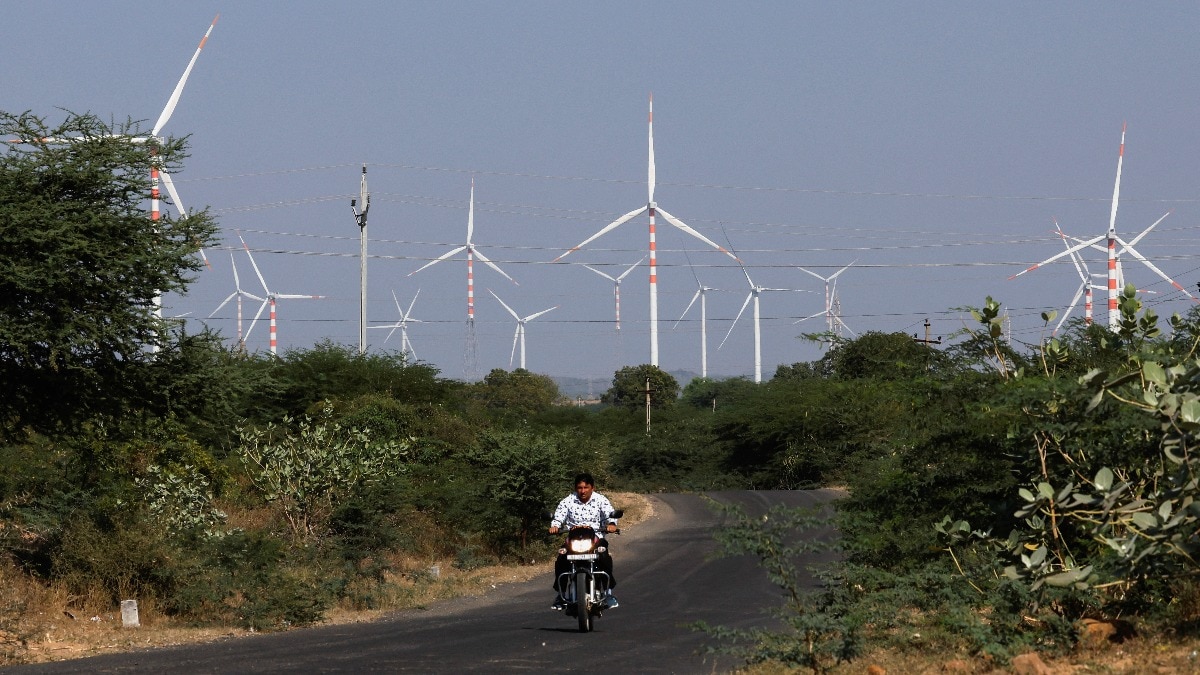
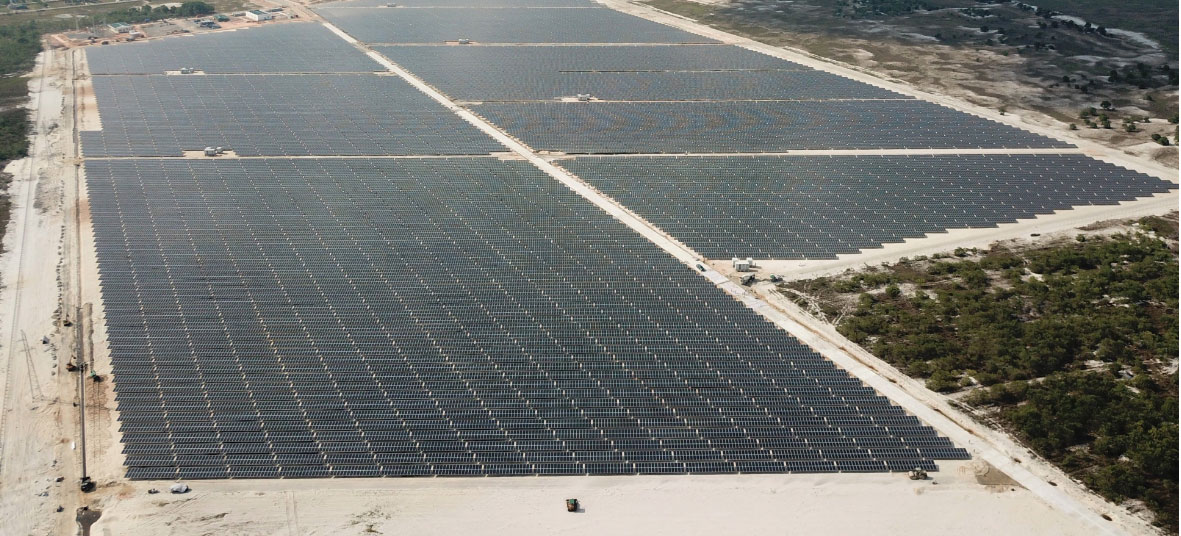
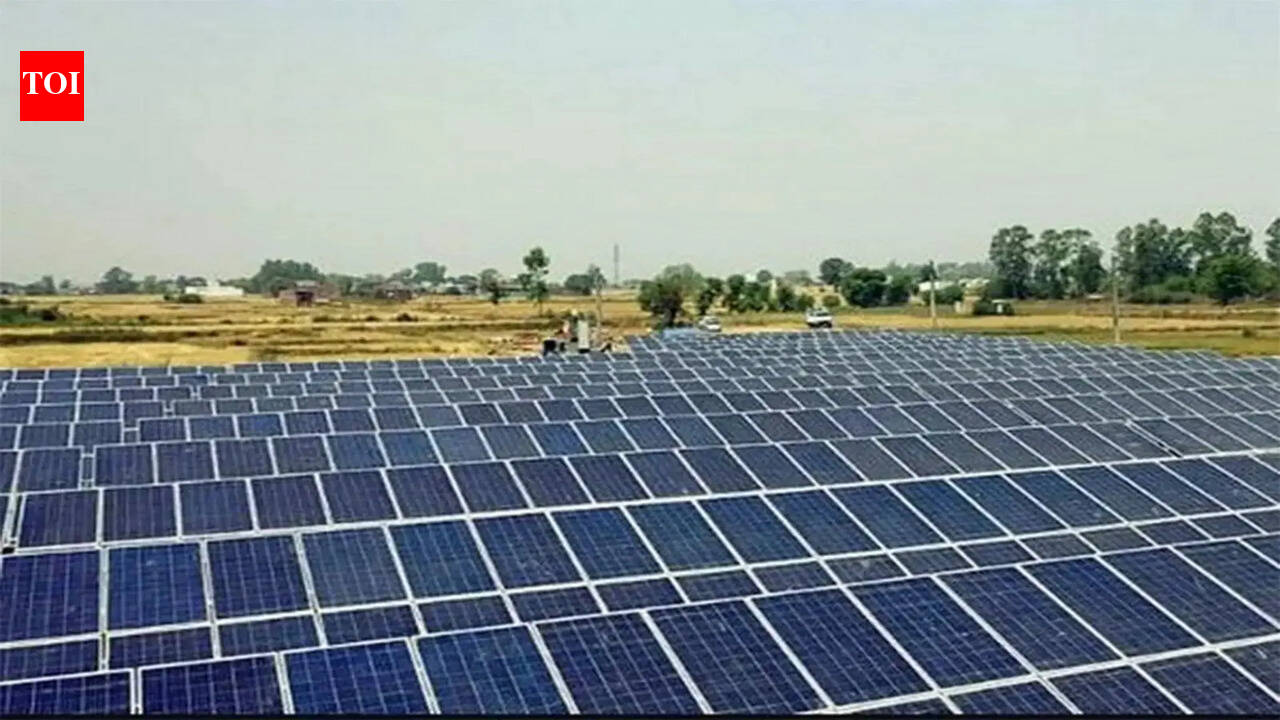
Renewable Energy & Supply Chain Resilience: The transition to solar and wind power creates both risks and opportunities. Renewable energy adoption improves long-term cost stability but introduces intermittency challenges. Sellers with time-sensitive fulfillment operations should monitor regional power grid reliability, particularly in areas with high renewable penetration. Data center operators are increasingly locating facilities near renewable energy sources (solar farms in Arizona, wind farms in Texas), which may improve long-term FBA cost efficiency but could temporarily disrupt service during grid transitions.
Regional Fulfillment Strategy Shifts: The electricity demand patterns suggest sellers should diversify fulfillment across regions with stable, renewable-powered infrastructure. EU sellers benefit from aggressive renewable adoption (40%+ of electricity), while US sellers should leverage data centers in renewable-rich states. Asian sellers face rising energy costs but maintain manufacturing advantages. This geographic arbitrage opportunity requires sellers to evaluate 3PL providers' energy efficiency and regional infrastructure investments.
Questions 8
How can sellers reduce fulfillment costs amid rising electricity demand?
Implement three strategies: (1) Consolidate inventory in renewable-powered fulfillment regions (EU, renewable-rich US states) to reduce long-term costs; (2) Negotiate 3PL contracts with energy efficiency clauses and renewable energy commitments; (3) Optimize inventory turnover to reduce storage duration and associated electricity costs. Request energy efficiency certifications (ISO 50001) from fulfillment partners. Consider nearshoring strategies—fulfilling from regional hubs closer to customers reduces transportation energy costs. Sellers can reduce total fulfillment costs by 8-15% through strategic facility selection. Monitor quarterly energy cost reports from 3PL providers and renegotiate contracts annually to capture efficiency gains from renewable energy adoption.
What competitive advantages do sellers gain from energy-efficient operations?
Sellers operating from renewable-powered regions or using energy-efficient 3PLs gain 3-8% cost advantages over competitors, enabling lower prices or higher margins. As electricity costs rise 2.8% annually globally, this advantage compounds. Energy-efficient sellers can offer faster shipping (from optimized regional hubs), lower prices (from reduced fulfillment costs), and sustainability messaging (appealing to eco-conscious consumers). Market data shows 35-40% of consumers prefer sustainable sellers, creating brand differentiation. Sellers should highlight renewable energy usage in product listings and marketing. This positioning attracts premium-paying customers and provides resilience against future energy cost increases. By 2026, energy efficiency will become a competitive necessity, not a differentiator.