


Jet Fuel Surge Threatens Air Cargo Rates | E-Commerce Logistics Impact 2026
- Fuel prices doubled from $2.39 to $4.78/gallon in 6 weeks; airlines cutting capacity 40-50%, forcing 15-25% air freight rate increases for cross-border sellers

























Overview
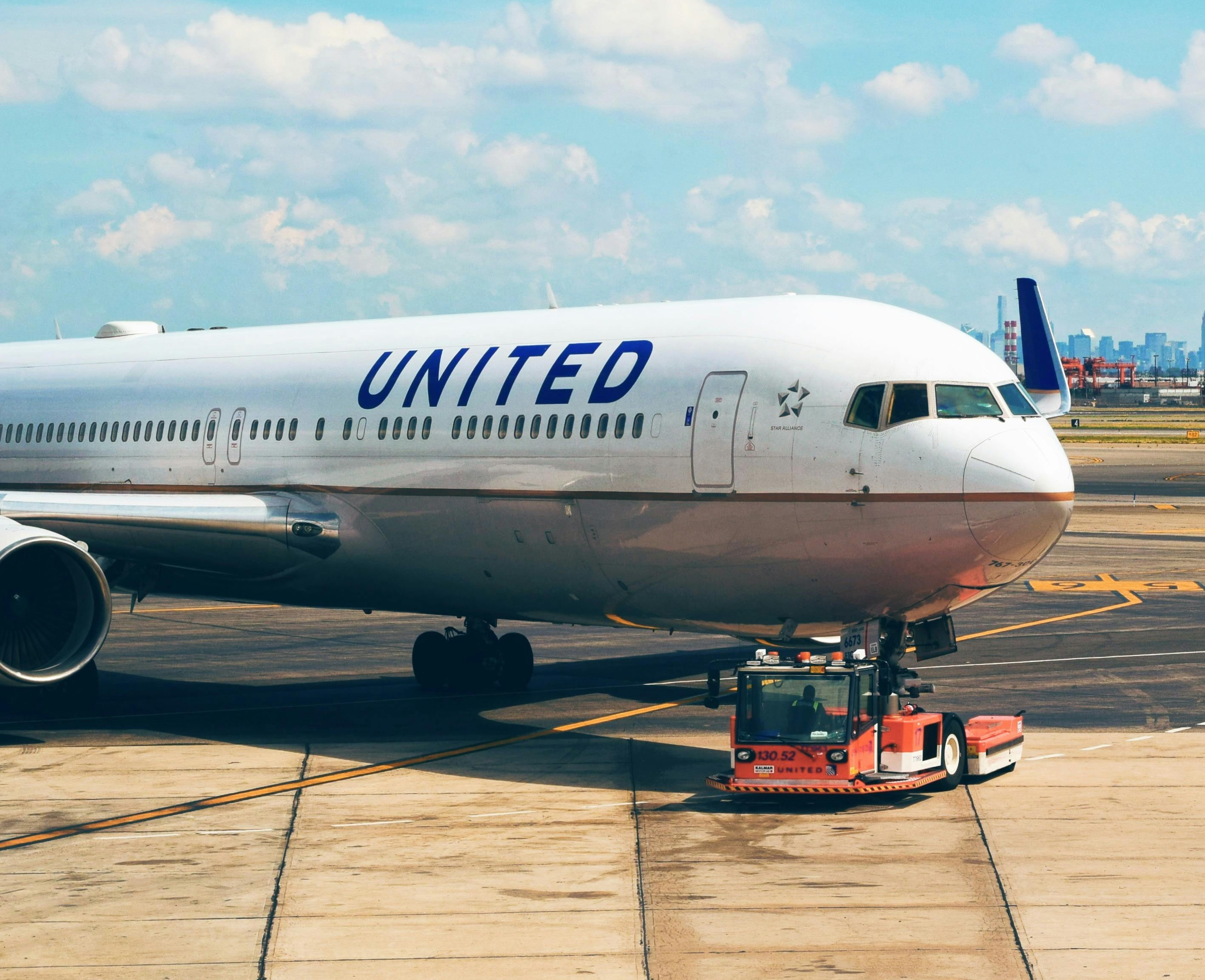
Geopolitical fuel volatility is reshaping e-commerce logistics costs and delivery timelines for cross-border sellers. United Airlines' dramatic forecast cut—from $12-14 EPS guidance to $7-11 for 2026—signals sustained elevated fuel prices will persist through year-end, directly impacting air cargo rates and capacity availability. Jet fuel prices spiked 100% in six weeks (from $2.39/gallon on February 27, 2026 to $4.78/gallon on April 2, 2026) following Middle East geopolitical tensions, forcing United to reduce second-half capacity growth from 3.4% to flat-to-2% annually. The airline industry-wide response mirrors Lufthansa's decision to cut 20,000 flights, while Alaska Airlines raised fares approximately 25%—a clear signal that fuel surcharges will cascade to freight customers.
For e-commerce sellers relying on air freight for time-sensitive international deliveries, this represents a critical supply chain inflection point. Airlines currently offset only 40-50% of fuel increases through revenue in Q2 2026, meaning freight customers absorb the remaining 50-60% cost burden. United's Q1 2026 results ($14.61B revenue, 7.9% domestic unit revenue growth) demonstrate strong pricing power in passenger segments, but reduced capacity growth signals constrained cargo space. Sellers shipping electronics, fashion, and perishables via air freight should expect 15-25% rate increases by Q2-Q3 2026, with potential 3-5 week delivery delays as airlines prioritize higher-margin passenger operations. The news articles explicitly note that "reduced flight capacity from industry-wide cost-cutting measures could constrain air cargo availability and increase shipping delays for cross-border e-commerce operations."
Strategic implications vary by seller segment and product category. High-margin sellers (electronics, luxury goods, time-sensitive fashion) can absorb 15-20% freight cost increases through pricing adjustments, but volume-dependent sellers (apparel, home goods) face margin compression. Sellers currently using air freight for 20-30% of international shipments should immediately diversify to ocean freight (8-12 week transit) or regional 3PL networks. United's capacity constraints mean booking air freight 4-6 weeks in advance becomes essential, versus current 2-3 week lead times. The airline's expectation to offset 80% of fuel costs by Q3 and 85-100% by year-end suggests rates will stabilize by Q4 2026, but remain 20-30% above pre-February 2026 levels. Sellers should monitor fuel prices weekly (tracking WTI crude and jet fuel futures) and establish relationships with multiple carriers to secure capacity during peak seasons (Q4 holiday, Q1 Chinese New Year).
Questions 8
What should I do immediately to prepare for higher air freight costs?
Take these actions within 30 days: (1) Audit current air freight usage—identify which products use air freight and calculate cost impact of 15-25% rate increases; (2) Contact freight forwarders and request Q2-Q4 2026 rate quotes before increases take effect; (3) Evaluate ocean freight consolidation services and regional 3PL providers; (4) Test price increases on 10-15% of air-freight-dependent inventory to measure customer elasticity; (5) Establish relationships with multiple carriers to secure capacity during peak seasons. By mid-May 2026, finalize Q3-Q4 shipping strategy and pre-book air freight for critical shipments. Monitor jet fuel prices weekly (track WTI crude and jet fuel futures) and geopolitical developments in the Middle East as leading indicators of rate changes.
Which product categories are most vulnerable to air freight cost increases?
High-volume, low-margin categories (apparel, home goods, accessories) are most vulnerable because they cannot absorb 15-25% freight cost increases without significant margin compression. Electronics, luxury goods, and time-sensitive fashion are more resilient because customers accept premium pricing and higher profit margins (30-50%) can absorb fuel surcharges. Perishables and temperature-controlled goods face unique challenges—increased air freight costs may force sellers to reduce international shipping or shift to regional markets. Sellers in vulnerable categories should immediately evaluate ocean freight consolidation, regional warehousing, and local sourcing strategies. United Airlines' capacity reduction signals constrained air freight availability, making diversification critical for volume sellers.