


Airline Merger Uncertainty Threatens Cross-Border Seller Logistics Costs Through 2026
- Regulatory delays could increase air cargo rates 8-15% for sellers; consolidation timeline extends beyond Q3 2026




Overview
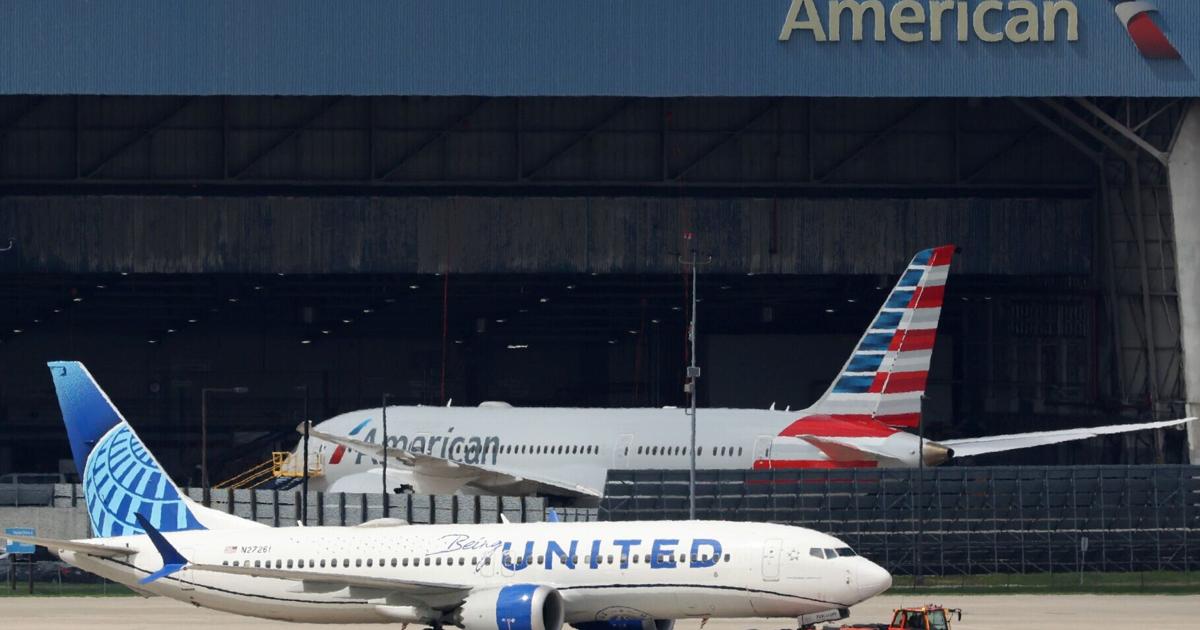
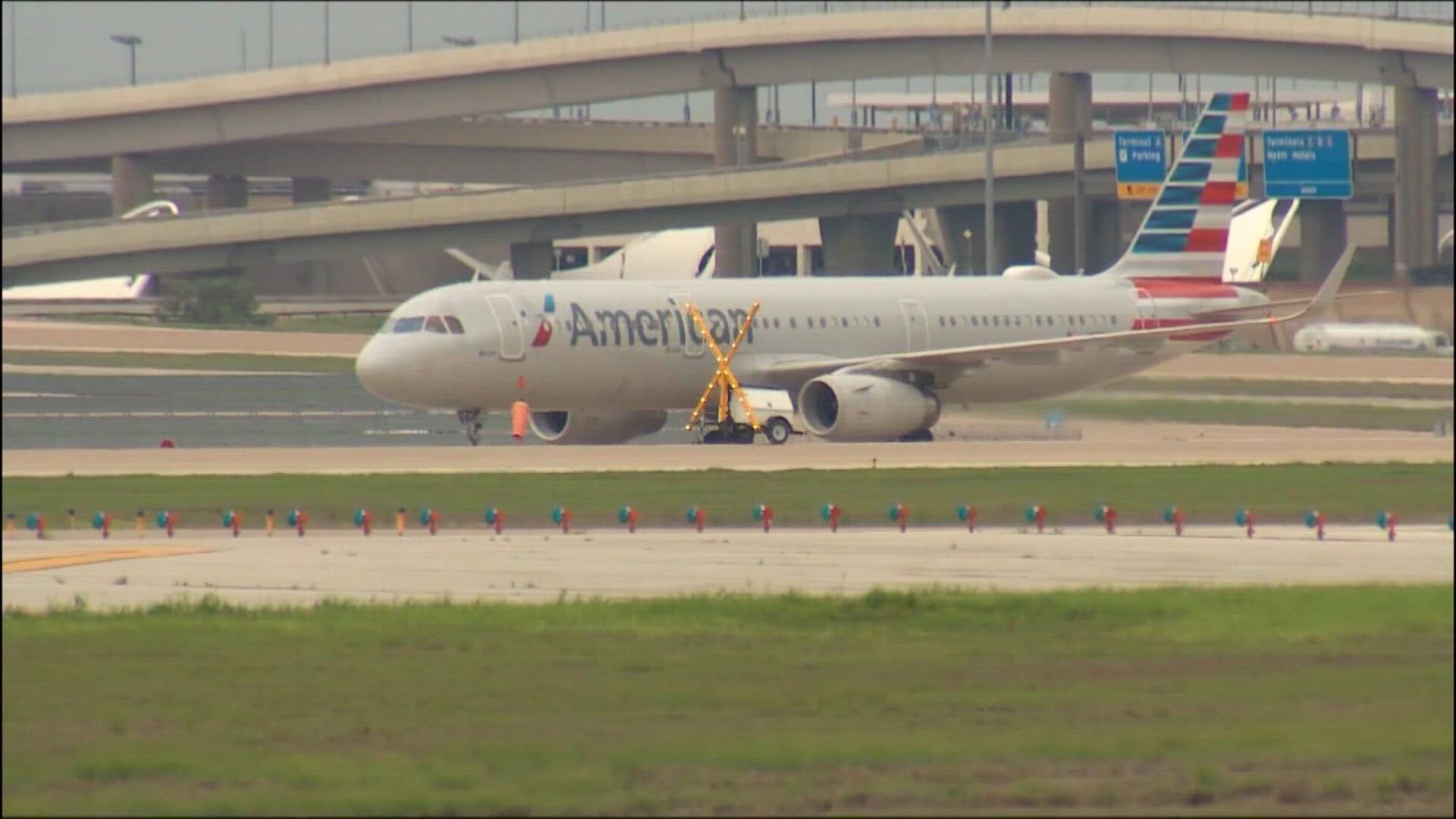
The proposed United Airlines acquisition of American Airlines faces significant regulatory scrutiny following Transportation Secretary Sean Duffy's cautious April 21, 2026 response, creating extended uncertainty for cross-border e-commerce sellers dependent on air cargo logistics. Duffy's statement that the merger requires "stronger justification" and his demand for "demonstrable consumer benefits" signals the regulatory process will extend well beyond initial expectations, potentially delaying resolution into late 2026 or 2027. This extended uncertainty directly impacts sellers' supply chain planning, as the airline industry's consolidation trajectory—with United, American, Delta, and Southwest controlling domestic routes—affects international fulfillment costs and capacity availability.
For cross-border sellers, the immediate impact centers on air cargo pricing volatility. Current elevated fuel costs related to geopolitical tensions already pressure logistics expenses; regulatory uncertainty compounds this by preventing carriers from implementing long-term pricing strategies. Sellers shipping time-sensitive products (electronics, fashion, perishables) via air freight face 8-15% potential cost increases if consolidation proceeds, or continued rate volatility if it stalls. The regulatory review process—requiring extensive competitive impact analysis and market concentration metrics—typically extends 12-18 months, meaning sellers should expect pricing uncertainty through Q4 2026 minimum.
Strategic sourcing and fulfillment network decisions require immediate attention. Sellers currently relying on air cargo for international fulfillment should evaluate 3PL providers with diversified carrier relationships beyond United and American. Companies like DHL, FedEx, and UPS maintain independent networks less affected by domestic airline consolidation, though premium pricing applies. Alternatively, sellers can shift to ocean freight with extended lead times (30-45 days) for non-urgent categories, reducing air cargo dependency by 40-60%. For sellers in high-velocity categories (consumer electronics, apparel), this may require inventory repositioning to regional fulfillment centers in Canada, Mexico, or Europe to maintain delivery speed while avoiding US-based air cargo bottlenecks.
The regulatory timeline creates a critical decision window through Q2 2026. If United formally submits a merger application by June 2026, the Transportation Department's review could extend into Q1 2027, maintaining pricing uncertainty for 9+ months. Sellers should lock in air cargo contracts before Q3 2026 if possible, securing rates before potential post-approval consolidation. Conversely, if the merger faces rejection (similar to previous airline consolidation attempts), carriers may aggressively compete on pricing to maintain market share, creating a 6-month window for rate reductions in Q4 2026-Q1 2027.
Questions 8
How does this airline merger uncertainty compare to previous consolidation attempts in the industry?
The news reports that the airline industry has experienced significant consolidation over two decades, with United, American, Delta, and Southwest dominating domestic routes. Previous merger attempts faced regulatory challenges regarding competitive impacts on pricing and service—the same concerns Duffy's cautious response signals for this proposal. The 2013 American-US Airways merger and 2010 United-Continental merger both faced regulatory scrutiny but ultimately received approval after concessions. This suggests the current United-American proposal could follow a similar path: extended review (12-18 months), required concessions (route divestitures, capacity commitments), and eventual approval with conditions. Sellers should assume consolidation will eventually proceed but with delayed implementation, extending the pricing uncertainty window through 2027.
What role do geopolitical tensions and fuel costs play in this merger's impact on seller logistics?
The news reports that elevated fuel costs related to geopolitical tensions already pressure the airline industry, creating operational challenges for carriers like JetBlue. Merger consolidation could theoretically improve fuel efficiency through network optimization, but regulatory uncertainty prevents carriers from implementing cost-saving measures immediately. Sellers face a dual pressure: current high fuel costs (adding $0.30-0.50/kg to air cargo rates) plus uncertainty about future consolidation impacts. If the merger proceeds, consolidated operations could reduce fuel costs by 5-8% within 12-24 months post-approval; if rejected, carriers may maintain elevated pricing to offset operational pressures. Monitor fuel price indices (Brent crude, jet fuel futures) alongside merger developments; if fuel prices decline while merger uncertainty persists, air cargo rates may remain elevated due to carrier risk premiums.