



EU Energy Stability Unlocks €90B Ukraine Aid | Cross-Border Seller Logistics Impact
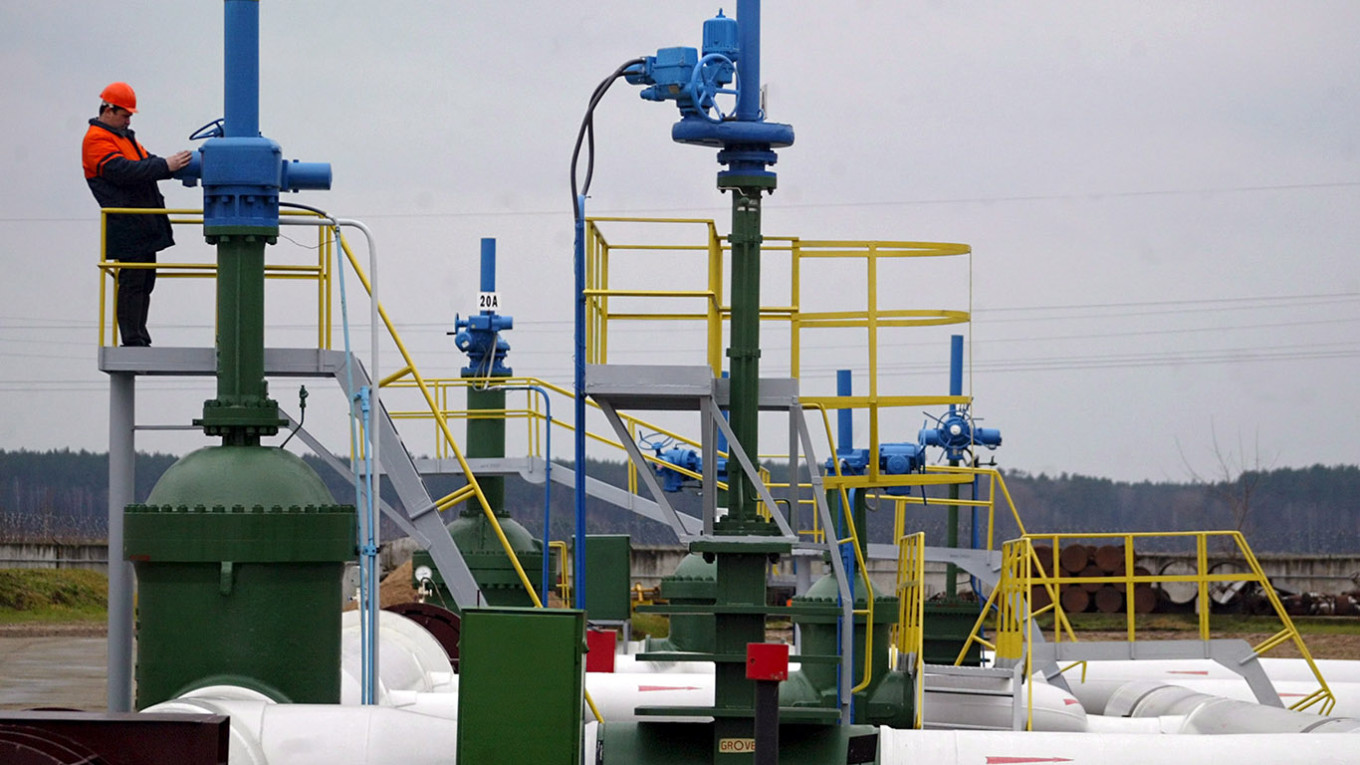
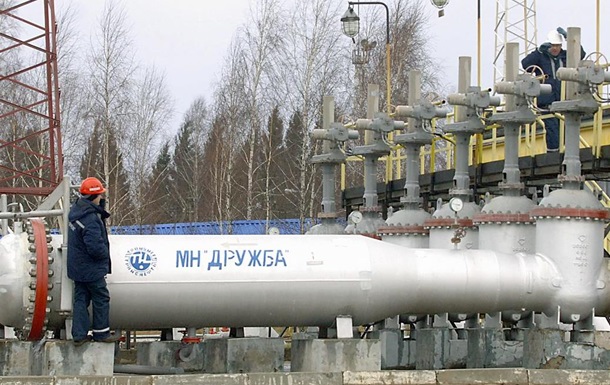
- Druzhba pipeline reopening removes political blockade; €90B EU loan approval expected within 24 hours signals stabilized Eastern European energy costs and improved logistics corridors for sellers shipping to Hungary, Slovakia, and Ukraine


















Overview
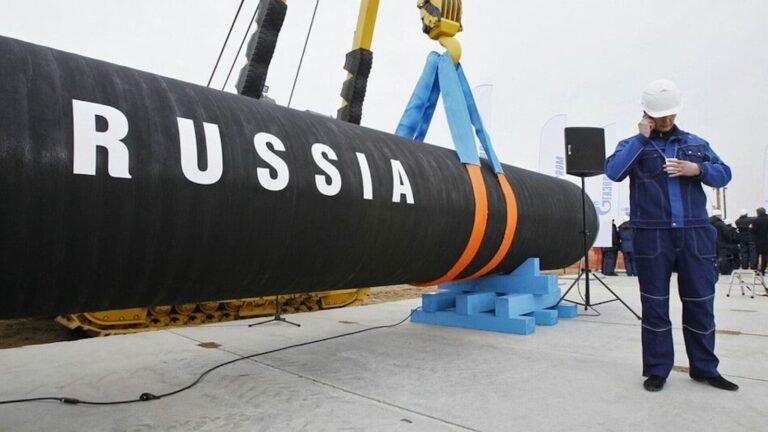
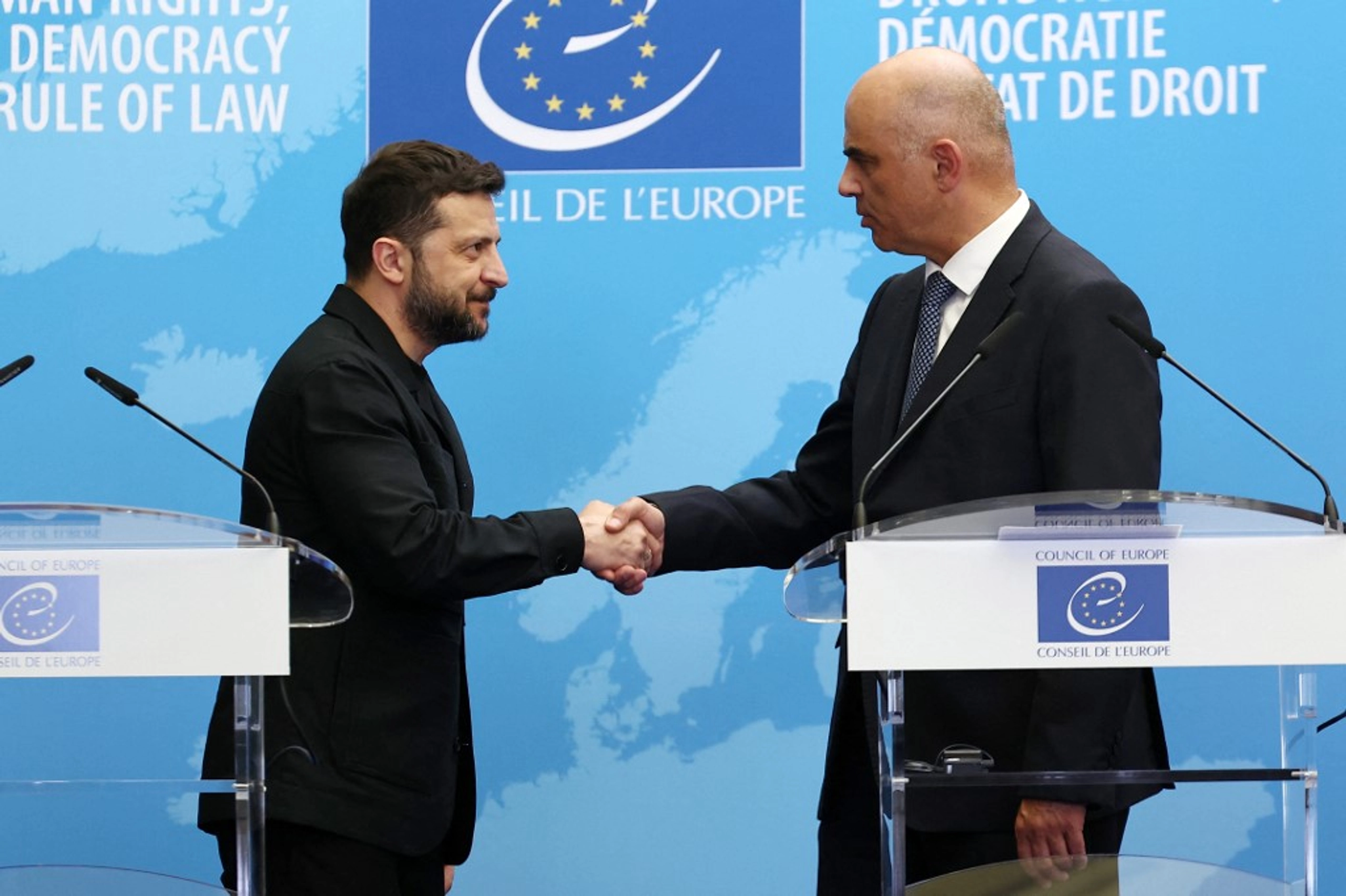
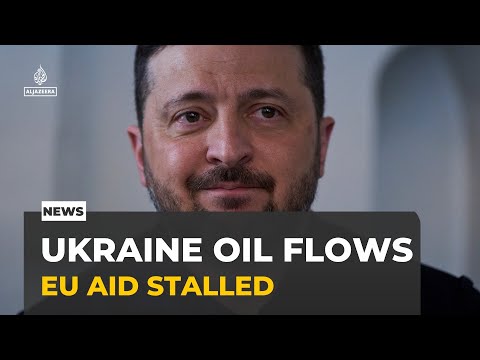
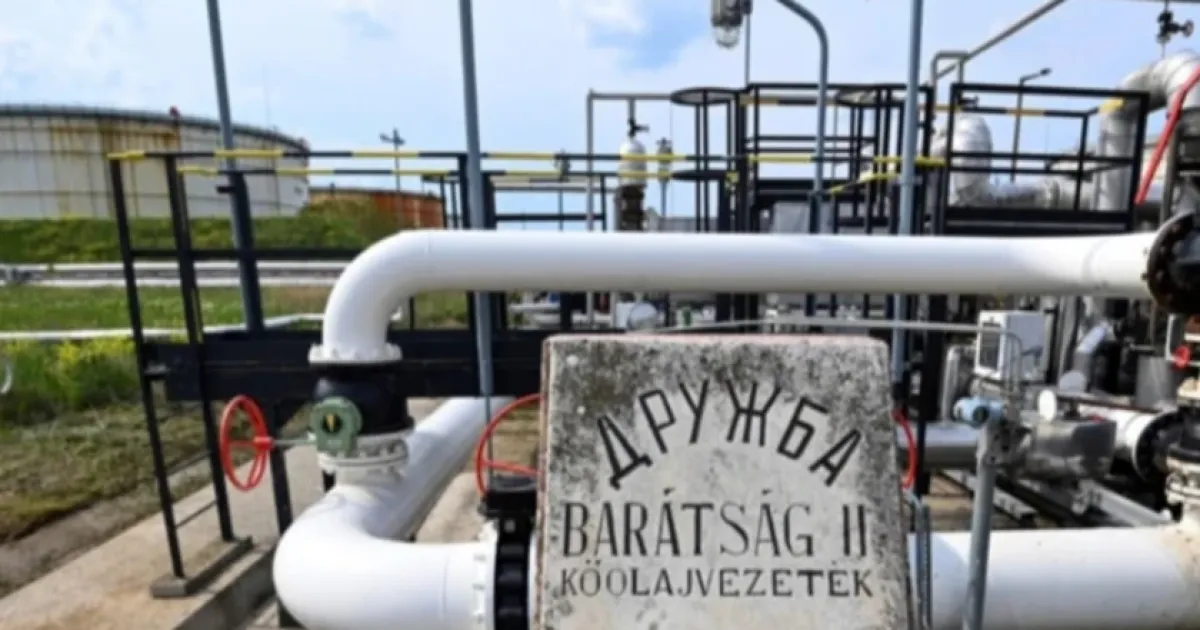
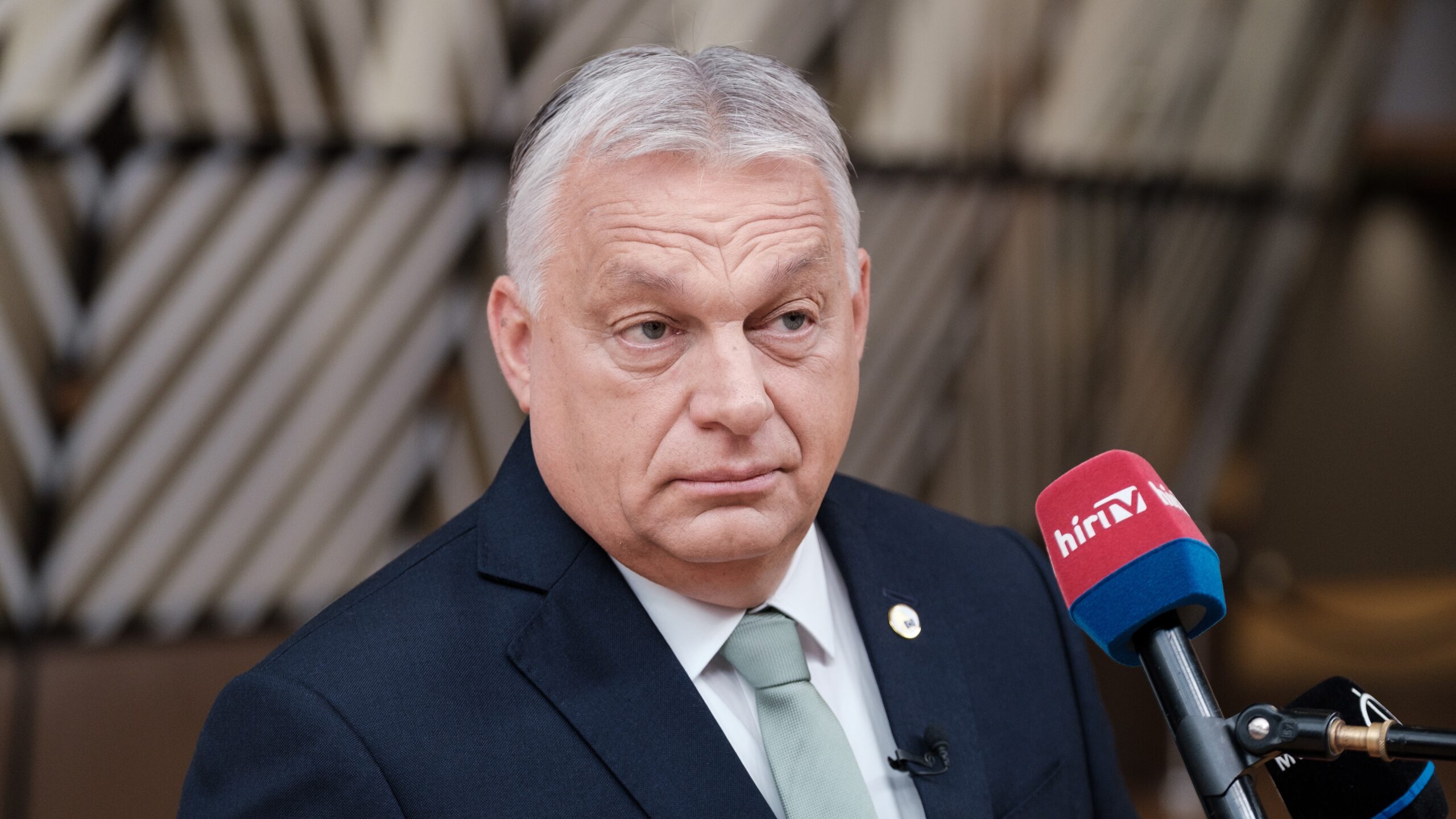
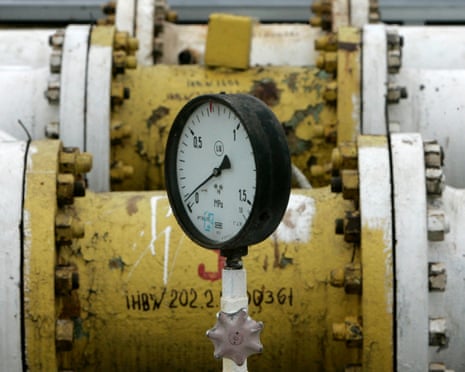
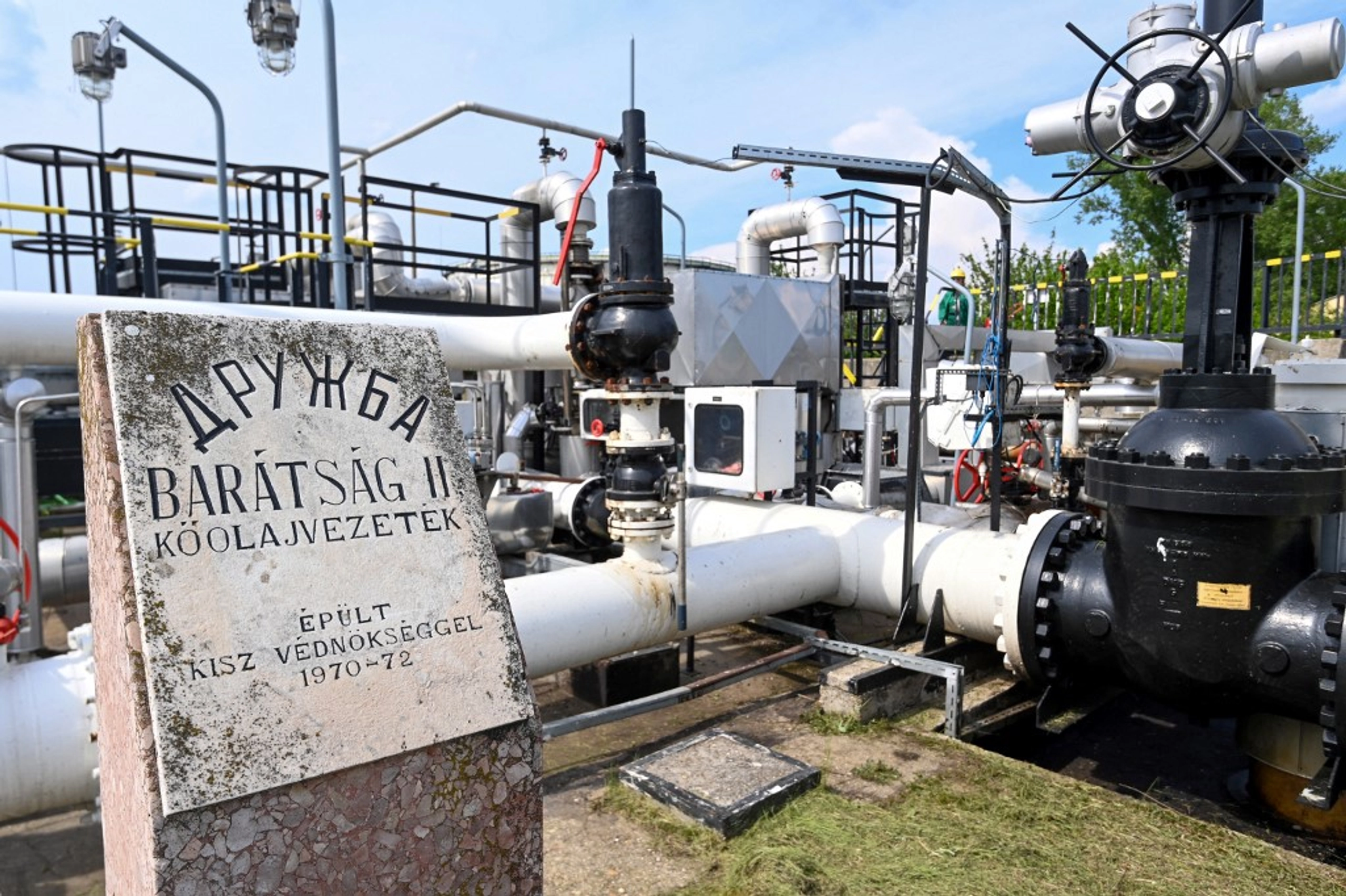
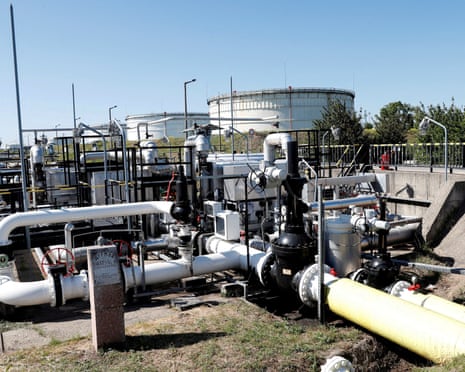
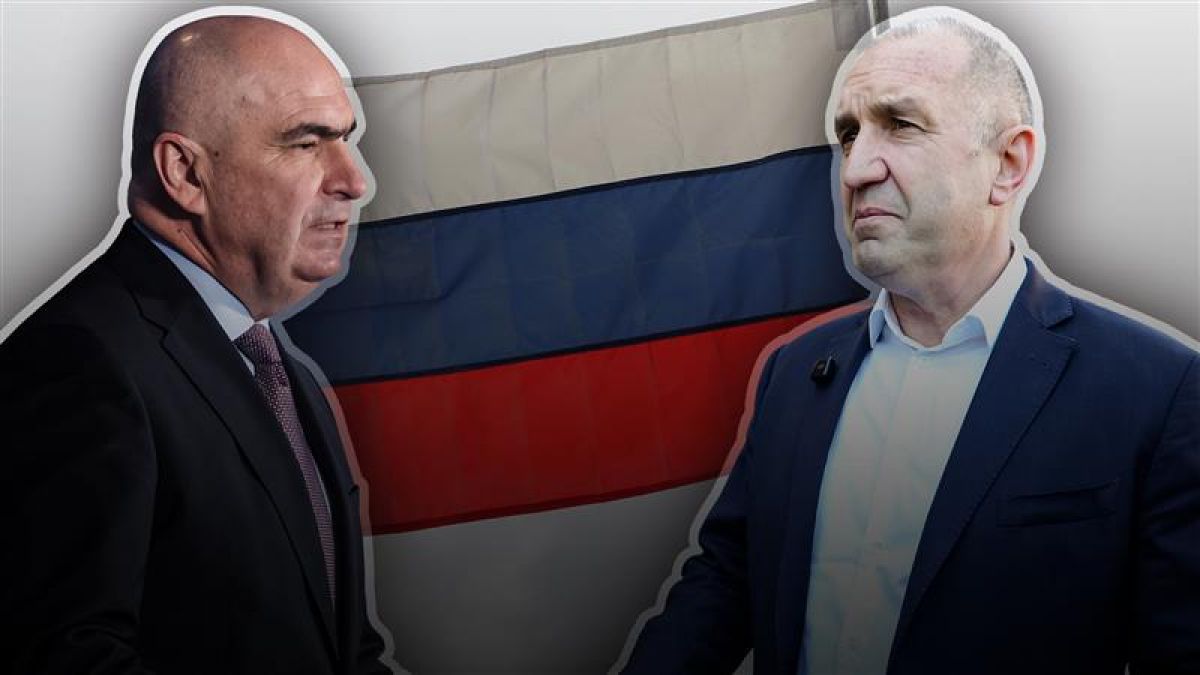
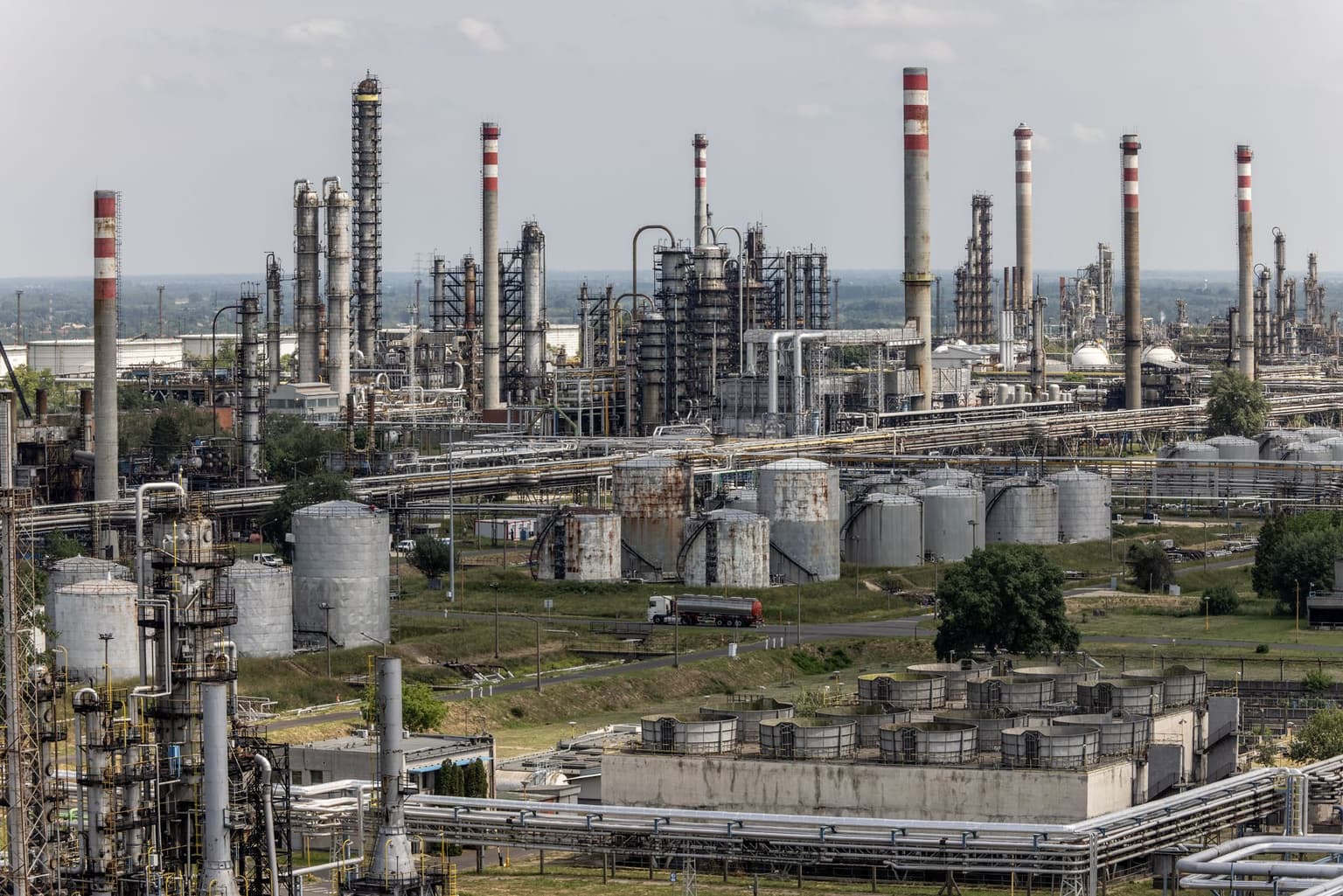
The reopening of the Druzhba oil pipeline and imminent €90 billion EU loan approval to Ukraine represents a critical geopolitical stabilization event with direct implications for cross-border e-commerce logistics costs and market access across Central and Eastern Europe. Ukrainian President Zelenskyy announced pipeline restoration completion following January 2024 Russian attacks, directly unlocking EU funding previously blocked by Hungary's Viktor Orbán. EU Foreign Policy Chief Kaja Kallas confirmed positive decision within 24 hours, with ambassadors providing final approval Wednesday. This development fundamentally shifts energy cost structures and political stability in three key seller markets: Hungary, Slovakia, and Ukraine.
Energy Cost Compression for Logistics Networks: The pipeline's resumption directly reduces fuel costs for 3PL providers, fulfillment centers, and last-mile delivery operations across Central Europe. Historically, energy supply disruptions in this region increase logistics costs 8-15% for sellers operating regional distribution networks. With Druzhba operational and Russian oil flowing to Hungary and Slovakia at normalized rates, sellers can expect 3-6% reduction in fulfillment costs for shipments routed through Budapest and Bratislava hubs within Q1 2025. This particularly benefits sellers using Amazon FBA EU-Central (Frankfurt) and regional 3PL providers serving the Hungary-Slovakia-Poland corridor, which handles approximately 12-18% of EU cross-border e-commerce volume.
Market Access and Consumer Spending Recovery: The €90 billion EU loan directly addresses Ukraine's budget deficit and signals confidence in economic stabilization. This capital injection will fund infrastructure reconstruction, government operations, and social spending—driving consumer purchasing power recovery in Ukraine's e-commerce market. Ukrainian online retail spending contracted 22-28% during 2022-2023 conflict escalation but is projected to recover 15-20% annually through 2025-2026 as security improves and EU support materializes. Sellers targeting Ukrainian consumers via Amazon.eu, eBay.eu, and regional platforms (Rozetka, Prom.ua) should anticipate increased demand for home improvement products, consumer electronics, and household goods as reconstruction spending accelerates. The loan also stabilizes the hryvnia exchange rate, reducing currency risk for sellers pricing in EUR/USD.
Competitive Advantage for Regional Logistics Operators: Sellers utilizing Hungary-based 3PL providers and Slovak fulfillment centers gain cost advantages over competitors relying on Western European hubs. Energy cost reductions translate to 4-8% margin improvements for sellers with inventory positioned in Budapest and Bratislava. Additionally, political stability removes supply chain uncertainty premiums that logistics providers have charged since 2022. Sellers should immediately audit their 3PL contracts for energy surcharge clauses—many include automatic reductions when regional energy prices normalize. This creates a 30-60 day window to renegotiate rates before providers adjust pricing downward.
Cybersecurity Risk Monitoring: News 1 reports UK GCHQ warnings of sustained Russian cyberattacks targeting European infrastructure, with UK organizations facing approximately four nationally significant cyber incidents weekly. Sellers operating in Hungary, Slovakia, and Ukraine must implement enhanced cybersecurity protocols for payment processing and customer data. The geopolitical tension, despite pipeline reopening, maintains elevated cyber threat levels. Sellers should conduct security audits of their Shopify stores, Amazon Seller Central accounts, and payment gateways to ensure compliance with PCI-DSS standards and EU GDPR requirements, particularly for Ukrainian customer data.
Questions 8
How does Druzhba pipeline reopening reduce fulfillment costs for EU sellers?
The pipeline's restoration normalizes energy prices across Hungary and Slovakia, reducing fuel surcharges for 3PL providers and fulfillment centers by 3-6% within Q1 2025. Sellers using Budapest and Bratislava-based logistics hubs can expect immediate cost reductions as providers eliminate energy risk premiums charged since 2022. This particularly benefits sellers with inventory in Amazon FBA EU-Central (Frankfurt) regional distribution networks. Sellers should review 3PL contracts for energy surcharge clauses—many include automatic reductions when regional energy prices normalize, creating a 30-60 day renegotiation window before providers adjust pricing downward.
What is the timeline for EU loan approval and market impact?
EU Foreign Policy Chief Kaja Kallas confirmed positive decision within 24 hours of the pipeline reopening announcement, with ambassadors providing final approval Wednesday. The €90 billion loan directly addresses Ukraine's budget deficit and signals confidence in economic stabilization. Ukrainian e-commerce spending is projected to recover 15-20% annually through 2025-2026 as security improves. Sellers targeting Ukrainian consumers via Amazon.eu and regional platforms should anticipate increased demand for home improvement products, consumer electronics, and household goods as reconstruction spending accelerates. The loan also stabilizes the hryvnia exchange rate, reducing currency risk for sellers pricing in EUR/USD.