


African Market Stability Shifts | Pope's Tour Signals Governance Concerns for Sellers in 4 Nations
- Pope's 11-day tour across Algeria, Cameroon, Angola, Equatorial Guinea highlights governance risks; sellers must reassess logistics, payment processing, and regulatory compliance in visited regions









Overview
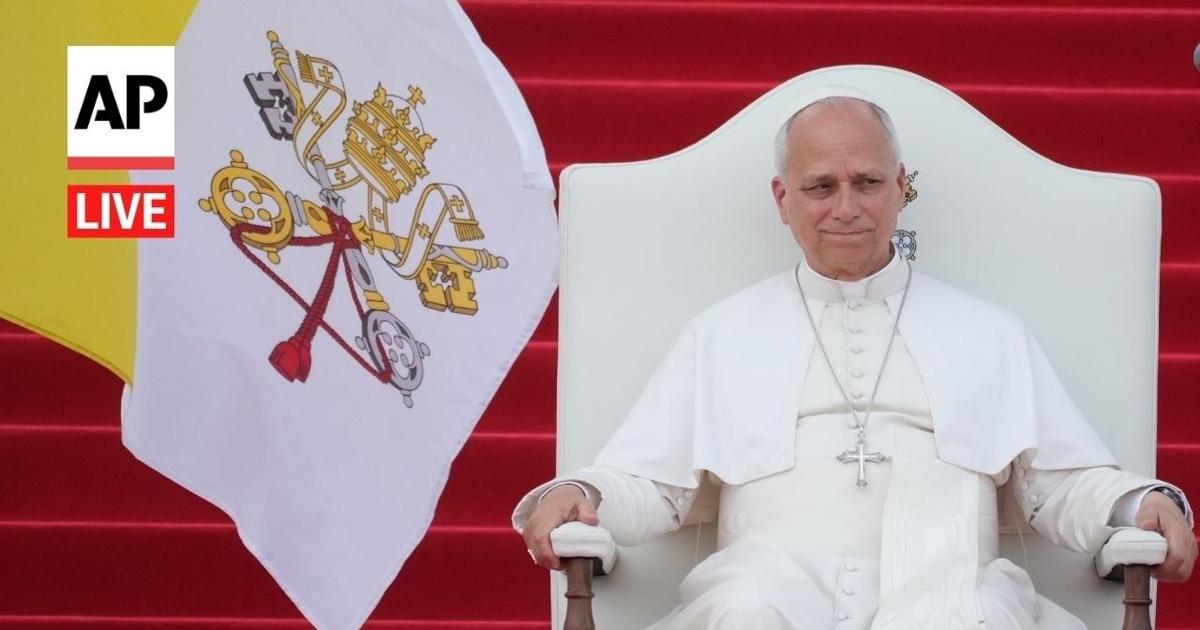
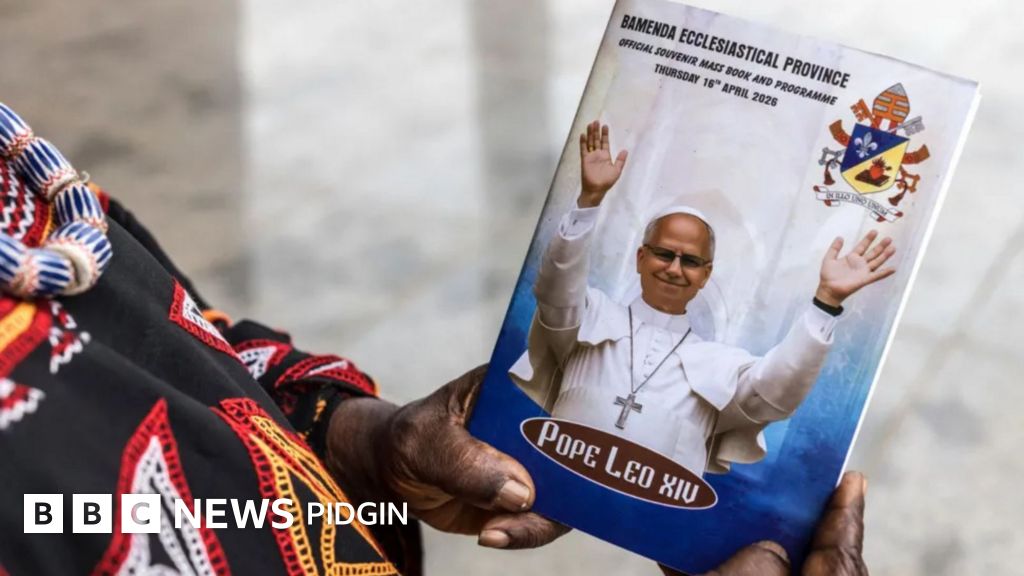
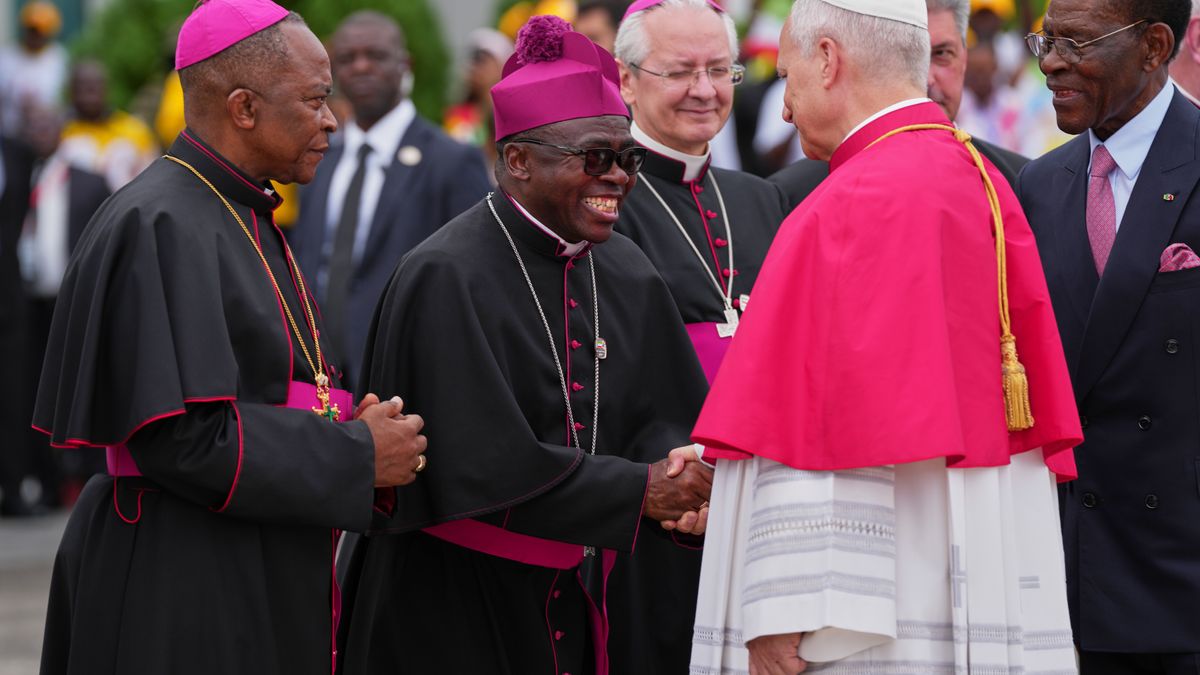
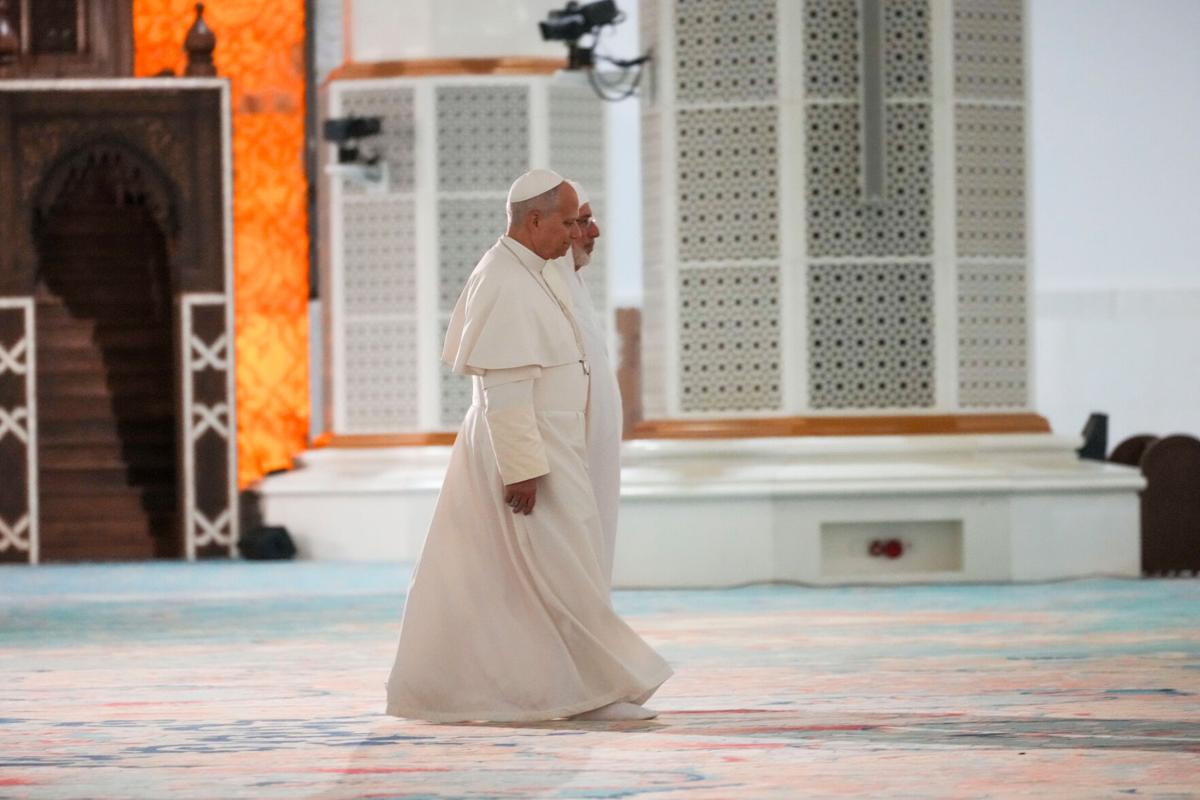
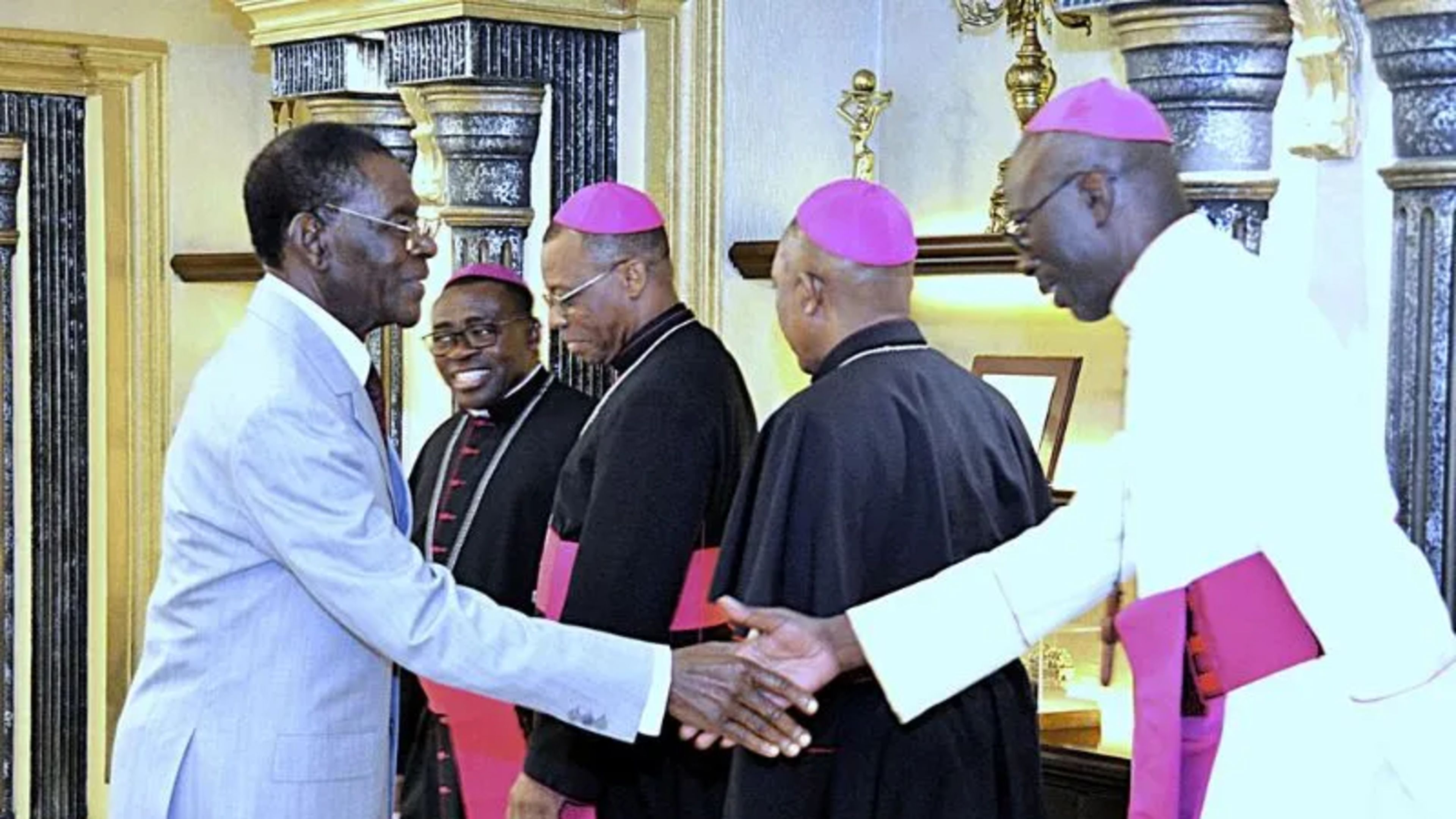
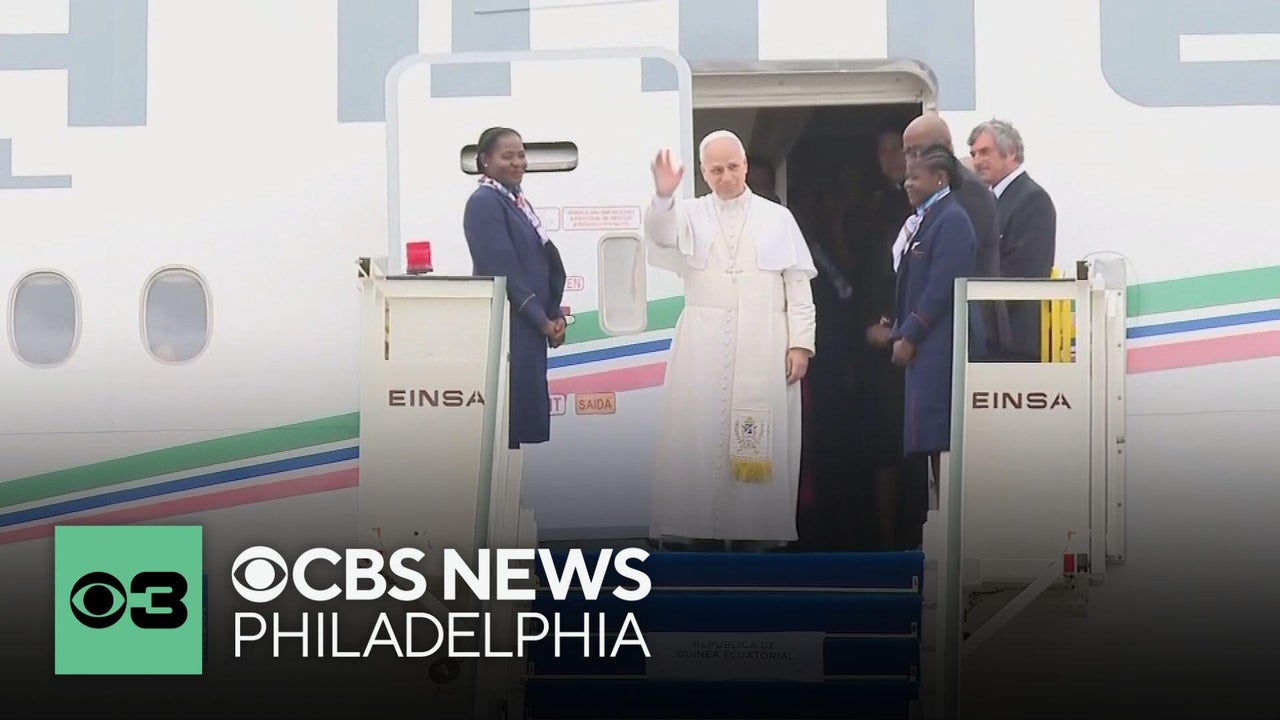
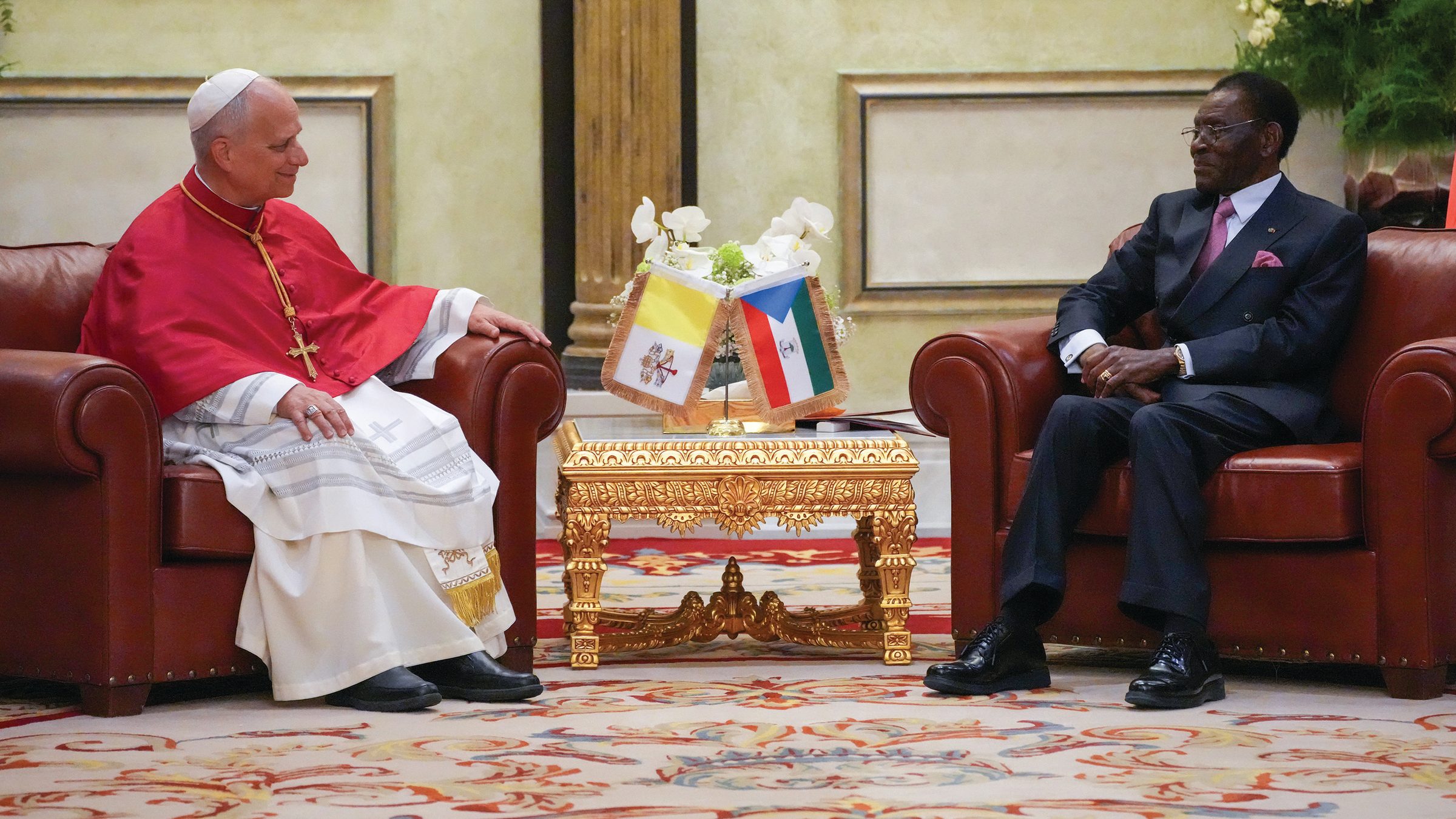
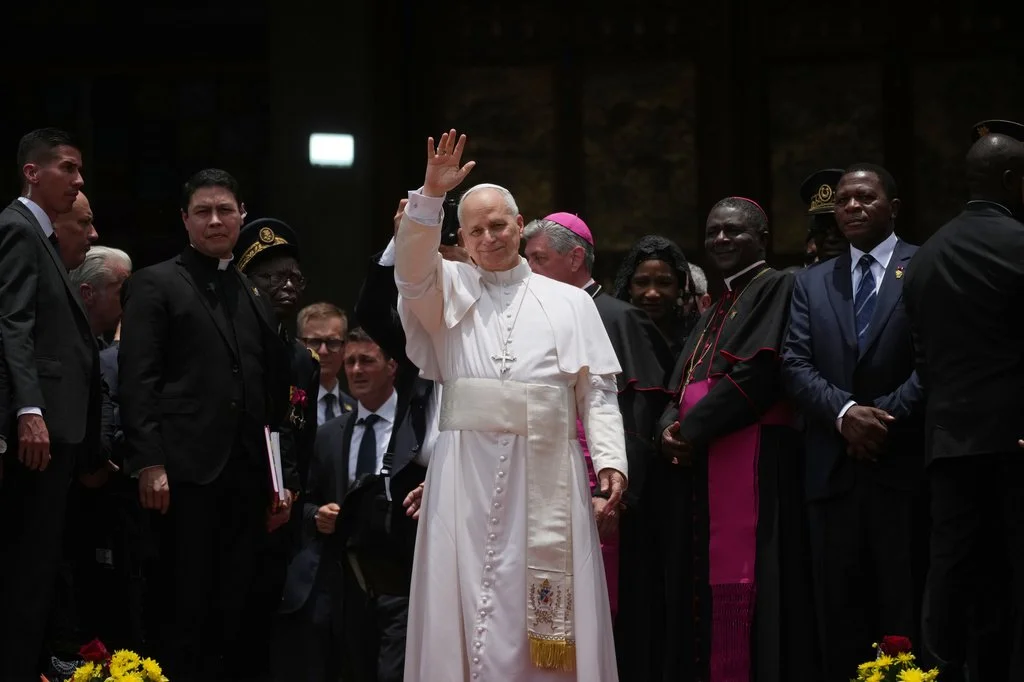
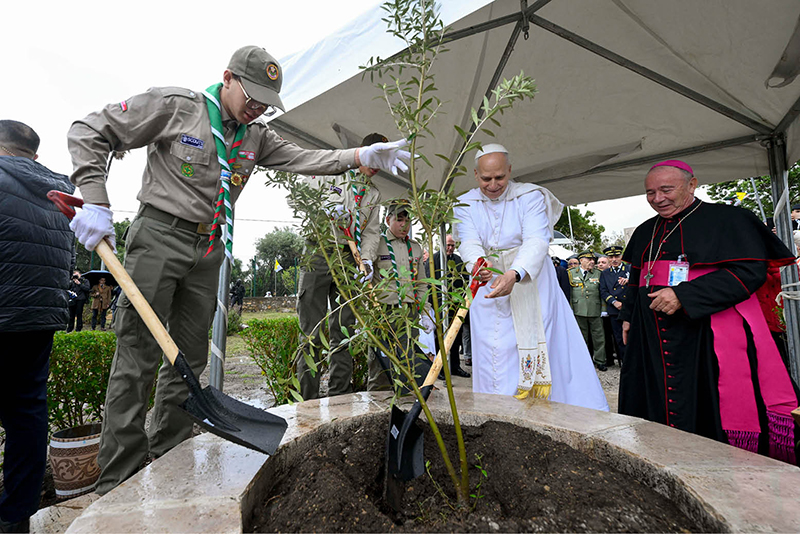
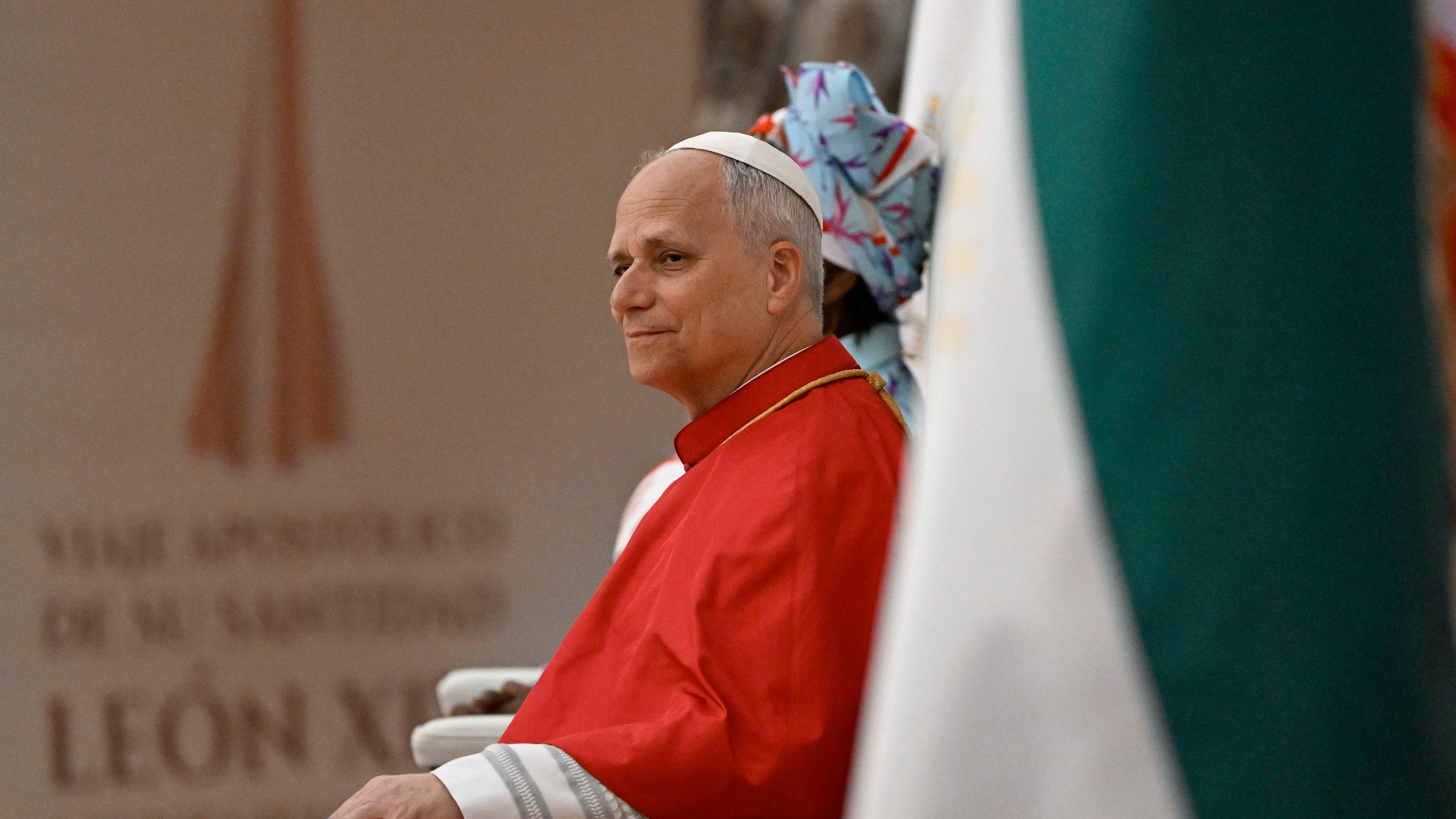
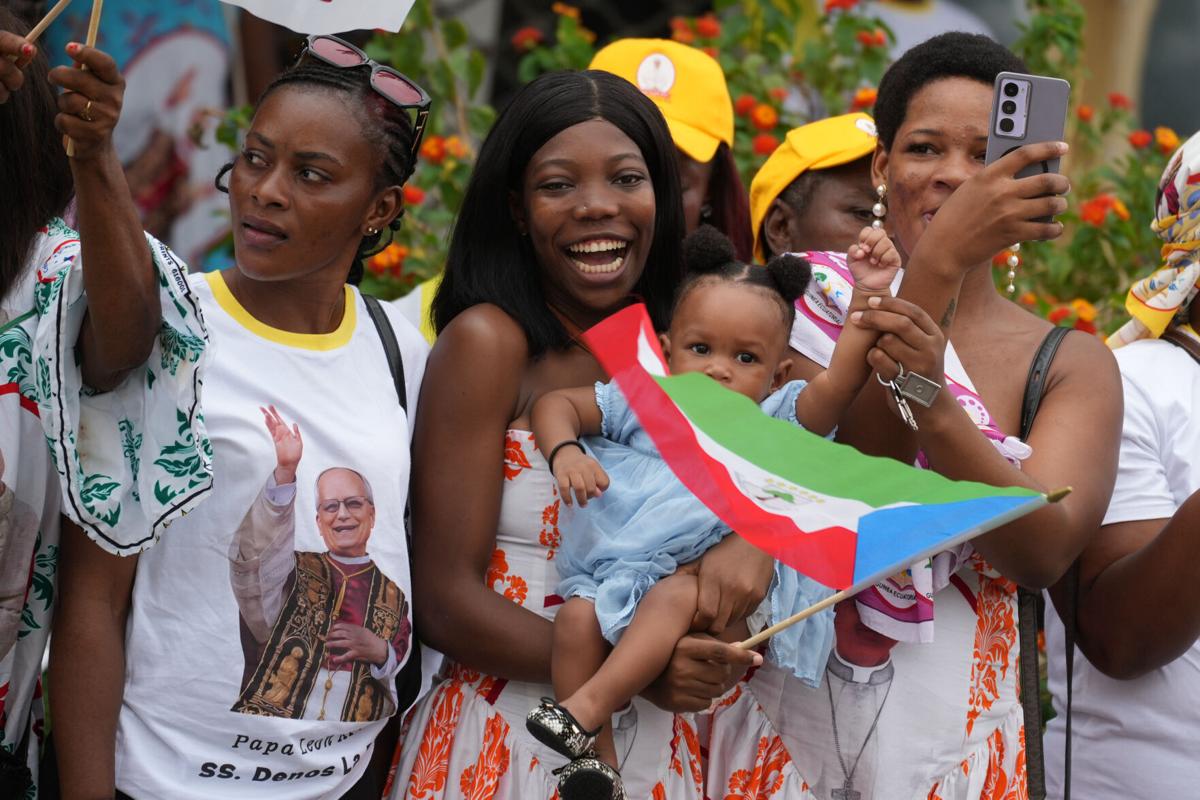
Pope Leo XIV's 11-day African tour spanning Algeria, Cameroon, Angola, and Equatorial Guinea (April 2026) carries significant implications for cross-border e-commerce sellers operating in or shipping to these regions. While the papal visit focuses on humanitarian and religious engagement, the underlying geopolitical context—particularly documented human rights concerns in Equatorial Guinea, ongoing security issues in the Democratic Republic of Congo and Nigeria, and infrastructure development discussions—directly impacts seller risk assessment and operational planning in African markets.
Governance and Regulatory Risk Assessment: The news coverage emphasizes serious governance challenges in visited nations. Equatorial Guinea, specifically highlighted for human rights concerns including arbitrary arrests and judicial independence issues, represents a critical risk zone for sellers. The U.S. State Department's 2023 report documenting violations and the recent deportation arrangements signal potential instability in legal frameworks affecting business operations. For sellers with inventory, payment processing, or logistics partners in Equatorial Guinea (Africa's only Spanish-speaking nation), these governance concerns translate to increased compliance risk and potential payment processing delays. Cameroon and Angola, while visited, face their own infrastructure and regulatory challenges that affect cross-border fulfillment networks.
Market Access and Infrastructure Opportunities: Conversely, the Pope's emphasis on healthcare and education infrastructure development—including the inauguration of León XIV Campus at the National University in Equatorial Guinea—signals potential long-term market development. Sellers in healthcare products, educational materials, and institutional supplies should monitor infrastructure investment announcements in these regions. The 11-day tour's focus on four nations with combined Catholic populations in the tens of millions indicates growing consumer engagement and potential e-commerce market expansion, particularly for faith-based products, religious merchandise, and culturally-relevant goods.
Logistics and Payment Processing Implications: The geopolitical context revealed through the papal visit—including security concerns that led the Pope to bypass the Democratic Republic of Congo and Nigeria despite their large Catholic populations—directly affects logistics route planning. Sellers using African fulfillment networks must reassess 3PL partnerships and shipping corridors. Payment processing in these regions may face additional scrutiny given governance concerns; sellers should verify that payment processors maintain compliant operations in Equatorial Guinea and other visited nations.
Strategic Seller Actions: Sellers with existing operations in these four nations should conduct immediate governance risk audits, verify payment processor compliance certifications, and review 3PL partner stability. Those considering market entry should delay expansion until post-visit governance assessments clarify regulatory trajectories. The Pope's selective itinerary—visiting smaller markets while bypassing larger ones due to security concerns—suggests that geopolitical stability, not market size alone, should drive seller prioritization in African expansion strategies.
Questions 7
How does Pope Leo's African tour affect seller operations in Equatorial Guinea?
The papal visit highlights serious governance concerns in Equatorial Guinea, including documented human rights issues and judicial independence problems per U.S. State Department 2023 reports. For sellers with payment processing, inventory, or 3PL operations in Equatorial Guinea, this signals increased regulatory scrutiny and potential compliance risk. Sellers should immediately verify that payment processors maintain current compliance certifications and conduct governance risk audits of logistics partners. The Pope's emphasis on judicial reform suggests potential regulatory changes ahead; sellers should monitor government announcements for new business registration or payment processing requirements that could affect operations within 6-12 months.
What market opportunities emerge from the Pope's infrastructure development focus?
The papal visit emphasized healthcare and education infrastructure investment across all four nations, with specific mention of the León XIV Campus inauguration at Equatorial Guinea's National University. Sellers in healthcare products, medical supplies, educational materials, and institutional equipment should monitor infrastructure tender announcements and government procurement opportunities. These sectors typically see 15-30% growth during infrastructure development cycles. Sellers should establish relationships with local distributors and government procurement contacts in Cameroon, Angola, and Equatorial Guinea to capture institutional sales opportunities emerging from the Pope's development emphasis.