



Southeast Asian Powder Keg: Trump's High-Stakes Border Mediation Between Thailand and Cambodia
- Diplomatic Intervention Reveals Fragile Regional Stability and Geopolitical Tension











Overview
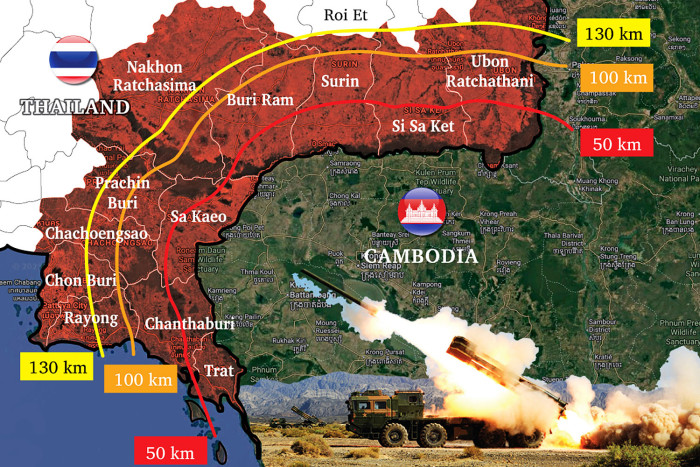
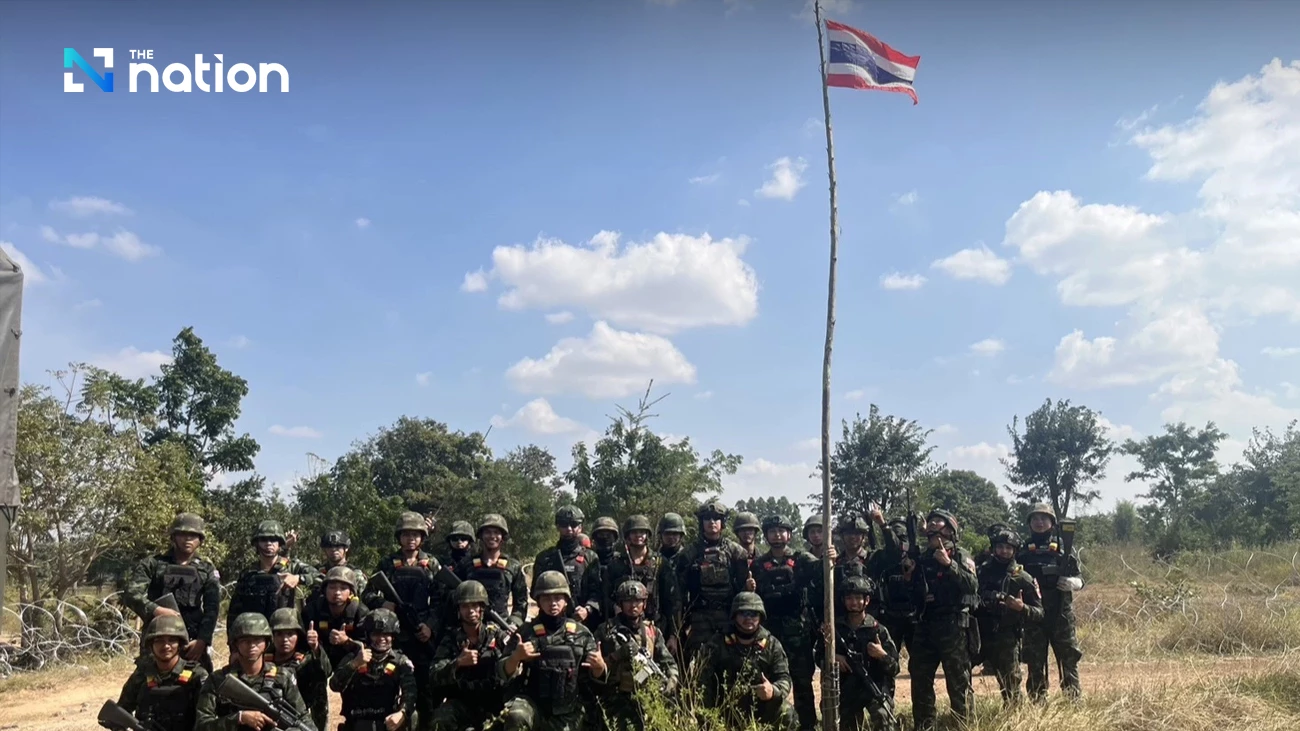
The escalating border conflict between Thailand and Cambodia represents a critical flashpoint in Southeast Asian geopolitics, with profound implications for regional stability and international diplomacy. Over five consecutive days, the two nations have engaged in intense cross-border military confrontations that have already claimed at least 20 lives and displaced over 260,000 people, transforming a long-standing territorial dispute into a potentially explosive international crisis.
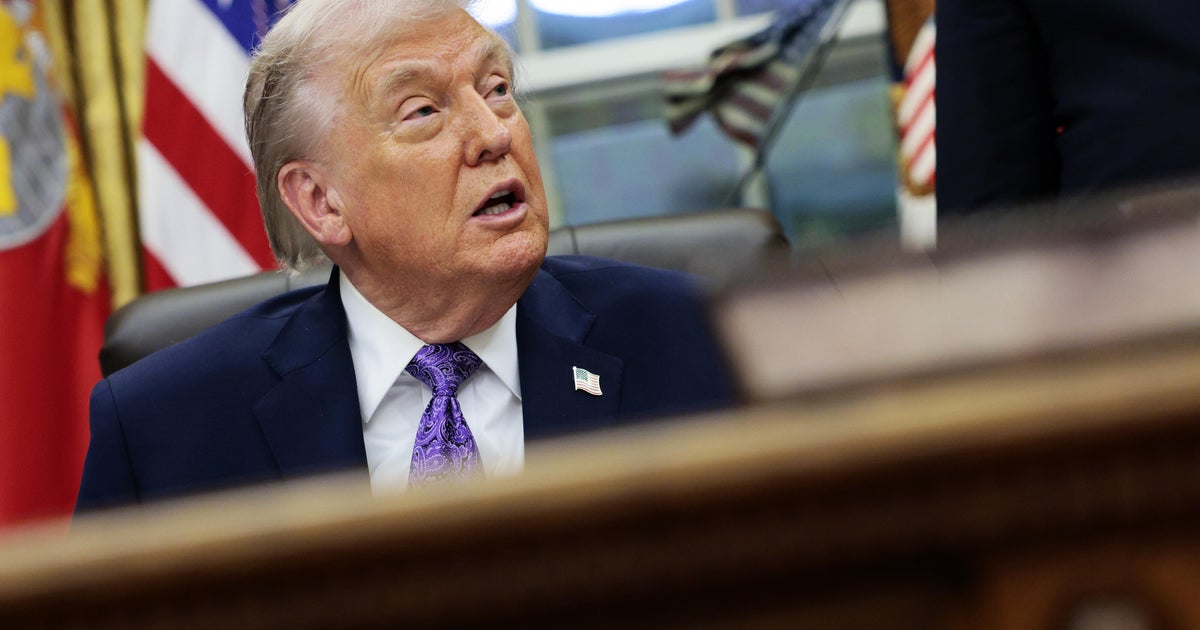
President Trump's diplomatic intervention emerges as a pivotal moment in this unfolding scenario. His attempts to mediate reveal the complex dynamics of international conflict resolution, where historical tensions and colonial-era mapping continue to fuel contemporary geopolitical challenges. The conflict, rooted in a decades-old border dispute originally drawn by French colonial authorities, has now escalated into a full-scale military confrontation with significant humanitarian consequences.
The strategic complexity is further amplified by domestic political developments. Thailand's recent parliamentary dissolution and upcoming elections introduce additional uncertainty into the conflict resolution process. Prime Minister Anutin Charnvirakul's aggressive stance, coupled with military operations aimed at "crippling" Cambodia's capabilities, suggests a willingness to escalate tensions despite international mediation efforts.
Critically, the repeated failure of previous peace agreements—including a recent truce signed just six weeks prior—underscores the fragility of diplomatic solutions in this region. While Trump claims to have brokered a new cease-fire, neither Thai nor Cambodian governments have confirmed the agreement, highlighting the tenuous nature of international conflict management.
The situation demands nuanced understanding: this is not merely a border dispute, but a complex geopolitical chess match involving historical grievances, national pride, and strategic positioning. The ongoing conflict represents a significant humanitarian and economic challenge that could potentially destabilize the entire Southeast Asian region.
Questions 3
What are the potential long-term implications of this border conflict?
The conflict could trigger broader regional instability, disrupt economic cooperation, and create a precedent for resolving territorial disputes through military means. The ongoing tensions might also attract external powers' intervention, further complicating the geopolitical landscape in Southeast Asia.
What makes Trump's mediation attempt unique in this conflict?
Trump is attempting to leverage diplomatic and potentially economic pressure to broker a cease-fire, using a strategy of direct personal intervention. However, the repeated failure of previous peace agreements suggests that his mediation faces significant challenges in achieving a sustainable resolution.