





Gates Foundation Restructuring 2026 | Governance Accountability Signals Broader Institutional Vetting Trends
- $9B foundation cuts 500 jobs (20% workforce reduction by 2030), launches external Epstein review, signals stricter partnership vetting standards affecting institutional procurement and vendor relationships



















Overview
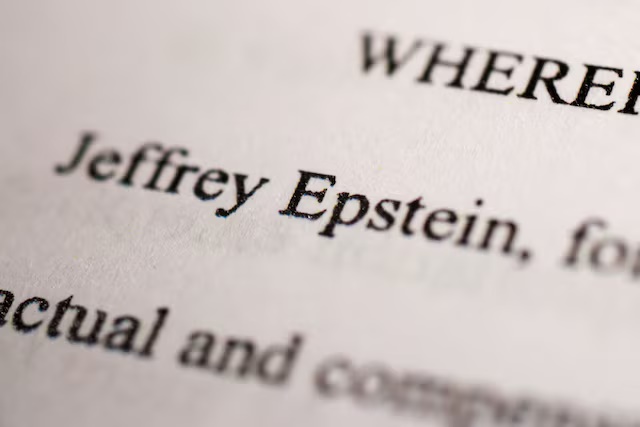
The Gates Foundation's April 2026 restructuring announcement—eliminating approximately 500 jobs (20% of workforce) while capping operating expenses at $1.25B annually—represents a critical institutional governance response with cascading implications for vendor accountability standards across sectors. CEO Mark Suzman's memo emphasizes "taking tough actions now" amid reputational pressures following Bill Gates' disclosed associations with Jeffrey Epstein and his scheduled June 2026 congressional testimony. The foundation's simultaneous launch of an external Epstein review signals a fundamental shift toward third-party vetting mechanisms and transparency protocols that increasingly influence how large institutional buyers evaluate supplier relationships.
Institutional Procurement Implications for E-Commerce Sellers: The Gates Foundation's $9B annual budget directly funds global health, education, and development initiatives—many executed through supply chain partnerships with manufacturers, logistics providers, and technology vendors. The 20% workforce reduction will consolidate procurement functions, likely centralizing vendor management and implementing stricter due diligence requirements. Sellers supplying educational materials, medical devices, or development-focused products to foundation-funded programs should anticipate enhanced background checks, compliance audits, and governance certifications. The external review framework—examining "current partnership vetting procedures"—suggests the foundation will adopt more rigorous vendor qualification standards, potentially requiring third-party certifications, ESG compliance documentation, and enhanced transparency in ownership structures.
Broader Institutional Vetting Trend: Warren Buffett's March 2026 statement that he has not communicated with Gates since Epstein details became public—despite $43B in cumulative donations since 2006—demonstrates how reputational governance crises trigger institutional distancing and stricter partnership criteria. This pattern extends beyond philanthropy: major institutional buyers (universities, government agencies, corporate procurement departments) increasingly implement similar third-party review mechanisms and vendor governance standards. E-commerce sellers and B2B suppliers should expect that institutional clients will demand enhanced compliance documentation, governance transparency, and potentially third-party audits of their operations. The foundation's emphasis on "independent assessment rather than internal-only evaluation" signals a market-wide shift toward external verification of vendor credibility.
Operational Impact on Vendor Relationships: The 20% staff reduction will compress procurement timelines and increase decision-making authority among remaining staff, potentially slowing vendor onboarding but accelerating disqualification of suppliers failing enhanced vetting. Sellers currently supplying foundation-funded programs should proactively document governance compliance, ownership transparency, and partnership history. The summer 2026 timeline for review findings suggests institutional policy changes will likely be implemented by Q4 2026, creating a 6-month window for vendors to align with anticipated stricter standards. Sellers in education technology, medical supplies, and development-focused categories should monitor foundation procurement announcements for updated vendor requirements and prepare compliance documentation accordingly.
Questions 7
What timeline should sellers follow to align with the Gates Foundation's anticipated new vendor requirements?
The foundation expects to receive external review findings by summer 2026, with policy implementation likely by Q4 2026. This creates a 6-month window (June-December 2026) for vendors to align with anticipated stricter standards. Sellers currently supplying foundation-funded programs should: (1) By June 2026, audit current governance documentation and identify compliance gaps; (2) By September 2026, implement any required governance or compliance changes; (3) By December 2026, submit updated documentation to foundation contacts. The foundation's emphasis on 'substantive' review suggests the new requirements will be comprehensive rather than perfunctory. Sellers should treat this timeline as a hard deadline for compliance preparation, as the foundation will likely enforce new standards immediately upon policy implementation.
How will the Gates Foundation's external review framework influence vendor vetting practices across other institutional buyers?
The foundation's decision to commission an external review rather than conduct internal-only assessment signals a market-wide shift toward third-party vendor verification. Other major institutional buyers—universities, government agencies, corporate procurement departments—will likely adopt similar external review mechanisms for their vendor relationships. This trend suggests sellers should expect increasing requests for third-party audits, compliance certifications, and independent verification of governance practices. The foundation's framework will likely become an industry standard, with other institutions adopting similar vetting procedures. Sellers should view the Gates Foundation's approach as a leading indicator of broader institutional procurement trends and prepare compliance documentation accordingly.