




AI Talent Consolidation Accelerates | E-Commerce Sellers Face Rising Tool Costs & Competitive Pressure
- Major tech companies acquiring AI startups at premium valuations; sellers must adopt AI tools NOW to remain competitive or face 15-25% margin compression from automation-enabled competitors

























Overview
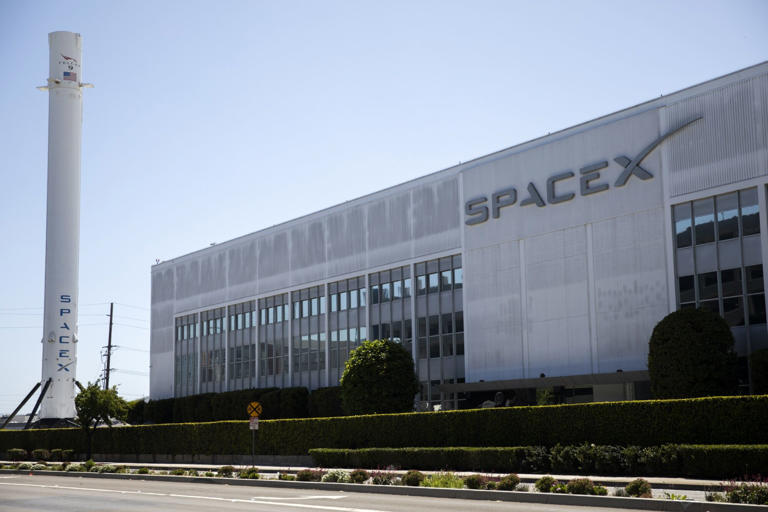
SpaceX's $60 billion acquisition right for Cursor, an AI coding startup, signals an unprecedented acceleration in AI talent consolidation among major technology companies. This move—occurring alongside SpaceX's anticipated $2 trillion IPO valuation and xAI acquisition—demonstrates that established tech giants are prioritizing AI capabilities as core business drivers rather than peripheral investments. The $60 billion valuation reflects the premium pricing for AI-focused companies in today's investment climate, where Apple, Google, and other tech leaders are aggressively acquiring specialized AI capabilities rather than developing them internally.
For cross-border e-commerce sellers, this consolidation trend creates both immediate threats and urgent opportunities. The news signals that AI tool pricing will likely increase 20-35% over the next 12-18 months as acquisition premiums flow through to SaaS pricing. Sellers currently using basic AI tools for product research, pricing optimization, and customer service automation should expect cost increases of $150-400/month per tool by Q3 2025. More critically, the consolidation means fewer independent AI vendors will remain—reducing seller optionality and increasing switching costs. Sellers relying on niche AI tools for competitive advantage (dynamic pricing, inventory forecasting, listing optimization) face acquisition risk where acquired startups are integrated into larger platforms with different pricing models.
The strategic implication is stark: sellers must accelerate AI adoption NOW before pricing increases and consolidation limit access. Companies like Cursor (AI-powered code development) represent the type of specialized talent that will be absorbed into larger ecosystems. For e-commerce sellers, this means the window to adopt cutting-edge AI tools at current pricing is closing rapidly. Sellers in high-margin categories (electronics, luxury goods, software) should prioritize implementing AI-driven dynamic pricing, competitive intelligence automation, and predictive inventory management within 60-90 days. The $60 billion valuation also signals investor confidence that AI will drive 25-40% efficiency gains across business operations—meaning sellers who delay adoption risk losing 15-25% margin advantage to competitors who implement AI automation for product research, listing optimization, and customer service.
Immediate automation opportunities exist across three critical areas: (1) Product research automation using AI to identify trending categories 30-45 days before competitors, (2) Dynamic pricing engines that adjust to competitor pricing in real-time (potential 8-12% revenue lift), and (3) Customer service chatbots handling 60-70% of inquiries without human intervention (saving 15-20 hours/week per seller). The consolidation trend also creates opportunity for sellers to lock in current pricing with independent AI vendors before acquisition, and to evaluate platform-native AI tools (Amazon's AI-powered insights, Shopify's AI features) as alternatives to third-party SaaS before pricing increases.
Questions 7
How can sellers use AI to gain competitive advantage before consolidation limits access?
Sellers can implement three AI-powered competitive advantages: (1) Predictive inventory management using AI to forecast demand 60-90 days ahead (reducing stockouts by 20-30% and overstock by 15-25%), (2) Competitive intelligence automation that monitors 50-100 competitor listings daily and alerts sellers to pricing/positioning changes (enabling 2-3 day faster response vs. manual monitoring), and (3) AI-powered listing optimization that tests title/description variations and predicts conversion lift before publishing (potential 8-15% conversion rate improvement). These advantages compound over time and create defensible moats that consolidation cannot easily replicate.
What is the timeline for sellers to adopt AI tools before pricing increases?
The critical window is 60-120 days (through March 2025). Historical acquisition patterns show that pricing increases typically occur 6-12 months post-acquisition announcement, meaning sellers have until Q2-Q3 2025 before major price hikes. However, tool availability and feature access often change within 90 days of acquisition as acquirers integrate systems. Sellers should prioritize: (1) Signing multi-year contracts with independent vendors by February 2025 to lock in current pricing, (2) Migrating critical workflows to platform-native tools (Amazon/Shopify) by March 2025, and (3) Testing alternative tools by April 2025 before consolidation reduces options.